1930 Alfa Romeo 6C 1750 Gran Sport Zagato Spyder Series IV
1930 · 4.293 km · Druten, Nederland · via Car & Classic
Bekijk op Car & Classic → Open in de app






Gegevens
| Merk | Alfa Romeo |
|---|---|
| Model | Spider Series IV |
| Bouwjaar | 1930 |
| Kilometerstand | 4.293 km |
| Transmissie | Handgeschakeld |
| Brandstof | Benzine |
| Carrosserie | Roadster |
| Kleur | Red |
| Stuur | Rechts |
| Motor | 1752 cc |
| Locatie | Druten, Nederland |
| Verkoper | Metropole Sales (handelaar) |
| Bron | Car & Classic |
| gears | 4 |
| Op Oudjes.xyz sinds | 5 oktober 2026 |
| Laatst gezien | 7 oktober 2026, 06:15 |
Beschrijving
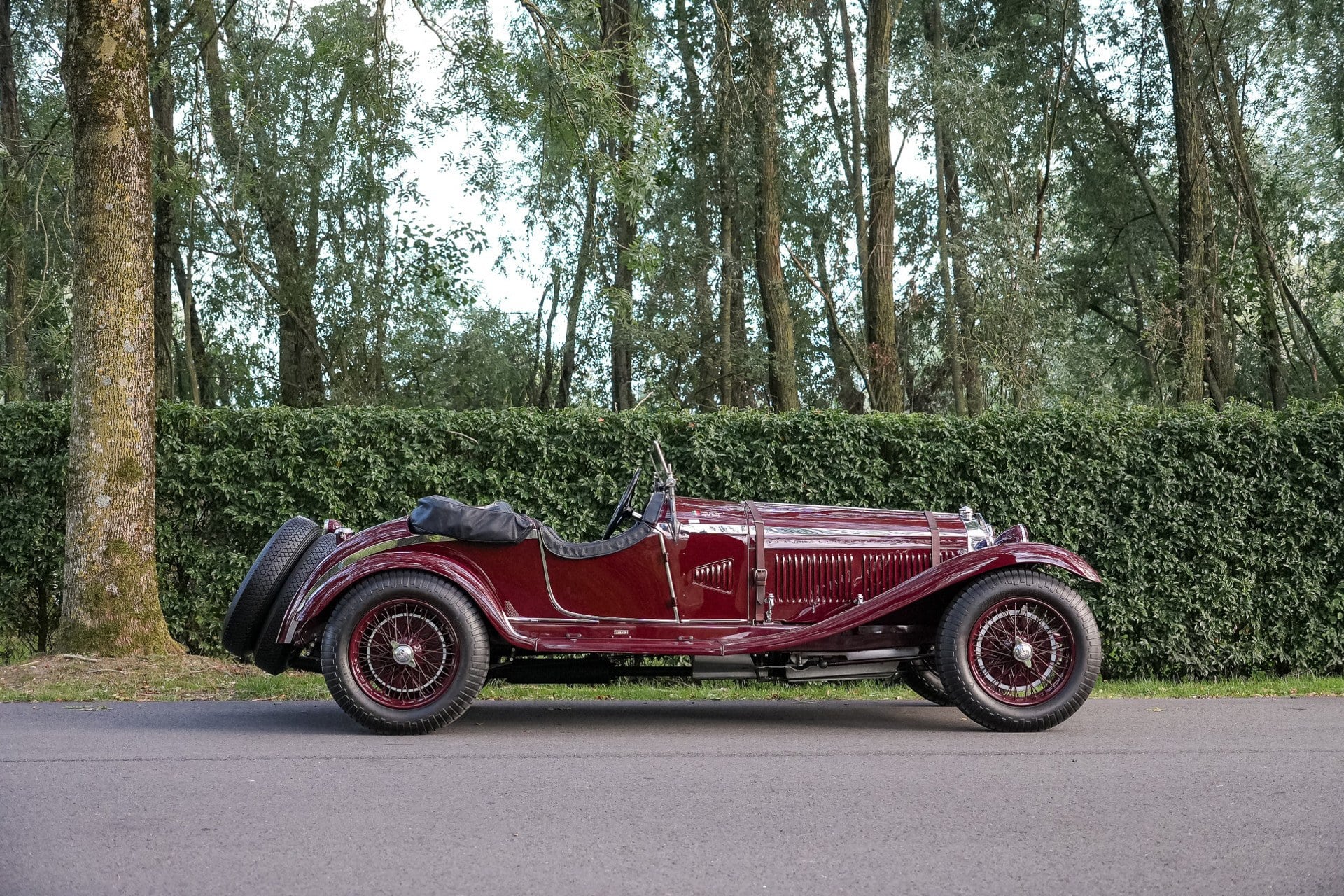
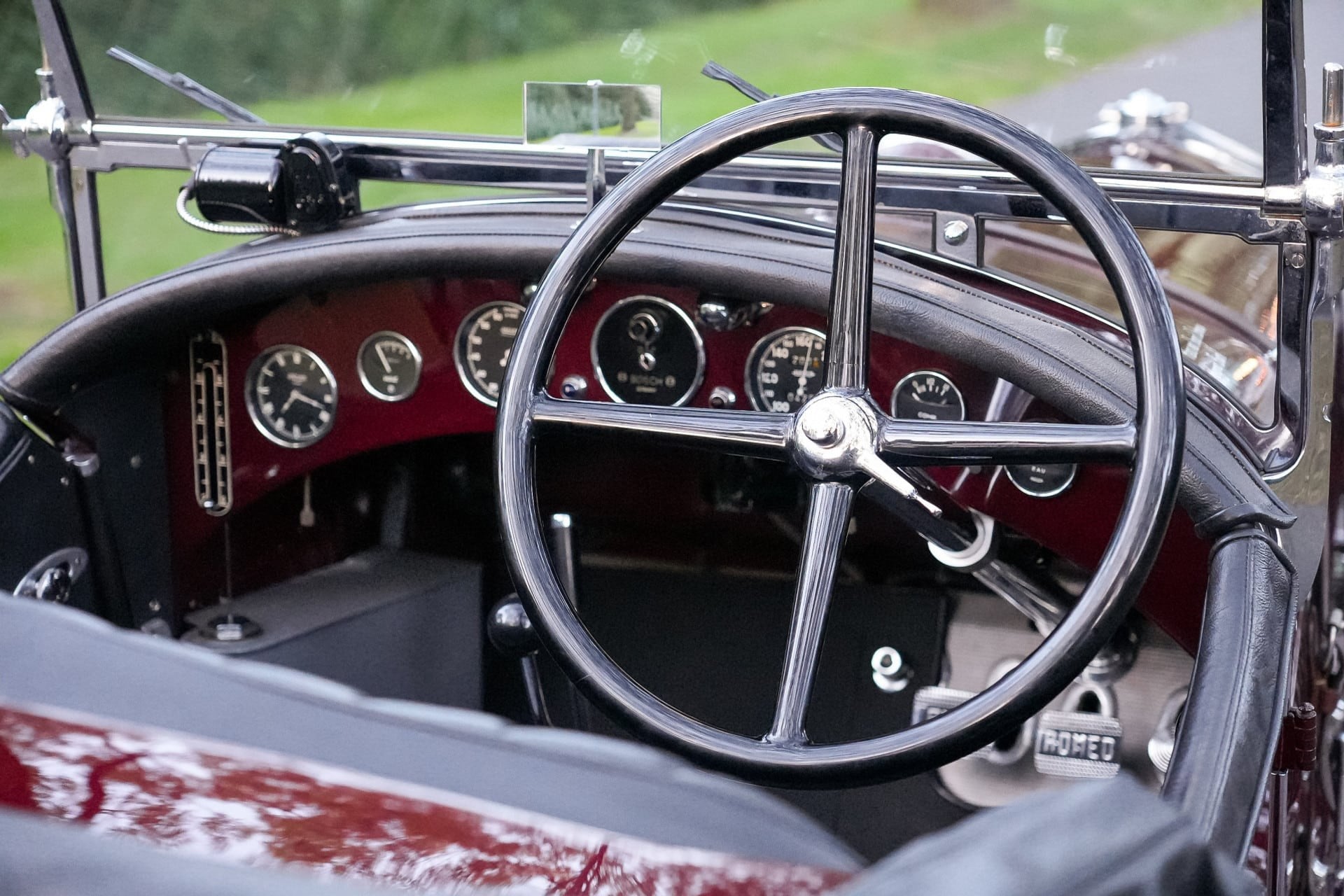
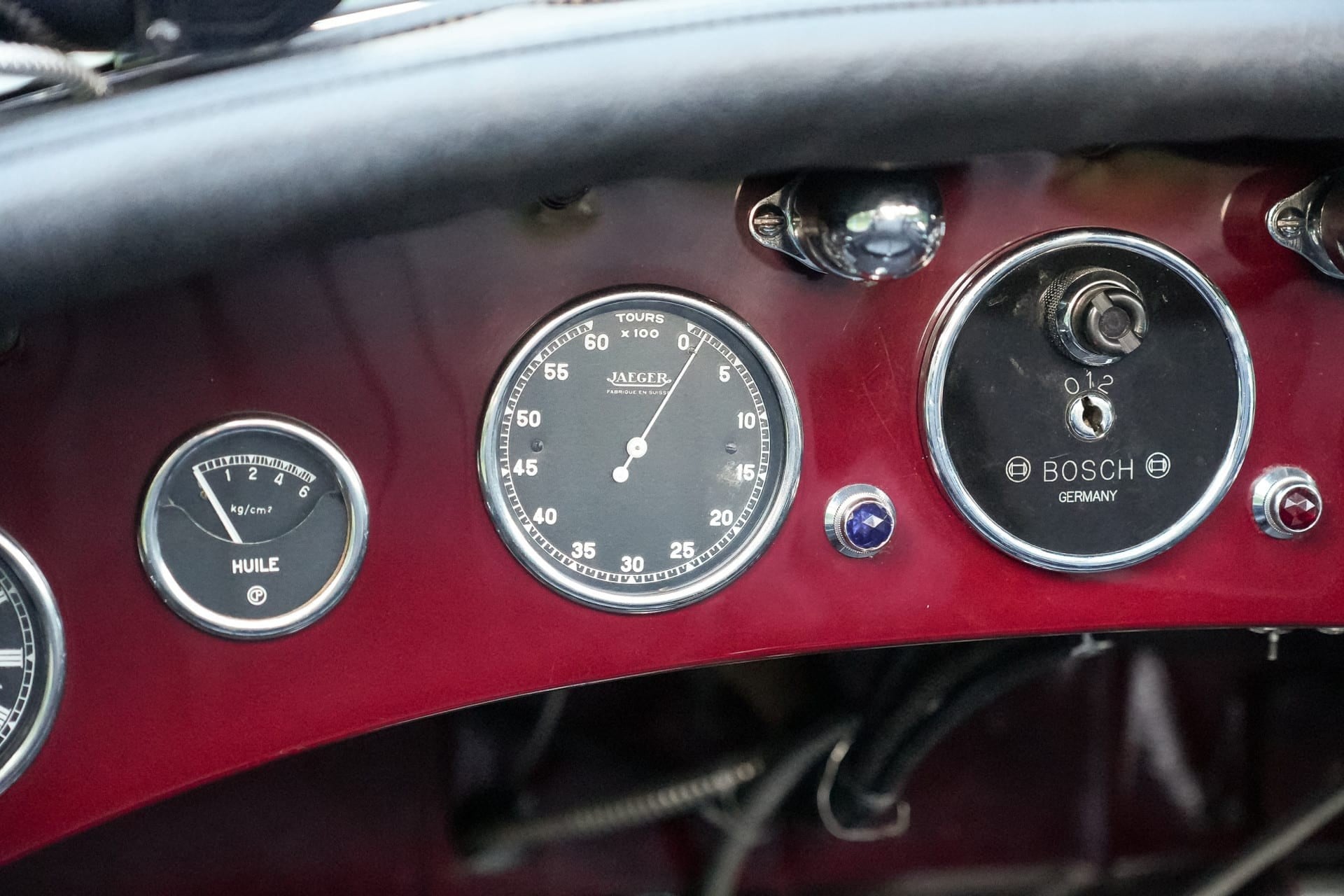
Alfa Romeo 6C 1750 Gran Sport Zagato Spyder, Series IV There are few cars that embody the DNA of their era as completely as the Alfa Romeo 6C 1750 Gran Sport. Designed by Vittorio Jano, built by Alfa Romeo, and clad in a Zagato body, this model represents the absolute pinnacle of Italian sports car manufacturing from the late 1920s. The example offered here, chassis number 8513011, is not merely a fine example of the kind; it is a car with a verifiable racing history, documentation dating back to factory sales in 1930, and a restoration executed down to the smallest detail. The car is now registered in the Netherlands and is immediately ready for use and participation in historic events in Europe. This 6C 1750 GS was sold as a new car on April 4, 1930, to Giacomo Corelli, a lawyer from Lugo near Ravenna with a great passion for racing. Corelli was no amateur behind the wheel; he had already gained experience with an Alfa Romeo 6C 1500 S and drove the 1930 Mille Miglia with a 6C 1500 SS Zagato, finishing 21st overall. An original Certificato di Garanzia for this specific car has been preserved—an Italian insurance document for participation in the Mille Miglia of April 12 and 13, 1930, in Corelli's name. On July 28, 1930, the car passed to Umberto Klinger of Ferrara. Under his banner, the car was entered in the Mille Miglia in 1931, where Klinger, together with Saccomani, achieved a respectable fourth place in the overall class under the colors of Scuderia Ferrari, with starting number 111. This was followed in February 1932 by a sale to an official Alfa Romeo dealer in Naples, followed by a sale on May 11, 1932, to Sabatino Paganelli, an experienced mechanic and driver from Naples known for building numerous racing cars and mentioned in the reference work "Le Sport ei suoi artigiani" by Andrea Curami. Later that year, the car changed hands once again, first to Salerno and then to Mr. De Juliis Enrico of Cava dei Tirreni near Naples. In 1982, the car was rediscovered in Nancy, France. The chassis number suggests that this may have been a Scuderia Ferrari team car, and the preserved photographic documentation supports participation in the Mille Miglia of 1930, 1932, and 1933, among other events from that period in Italy. The restoration of this Alfa Romeo was entrusted to Bob Smith Coachworks in Gainesville, Texas, a company with multiple victories at the Pebble Beach Concours d'Elegance to its name. The original, matching engine was overhauled by the renowned specialist Paul Grist in England. The scale of this undertaking is evident from the preserved invoices: the project encompassed thousands of man-hours, spread over several years, with work on the bodywork, upholstery, wiring, chrome and nickel plating, and numerous mechanical parts, among other things. The result of this effort is easy to guess. The car has been shown twice at the Pebble Beach Concours d'Elegance, where it won its class on both occasions, and was named Best in Class at The Quail in Carmel Valley, California, in 2007. Under the beautifully styled hood lies a 1752 cc inline six-cylinder engine with double overhead camshafts, a cast-iron block and head, a bore of 65 mm, and a stroke of 88 mm. The engine is equipped with an Alfa Romeo Roots supercharger and a single Memini twin-throat carburetor. Power is transmitted to the rear wheels via an Alfa Romeo four-speed manual gearbox, using a driveshaft. The car features rigid axles on leaf springs at the front and rear, with adjustable friction dampers. The brakes are 250 mm drum brakes, mechanically operated via rods, both front and rear. The steering system consists of a worm gear and screw mechanism. The bodywork is largely aluminum, with steel components where necessary, constructed as a two-seater, two-door Spyder. The car features a valid FIA Historic Technical Passport, FIA identification number 44251, issued by the KNAF and valid until 31 December 2028, in the Pre-30 Open Two Seat Car category, Period C. This makes the car immediately ready for the most important historic events worldwide, including the Mille Miglia. The car is in excellent condition today. The panel gaps run beautifully and evenly across the entire bodywork, a testament to the craftsmanship with which this restoration was executed, and otherwise the car looks magnificent in every respect, from the gleaming Rosso Corsa paint to the richly appointed engine bay with chrome intake manifolds and polished valve cover. With a documented history dating back to the date of sale in 1930, a presumed past as a Scuderia Ferrari team car, participation in the Mille Miglia in the early 1930s, a top-class restoration, a valid FIA passport, Dutch registration, and outstanding current condition, this Alfa Romeo 6C 1750 Gran Sport is among the most desirable examples of its kind to reach the market. Moreover, this car, built in 1930, falls well within the period used by the modern Mille Miglia for admission, and with its own history of...
Ook te koop op
- LesAnciennes · € 625.000 · details
Vergelijkbare oudjes
 1930 Alfa Romeo 6C 1750 spider€ 495.0001930 · 1.500 km · Bennekom, Ede, Nederland · Car & Classic
 1931 Alfa Romeo 8C 2300 Zagato SpiderPrijs op aanvraag1931 · London, Greater London, Verenigd Koninkrijk · Car & Classic
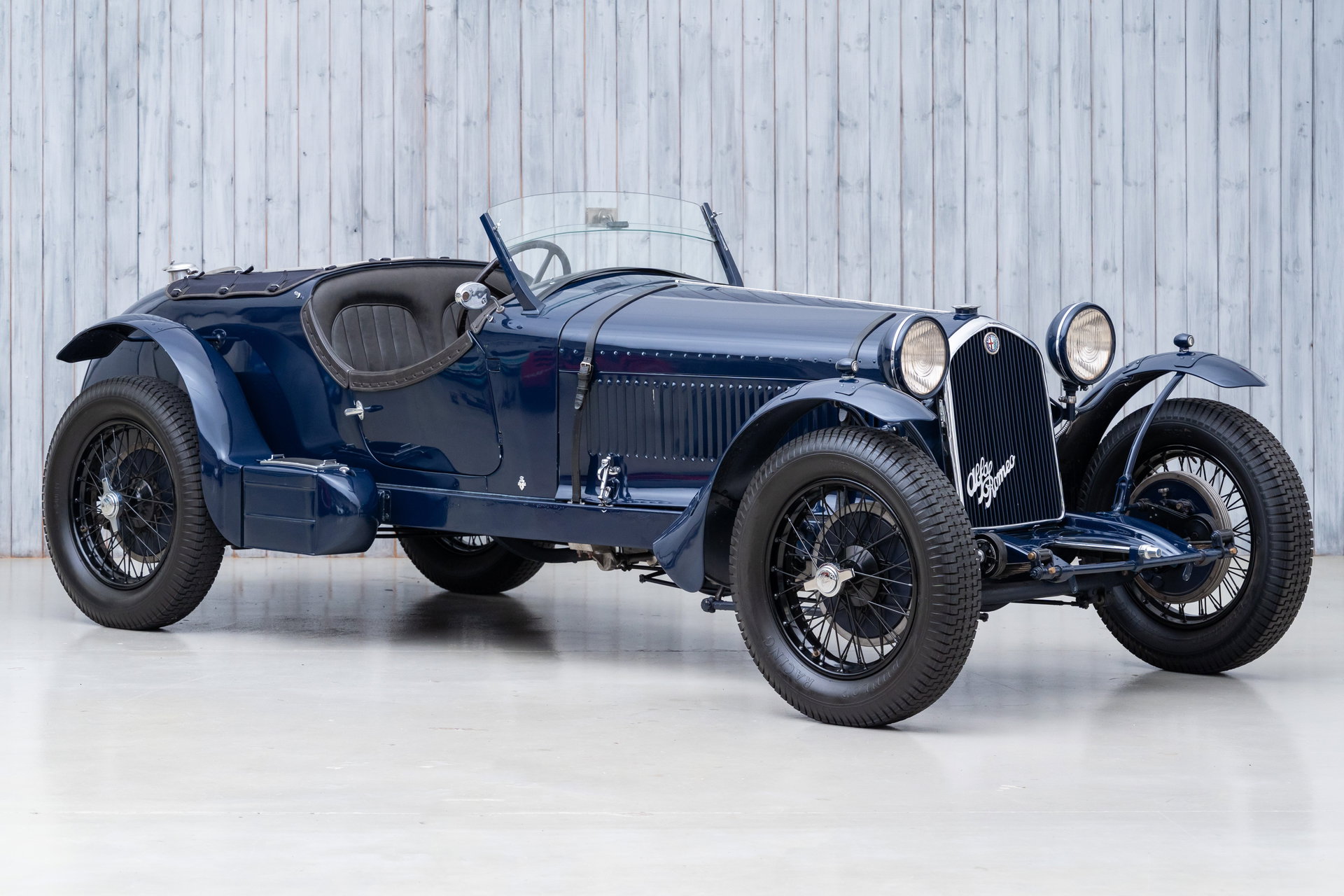 1933 Alfa Romeo 6C - 1900 Gran Turismo SpiderPrijs op aanvraag1933 · Verenigd Koninkrijk · Classic Driver
 Alfa Romeo 6C 1900 Gran Turismo SpiderPrijs op aanvraag1933 · Cirencester, Gloucestershire, Verenigd Koninkrijk · Car & Classic
 1934 Alfa Romeo 6C 2300 Pescara Spider 7th Series GT€ 675.0001934 · 627 km · Druten, Nederland · Car & Classic
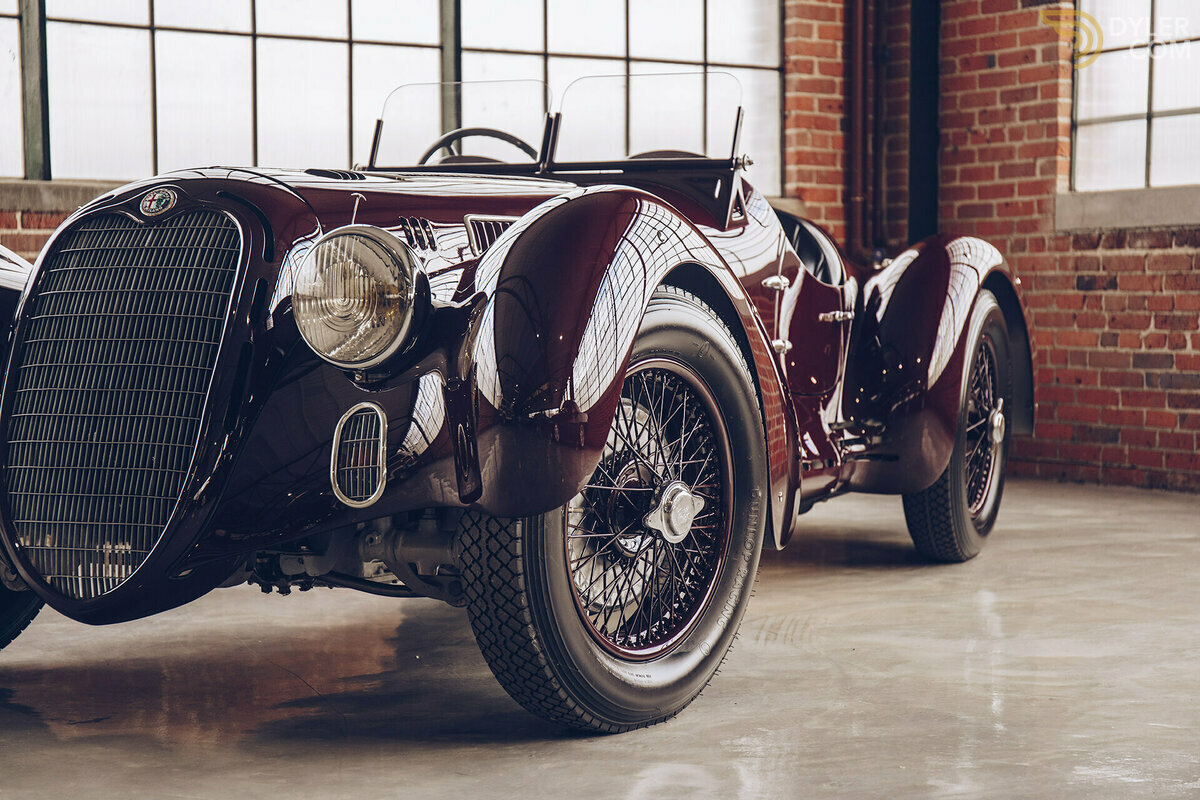 1939 Alfa Romeo 6C 2500 Corsa Spyder Superleggera - Miglia EXCEPTEDPrijs op aanvraag1939 · Bridgeport, Verenigde Staten · Dyler
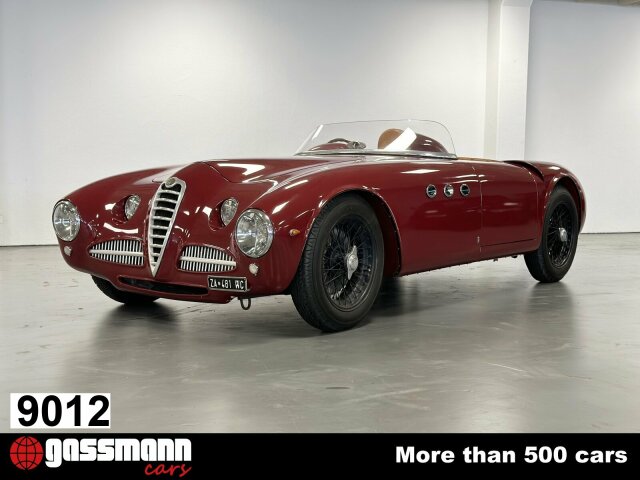 1946 Alfa Romeo 412 - 412 Spider Vignale, 6 Zylinder SS-Motor - RHD€ 339.0001946 · 1.001 km · Bovenden, Duitsland · Classic Driver
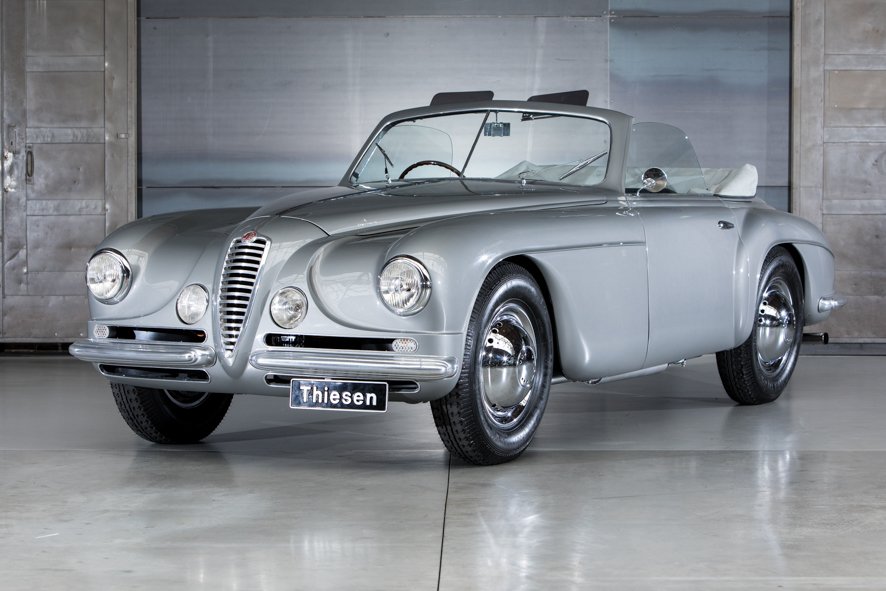 1951 Alfa Romeo 6C - 2500 SS Villa d`Este SpiderPrijs op aanvraag1951 · 1.500 km · Berlin, Duitsland · Classic Driver
Wat doet een Alfa Romeo Spider op de markt? Bekijk de marktwaarde →