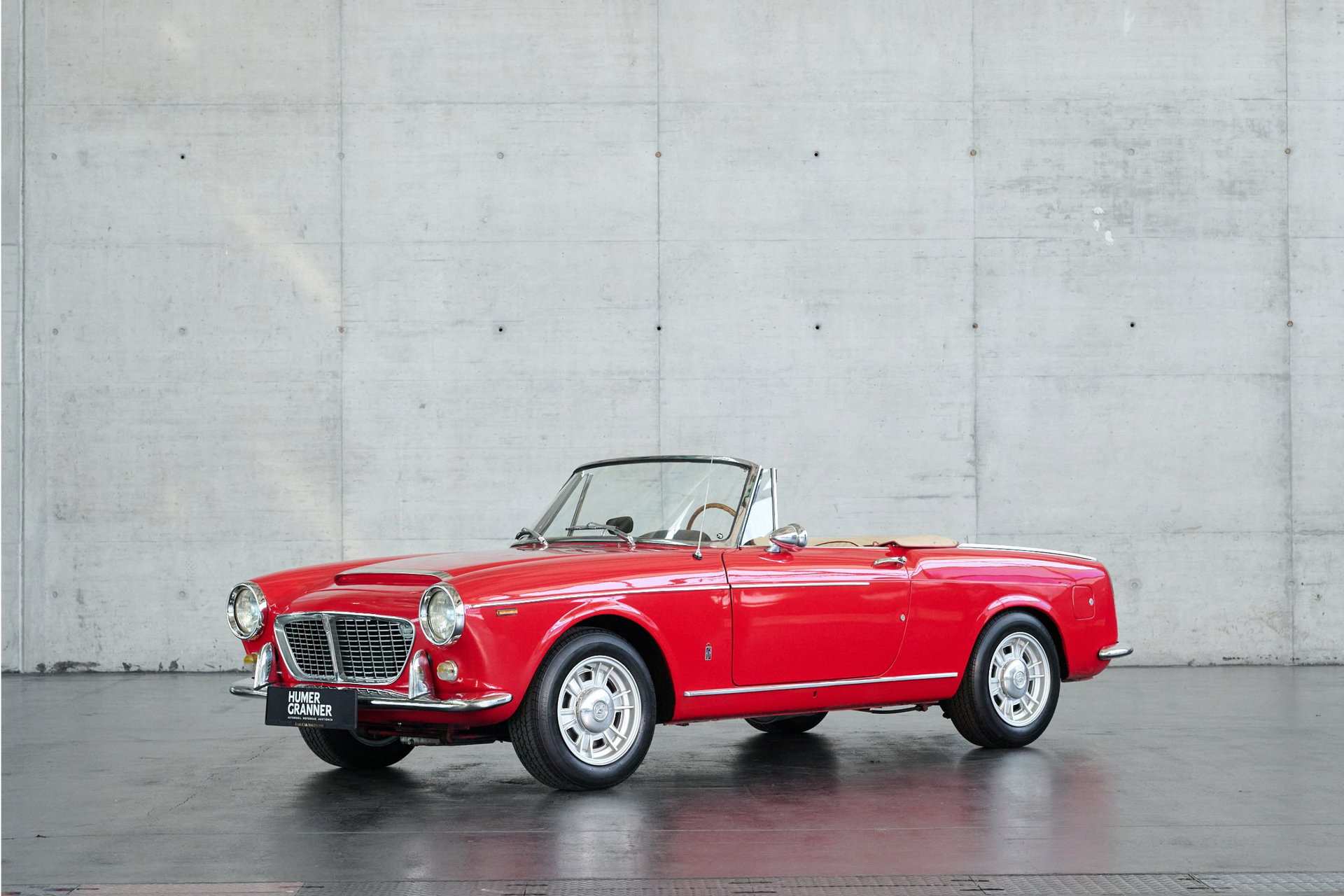
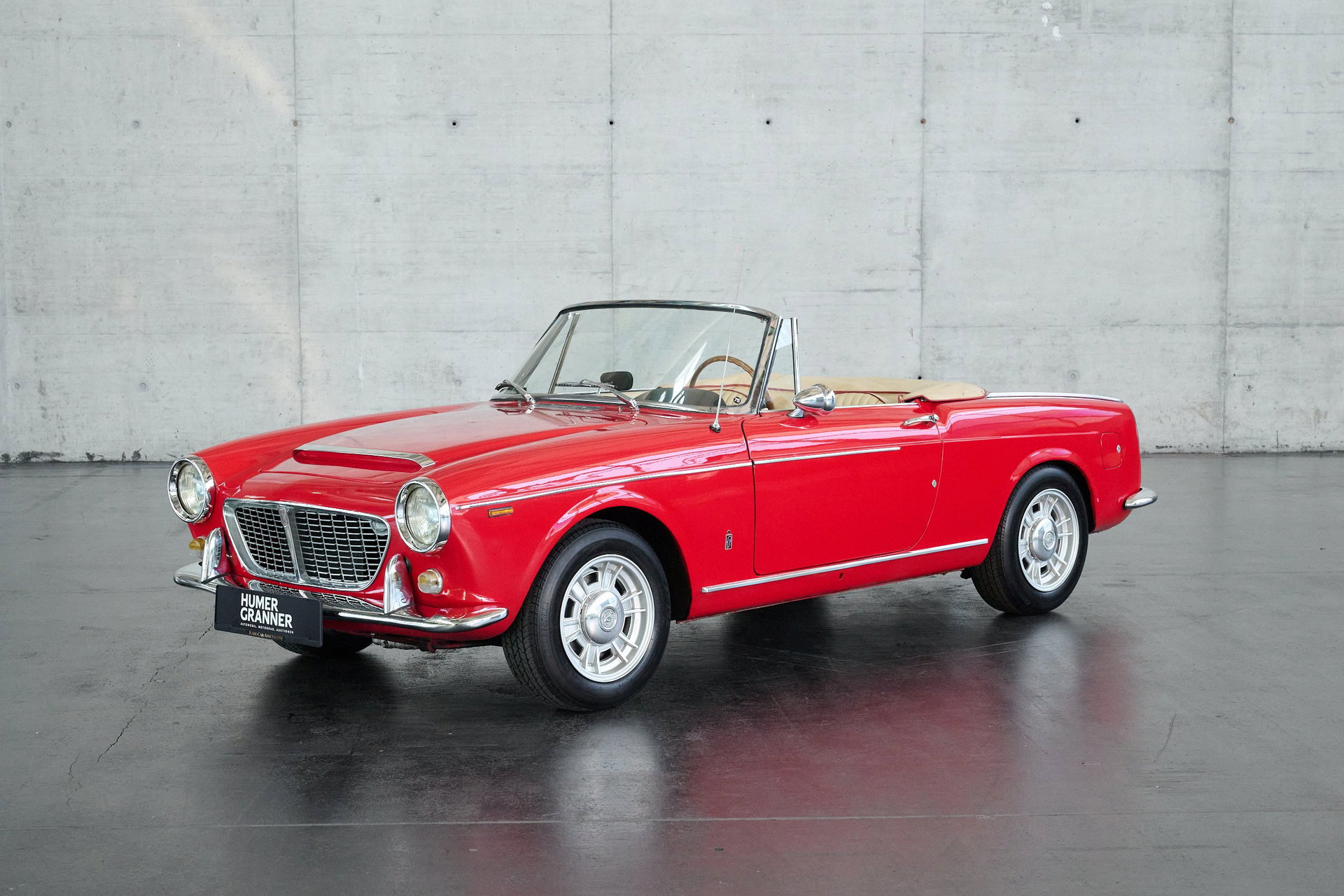
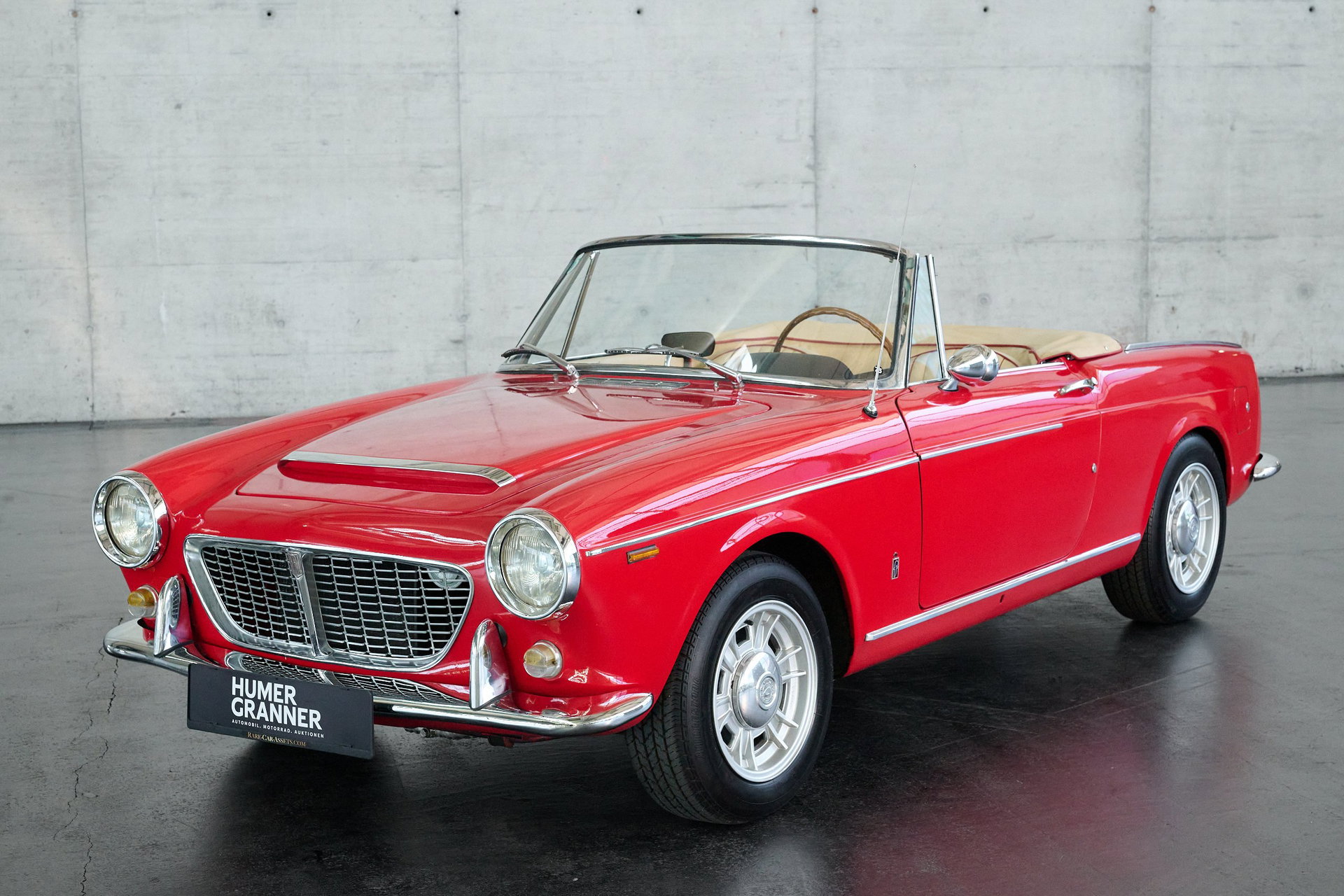
1960 Fiat 1500 - OSCA 1500 Cabriolet
1960 · Salzburg, Oostenrijk · via Classic Driver
Veiling sluit 18 oktober 2026, 01:59
Bekijk op Classic Driver → Open in de app
Gegevens
| Merk | Fiat |
|---|---|
| Model | 1500 Cabriolet |
| Bouwjaar | 1960 |
| Carrosserie | Cabrio |
| Stuur | Links |
| Locatie | Salzburg, Oostenrijk |
| Verkoper | Humer, Granner & Co GmbH (veiling) |
| Bron | Classic Driver |
| auction | https://www.classicdriver.com/en/auction/humer-granner-co-gmbh-classic-car-auction-17102026 |
| Op Oudjes.xyz sinds | 5 oktober 2026 |
| Laatst gezien | 7 oktober 2026, 06:17 |
Beschrijving
Timeless Pininfarina design paired with racing-derived engineering
Rare early example from the first series
Imported to Austria as early as 1966
Comprehensively restored just over 25 years ago
Matching numbers
When Fiat began thinking about a proper sports car in 1957, there was one small problem. Thanks to Pininfarina, the 1200 Spider certainly looked the part, but with its well-behaved mass-production engine, it was only moderately quick. Dante Giacosa therefore needed more power. He found the solution with three gentlemen who knew a thing or two about building fast engines: the Maserati brothers.
Ernesto, Ettore and Bindo Maserati had long since returned to building racing cars with OSCA after leaving Maserati. What they lacked, however, was the money to put their new twin-cam engine into larger-scale production. When Giacosa and Ernesto Maserati met in July 1957, two birds were therefore killed with one rather elegant stone.
The Maserati brothers supplied the design; Fiat made it suitable for series production. Closely related to OSCA’s racing engines, the Tipo 118 became a 1,491 cc four-cylinder with two chain-driven overhead camshafts and twin Weber carburettors. Fiat substituted a cast-iron block for the original aluminium one and built the engine at Mirafiori. Even OSCA later bought Fiat-built engines and further fettled them for its own purposes. A rather upside-down world in Turin.
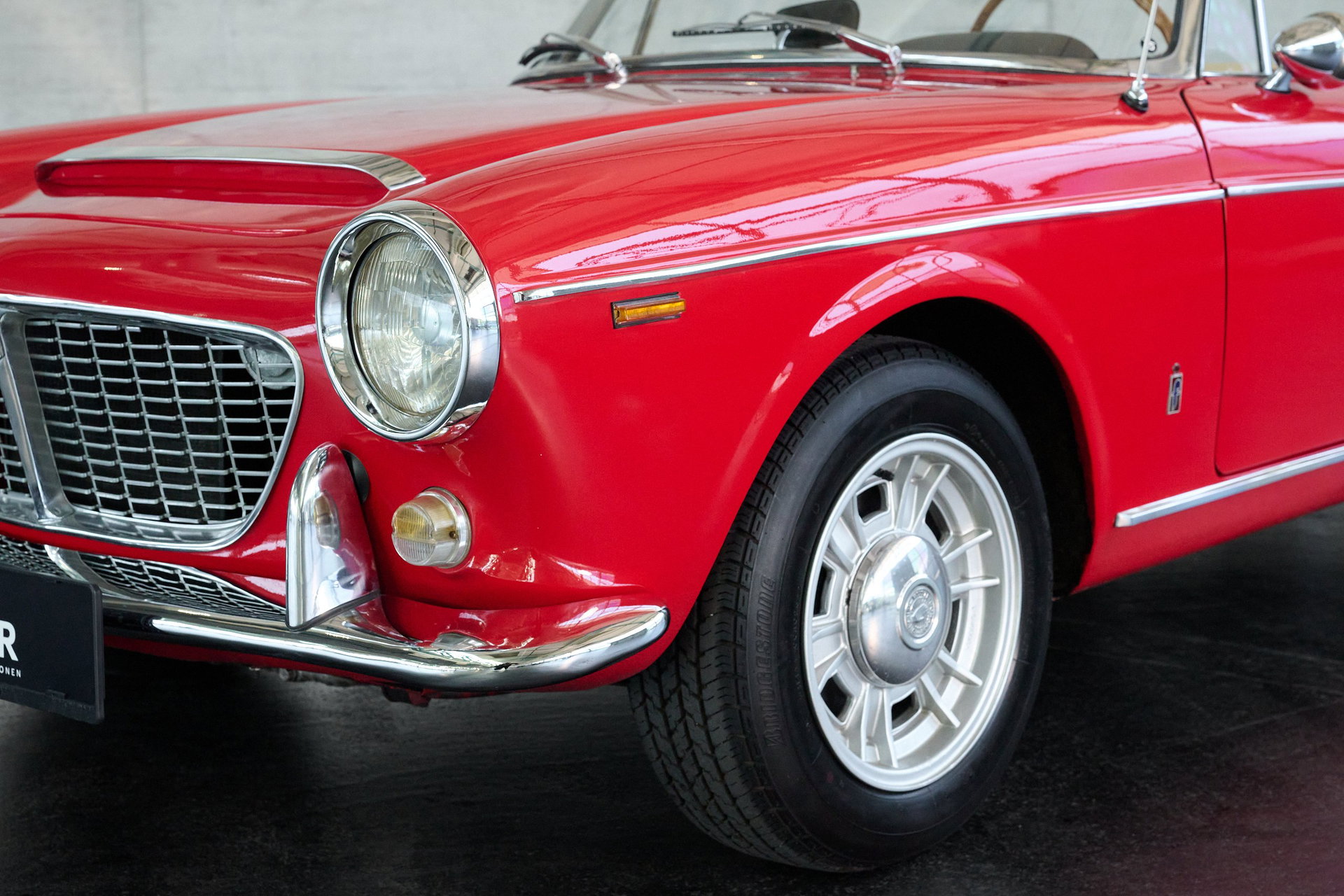
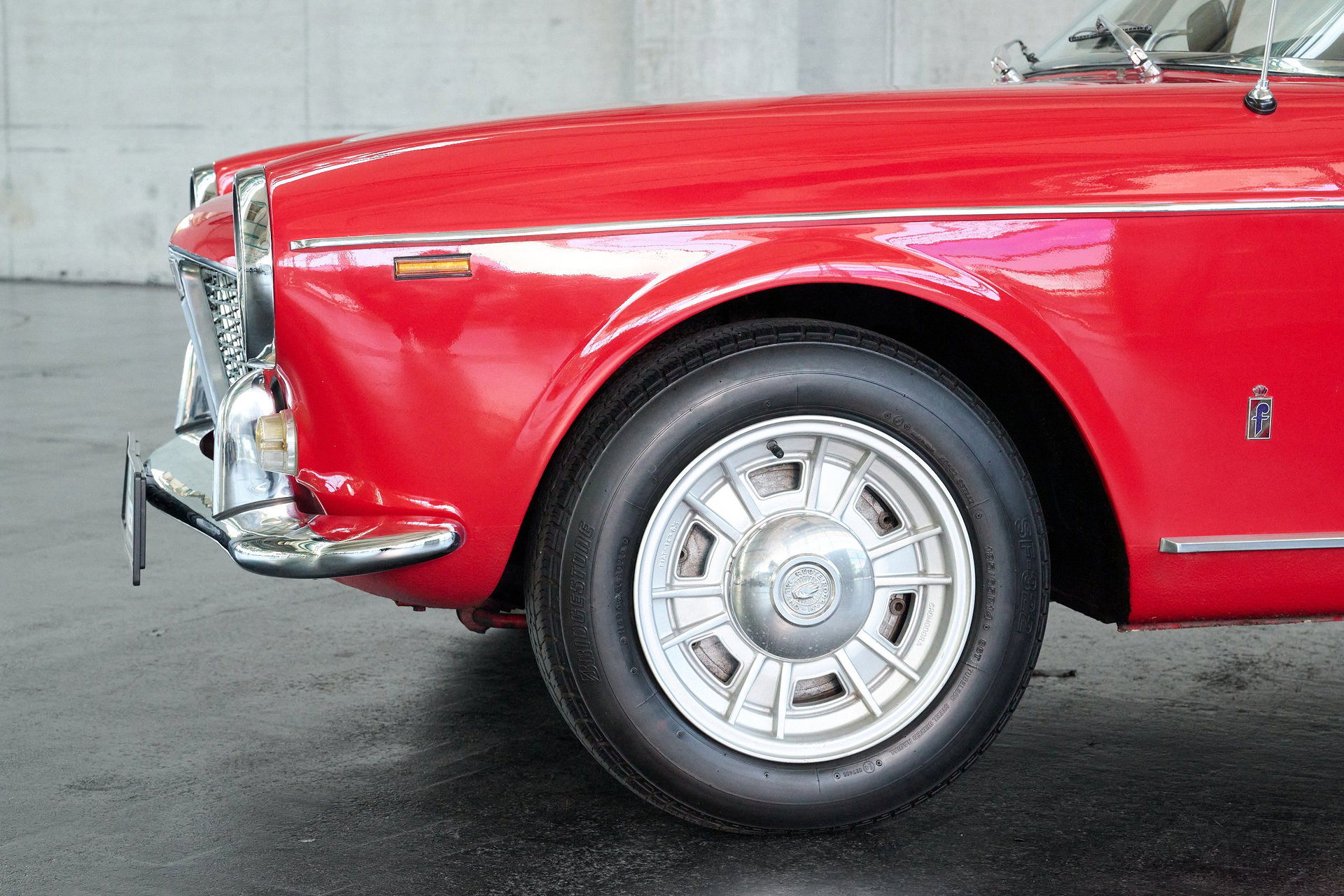
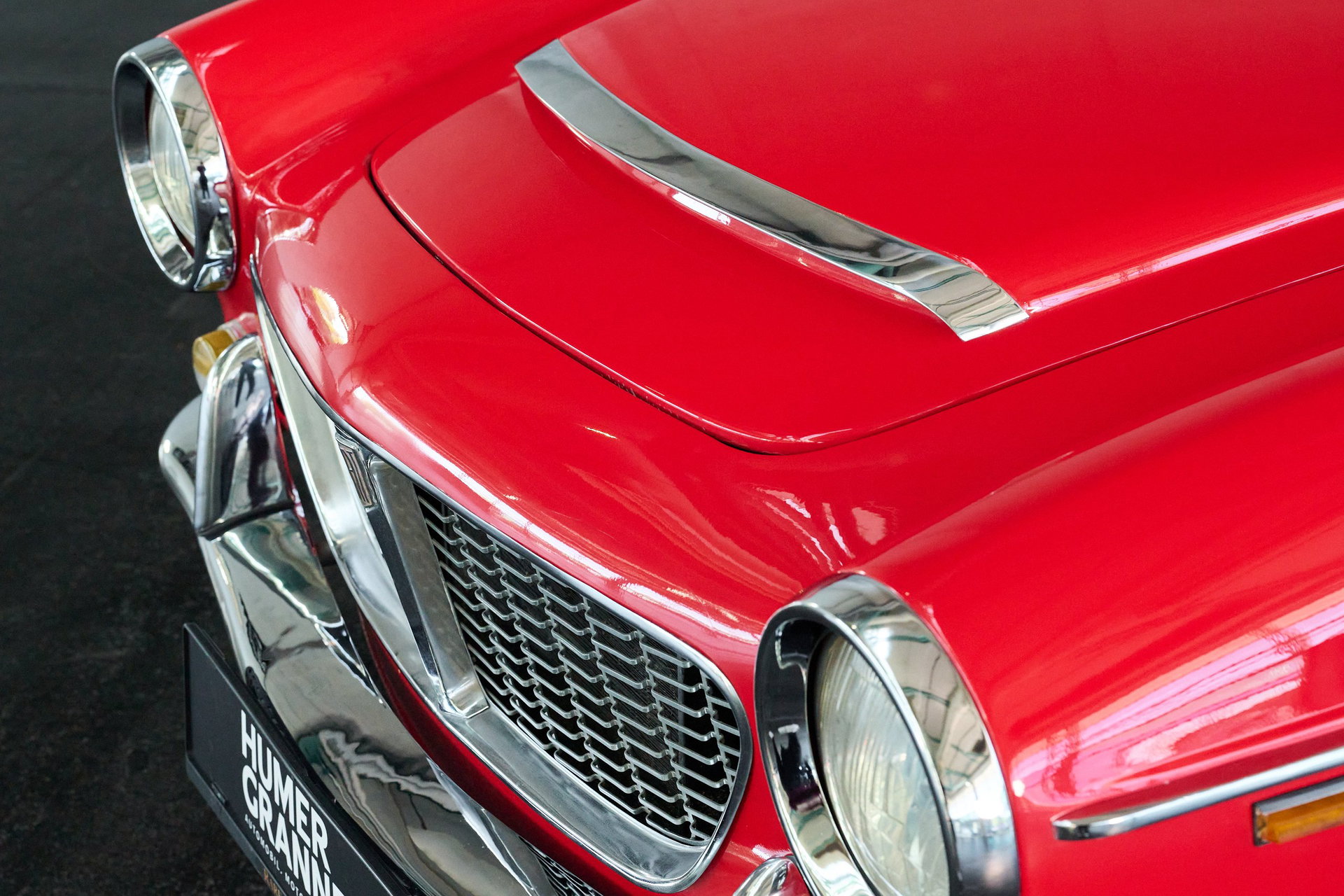
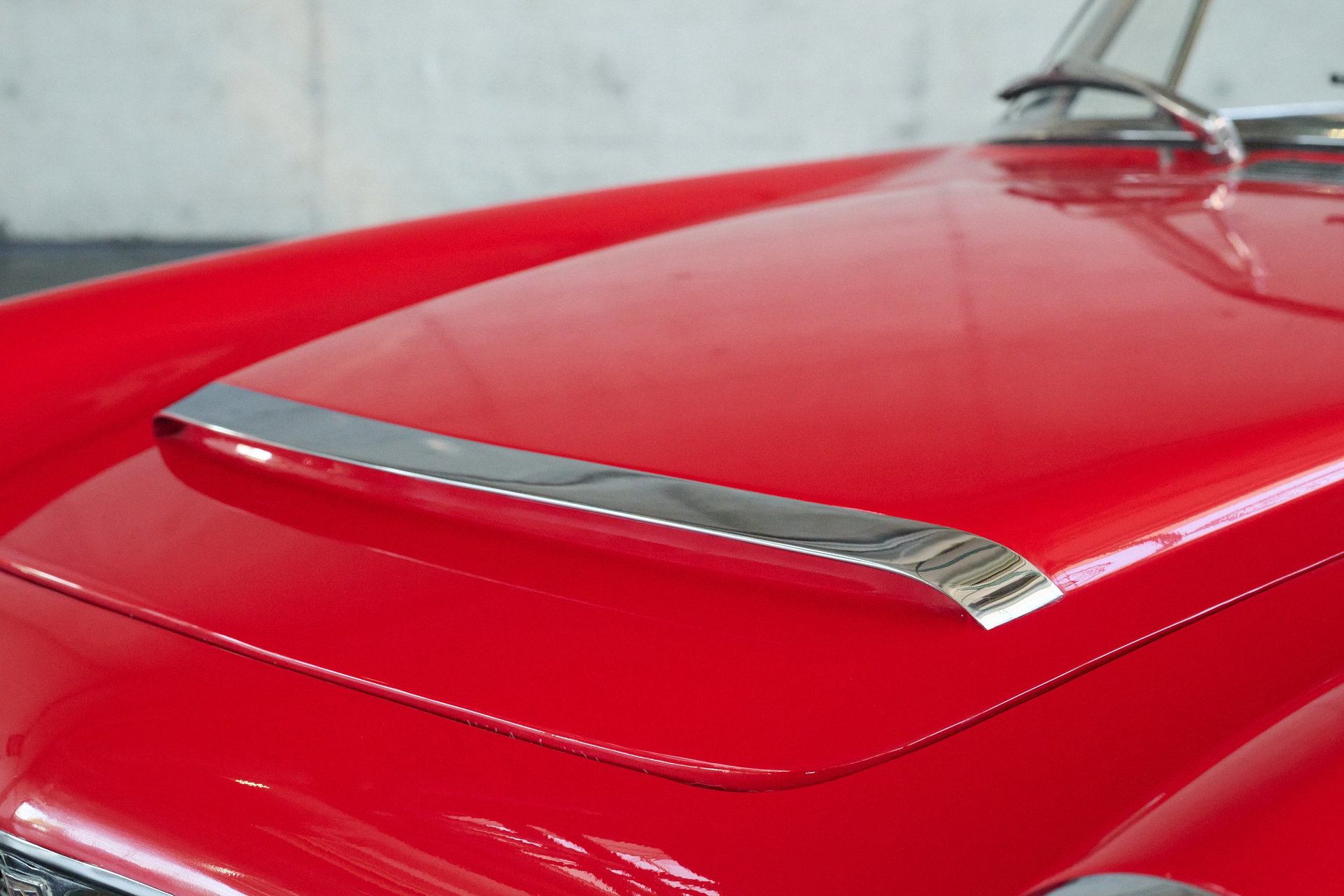
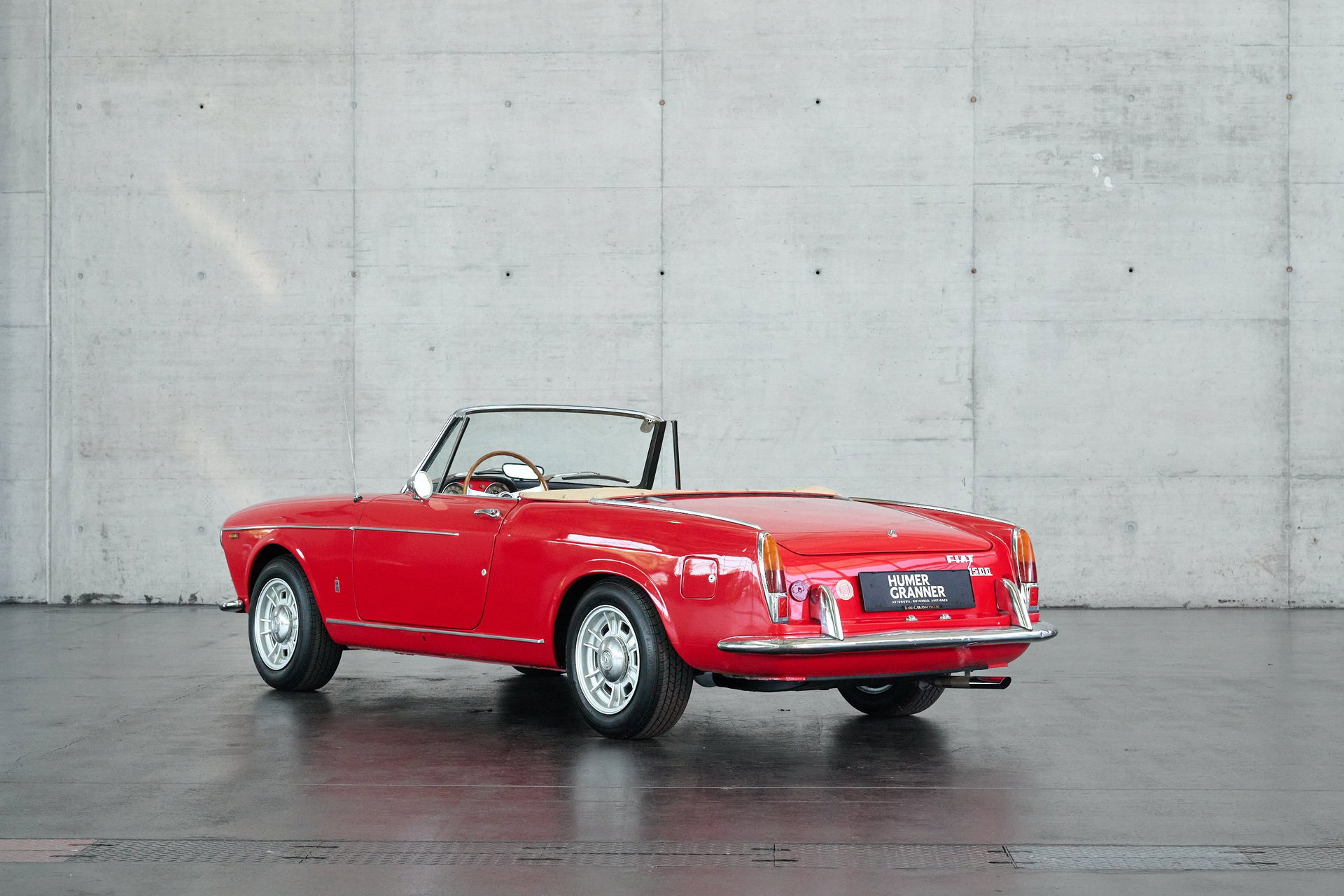
In November 1959, the Fiat 1500 Cabriolet reached the market with 75 hp. A larger bonnet scoop distinguished it from the outside, while a rev counter did the same inside. Larger drum brakes and 15-inch wheels were also part of the package. From July 1960, it was officially known as the 1500 S and received disc brakes all round.
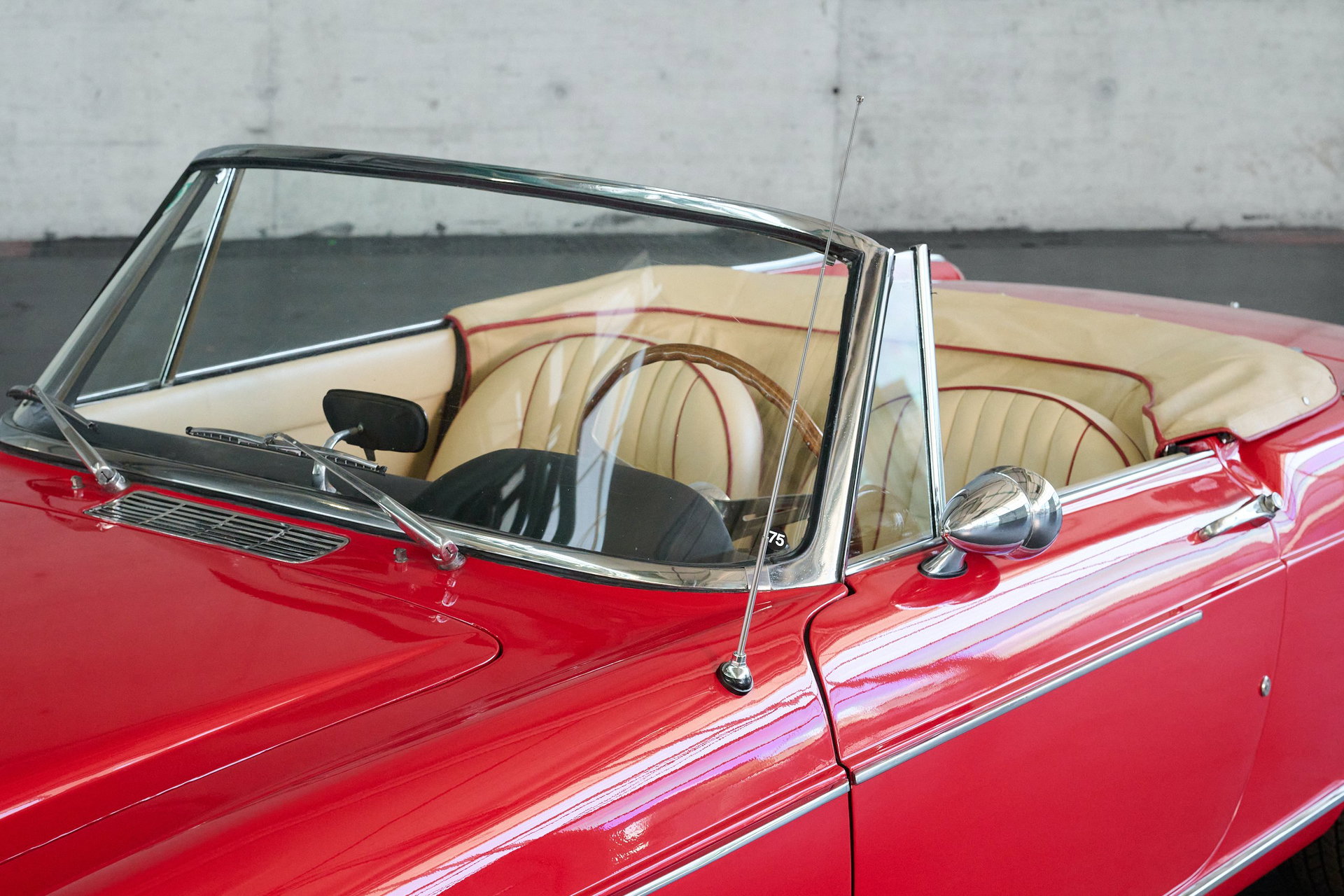
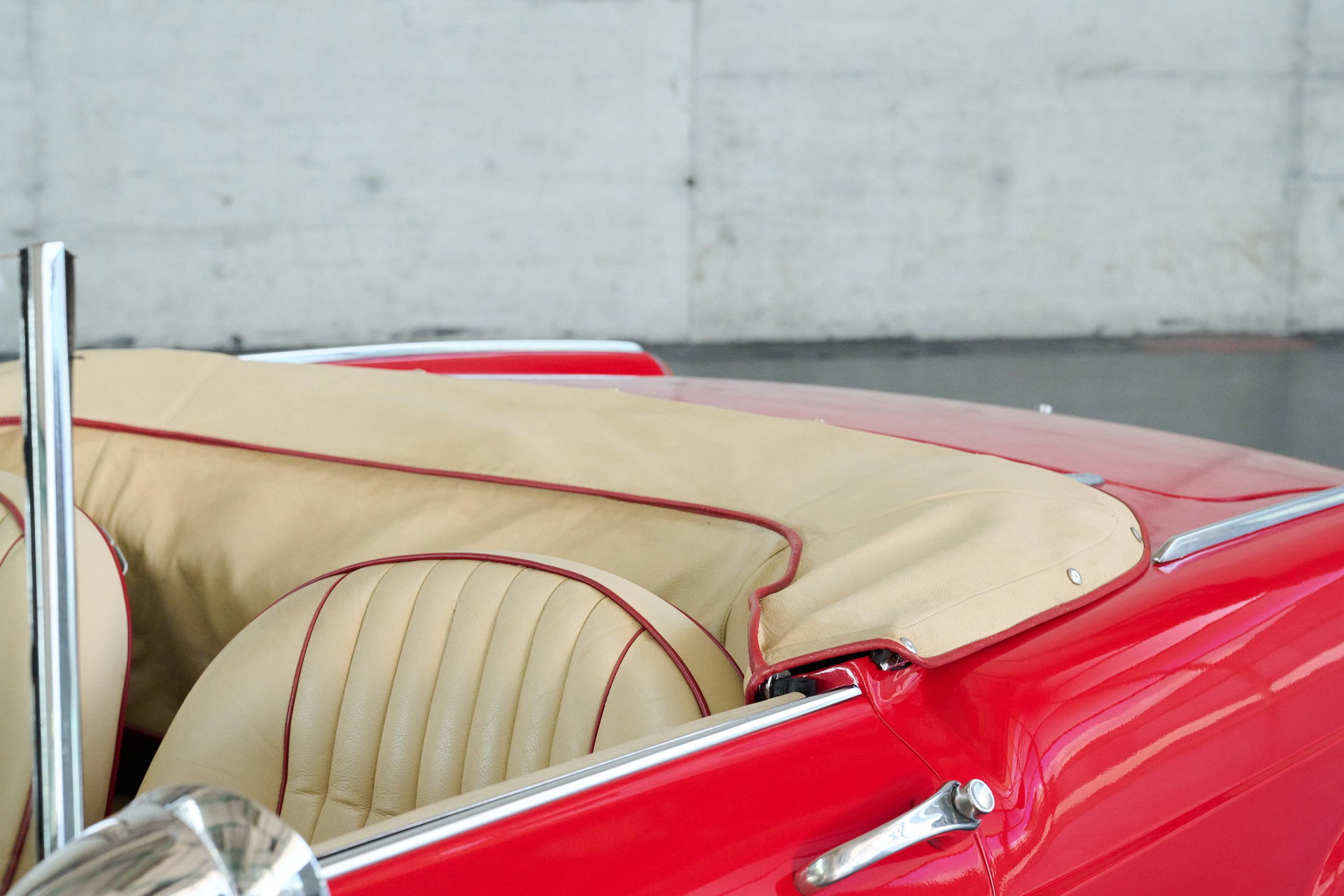
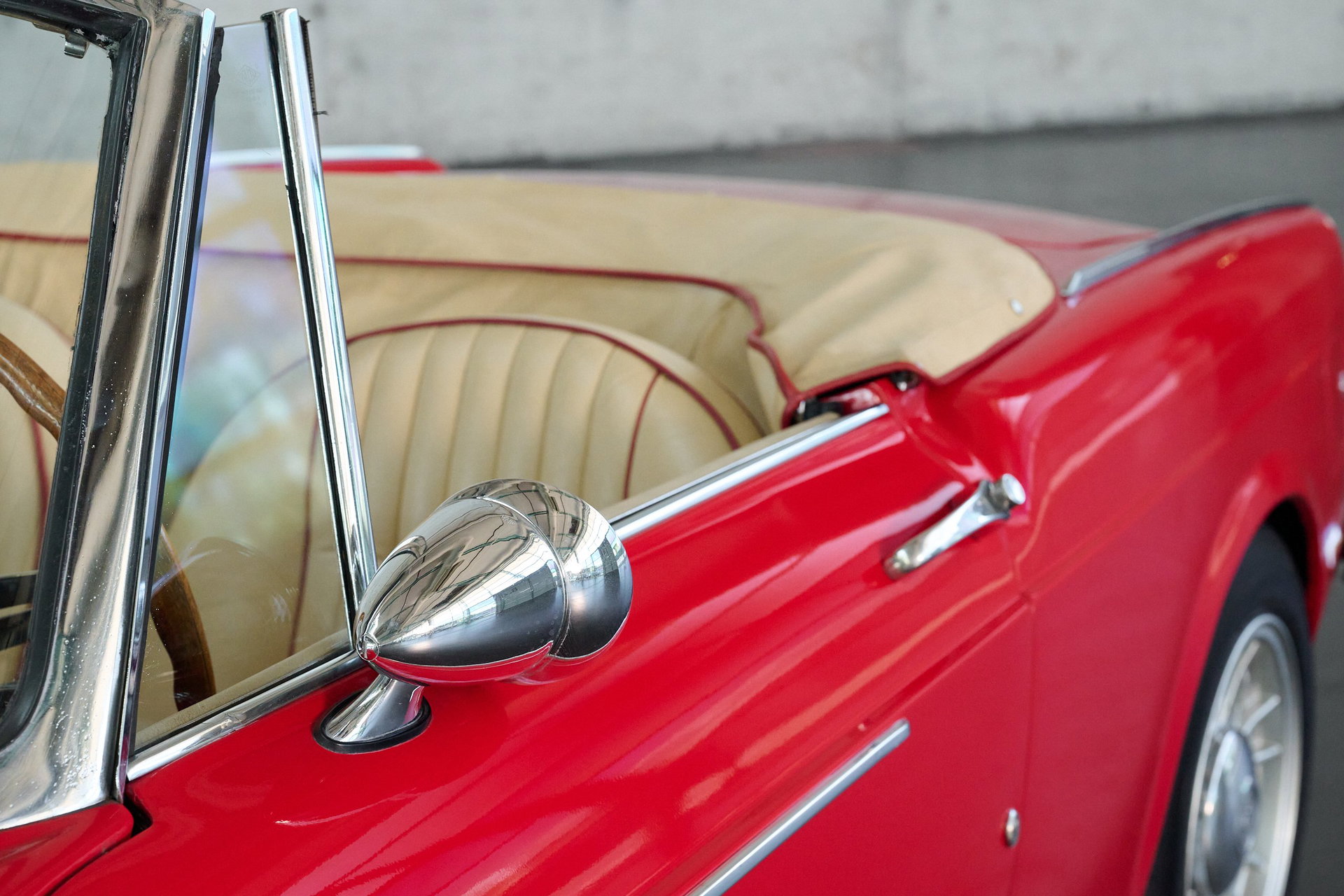
Pininfarina’s elegant body remained pleasingly understated. The resemblance to the larger Ferraris of the period was difficult to deny. The hood could be operated from the driver’s seat and, when lowered, disappeared completely beneath a tonneau cover.
Only around 1,000 examples of the OSCA-engined 1500 and 1500 S were built before the more powerful 1600 S took over in 1962. For that, the cylinder bore was simply increased by two millimetres. In 1963, Fiat revised the cabriolets and gave them a new face.
This 1500 S Cabriolet came from Germany to Austria in 1966 and was registered in Vienna’s Leopoldstadt district. Its later owner, then head of sales for Steyr-Daimler-Puch’s passenger-car division, comprehensively restored the Fiat between 1998 and 1999. The body and interior were refurbished, as were the engine and gearbox. He then drove the car for around another year.
It subsequently passed to a Fiat and Alfa Romeo dealer in the Steyr-Land district, who displayed the OSCA as a showpiece at his premises for the next 25 years. Unsurprisingly, the Fiat saw very little use during that time.
In 2025, the Italian was finally allowed to do again what the Maserati brothers had once given it a twin-cam engine for. Extensive mechanical recommissioning brought it back to life after its long existence as a display piece. It passed its first technical inspection in many years with flying colours.
After a quarter of a century in the showroom, it has finally become a sports car again.
Vergelijkbare oudjes
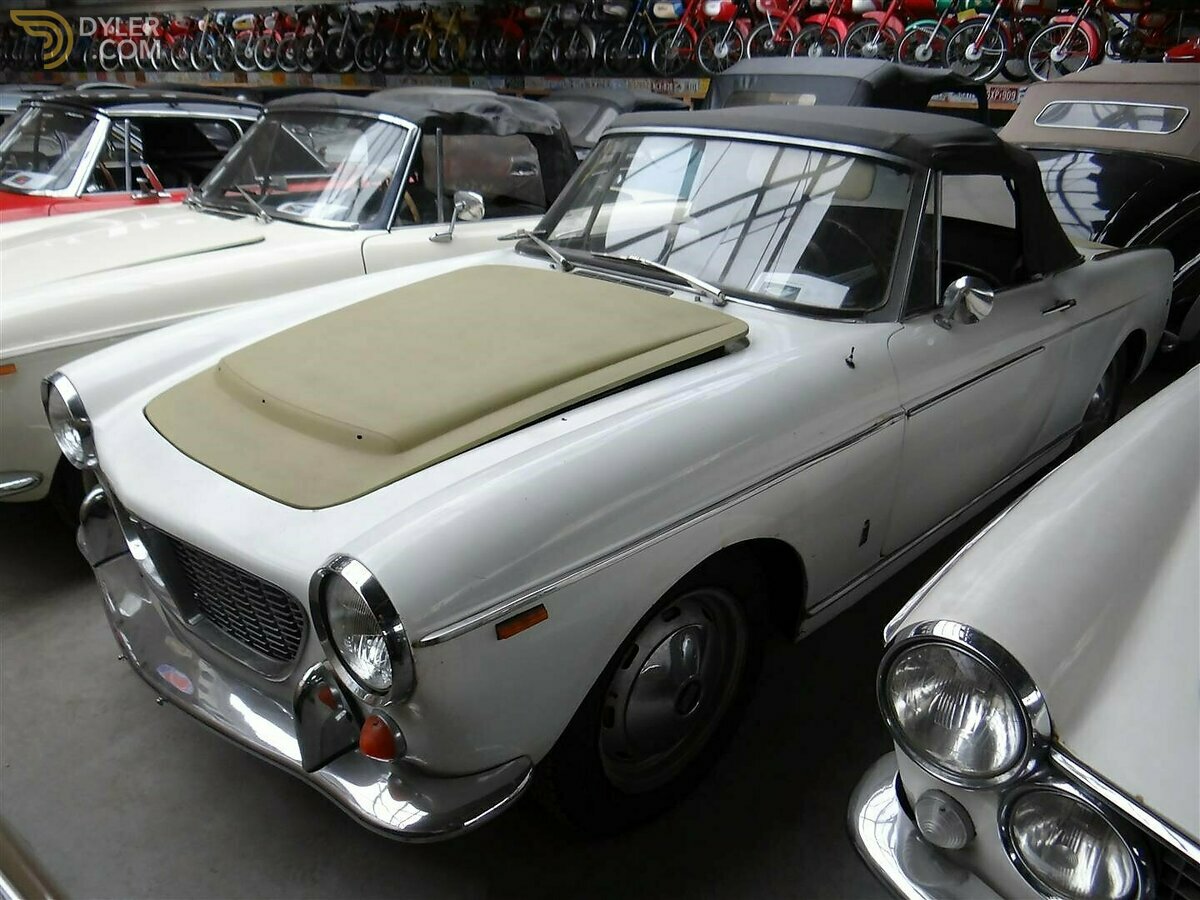 1960 Fiat 1500 Osca spider€ 18.9501960 · . De Lier, Nederland · Dyler
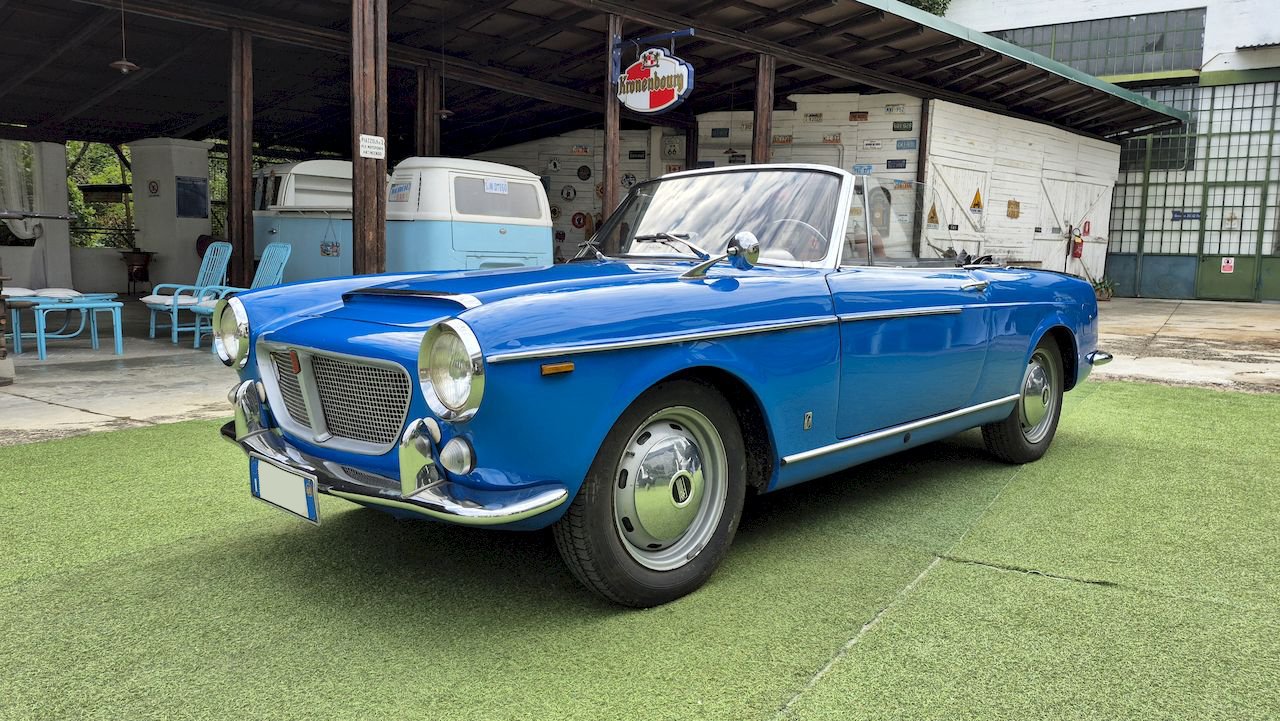 1960 Fiat O.S.C.A. - 1500 S Osca Cabriolet - SUMMER PRICE€ 20.0001960 · Pianezza, Italië · Classic Driver
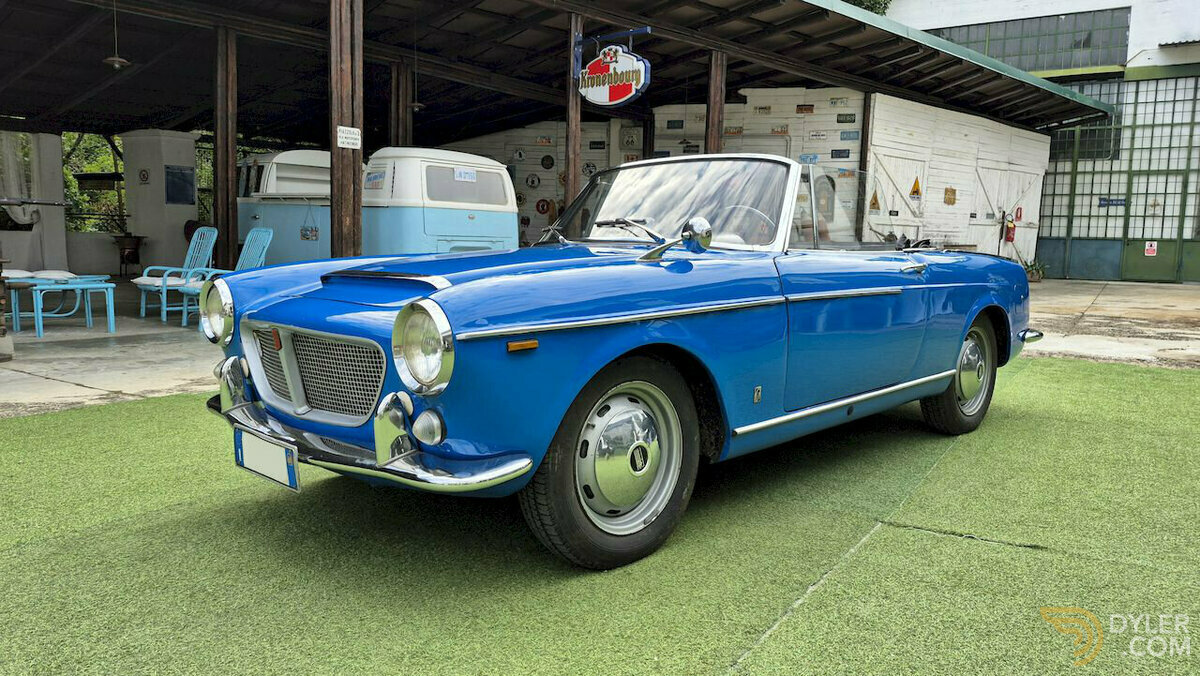 1960 Fiat 1500 S Osca Cabriolet€ 24.0001960 · 35.870 km · Pianezza TO, Italië · Dyler
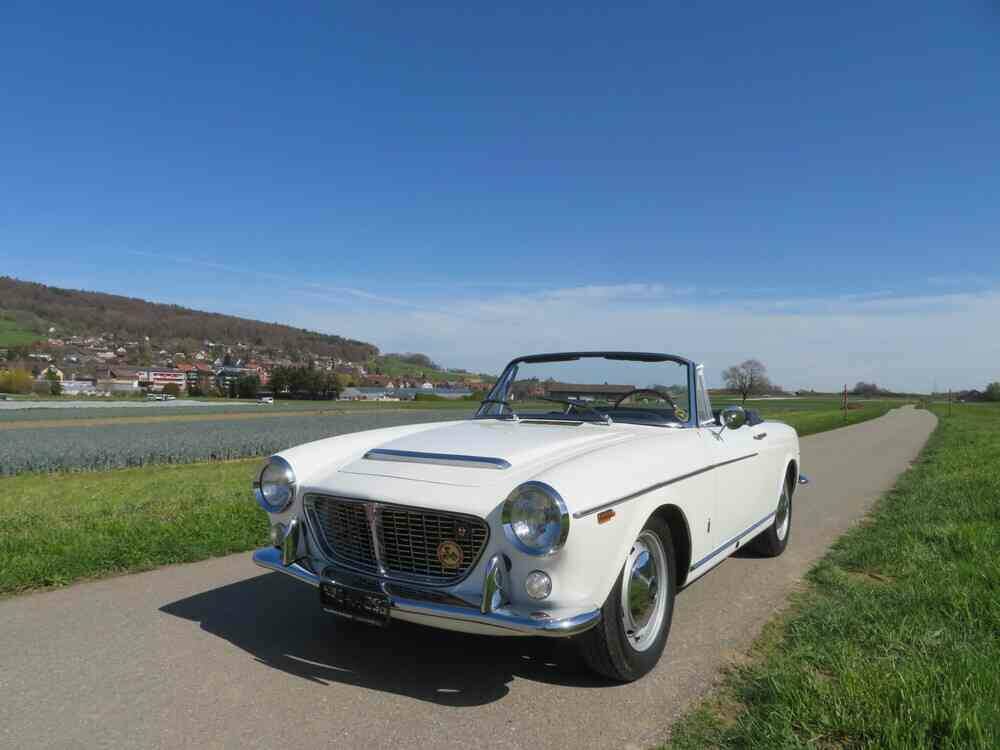 1960 FIAT 1500 SCHF 36.800 (≈ € 39.320)1960 · 48.000 km · Oberweningen, Zwitserland · Classic Trader
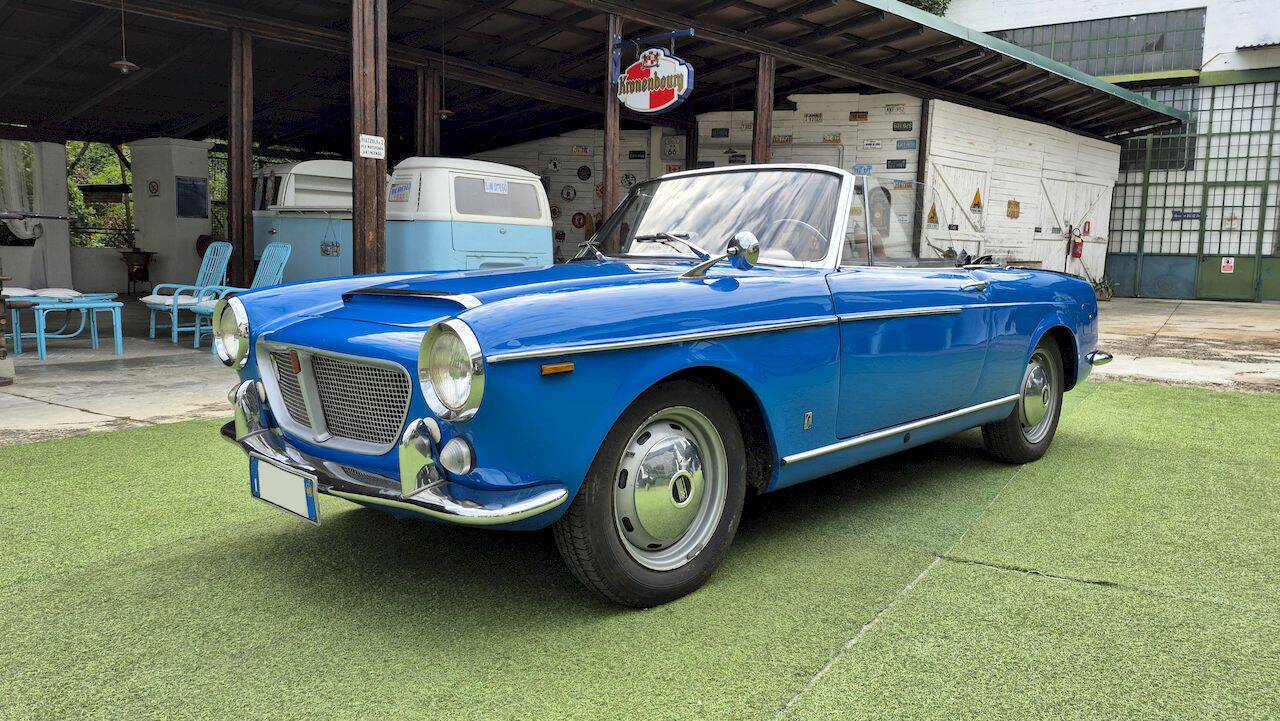 1960 FIAT 1500 S€ 20.0001960 · 35.870 km · Pianezza, Italië · Classic Trader
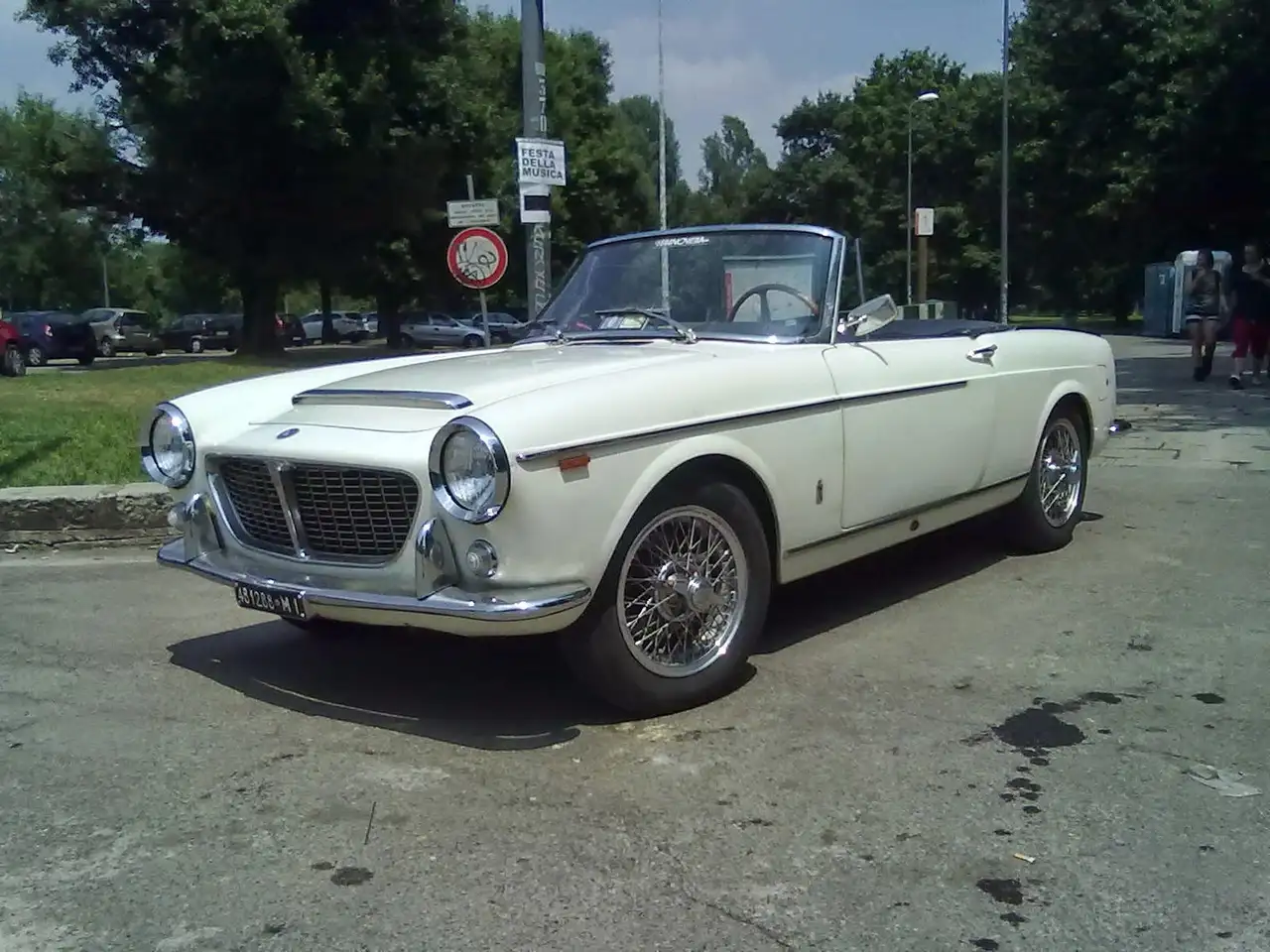 Fiat 1500 OSCA CABRIOLET€ 32.0001960 · 50.000 km · Milano, Italië · AutoScout24
 1961 Fiat 1500 S OSCA Cabriolet€ 39.5001961 · 47.000 km · Montecatini Terme, Italië · Car & Classic
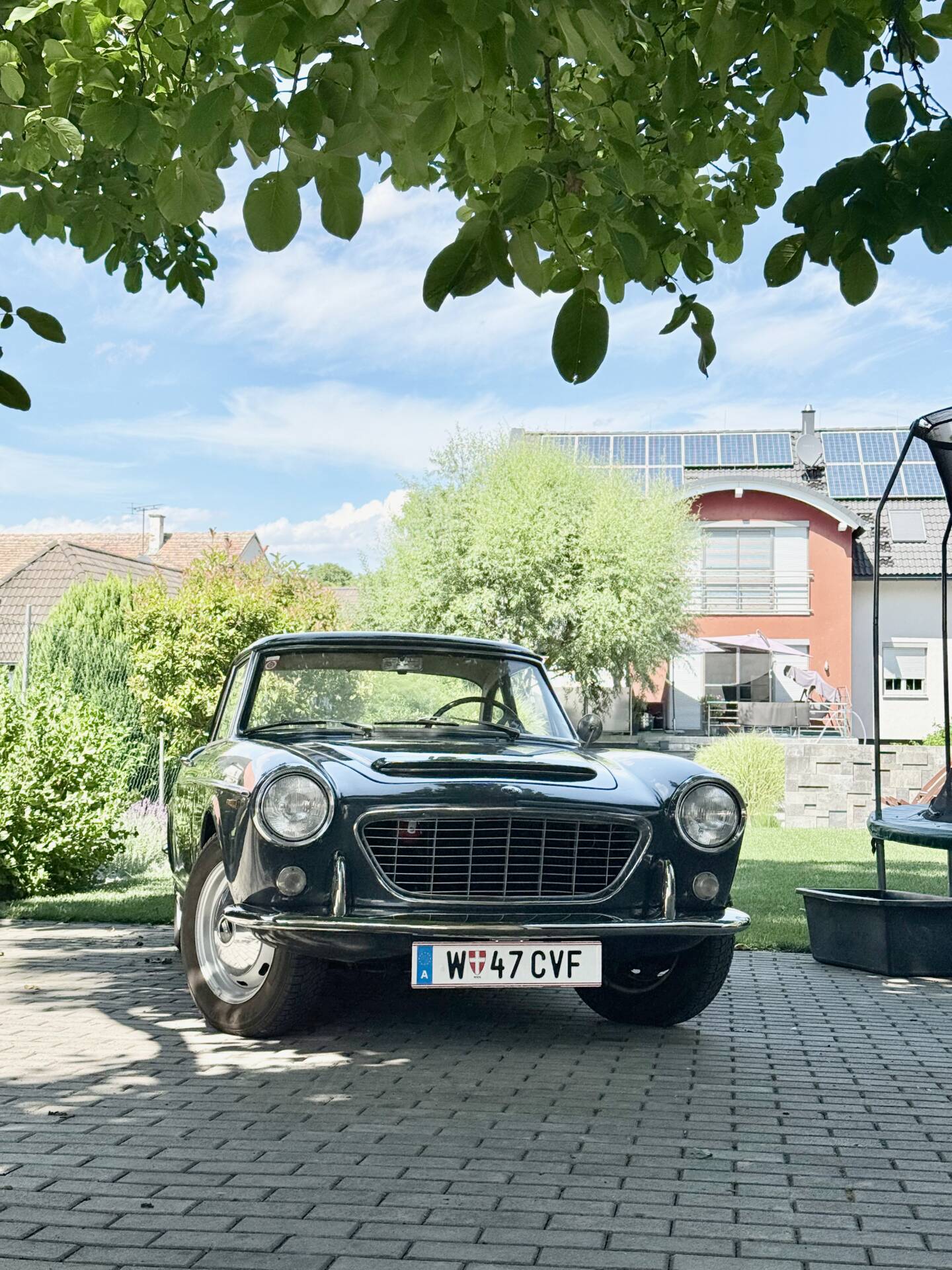 1961 FIAT 1500 S Osca€ 39.9991961 · 63.000 km · Wien, Oostenrijk · Classic Trader