1970 Porsche 911 - 911 T 2.2
1970 · Salzburg, Oostenrijk · via Classic Driver
Veiling sluit 18 oktober 2026, 01:59
Bekijk op Classic Driver → Open in de app
Gegevens
| Merk | Porsche |
|---|---|
| Model | 911 (F) 2.2 |
| Bouwjaar | 1970 |
| Stuur | Links |
| Locatie | Salzburg, Oostenrijk |
| Verkoper | Humer, Granner & Co GmbH (veiling) |
| Bron | Classic Driver |
| auction | https://www.classicdriver.com/en/auction/humer-granner-co-gmbh-classic-car-auction-17102026 |
| Op Oudjes.xyz sinds | 5 oktober 2026 |
| Laatst gezien | 8 oktober 2026, 06:16 |
Beschrijving
Rare and beautiful colour combination
Preserved in wonderfully authentic condition
With its current owner for 15 years
More than 20 years of maintenance history
Matching numbers
By the end of the 1960s, the Porsche 911 was firmly established in the sports car market – in Europe as much as in the all-important US market. On the race tracks, Porsche had just launched its all-out assault with the 917, and back in Zuffenhausen nobody was thinking of resting on their laurels with the 911 either.
In the summer of 1968, Porsche presented the first comprehensively revised version of the 911. The wheelbase had grown, while the engines initially remained unchanged. That lasted barely a year. For the 1970 model year, the bore increased to 84 millimetres, taking the capacity of the air-cooled flat-six to 2.2 litres. More capacity brought more torque and, naturally, a few additional horses.
As before, the 911 came in three stages of escalation: T for Touring, E and S. The T produced 125 hp, the E 155 hp, while the S sat at the top of the range. The chassis was duly refined as well: to lighten the steering and reduce kickback through the wheel, the upper mounting points of the front struts were moved forward by 14 millimetres. The interior also received a visible overhaul and now looked considerably more modern.
The 2.2-litre engine remained in the range for just two model years. For the 1970 model year, 6,544 Coupés and 2,545 Targas were built. The following year, the balance shifted remarkably: 3,476 Targas compared with just 2,517 Coupés. By the summer of 1971, the 2.4-litre had arrived as the next and final evolution of the original 911.
More capacity, however, did not necessarily mean more temperament. With the 2.4-litre, compression was reduced and with it went a little of the eagerness that distinguishes the 2.2. The smaller flat-six thrives on revs, likes to be worked and sounds accordingly. Some even maintain that no other 911 screams quite as beautifully as a 2.2-litre. Later cars could do more. But with an early 911, more is not automatically better.
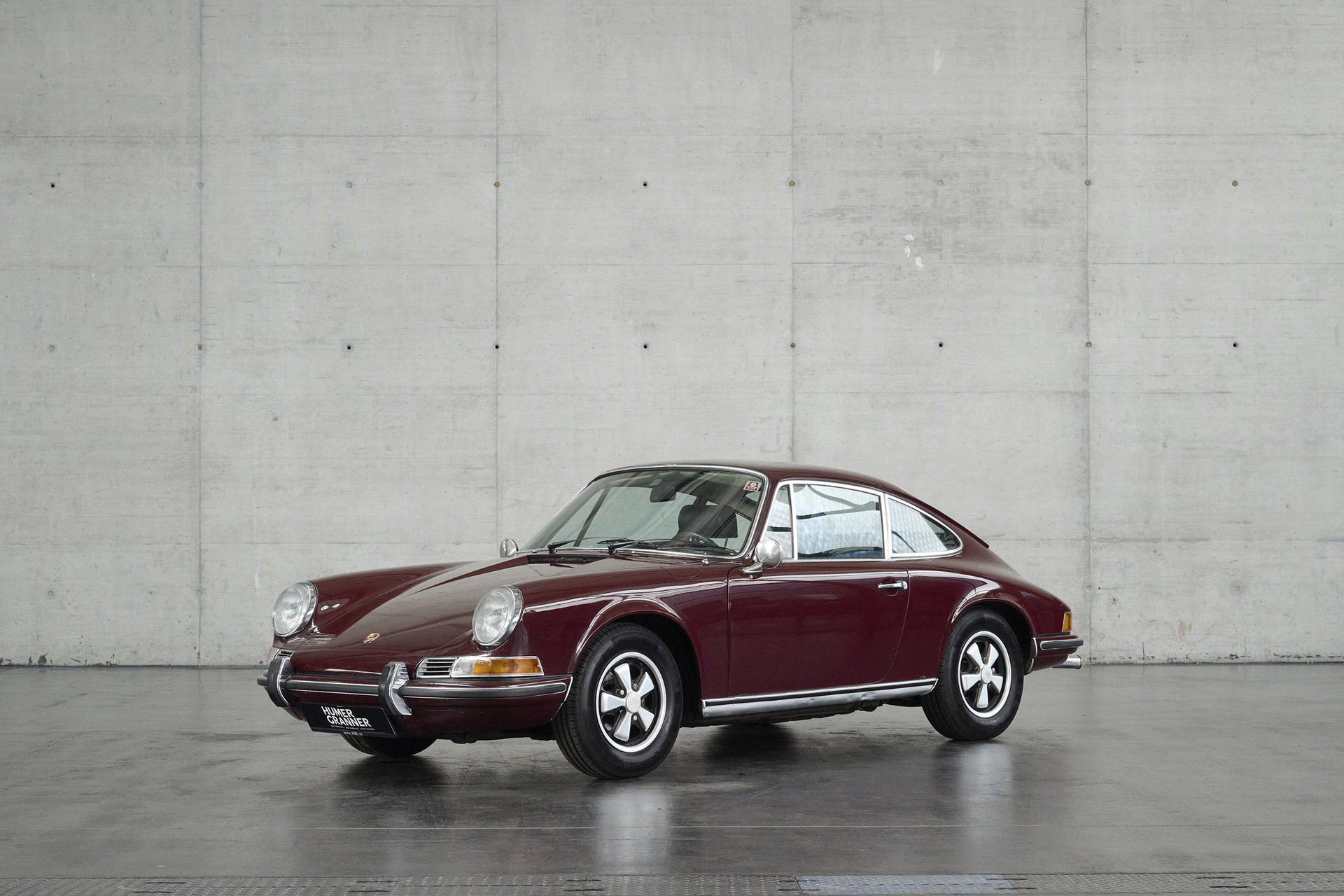
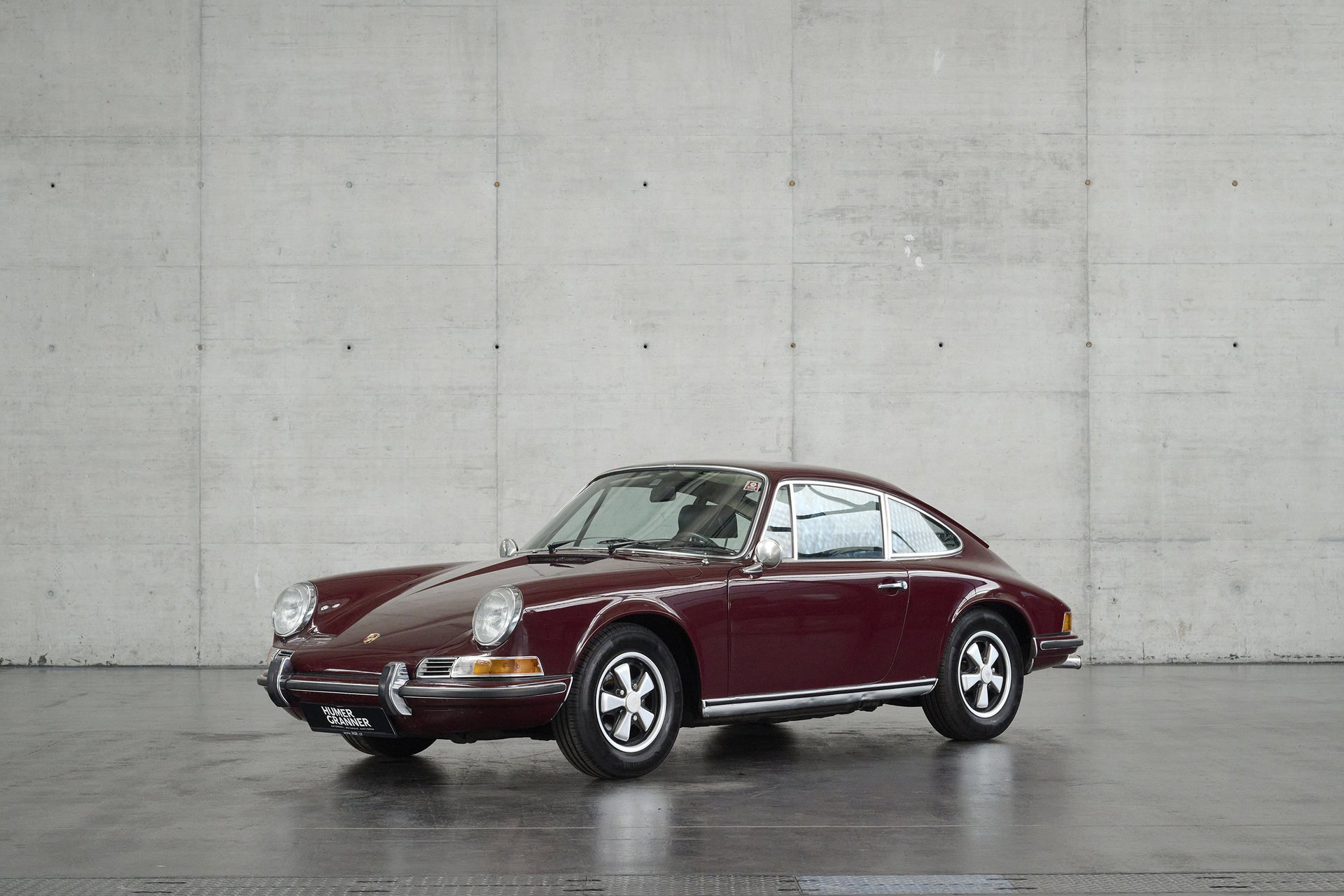
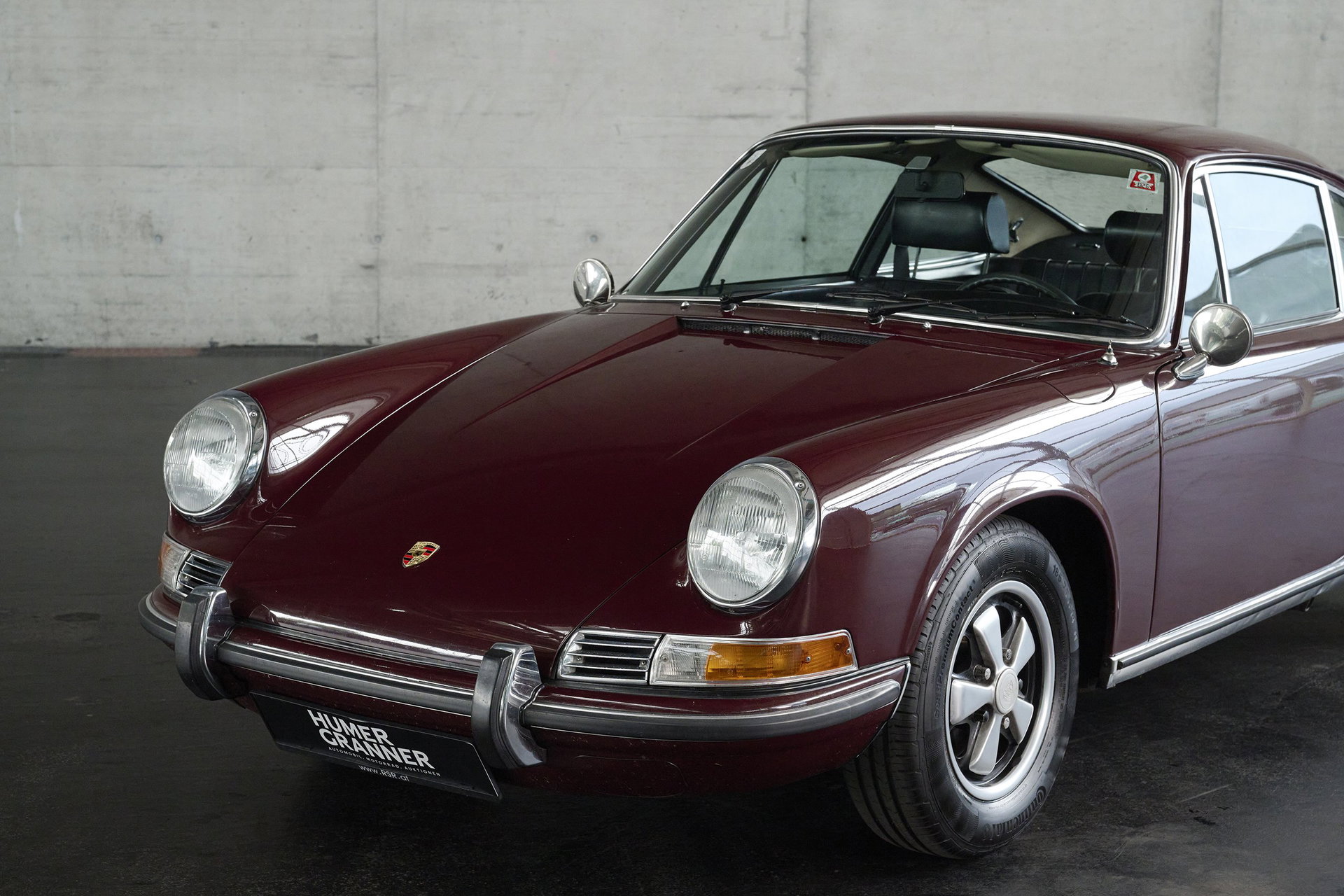
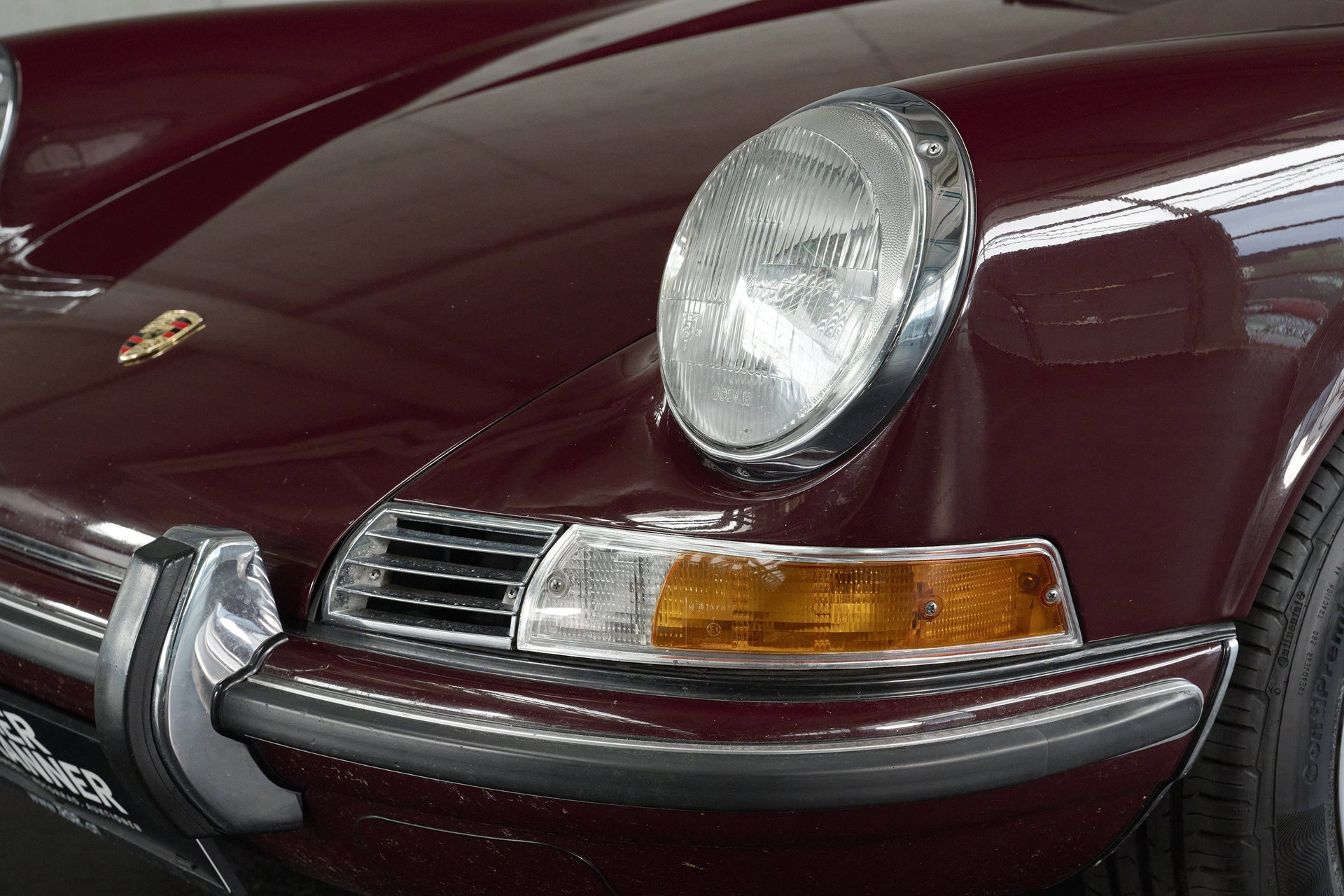
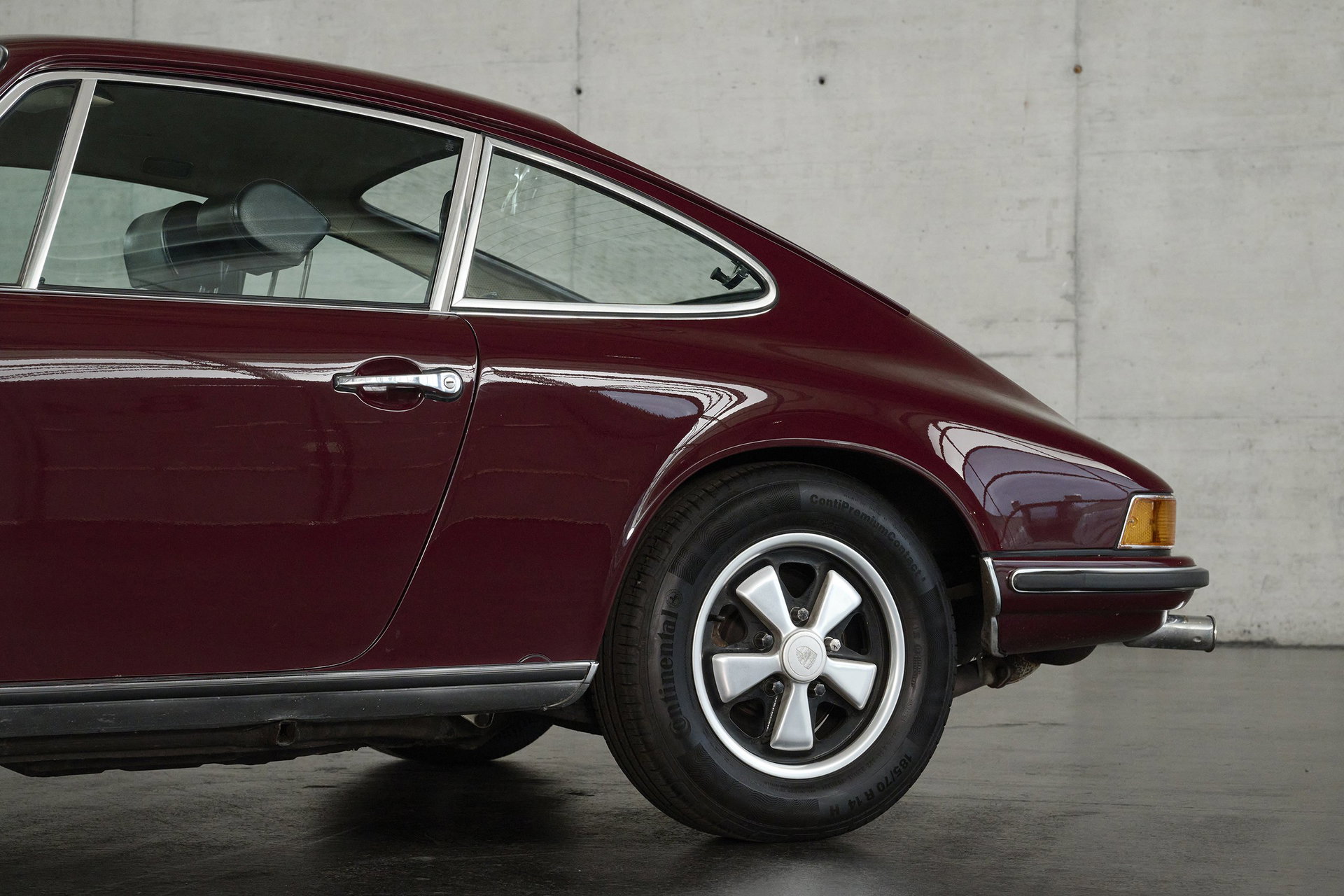
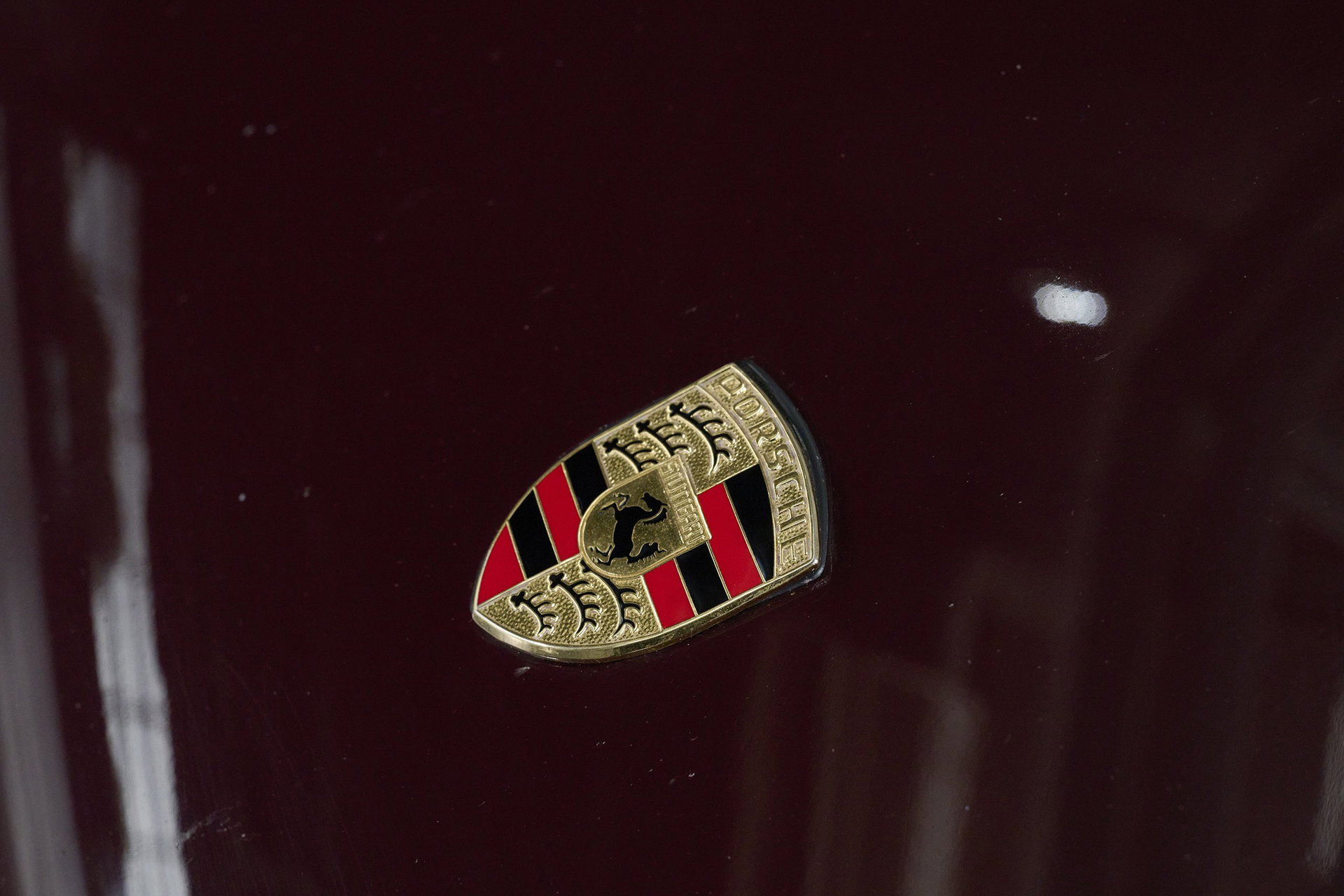
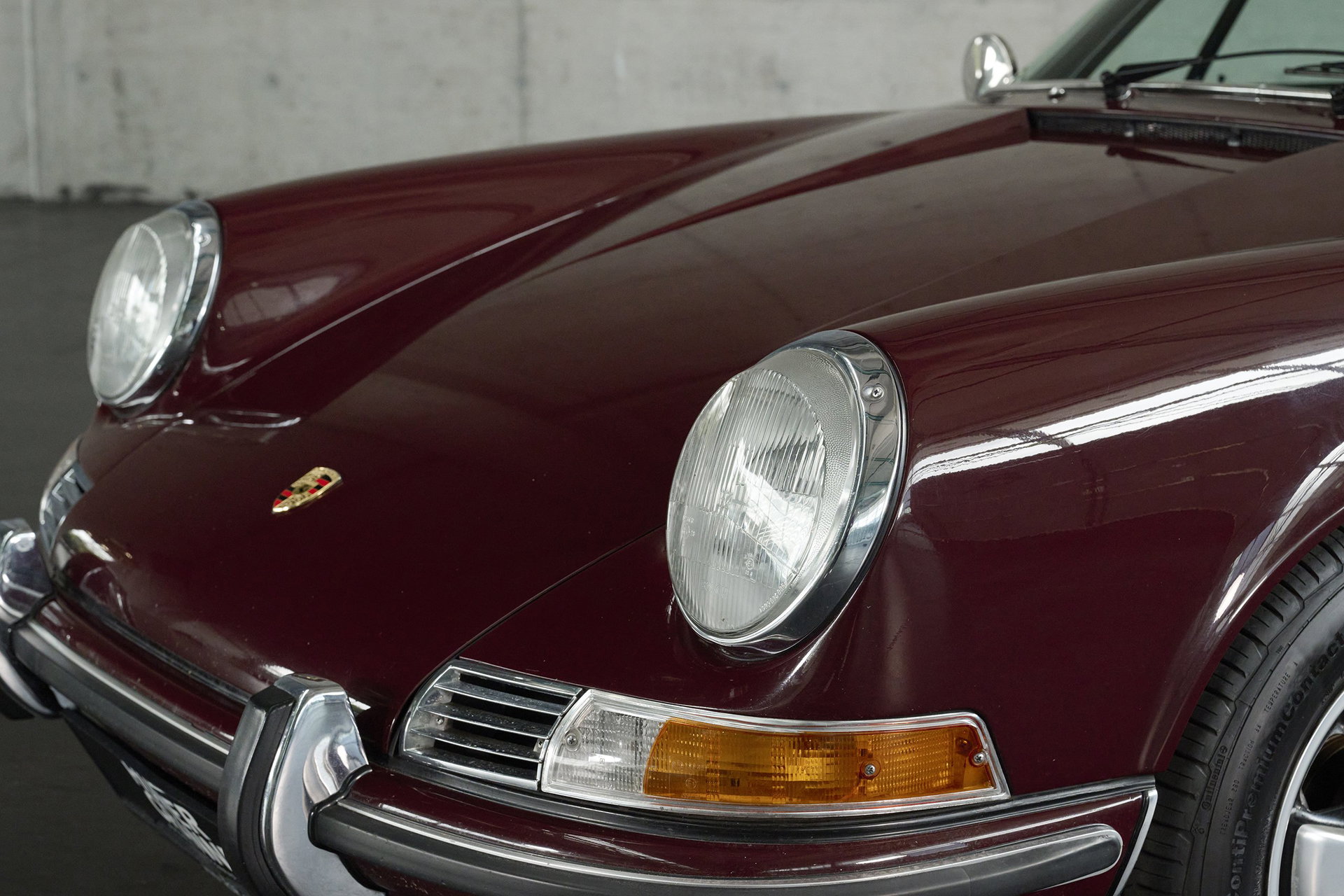
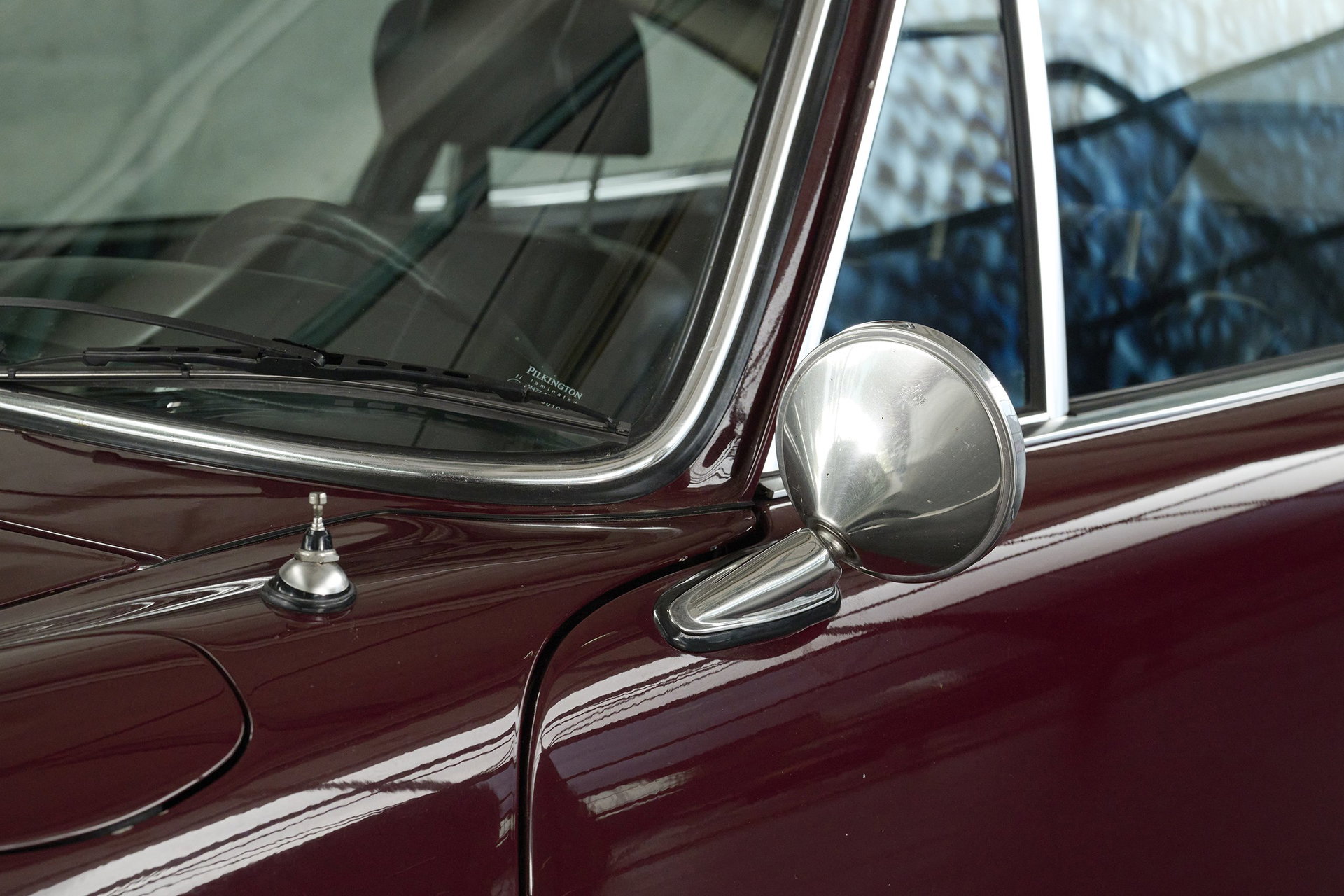
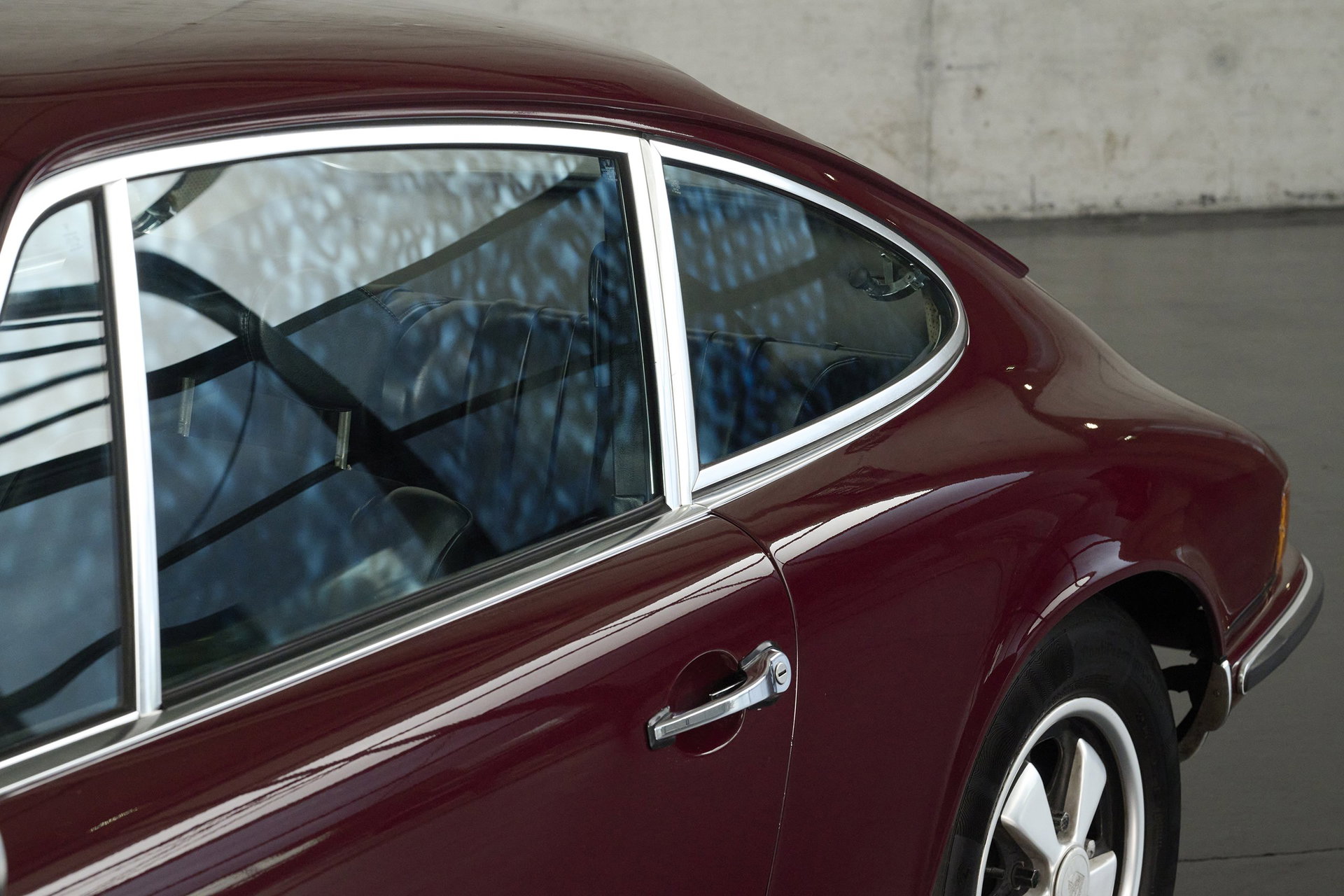
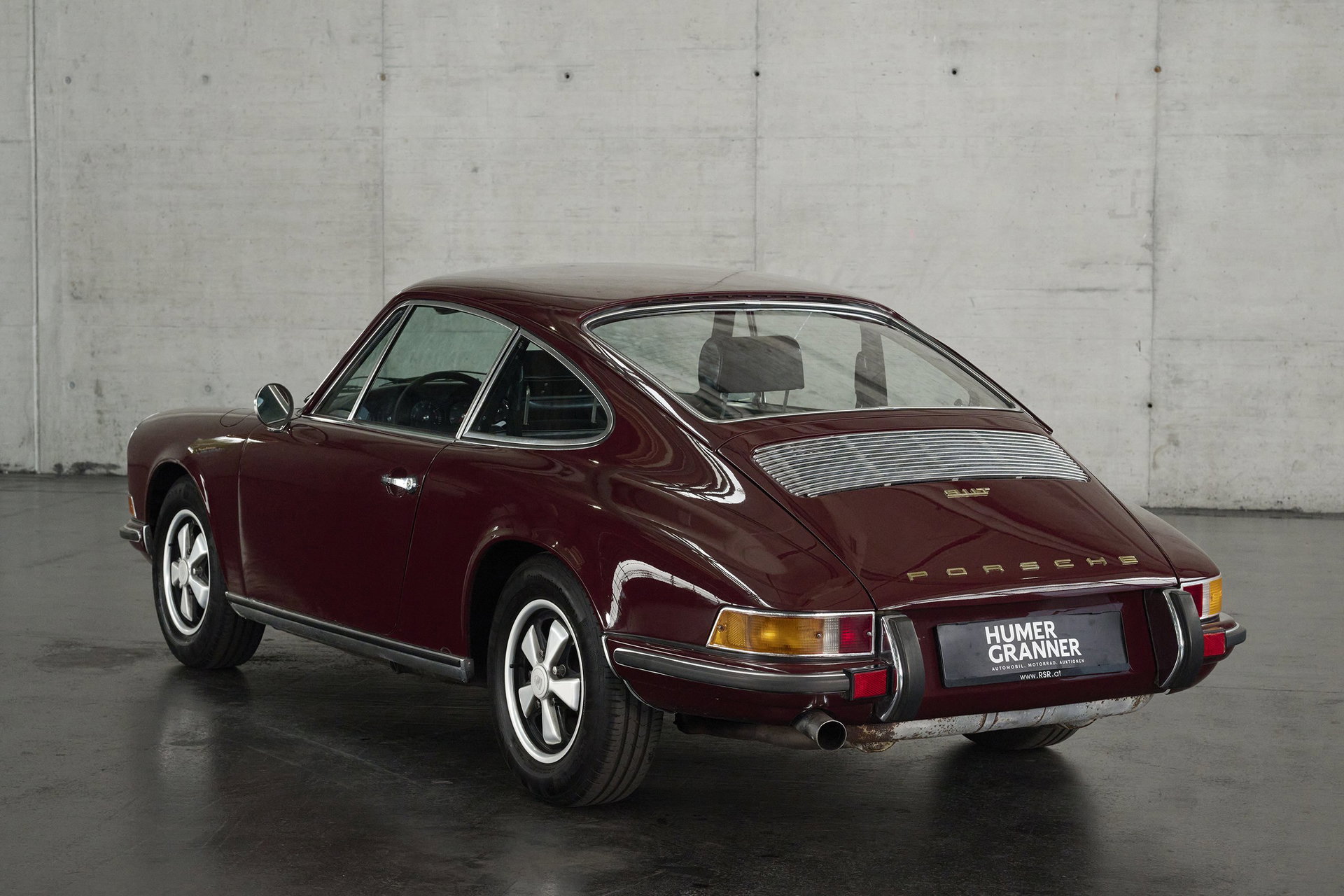
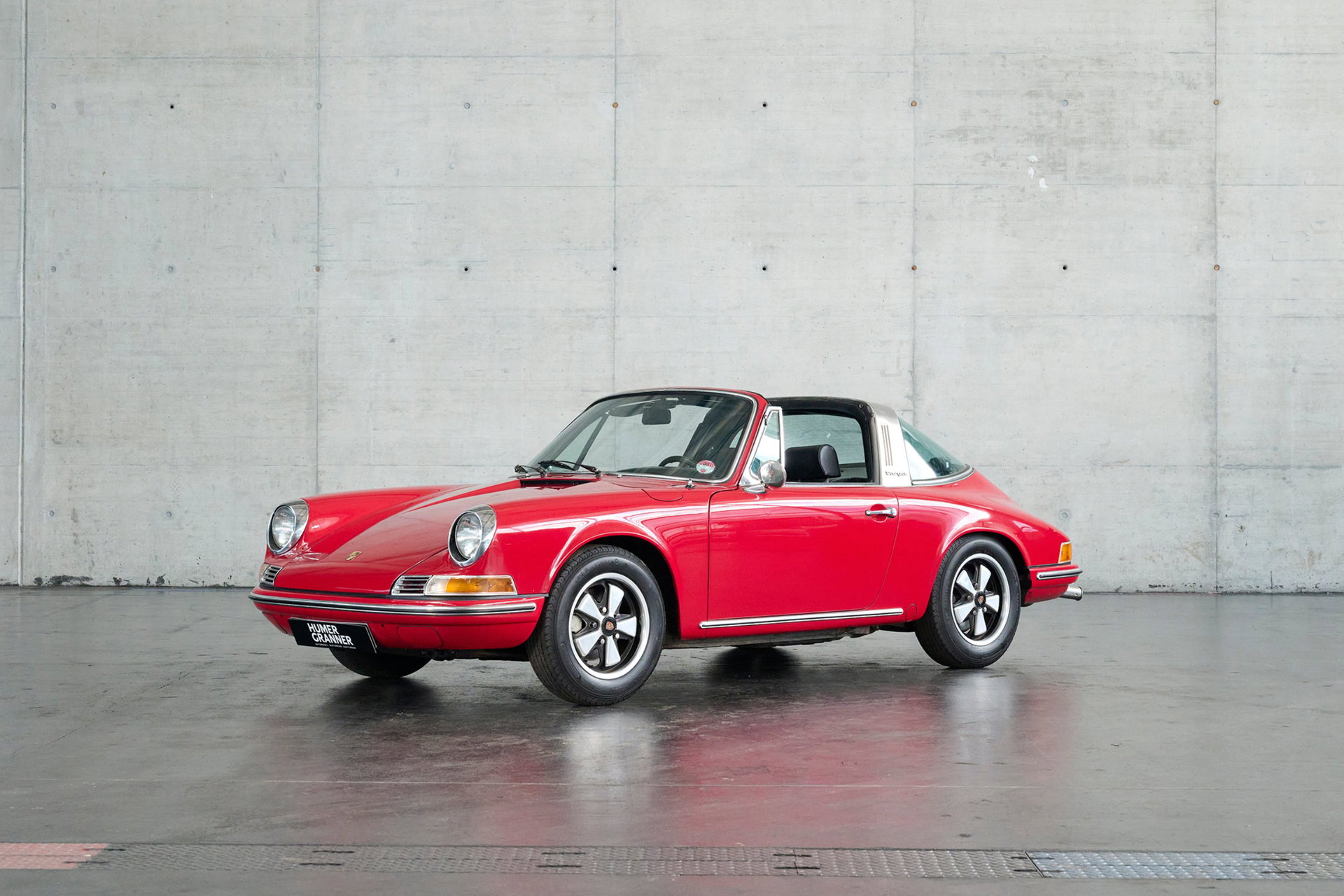
The first thing that strikes you about this Porsche is its colour. Although code 24-24 denoted a standard colour for the 1971 model year, Burgundy Red is rarely seen on 911s of the early 1970s. Looking at the colour palette of the period, standing out was apparently rather more fashionable. Today, its appeal lies precisely in its rarity and timelessness. The distinguished appearance of this 911 T is further enhanced by the broad aluminium trim along the sills and the gold lettering on the engine lid. Both formed part of the so-called S package.
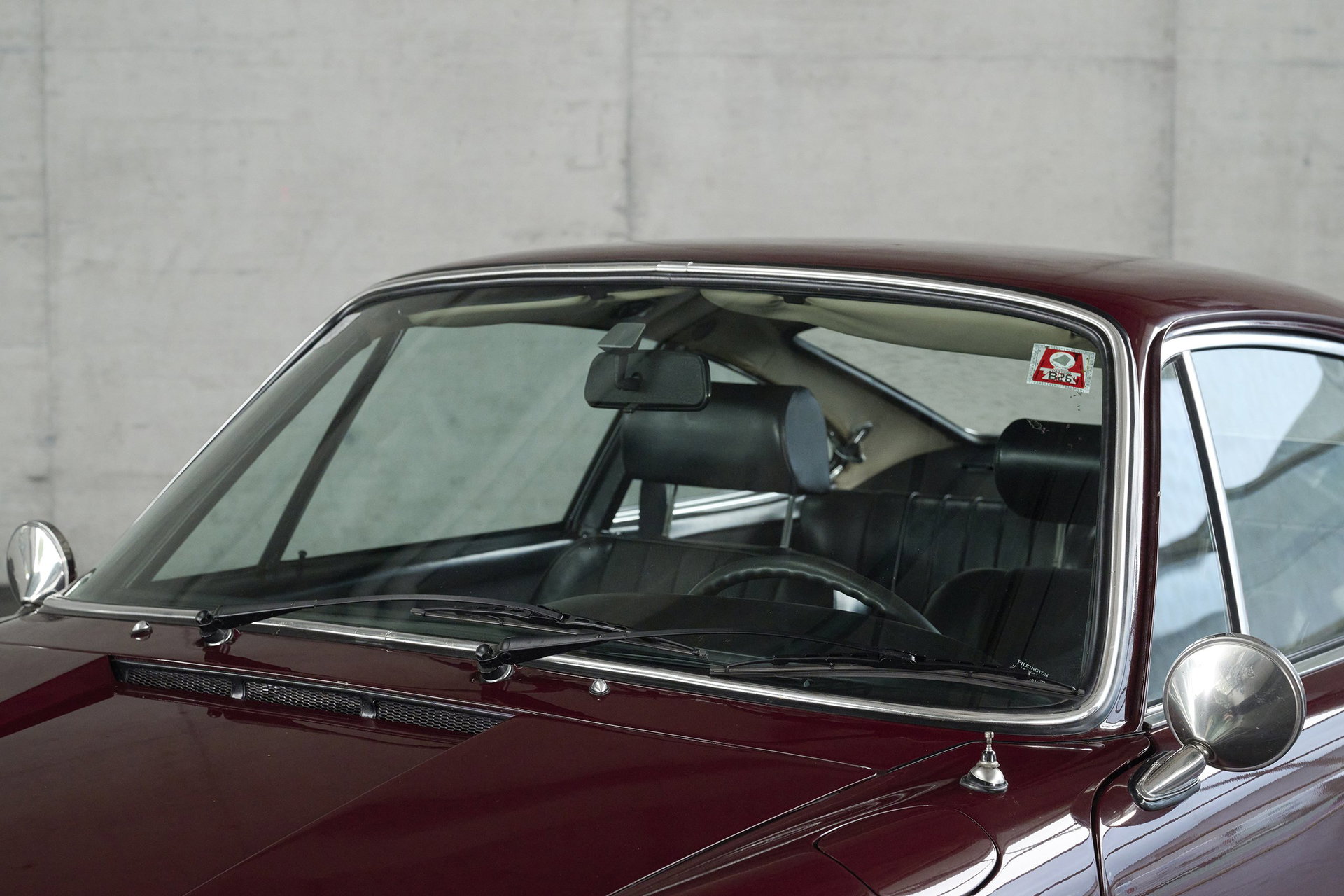
Inside, your eye is immediately drawn to the driver’s seat. While the co-driver has to slide about on the standard furniture, a sports seat provides considerably more support behind the steering wheel. The entire interior, like the exterior of the 911, presents in wonderfully authentic condition. The Porsche has retained precisely the sort of charm that is inevitably lost in restoration. A thick file of invoices and numerous inspection reports testify to regular care and equally regular use. And they do so for almost 25 years.
In 2005, the Porsche left Austria for Munich. Five years later, it came back. In between, the suspension, brakes and drivetrain underwent an extensive overhaul. Since its return, its current owner has done what one does best with a 911: drive it. Fifteen years and 30,000 kilometres later, his Porsche proves that he got that exactly right.
What we have here is a wonderful Porsche 911 whose beautifully authentic appearance and sheer presence are difficult not to admire. One can only hope that its new owners preserve it in much the same way, follow the consignor’s example and do not forget to drive it. Because few sports cars were made for it quite like these 911s.
Vergelijkbare oudjes
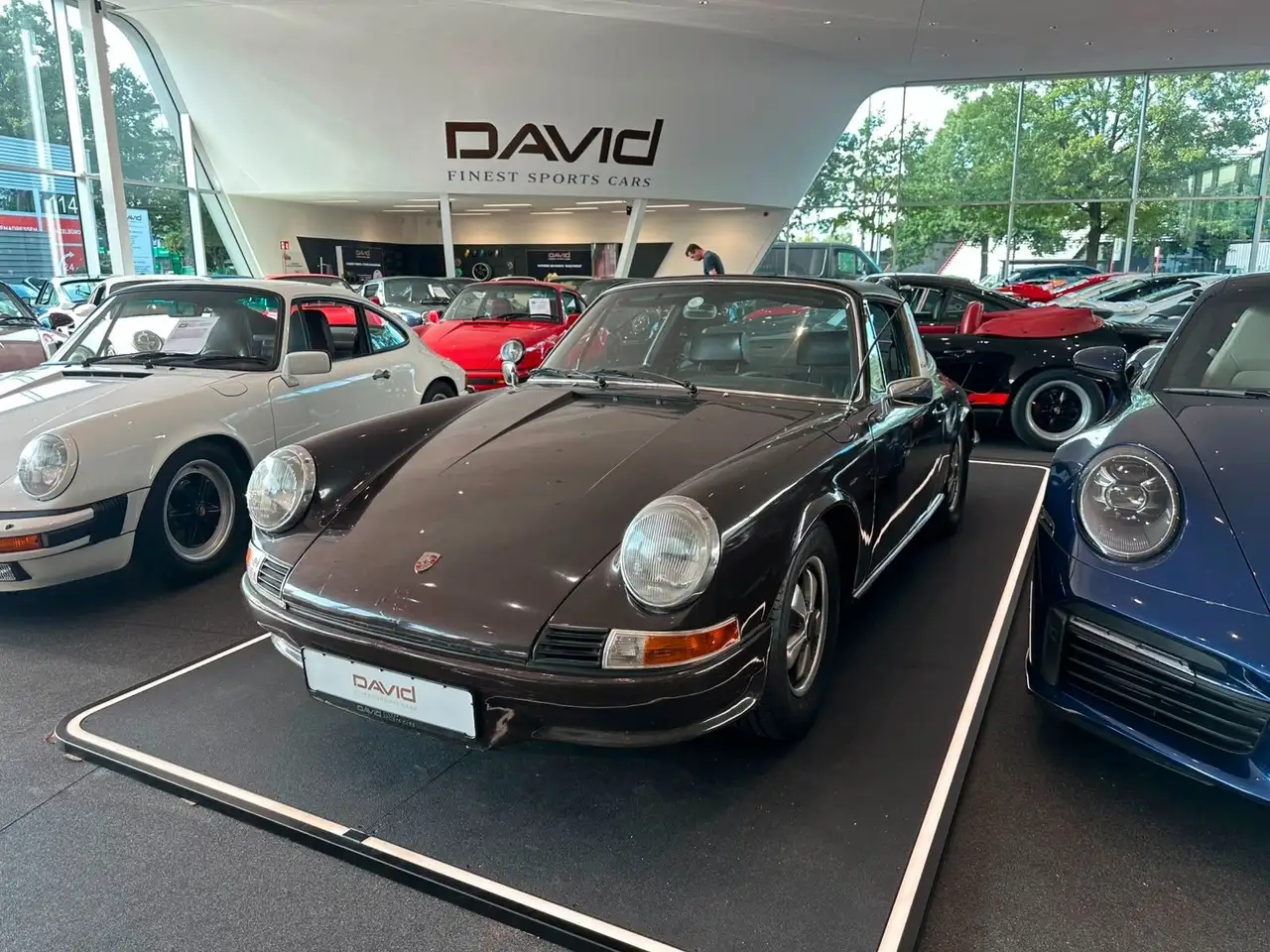 Porsche 911 F-Modell Targa*Deutsch*TüV NEU*Historie*€ 44.9111970 · 142.000 km · Hamburg, Duitsland · AutoScout24
 1970 Porsche 911 2.2 Classic€ 75.0001970 · 10.000 km · Feucherolles, Yvelines, Frankrijk · Car & Classic
 1970 Porsche 911 2.2 Classic€ 109.9111970 · 113.000 km · Saint-Maur-des-Fossés, Val-de-Marne, Frankrijk · Car & Classic
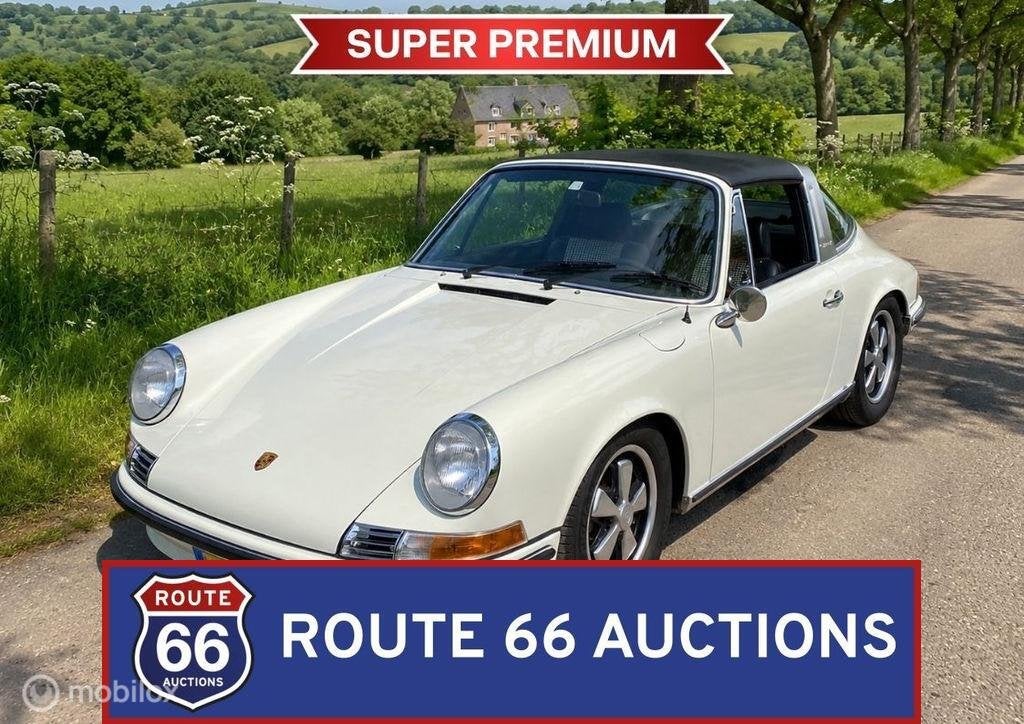 Porsche 911 T Targa | 1970 | Route 66 AuctionsHuidig bod € 48.0001970 · 999.999 km · Oisterwijk, Nederland · Marktplaats
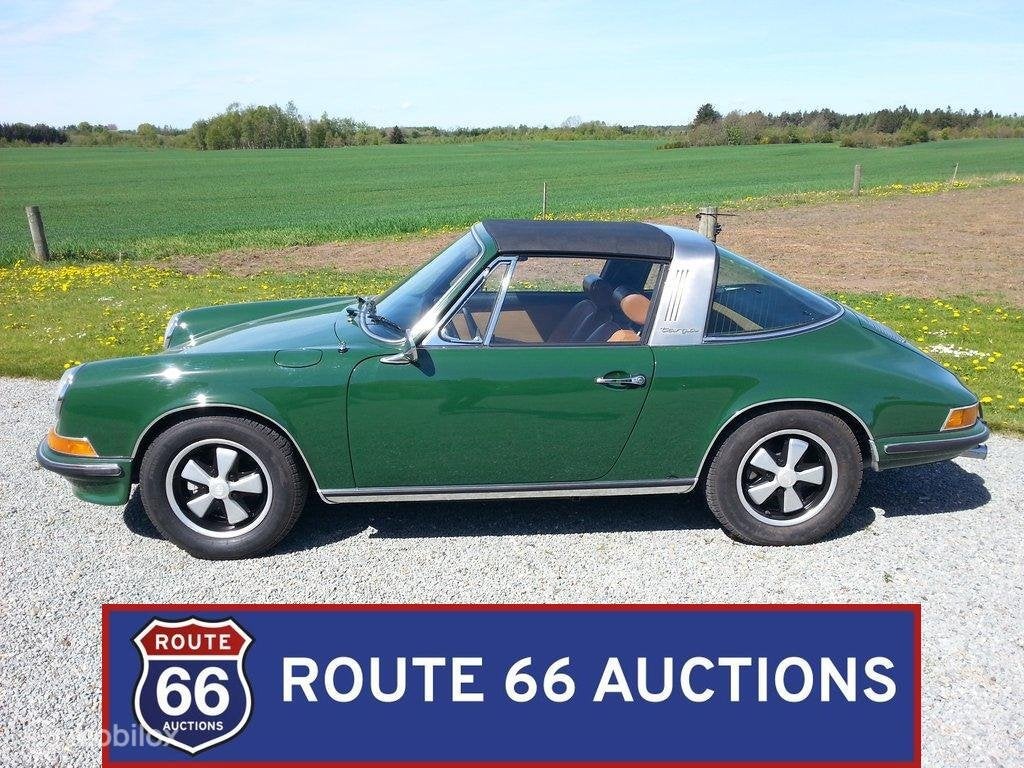 Porsche 911 S 2.2 Targa | 1970 | Route 66 Auctions€ 84.0001970 · 999.999 km · Oisterwijk, België · 2dehands
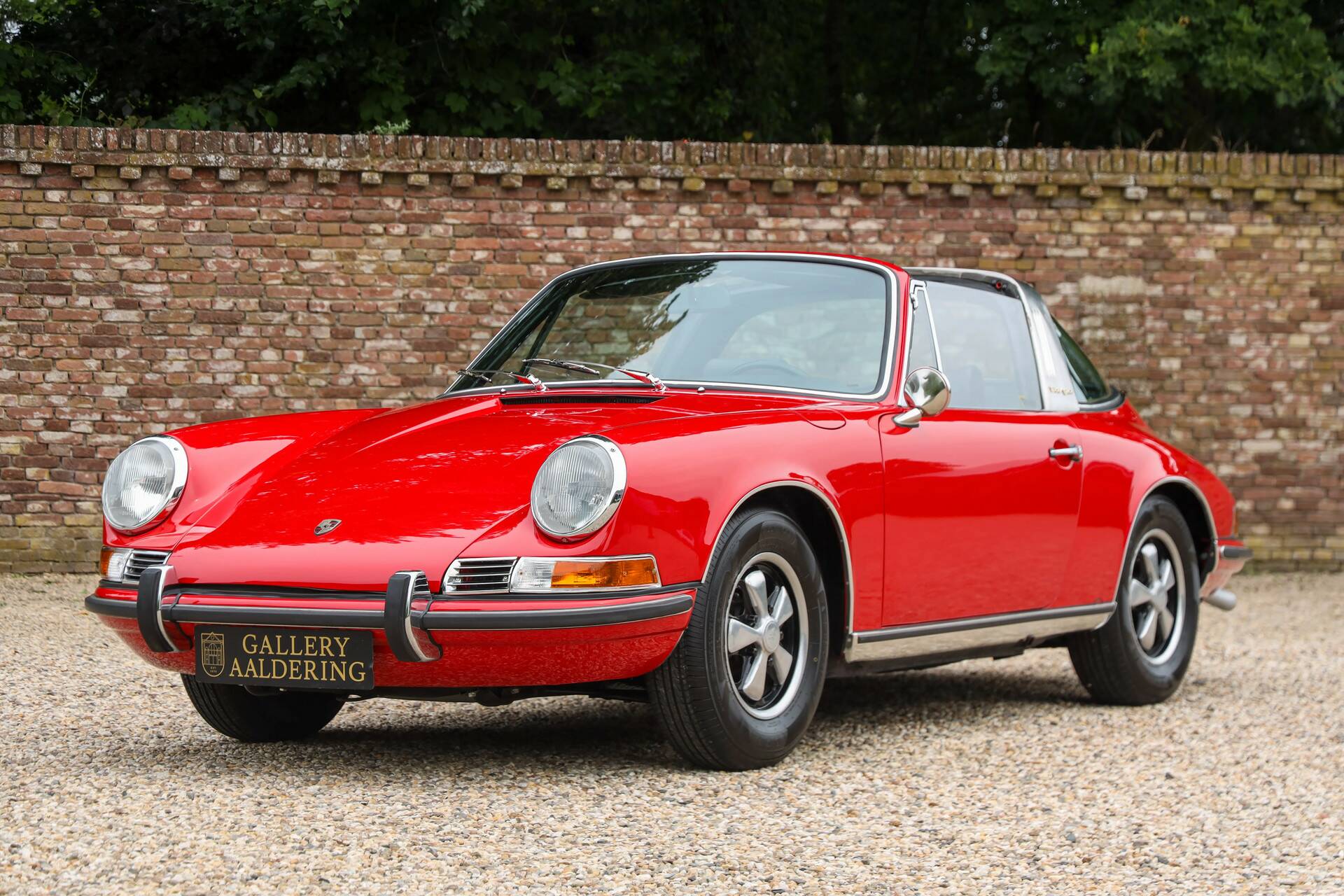 1970 Porsche 911 2.0 T€ 99.5001970 · 27.110 km · Brummen, Nederland · Classic Trader
 1970 Porsche 911 - 911 T 2.2 TargaRichtprijs € 40.0001970 · Salzburg, Oostenrijk · Classic Driver
 1970 Porsche 911 2.5 ST€ 255.0001970 · Hamburg, Duitsland · Classic Trader
Wat doet een Porsche 911 (F) op de markt? Bekijk de marktwaarde →