1939 BMW 335 - 335 2-Türen Cabriolet Autenrieth
1939 · Salzburg, Oostenrijk · via Classic Driver
Veiling sluit 18 oktober 2026, 01:59
Bekijk op Classic Driver → Open in de app
Gegevens
| Merk | BMW |
|---|---|
| Model | 335 Cabriolet |
| Bouwjaar | 1939 |
| Carrosserie | Cabrio |
| Stuur | Links |
| Locatie | Salzburg, Oostenrijk |
| Verkoper | Humer, Granner & Co GmbH (veiling) |
| Bron | Classic Driver |
| auction | https://www.classicdriver.com/en/auction/humer-granner-co-gmbh-classic-car-auction-17102026 |
| Op Oudjes.xyz sinds | 5 oktober 2026 |
| Laatst gezien | 8 oktober 2026, 18:15 |
Beschrijving
BMW’s final flagship model before the outbreak of war
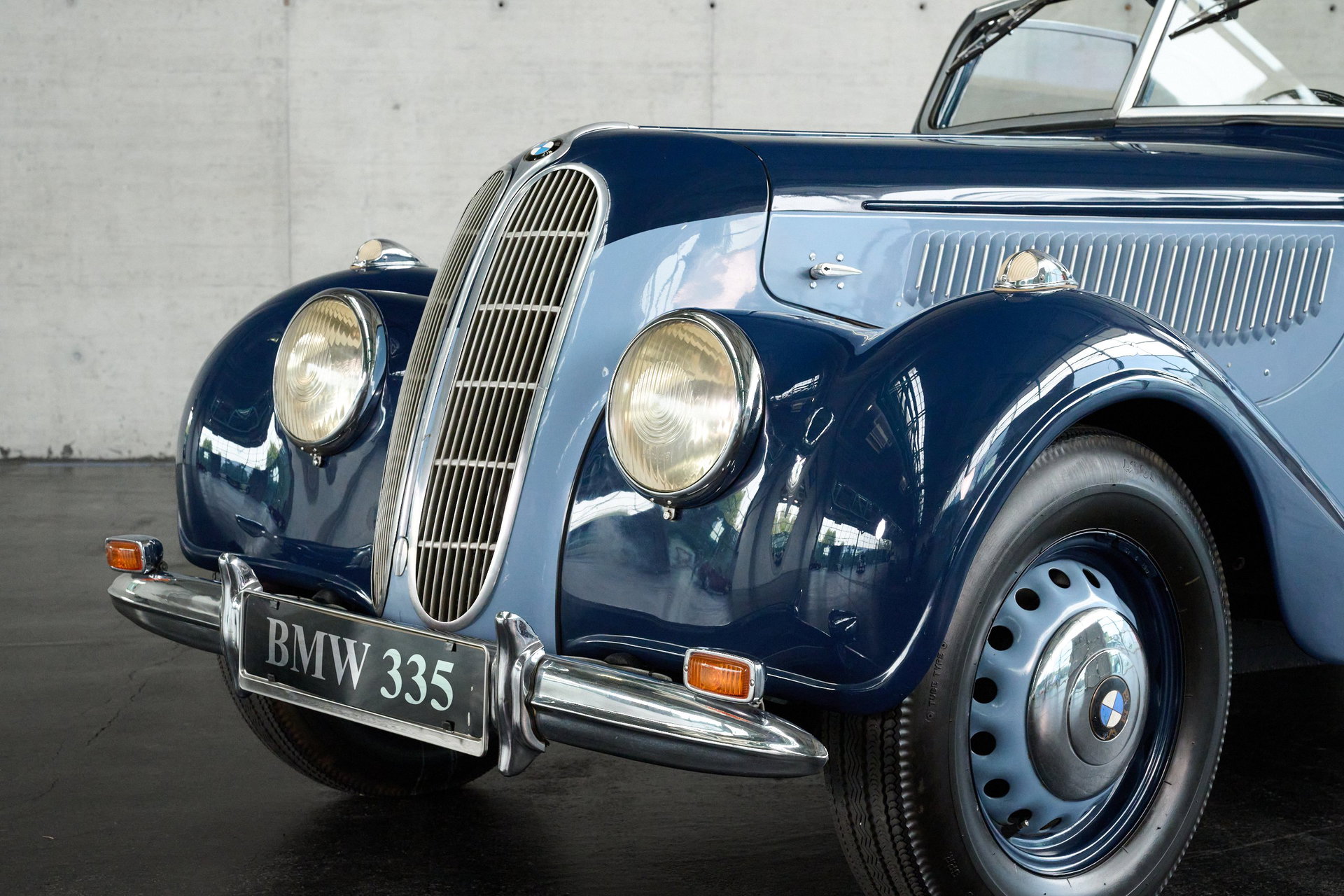
Extremely rare two-door Cabriolet
Fully documented history
Only two owners in the past 59 years
Part of an important BMW collection
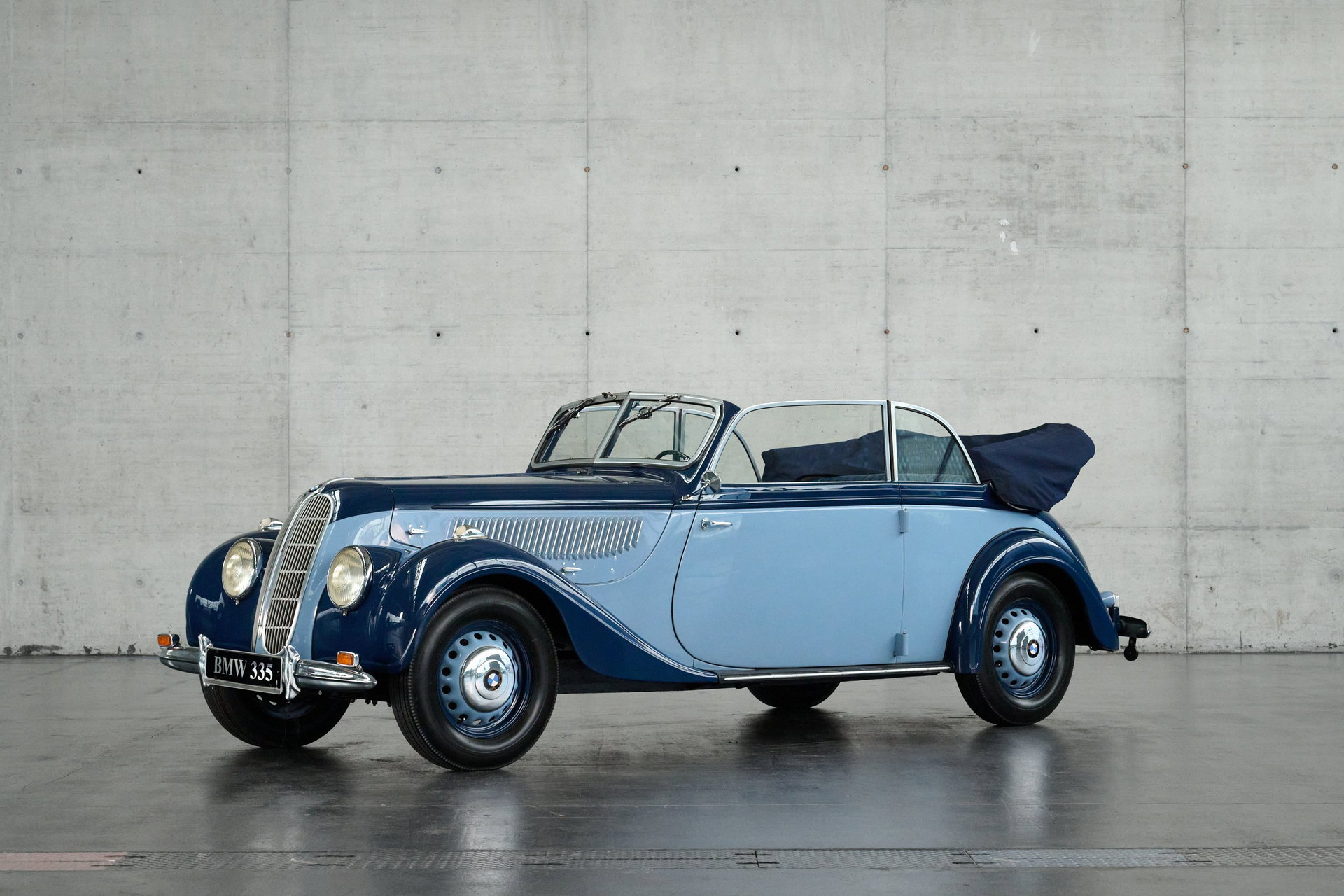
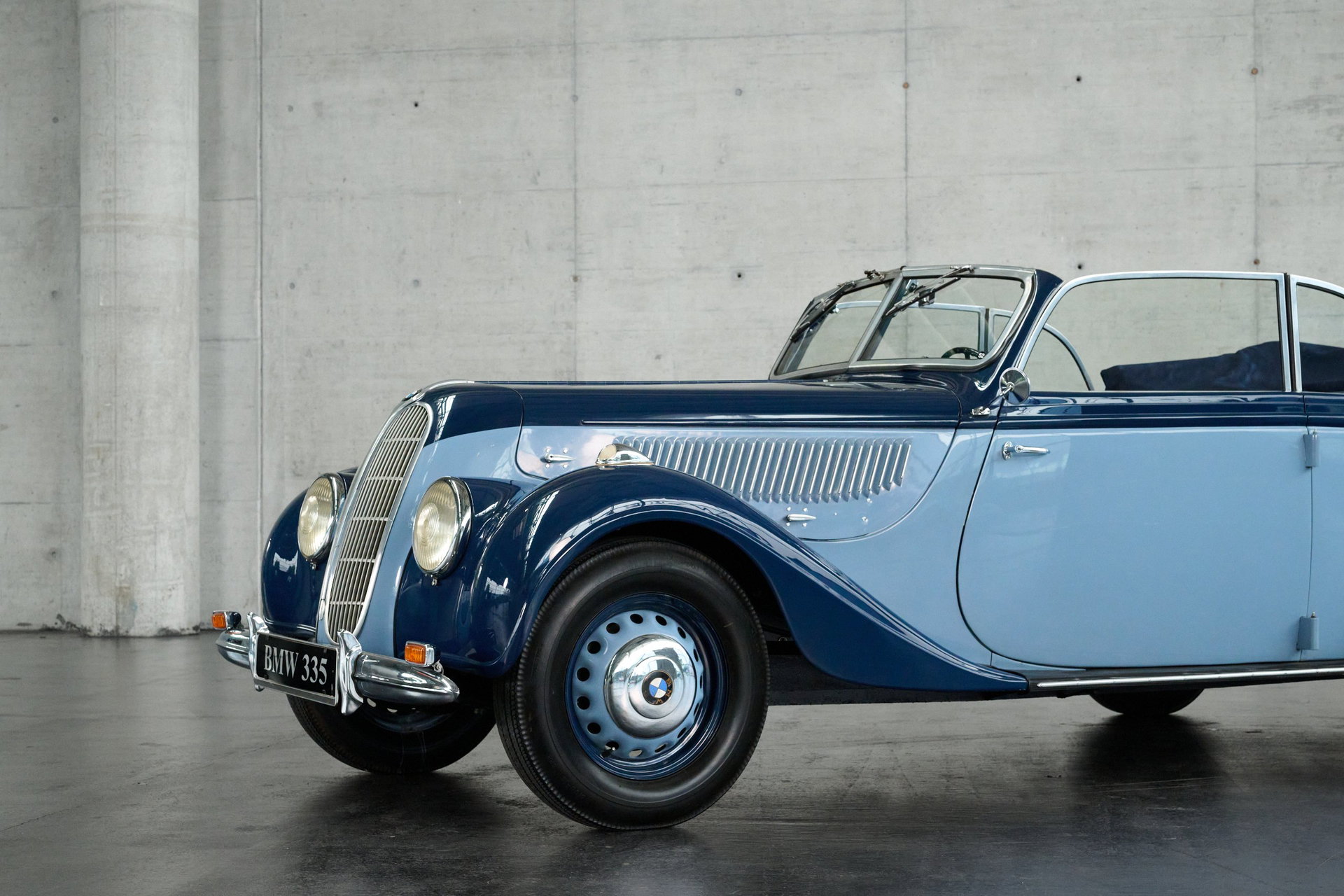
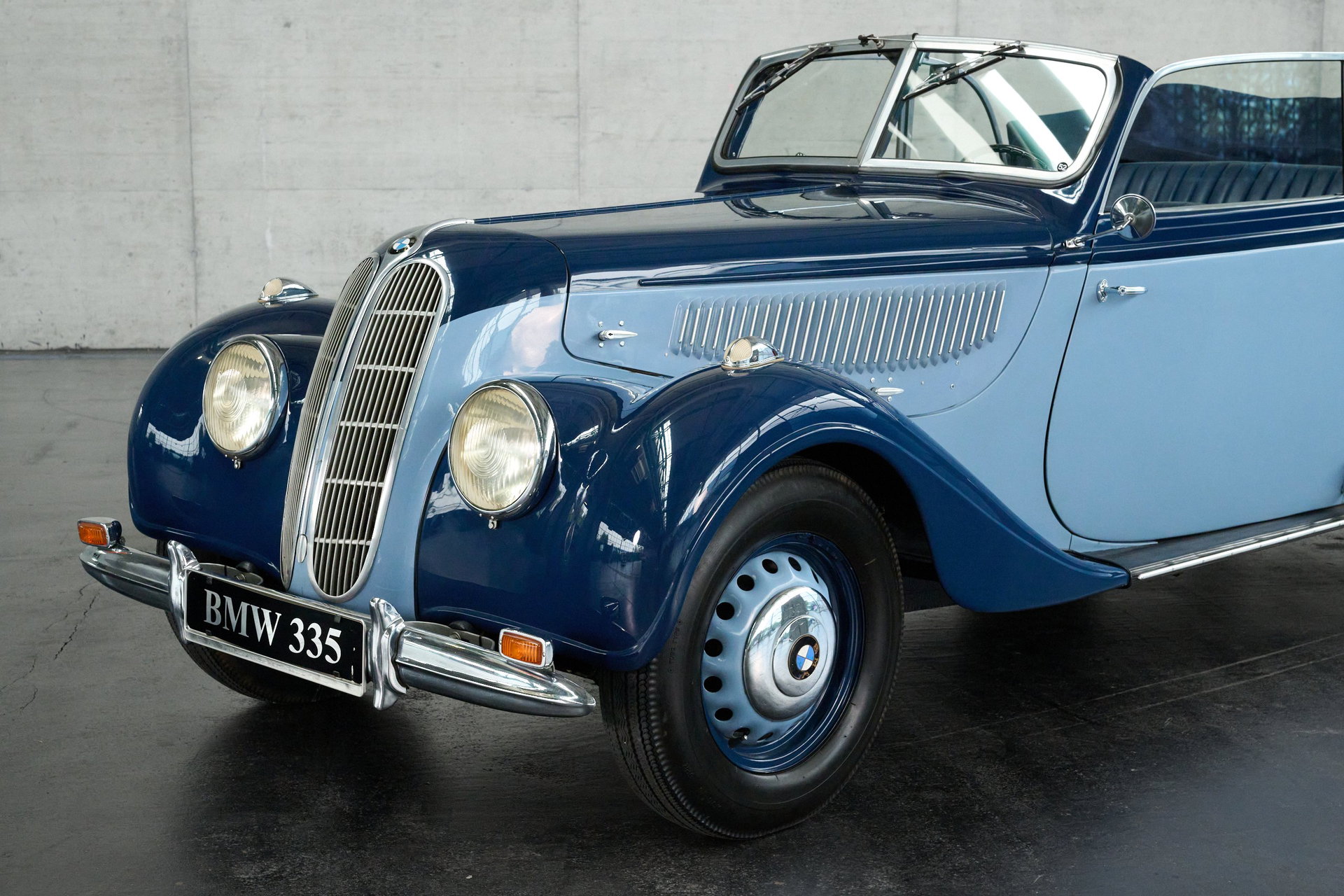
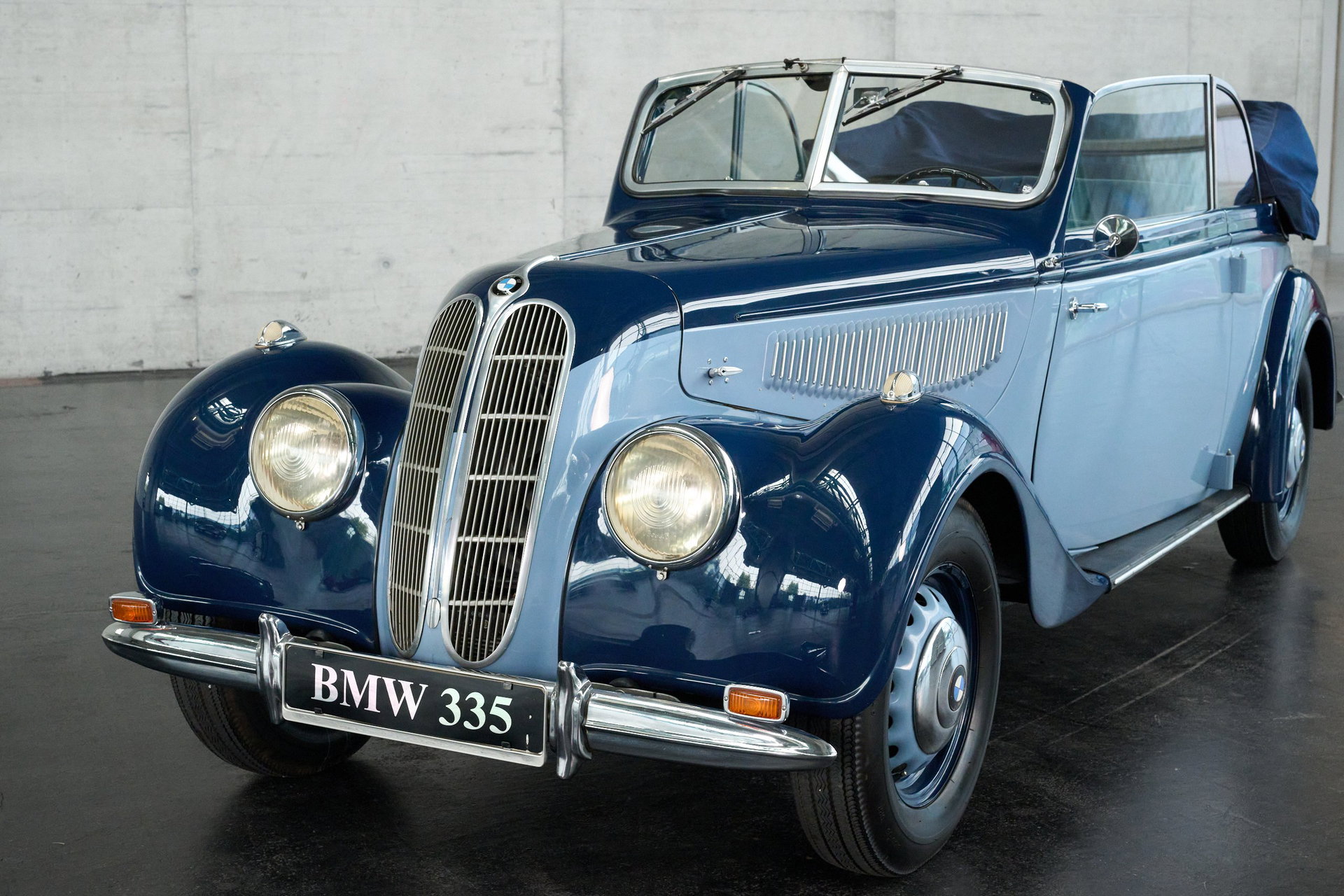
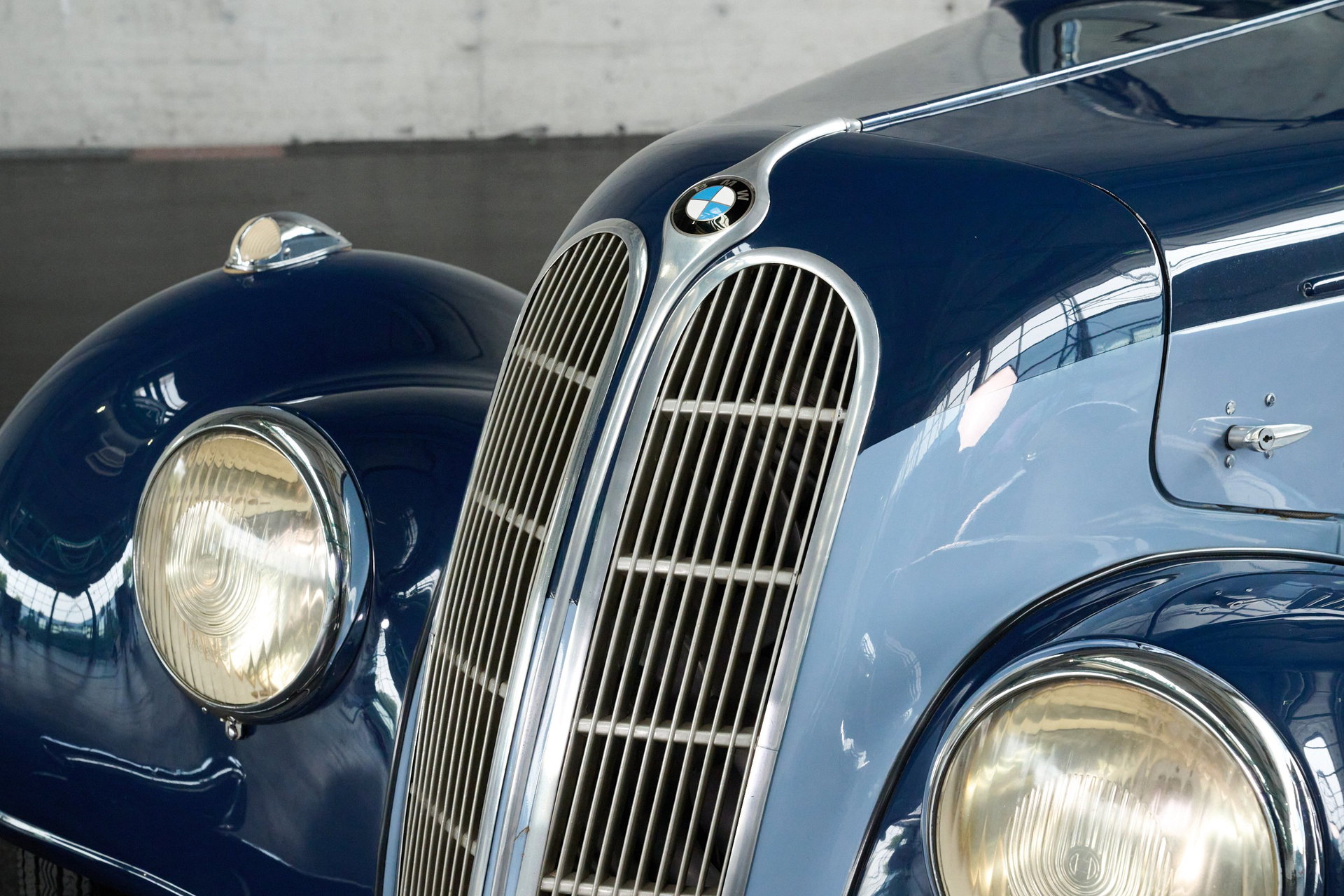
When BMW unveiled the 335 at the London Motor Show in November 1938, it was intended to make a statement. Since the arrival of the 303 in 1933, the marque had steadily worked its way upmarket with six-cylinder engines, elegant saloons and sporting coupés. Now came the car that was to carry BMW firmly into the upper echelons of motoring – positioned above the 326 and 327 and effectively crowning the range. The 335 was the largest, most powerful and most luxurious BMW of the pre-war era.
Technically, BMW drew partly on proven ingredients. The chassis and basic concept were derived from the 326, but the track was widened and the wheelbase extended. At its heart was a new, large-capacity 3.5-litre straight-six producing 90 hp. Although refinement and effortless touring clearly took precedence over sporting pretensions, a top speed of around 135 km/h was an impressive figure for the time. Hydraulic brakes were complemented by BMW’s first fully synchronised four-speed gearbox. The 335 was not merely intended to be fast; above all, it was meant to be effortlessly so.
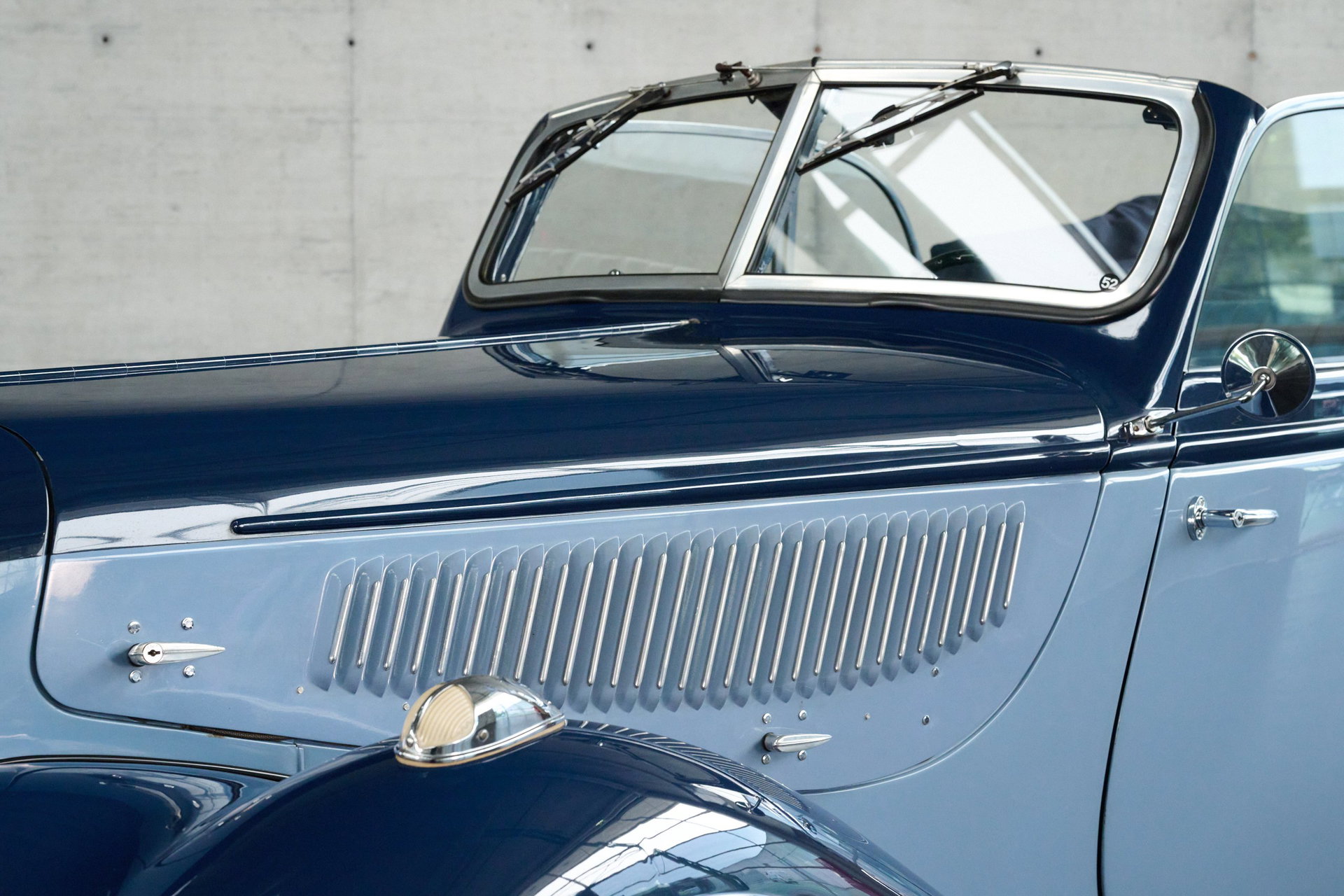
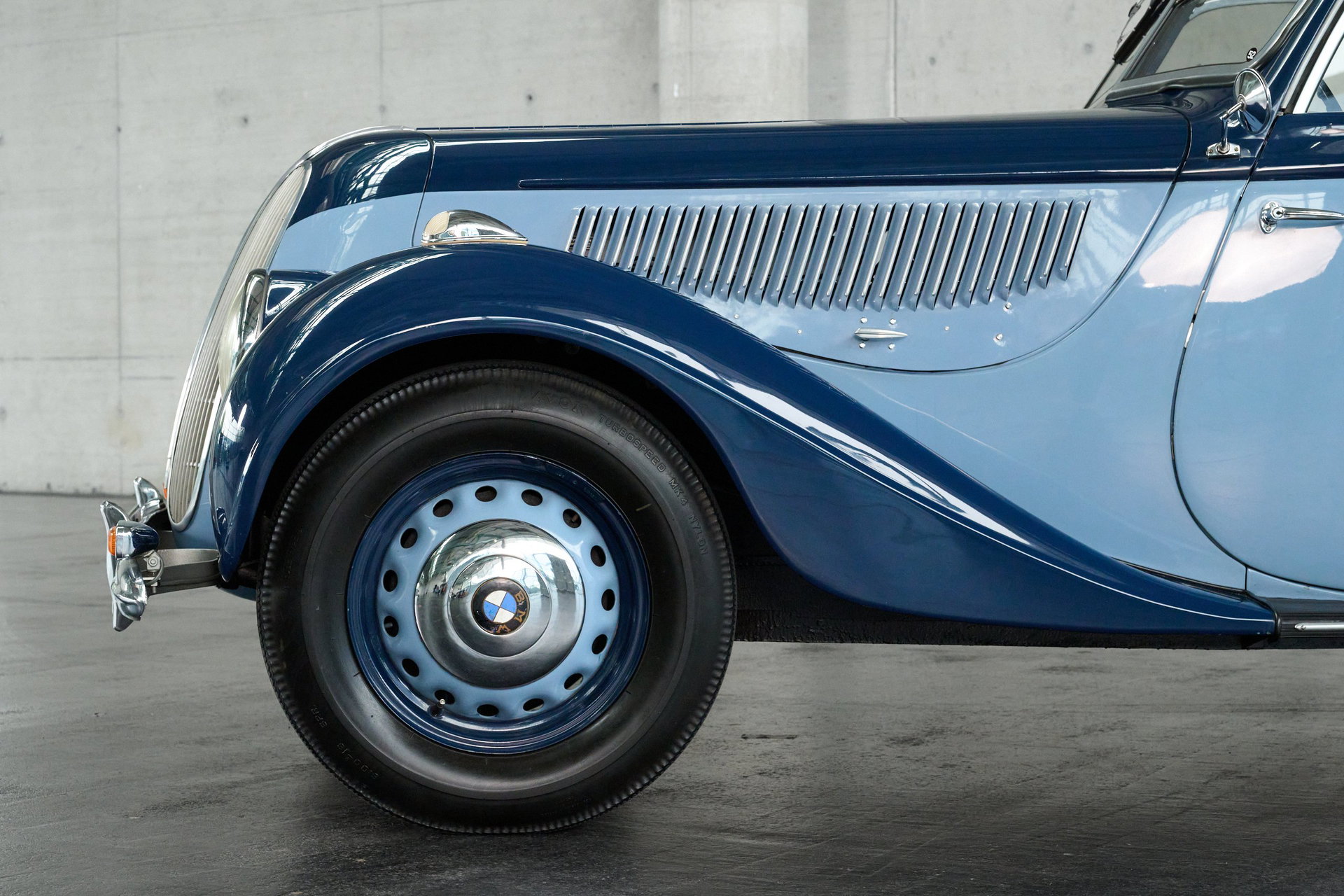
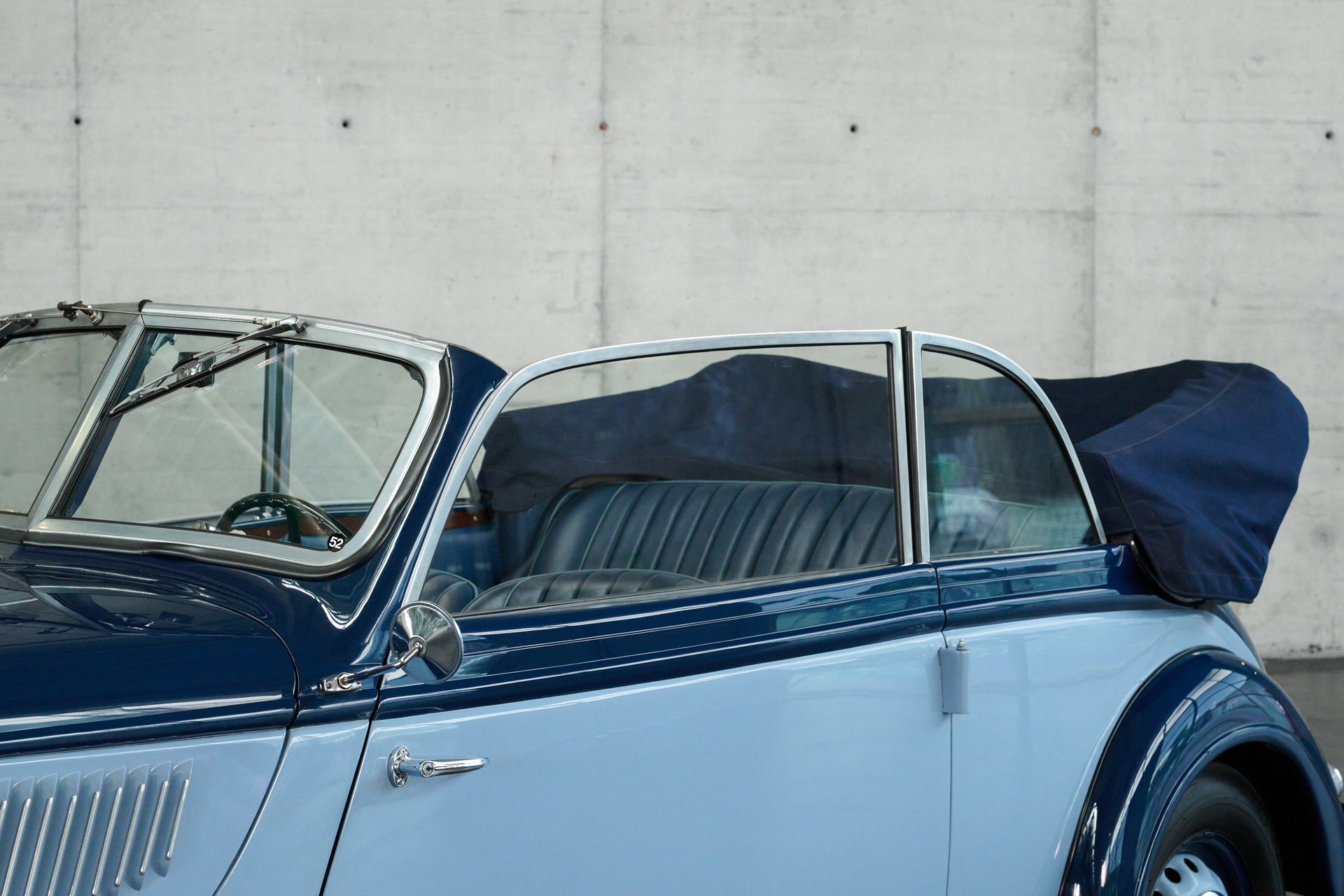
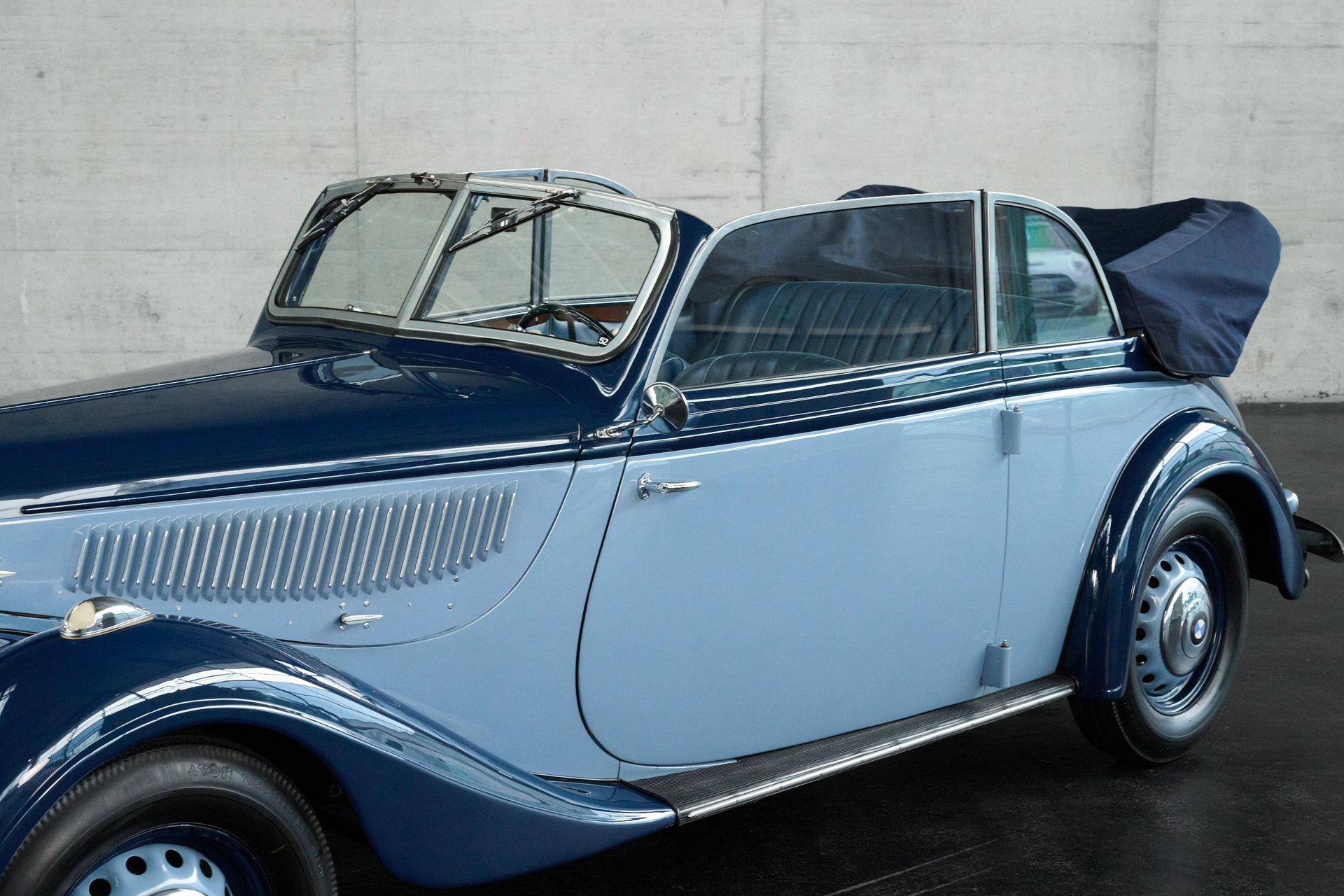
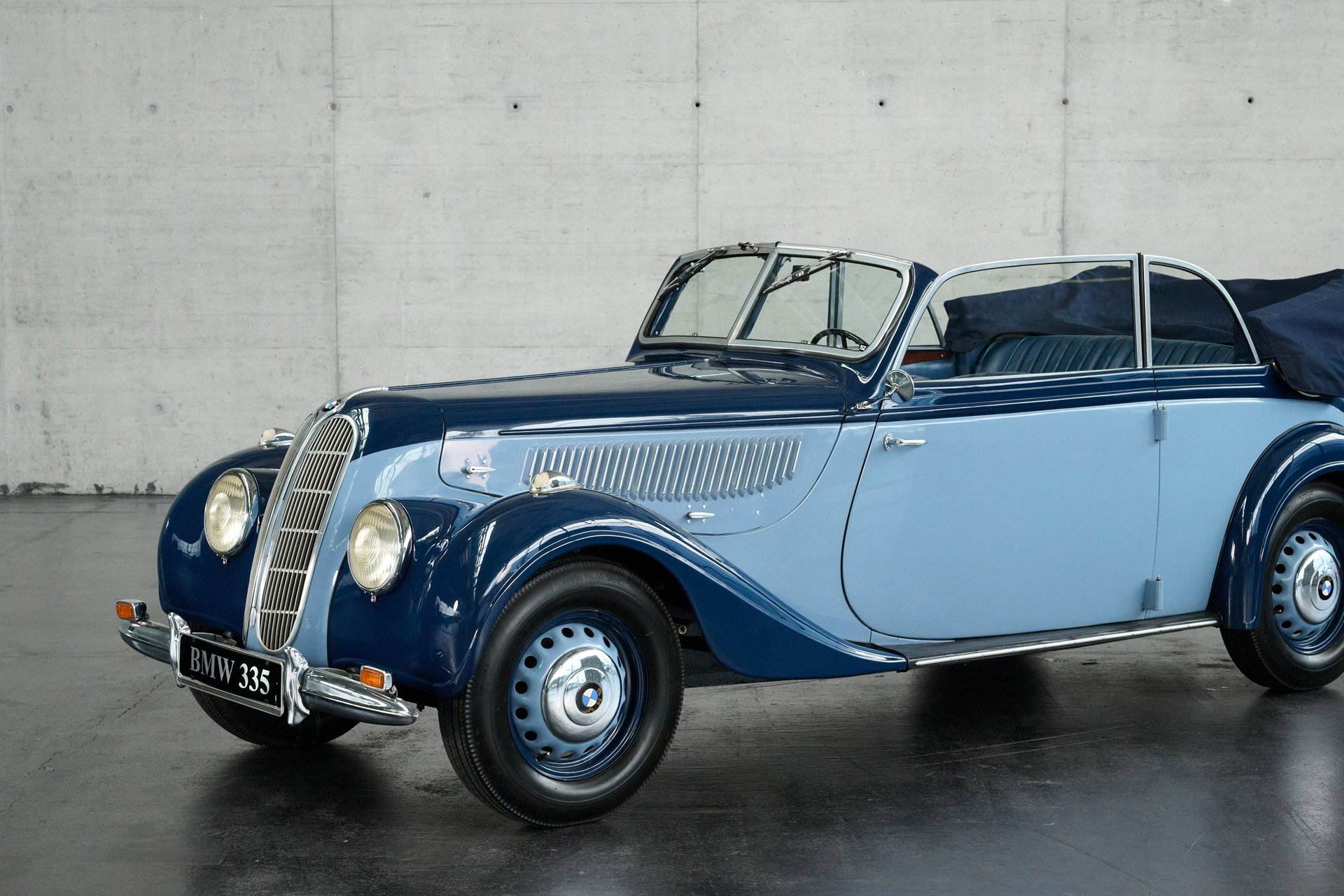
Responsibility for the coachwork was divided. The elegant saloons were built by BMW at Eisenach, while the open versions received their bodies from Autenrieth of Darmstadt. In Cabriolet form especially, the big BMW was a decidedly imposing motor car, with suitably sumptuous appointments to match.
But history was against it. Production had barely gathered pace before it was overshadowed by the war. By 1941, only 410 examples had been built: 233 saloons, 118 two-door and 40 four-door Cabriolets, plus 19 bare chassis. A further five cars are said to have been completed in 1942/43. The 335 was therefore a genuine rarity even in its own lifetime.
Today it occupies a special place among BMW’s pre-war models. Not merely because of its mighty six-cylinder engine and luxurious presence, but also as a fascinating “what if” in the company’s history. The 335 showed where BMW intended to go. History simply did not give it the time.
This BMW 335, in the elegant form of a two-door Cabriolet, was delivered new to Sweden. As BMW has no surviving delivery ledger for the 335 series, the copies of the car’s period registration documents are particularly important. They show that the BMW remained continuously in southern Sweden until 1967. In addition to the names of its owners, they record their full addresses and, in some cases, even their telephone numbers.
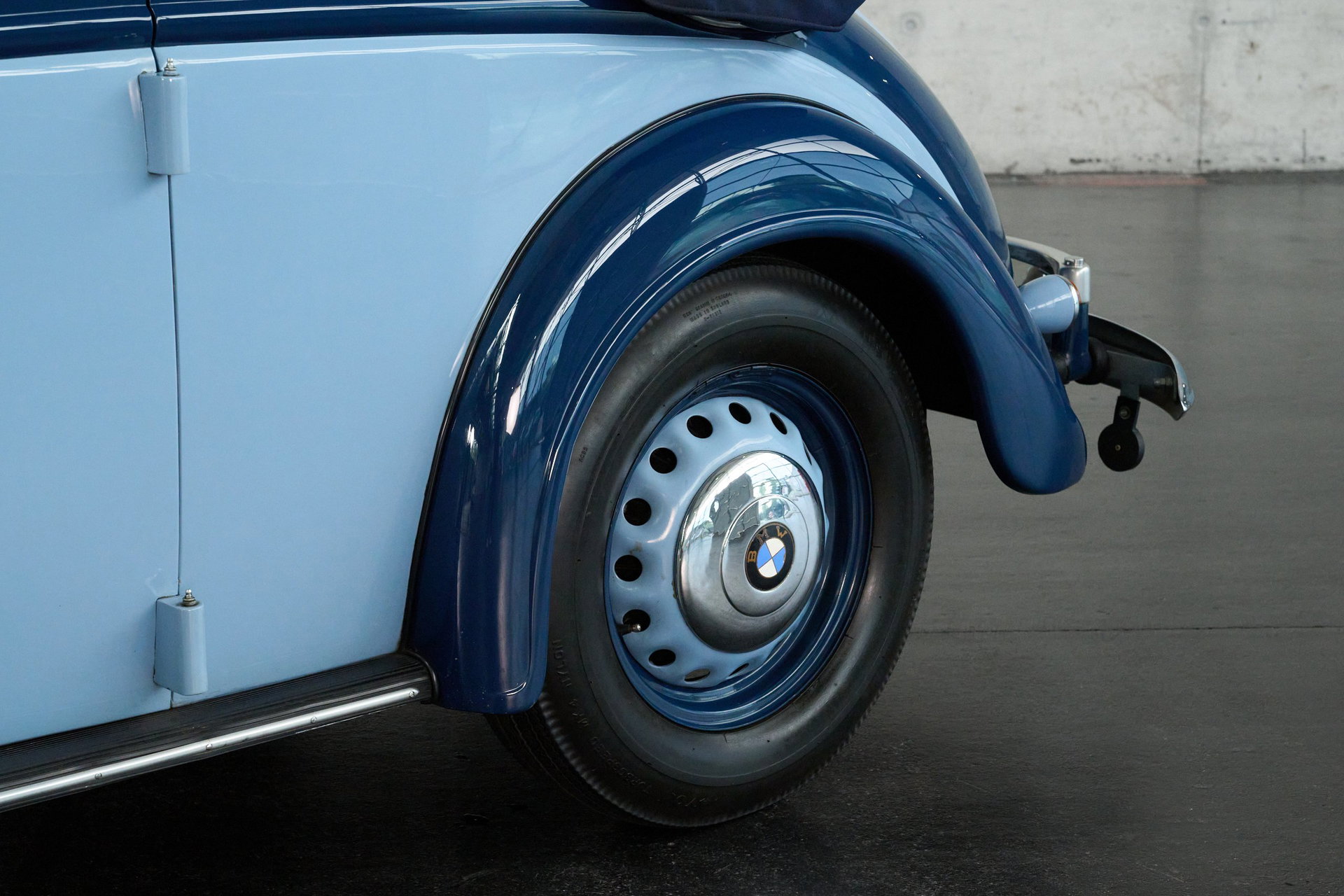
In August 1967, the 335 was acquired by a BMW enthusiast and businessman from Westphalia. On 5 August 1967, the Cabriolet cleared customs at Lübeck-Travemünde and was subsequently, it would appear, subjected to an extensive restoration. Its condition remains impressive today, while the execution of the work has a pleasingly authentic character. The true enthusiast will appreciate the survival of body number KAC535131. Whether the replacement engine currently fitted, no. 352157, was already in the car when it was purchased or was installed during the restoration is not known.
It was not until more than 20 years later, on 29 April 1988, that the BMW was registered in Germany for the first time. It was subsequently taken off the road and registered for the last time in 2002. In April 2004, at the age of 70 and after 37 years of ownership, its owner sold his 335 Cabriolet to the consignor.
The circumstances were rather similar: a Bavarian BMW enthusiast and businessman was adding to his already well-known and extensive collection of the marque, and the two-door 335 fitted the bill perfectly. Initially, the BMW was registered for road use, before being temporarily laid up in 2006. From then on, the Cabriolet remained in the collection and was also shown at exhibitions, but was driven very little. Nevertheless, it continued to receive regular care and maintenance. Since 2011, the work carried out has been documented by detailed invoices.
The six-cylinder engine runs and the brakes work, but the fuel tank will need cleaning before the car can be used without concern. A service should also be carried out. Nothing unusual, really, after a prolonged period of little use.
What awaits its next owner is an exceptionally rare motor car distinguished by a high-quality restoration. The BMW has clearly benefited both from its sound starting point and from the restorer’s considerable knowledge of the marque.
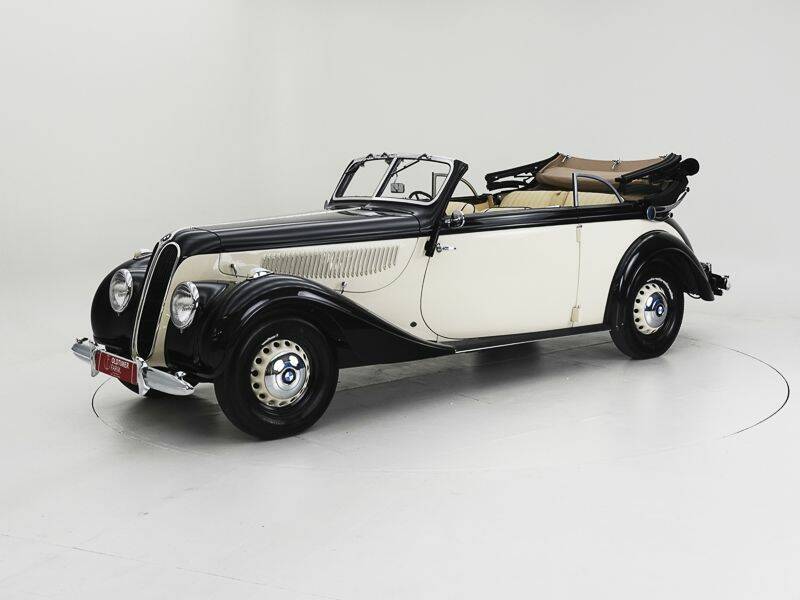 1939 BMW 335
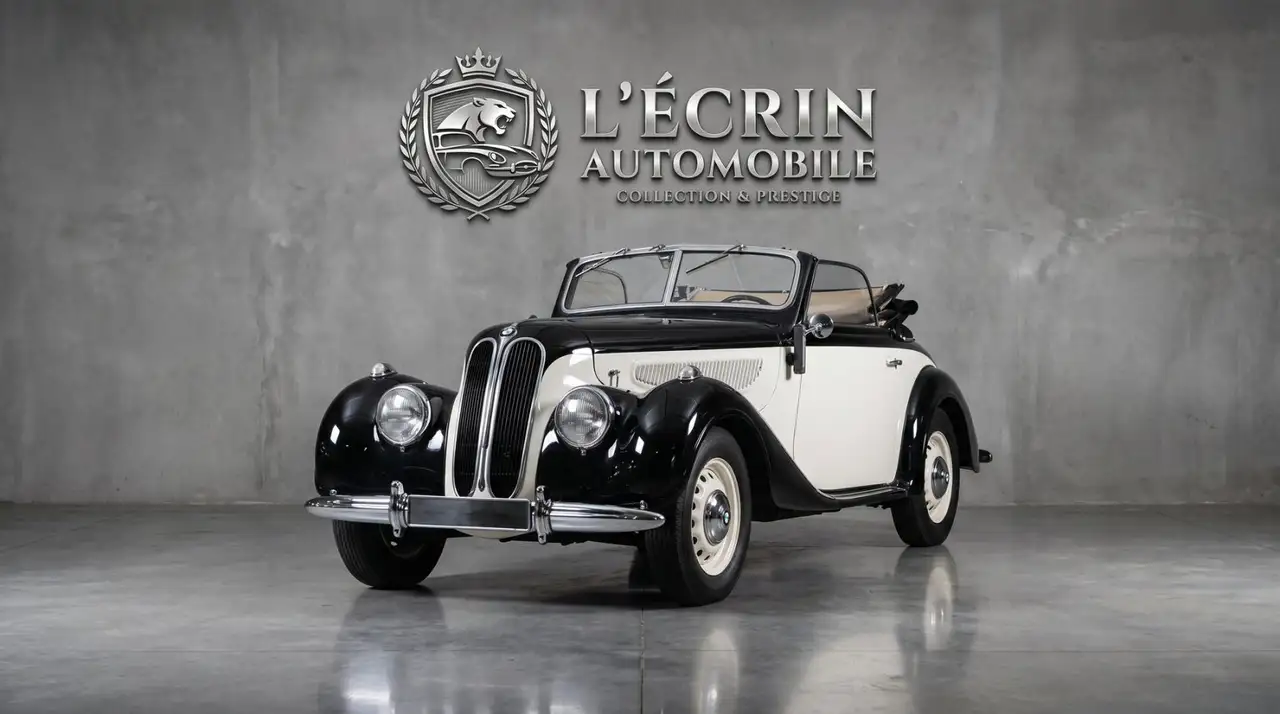 BMW 335 Cabriolet Autenrieth 1939
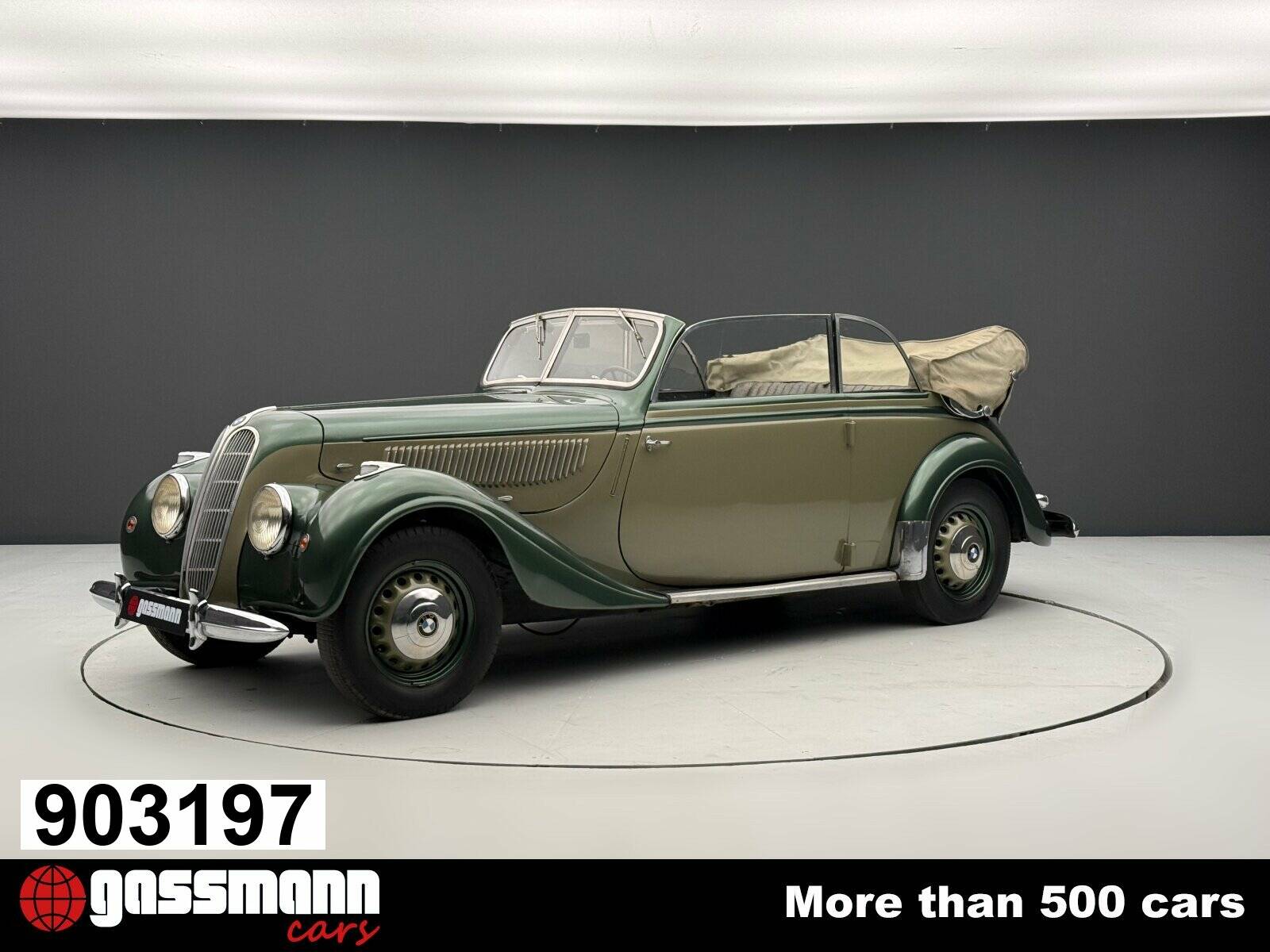 1941 BMW 335