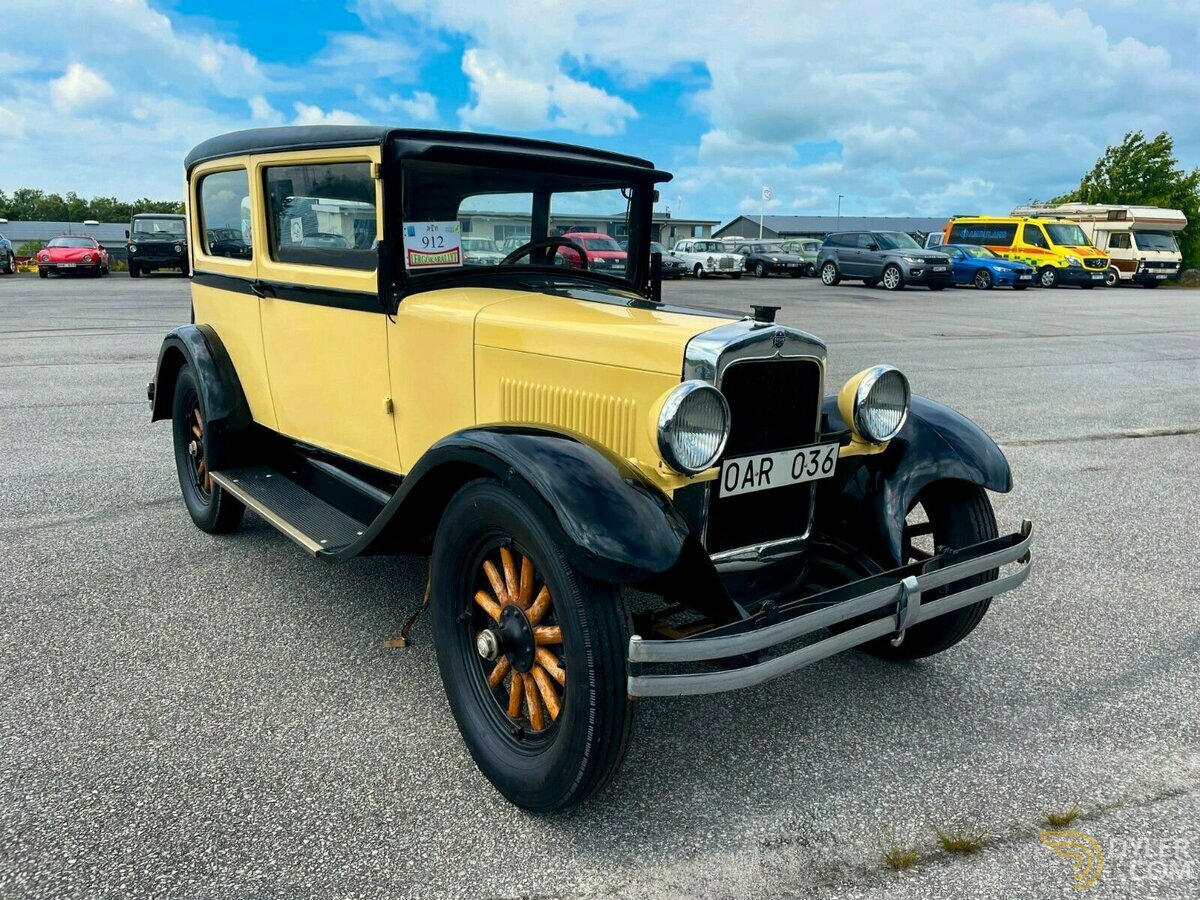
1927 Studebaker Erskine Club Sedan
1927 · Eslöv, Zweden · via Dyler
Bekijk op Dyler → Open in de app
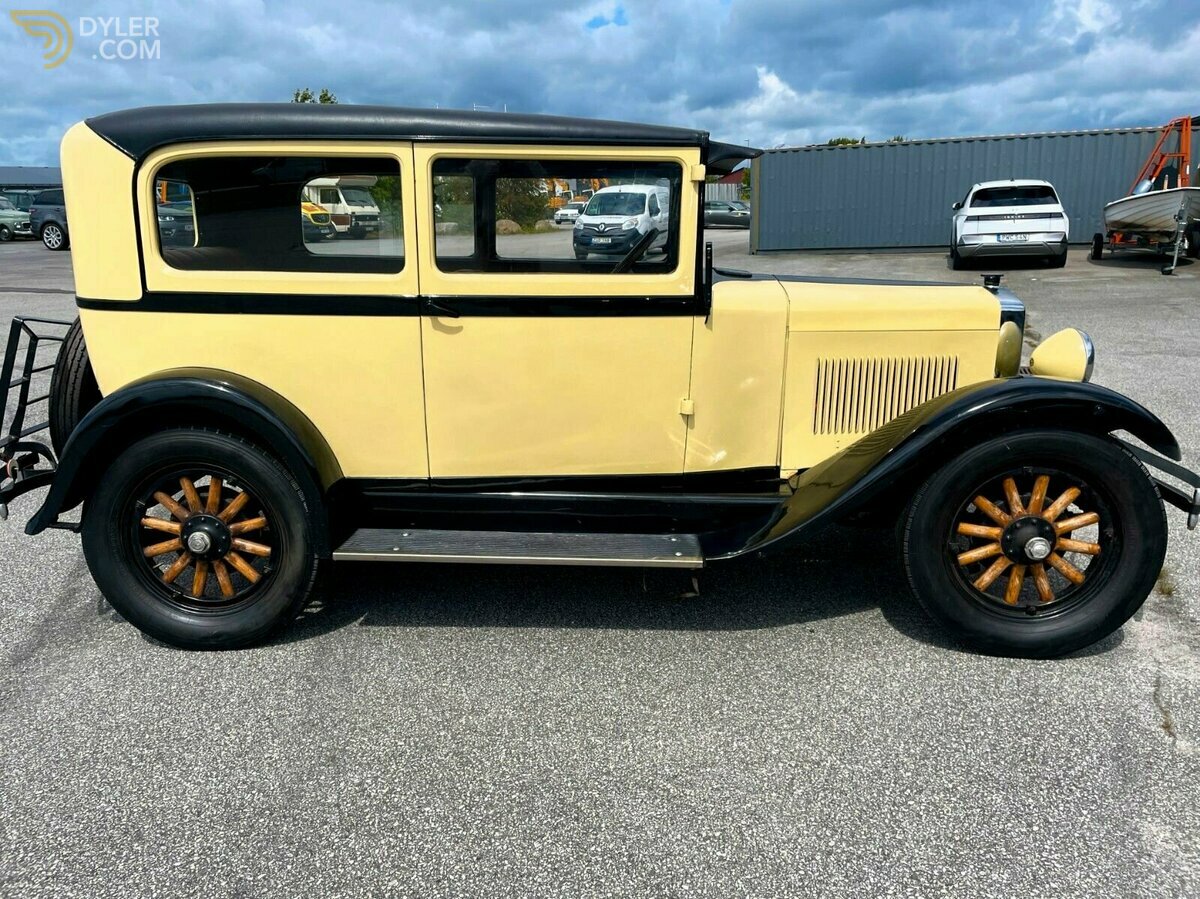
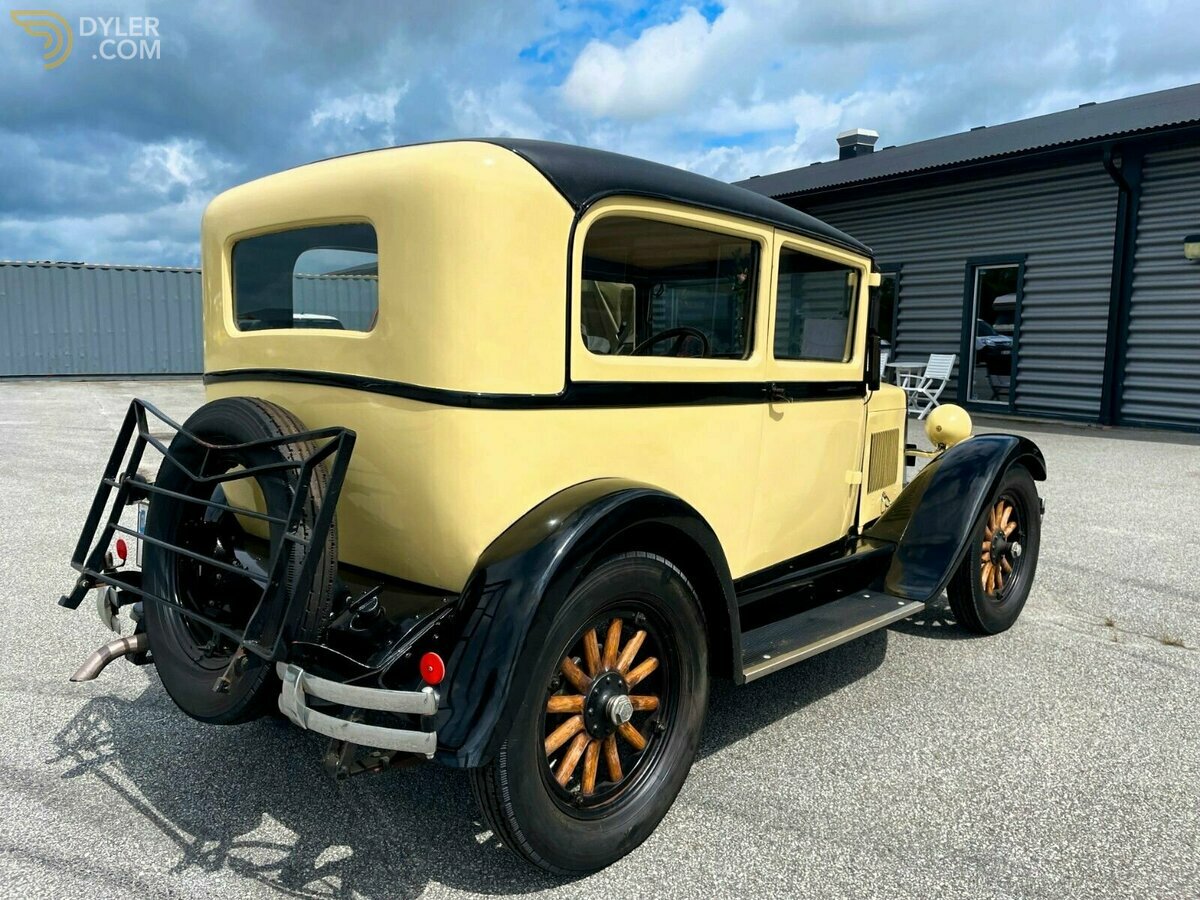
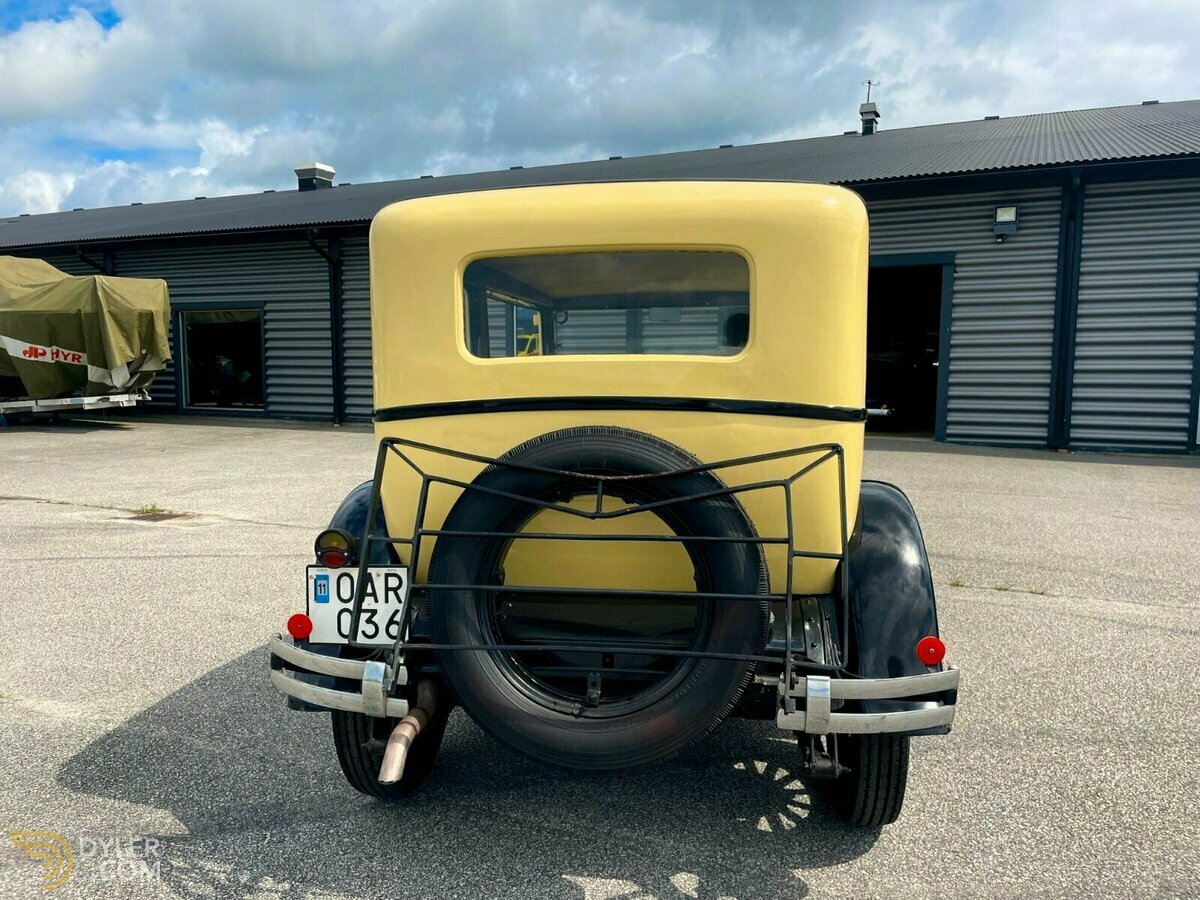
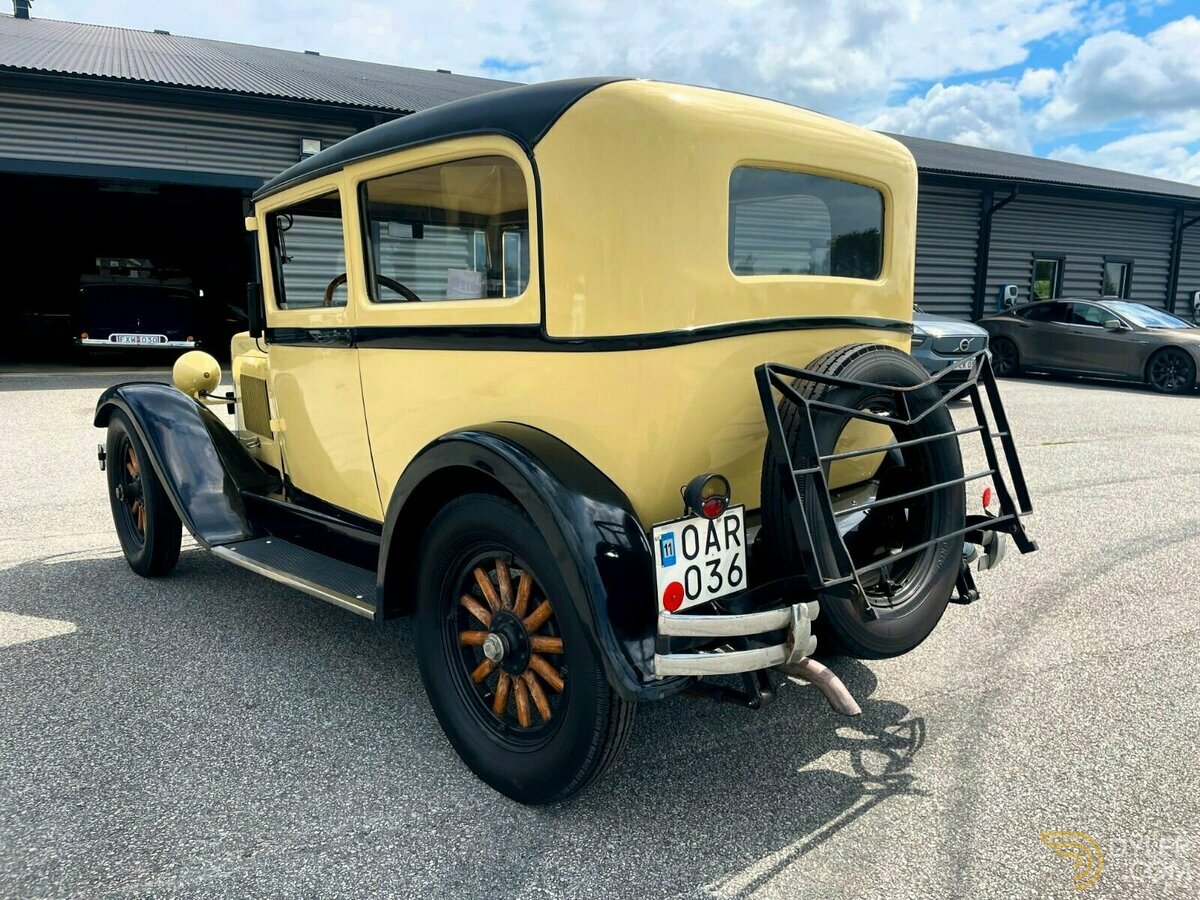
Gegevens
| Merk | Studebaker |
|---|---|
| Model | Erskine Club |
| Bouwjaar | 1927 |
| Transmissie | Handgeschakeld |
| Brandstof | Benzine |
| Carrosserie | Sedan |
| Kleur | Beige |
| Motor | 6-cylinder petrol engine |
| Locatie | Eslöv, Zweden |
| Verkoper | UCARS Exclusive AB (handelaar) |
| Bron | Dyler |
| Staat | Used |
| Op Oudjes.xyz sinds | 5 oktober 2026 |
| Laatst gezien | 7 oktober 2026, 06:17 |
Beschrijving
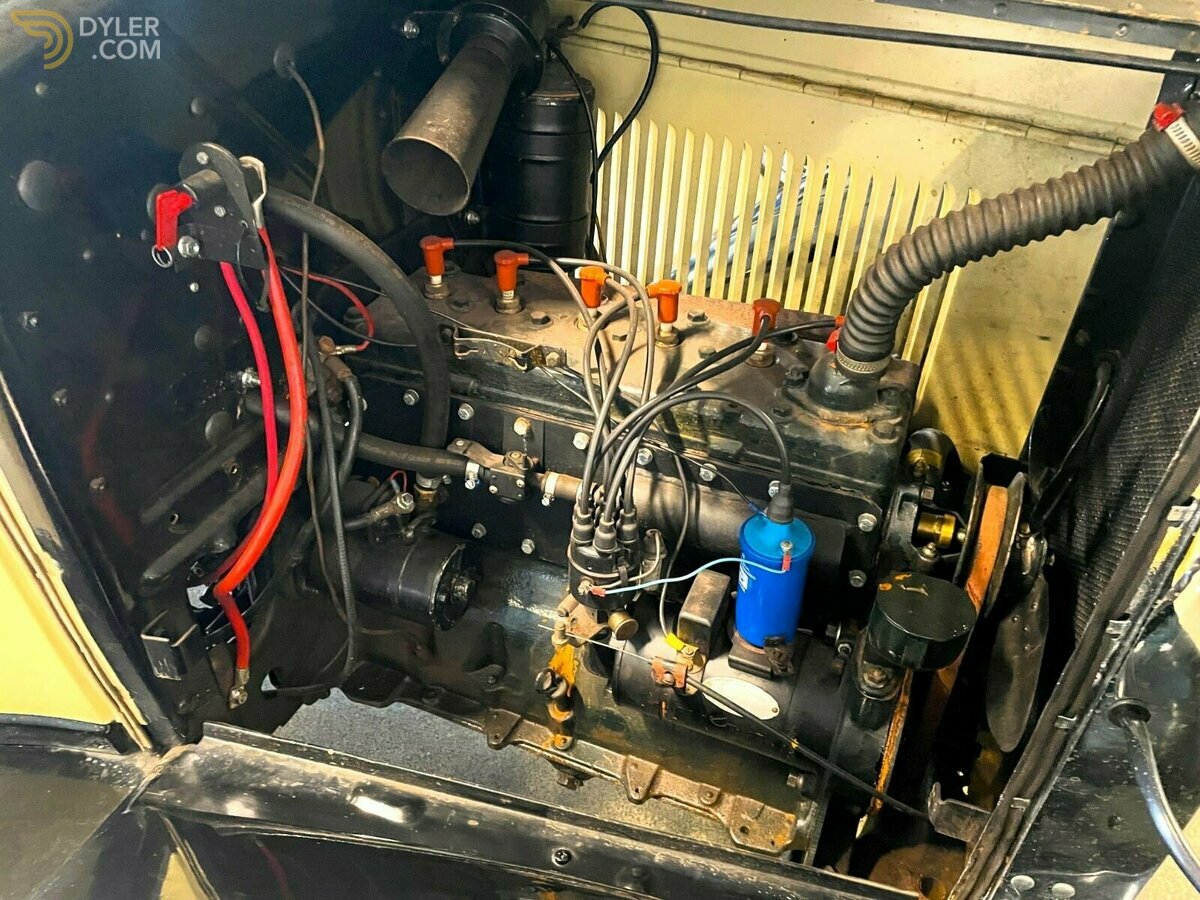
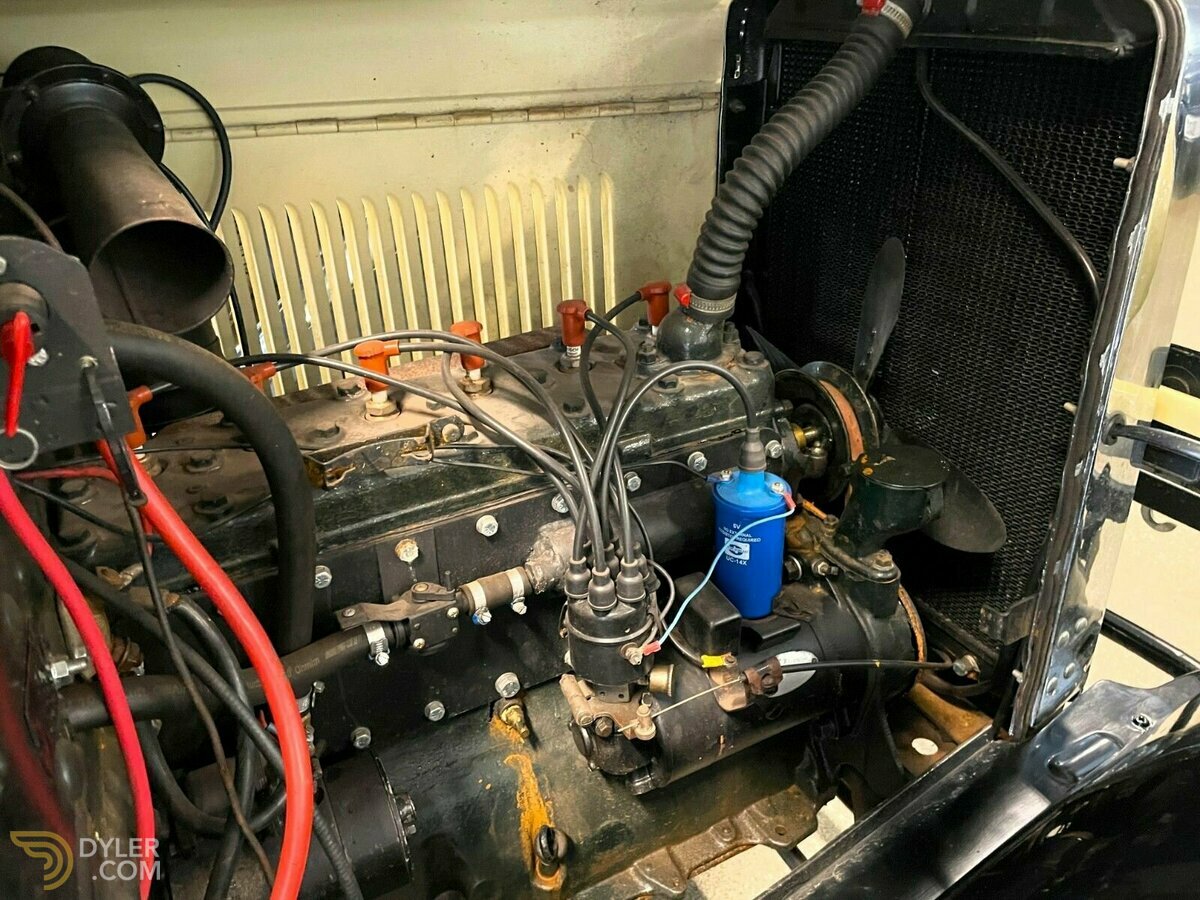
The Erskine Model 50 Club Sedan from 1927 is powered by a 2.4-liter six-cylinder petrol engine producing 41 horsepower, paired with a 3-speed manual transmission.
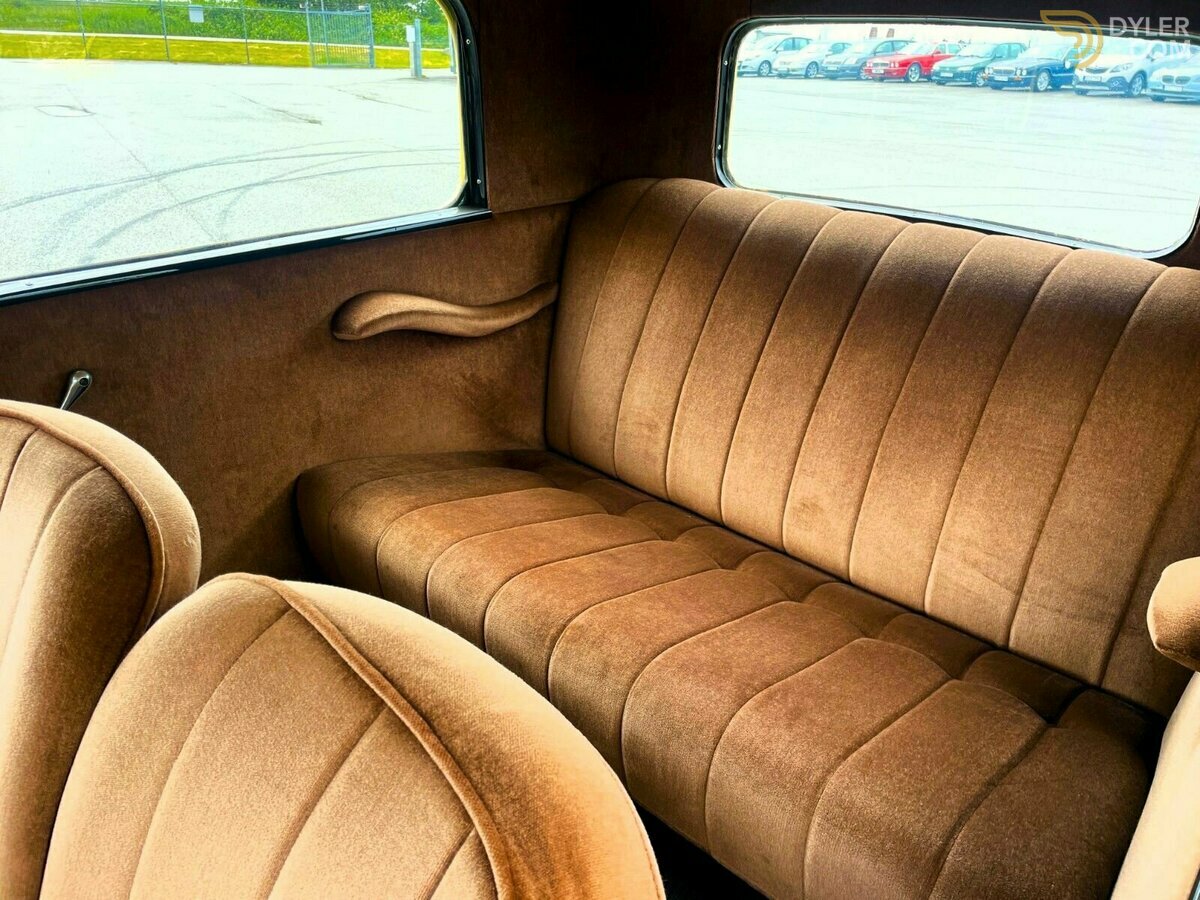
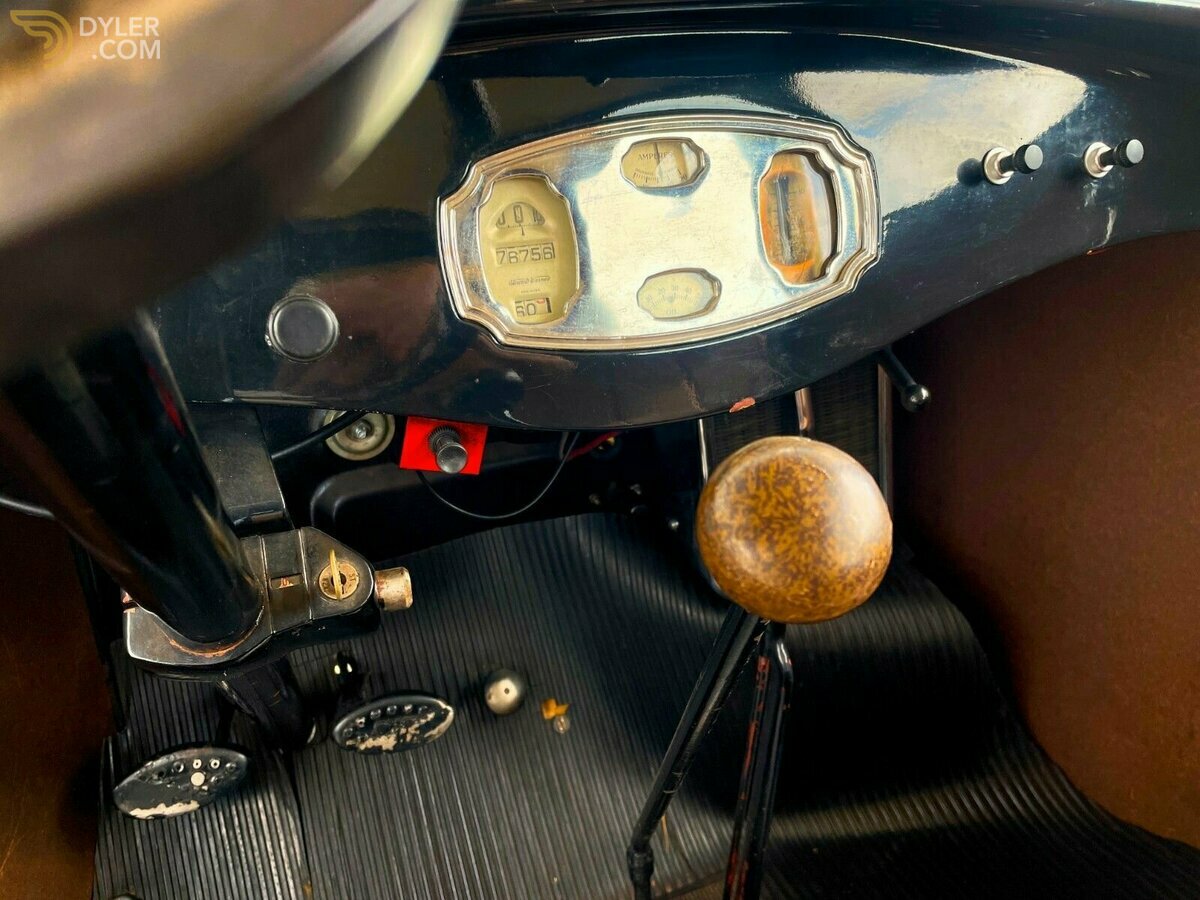
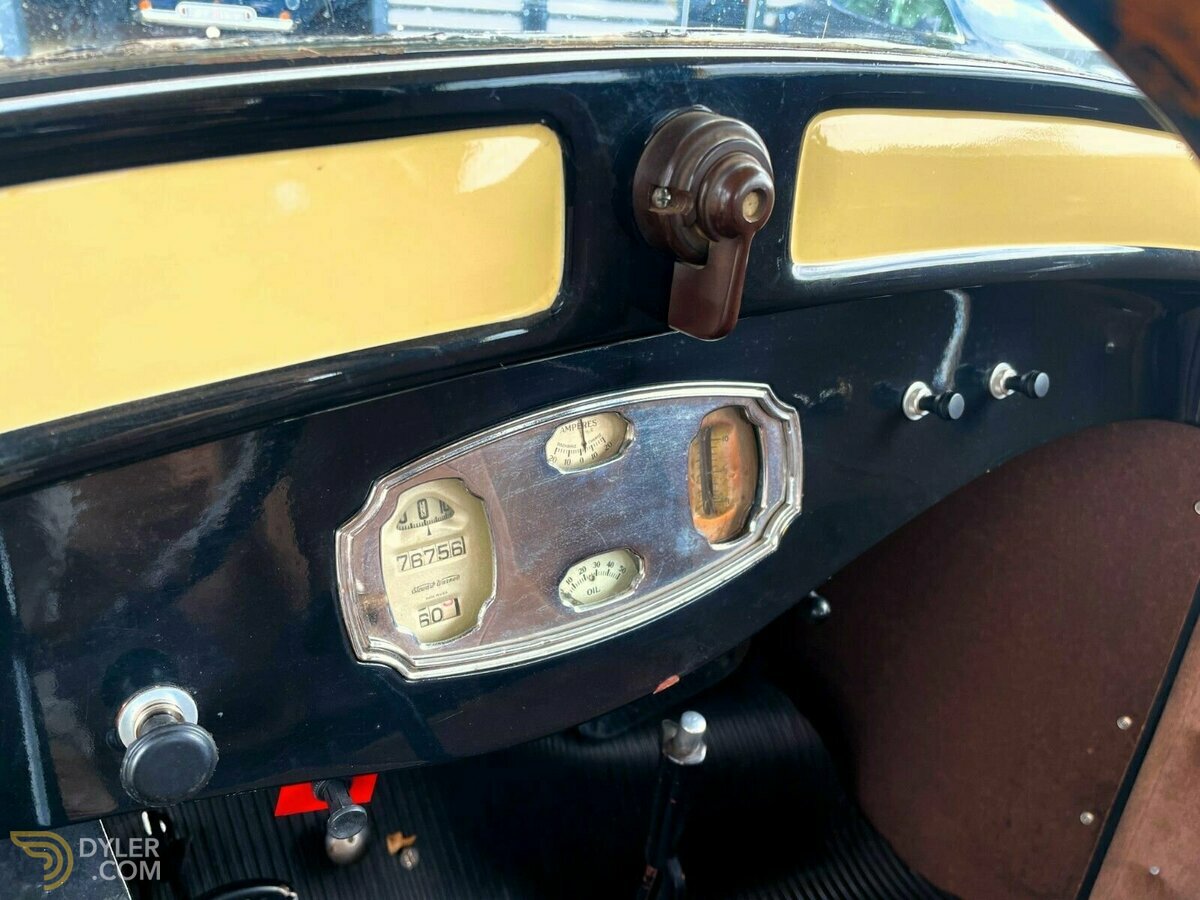
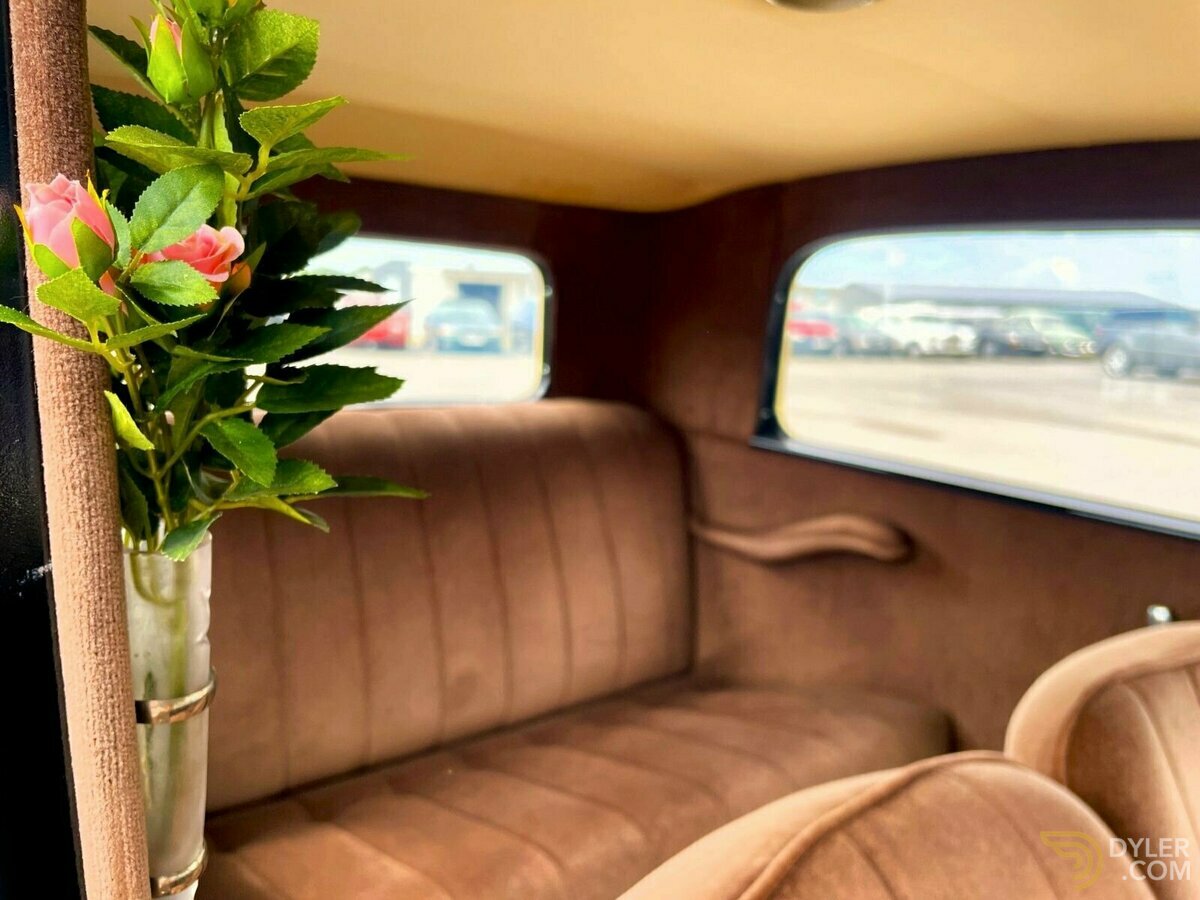
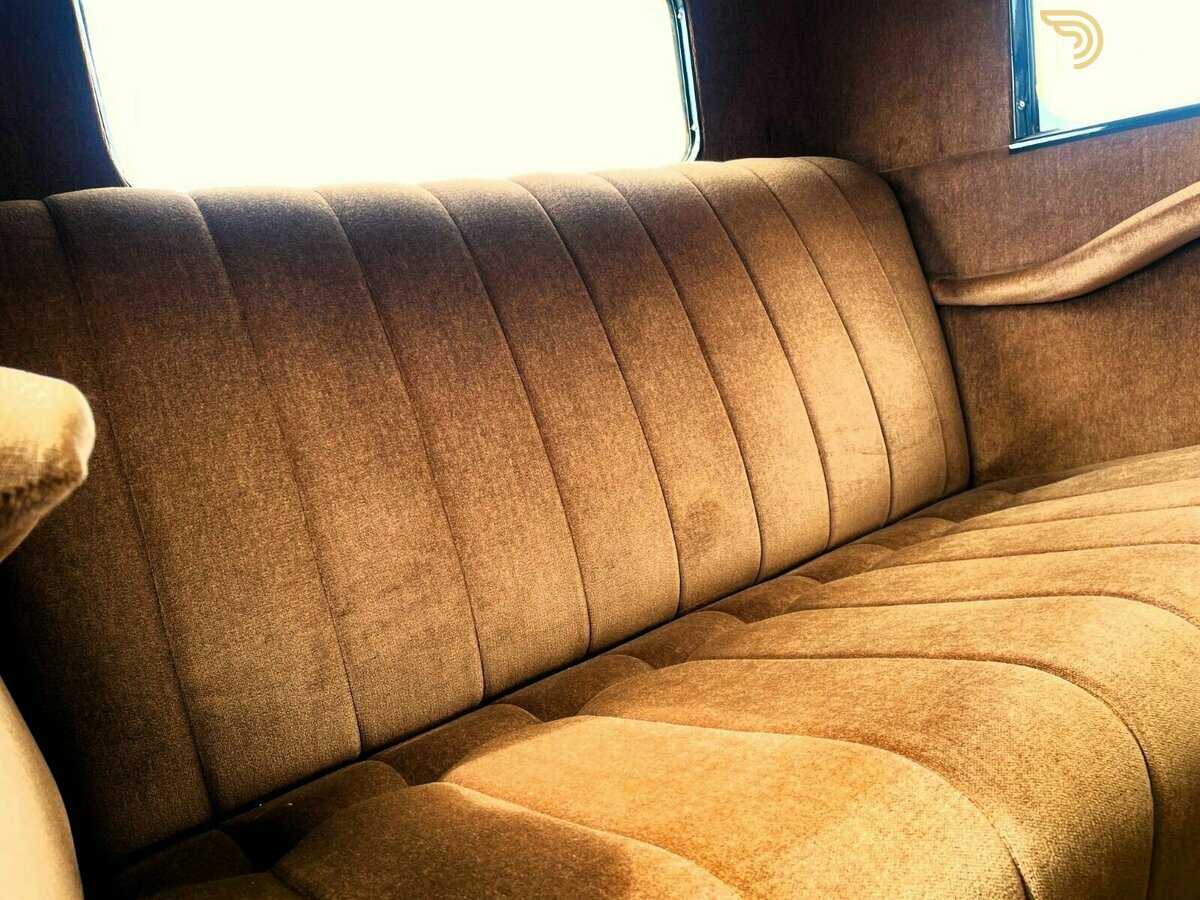
Since 1989, the car has had only two owners and has been regularly used in veteran rallies and exhibitions. In recent years, it has been kept in a museum. While largely preserved, it likely requires some mechanical attention before returning to the road.
Erskine was introduced in 1927 as a lower-cost brand under Studebaker, aimed at offering a smaller and more affordable alternative to the company's main lineup. Named after Studebaker’s then-CEO, Albert Russel Erskine, the brand initially featured a 2.3-liter six-cylinder engine. Although it found some success in export markets, Erskine struggled to compete in the U.S. domestic market.
By 1930, the model was enlarged and fitted with a 3-liter engine, marking the final year of Erskine production. In 1932, Studebaker attempted to re-enter the compact car segment with the Rockne, another six-cylinder vehicle designed to compete with models like the Ford Model T and Model A.
Despite innovations and early successes, Studebaker faced increasing challenges from competitors such as Ford, whose mass production methods reshaped the industry. The company struggled to adapt and, in 1933, entered receivership. That year, CEO Albert Russel Erskine, under whom the Erskine brand was launched, tragically died by suicide. His death marked a somber chapter in the company's history, which ultimately was unable to keep pace but helped lay the groundwork for the modern automotive industry.
Wat doet een Studebaker Erskine Club op de markt? Bekijk de marktwaarde →