1923 Bugatti Type 30
1923 · Copenhagen K, Denemarken · via Classic Trader
Bekijk op Classic Trader → Open in de app
Gegevens
| Merk | Bugatti |
|---|---|
| Model | Type 30 |
| Bouwjaar | 1923 |
| Transmissie | Handgeschakeld |
| Brandstof | Benzine |
| Carrosserie | Cabrio |
| Kleur | Blauw |
| Stuur | Rechts |
| Motor | 1991 cc, 8 cilinders, lijn |
| Vermogen | 75 pk |
| Locatie | Copenhagen K, Denemarken |
| Verkoper | Century Limited (handelaar) |
| Bron | Classic Trader |
| selling_method | classified_ad_sale |
| subtitle | Bugatti Type 30 Grand Prix w. Type 35A engine. Genuine Bugatti Molsheim parts throughout. |
| photos | 36 |
| Op Oudjes.xyz sinds | 5 oktober 2026 |
| Laatst gezien | 6 oktober 2026, 18:19 |
Beschrijving
The shape of things to come…
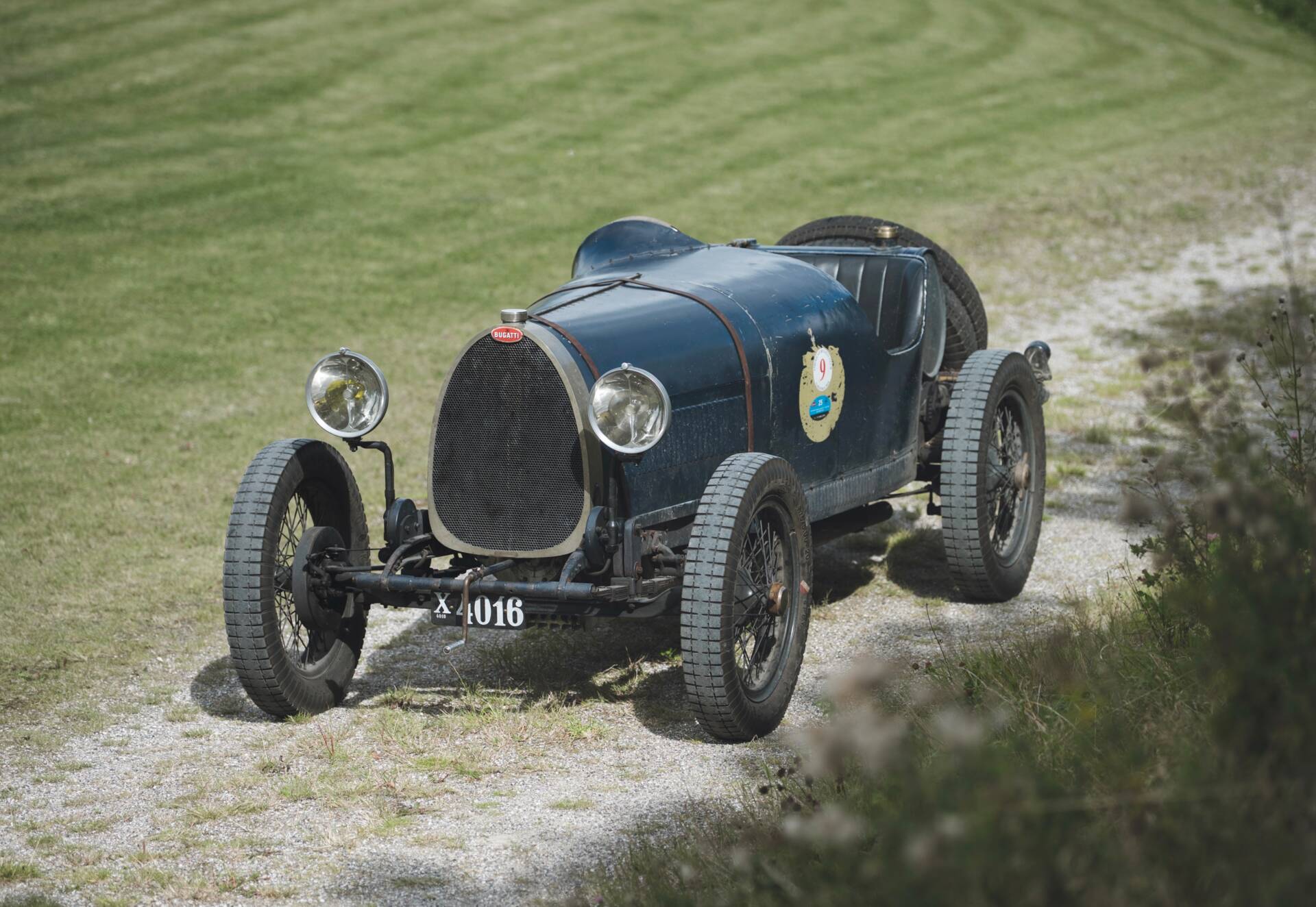
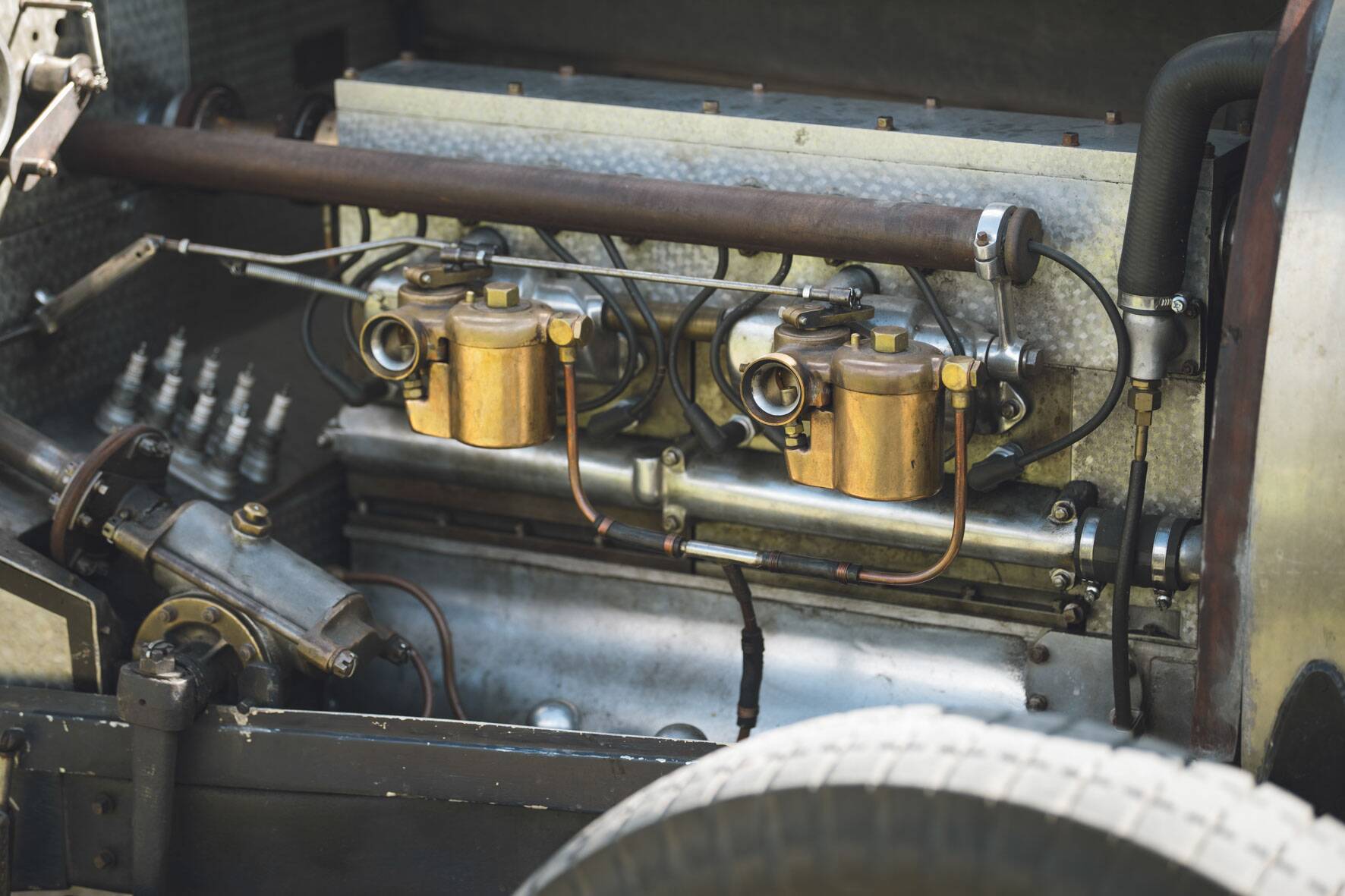
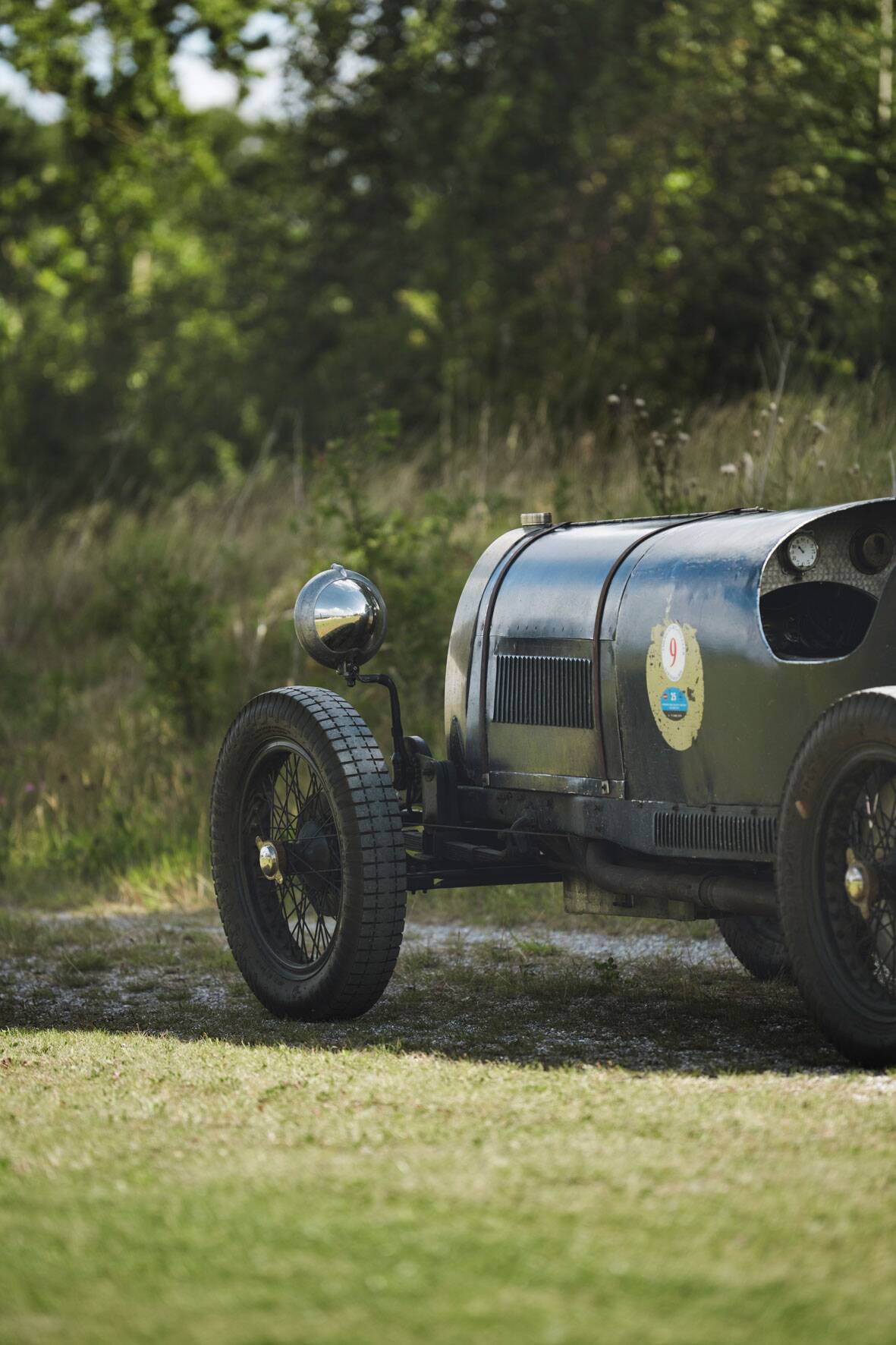
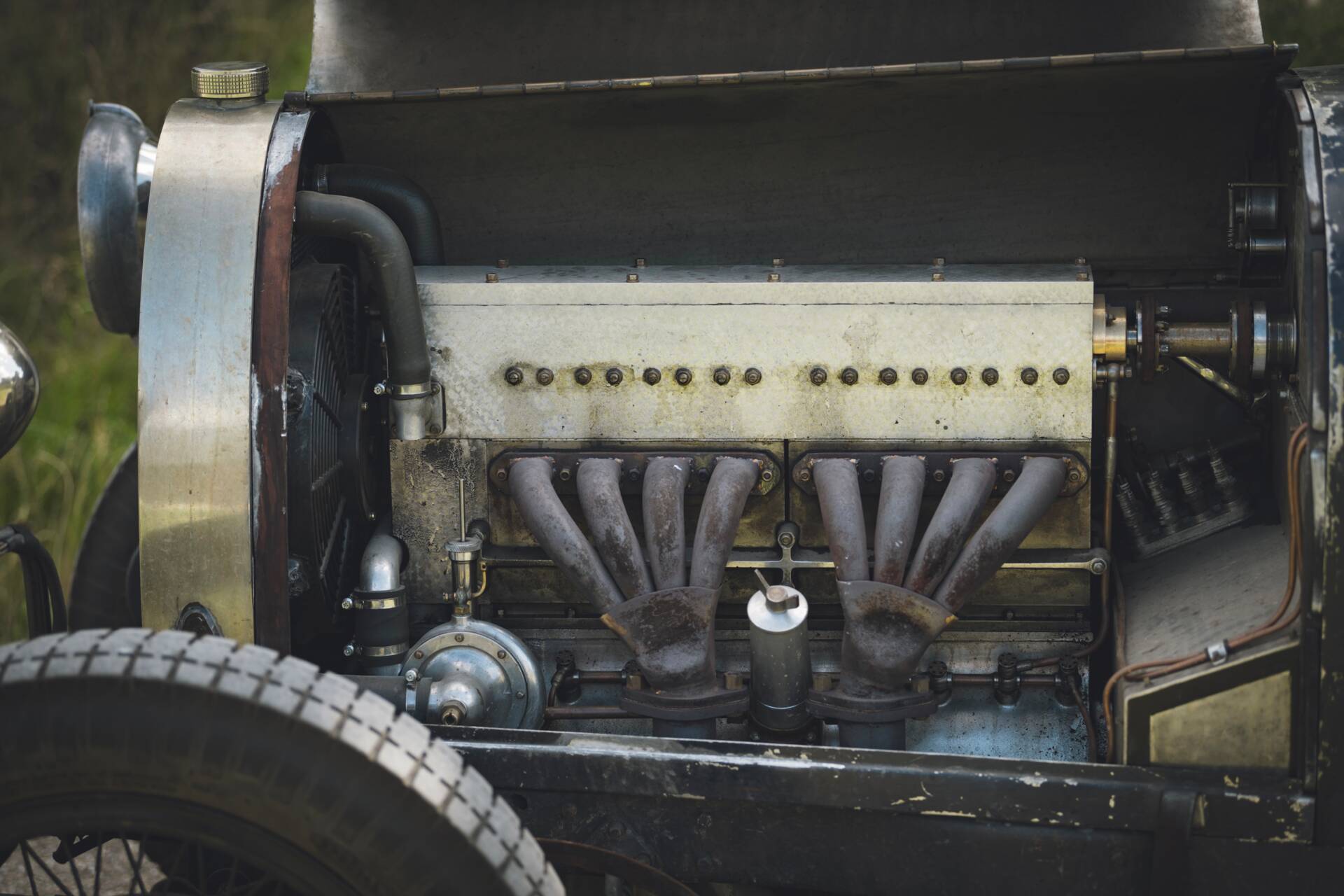
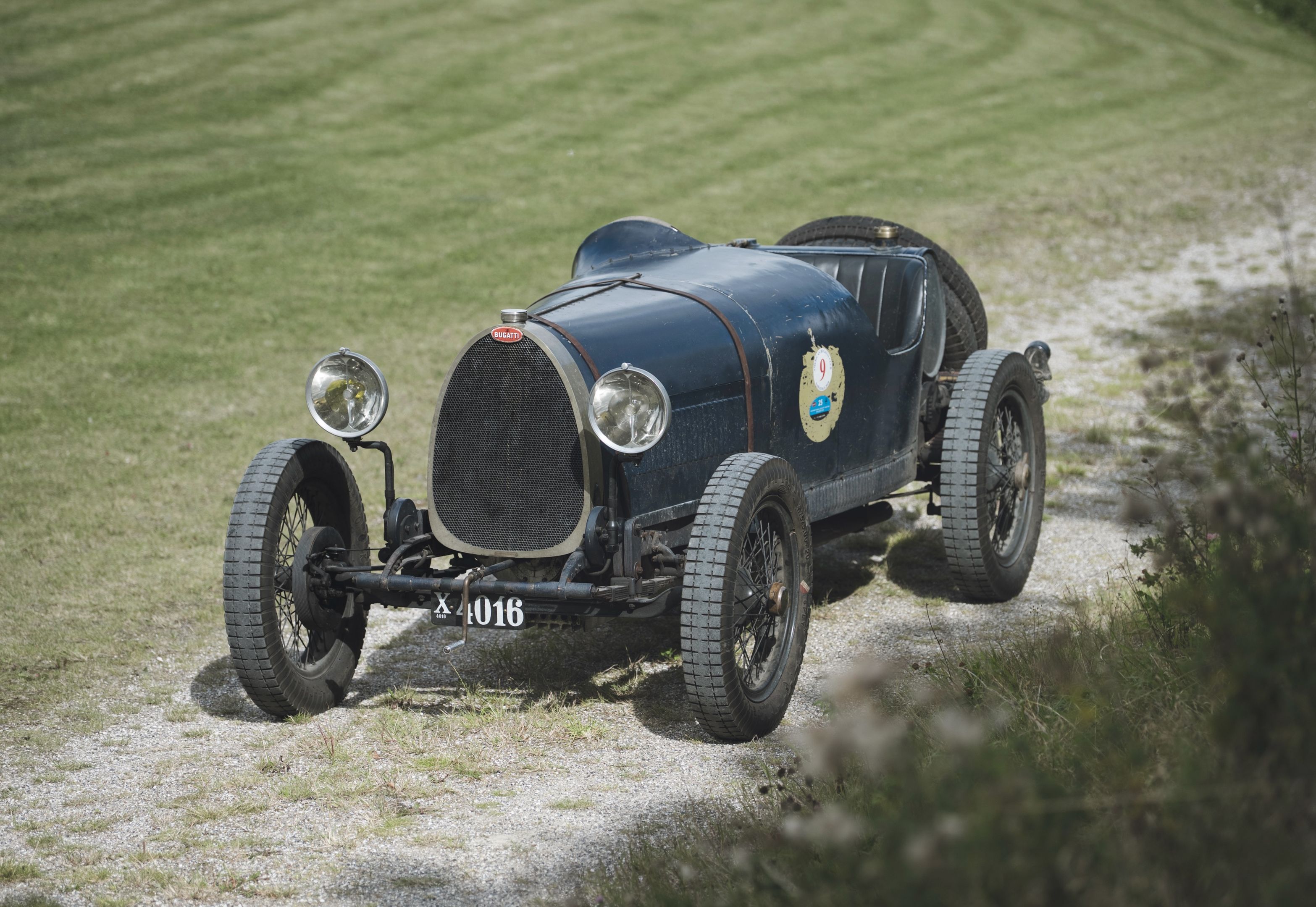
The Bugatti Type 30, introduced in 1922, marked a turning point in Ettore Bugatti’s engineering philosophy and it is where he really started to stretch his wings. The Type 30 was the first Bugatti to adopt the company’s new inline eight-cylinder engine, a jewel of engineering born from wartime aero research. At just two liters, the motor bristled with sophistication: twin overhead cams, three valves per cylinder, and a silky smoothness that set it apart from the thumping rivals of its day. The result was a lively 75 horsepower, enough to push the torpedo-bodied machine to nearly 100 mph—a breathtaking figure a century ago.
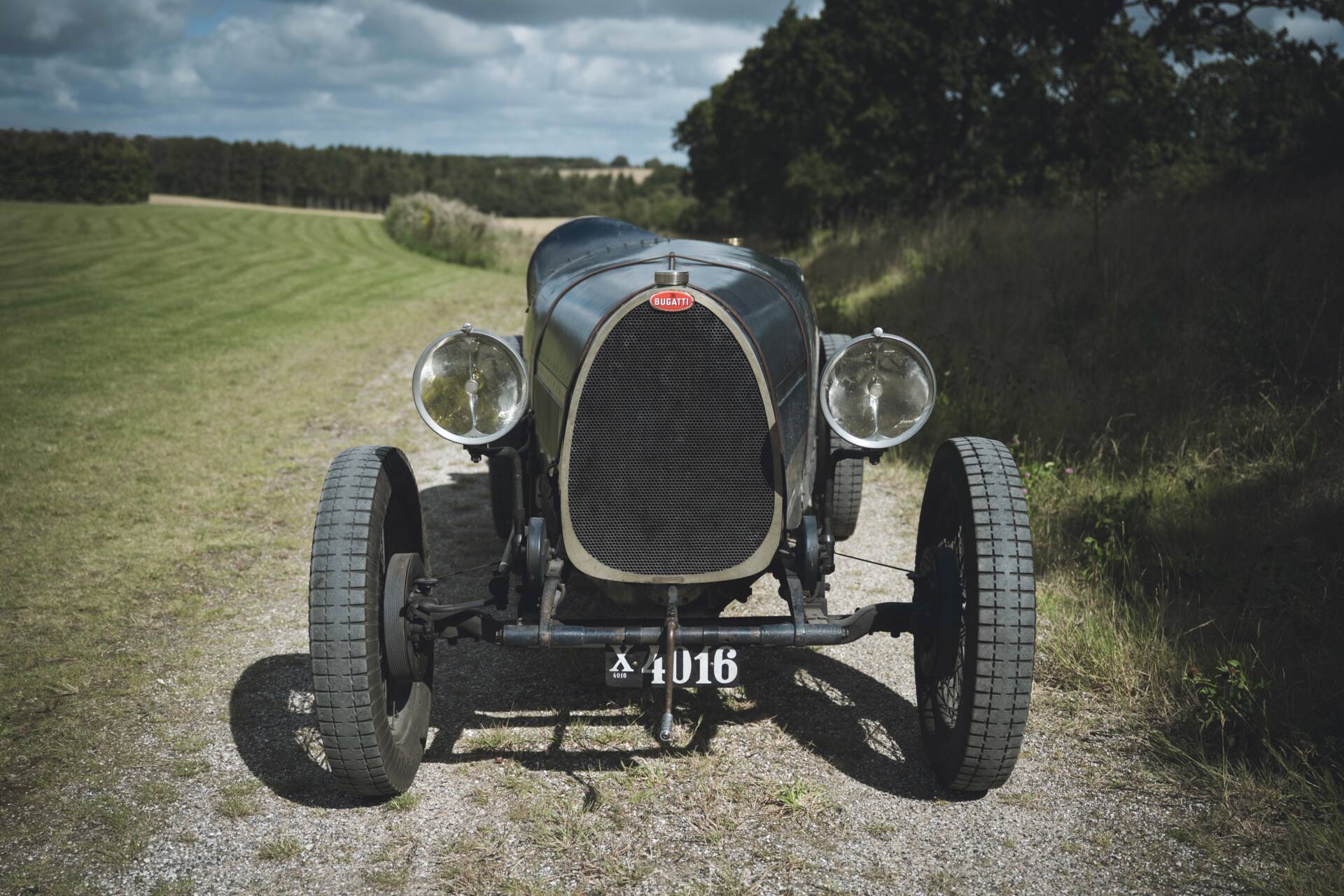
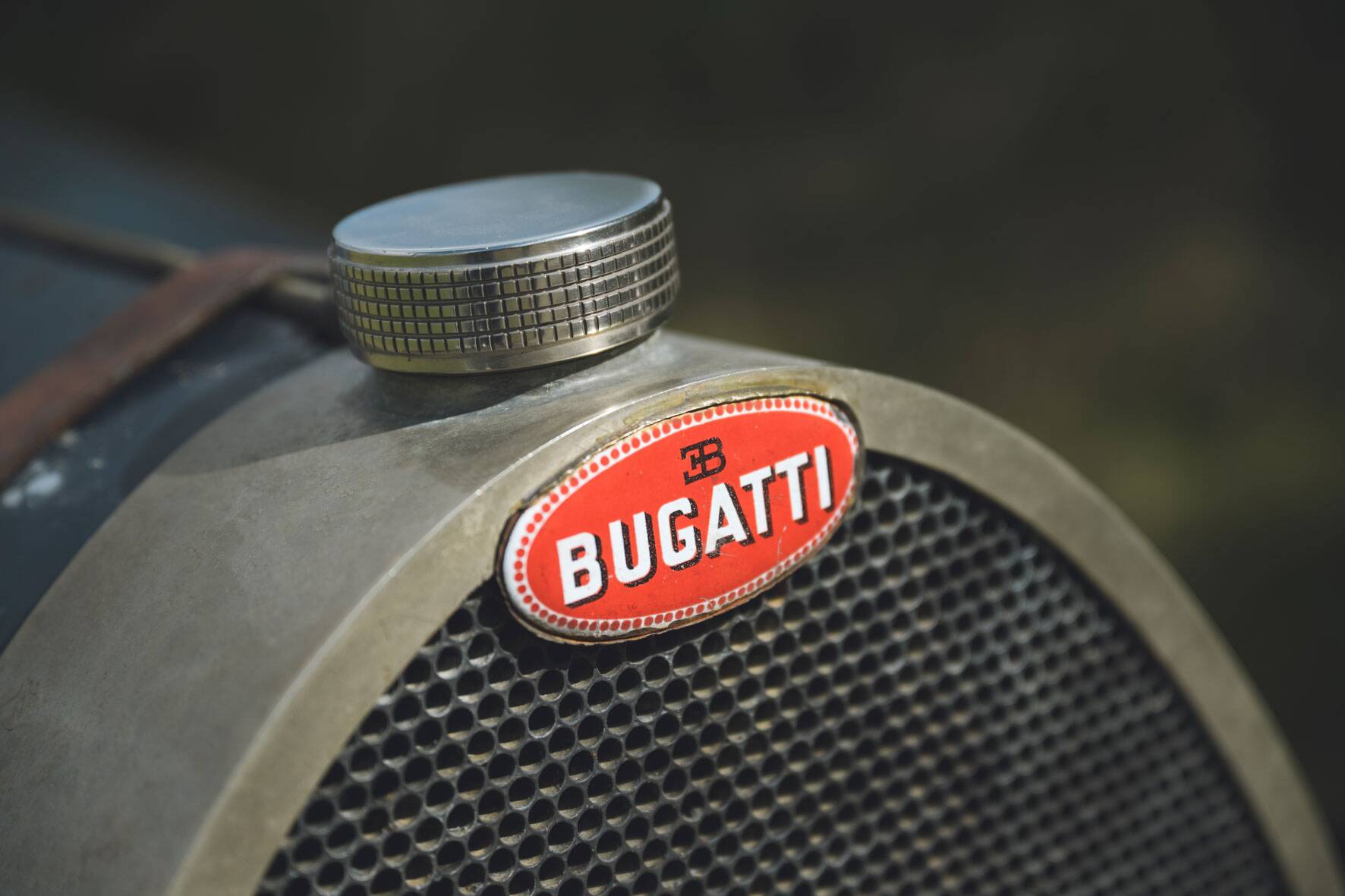
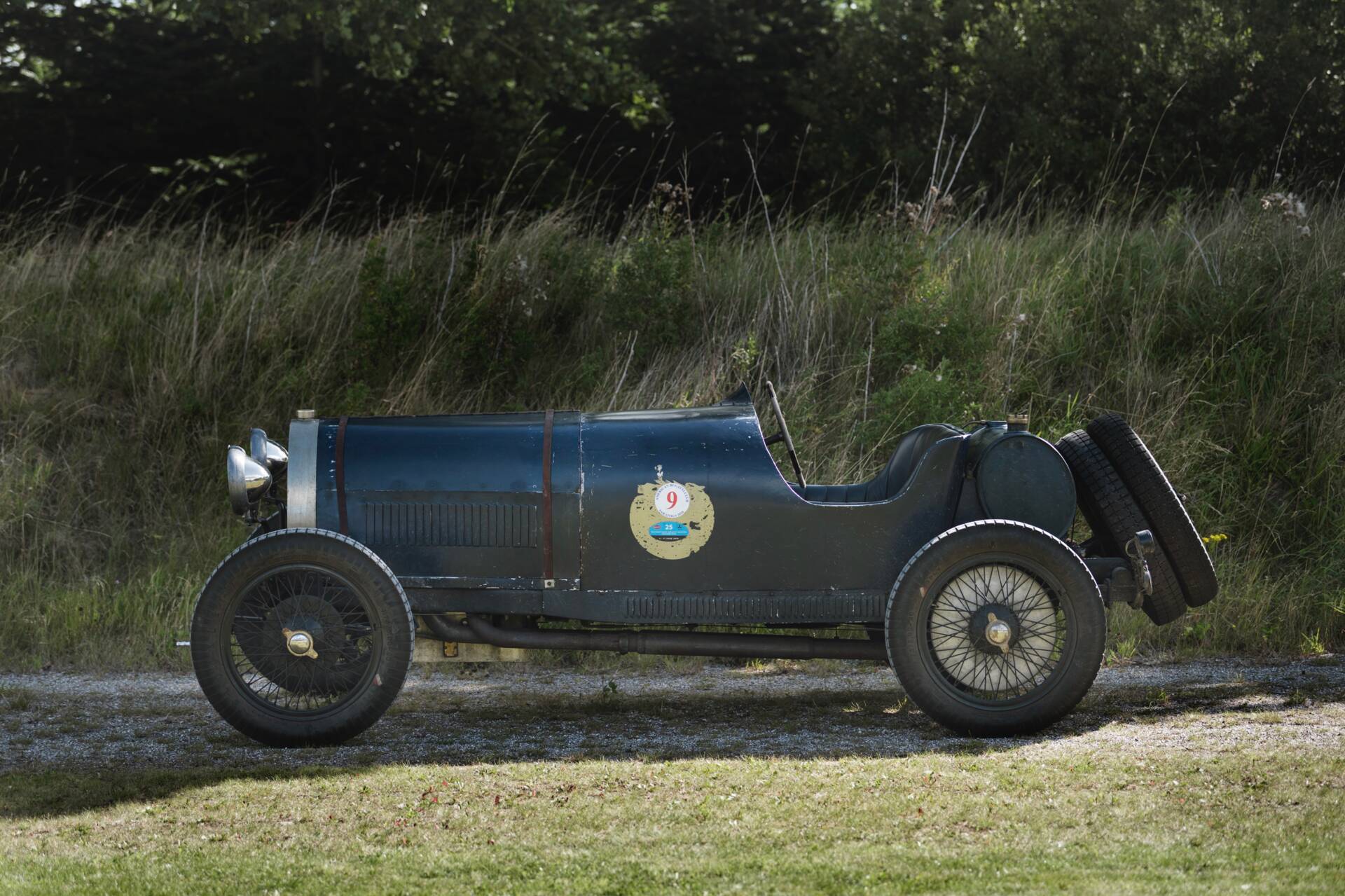
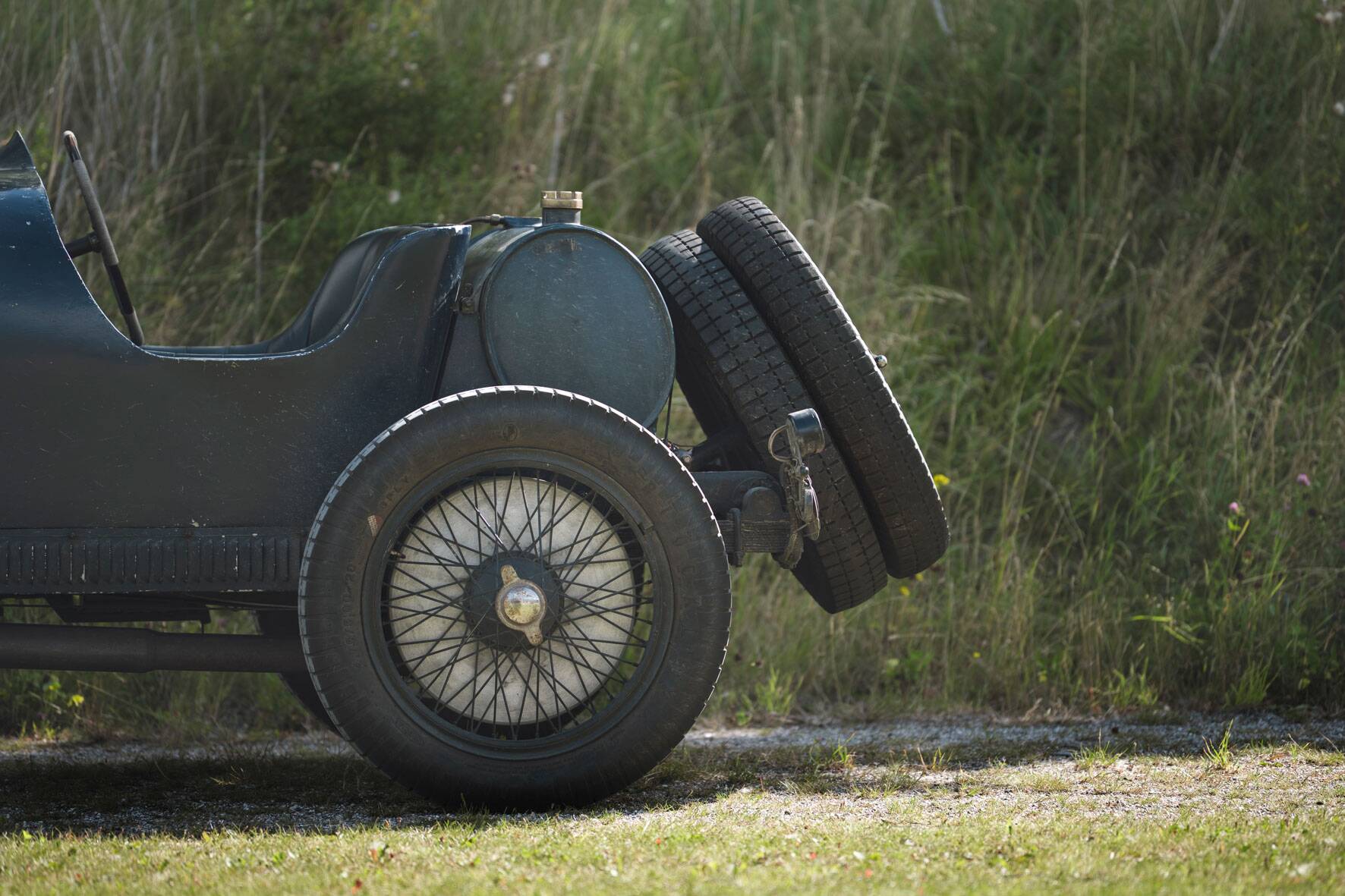
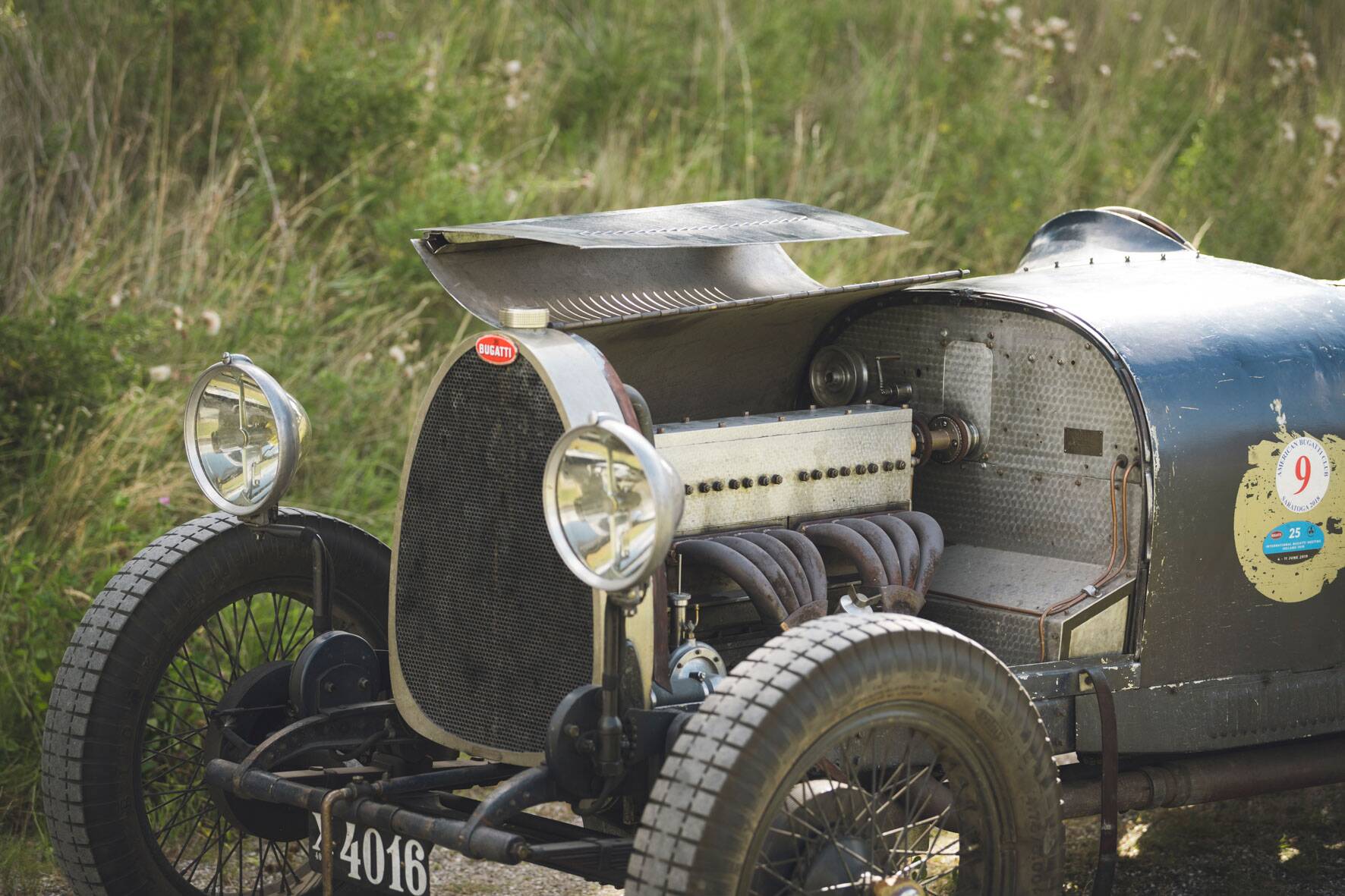
The Grand Prix torpedo bodywork combined lightweight construction with Bugatti’s trademark elegance: a long, tapered tail and the iconic horseshoe radiator. The chassis, adapted from earlier four-cylinder Bugattis, was narrow and precise, paired with semi-elliptical leaf springs for taut handling.
Though the Type 30 would soon be overshadowed by the legendary Type 35, the Type 30 remains a landmark: the first production Bugatti eight and a car that announced the beginning of Bugatti’s golden era on the Grand Prix stage.
Noted Bugatti owner and historian Hugh G. Conway writes: ‘This became the 2 Litre Type 30 which was first seen as a batch of racing cars for the 1922 Grand Prix of the Automobile Club of France at Strasbourg where they finished 2nd and 3rd (…) . Racing versions also ran at Indianapolis in 1923 without much success (…) But they created a great deal of interest, and gave warning of better results to come. ’
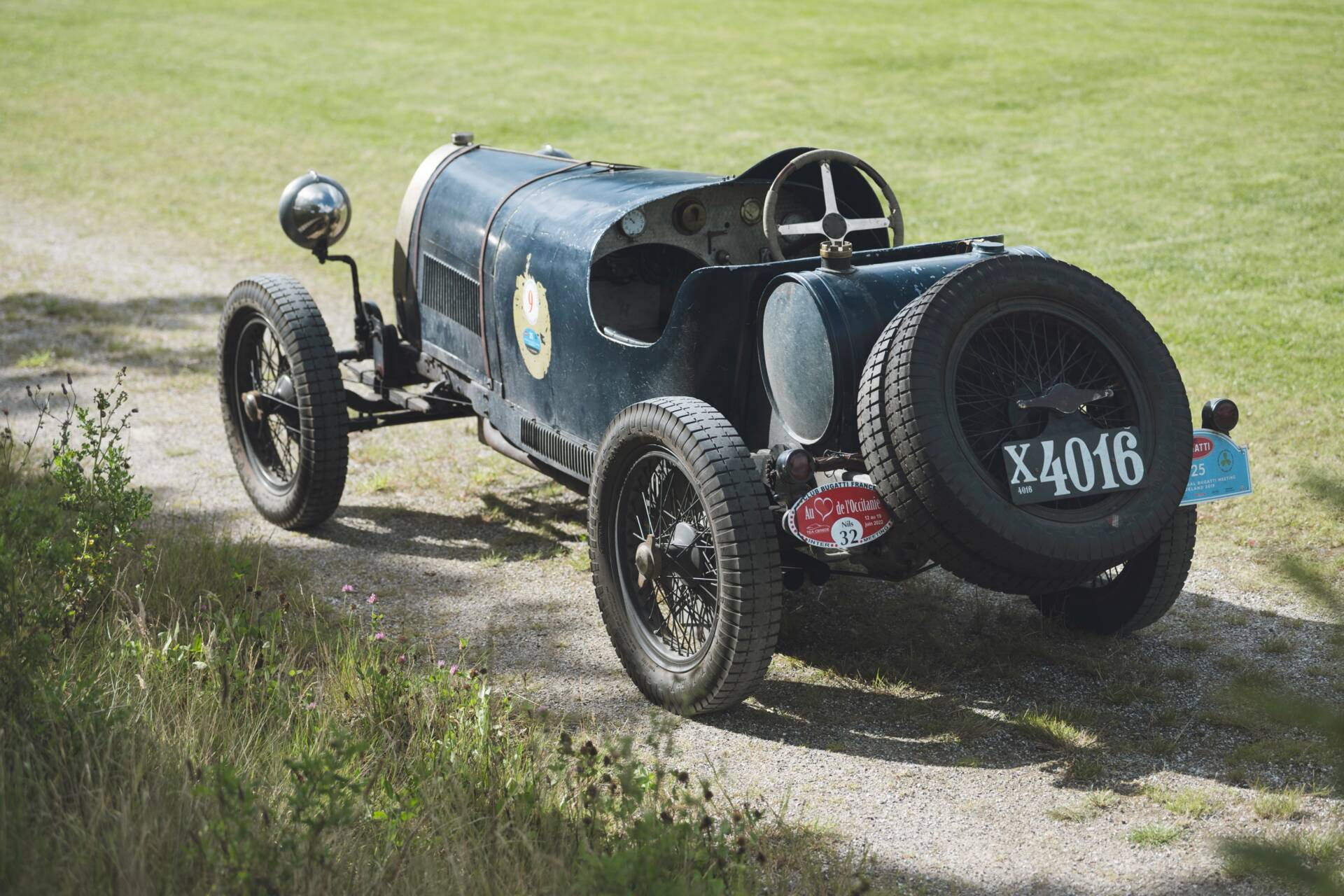
This particular Bugatti Type 30 consists of a genuine chassis, supposedly one of three ordered by wealthy Argentinian driver Martin ‘Macoco’ de Álzaga and according to the Bugatti register, is the car that was driven by Pierre de Viscaya at Indianapolis in 1923. The three Type 30s ordered by Martin de Álzaga, Chassis # 4013, 4014, and 4016, were part of a batch of five Bugattis that were all raced at Indianapolis in 1923.
Chassis # 4016 passed through a number of hands in Argentina, before ending up with Mr. Facundo Jose Albarran in 1952. Any history after 1952 is incomplete, until chassis frame # 4016 is discovered in Argentina in 2002.
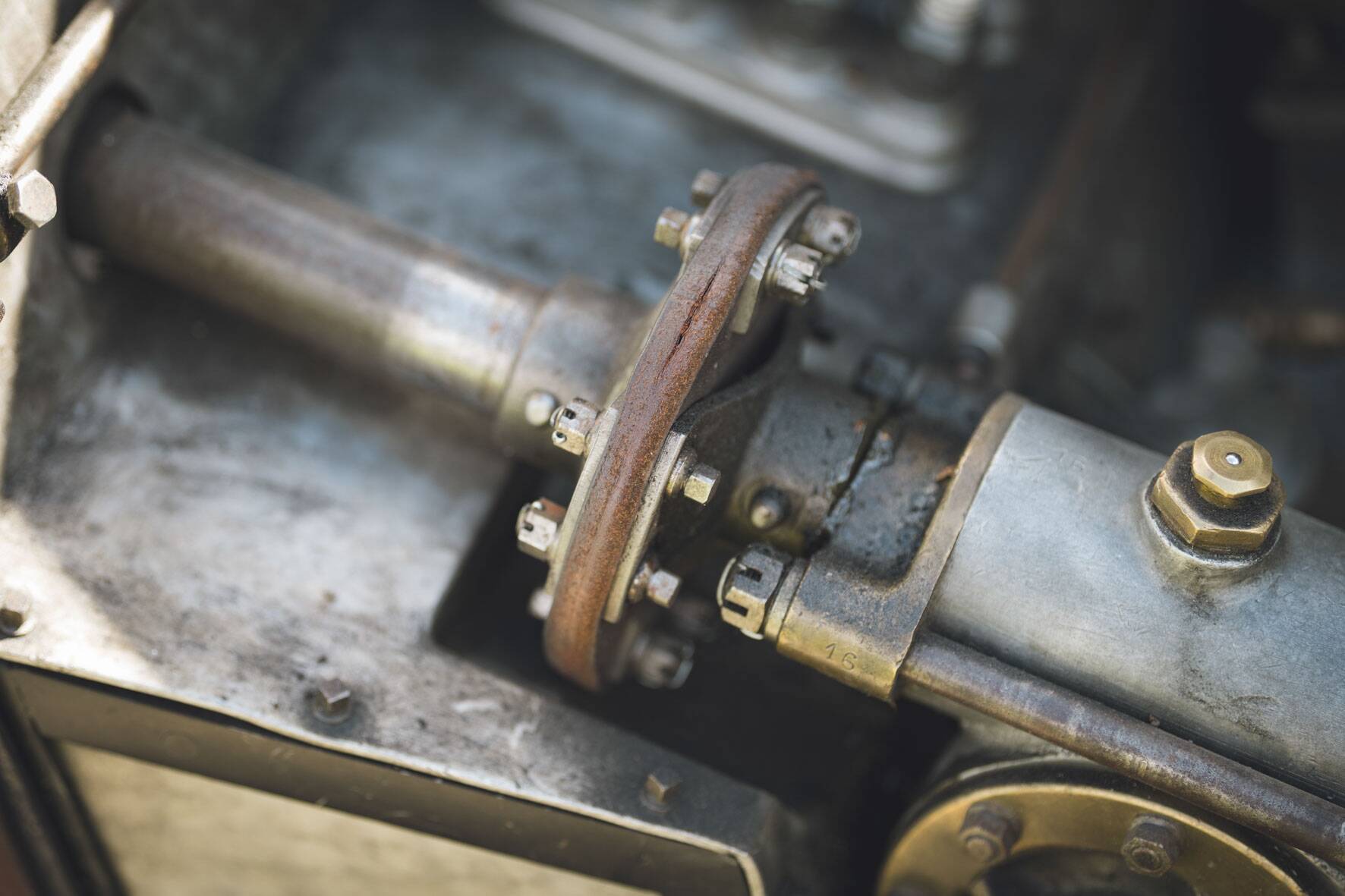
Chassis # 4016 was then sold to France where a meticulous build was commenced using genuine Molsheim Bugatti parts. As was the case with many other cars that were raced to the ground and subsequently had their engines changed or upgraded, the engine now fitted to Chassis # 4016, is a slightly later Type 35A. Most other parts are genuine Molsheim parts as evidenced by stamped numbers throughout on gearbox, rear axle housing, flywheel etc.
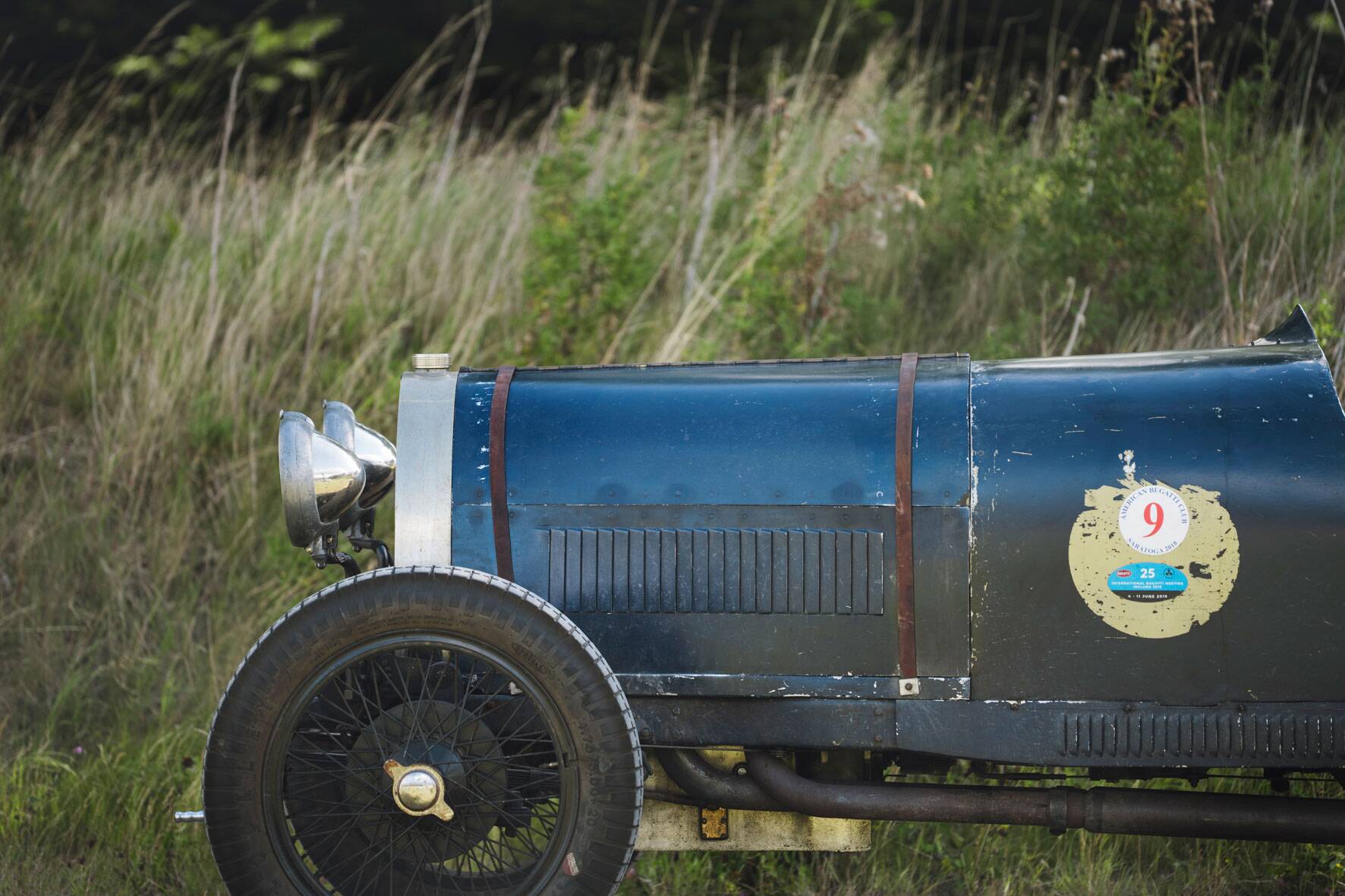
Since 2016, the Bugatti Type 30 has been in the hands of an avid pre-war collector with a soft spot for Bugatti. Chassis # 4016 has participated in various rallies, among them the 2018 International Rally in the US, the 2019 International Bugatti Rally in Ireland and the 2022 International Bugatti Rally in France.
Accompanying the Bugatti is a folder with various documentation from the 1920s and 1930s, an early Argentinian registration booklet, some early documents relating to the car and period newspaper clippings.
The Bugatti Type 30 has been well cared for in current ownership and always kept in perfect, running condition at the owner’s workshop. Early on, it was decided to keep as much patina as possible, and although the car looks well patinated, it is mechanically in top condition.
As the very first generation of Bugatti’s legendary 8-cylinder Grand Prix cars, Bugatti cars that would dominate racing throughout the 1920s and ’30s, this example stands as a landmark in Bugatti history and offers a rare opportunity to experience the thrill of early Eight-Cylinder Grand Prix performance.
The Bugatti Type 30 is registered on current Danish (EU) Registration documents.
Please get in touch for more info, photos and a video of the car running.
We are located in Copenhagen, Denmark with easy access to view all cars in stock. Please email or phone ahead to arrange a viewing.
We ship anywhere in the world at competitive rates and have great experience shipping all over Europe, UK, US, Japan and Australia.
Vergelijkbare oudjes
 1923 Bugatti Type 30 - Type 30 Grand prix. Interesting history. Genuine Molsheim parts.Prijs op aanvraag1923 · Copenhagen K, Denemarken · Classic Driver
 Bugatti Type 30 Grand prix. Genuine Molsheim parts.Prijs op aanvraag1923 · Copenhagen, Denemarken · LesAnciennes
 Bugatti Type 30 Grand prix. Genuine Molsheim parts.Prijs op aanvraag1923 · Copenhagen, Denemarken · Car & Classic
Wat doet een Bugatti Type 30 op de markt? Bekijk de marktwaarde →