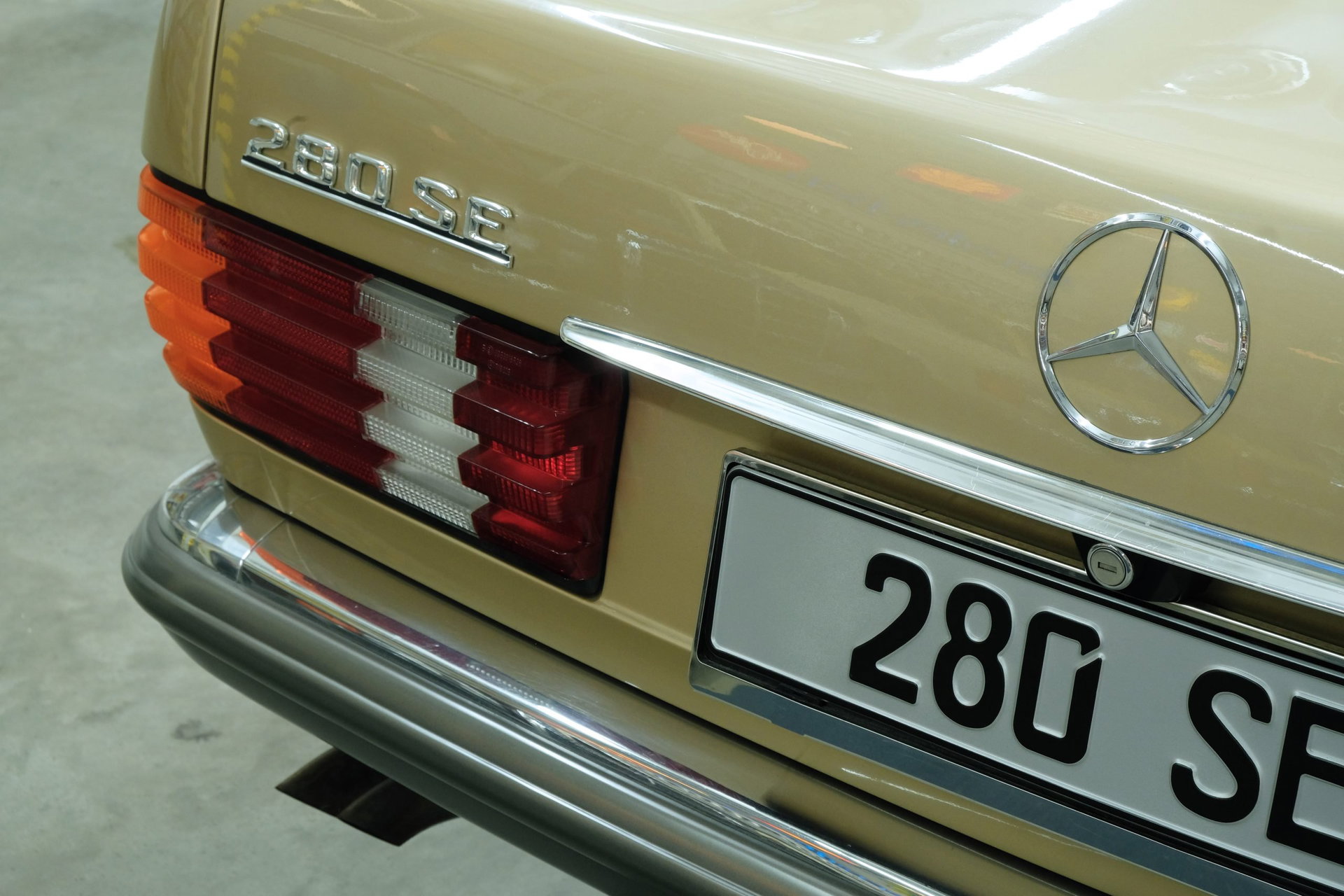
1980 Mercedes-Benz S-Class - 280 SE
1980 · 107.076 km · Feldkirchen an der Donau, Oostenrijk · via Classic Driver
Veiling sluit 8 november 2026, 00:59
Bekijk op Classic Driver → Open in de app
Gegevens
| Merk | Mercedes-Benz |
|---|---|
| Model | S-Klasse 280 SE |
| Bouwjaar | 1980 |
| Kilometerstand | 107.076 km |
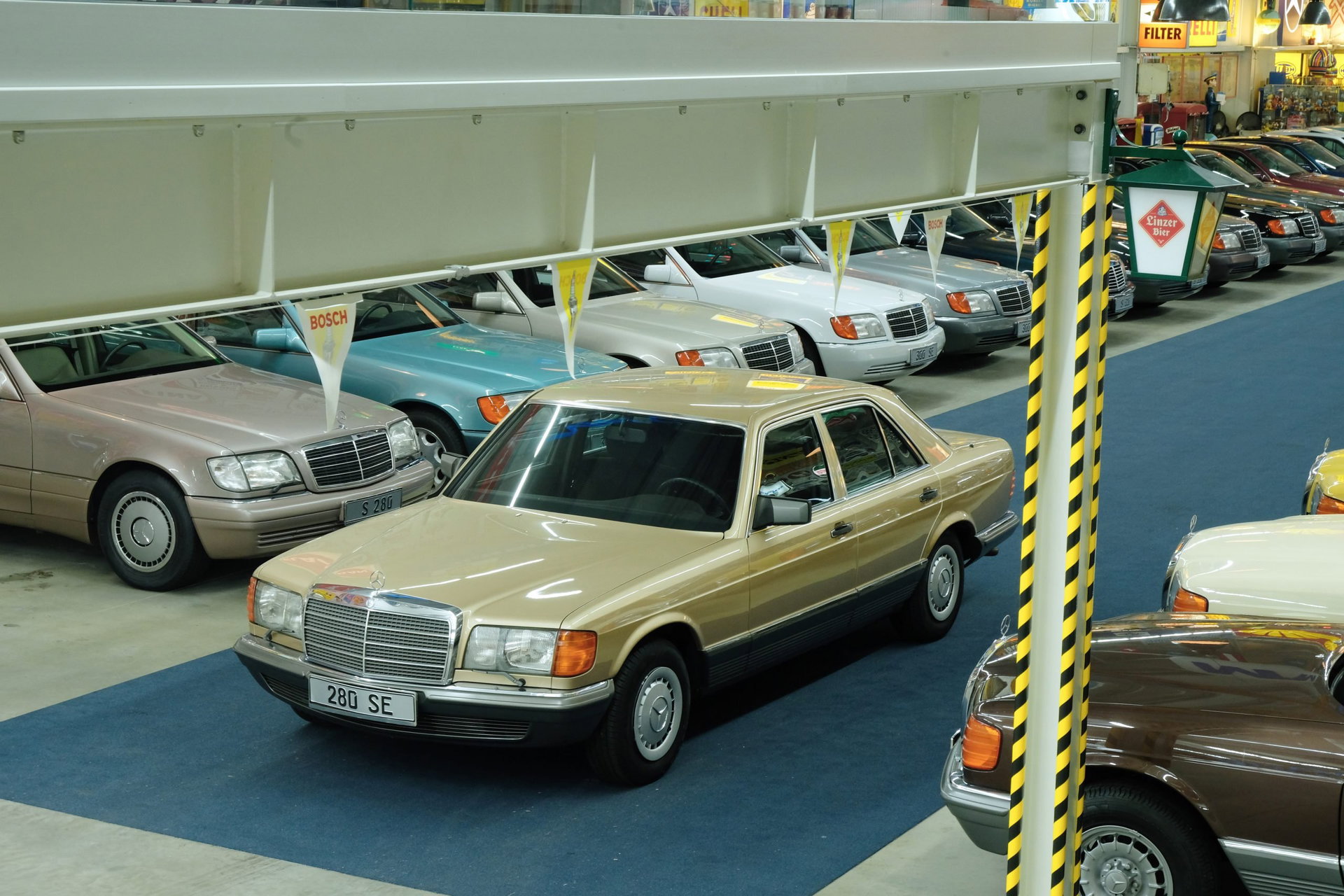
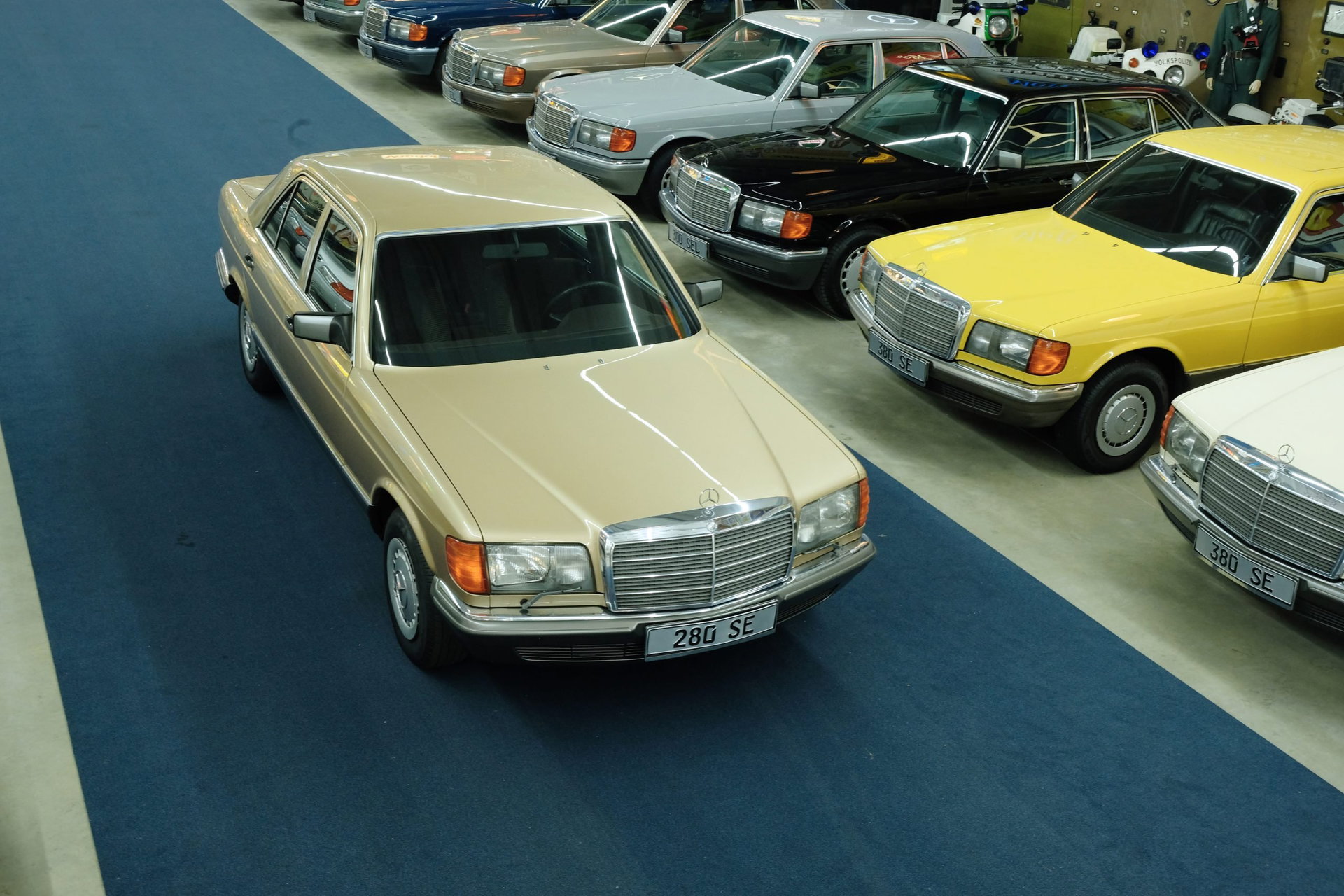
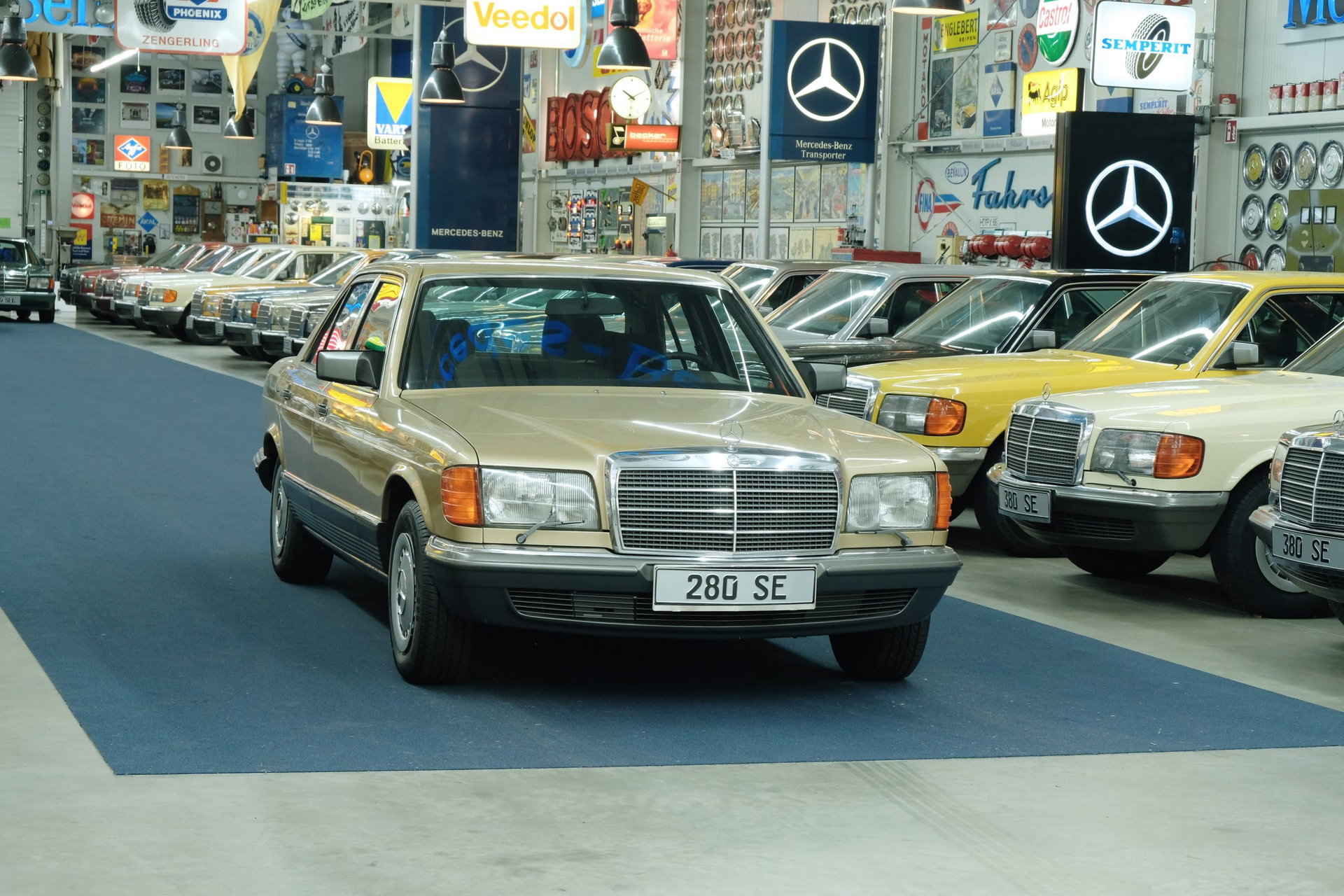
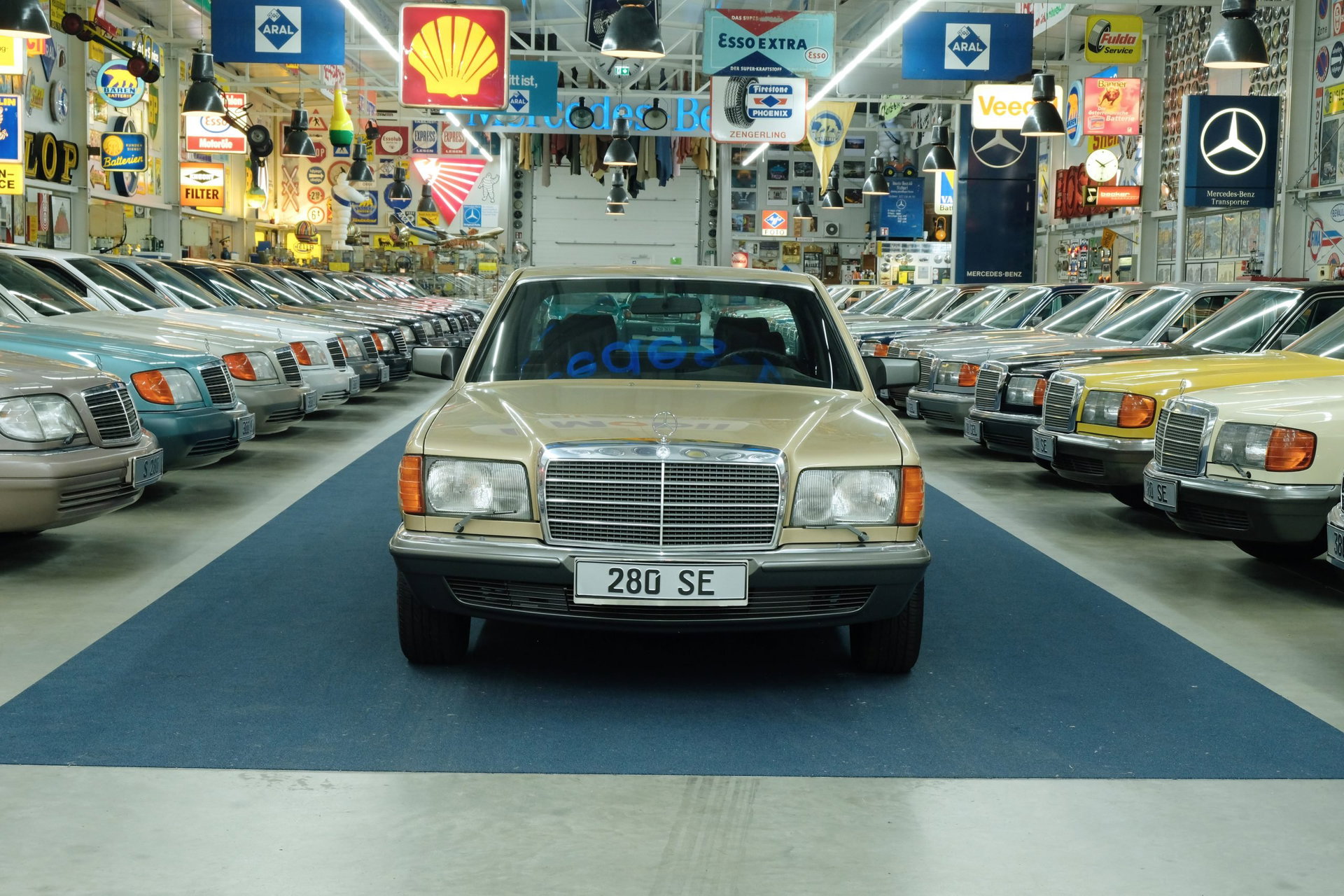
| Kleur | Champagne Metallic (Beige) |
| Stuur | Links |
| Locatie | Feldkirchen an der Donau, Oostenrijk |
| Verkoper | Humer, Granner & Co GmbH (veiling) |
| Bron | Classic Driver |
| auction | https://www.classicdriver.com/en/auction/humer-granner-co-gmbh-classic-car-auction-sammlung-sonderklasse-07112026 |
| Op Oudjes.xyz sinds | 5 oktober 2026 |
| Laatst gezien | 6 oktober 2026, 06:15 |
Beschrijving
Rare and elegant color combination
Only two registered owners to date
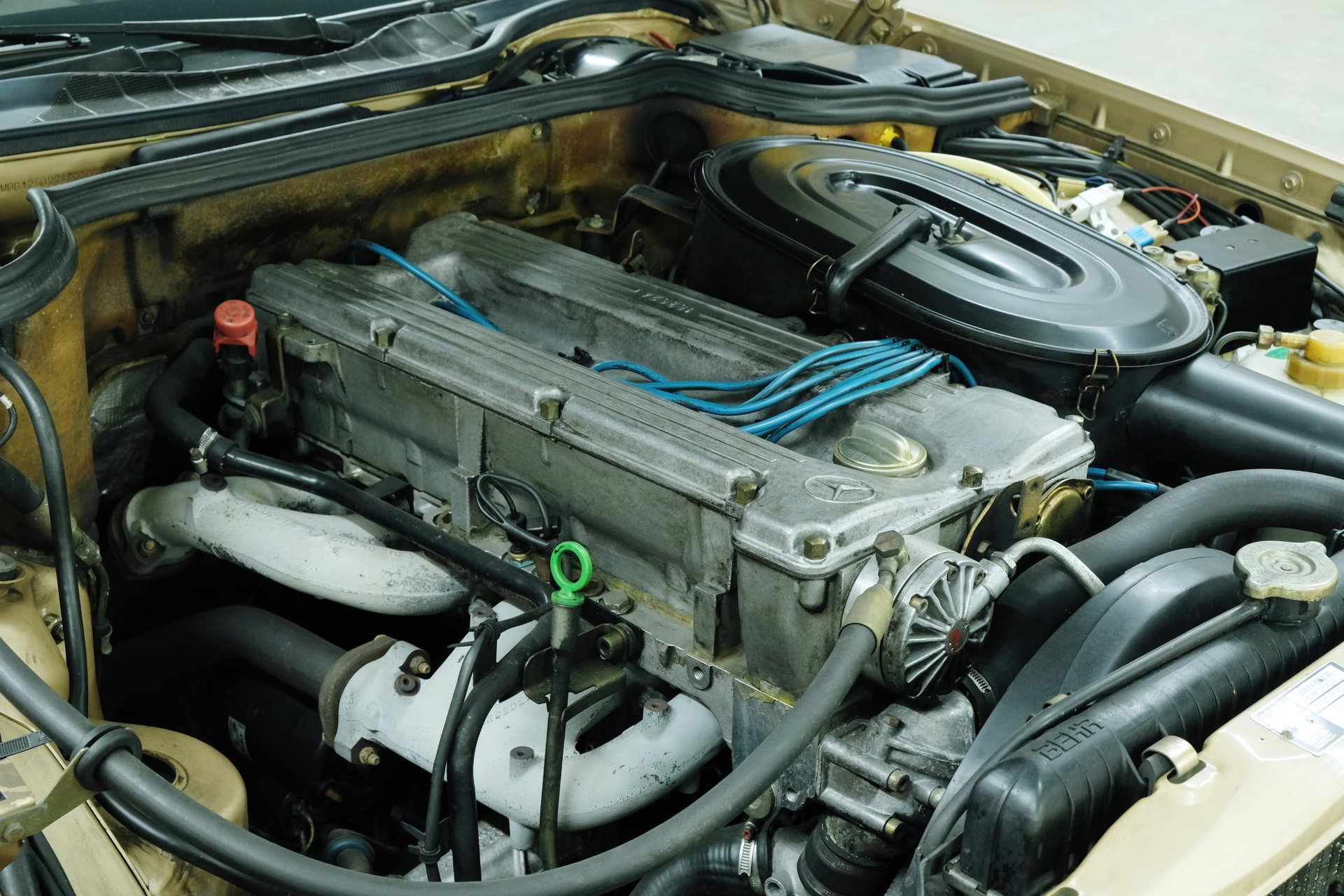
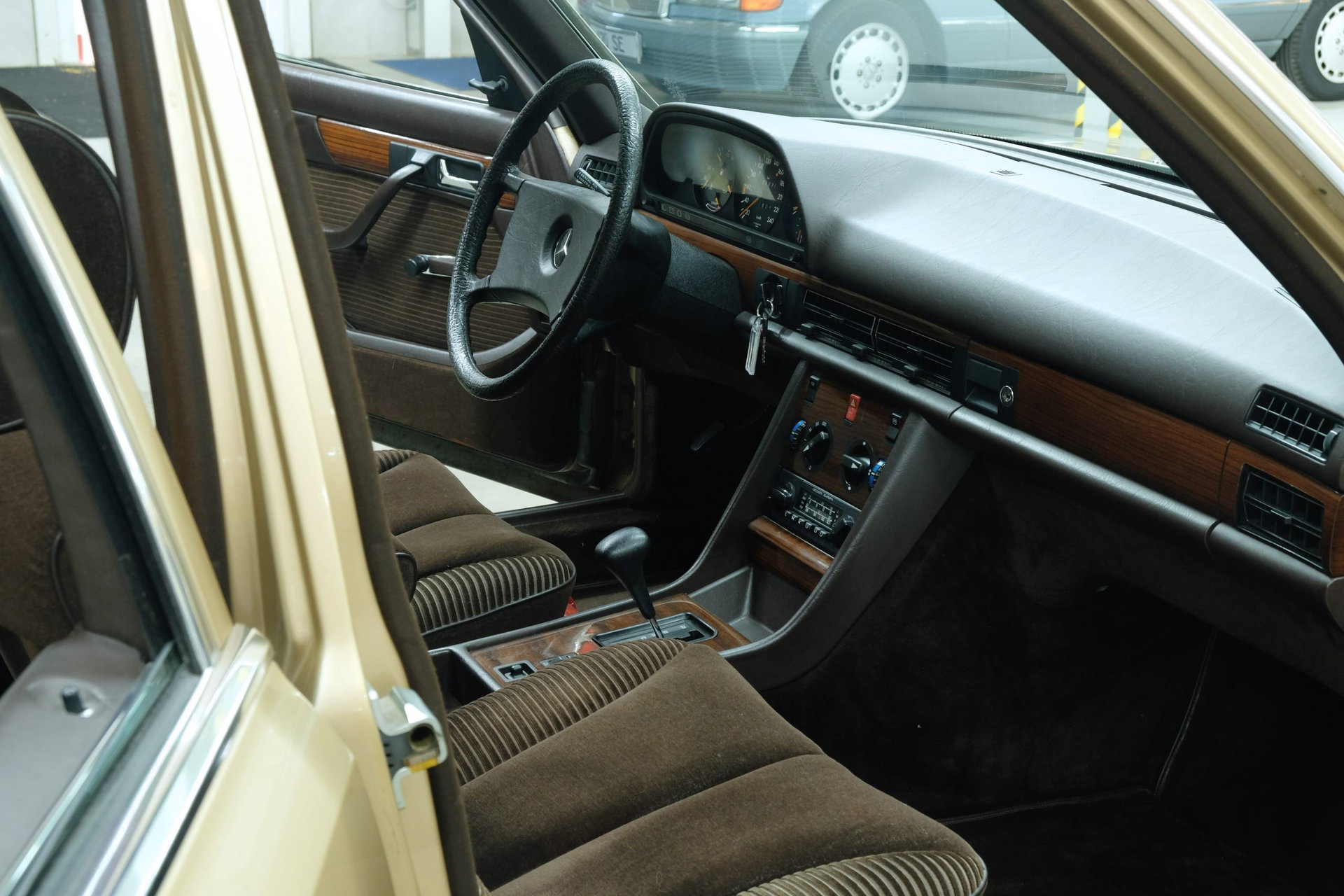
Many desirable and rare options
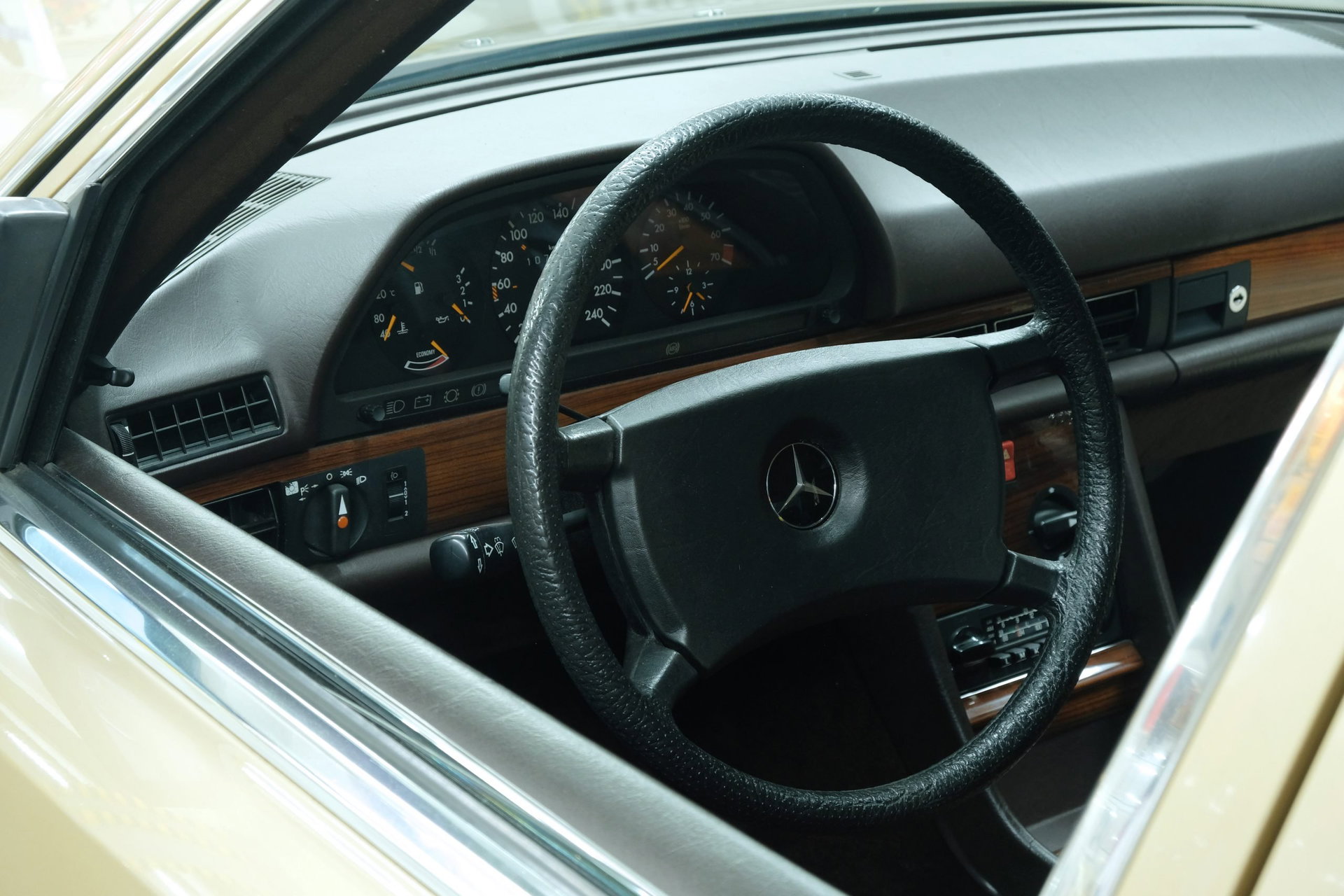
Only 107,076 documented kilometers
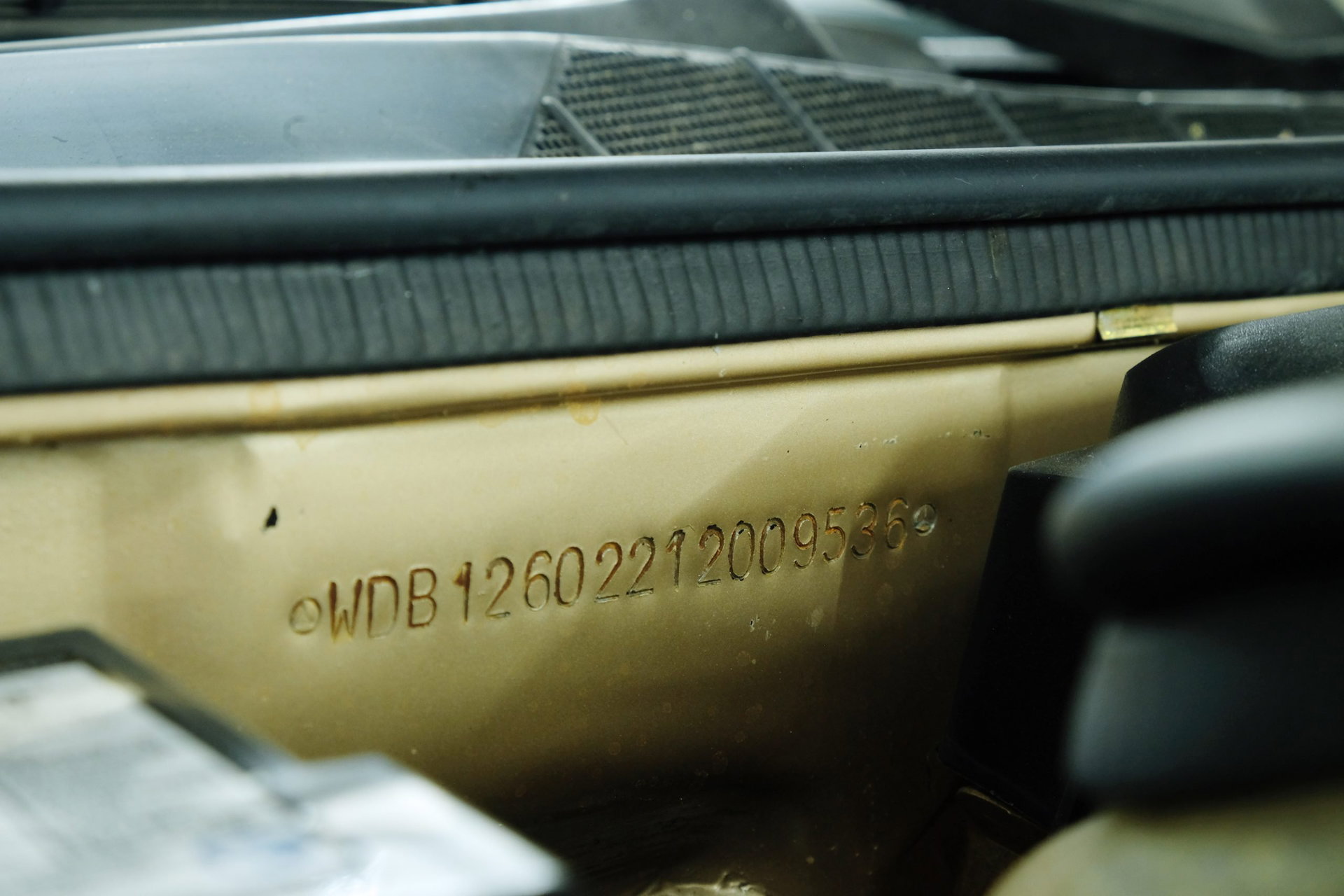
Chassis no.: WDB12602212009536
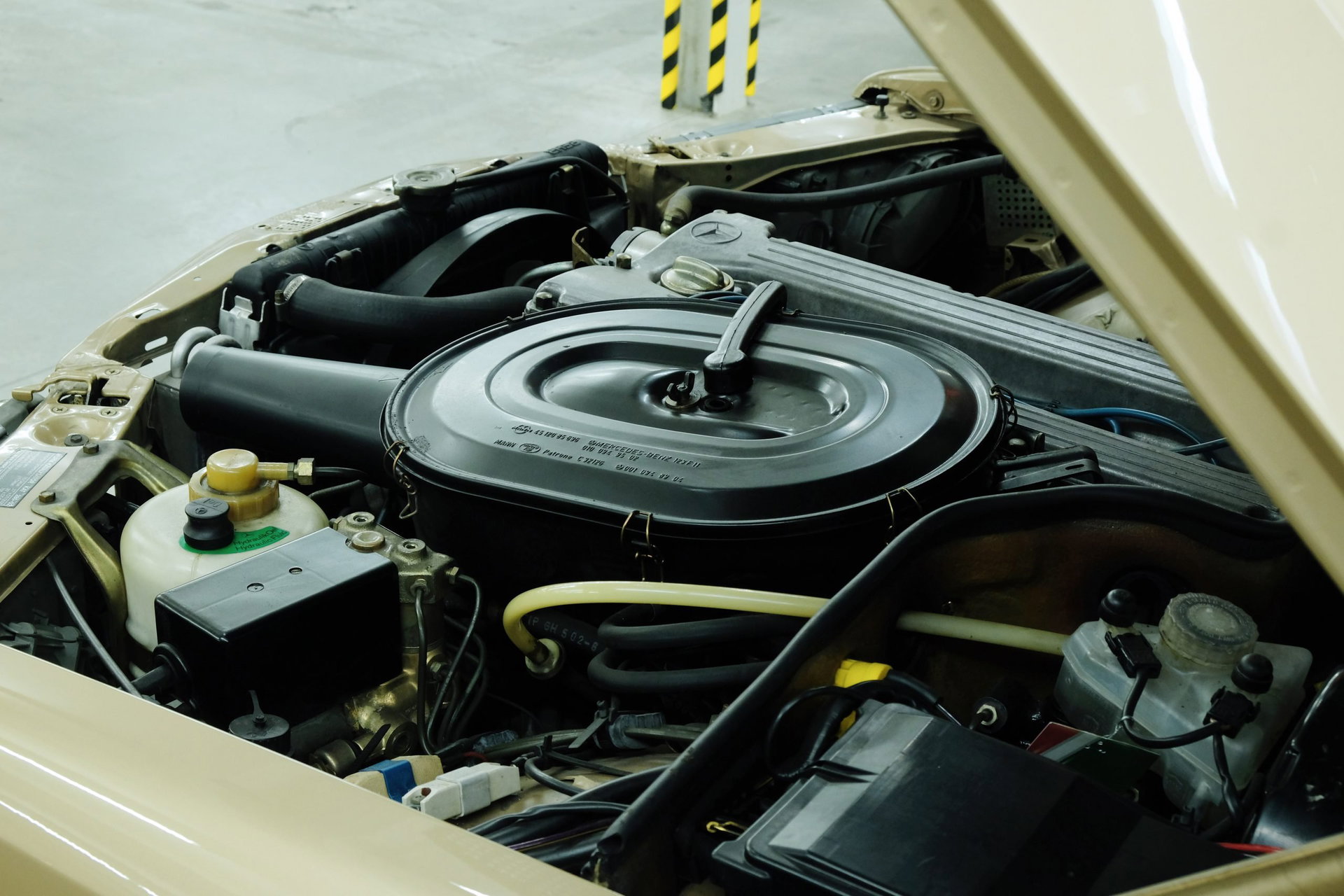
Engine no.: 110.987-12-007564
Body no.: 08587
Production no.: 0418440
Paint: 473 Champagne Metallic
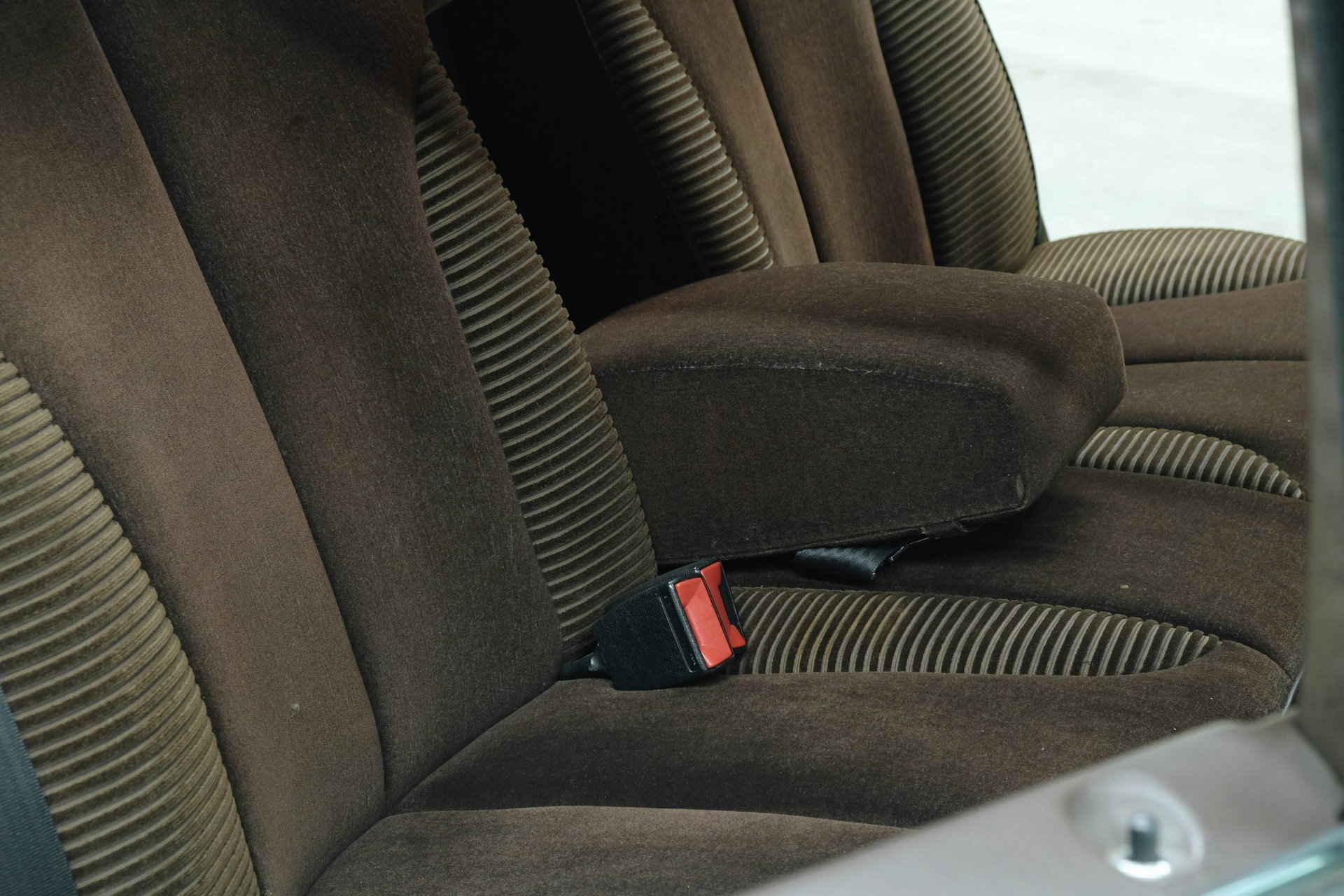
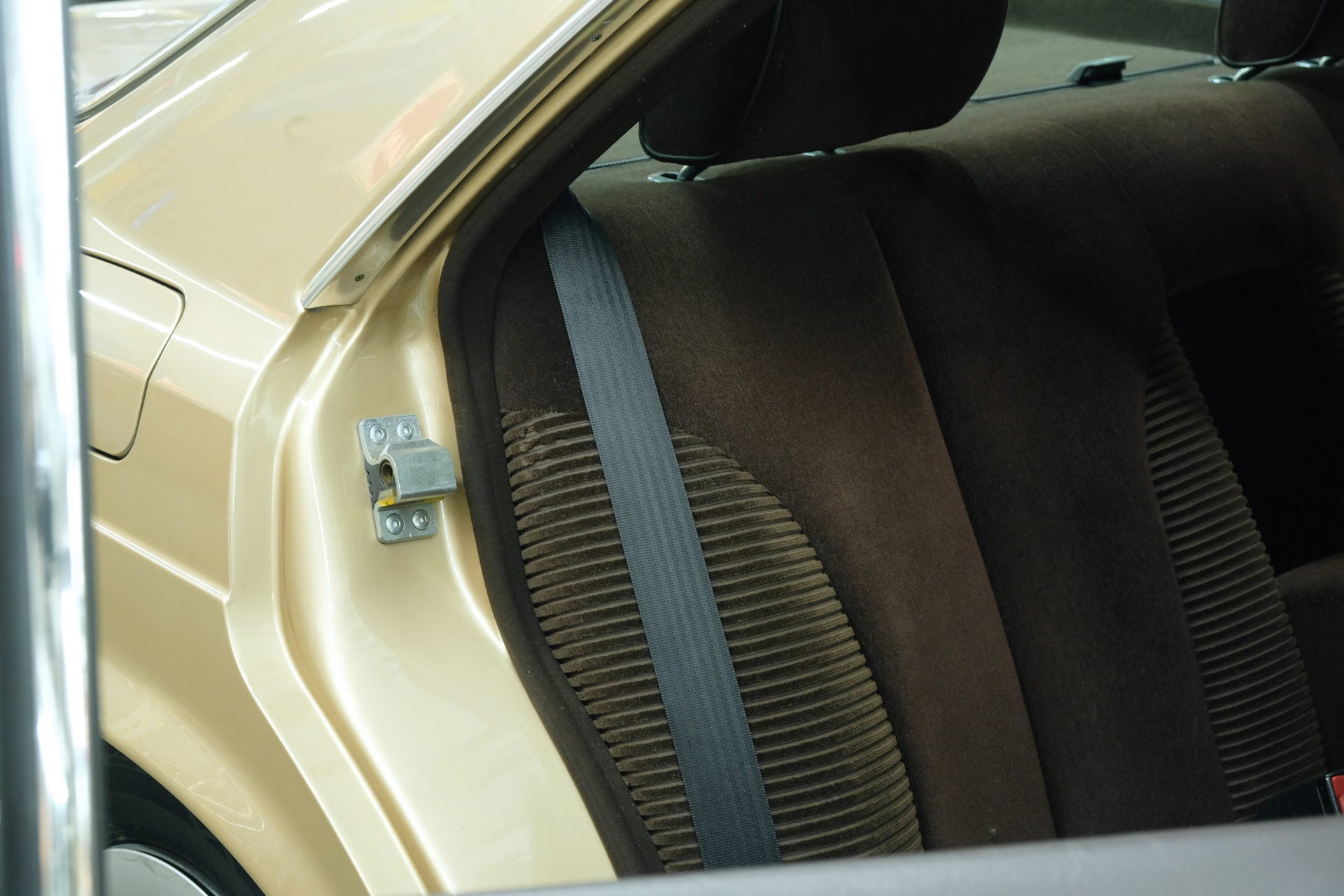
Interior: 933 Velours Brazil
Factory options:
420 Automatic transmission, floor shift
430 Headrests in the rear
440 Tempomat (cruise control)
466 Central locking system
470 Anti-lock braking system (ABS)
480 Self-levelling suspension
535 Interference suppression without radio set and automatic antenna
551 Anti-theft/anti-break-in warning system
575 Front folding armrest and right front seat with seat height adjustment
590 Heat-insulating glass, all-around, heated rear window pane (laminated glass), domestic
600 Headlamp wiper/washer
611 Courtesy lamps for front and rear doors
656 Michelin tires
673 High-capacity battery
682 Fire extinguisher
812 Rear-mounted loudspeaker
877 Reading lamp in the rear
Provenance:
08/07/1980 – Fa. Ernst Lamottke, Schoenaich, DE
21/07/2010 – Ernst Lamottke, Schoenaich, DE
23/02/2018 – Michael Sailer, Calw, DE
Documents:
German Fahrzeugbrief (1980)
German registration papers (2010)
Austrian Einzelgenehmigung (2018)
Original service booklet
About the model line:
W 126
In 1975, Bruno Sacco succeeded Friedrich Geiger as head of Mercedes- Benz Styling. His mentor had taken his leave with the „Car of the Year,“ and by the end of the 1970s it was time to replace it. The task involved nothing less than the flagship of the marque itself: the S-Class.
Where its predecessor had redefined automotive safety, the new generation would add a different priority: efficiency. The oil crisis had left a lasting mark, shattering faith in unlimited growth and inexhaustible resources. Weight had to be reduced, aerodynamic drag minimised and, ultimately, fuel consumption lowered. Even in the luxury-car segment, common sense had suddenly become respectable.
When it came to styling, Bruno Sacco deliberately avoided every trace of gimmickry. Clean lines, expansive glass areas and an elegance that never sought to impress, but instead appeared effortlessly natural. Sacco would later formulate his famous design philosophy that no new Mercedes should ever make its predecessor look obsolete. Few model series embodied his principle of „vertical affinity“ more perfectly than the W 126.
Beneath the elegant bodywork, Mercedes continued along the path it had already chosen. Weight reduction became the order of the day. High- strength steels, aluminium and a structure refined down to the smallest detail shed around 100 kilograms. At the same time, aerodynamic efficiency improved dramatically. With a drag coefficient of just 0.36, the new S-Class ranked among the most aerodynamic luxury saloons of its era. ABS was now standard equipment, or at the very least available across virtually the entire range. During the model’s production run, the driver’s airbag and seat-belt pretensioners also made their debut here, alongside ASR, ASD and a host of electronic assistance systems that would not become commonplace elsewhere until many years later.
The engines reflected the changing times as well. Large-displacement V8s remained the benchmark, but economical six-cylinder models were now an equally important part of the range. After the first series, carburettors quietly disappeared into history. Electronic fuel injection, overrun fuel cut-off and electronically controlled idle speed had become the new order of the day. The 1985 facelift introduced an entirely new generation of lightweight aluminium V8 engines, crowned by the magnificent 560 SEL. Five and a half litres of displacement, up to 300 horsepower and performance that only a few years earlier would have done justice to a thoroughbred sports car. Yet the S-Class remained true to its character. Acceleration was never its defining virtue; effortless authority was. Travelling more serenely was scarcely possible.
Customers embraced the new S-Class with enthusiasm. Statesmen, business leaders, industrialists and diplomats appreciated it just as much as discerning taxi operators. Few luxury saloons defined the streetscape of the 1980s more completely. By the end of production in 1991, almost 900,000 saloons had been built, making the W 126 the best-selling S-Class generation to this day and one of the most successful luxury automobiles ever produced.
The W 126 was not a revolution. Nor did it need to be. Instead, it perfected everything Mercedes-Benz had spent decades refining: safety, quality, comfort and technical excellence. That is precisely why, for many enthusiasts, it remains the definitive S-Class – an automobile that never had to draw attention to itself because it simply did everything a little better.
Vergelijkbare oudjes
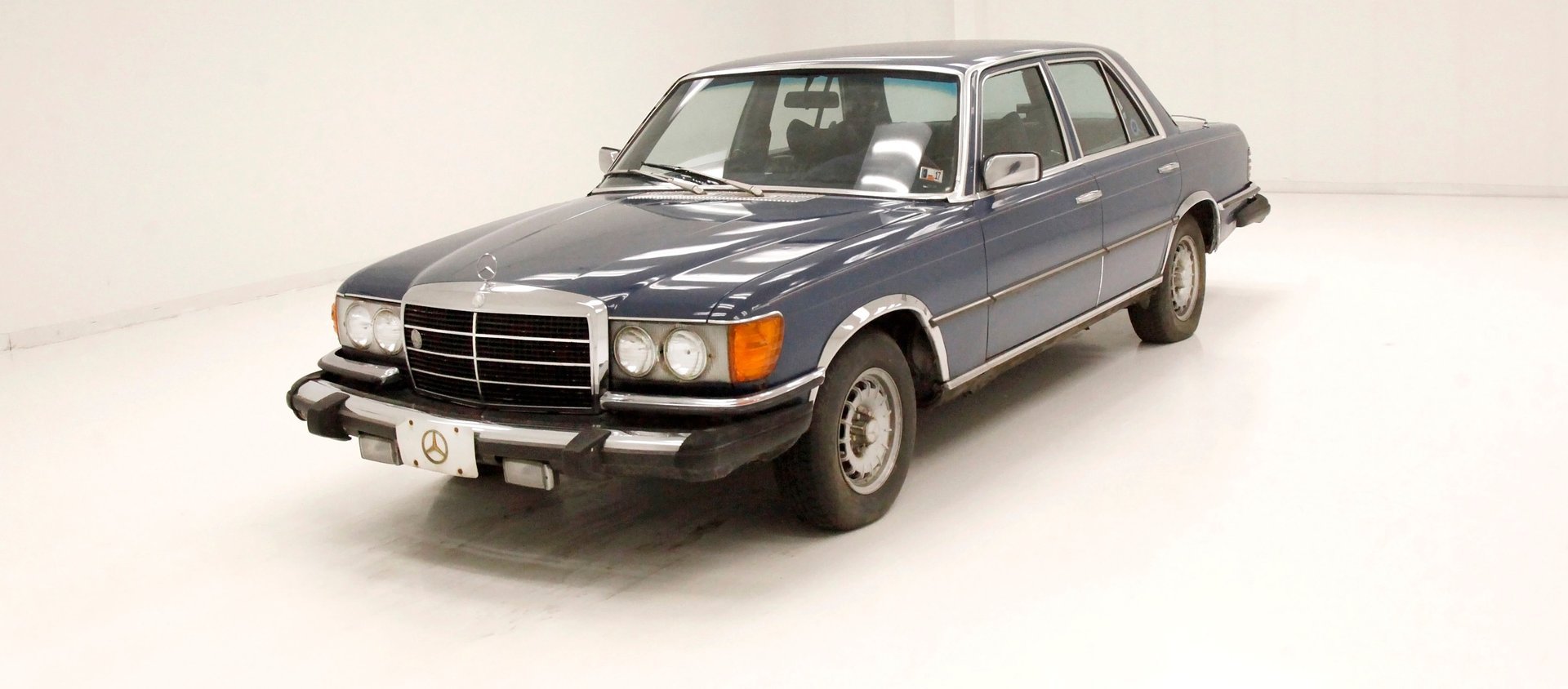 1980 Mercedes-Benz S-Class - Sedan€ 11.0851980 · 426.388 km · Sheridan, Verenigde Staten · Classic Driver
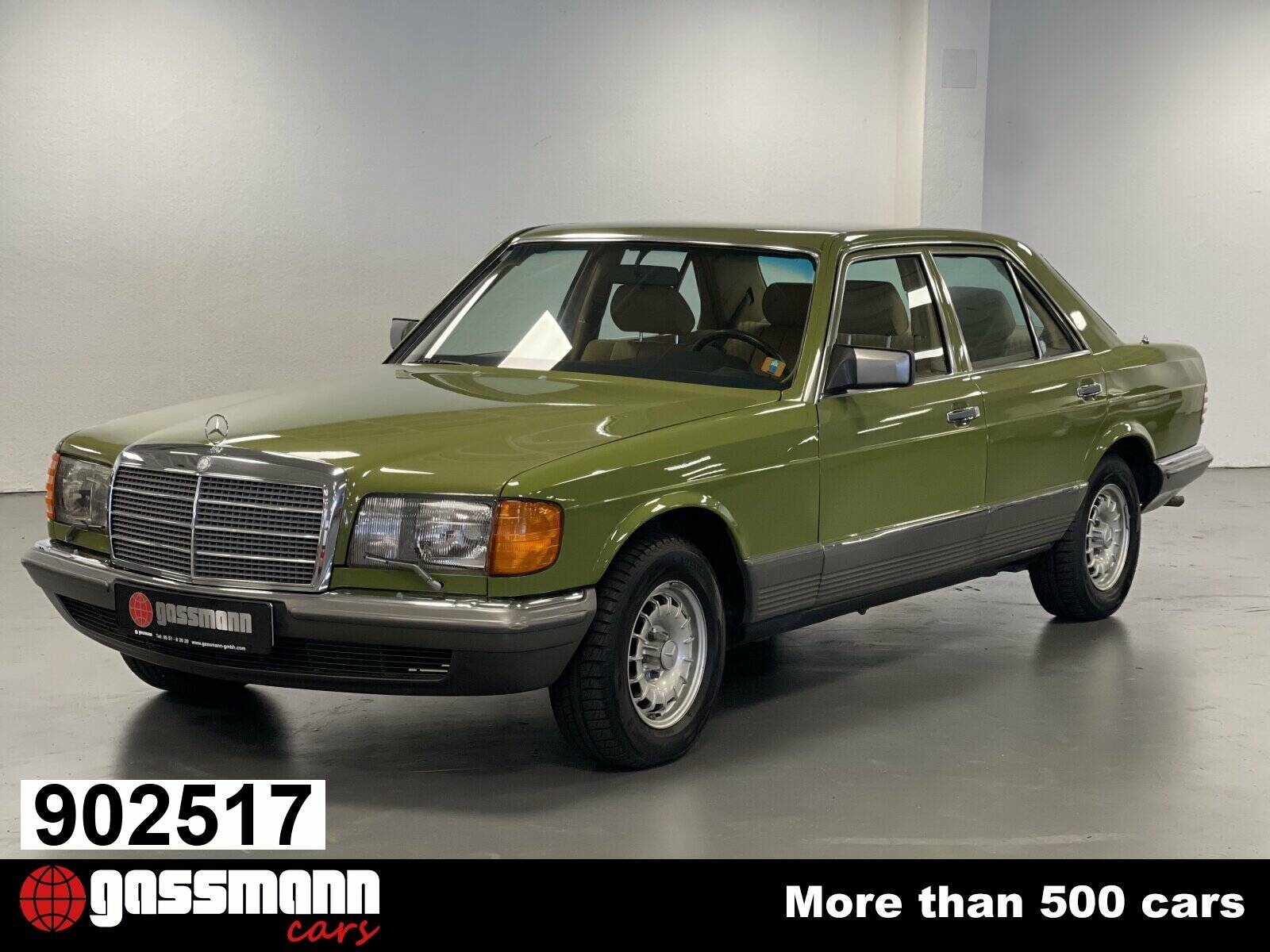 1980 Mercedes-Benz 280 SE€ 15.9001980 · 185.382 km · Bovenden, Duitsland · Classic Trader
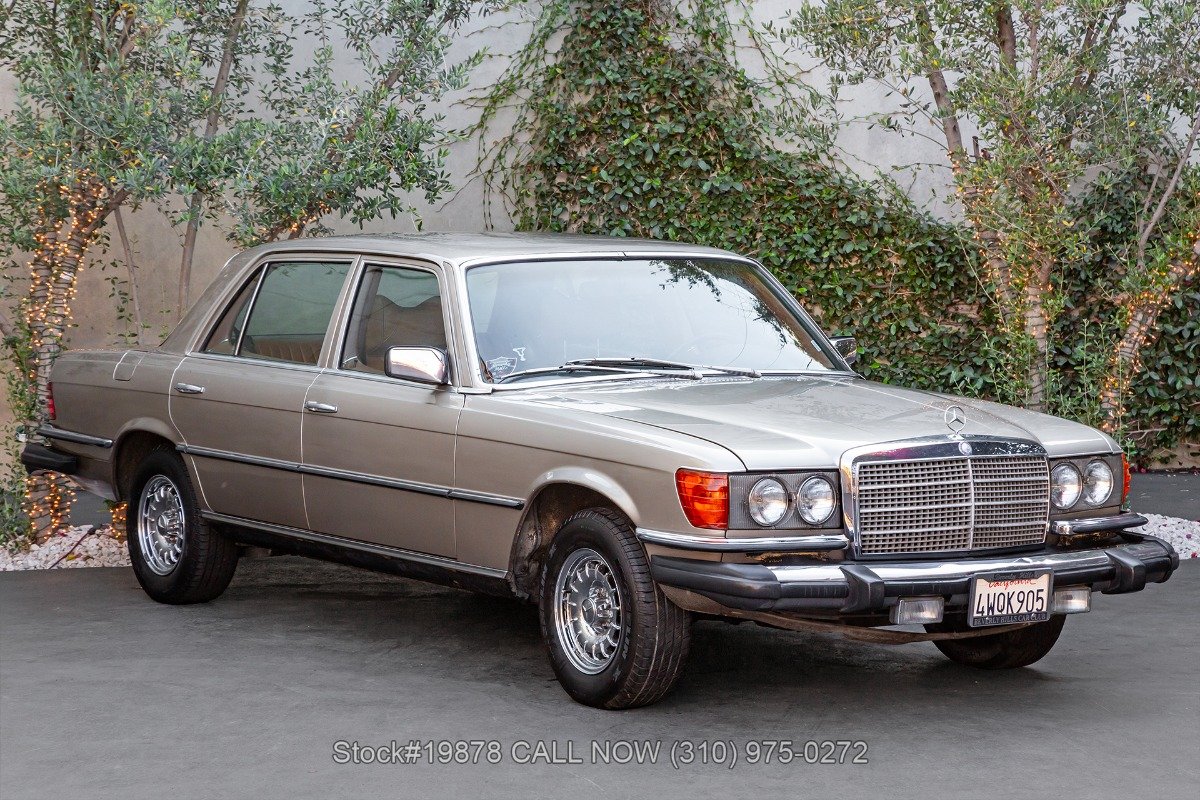 1980 Mercedes-Benz S-Class$ 6.950 (≈ € 6.203)1980 · Los Angeles, Verenigde Staten · Classic Driver
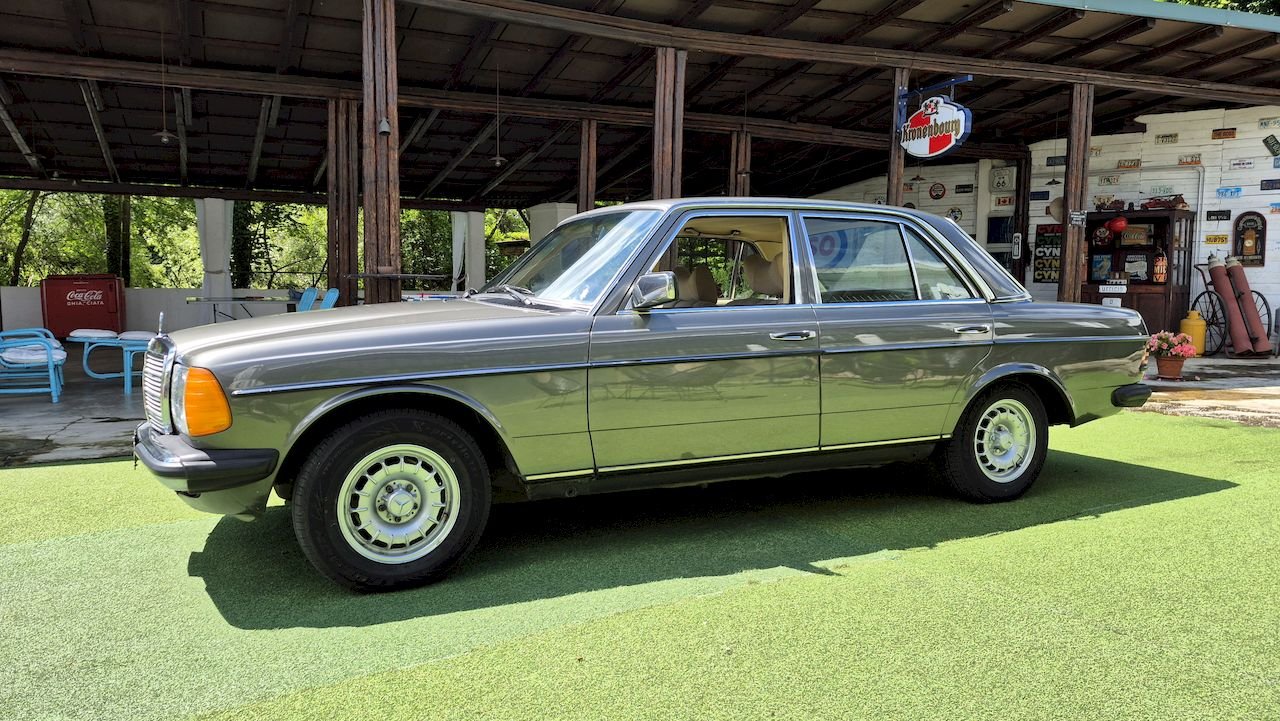 1980 Mercedes-Benz S-Class - 240D W123 - SUMMER PRICE€ 13.0001980 · 163.660 km · Pianezza, Italië · Classic Driver
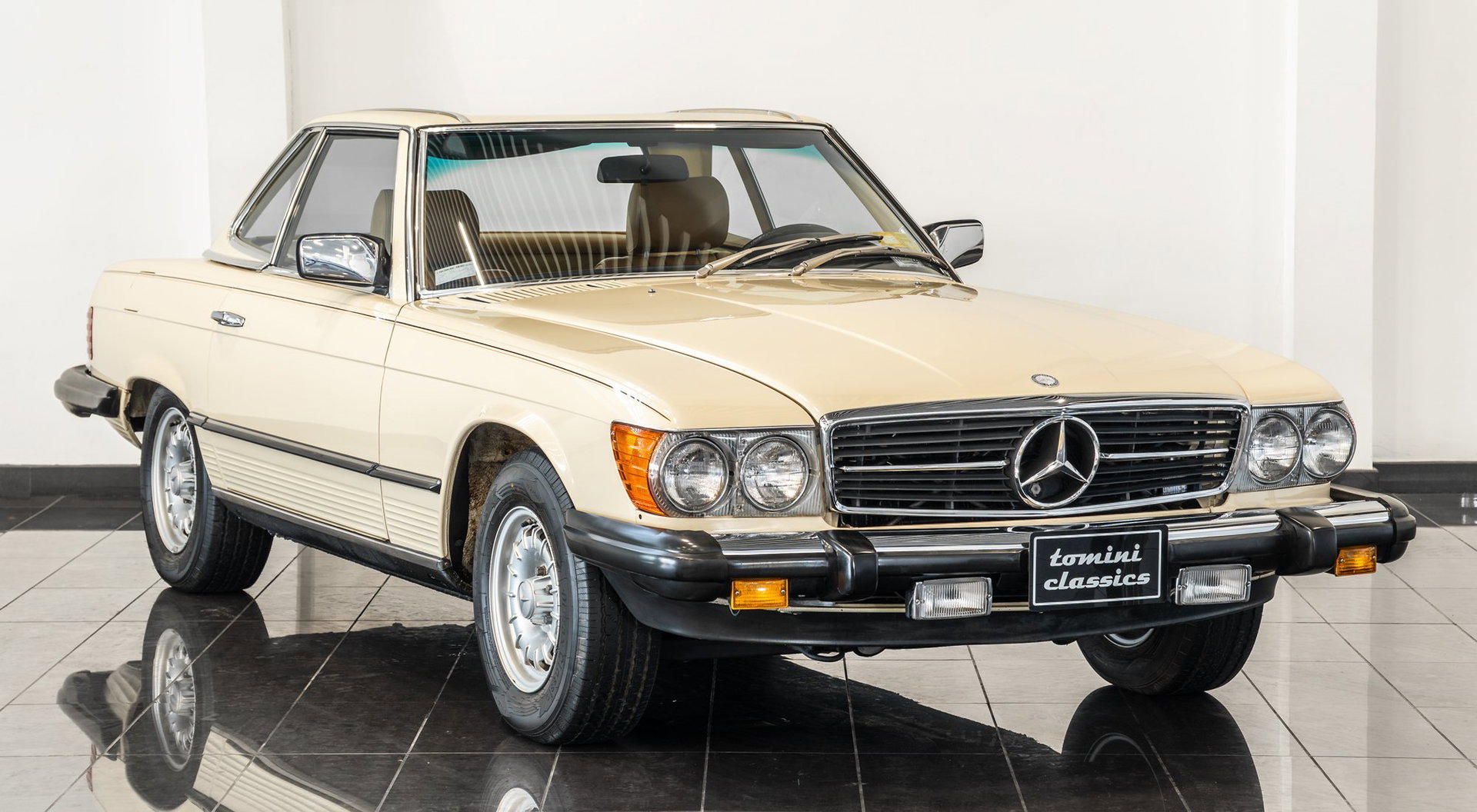 1980 Mercedes-Benz S-Class - 450SL$ 62.000 (≈ € 55.337)1980 · 15.044 km · AE · Classic Driver
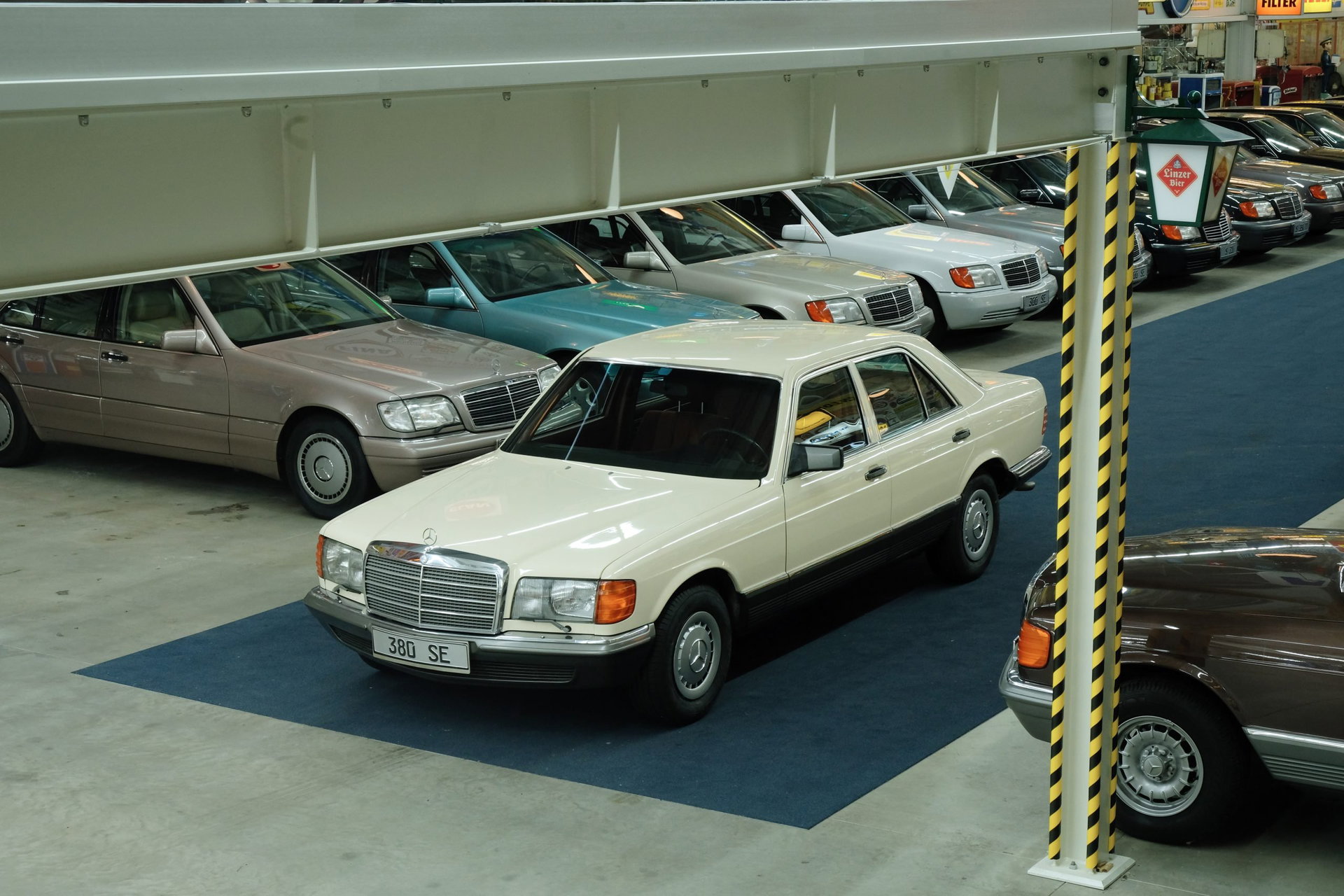 1980 Mercedes-Benz S-Class - 380 SE€ 4.0001980 · 133.442 km · Feldkirchen an der Donau, Oostenrijk · Classic Driver
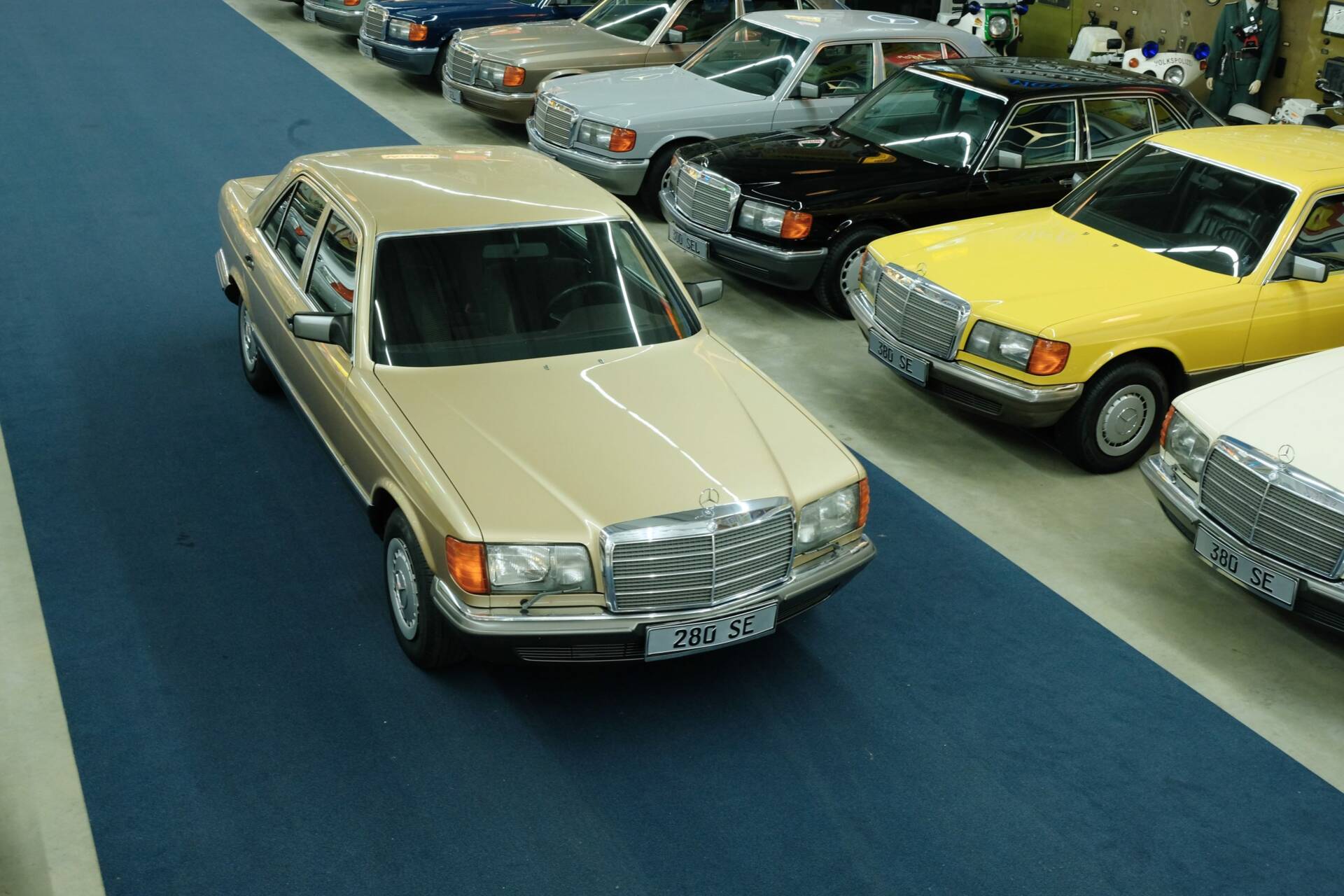 1980 Mercedes-Benz 280 SEPrijs op aanvraag1980 · 107.000 km · Feldkirchen an der Donau, Oostenrijk · Classic Trader
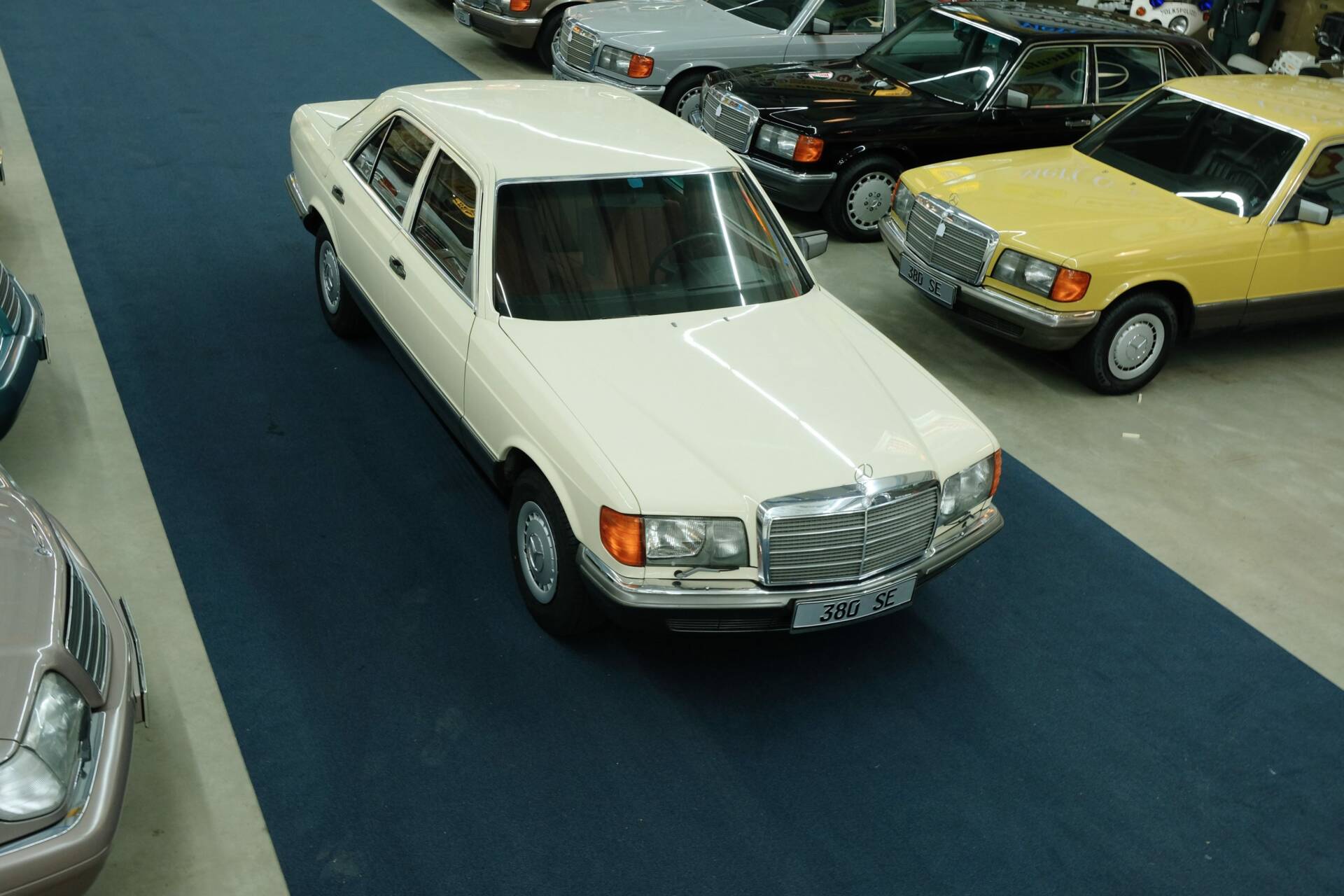 1980 Mercedes-Benz 380 SEPrijs op aanvraag1980 · 133.000 km · Feldkirchen an der Donau, Oostenrijk · Classic Trader
Wat doet een Mercedes-Benz S-Klasse op de markt? Bekijk de marktwaarde →