1958 Austin-Healey 100 - BN6
1958 · Toffen, Zwitserland · via Classic Driver
Veiling sluit 18 oktober 2026, 01:59
Bekijk op Classic Driver → Open in de app
Gegevens
| Merk | Austin-Healey |
|---|---|
| Model | 100 BN6 |
| Bouwjaar | 1958 |
| Carrosserie | Cabrio |
| Stuur | Links |
| Locatie | Toffen, Zwitserland |
| Verkoper | Oldtimer Galerie Toffen (veiling) |
| Bron | Classic Driver |
| auction | https://www.classicdriver.com/en/auction/oldtimer-galerie-toffen-classic-cars-motorcycles-17-october-2026 |
| Op Oudjes.xyz sinds | 5 oktober 2026 |
| Laatst gezien | 5 oktober 2026, 18:19 |
Beschrijving
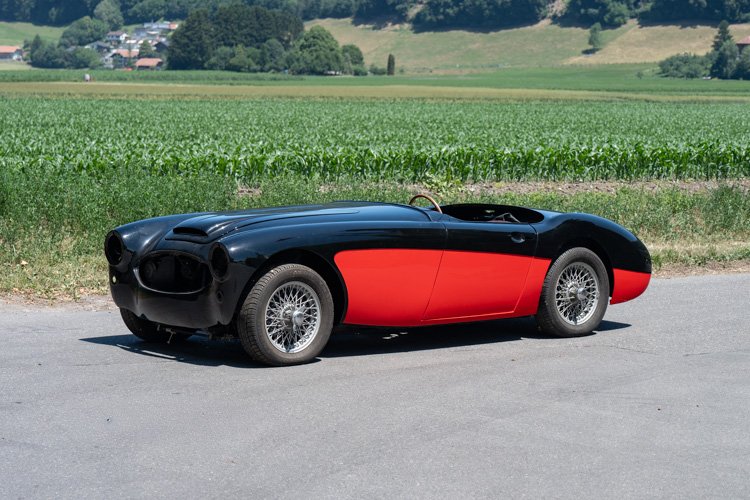
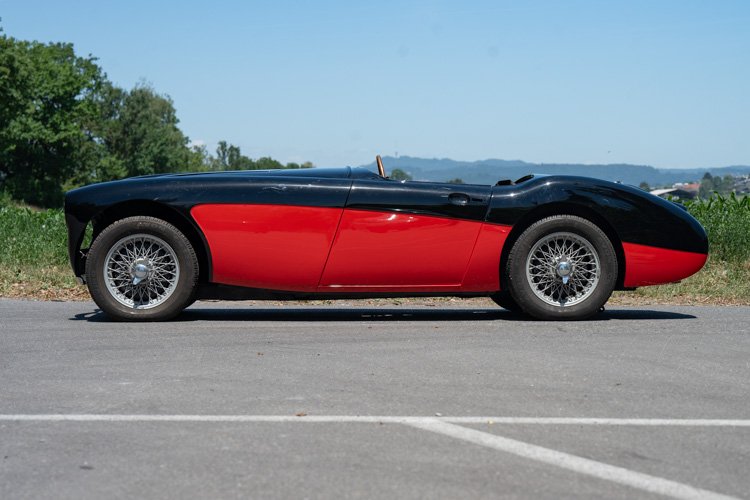
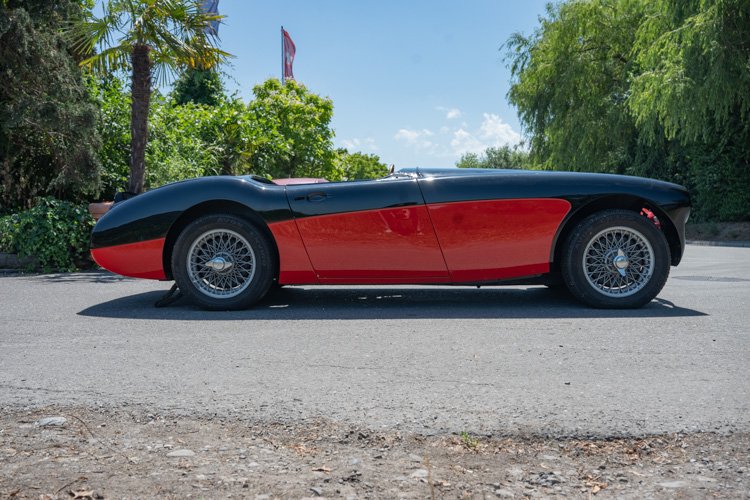
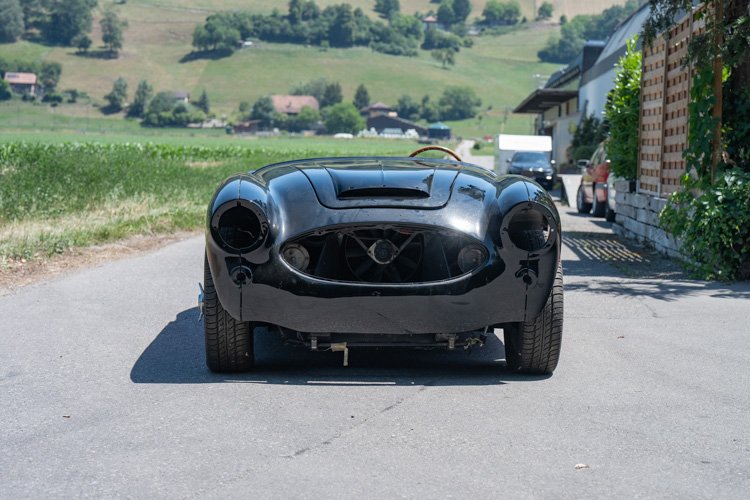
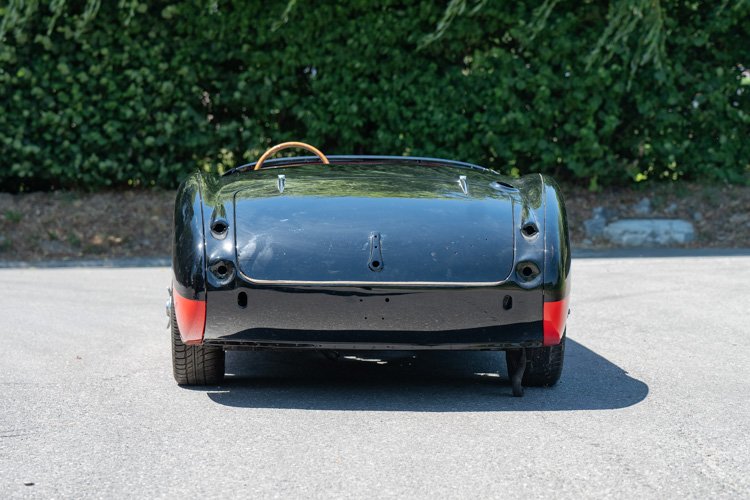
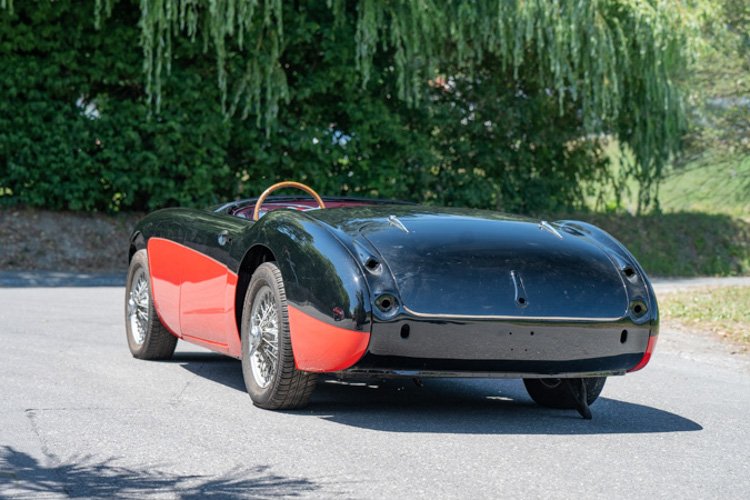
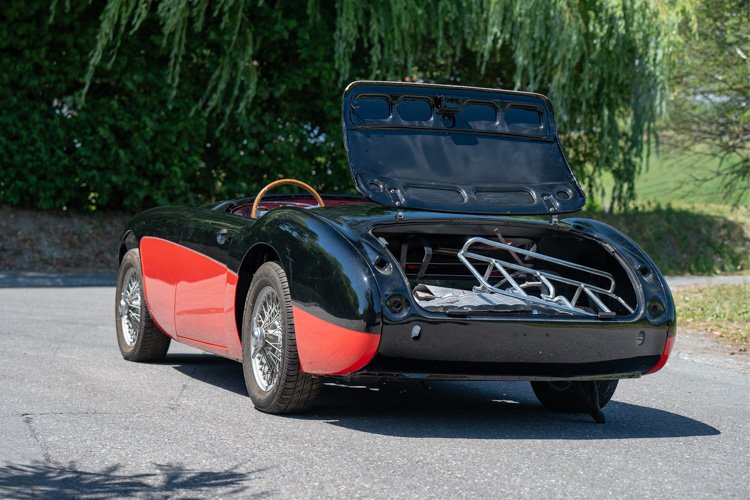
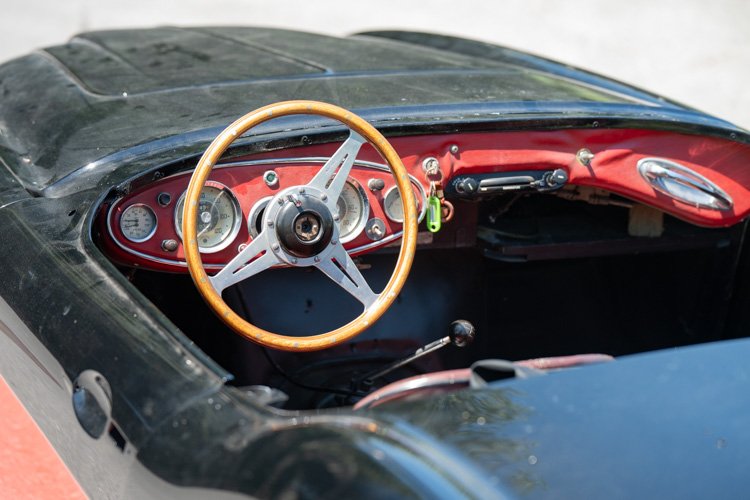
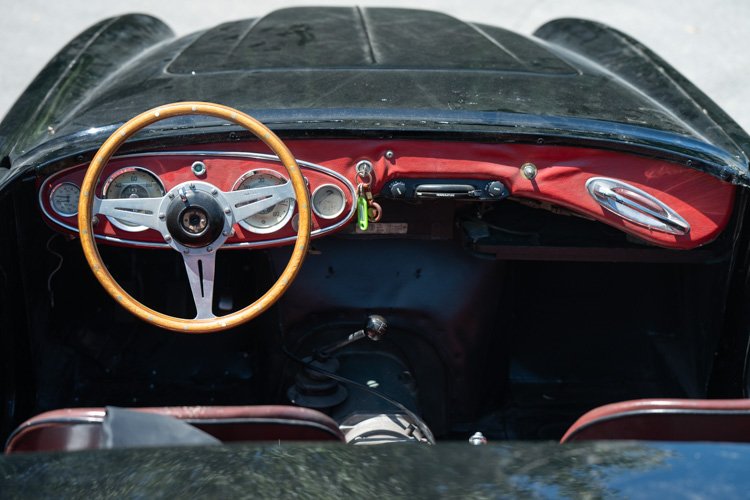
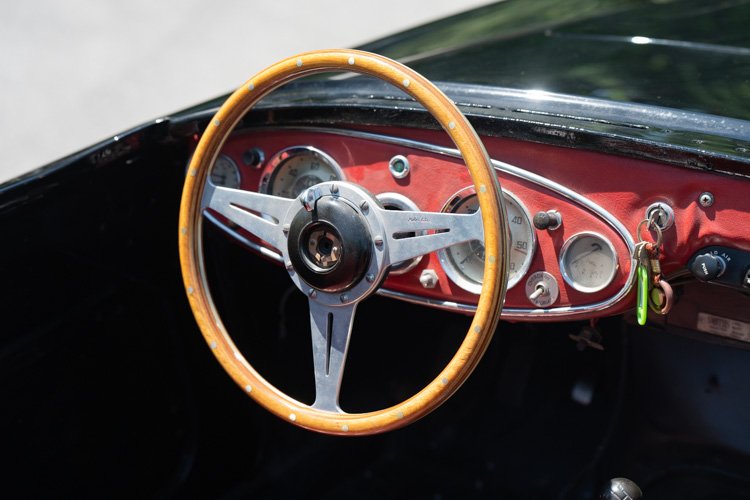
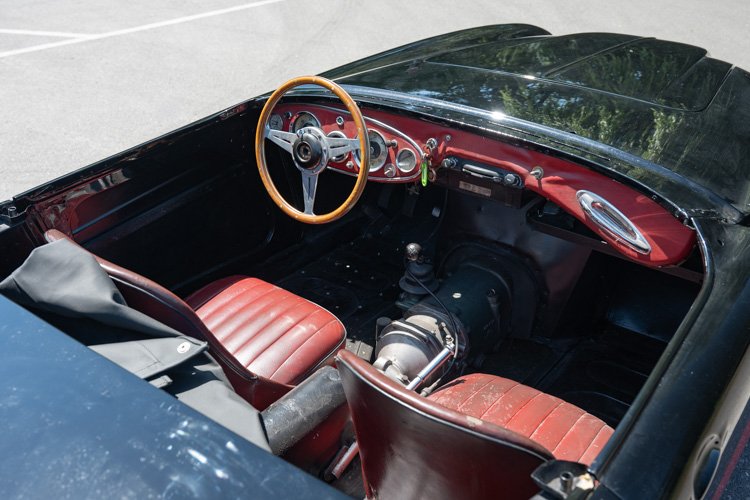
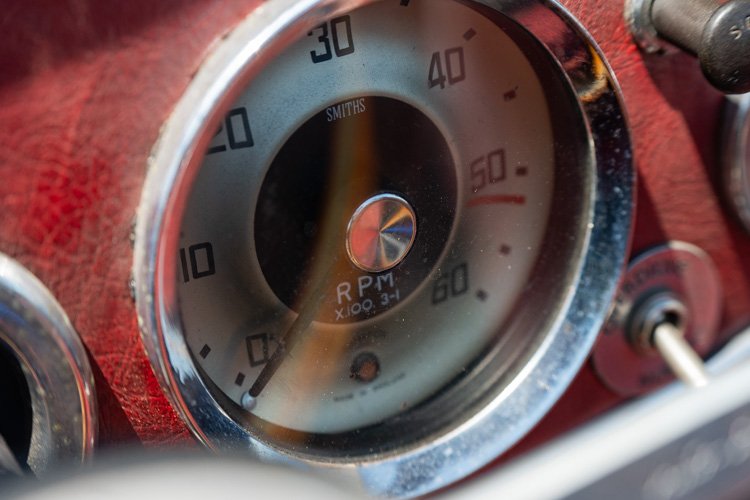
Donald Healey was no stranger to the motoring world when he unveiled a new sports car at the 1952 London Motor Show. He had already won the Monte Carlo Rally back in 1931, and in the post-war years he designed and built small-series sports cars such as the Healey Silverstone and the Nash-Healey with considerable success. The new sports car, which Donald had intended to unveil as the Healey Hundred on 21 October 1952, was renamed the Austin-Healey 100 even before the show opened, after Healey and Sir Leonard Lord – then head of the British Motor Company – had agreed to collaborate and Austin had decided to build the new sports car in large numbers at Longbridge. The simple roadster, with its platform frame and four-cylinder engine, proved a success, both on the road and on the racetrack. In the mid-1950s, the British Motor Company planned to phase out the large four-cylinder engine fitted to the Austin-Healey 100 in order to standardize its engine range. From then on, the C-Series engine – a six-cylinder unit with a 2.6-litre displacement, developed by Morris – was to be used in the sports car. At the same time as the engine was fitted, the wheelbase was extended by five centimeters and space was created for two emergency seats, with the result that the roadster became around 130 kg heavier. As the BMC inline six-cylinder engine, with a maximum power output of around 86 hp, was less powerful than the four-cylinder engine in the Austin-Healey 100, the engine’s power output first had to be increased. With a twin-carburetor system from SU and a compression ratio increased to 8.25:1, it ultimately produced 102 hp at 4'600 rpm. On the whole, the Austin-Healey had, of course, remained the same as before; it now measured exactly four meters in length and 154 centimeters in width. Coinciding with the launch of the new model – which was showcased, amongst other places, at the Paris Motor Show in late autumn 1956 – Austin-Healey cars fitted with six-cylinder engines set speed records at Bonneville. Nevertheless, calls for more power grew louder. And late in 1957, the power output of the six-cylinder engine was increased from 102 to 117 hp (at 4'700 rpm) thanks to a redesign of the intake system. The foundations for this modification had been laid with the record-breaking and racing cars of that era. In June 1958, the BN6, a two-seater variant of the six-cylinder model, was introduced. Whilst the ‘four-seater’ BN4 had fulfilled hopes for additional sales potential, many customers were happy to settle for two seats (and more storage space), and so more BN6s were sold than BN4s. A total of 14'436 100-Six variants were built between 1956 and 1959; the two-seaters, which were produced for just two years, accounted for just under a third of total production. The Austin-Healey 100/6 offered here is one of only 3‘887 two-seaters (BN6) ever built. Like most of these sleek sports cars, chassis #BN6L 1000 was delivered to the USA, where it was purchased by a Swiss enthusiast in 1984 and subsequently imported. Once here, the Healey underwent technical refurbishment over the following two years, during which new wire-wheels were fitted, the sills and all shock absorbers were replaced, and the entire mechanical system was prepared for the upcoming roadworthiness test. Shortly after registration, at the end of 1986, a complete engine overhaul was carried out, and in 1987 the gearbox was overhauled. In August 1999, the roadster was taken over by its last owner, who immediately set about optimizing the sporty British car. The overdrive was overhauled and the alternator replaced with a reconditioned unit. In 2000, the carburetors were overhauled and a stainless-steel exhaust system fitted, whilst in 2002 the cylinder head was reconditioned. At the end of 2005, the owner decided to have the bodywork restored and repainted. Once this was complete, he set about reassembling the car – a task that remained unfinished for health reasons. In 2010, the Healey was de-registered and has been stored in a dry garage ever since. Currently, the bodywork is in very good condition and the interior shows signs of wear and tear due to its age. The mechanical components were in perfect working order at the time of storage; however, damage caused by standing for a long period cannot be ruled out – the brakes are currently seized and will need to be overhauled accordingly. As far as can be seen, the project is complete and is waiting to be finished by a new enthusiast. The last veteran MOT was carried out in August 1999.
Vergelijkbare oudjes
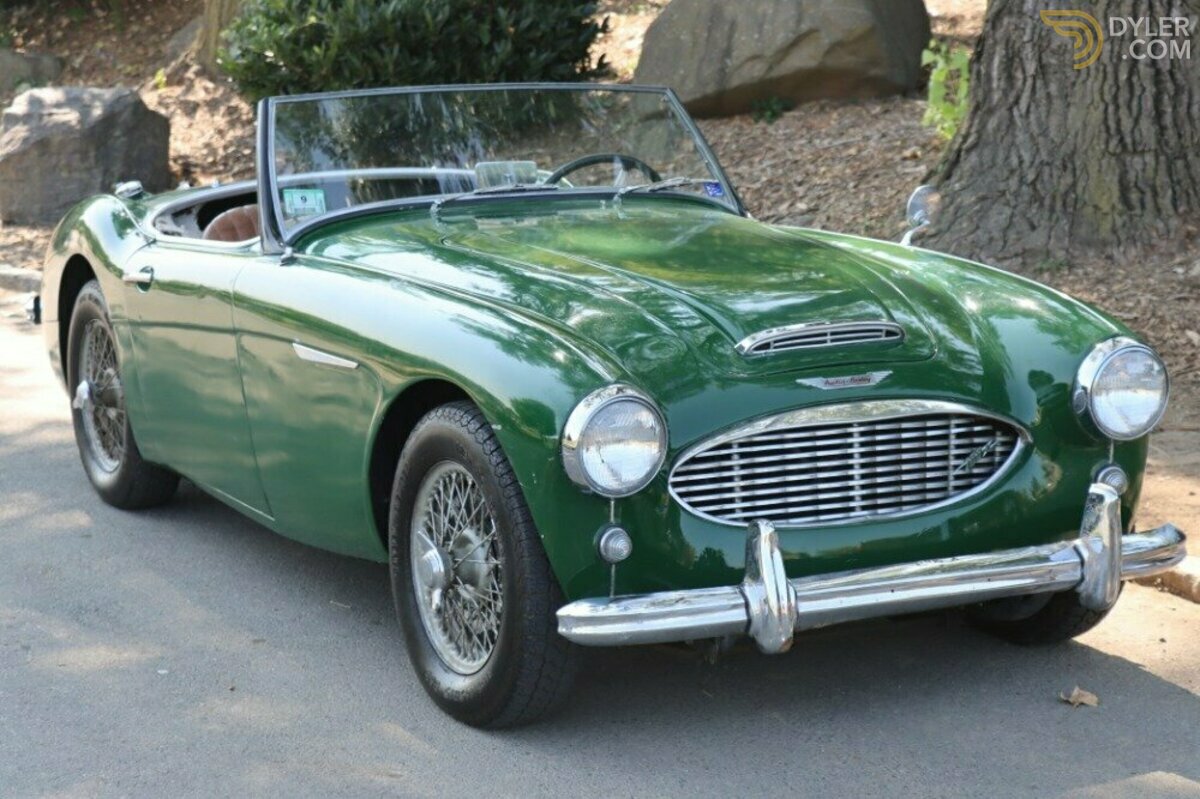 1958 Austin-Healey 100€ 27.8421958 · Astoria, Verenigde Staten · Dyler
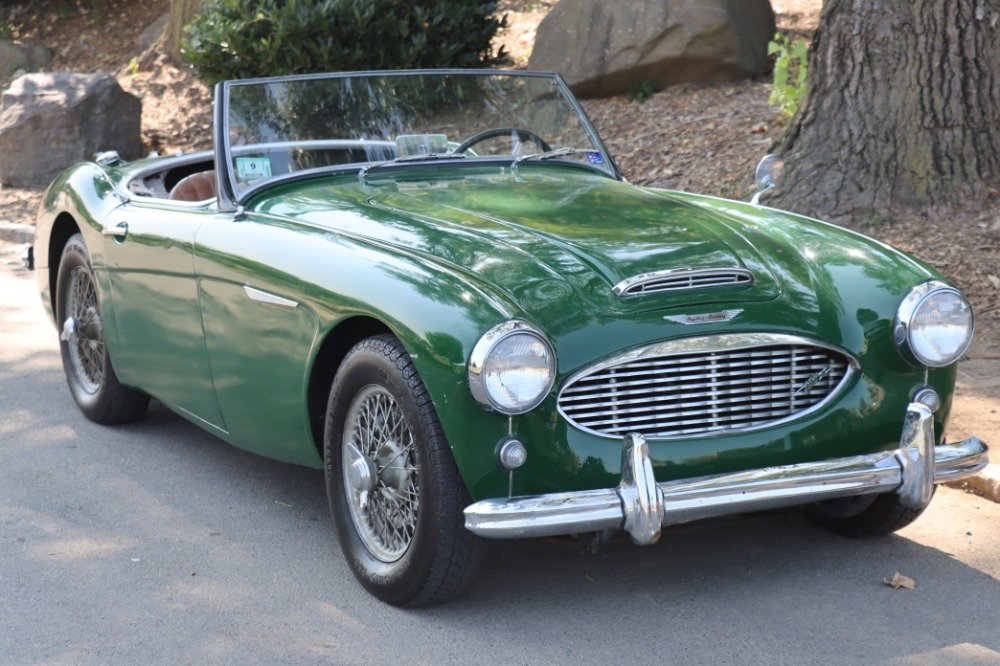 1958 Austin-Healey 100$ 29.950 (≈ € 26.732)1958 · New York, Verenigde Staten · Classic Driver
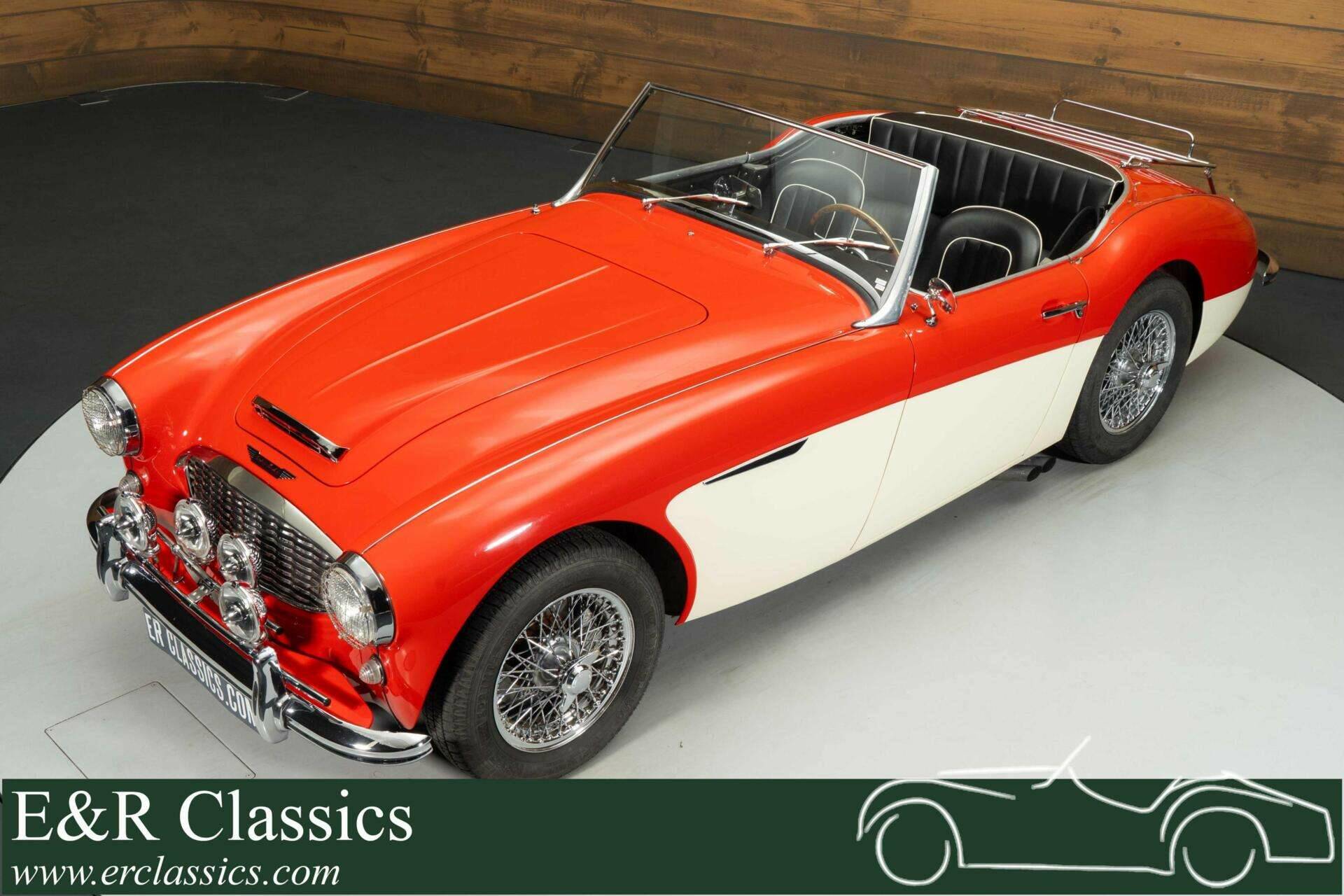 1958 Austin-Healey 100/6 (BN4)€ 67.9501958 · 33.735 km · Waalwijk, Nederland · Classic Trader
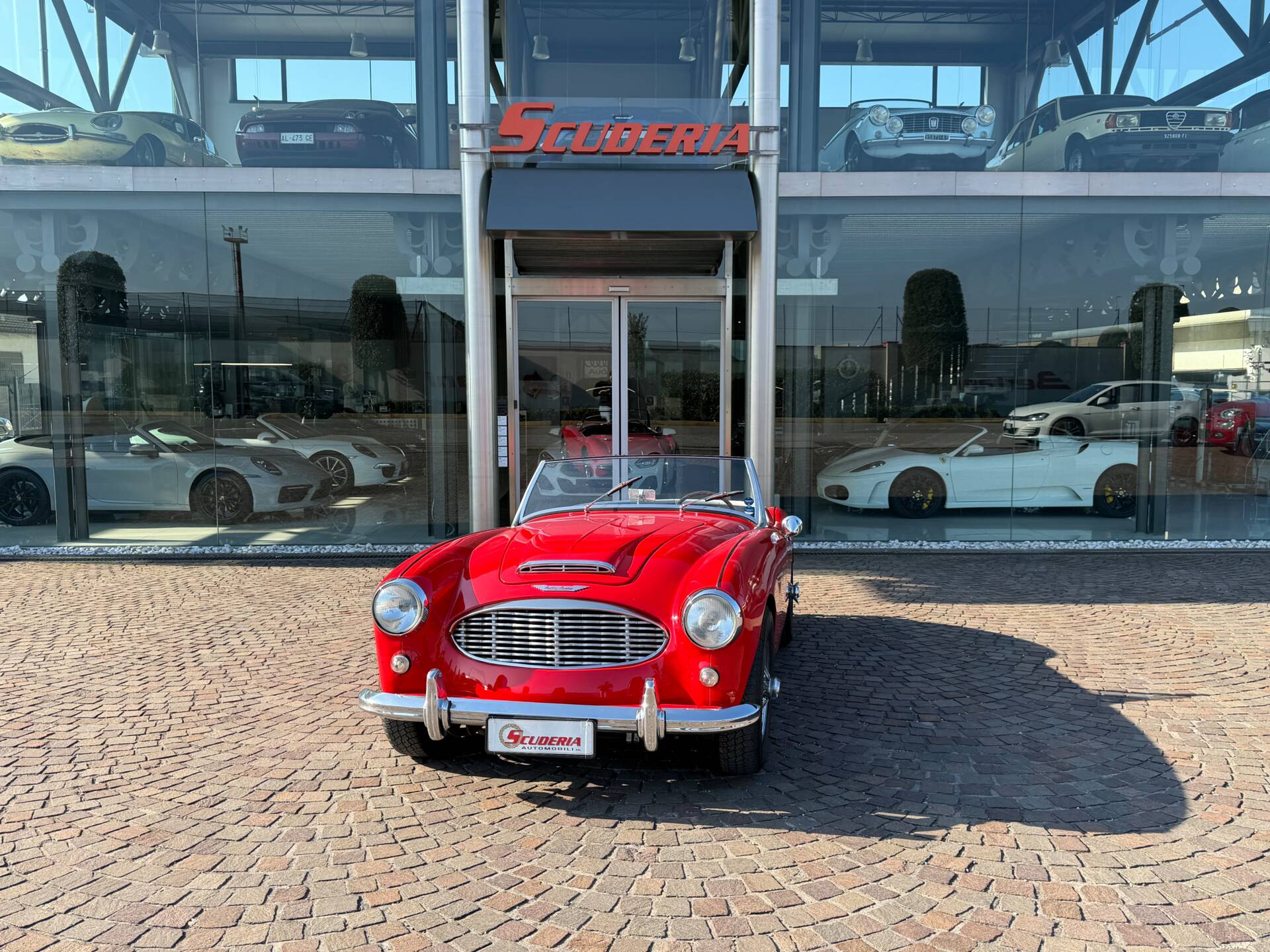 1958 Austin-Healey 100/6 (BN6)€ 56.5001958 · 34.900 km · CASTIGLIONE DELLE STIVIERE, Italië · Classic Trader
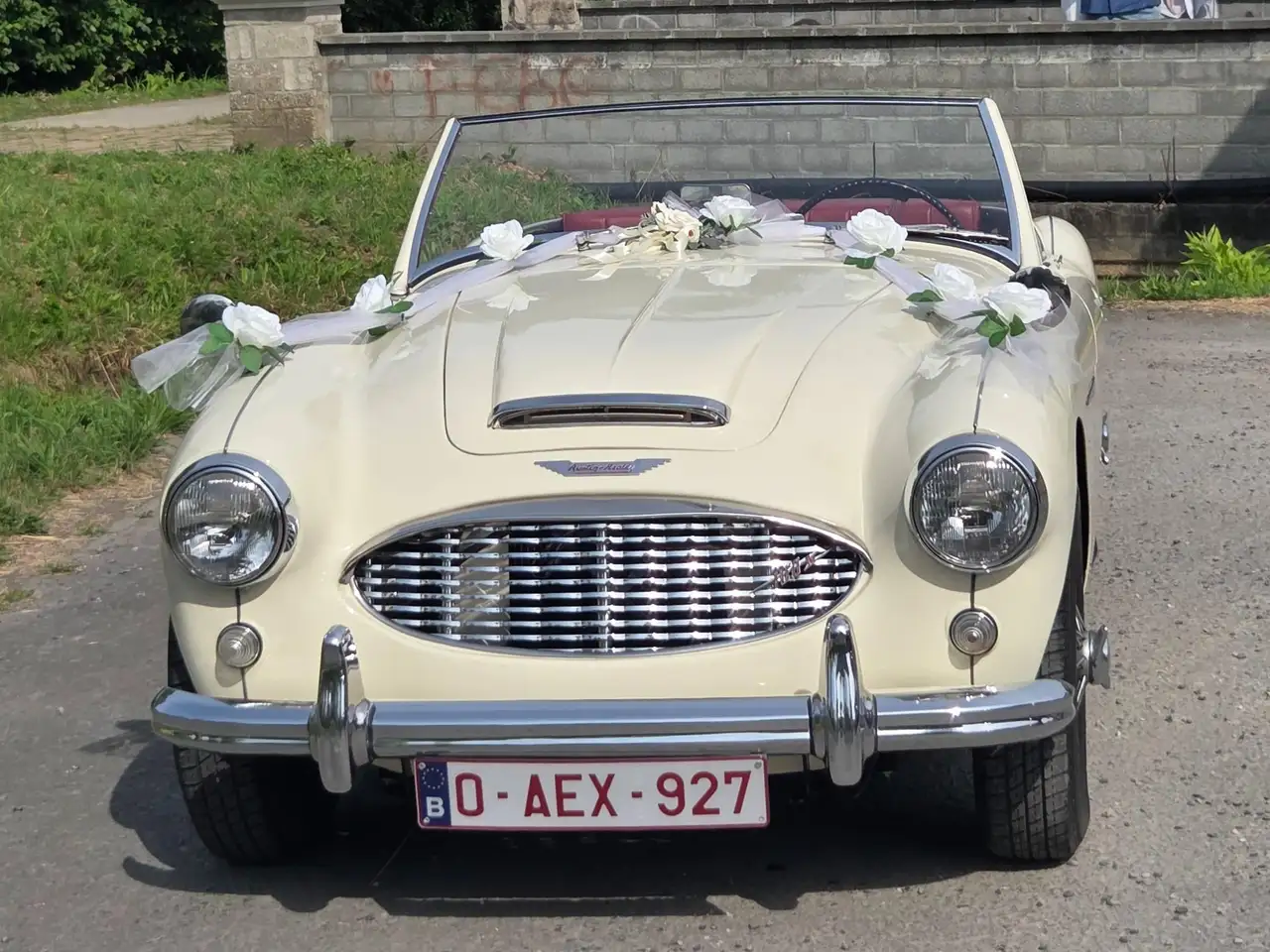 Austin-Healey 100 1958€ 48.0001958 · 48.006 km · Nazareth-De Pinte, België · AutoScout24
 Austin-Healey 100 BN - 6€ 85.0001958 · 20.000 km · Germering, GKSt, Duitsland · AutoScout24
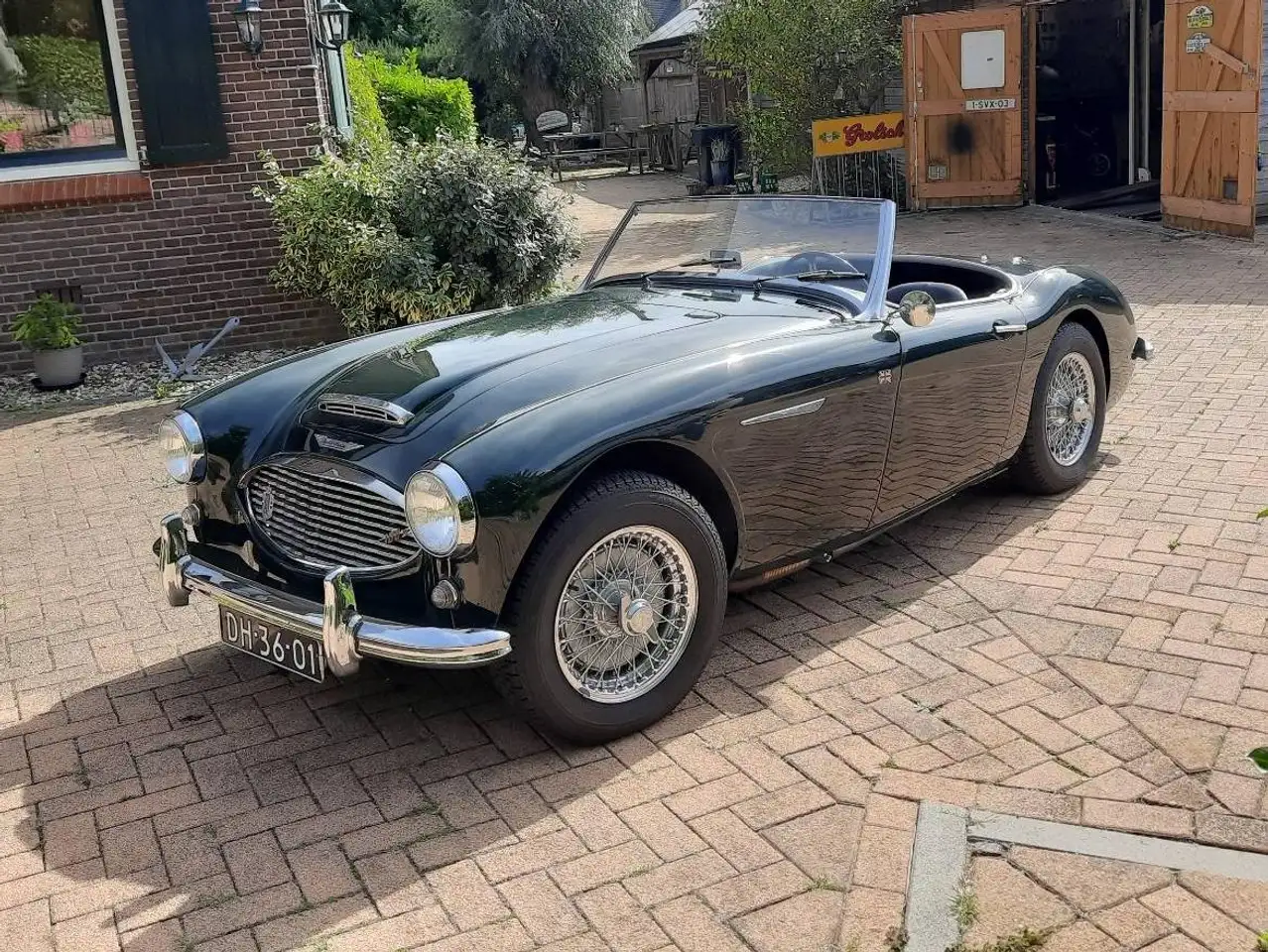 Austin-Healey 100 BN6€ 30.0001958 · 112.000 km · Hoeksche Waard, Nederland · AutoScout24
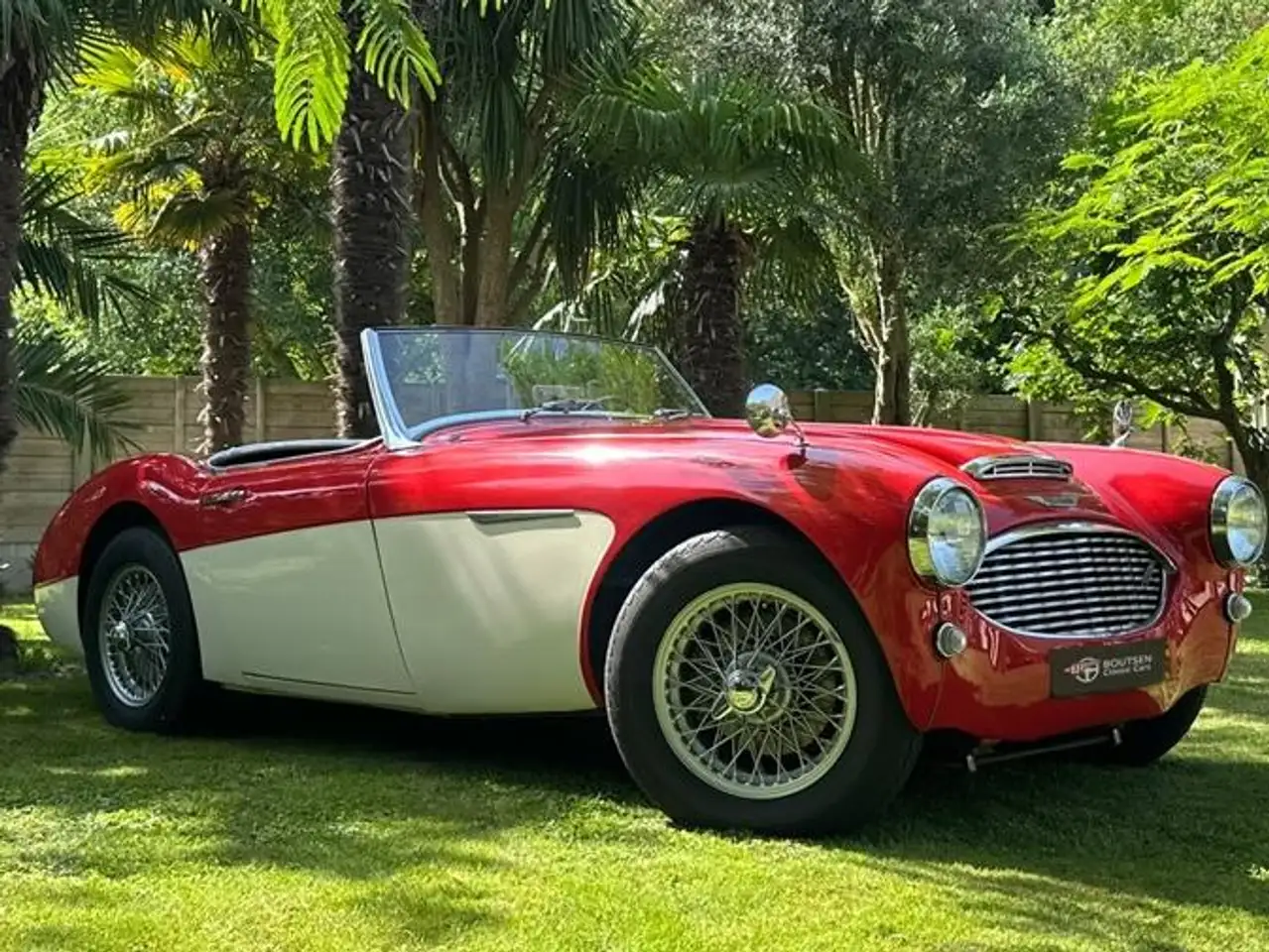 Austin-Healey 100 BN6€ 65.0001958 · 100.000 km · Monte-carlo, Frankrijk · AutoScout24
Wat doet een Austin-Healey 100 op de markt? Bekijk de marktwaarde →