1951 VW Beetle - Typ 11 Standard
1951 · Salzburg, Oostenrijk · via Classic Driver
Veiling sluit 18 oktober 2026, 01:59
Bekijk op Classic Driver → Open in de app
Gegevens
| Merk | Volkswagen |
|---|---|
| Model | Kever Typ 11 Standard |
| Bouwjaar | 1951 |
| Stuur | Links |
| Locatie | Salzburg, Oostenrijk |
| Verkoper | Humer, Granner & Co GmbH (veiling) |
| Bron | Classic Driver |
| auction | https://www.classicdriver.com/en/auction/humer-granner-co-gmbh-classic-car-auction-17102026 |
| Op Oudjes.xyz sinds | 6 oktober 2026 |
| Laatst gezien | 8 oktober 2026, 18:15 |
Beschrijving
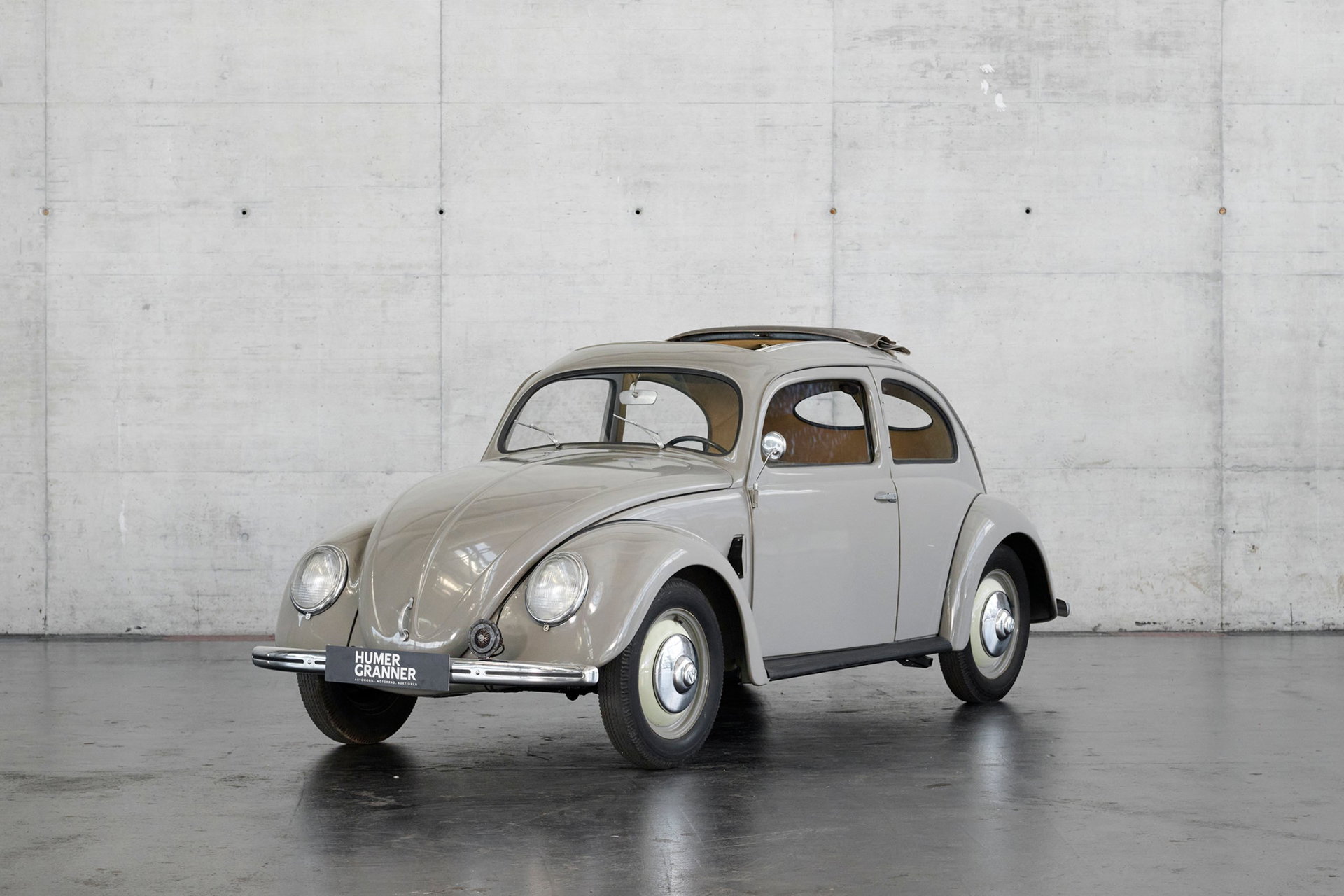
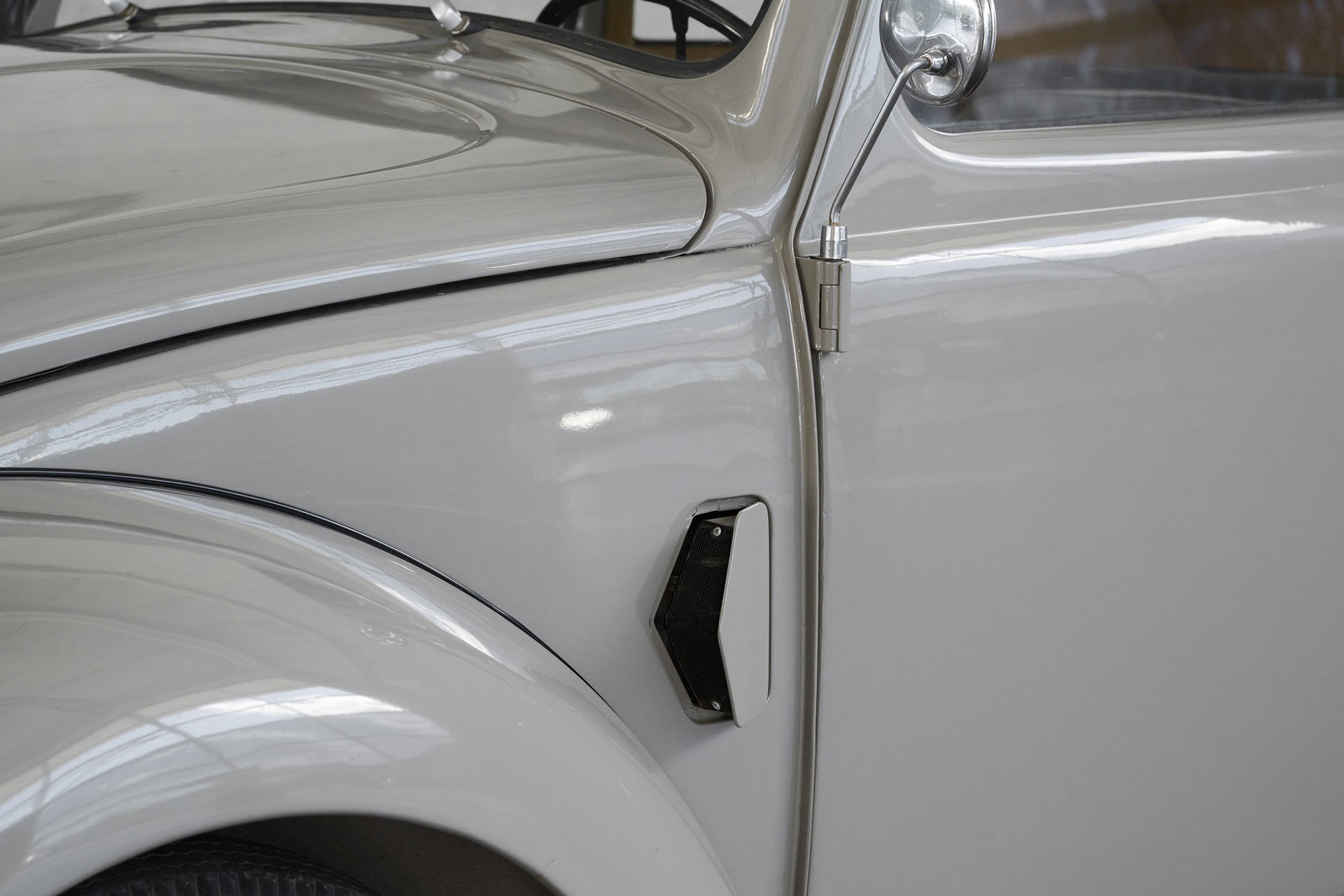
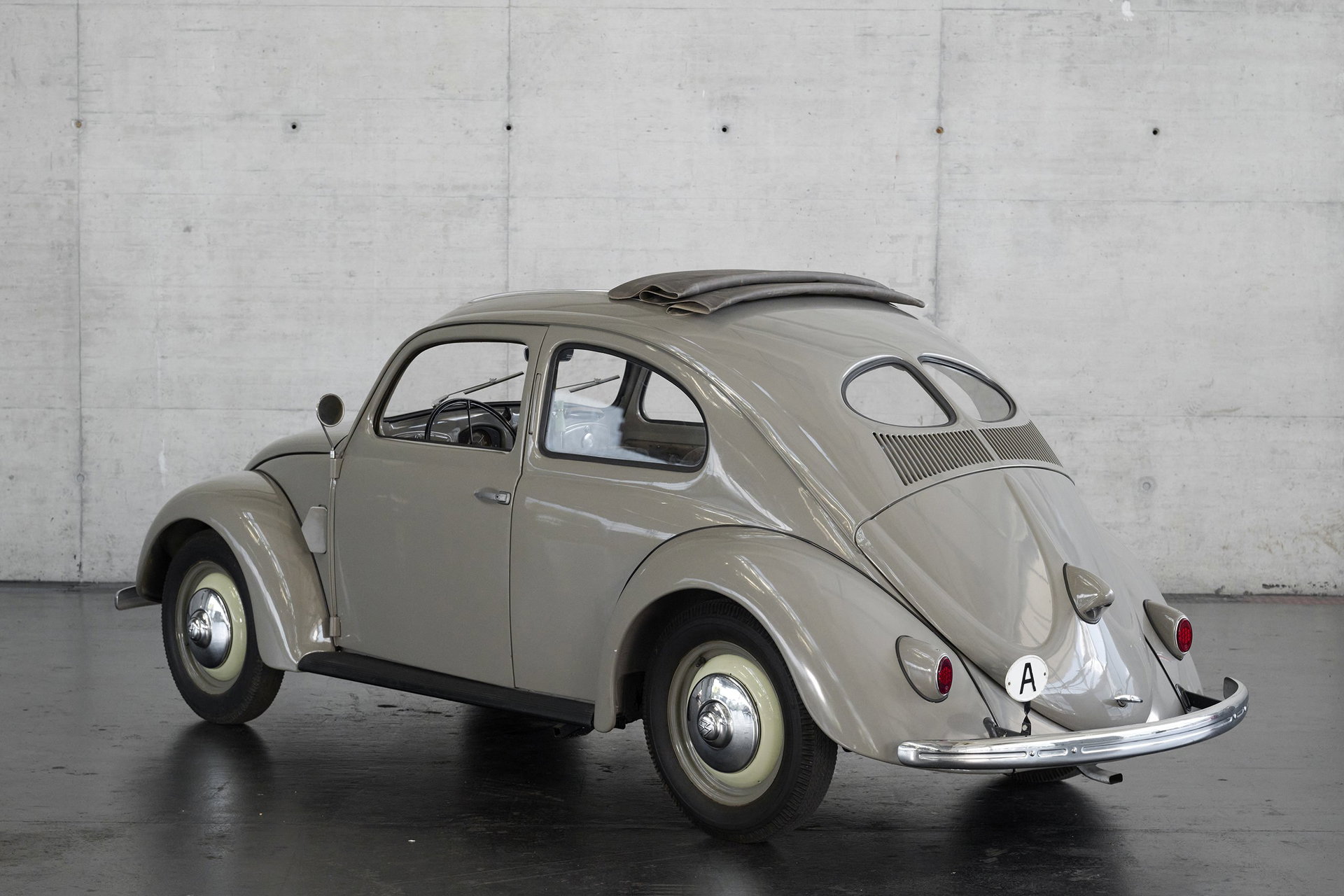
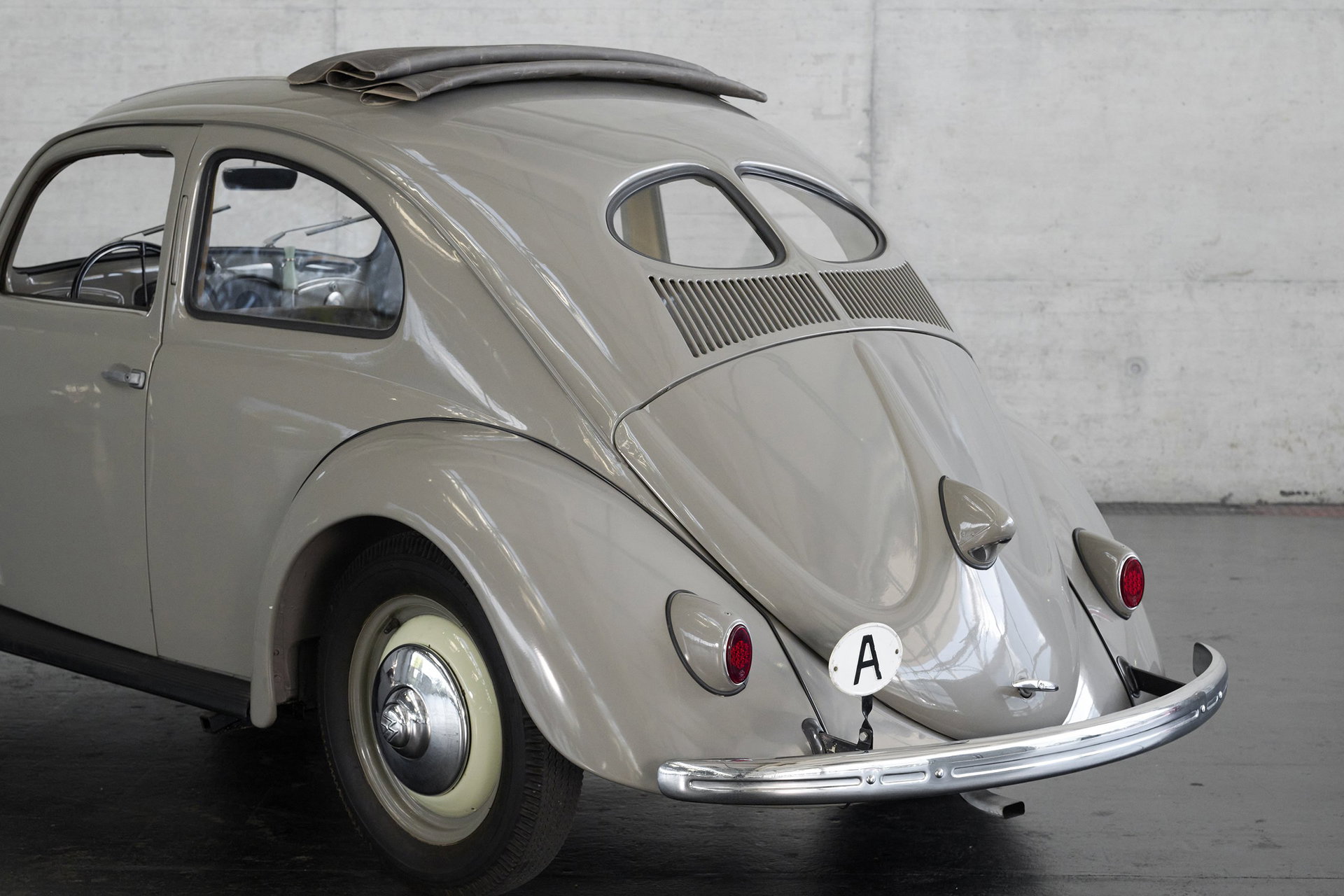
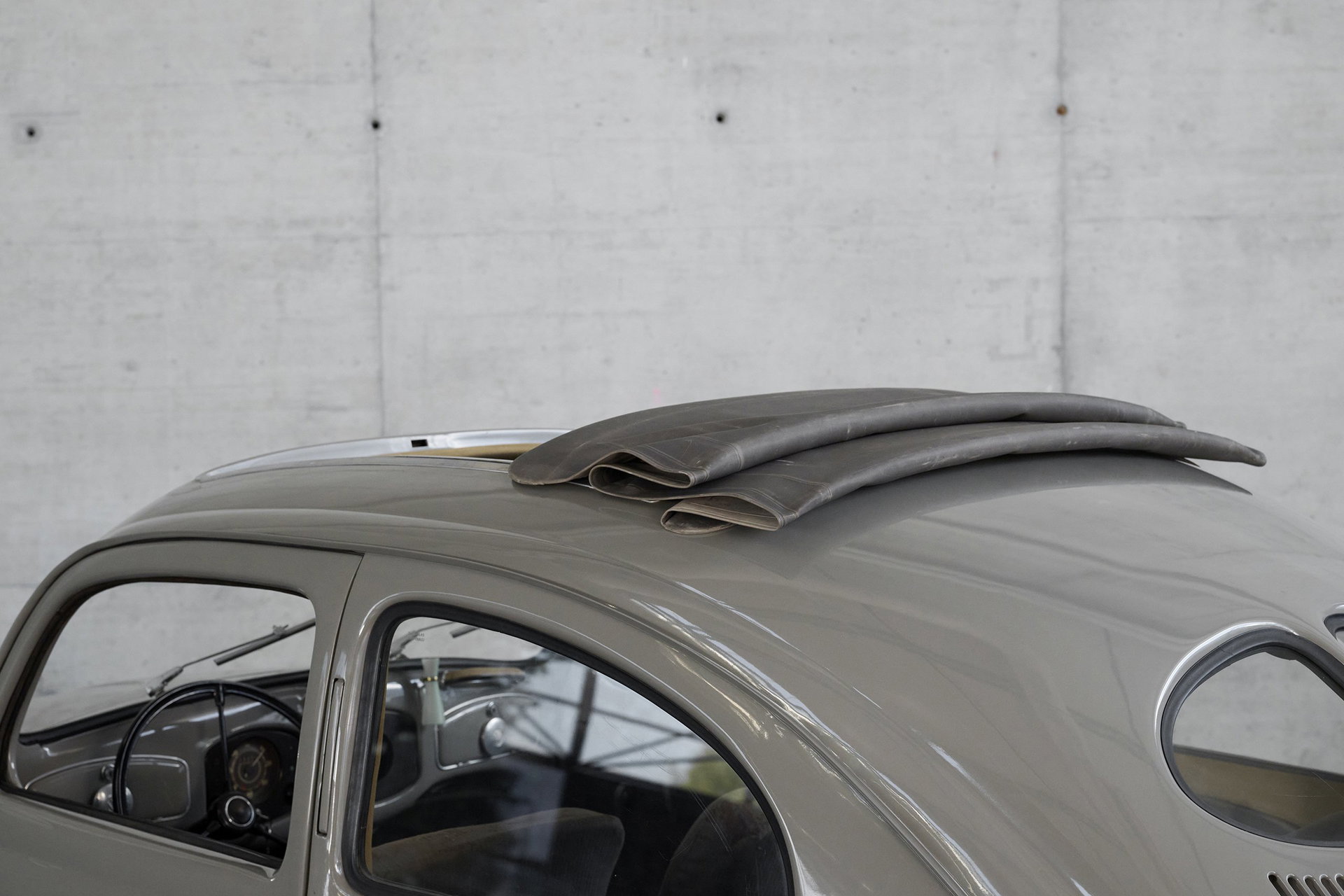
Rare Standard split-window Beetle with “Rheumaklappe” fresh-air flap
Just one registered keeper since 1960
For many years part of an important BMW collection
Highly charming state of preservation
A piece of German post-war history
At the end of the 1940s, there was still precious little sign of an economic miracle in West Germany. Demand for luxury in automotive form was correspondingly modest. Above all, the Volkswagen was meant to be reliable, economical and affordable. The Type 11 Standard embodied this philosophy with particular conviction. Anyone ordering one in 1951 received exactly what was absolutely necessary for driving a car. And remarkably little else.
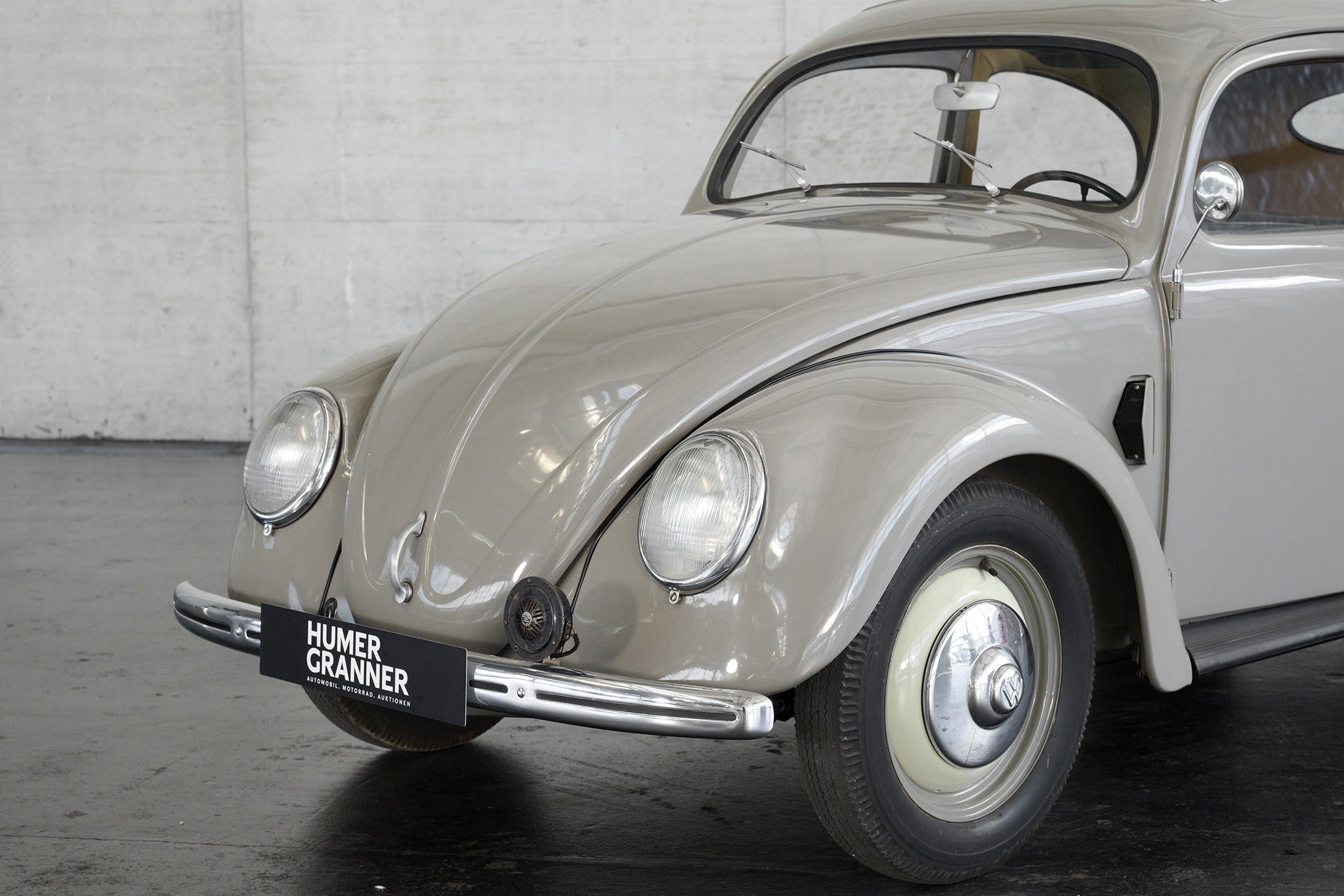
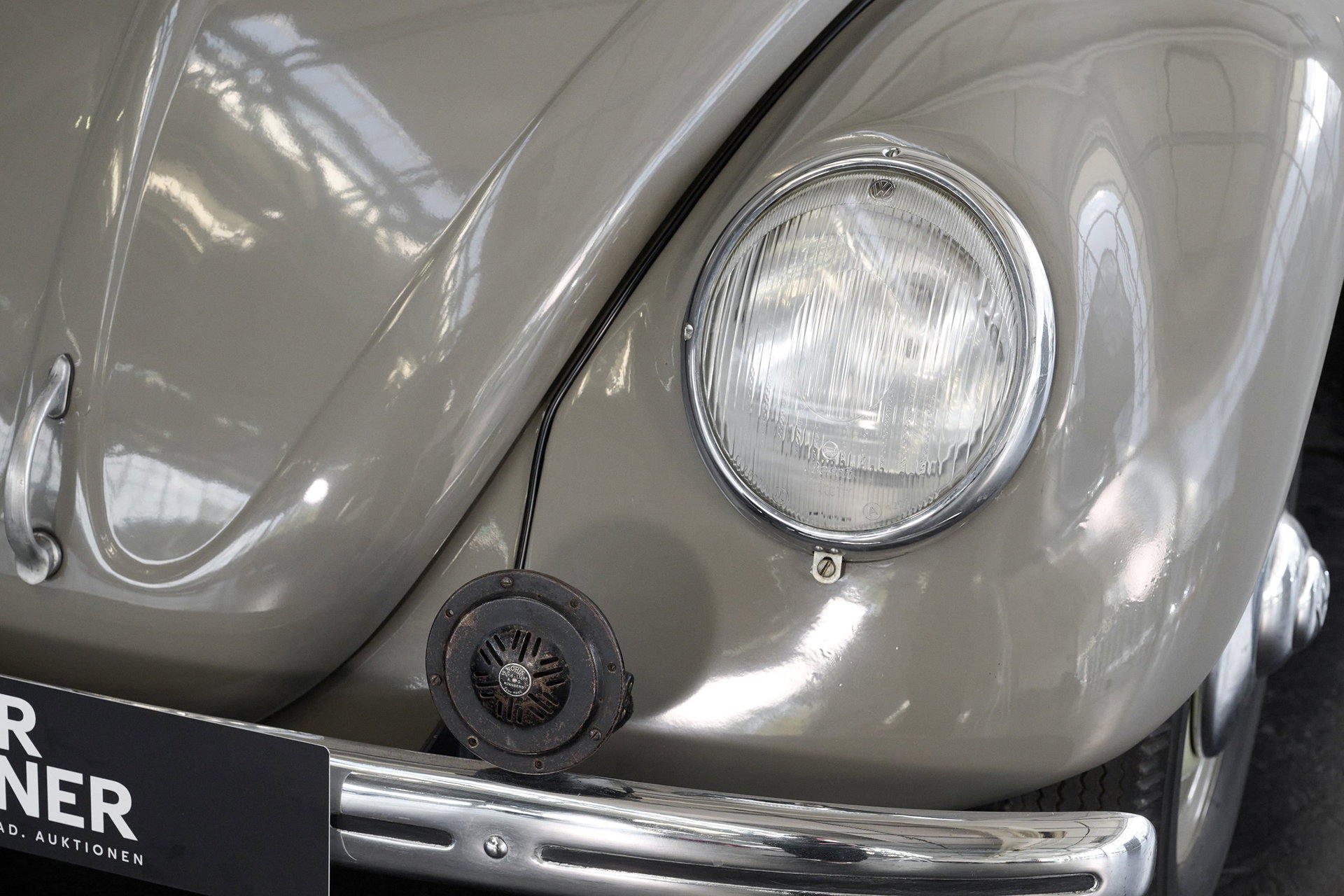
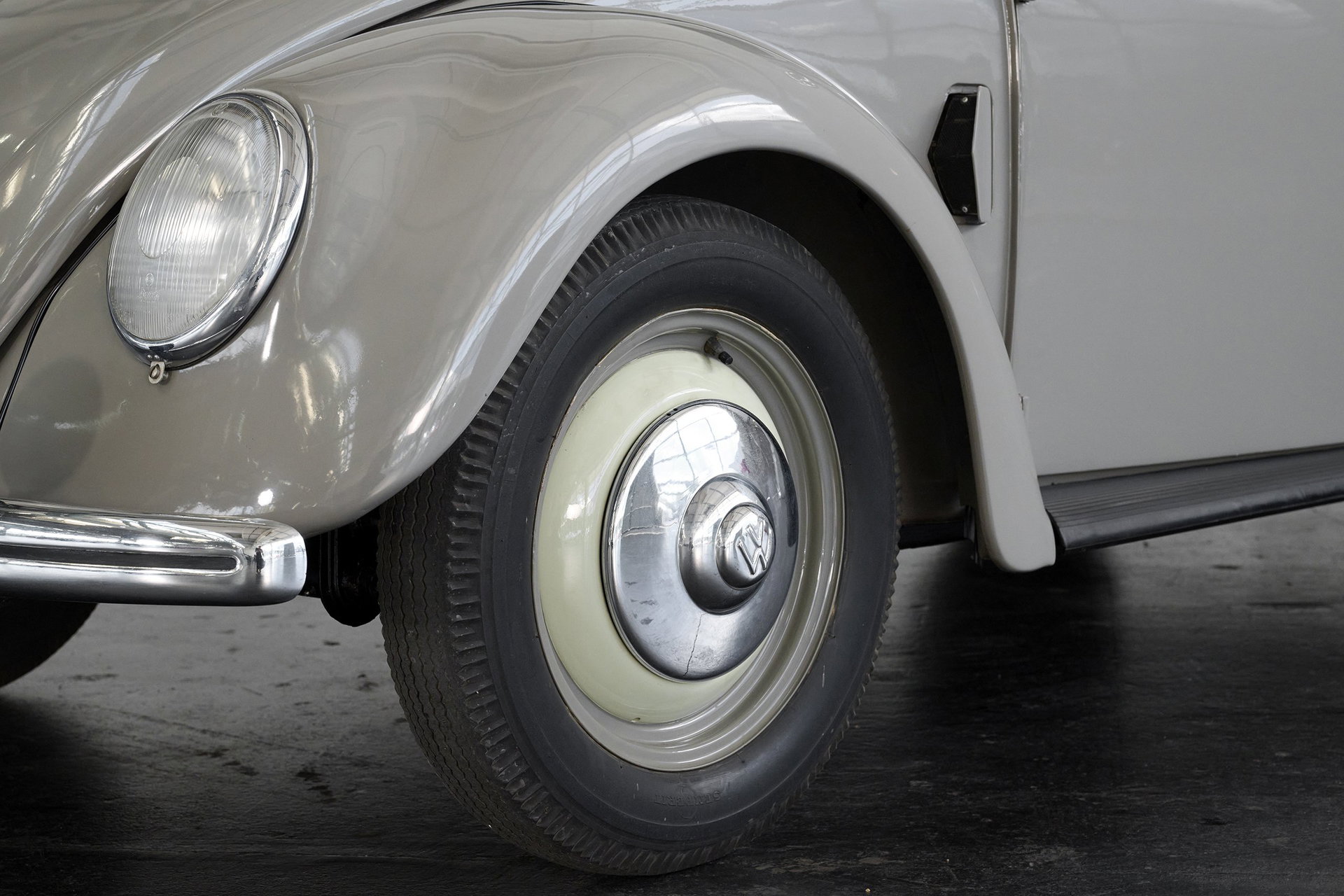
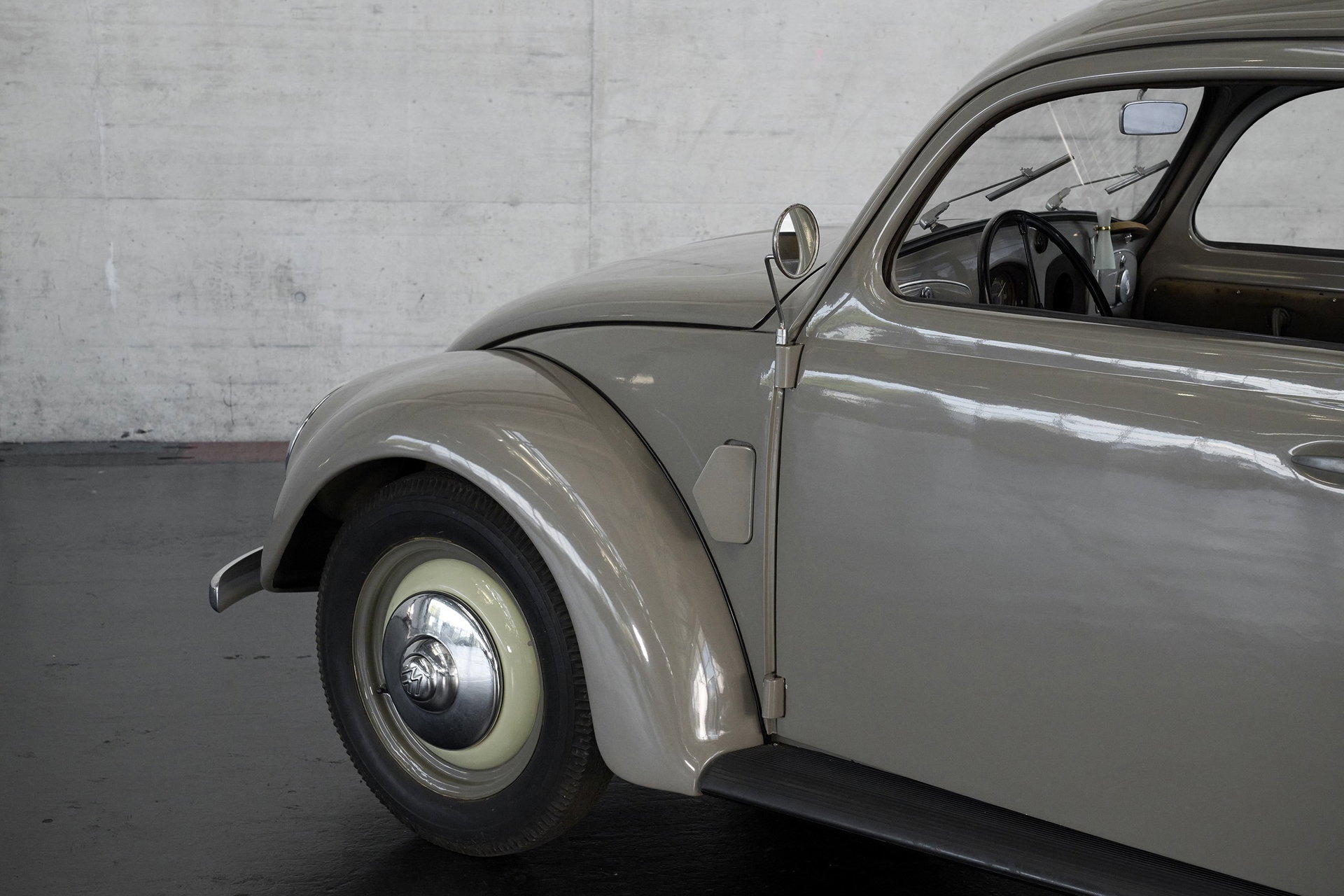
Externally, the Standard differed from the better-equipped Export model chiefly through its deliberate lack of decoration. Chrome was largely dispensed with and numerous fittings were simply painted. The austerity continued inside: basic trim, little embellishment and a dashboard whose modest number of instruments left few questions unanswered. Fresh air in 1951 came courtesy of the so-called “Rheumaklappe”, an opening flap beneath the windscreen. Climate control, Wolfsburg style – and considerably more effective than the heater was in winter. Even hydraulic brakes were still considered an unnecessary luxury on the Standard. Braking was by cables, technology that already sounded rather more pre-war than Wirtschaftswunder.
At the rear, an air-cooled 1.1-litre flat-four produced 25 hp. Great performance was naturally not to be expected, but that was hardly the point. The Volkswagen started reliably, used little petrol and carried four people and their luggage wherever they wanted to go. The original brief had demanded little more.
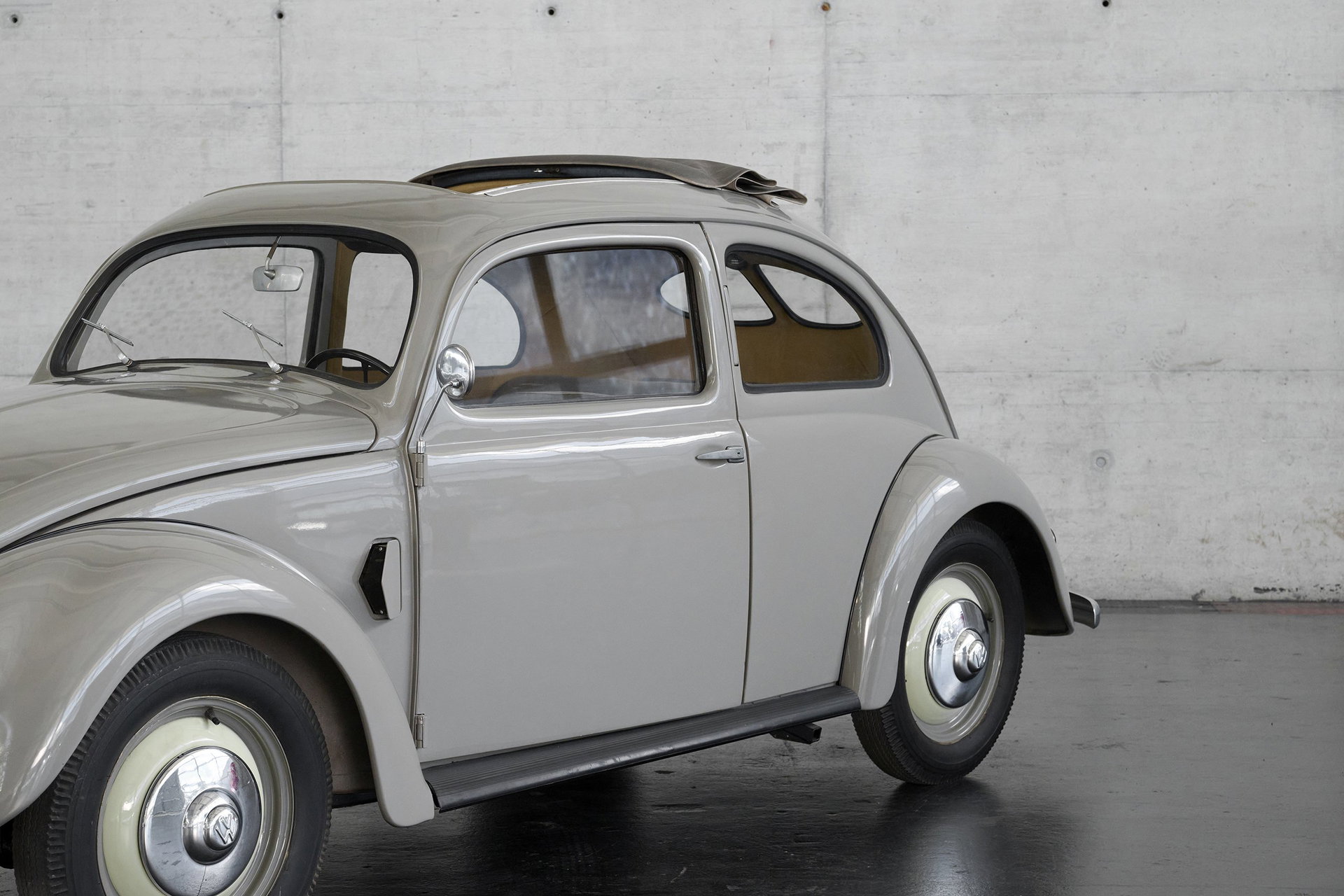
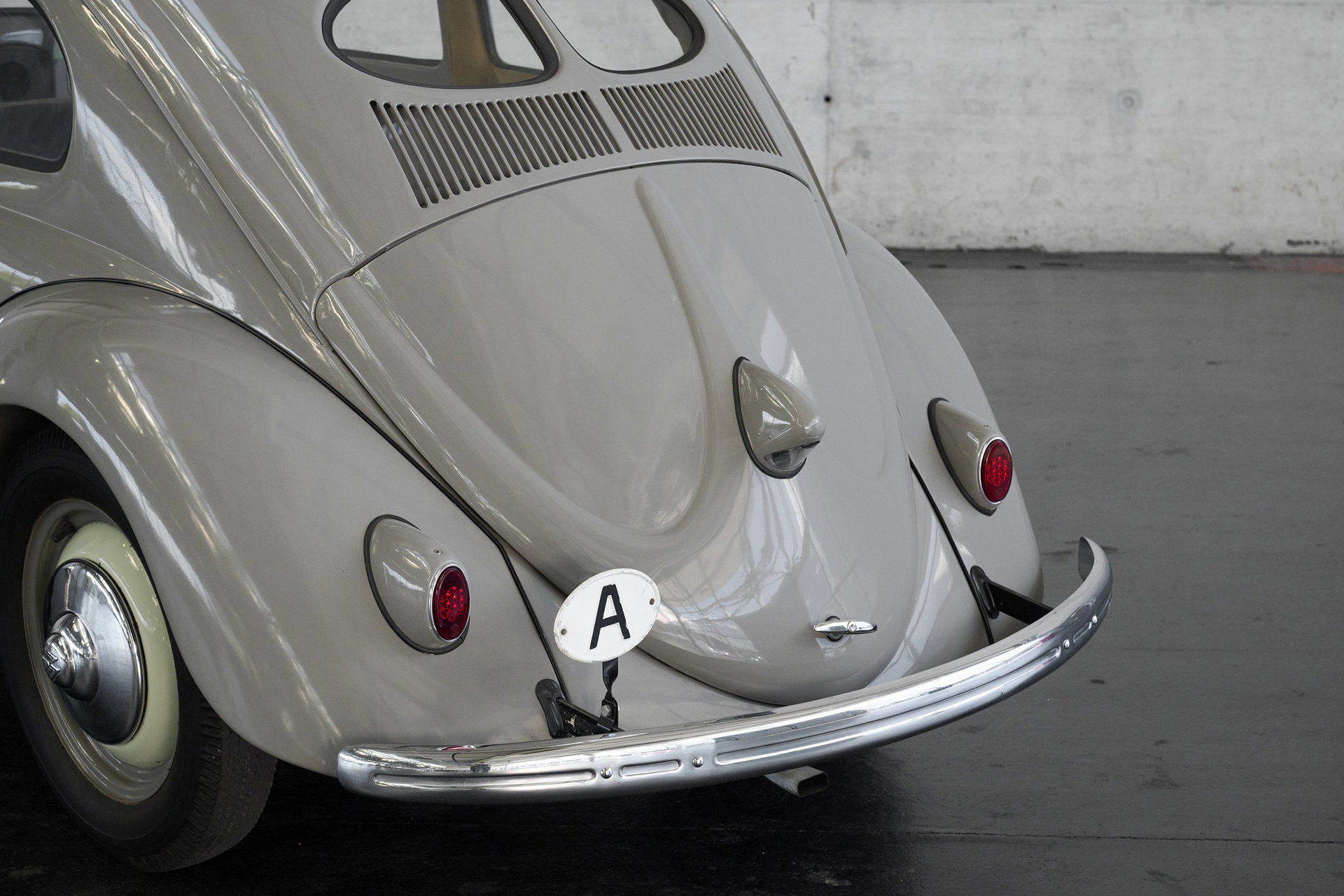
Alongside its split rear window, therein lies much of the appeal of an early Standard Beetle today. It shows just how modest personal mobility could still be in 1951. The Standard needed nothing more. After all, owning a car was luxury enough.
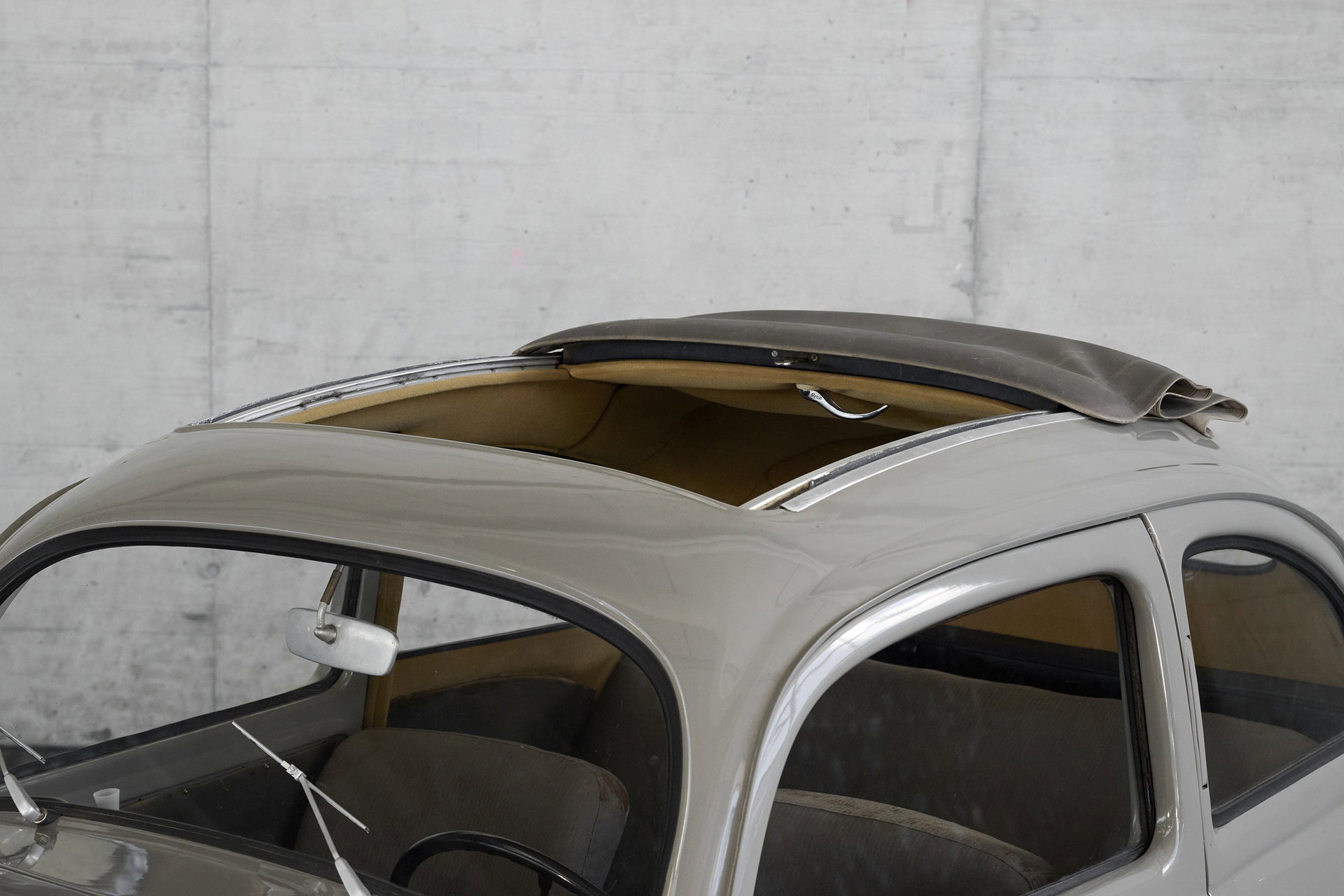
This 1951 Standard Beetle was brought across the River Inn to Upper Austria in 1960 by a leather worker from Mattighofen. To this day, he remains the only registered keeper recorded in the Austrian individual type approval issued at the time. The photograph in the document shows that the car had already acquired a little chrome from the Export version early in its life. Remarkably untouched, however, is the original cloth interior, which has survived to this day.
In 1963, the original engine gave up the ghost and was replaced by an identical unit – the very engine still fitted today. Naturally, the change was duly approved by the authorities in Upper Austria. In 1975, the same authority granted the Standard Volkswagen permission to continue stopping by means of its cable-operated brakes, despite the system having long since become outdated and no longer being permitted on new cars. A year later, however, the Volkswagen’s road-going career came to a stop anyway.
A few years later, it became the only non-BMW in a collection centred on the Bavarian marque. It was kept running throughout the following decades but never registered for the road again. The engineering is simple, and even today it runs remarkably well. A sympathetic mechanical inspection before returning it to regular use would nevertheless be advisable.
As a wonderful witness to Germany’s post-war economic rise, this Volkswagen fascinates through its combination of charming preservation and unique history. Being a Standard Beetle with a split rear window makes it not only more endearing, but considerably rarer as well.
Vergelijkbare oudjes
 1951 Volkswagen Beetle Split Window€ 25.0001951 · Córdoba, Capital Department, AR · Car & Classic
 1951 Volkswagen Beetle Split Window (1938 - 1953) Saloon€ 39.9001951 · 62.000 km · Viborg, Denemarken · Car & Classic
VW Käfer Brezel Brezelkäfer Standart 1951 Oldtimer Breze SplitPrijs op aanvraag1951 · 1.000.000 km · Sulzbach-Rosenberg, Bayern, Duitsland · Kleinanzeigen
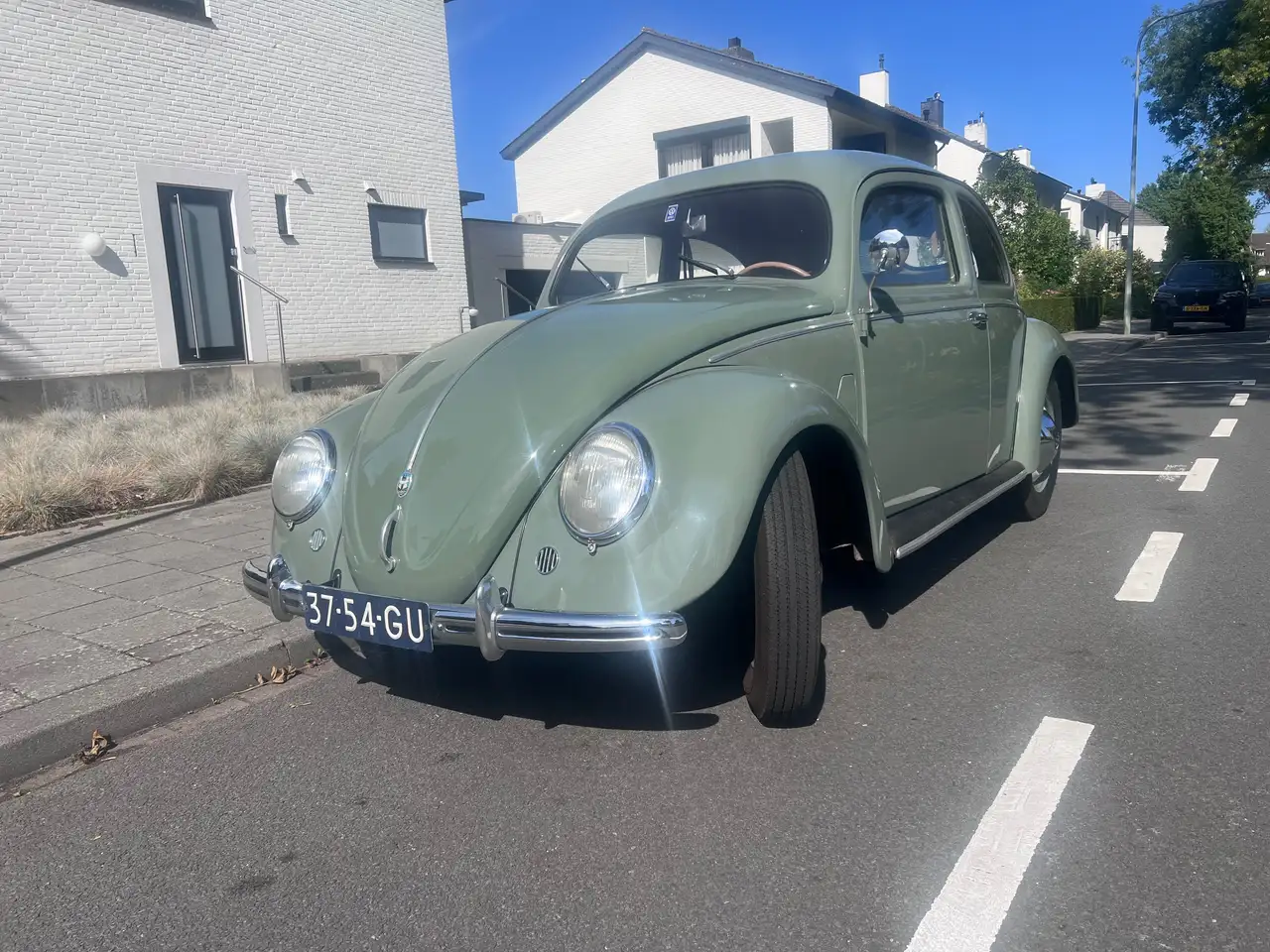 Volkswagen Kever "Brilkever"€ 47.5001951 · 29.614 km · Maastricht, Nederland · AutoScout24
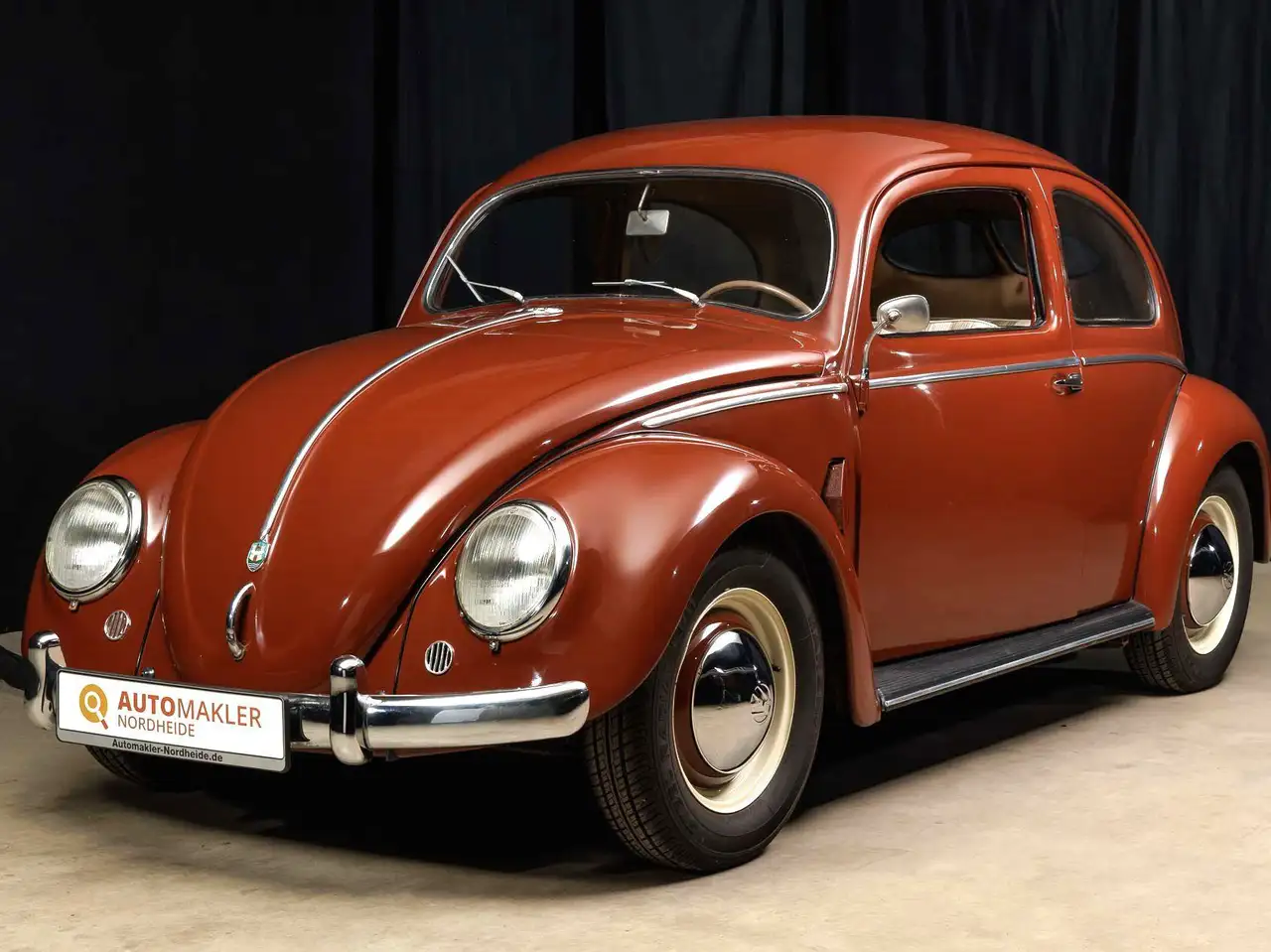 Volkswagen Käfer inkl. dem original 24,5 PS-Motor€ 32.9001951 · 1.184 km · Heidenau, Duitsland · AutoScout24
 1950 Volkswagen Beetle Split Window€ 44.8001950 · 100 km · Seville, Spanje · Car & Classic
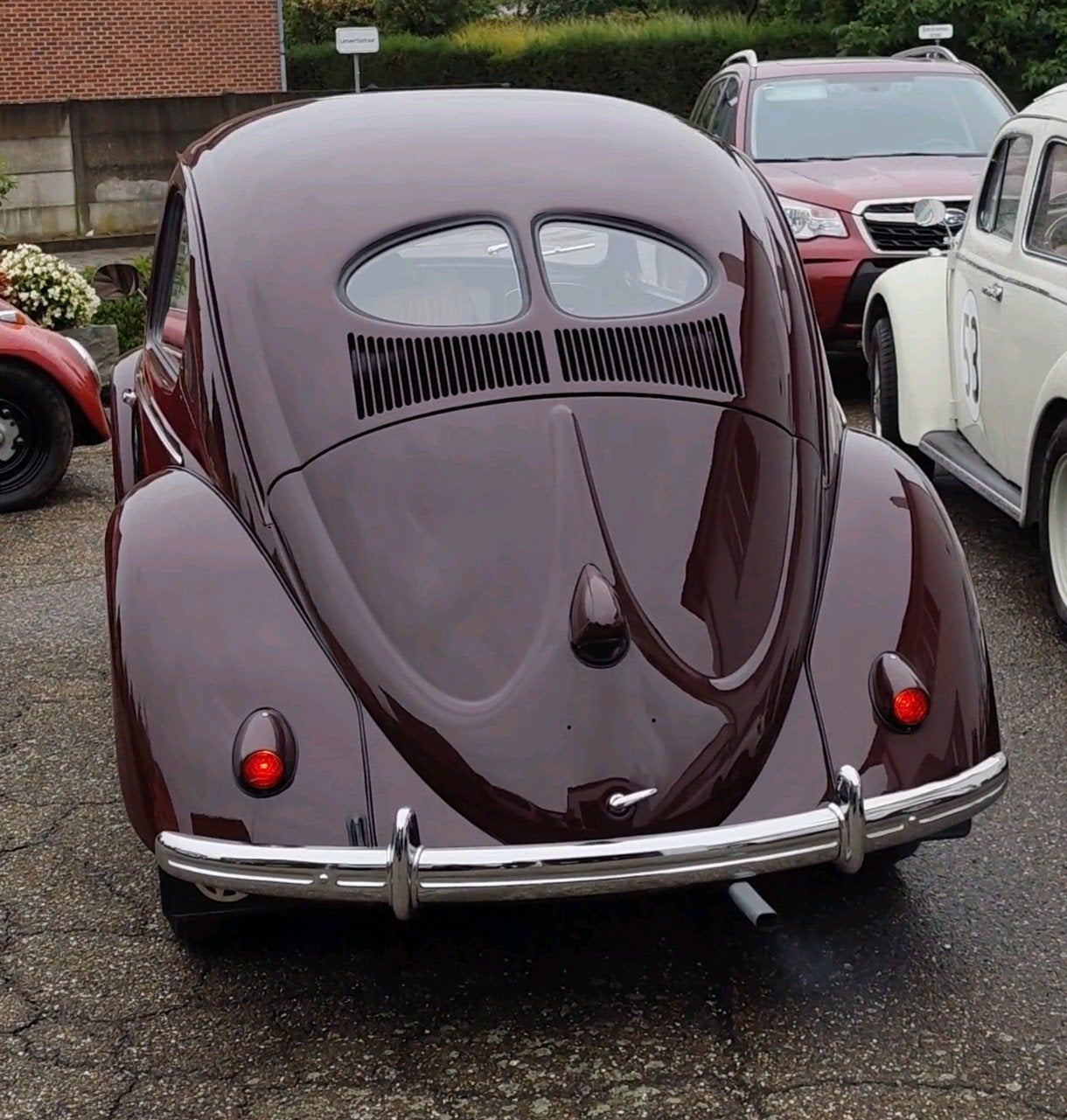 vw bril kever 1952€ 55.0001952 · Heers, België · 2dehands
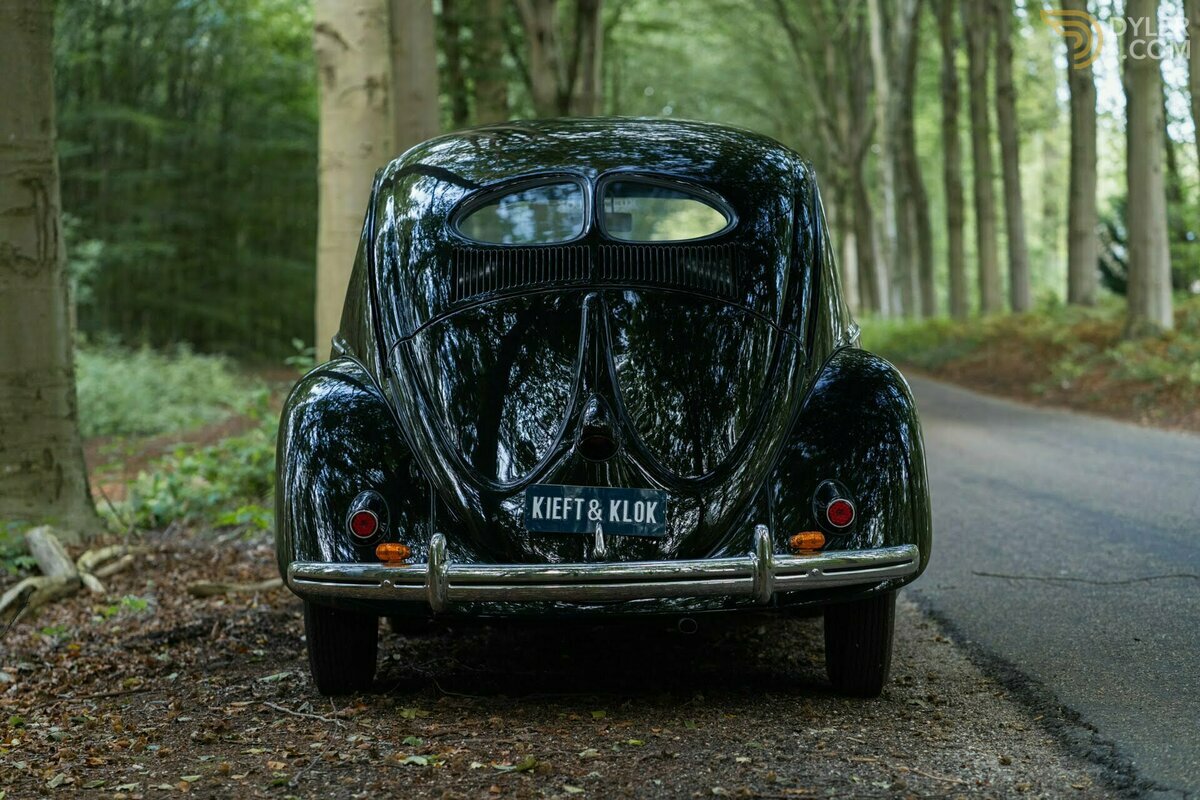 1950 Volkswagen Beetle Splitscreen€ 49.5001950 · 125 km · Reijmerweg, Nederland · Dyler
Wat doet een Volkswagen Kever op de markt? Bekijk de marktwaarde →