1961 Land Rover Series 1 - 3 - 88 Serie II
1961 · Salzburg, Oostenrijk · via Classic Driver
Veiling sluit 18 oktober 2026, 01:59
Bekijk op Classic Driver → Open in de app
Gegevens
| Merk | Land Rover |
|---|---|
| Model | Series I 3 |
| Bouwjaar | 1961 |
| Carrosserie | Terreinwagen |
| Stuur | Links |
| Locatie | Salzburg, Oostenrijk |
| Verkoper | Humer, Granner & Co GmbH (veiling) |
| Bron | Classic Driver |
| auction | https://www.classicdriver.com/en/auction/humer-granner-co-gmbh-classic-car-auction-17102026 |
| Op Oudjes.xyz sinds | 5 oktober 2026 |
| Laatst gezien | 7 oktober 2026, 06:17 |
Beschrijving
Off-roader with character to spare
Short-wheelbase, left-hand-drive export model
Restored to a high standard and tastefully individualised
A workhorse with effortless style
Former Swiss Army vehicle
The Land Rover Series II was introduced in 1958 as the successor to the Series I and continued the company’s successful off-road formula with suitably cautious evolution. Its most obvious change was a more modern body, slightly wider and fuller in appearance than that of its predecessor, while numerous technical improvements were made beneath the skin. Alongside the 109-inch model, Land Rover continued to offer the shorter 88-inch wheelbase version, whose compact dimensions and manoeuvrability made it particularly adept away from paved roads.
The Series II was initially available with the familiar 2.0-litre petrol engine, joined in 1958 by the 2.25-litre petrol unit that would become one of the defining engines of the model. Diesel versions followed as well. The rugged basic construction remained faithful to the original concept: ladder-frame chassis, live axles, leaf springs and selectable four-wheel drive. Nothing unnecessarily sophisticated, and precious little to go wrong.
In 1961, the Series II gave way to the Series IIA. Outwardly there was little to distinguish the newcomer, although numerous technical details had been improved. The ‘88’ designation simply referred to its 88-inch, or approximately 2.24-metre, wheelbase and identified the short version of the Land Rover.
Chassis number 144104440 is a late Series II from the 1961 model year, placing it at an interesting point in Land Rover history. The further-developed Series IIA followed in September 1961, making this particular example one of the later Series II vehicles, built shortly before the transition to its successor.
Its British Motor Industry Heritage Trust Certificate confirms a production date of 15 June 1961. Barely a month later, on 20 July, the 88-inch Land Rover was delivered to the Swiss Army. Its chassis number identifies it as a Series II export model with the 2¼-litre petrol engine, 88-inch wheelbase and left-hand drive.
Its journey to Germany is documented by a customs clearance certificate issued by the Hauptzollamt Waldshut in June 1996 following its import from Switzerland. From 1997, the Land Rover was registered in Germany, initially in the Aschaffenburg area. The next documented change of ownership took place in 2017, when it moved to Großostheim, before being registered as a historic vehicle in 2018. It was deregistered in Germany in 2022 and subsequently found a new home in Austria. In 2024, the Salzburg provincial authorities granted it individual type approval.
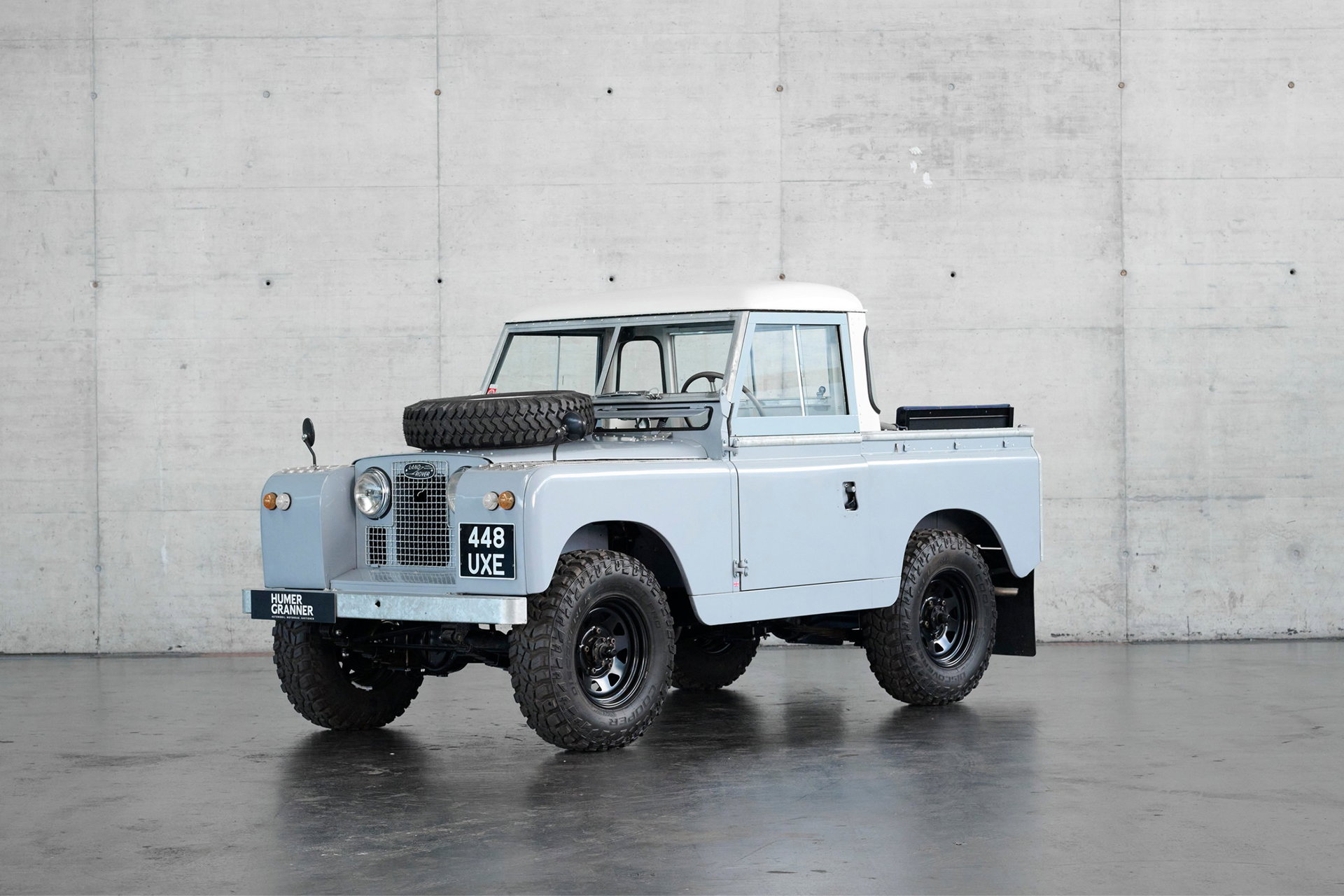
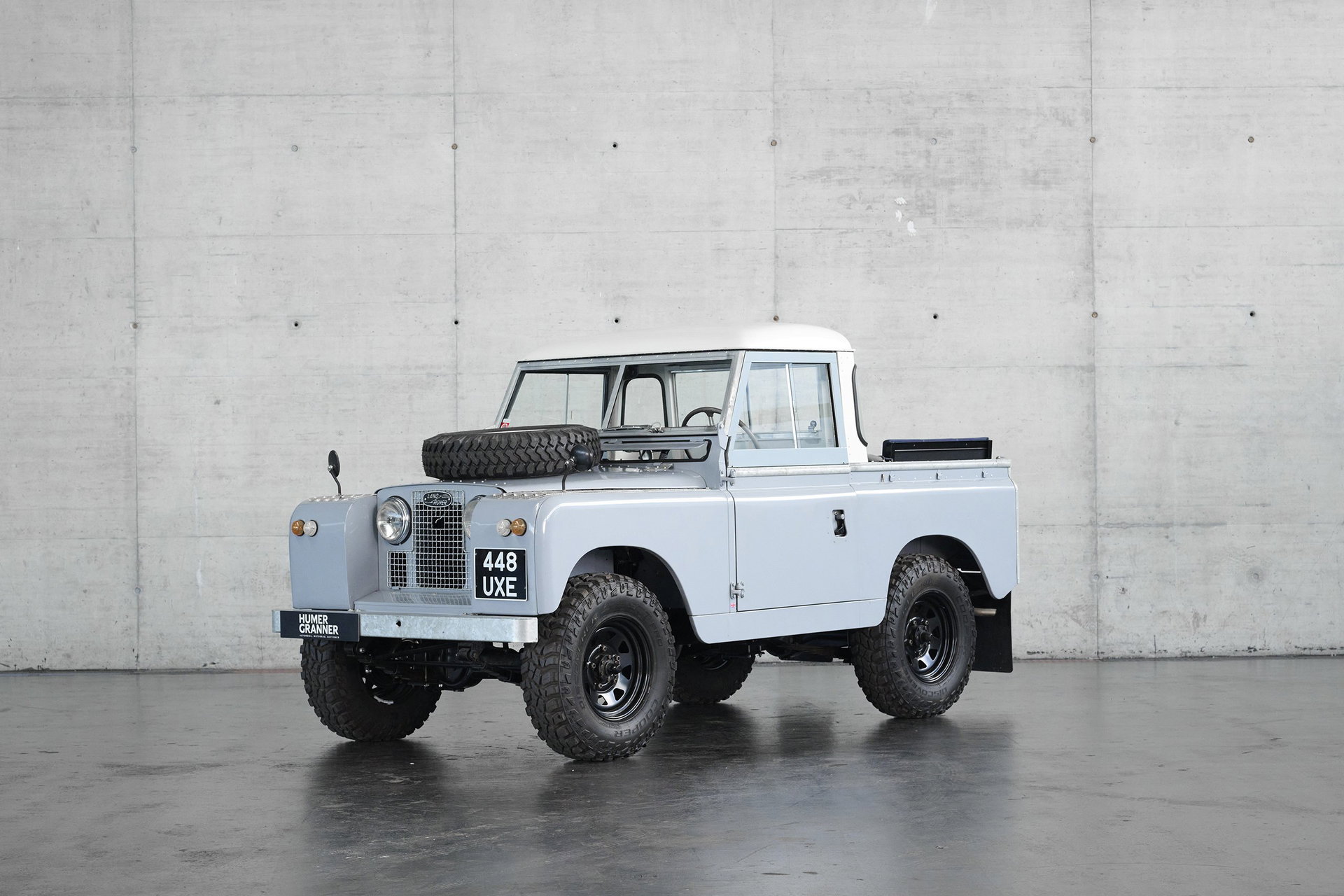
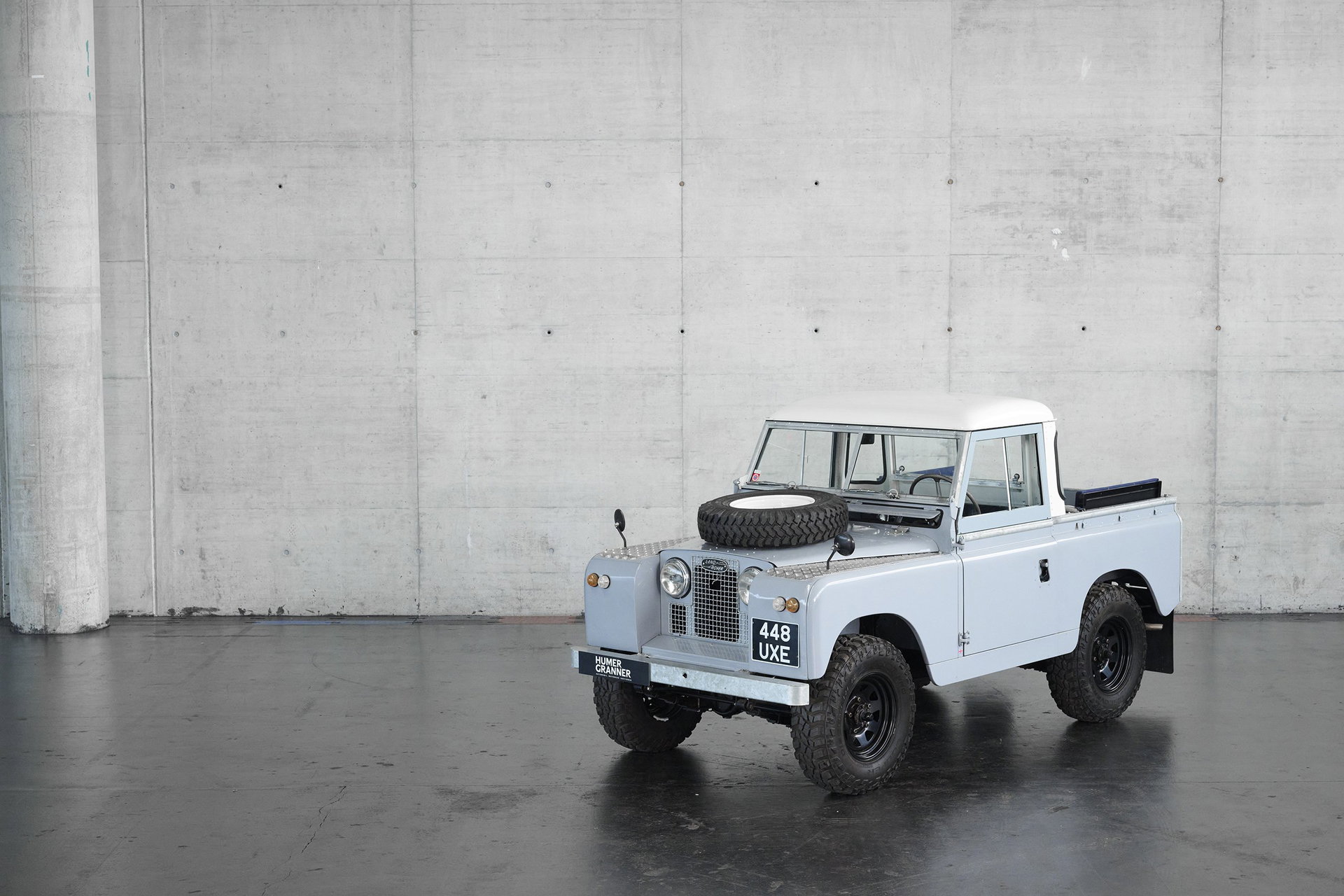
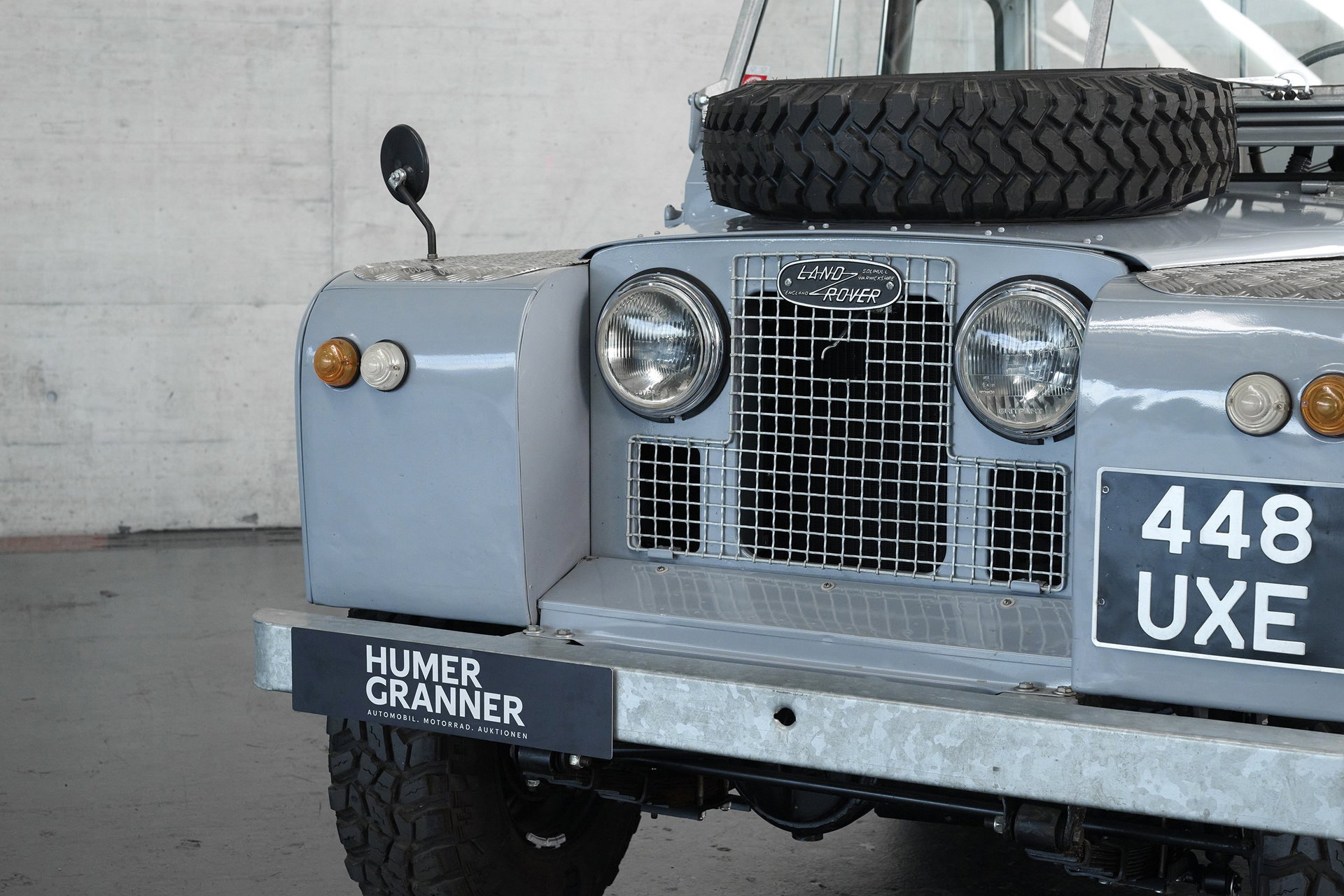
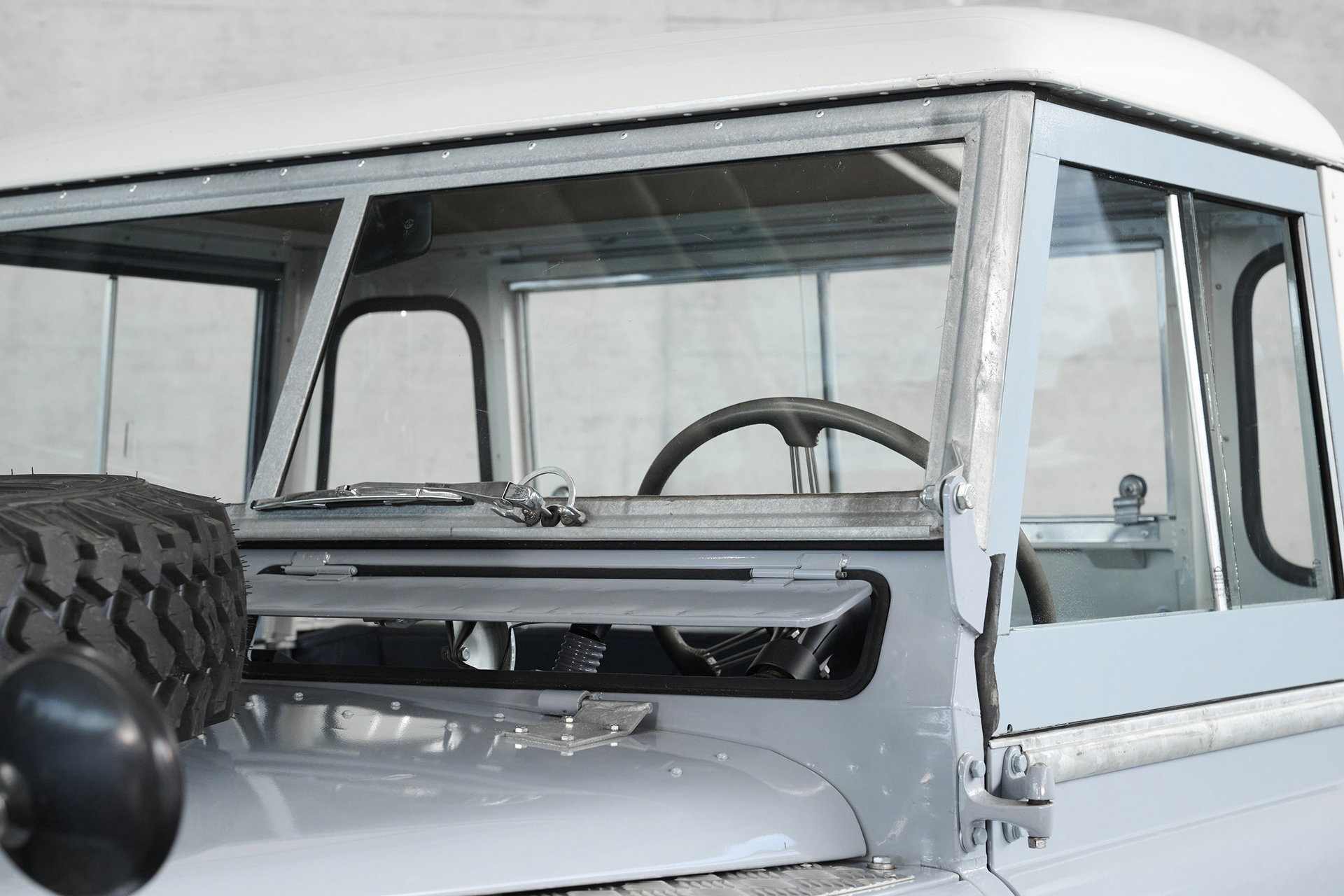
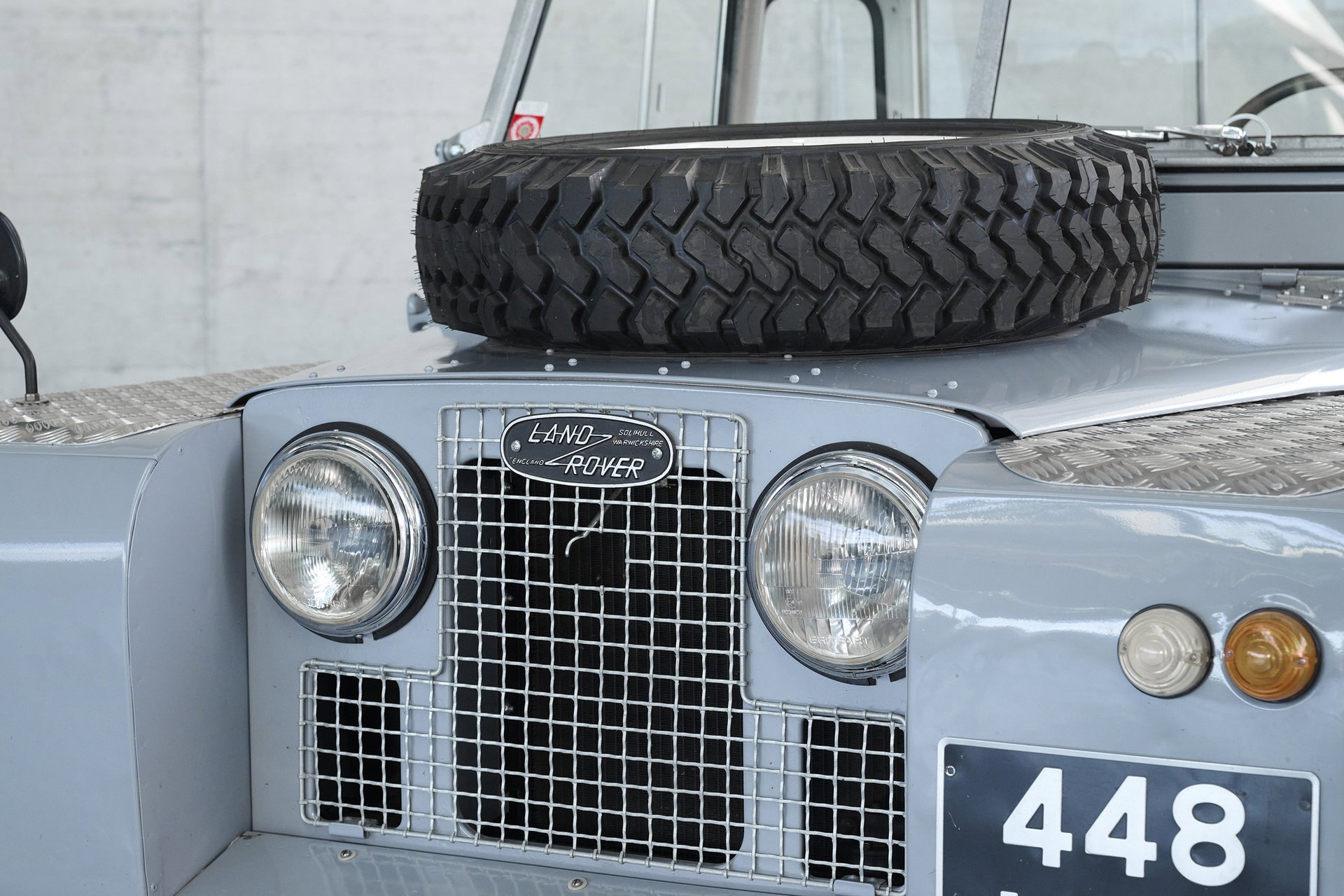
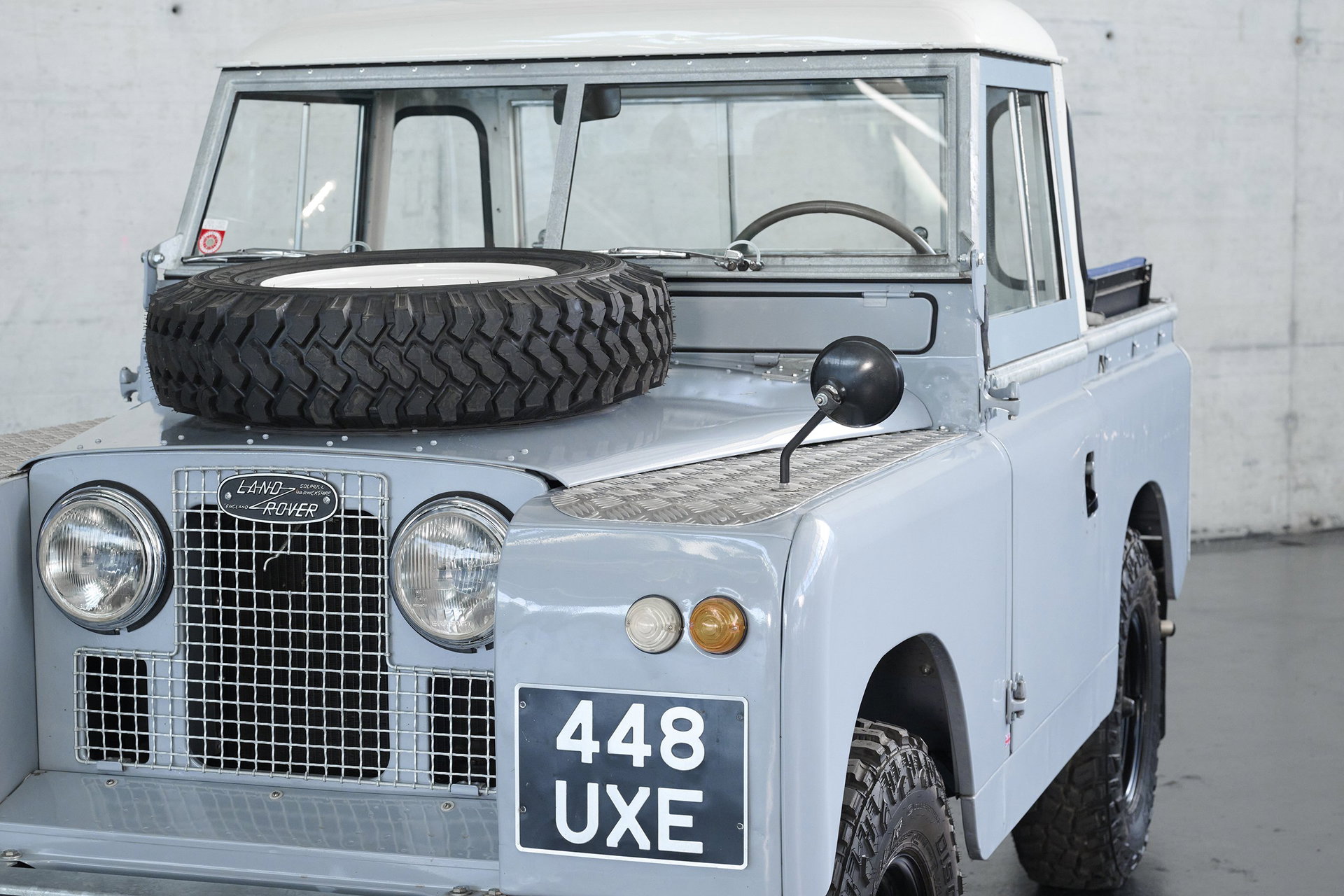
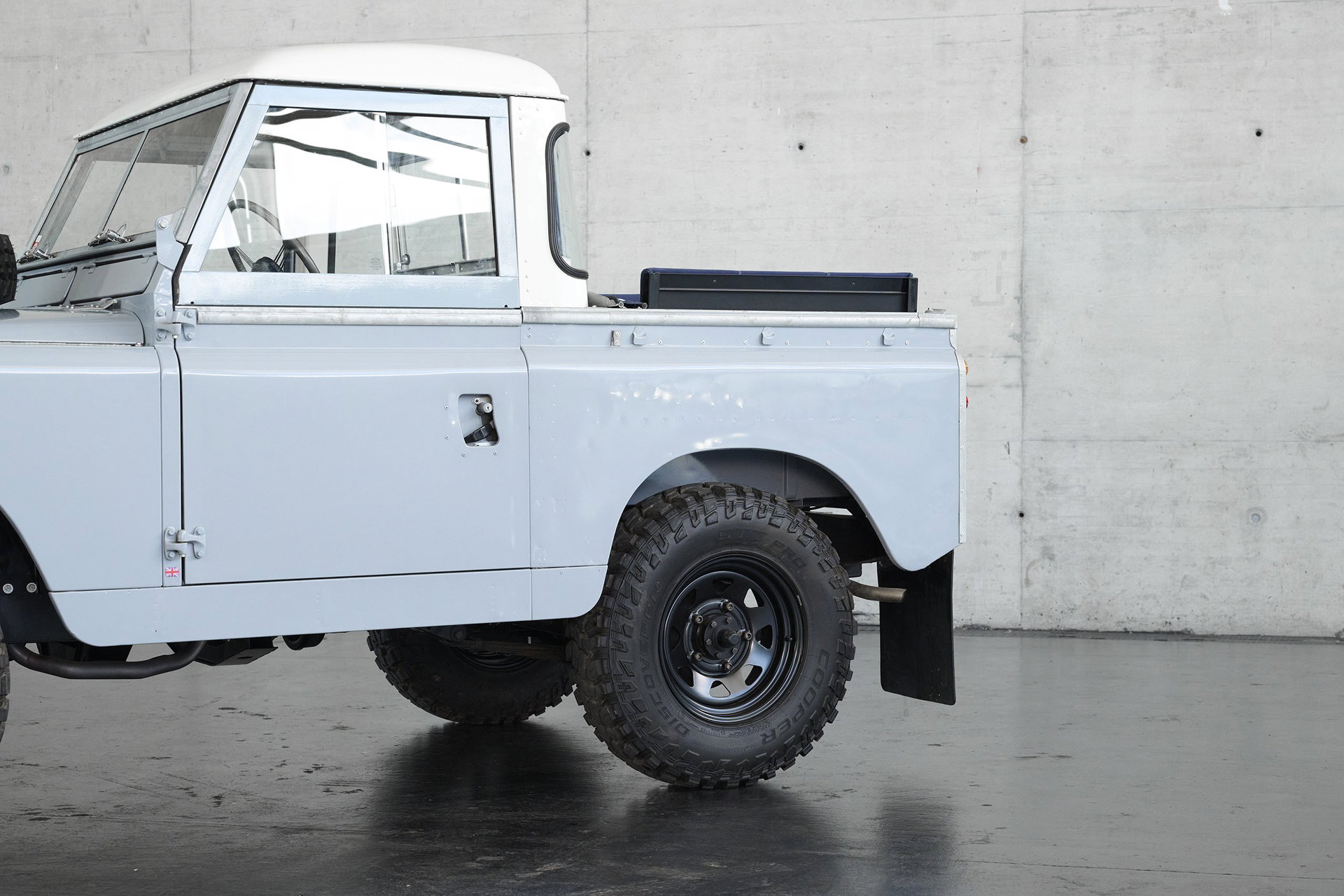
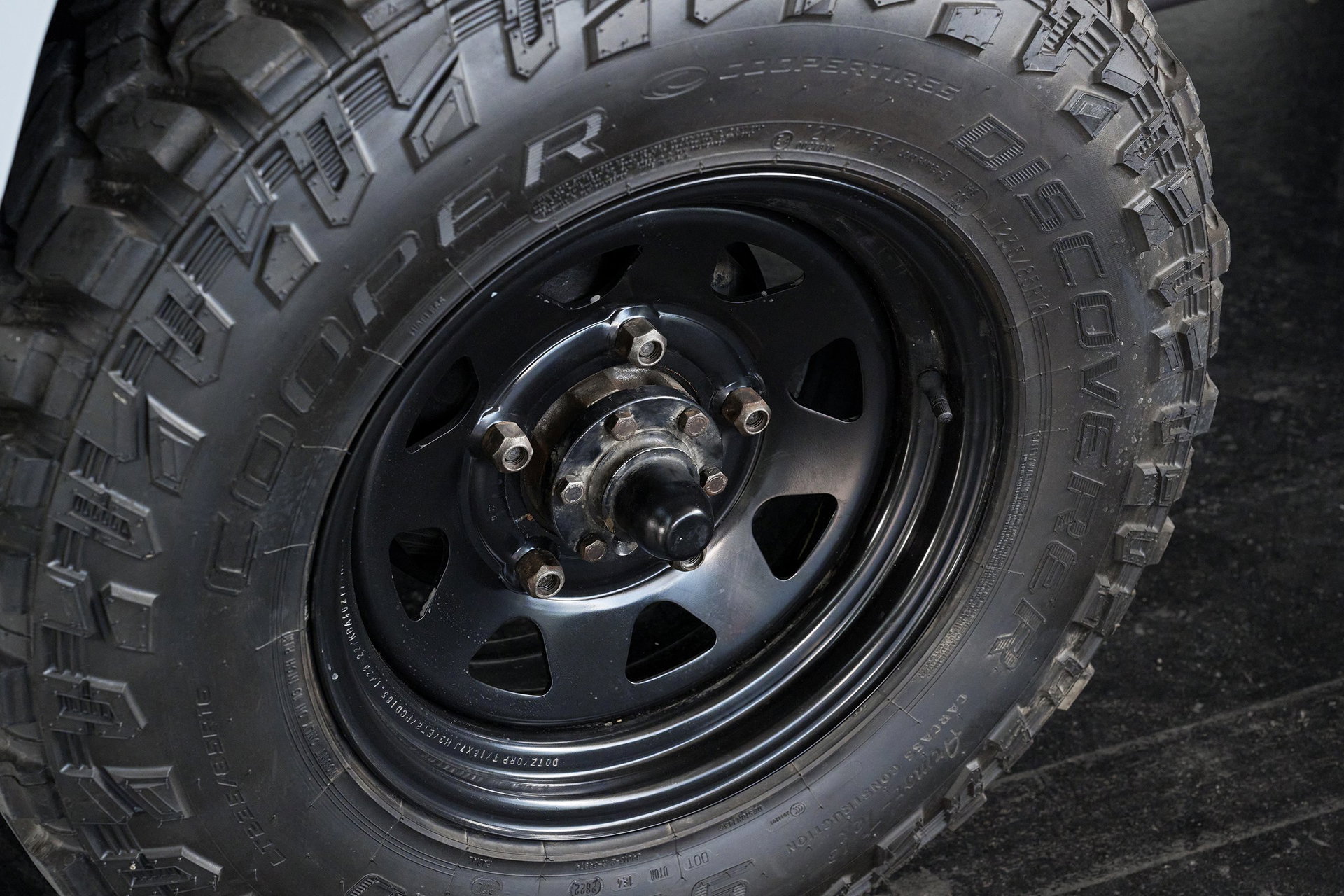
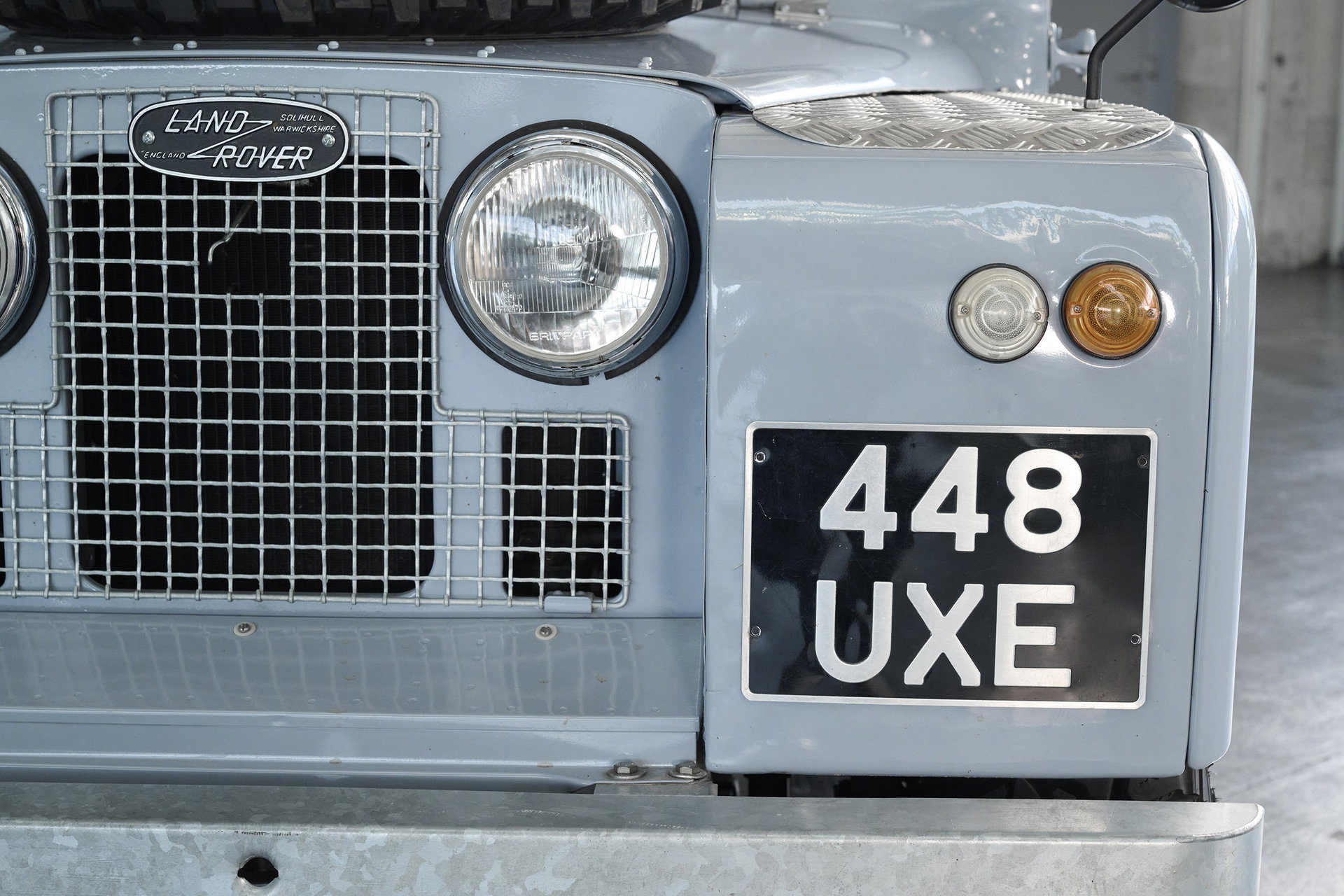
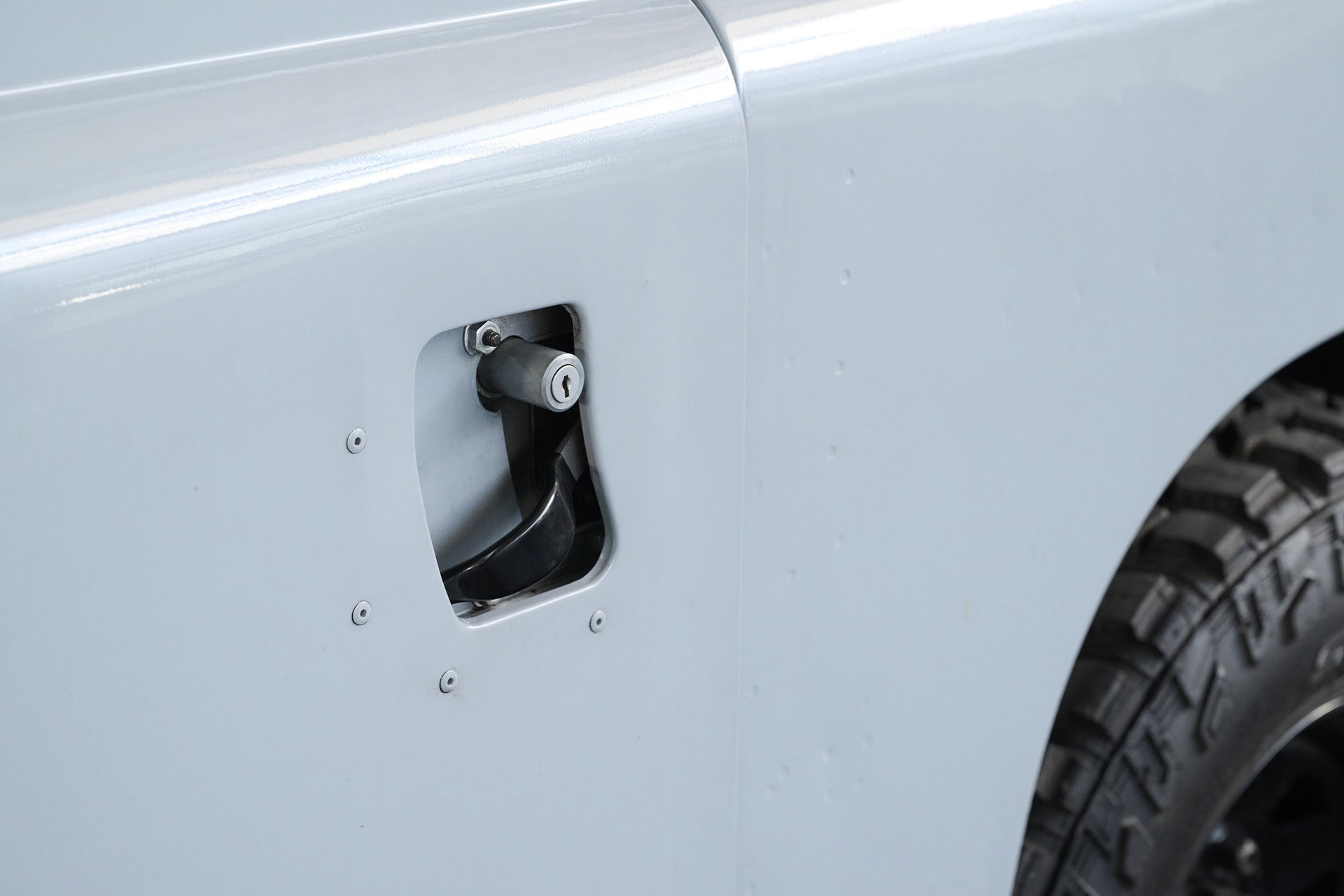
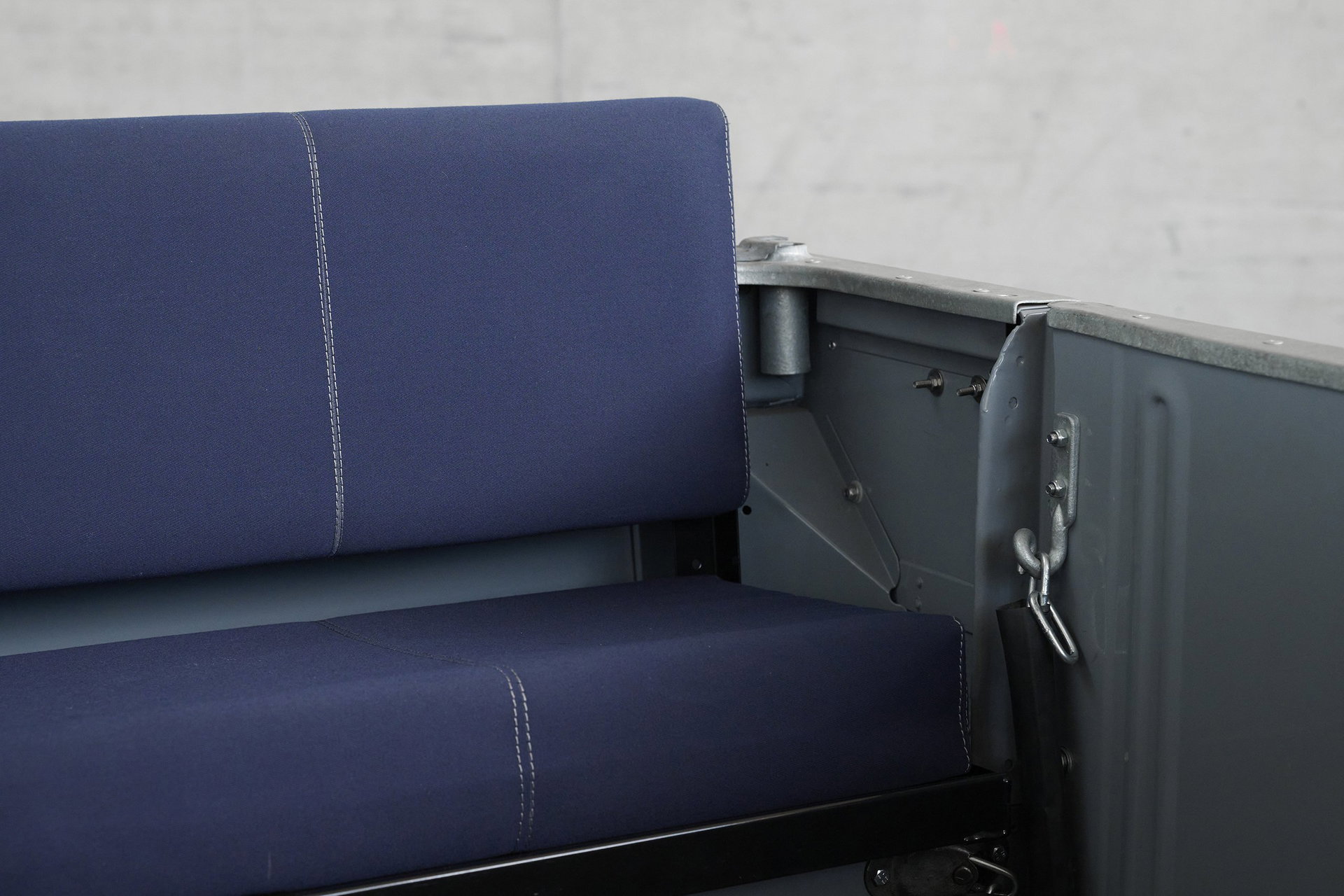
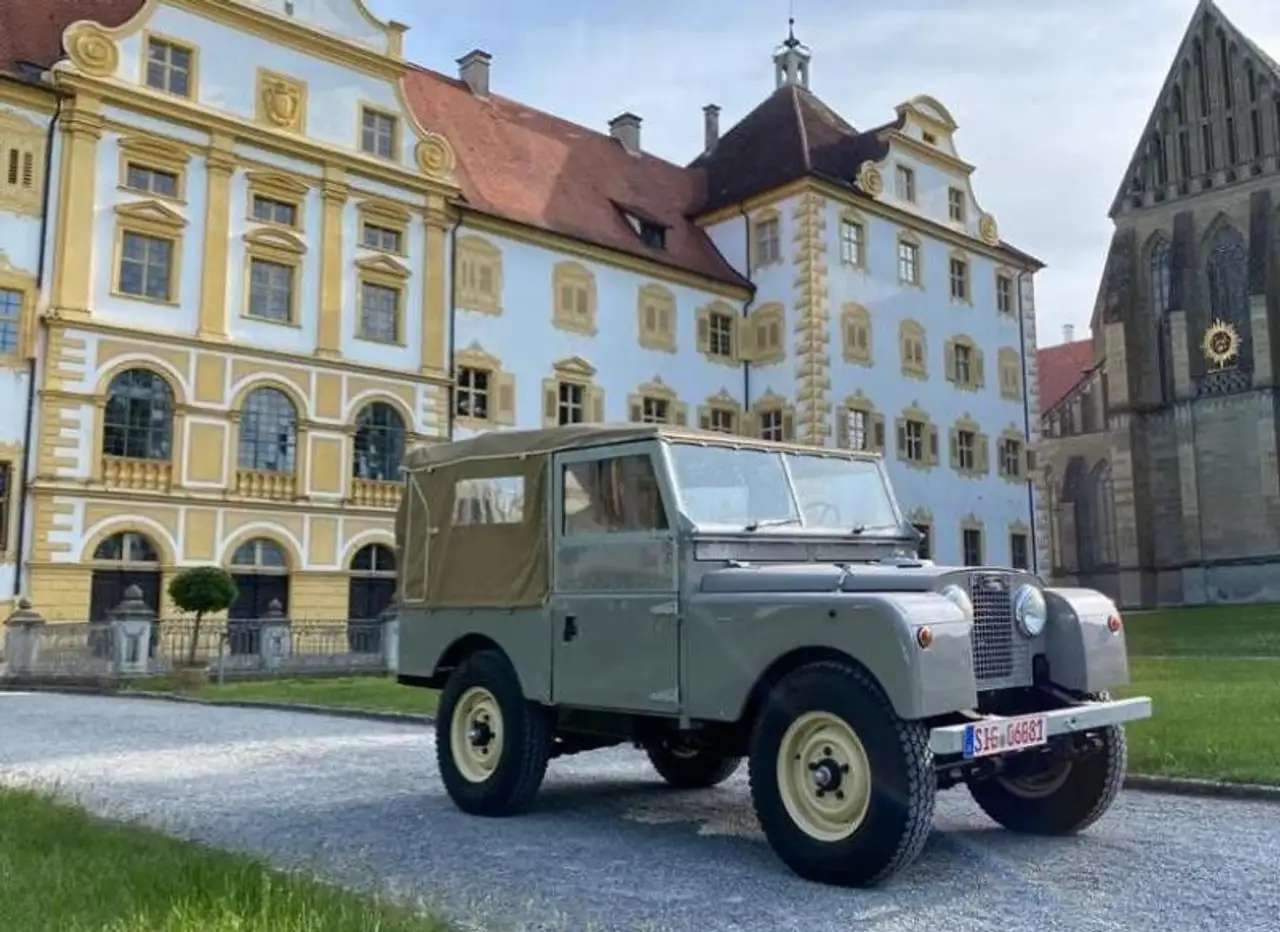
Today, the Land Rover presents in impressive, comprehensively restored condition. The work appears to have been extensive, with scarcely an area left untouched. Particularly noticeable is the interior, which has been considerably upgraded from the original, strictly utilitarian specification. A pick-up hardtop and a minimalist ‘bikini’ top also provide two distinctly different configurations.
The result combines the original functionality of a rugged military workhorse with the appeal of a thoughtfully individualised classic. It has retained plenty of its authentic character, but now carries it with rather more style. Still a workhorse, perhaps. Just no longer dressed for work.
Vergelijkbare oudjes
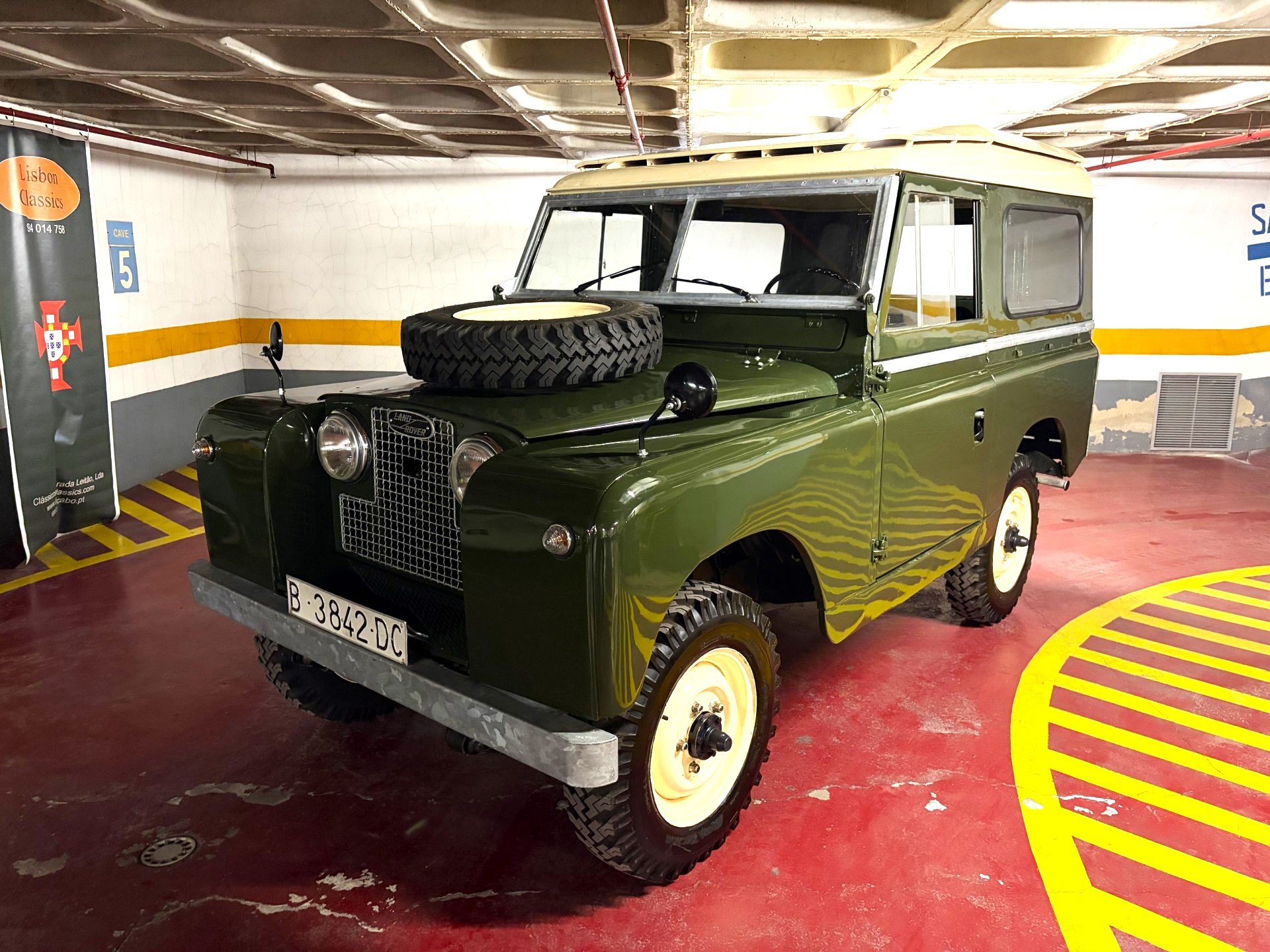 1961 Land Rover Series 1 - 3 - Series II 88 Santana€ 28.0001961 · 53.000 km · Lisboa, Portugal · Classic Driver
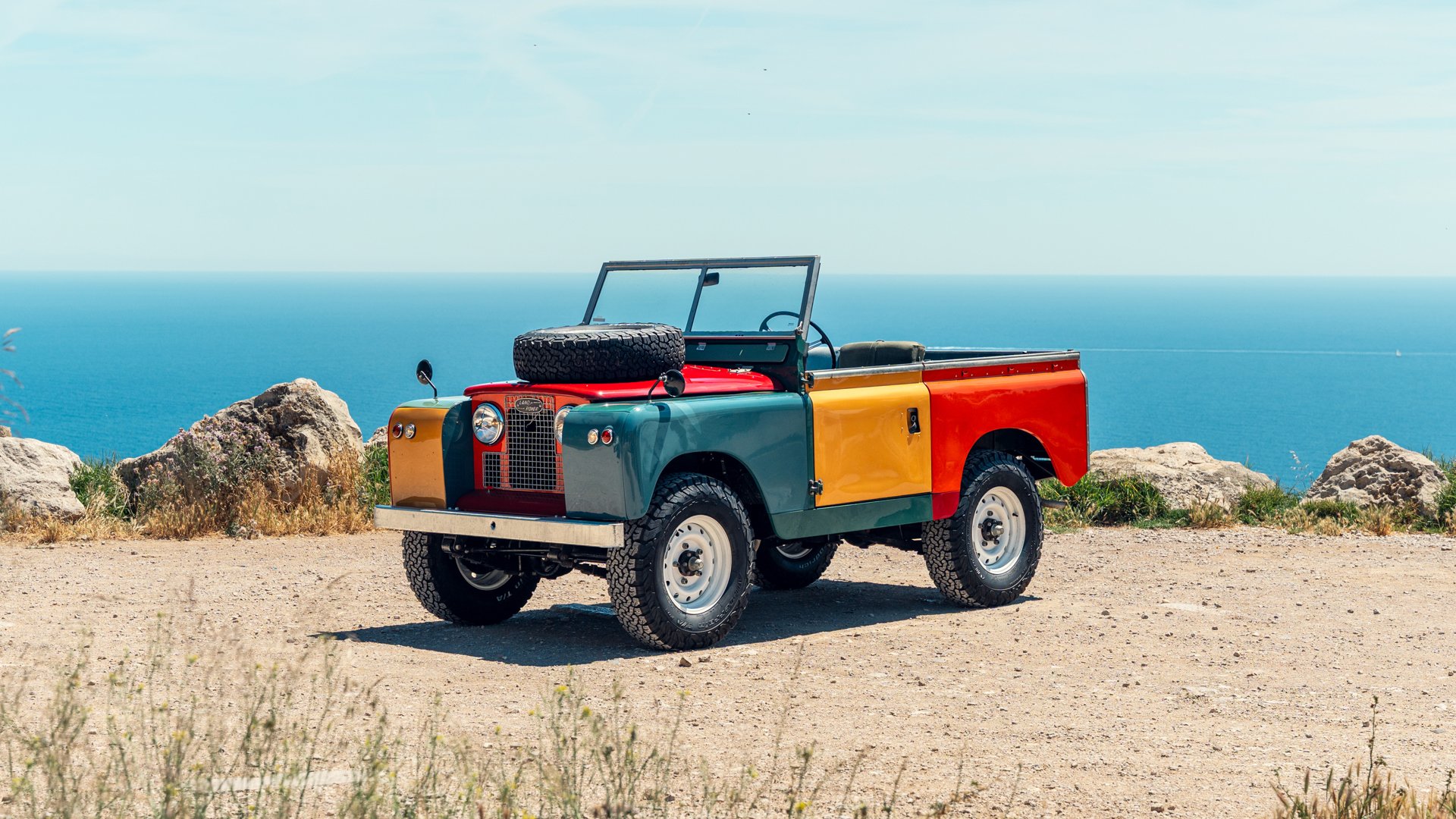 1959 Land Rover Series 1 - 3 - Series II 'Art Car'Richtprijs £ 60.000 (≈ € 70.688)1959 · London, Verenigd Koninkrijk · Classic Driver
 1958 Land Rover Series 1£ 26.500 (≈ € 31.221)1958 · 54.219 km · The Ward, Ierland · Car & Classic
 1958 Land Rover Series 1£ 25.000 (≈ € 29.453)1958 · 130.357 km · Glanvilles Wootton, Dorset, Verenigd Koninkrijk · Car & Classic
 1958 Land Rover Series 1£ 37.990 (≈ € 44.757)1958 · 32.898 km · Harrogate, Yorkshire, Verenigd Koninkrijk · Car & Classic
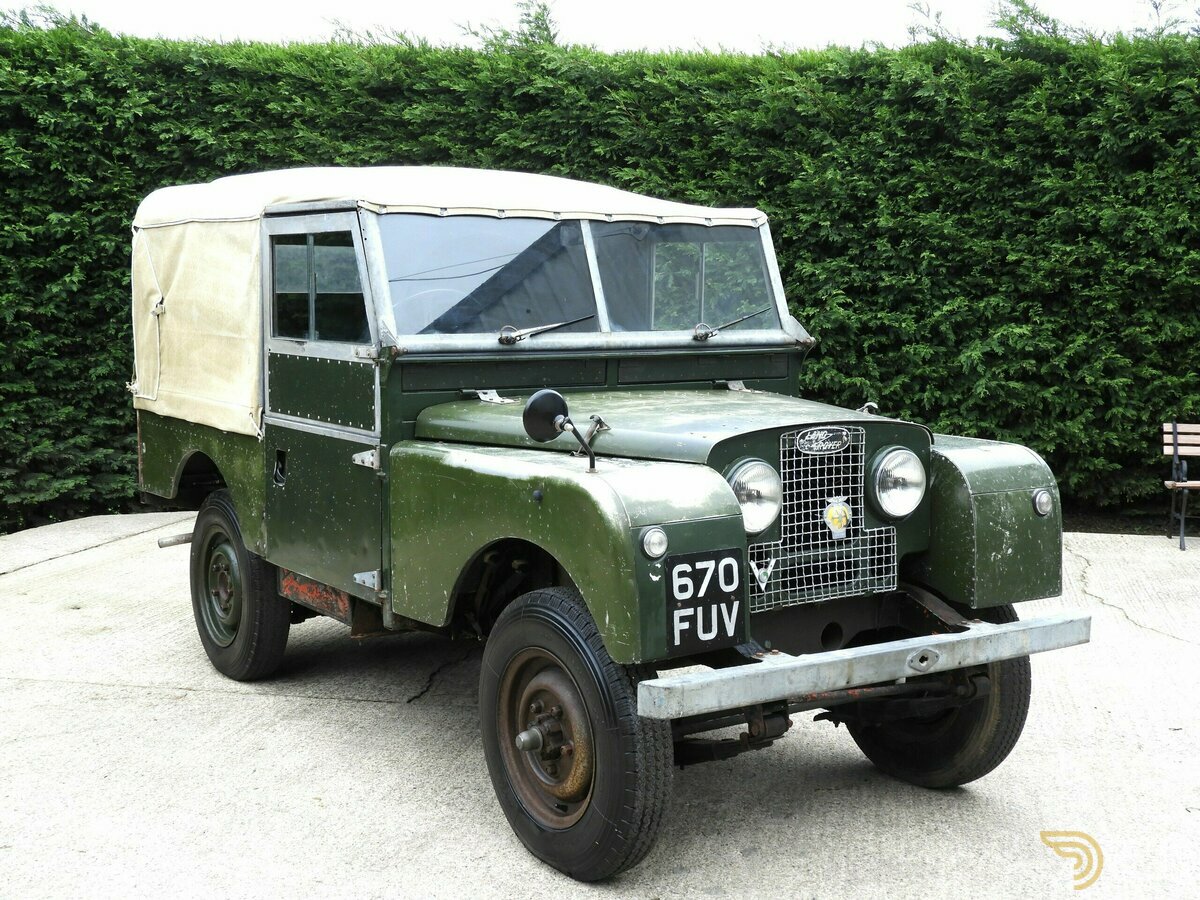 1958 Land Rover 88 88 RARE 4X2 EX MILITARY€ 34.0261958 · 78.858 km · Congleton, Verenigd Koninkrijk · Dyler
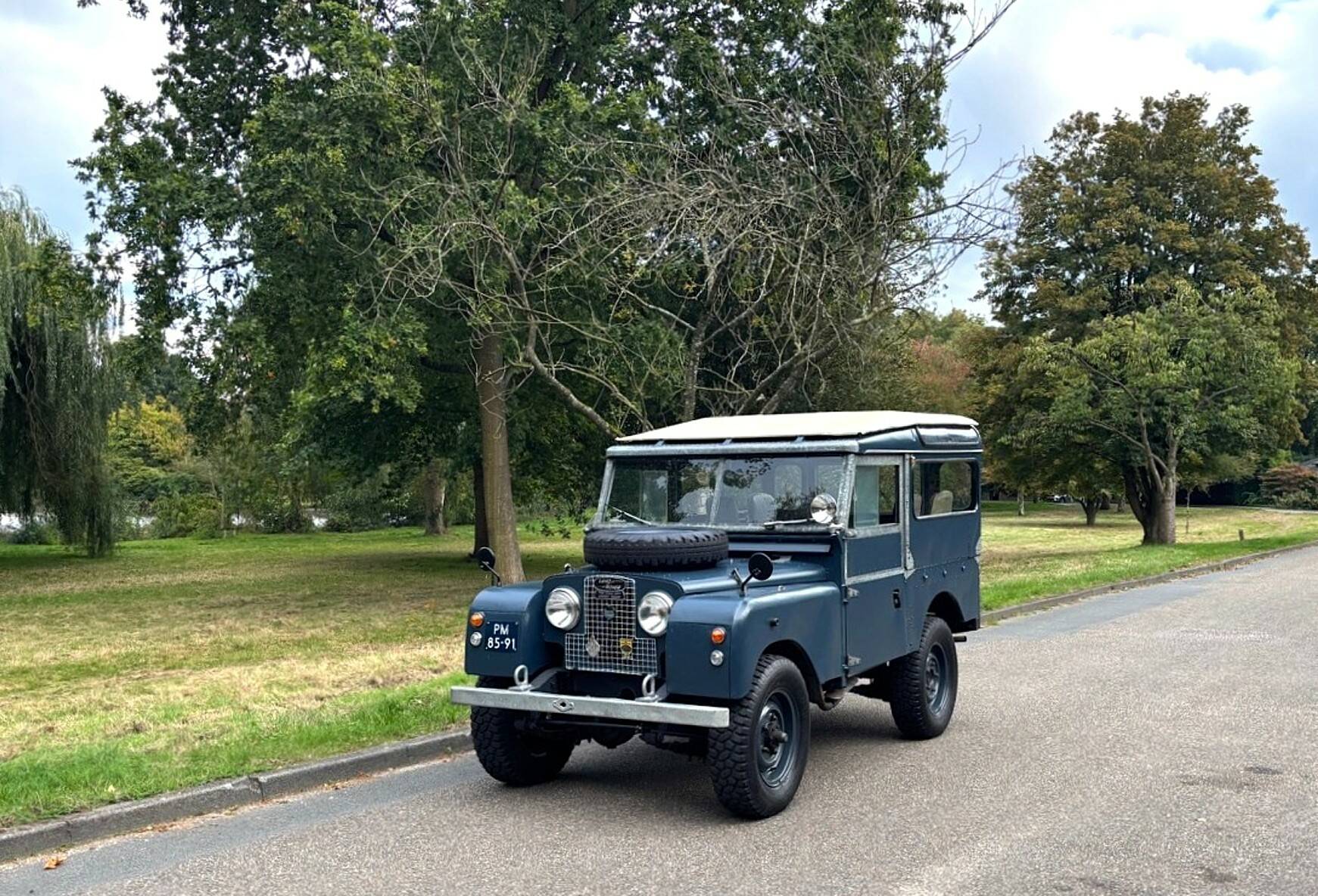 1958 Land Rover 88€ 34.7501958 · 31.077 km · Naarden, Nederland · Classic Trader
 Land Rover Series 88 V8€ 140.0001958 · 40.500 km · Beuron-Neidingen, Duitsland · AutoScout24
Wat doet een Land Rover Series I op de markt? Bekijk de marktwaarde →