1962 Facel Vega Facel II - Facel II
1962 · Salzburg, Oostenrijk · via Classic Driver
Veiling sluit 18 oktober 2026, 01:59
Bekijk op Classic Driver → Open in de app
Gegevens
| Merk | Facel Vega |
|---|---|
| Model | Facel II Facel II |
| Bouwjaar | 1962 |
| Stuur | Links |
| Locatie | Salzburg, Oostenrijk |
| Verkoper | Humer, Granner & Co GmbH (veiling) |
| Bron | Classic Driver |
| auction | https://www.classicdriver.com/en/auction/humer-granner-co-gmbh-classic-car-auction-17102026 |
| Op Oudjes.xyz sinds | 5 oktober 2026 |
| Laatst gezien | 9 oktober 2026, 06:15 |
Beschrijving
One of only 184 Facel IIs built
With its current owners for 33 years
Only four owners and a documented 99,000 kilometres
Preserved in exceptional original condition
French avant-garde at its most beautiful
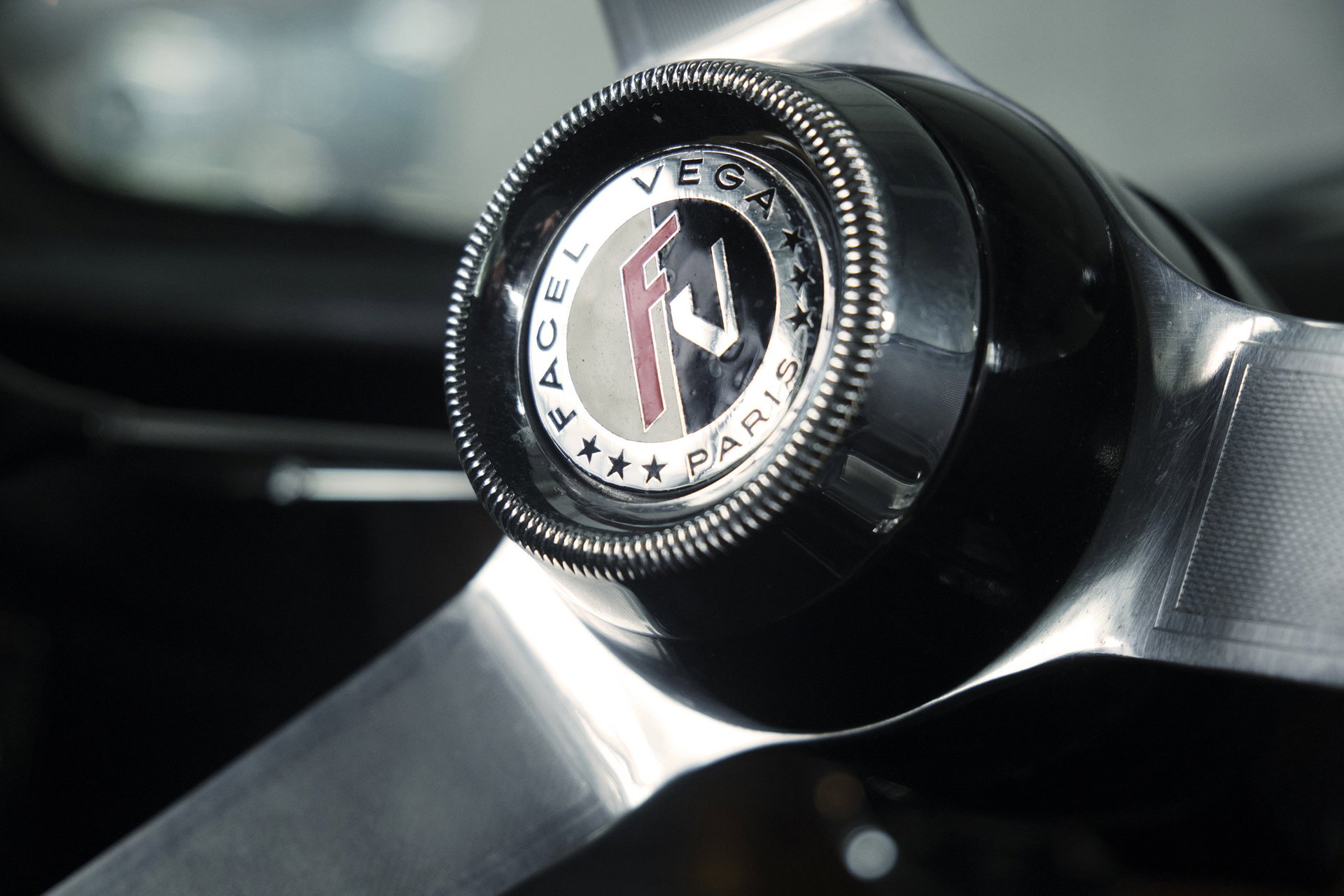
Born in Paris in 1906, engineer Jean Daninos began his career at Citroën, where he was involved, among other things, in the development of the Traction Avant. Following a spell in the aviation industry, he founded the Forges et Ateliers de Construction d’Eure-et-Loir – FACEL for short – in 1939. The company initially manufactured metal components for the aircraft industry, before increasingly turning to coachwork for other motor manufacturers after the war. Simca, Ford and Panhard were among its customers; even Bentley had bodies built by Facel. Daninos therefore knew perfectly well how to build cars. All that was missing was one bearing his own name.
That arrived in 1954 and was initially called simply “Vega”, after one of the brightest stars in the night sky. Daninos combined French elegance with American mass-production engineering. Post-war France had largely finished off its great luxury marques with a taxation system based on engine capacity. Delahaye, Delage, Hotchkiss and Talbot-Lago disappeared one after another. Developing a large engine of his own would in any case have been a financial adventure for such a small manufacturer, so Daninos went shopping at Chrysler instead.
It proved an eminently sensible decision. The American V8s were powerful, reliable and, most importantly, already fully developed. Around them, Facel created a French Gran Turismo that looked as though common sense had played rather less of a role in the rest of the project. There was plenty of chrome, a low roofline, panoramic glass and an interior combining lavish quantities of leather with a dashboard that appeared to be made from the finest burr walnut. In reality it was metal, hand-painted so artfully that the illusion rather added to Facel’s appeal than detracted from it.
The idea worked remarkably well. The FV and its numerous developments eventually led to the HK500, and within only a few years Facel Vega had become something France no longer really possessed: an internationally respected luxury car manufacturer. Stirling Moss drove a Facel, as did Pablo Picasso, Ava Gardner and Ringo Starr. Statesmen, industrialists and actors appeared on the customer list. Albert Camus died in 1960 as a passenger in a Facel Vega – a tragic footnote to an otherwise extraordinarily glamorous story.
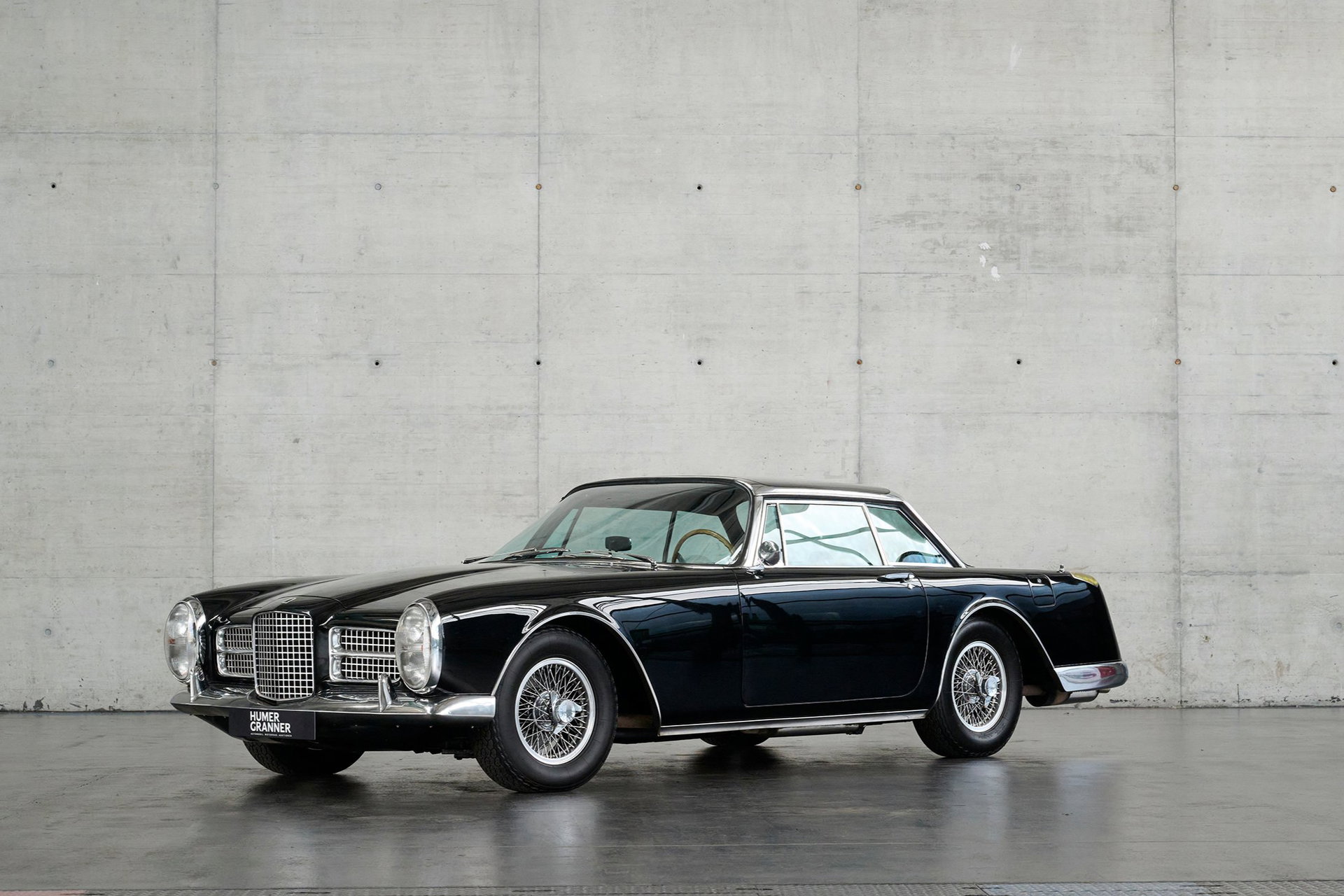
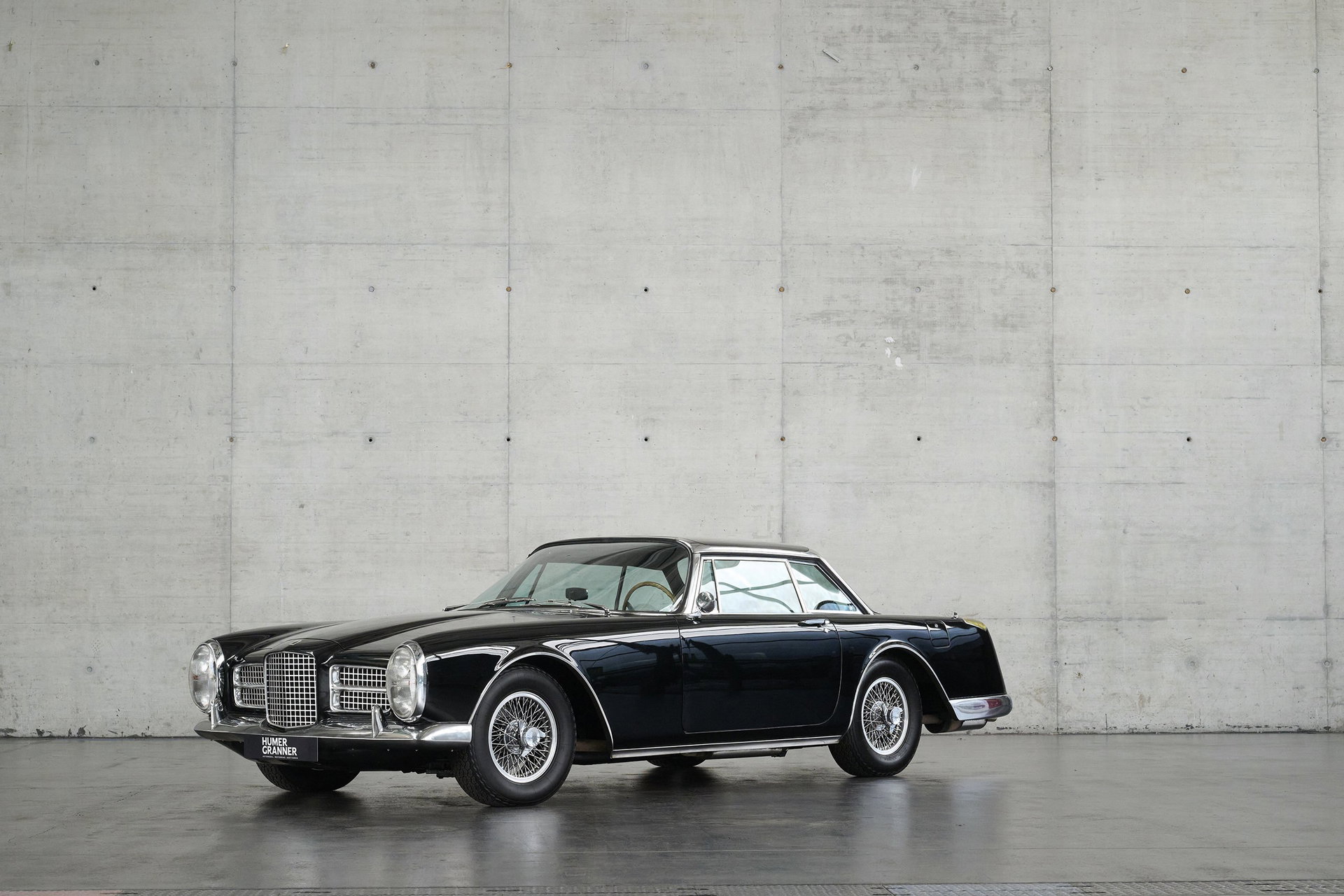
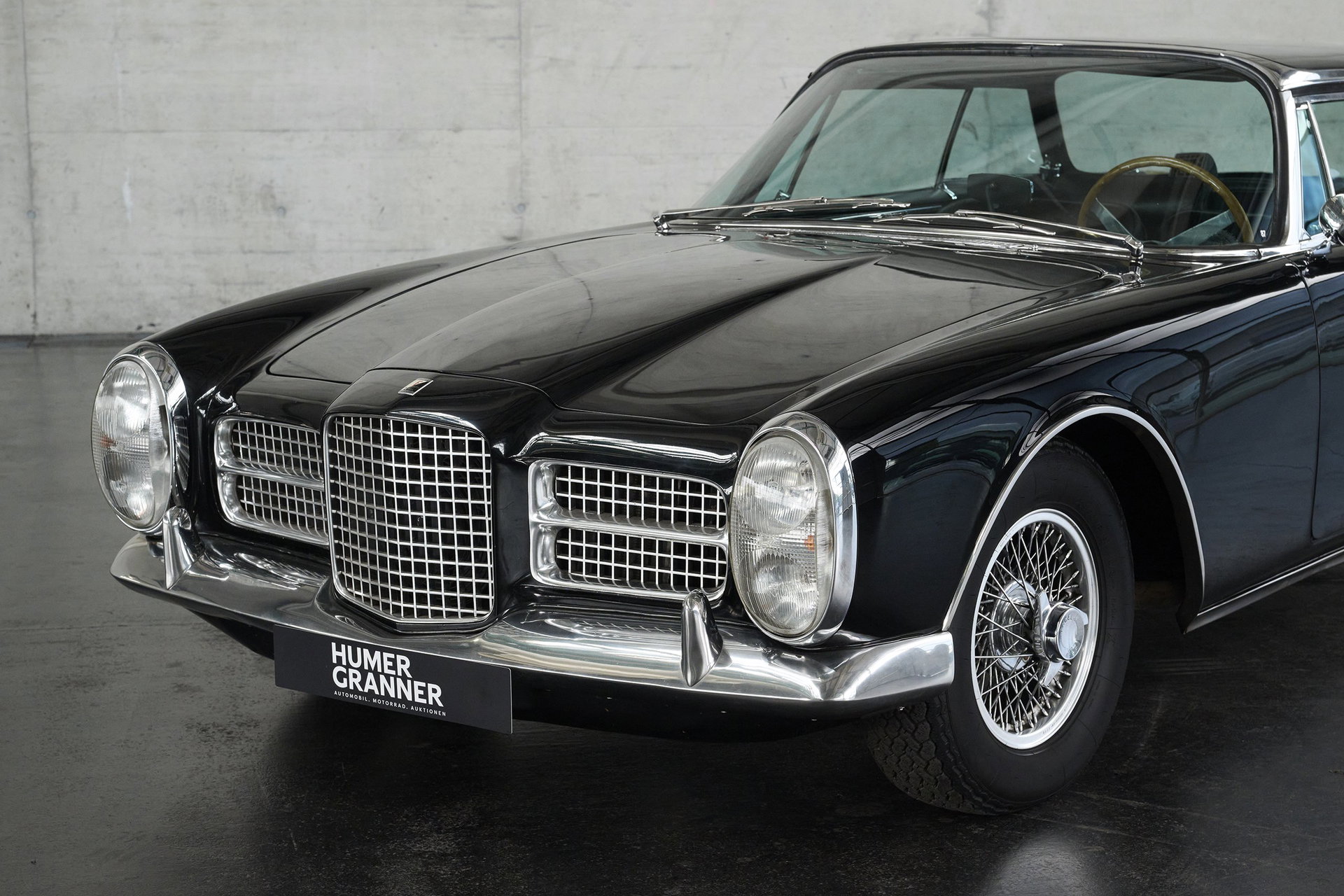
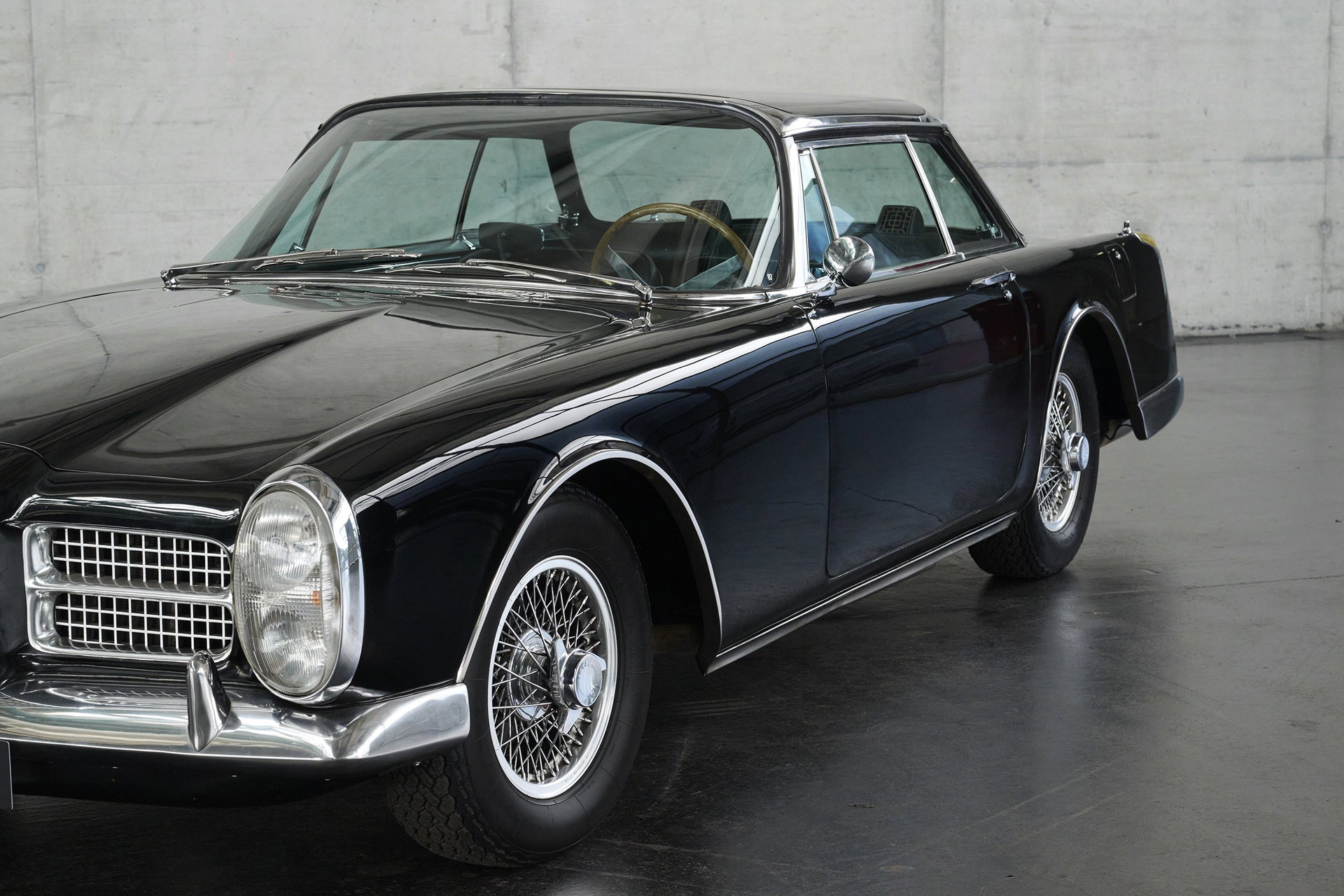
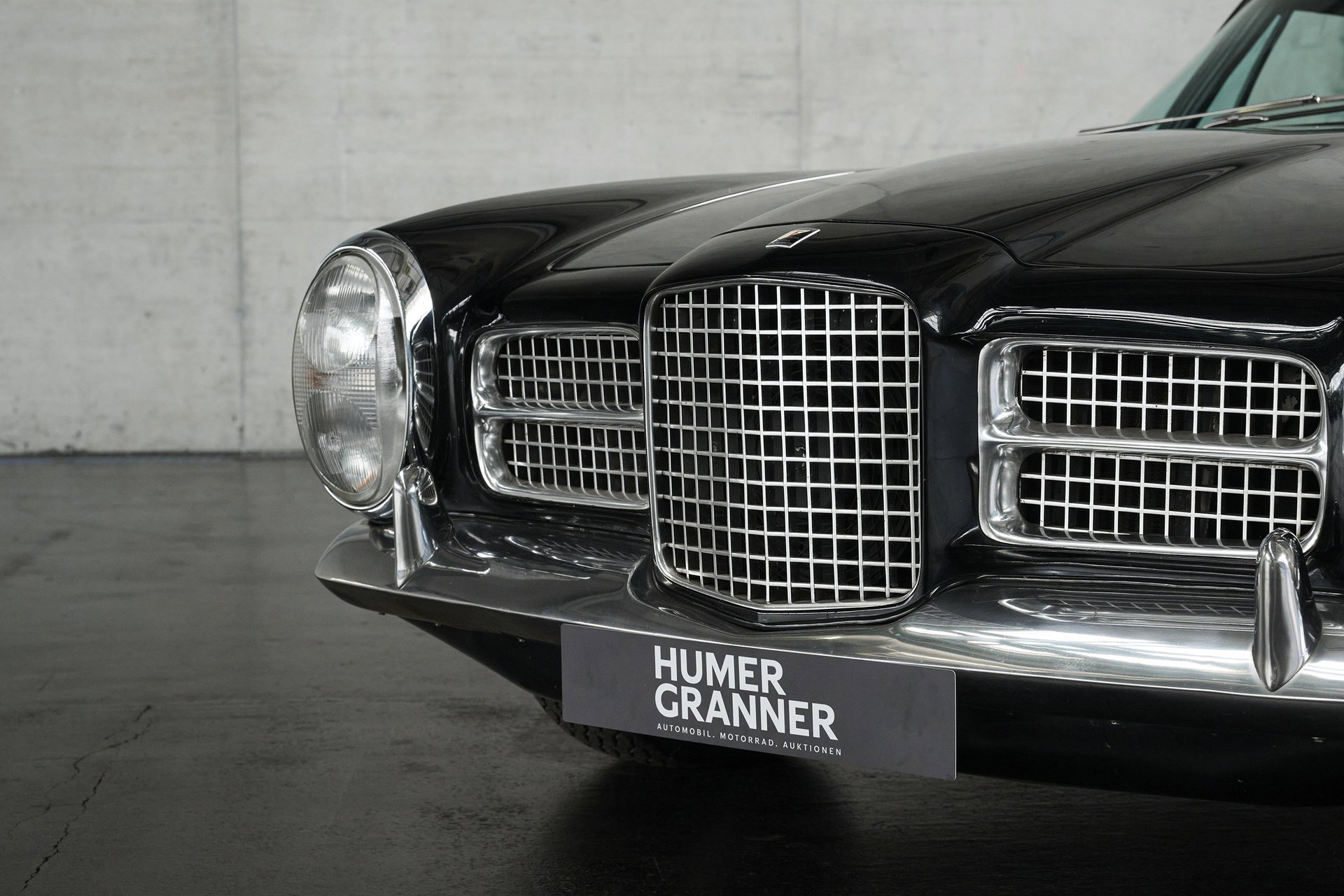
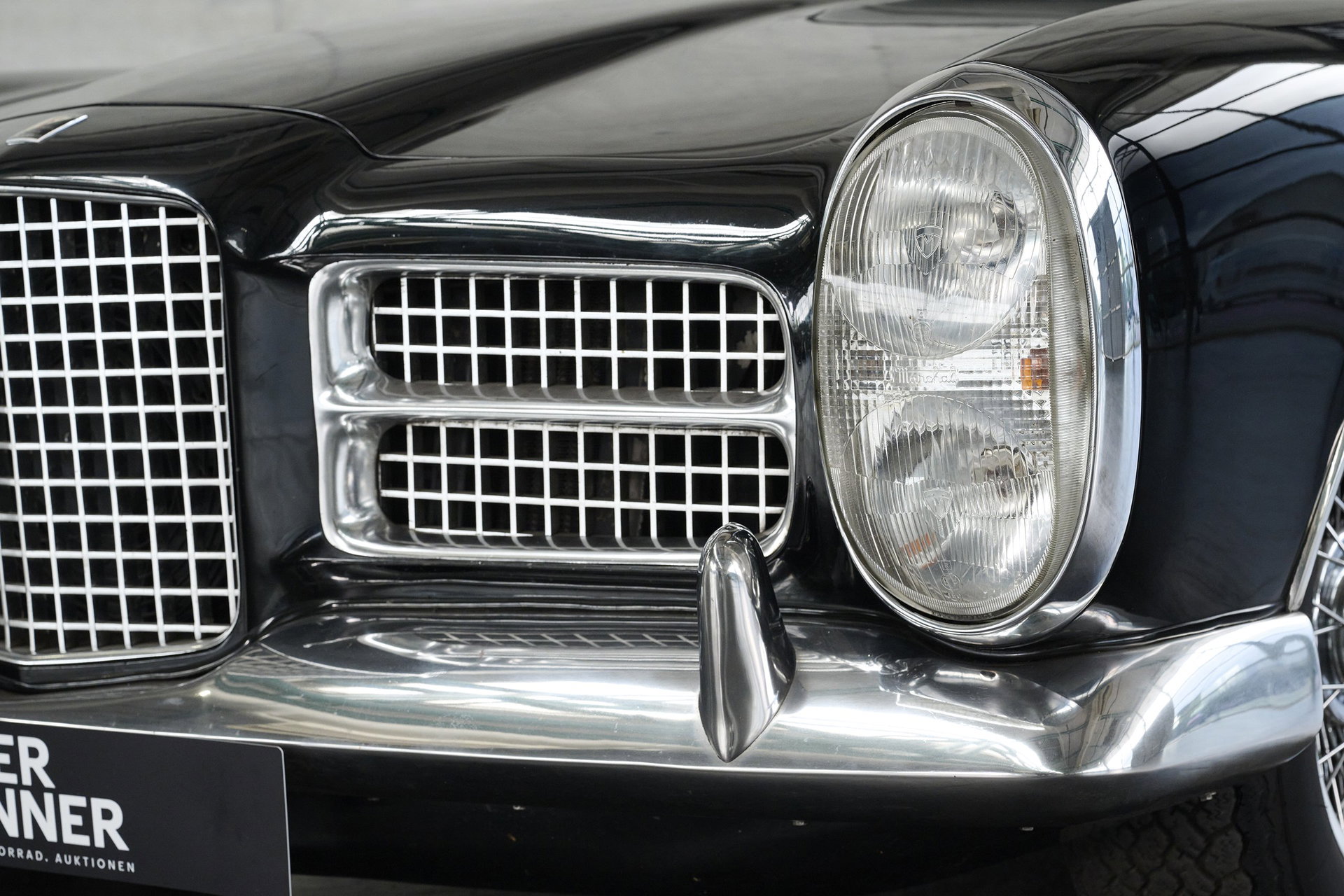
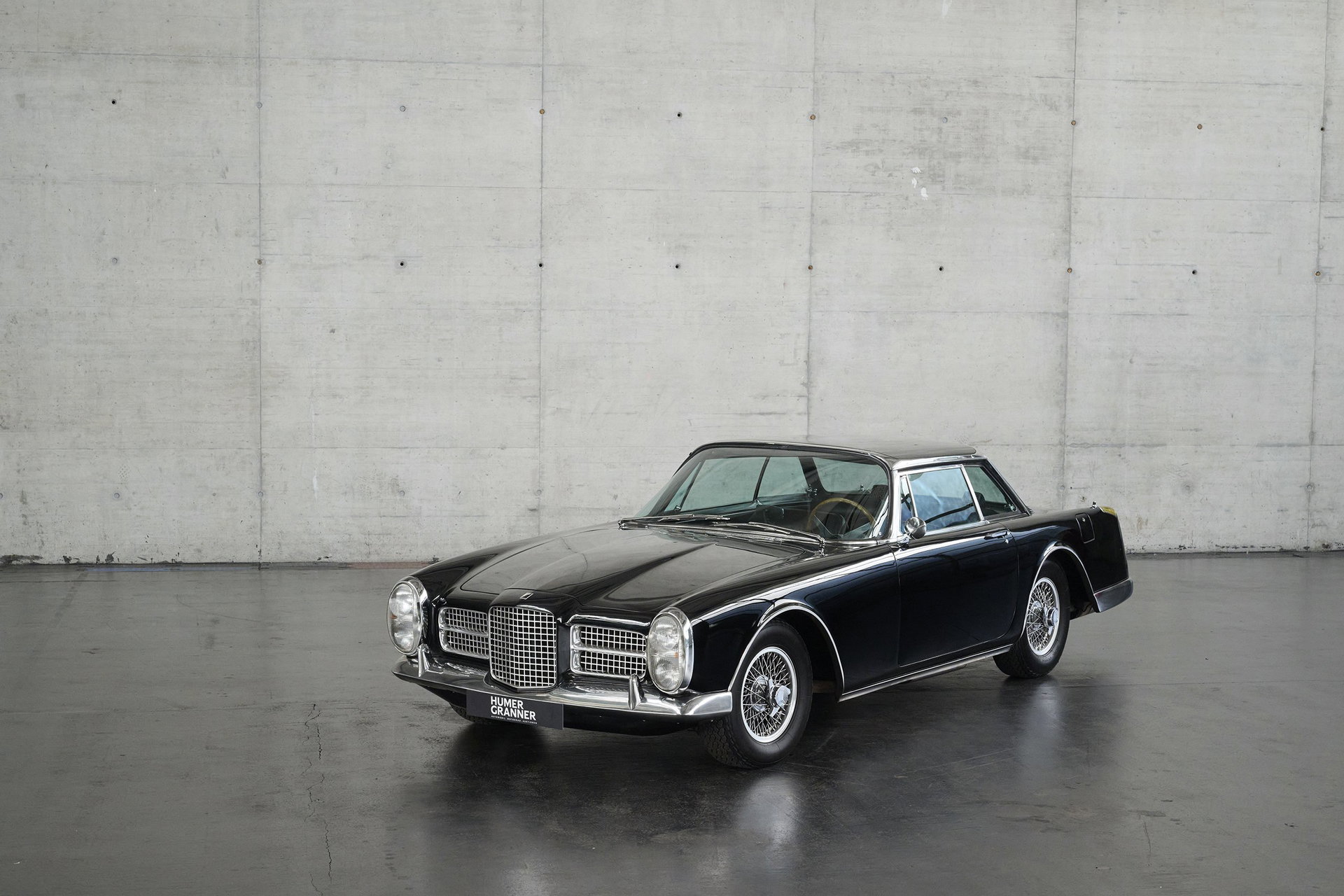
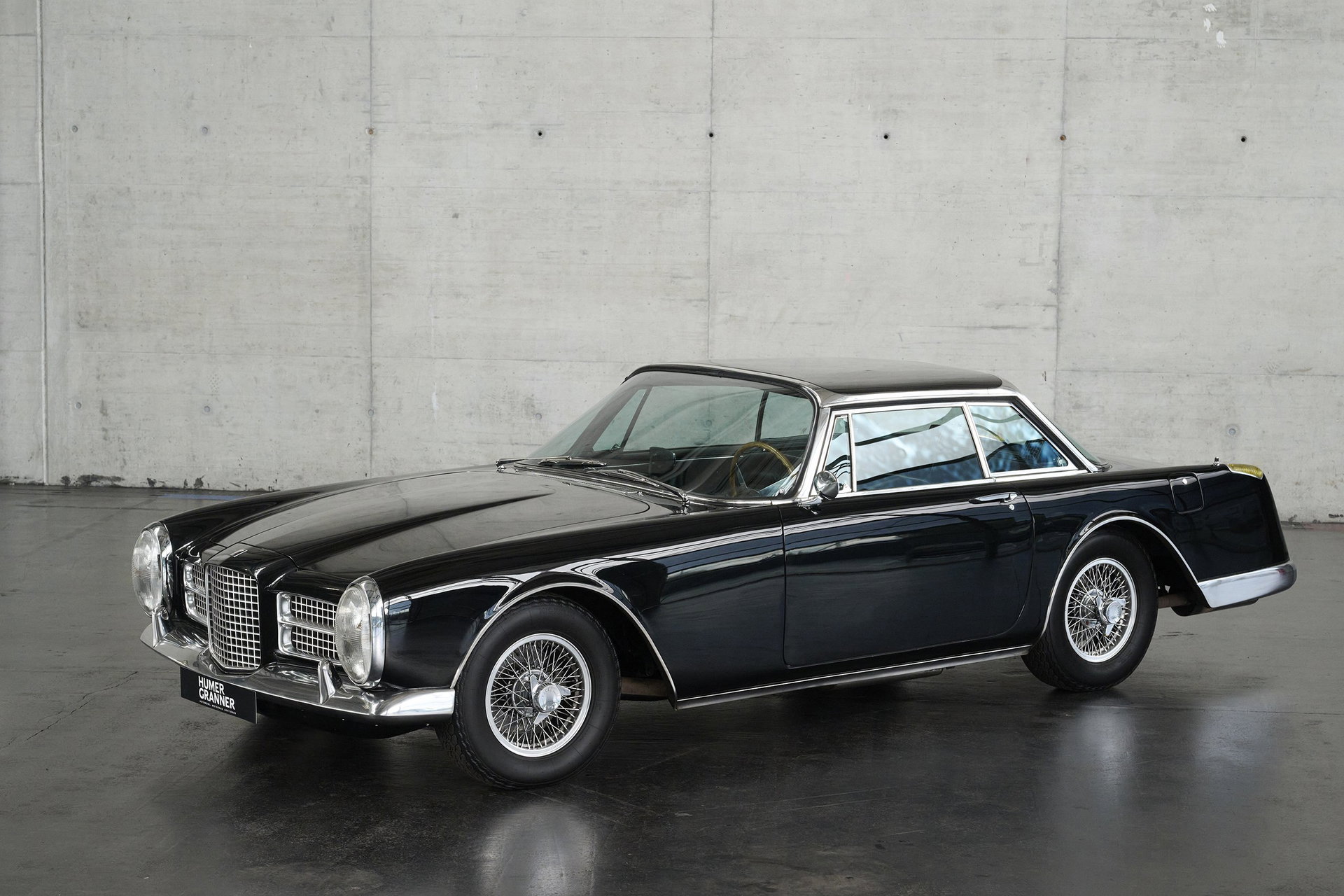
At the end of 1961, Daninos finally presented his masterpiece. The Facel II, Type HK2, replaced the HK500 and made the ambitions in Colombes abundantly clear from the first glance. It was lower and wider, with the vast windscreen set at a shallower angle and the rear window following suit. The distinctive twin headlamps were now more harmoniously integrated into the front. The heavy forms of the 1950s had disappeared. The Facel II looked slender, almost delicate – although it was anything but a small motor car.
Under that long bonnet, Facel wisely stuck to the proven recipe. Chrysler supplied its big V8s, initially displacing 6.3 litres and later 6.7 litres, with outputs ranging from 355 to 390 hp depending on specification. Those wishing to change gear themselves could have a four-speed manual, while Chrysler’s automatic transmission was available for those who preferred otherwise. With the most powerful engine and manual gearbox, around 240 km/h was possible. In the early 1960s, that put the Facel II in a league where the air was getting decidedly thin.
Park a Ferrari or Maserati, a Jaguar or Aston Martin alongside a Facel II and they could suddenly appear almost trivial. With remarkable nonchalance, the Facel reduced its rivals to supporting roles while managing to look outrageously good from every angle. Whether standing outside the casino in Monte Carlo or travelling beyond 200 km/h on a Route Nationale.
There was room for four, leather in abundance, electric windows and, if the customer wished, air conditioning. Ahead of the driver sat that gloriously opulent, almost excessive cockpit, filled with an entire battery of round instruments and toggle switches. Understatement it was not. But anyone wanting understatement did not buy a Facel.
Unfortunately, the Facel II appeared at the worst possible moment. For just as Daninos had reached the top of the market, he had already created an enormous problem further down the range.
Facel Vega wanted to grow. The big V8 models were expensive and consequently sold in small numbers. So in 1959 Daninos introduced the Facellia, a smaller sports car intended to take on Alfa Romeo, Porsche and Triumph. This time the aim was to keep things as French as possible, and the car received a specially developed 1.6-litre four-cylinder engine. That engine became a disaster.
The problems arrived quickly. Engine failures, particularly involving the valve gear, turned the great new hope into a warranty claim on wheels. Facel had to repair and replace engines, customers became nervous and the marque’s reputation suffered. For a large manufacturer it would have been expensive. For a small company that was hardly awash with money to begin with, it threatened its very existence.
Daninos reacted. The Facellia was revised and salvation was sought in engines from Sweden, with Volvo, and England, with Austin-Healey. But the Facel III and Facel 6 came too late.
Daninos lost control of his company. New investors and government bodies attempted to save it, but the losses created by the Facellia adventure could no longer be contained. At the same time, the large cars remained ruinously expensive to manufacture and were built in tiny numbers. Even the Facel II, the most mature and exciting car in the company’s history, could no longer save its maker. By the time car production finally ceased in 1964, only 184 examples had been built.
And that is precisely what makes the Facel II so special today. It represented the final high point of one of France’s most prestigious marques: fast, luxurious and extravagant, yet at the same time technically accomplished and effortlessly capable.
Jean Daninos did not succeed in giving France a new luxury marque for the long term. For just ten years, however, he demonstrated that he was a master of the automotive avant-garde. When the lights went out at No. 19 Avenue George V in Paris in 1964, a brief episode in French motoring history came to an end – one that left behind some of the most remarkable automotive works of art ever created.
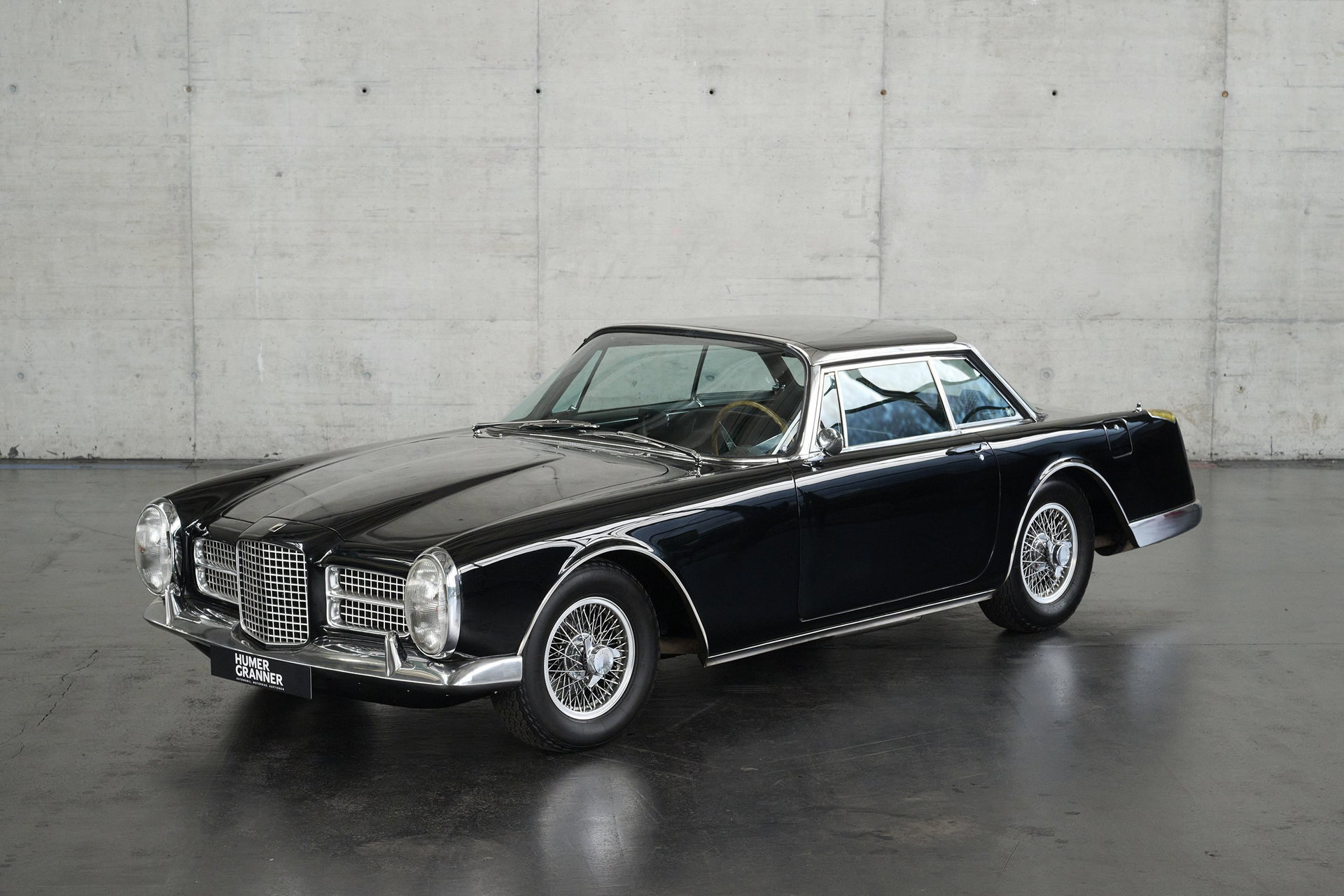
The Facel Vega dealer Frères Dumond in Lyon ordered the Facel II offered here for himself. Its specification was every bit as spectacular as the car itself: black with black leather, complemented by tinted glass, air conditioning and automatic transmission. The Facel was delivered in February 1962 and registered to Mr Dumond on 21 March.
At an unknown later date, the Facel II passed to businessman Jean-Paul Audoin of Chambourcy near Paris. The car’s records contain invoices in his name dating from 1979 onwards, the last of them dated 4 August 1982.
Later that same month, Dr Francesco Kunz from the canton of Zurich bought the car from Audoin. On 12 August 1982, he had it collected by Garage Fritz Speich. The first invoice records 31,443 kilometres as well as extensive maintenance work. From then onwards, the Facel was serviced and repaired exclusively by Speich. The numerous and detailed invoices paint a picture of a meticulous owner and a workshop that evidently took its responsibilities every bit as seriously.
On 14 March 1990, Dr Kunz once again commissioned extensive mechanical and cosmetic work. The corresponding invoice was not issued until 17 February 1991. By then, it appears that the idea of parting with the car was already beginning to form. Just how difficult that decision may have been is suggested by a handwritten comment to a friend: “The Facel looks fantastic, please don’t tell anyone about it.”
In the summer of 1993, the car was eventually sold through renowned Zurich classic-car dealer Lukas Hüni to its present consignor, with the new German registration document already issued on 30 June 1993. A final handover service dated 10 November that year records a mileage of 39,718 kilometres.
Ever since, the Facel II has received the sort of attention a car like this deserves. Its original engine was rebuilt, the gearbox replaced, and regular maintenance has kept the Coupé continuously in fine mechanical order. More than three decades of invoices document not only the considerable care lavished upon it, but also its mileage. Today, the odometer shows an original and fully traceable 99,000 kilometres.
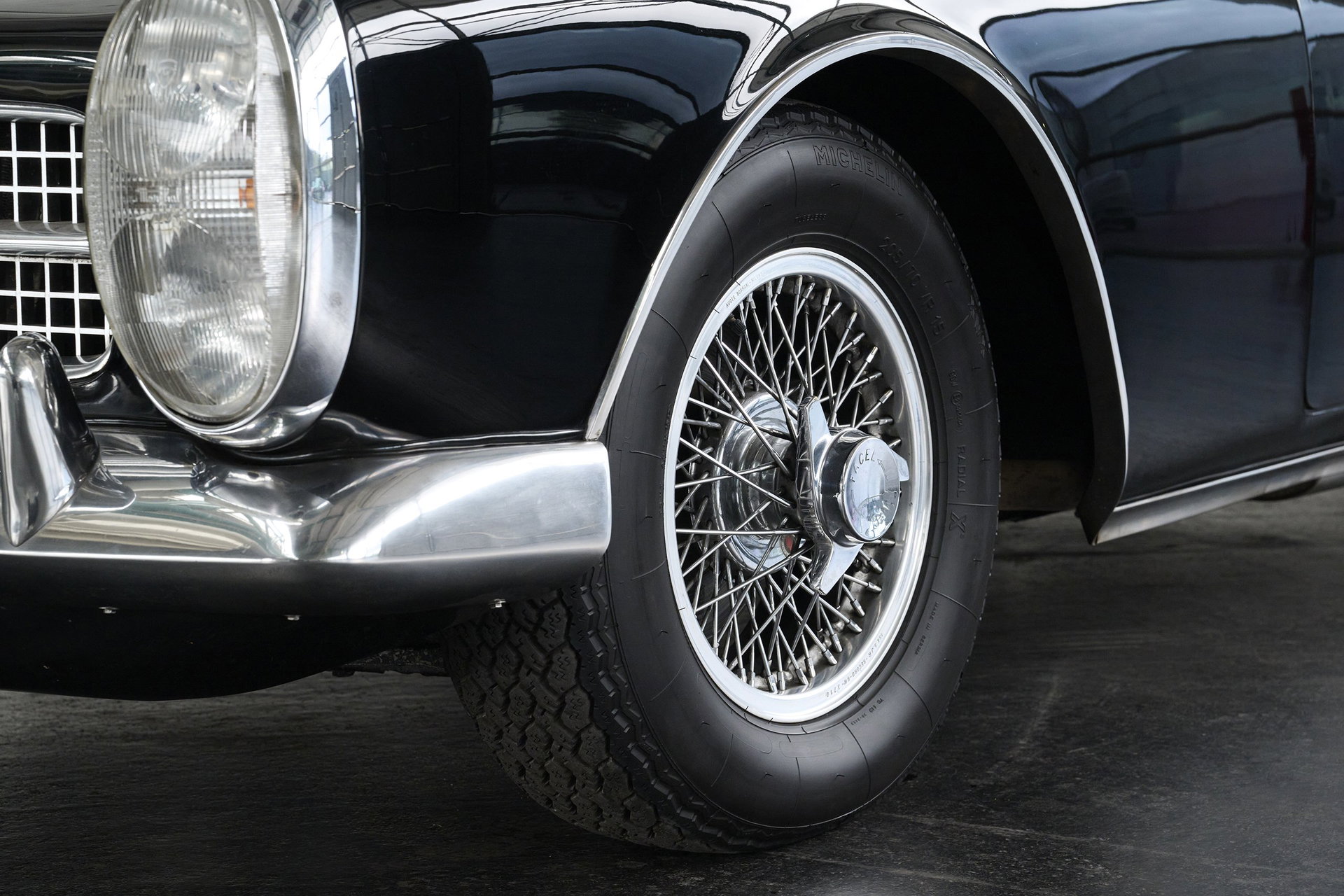
What is remarkable, however, is less what has been done to this Facel than what it has been spared. It has never been restored. It still wears its original paint and retains its original leather interior. Its history has been documented over decades, and since 1993 it has remained with only its fourth owner.
With just 184 examples built, any Facel II is a rare motor car. Finding one after more than six decades still unrestored, still wearing its original paint and still retaining its original interior is something else entirely. It is precisely this authenticity, preserved over so many years, that makes this car such an exceptional survivor. Not least in black – that curious non-colour which perhaps shows off its sculptural form better than any other. Those who know the marque consider it one of the best-preserved Facel IIs in existence.
Vergelijkbare oudjes
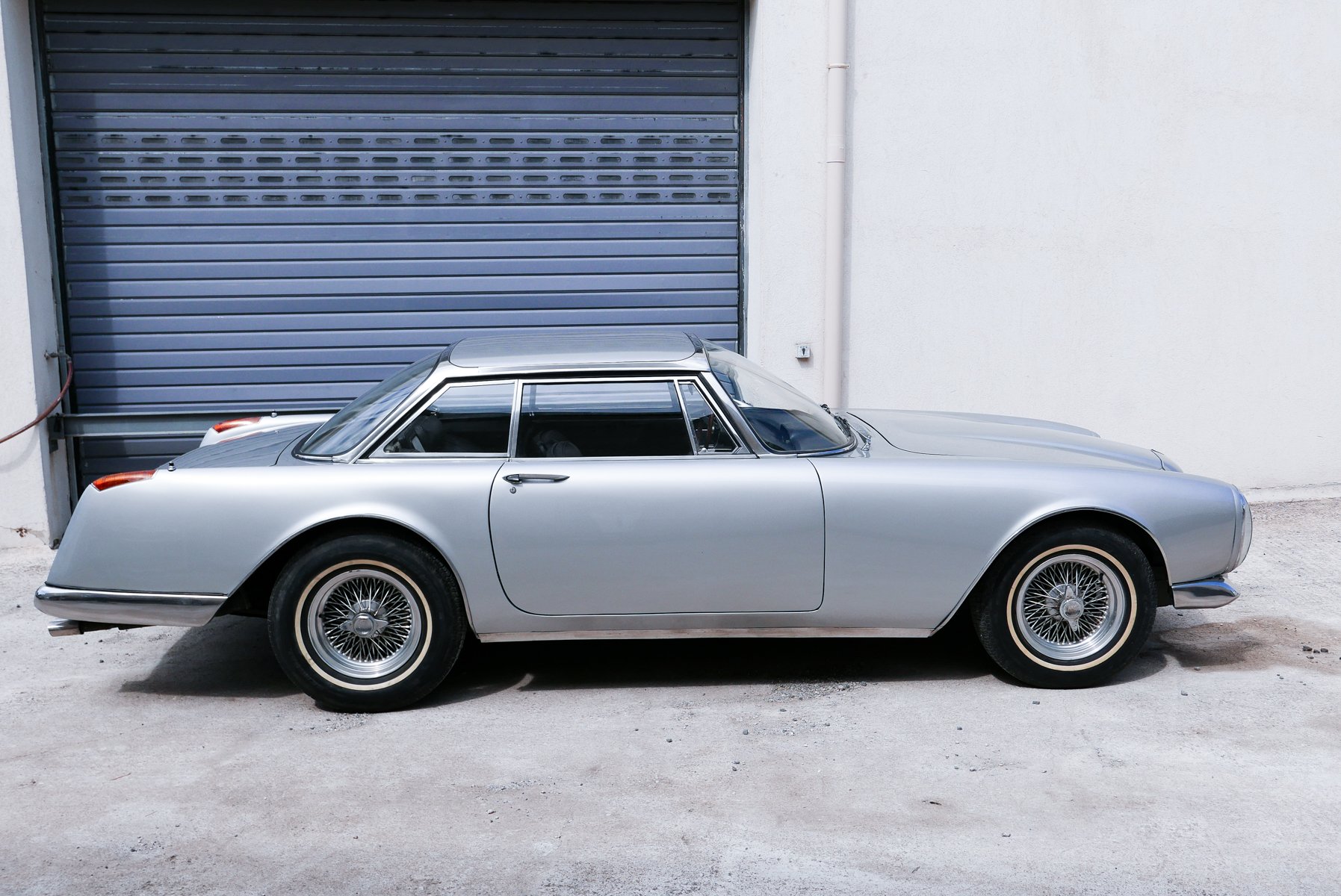 1962 Facel Vega Facel IIPrijs op aanvraag1962 · 92.175 km · Carnoux-en-Provence, Frankrijk · Classic Driver
 1962 Facel Vega Facel IIPrijs op aanvraag1962 · 92.300 km · Fribourg, Moselle, Frankrijk · Car & Classic
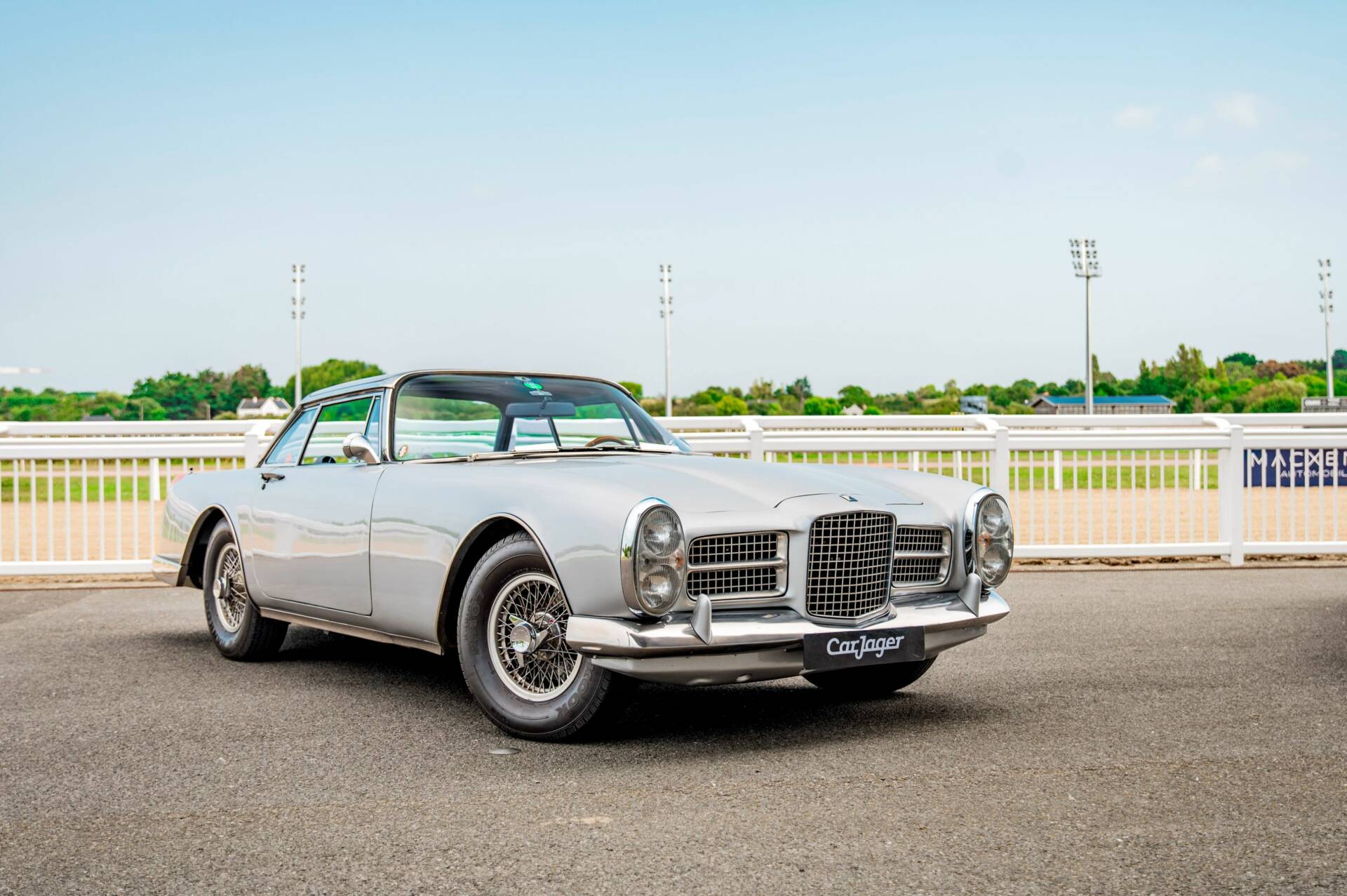 1962 Facel Vega Facel II€ 175.0001962 · 114.300 km · Aix-en-Provence, Frankrijk · Classic Trader
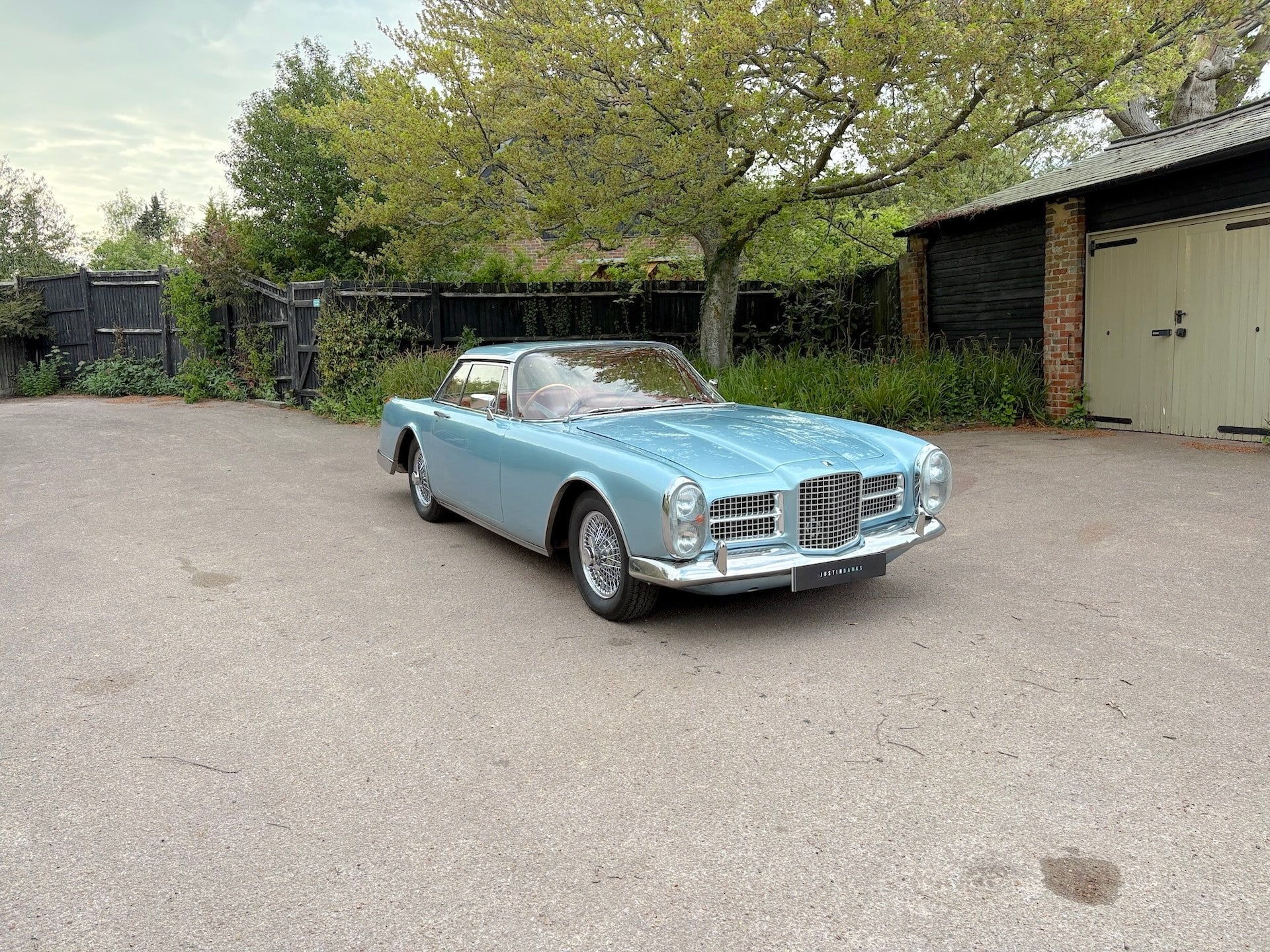 1963 Facel Vega Facel II£ 199.995 (≈ € 236.127)1963 · 102.998 km · Tonbridge, Kent, Verenigd Koninkrijk · Car & Classic
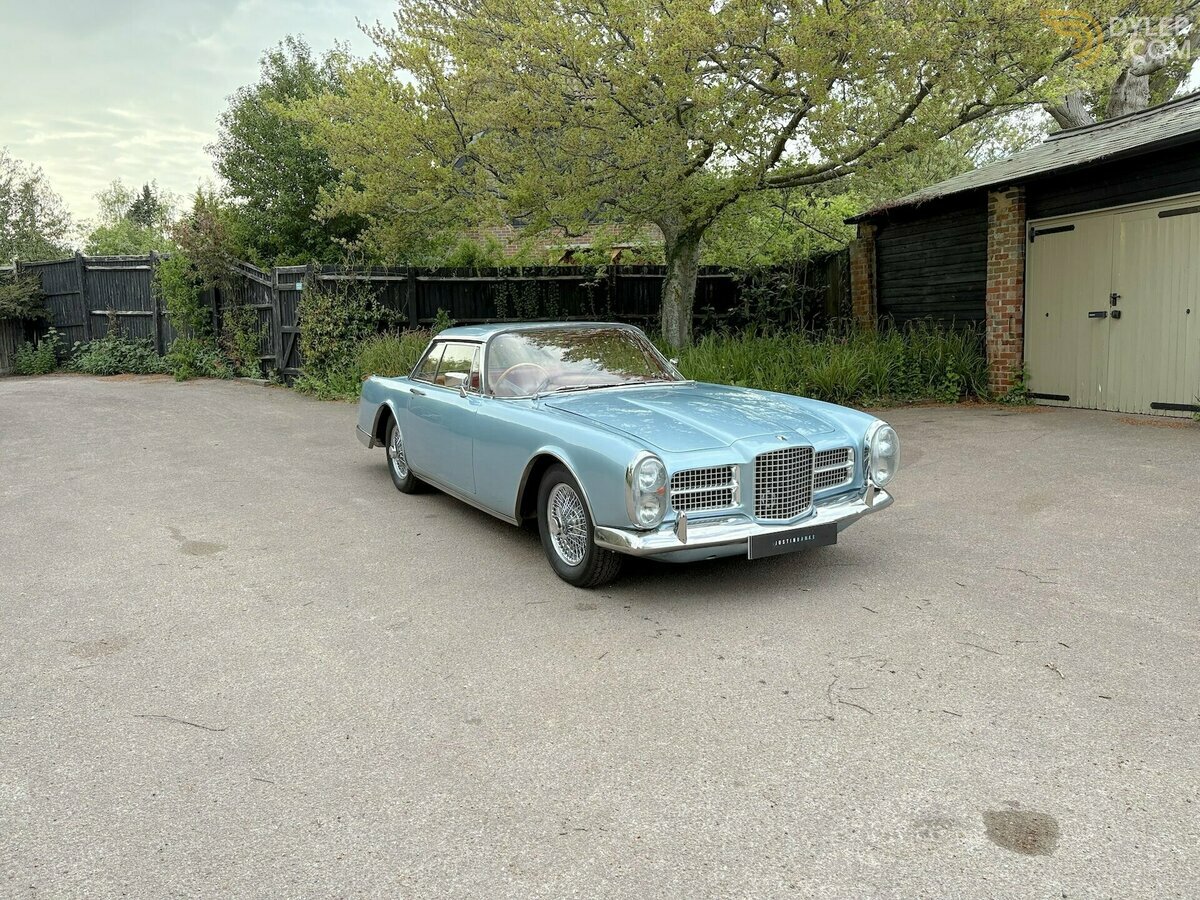 1963 Facel Vega Facel II€ 226.8741963 · 102.998 km · Tunbridge Wells, Verenigd Koninkrijk · Dyler
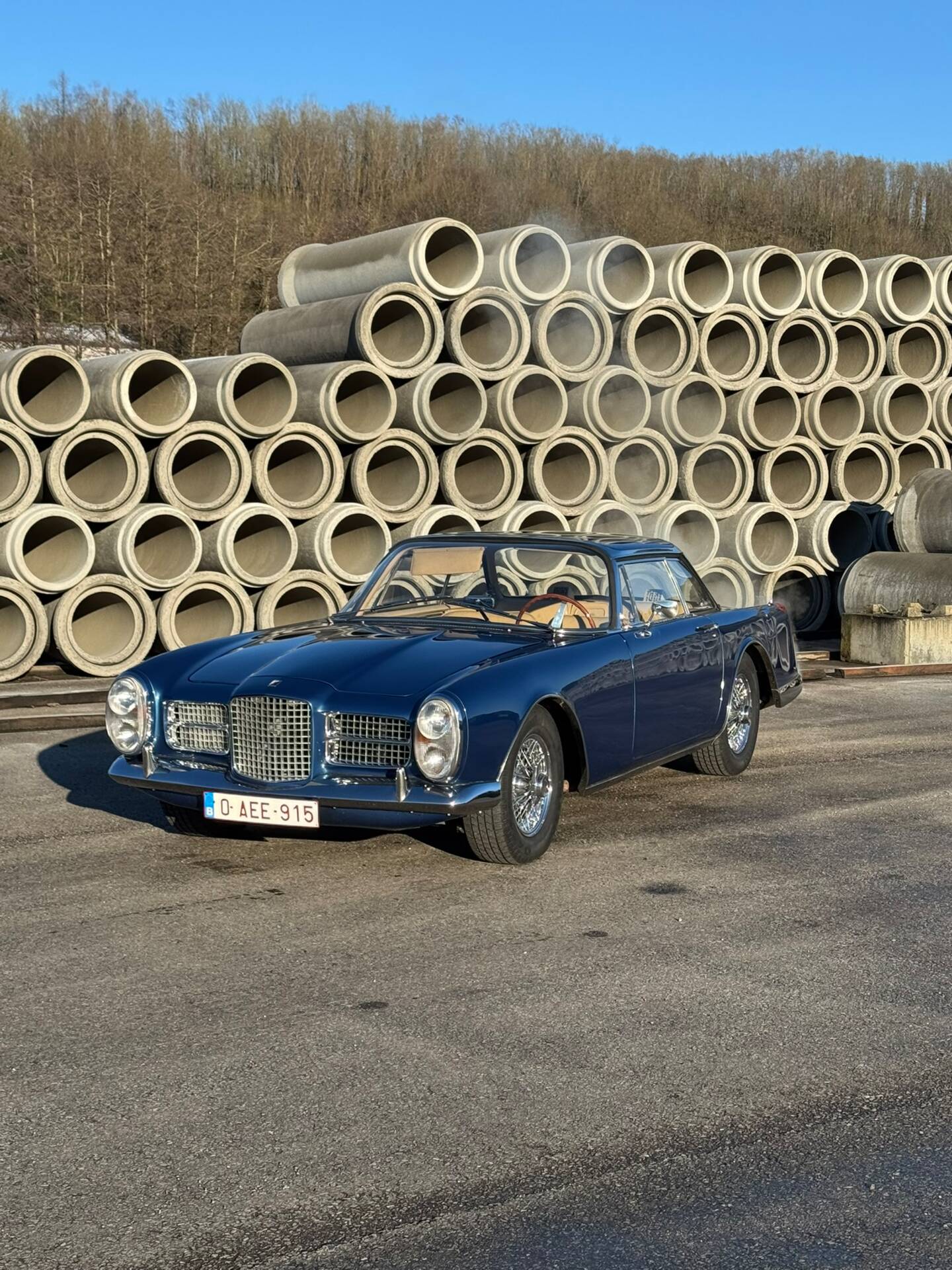 1963 Facel Vega Facel II€ 285.0001963 · 92.746 km · SPA, België · Classic Trader
 FACEL VEGA Facel II - 1960Prijs op aanvraag1960 · 89.000 km · Staffelfelden, Haut-Rhin, Frankrijk · Car & Classic
 FACEL VEGA Facel II - 1960Prijs op aanvraag1960 · 89.000 km · Staffelfelden, Haut-Rhin, Frankrijk · LesAnciennes
Wat doet een Facel Vega Facel II op de markt? Bekijk de marktwaarde →