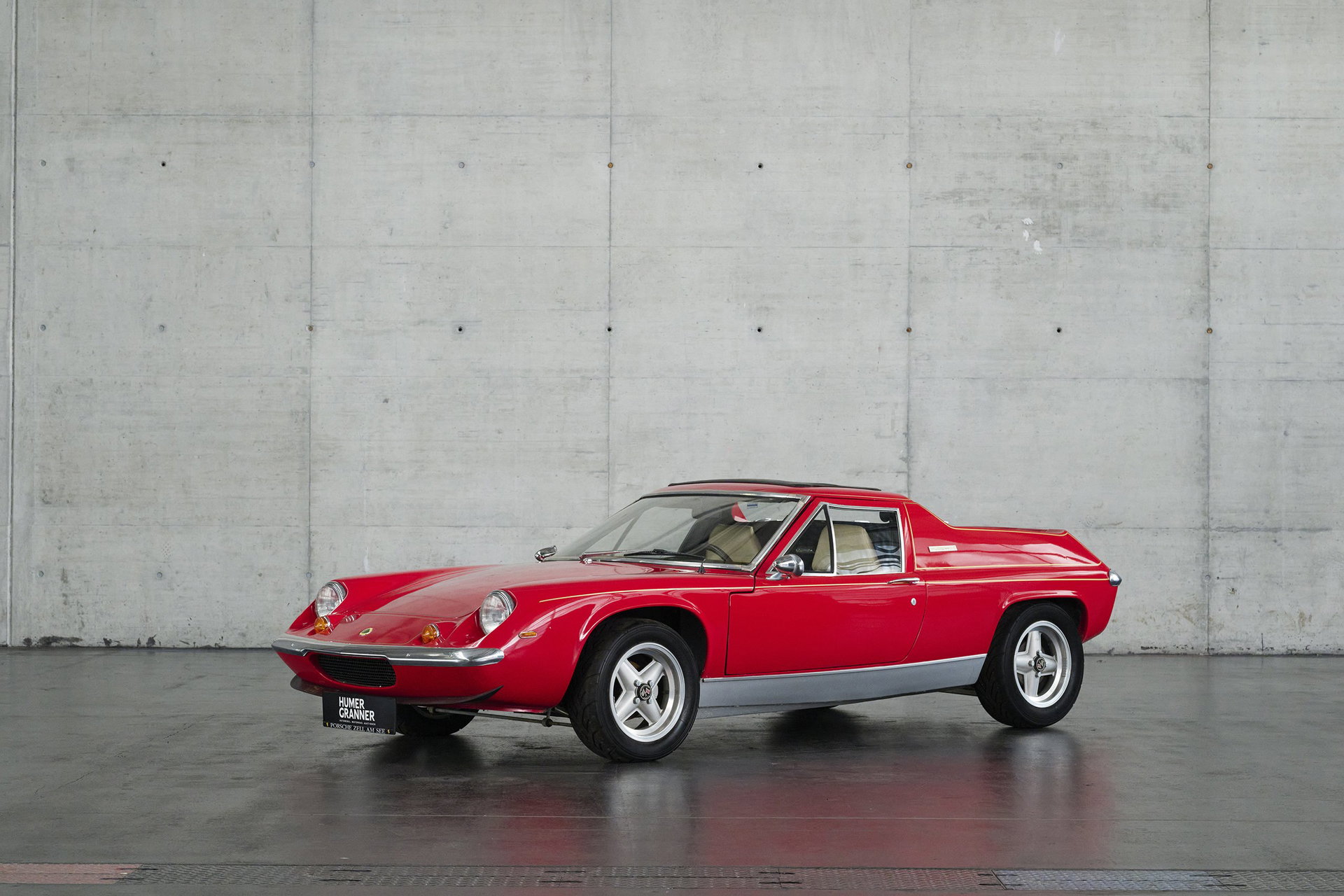
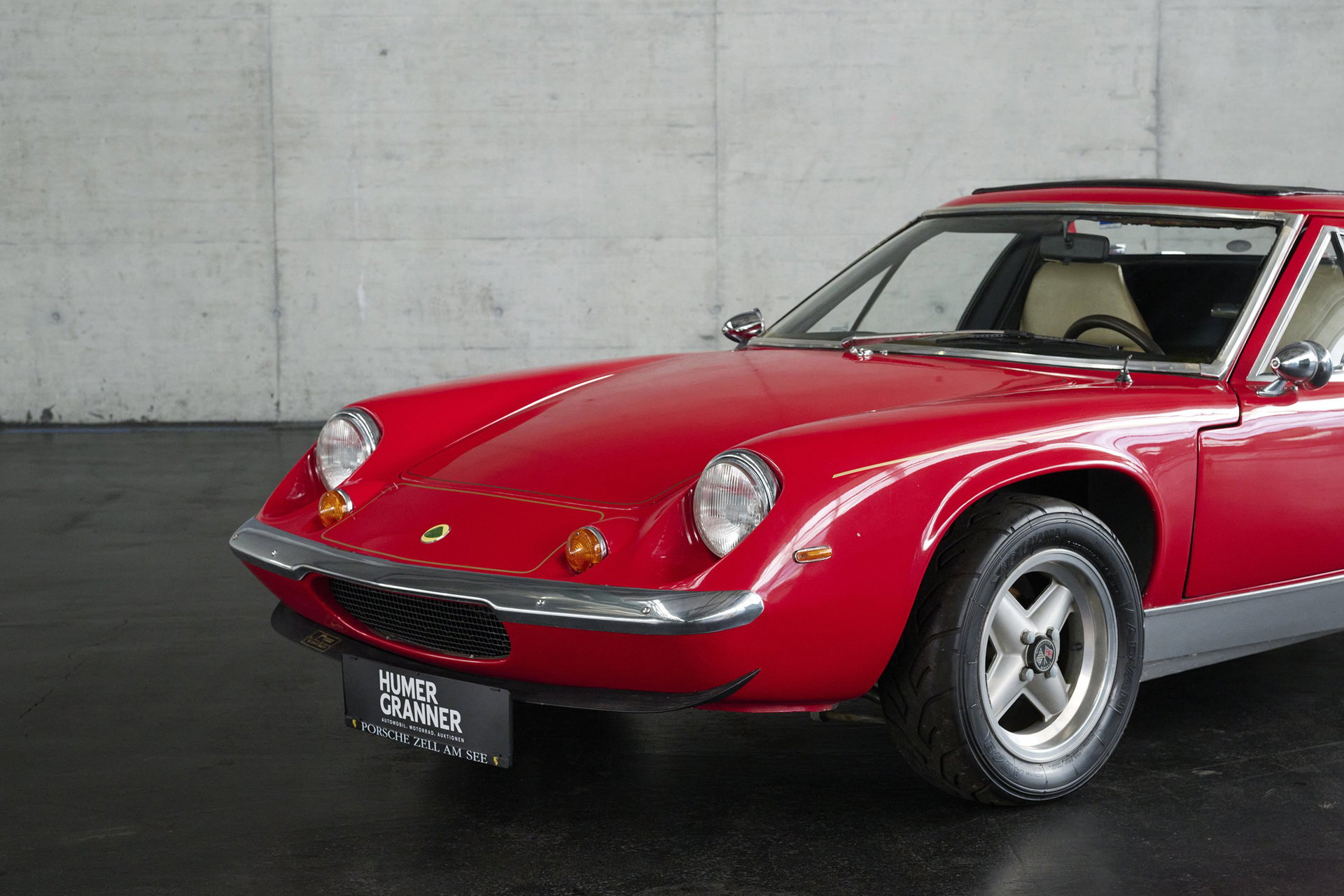
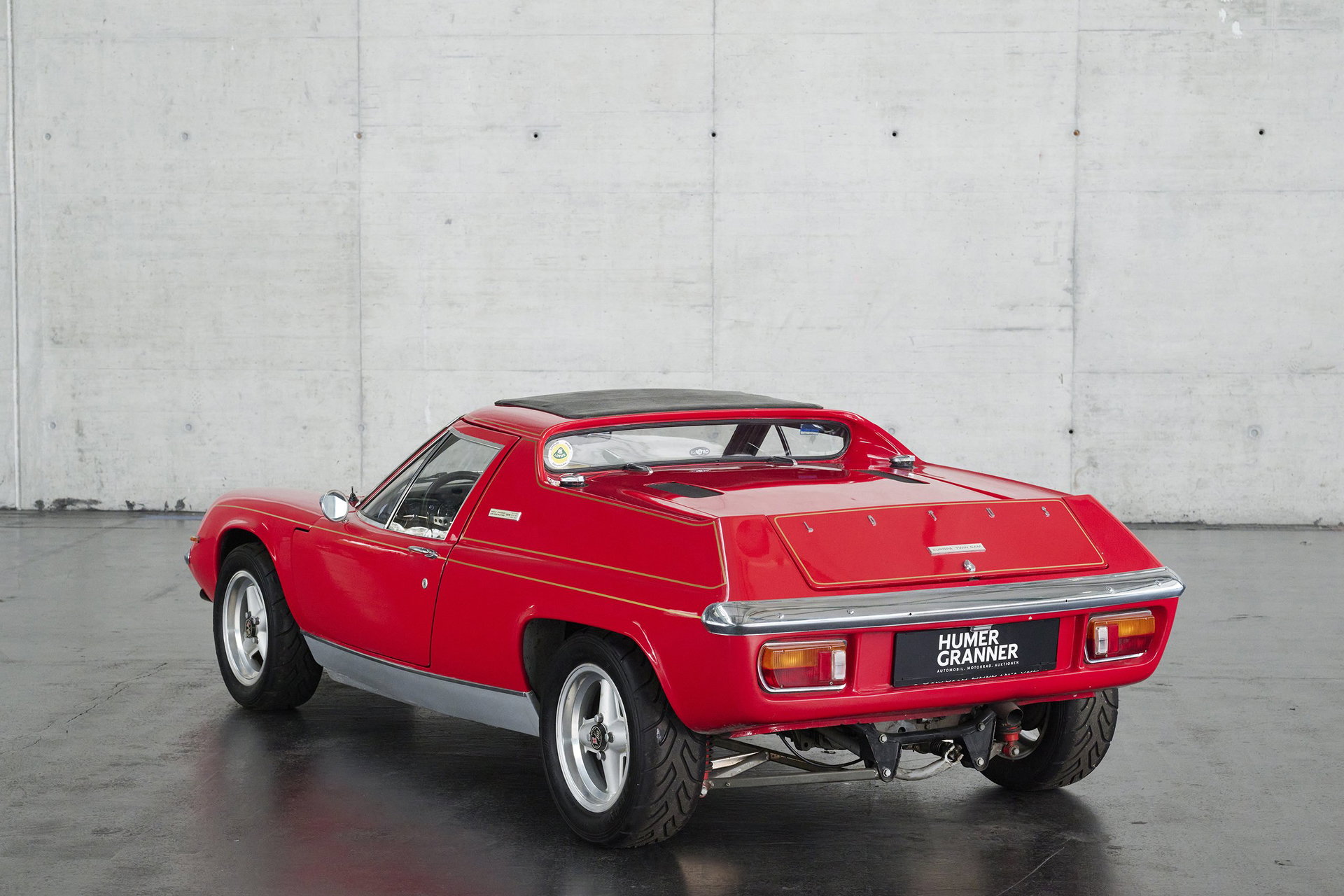
1972 Lotus Europa - Europa Twin Cam
1972 · Salzburg, Oostenrijk · via Classic Driver
Veiling sluit 18 oktober 2026, 01:59
Bekijk op Classic Driver → Open in de app
Gegevens
| Merk | Lotus |
|---|---|
| Model | Europa Europa Twin Cam |
| Bouwjaar | 1972 |
| Stuur | Links |
| Locatie | Salzburg, Oostenrijk |
| Verkoper | Humer, Granner & Co GmbH (veiling) |
| Bron | Classic Driver |
| auction | https://www.classicdriver.com/en/auction/humer-granner-co-gmbh-classic-car-auction-17102026 |
| Op Oudjes.xyz sinds | 5 oktober 2026 |
| Laatst gezien | 8 oktober 2026, 06:16 |
Beschrijving
One of only 1,567 Twin Cam models ever built
Extensively documented history
Listed in the Europa-Registry
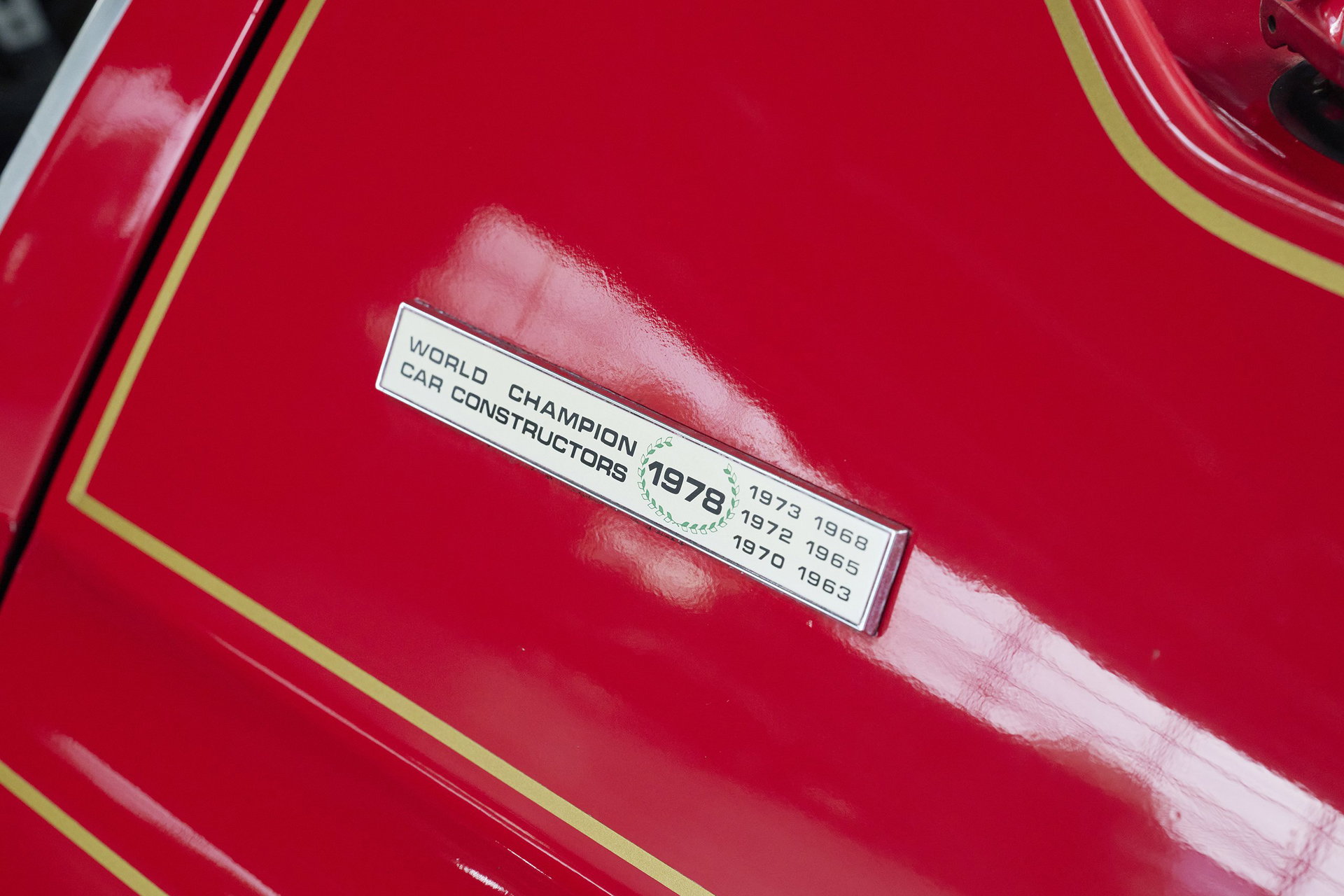
The epitome of lightness
Colin Chapman had a simple idea of how to build fast cars: make them light. Simple as that may sound, Lotus had long since perfected the principle in motor racing, and once the Type 18 had ushered in the mid-engined layout there in 1960, it seemed only logical that the winning formula would eventually find its way onto the road. In 1966, the time had come. The Europa was born – low, light and with the engine exactly where Chapman wanted it: behind the driver.
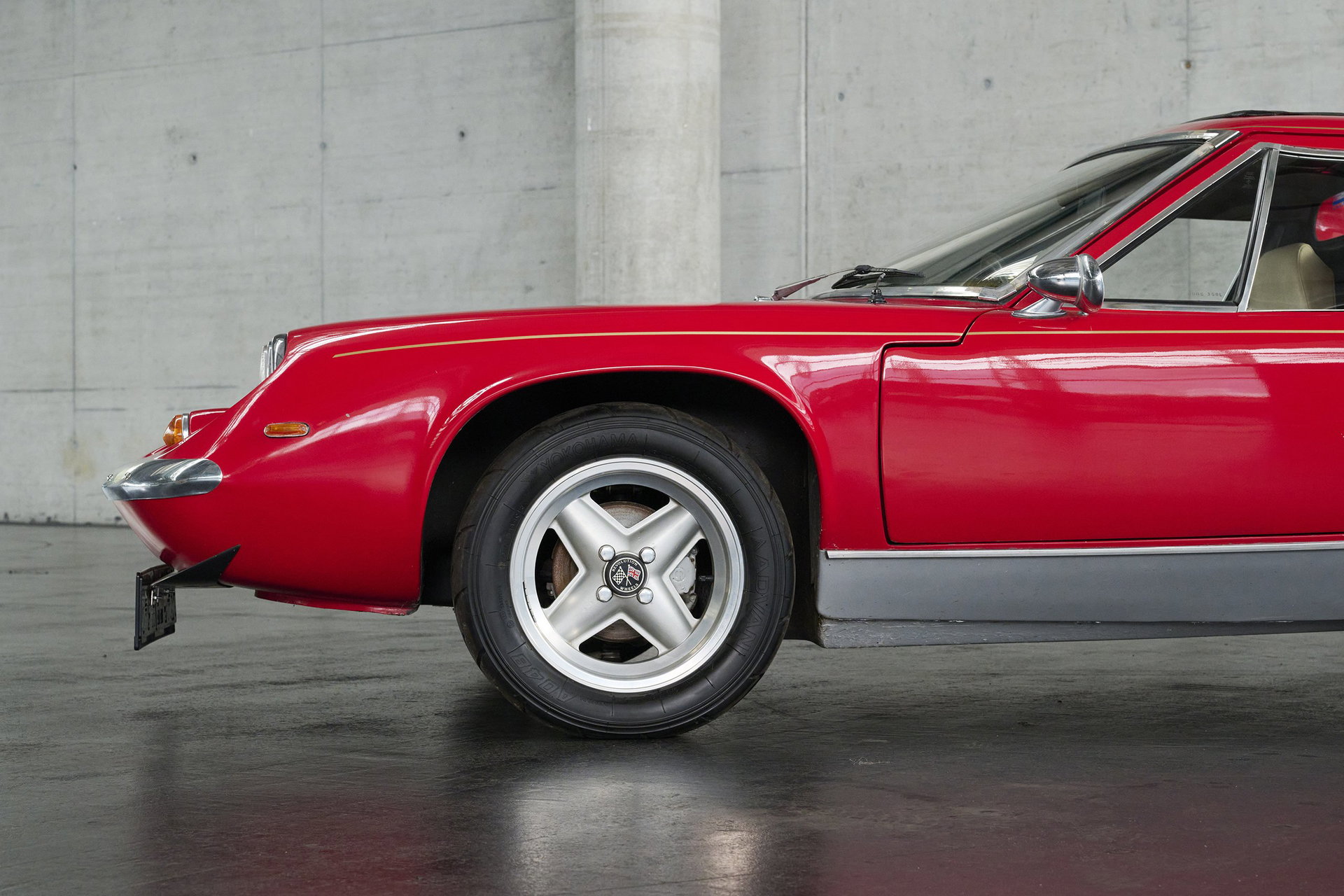
For its powertrain, Lotus initially turned, of all things, to a French family saloon. The lightweight aluminium engine and gearbox from the Renault 16 could be turned around with relatively little effort and fitted neatly into the back of the new Lotus. From 1,470 cc came 78 hp. That sounds like very little, and frankly it was, but then the Europa had barely more than 600 kilograms to carry around. Add to that a backbone chassis, a glassfibre body and aerodynamics that rather vindicated its unconventional looks.
Comfort, on the other hand, was hardly part of the brief. Early Europas had fixed side windows and fixed seats; to adjust the driving position, one simply reached for a spanner and moved the pedals instead. The Series 2 made the little mid-engined sports car somewhat more civilised, but it was not until 1971 that it finally received the engine its chassis had long deserved.
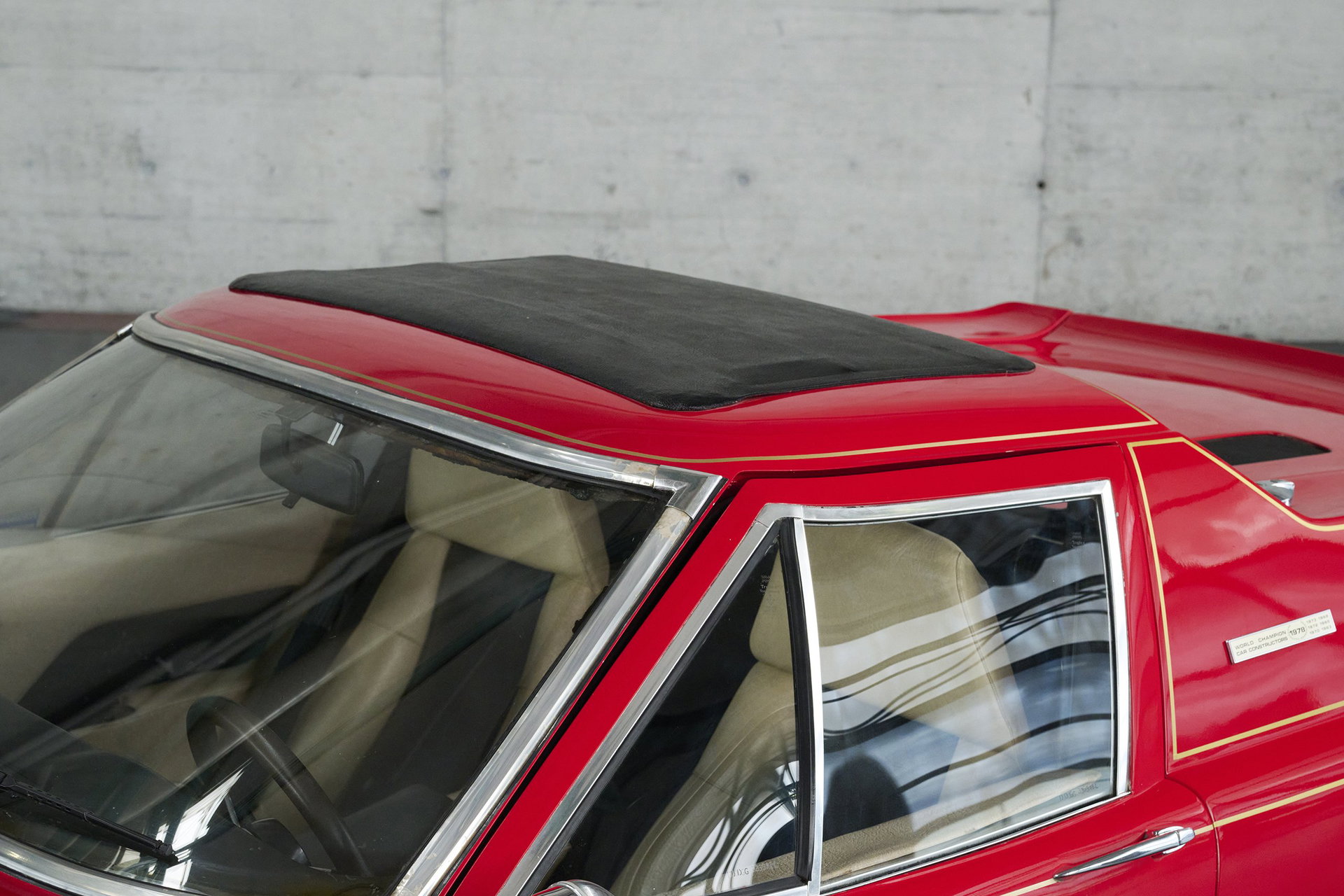
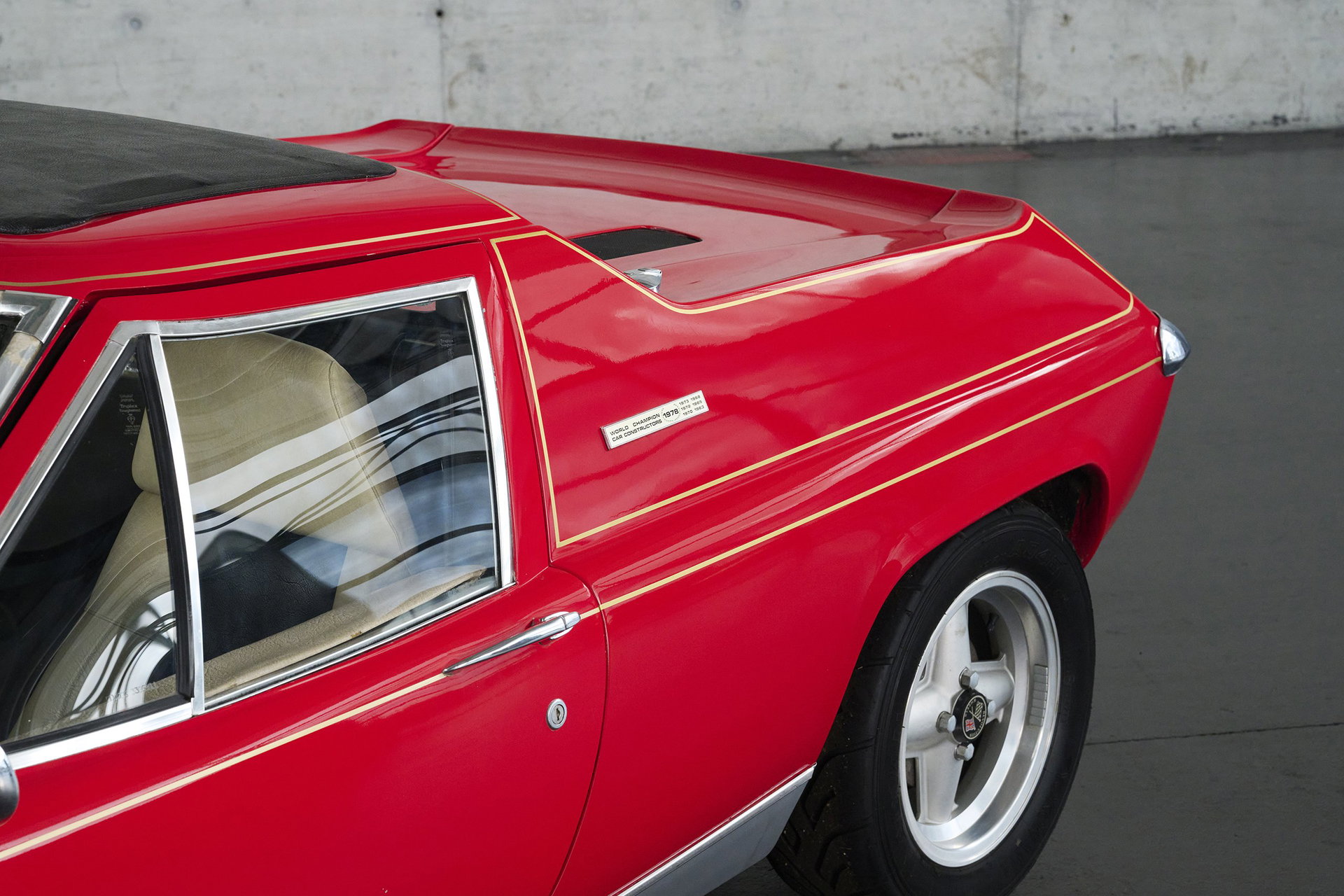
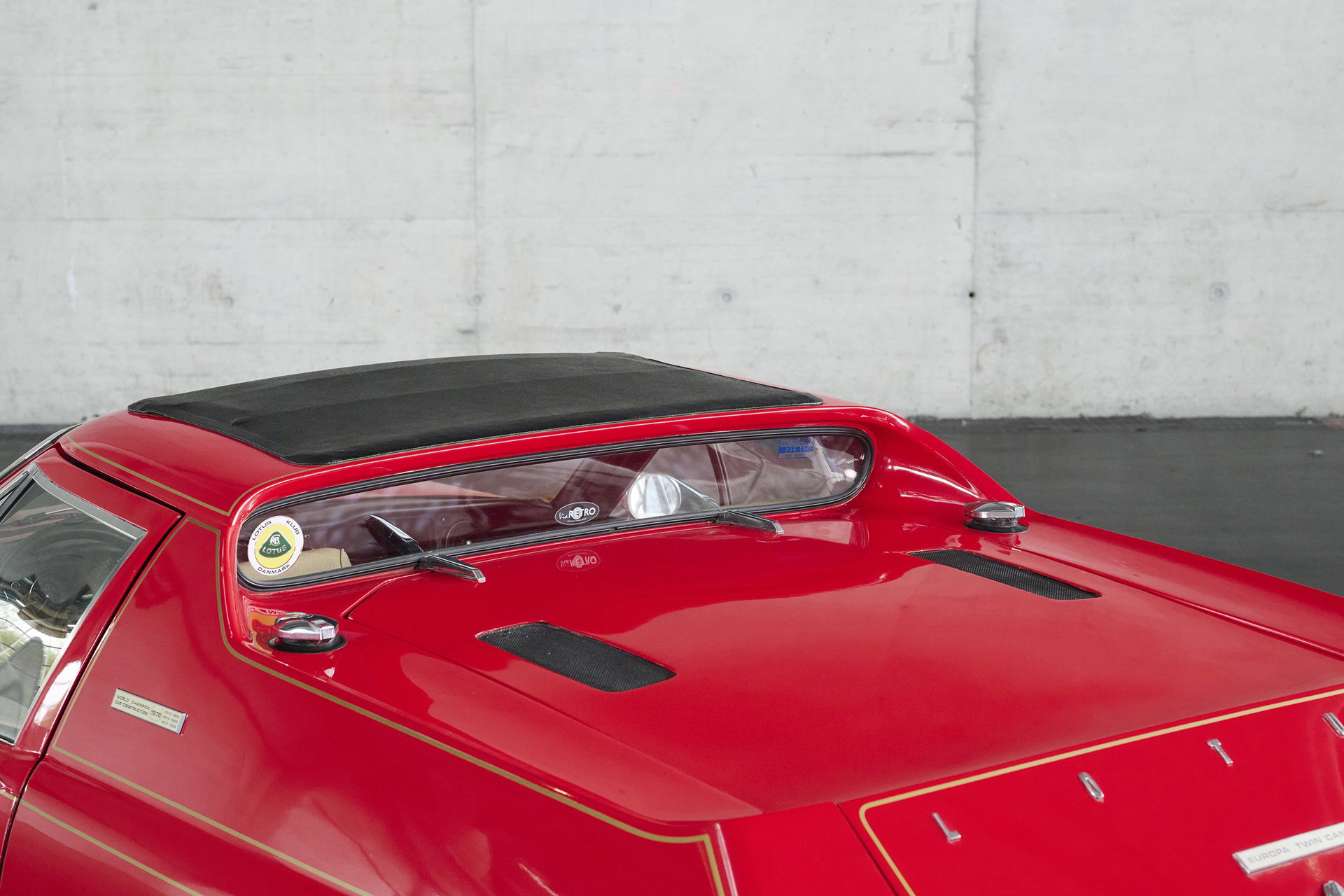
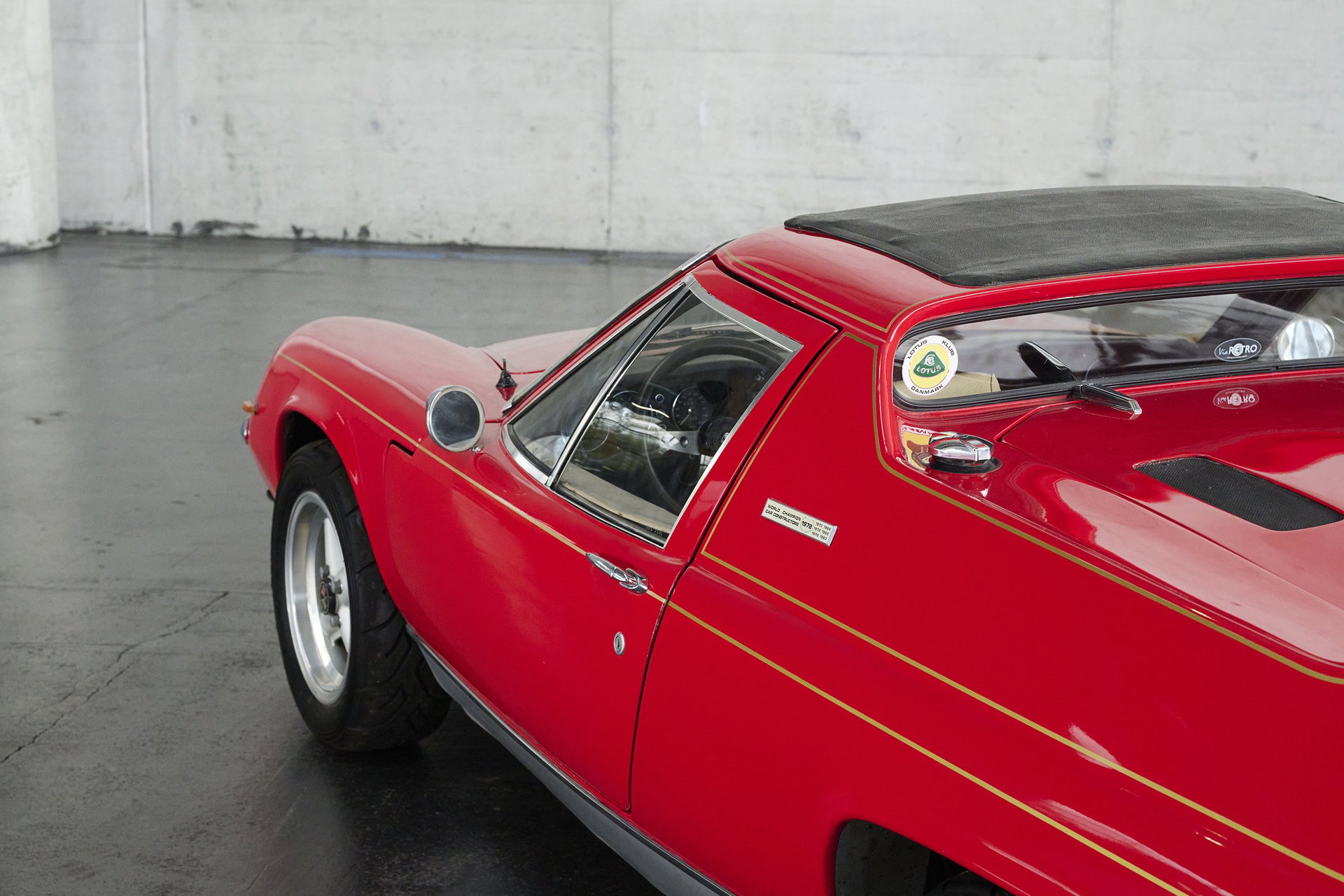
The Europa Twin Cam now featured the Lotus four-cylinder familiar from the Elan, based on a Ford block and topped by twin overhead camshafts. Its 1,558 cc and around 105 hp still had considerably less than 800 kilograms to contend with. At the same time, Lotus cut down the tall rear buttresses, improving one discipline in which the Europa had previously been somewhat less accomplished: seeing what was behind it. The interesting sports car had finally become a properly fast one.
But Chapman would not have been Chapman had he left it at that. The Europa Special followed with the 126 hp Big Valve version of the Twin Cam, and later there was even a five-speed gearbox. Thus equipped, the little Lotus could exceed 190 km/h and sprint to 60 mph in under seven seconds. The Europa remained in production until 1975, when the wedge-shaped Esprit took over. What it left behind was one of Hethel’s most uncompromising road cars: barely hip-high, featherweight and with its engine in the middle. With the Twin Cam, it finally had the performance to match.
This Lotus Europa is one of just 1,567 Twin Cams built in 1971 and 1972. In the autumn of 1986, a Swede by the name of Dennis Kullman set off from Gothenburg for Manchester to buy himself a freshly restored Lotus Europa Twin Cam. Just how meticulous Kullman was can be seen from the fact that he carefully kept not only his correspondence with the seller, documenting the work that had been carried out, but also every airline ticket, train ticket and ferry ticket – and even a receipt for 41 kronor from the ferry cafeteria.
Naturally, for someone like Dennis Kullman, a freshly restored Europa Twin Cam was never going to be quite good enough. Over the following years, considerable effort and expense went into the little wedge once again. A new, reinforced chassis from »Spyder« was fitted and the Lotus was converted from right- to left-hand drive. The previous owner had already taken ample care of the engine, upgrading it to the 125 hp specification of its successor. That Dennis Kullman kept every single invoice goes without saying.
From 1990 until 2009, the Europa Twin Cam belonged to a second Swedish Lotus enthusiast, followed by two Danish owners from 2009 onwards. From Denmark, the Lotus came to Austria in 2014, where it has seen little use over the past decade. Before returning to the road, it should therefore be carefully recommissioned, so that Chapman’s vision can not only be seen in the Europa, but experienced once again: that lightness is the simplest route to speed.
Vergelijkbare oudjes
 1972 Lotus Europa Twin Cam£ 27.000 (≈ € 31.898)1972 · 8.047 km · Ellesmere port, Cheshire West and Chester, Verenigd Koninkrijk · Car & Classic
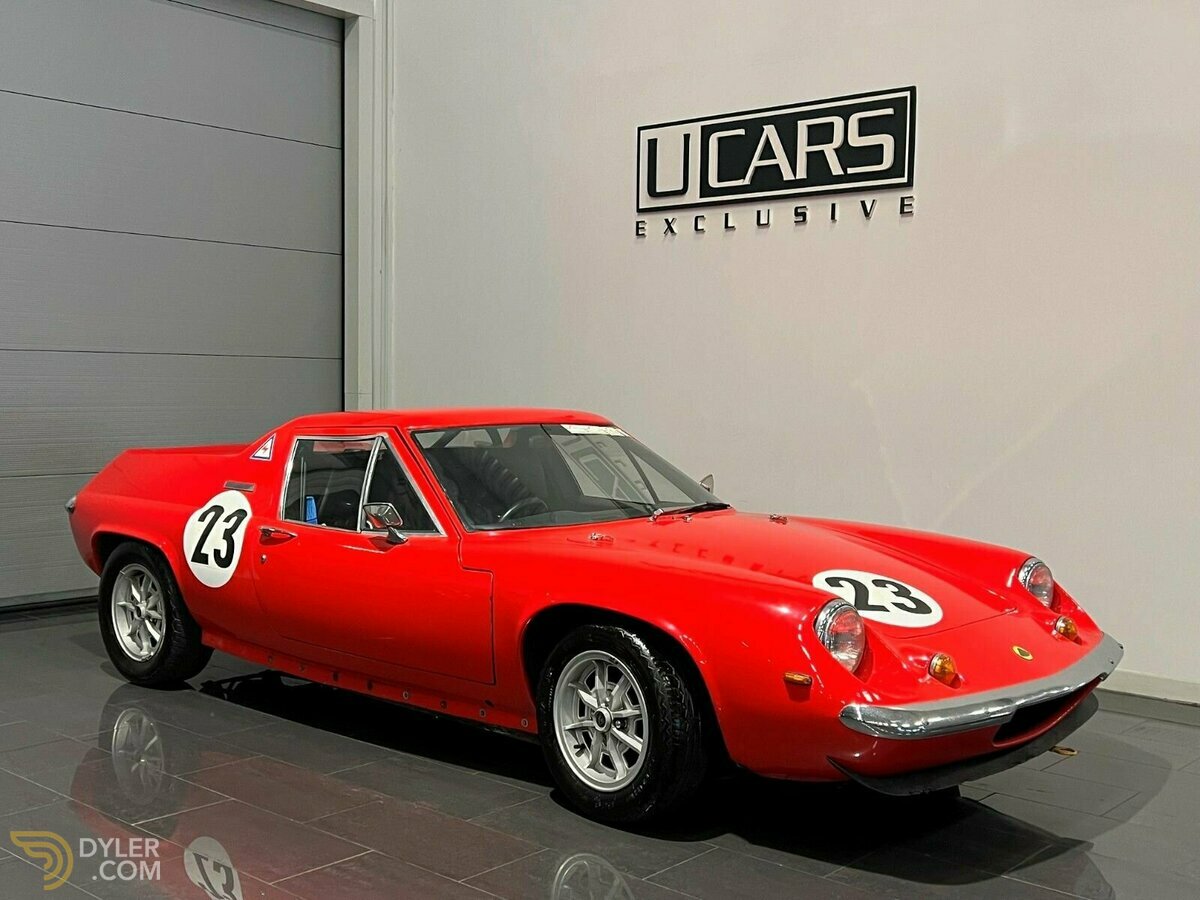 1972 Lotus Europa Special€ 15.9001972 · Eslöv, Zweden · Dyler
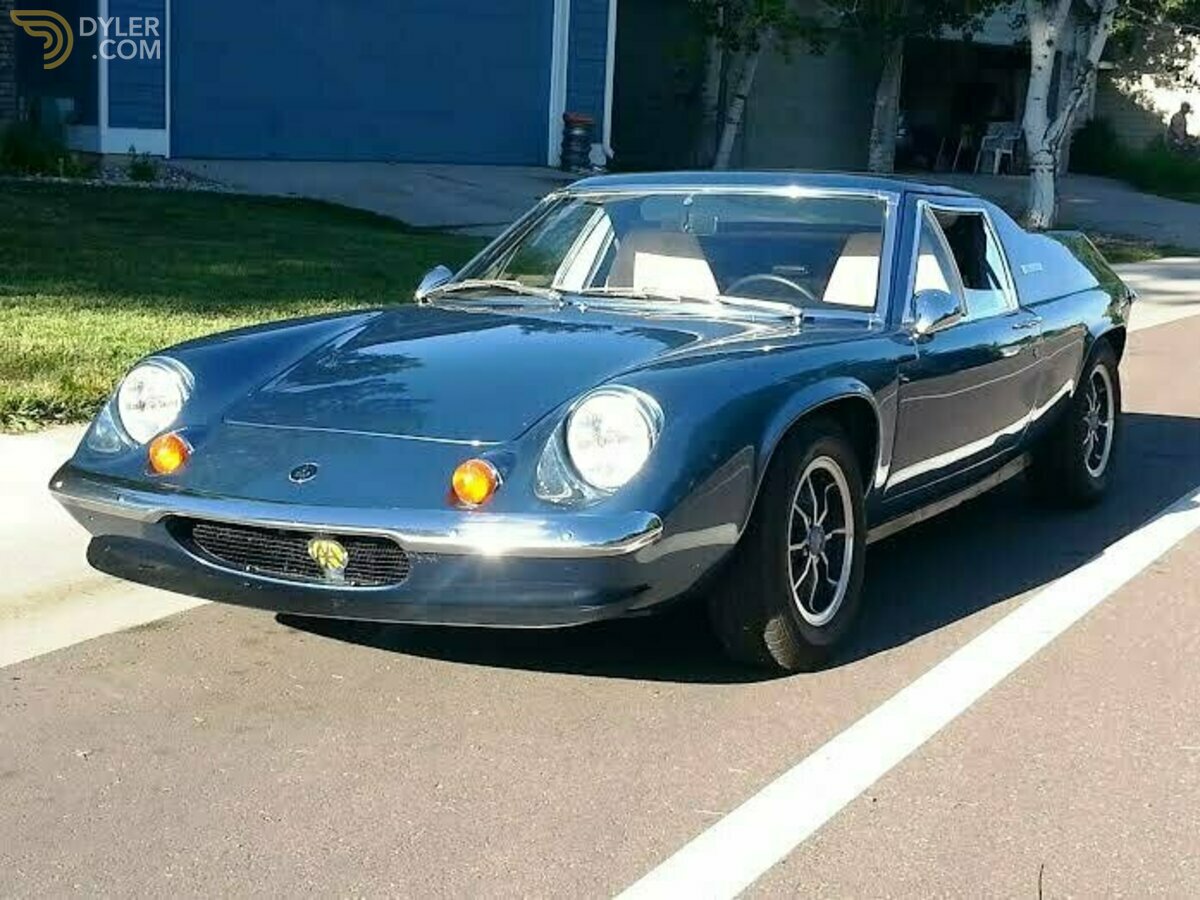 1972 Lotus Europa Twin Cam€ 34.8601972 · 91.733 km · Fort Collins, Verenigde Staten · Dyler
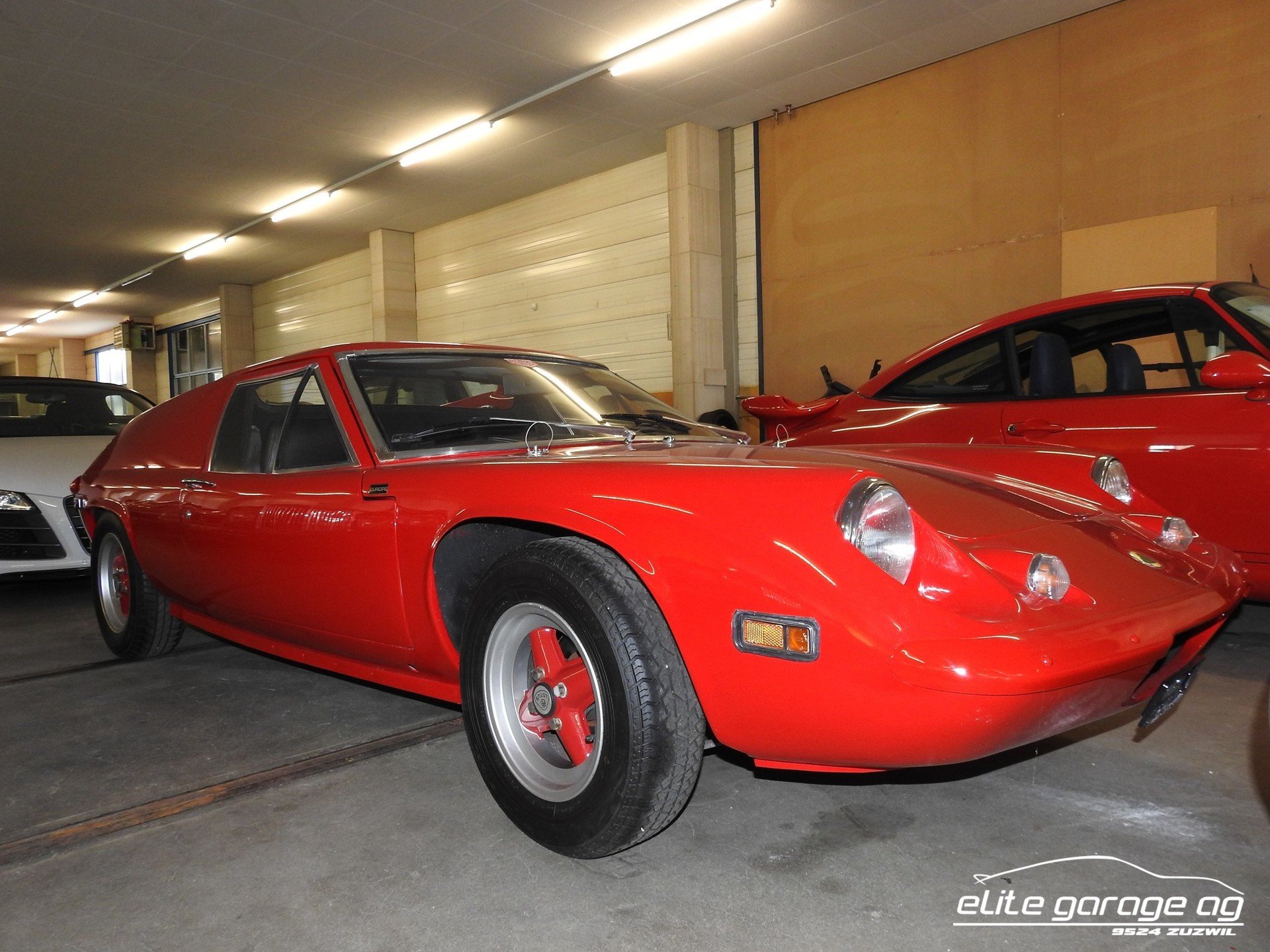 1972 Lotus Europa - EUROPACHF 34.800 (≈ € 37.383)1972 · 50.500 km · Zuzwil SG, Zwitserland · Classic Driver
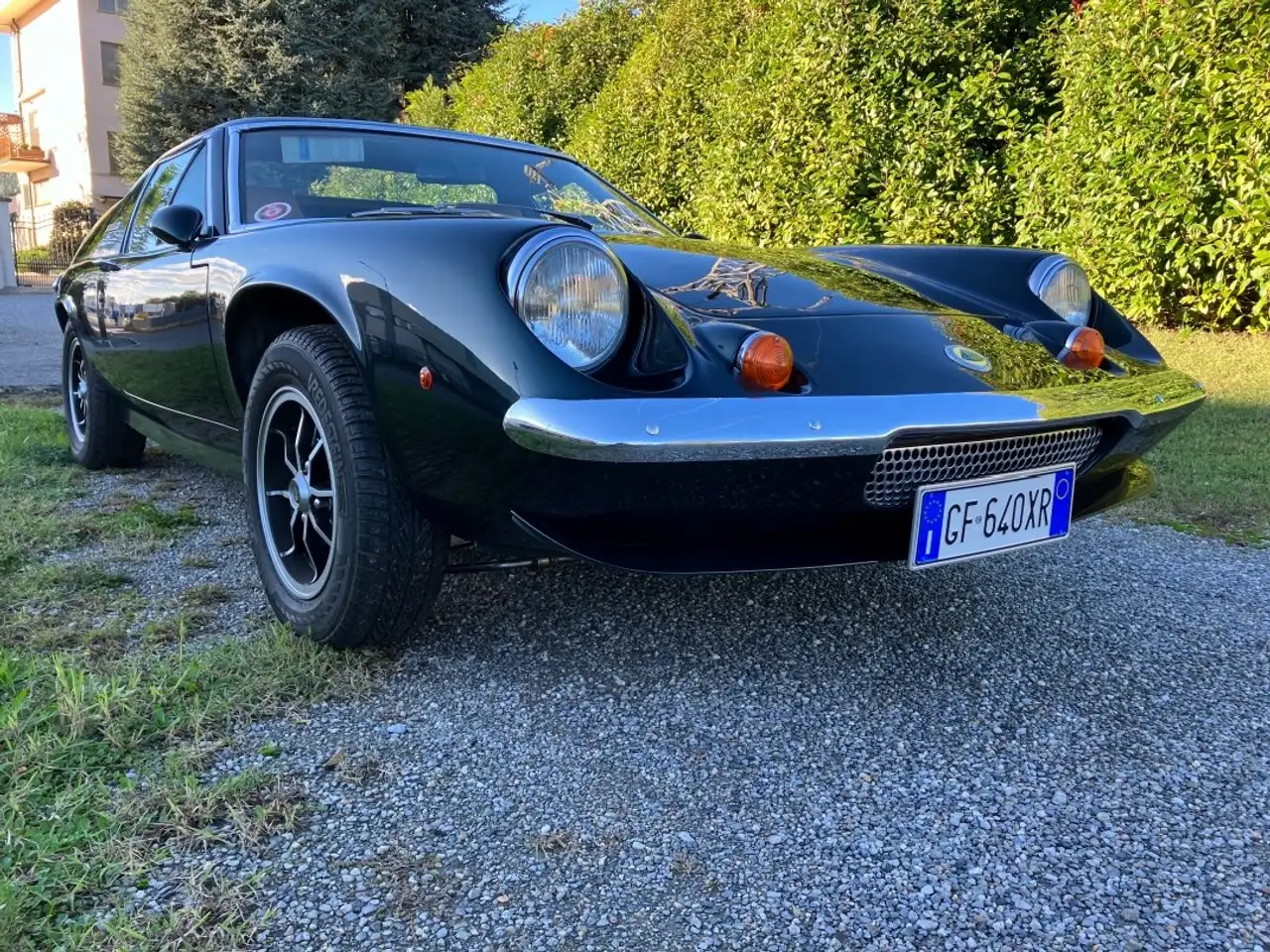 Lotus Europa Twin Cam€ 39.0001972 · 95.000 km · Besana in Brianza, Italië · AutoScout24
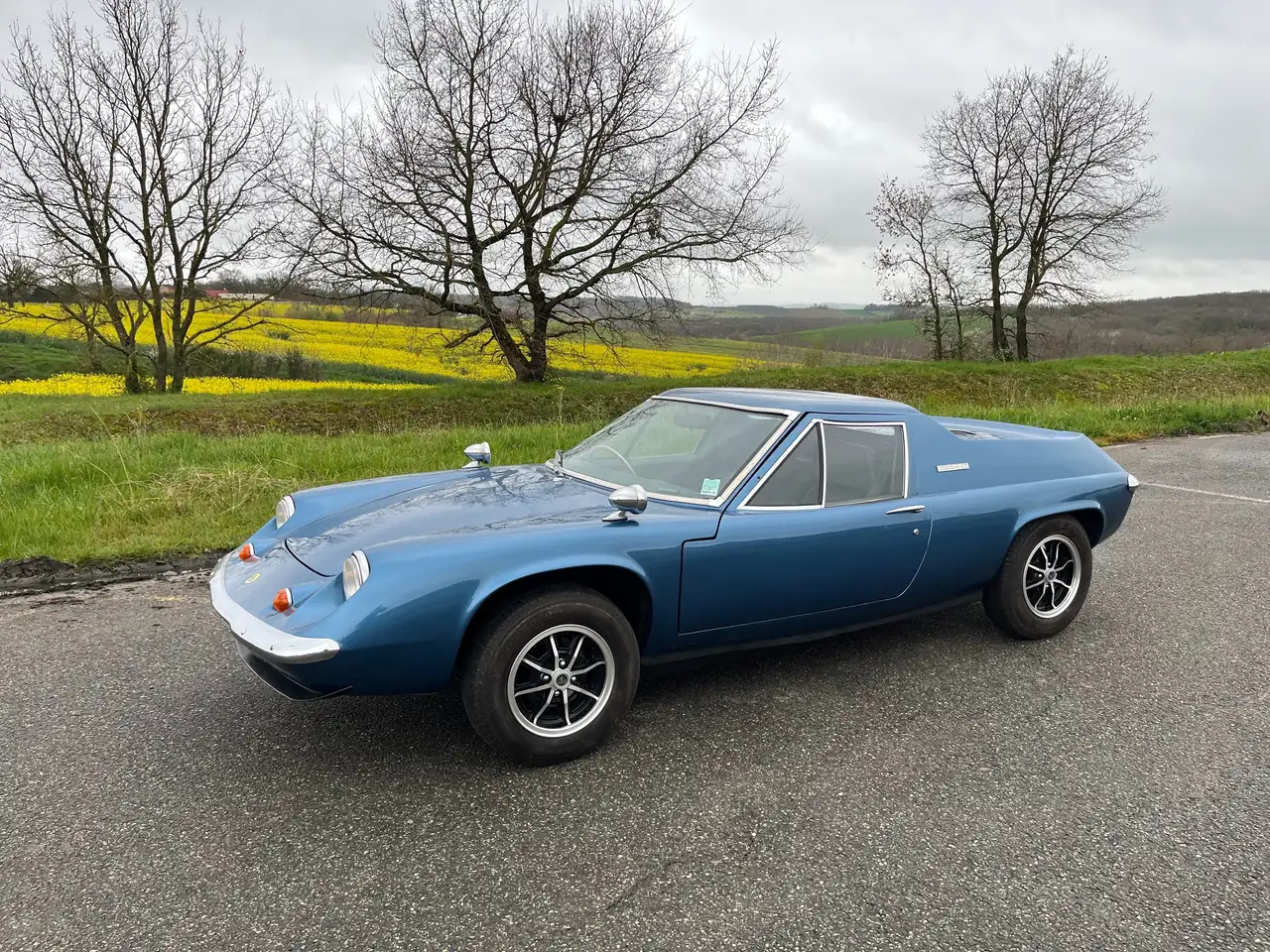 Lotus Europa€ 32.9001972 · 45.000 km · LIAS, Frankrijk · AutoScout24
 1973 Lotus Europa TCS£ 33.450 (≈ € 39.518)1973 · 37.715 km · Dereham, Norfolk, Verenigd Koninkrijk · Car & Classic
 1971 Lotus Europa S2£ 14.995 (≈ € 17.715)1971 · 74.030 km · West Monkton, Somerset, Verenigd Koninkrijk · Car & Classic
Wat doet een Lotus Europa op de markt? Bekijk de marktwaarde →