1928 Tatra 12 - 12
1928 · Salzburg, Oostenrijk · via Classic Driver
Veiling sluit 18 oktober 2026, 01:59
Bekijk op Classic Driver → Open in de app
Gegevens
| Merk | Tatra |
|---|---|
| Model | 12 12 |
| Bouwjaar | 1928 |
| Stuur | Links |
| Locatie | Salzburg, Oostenrijk |
| Verkoper | Humer, Granner & Co GmbH (veiling) |
| Bron | Classic Driver |
| auction | https://www.classicdriver.com/en/auction/humer-granner-co-gmbh-classic-car-auction-17102026 |
| Op Oudjes.xyz sinds | 5 oktober 2026 |
| Laatst gezien | 8 oktober 2026, 18:15 |
Beschrijving
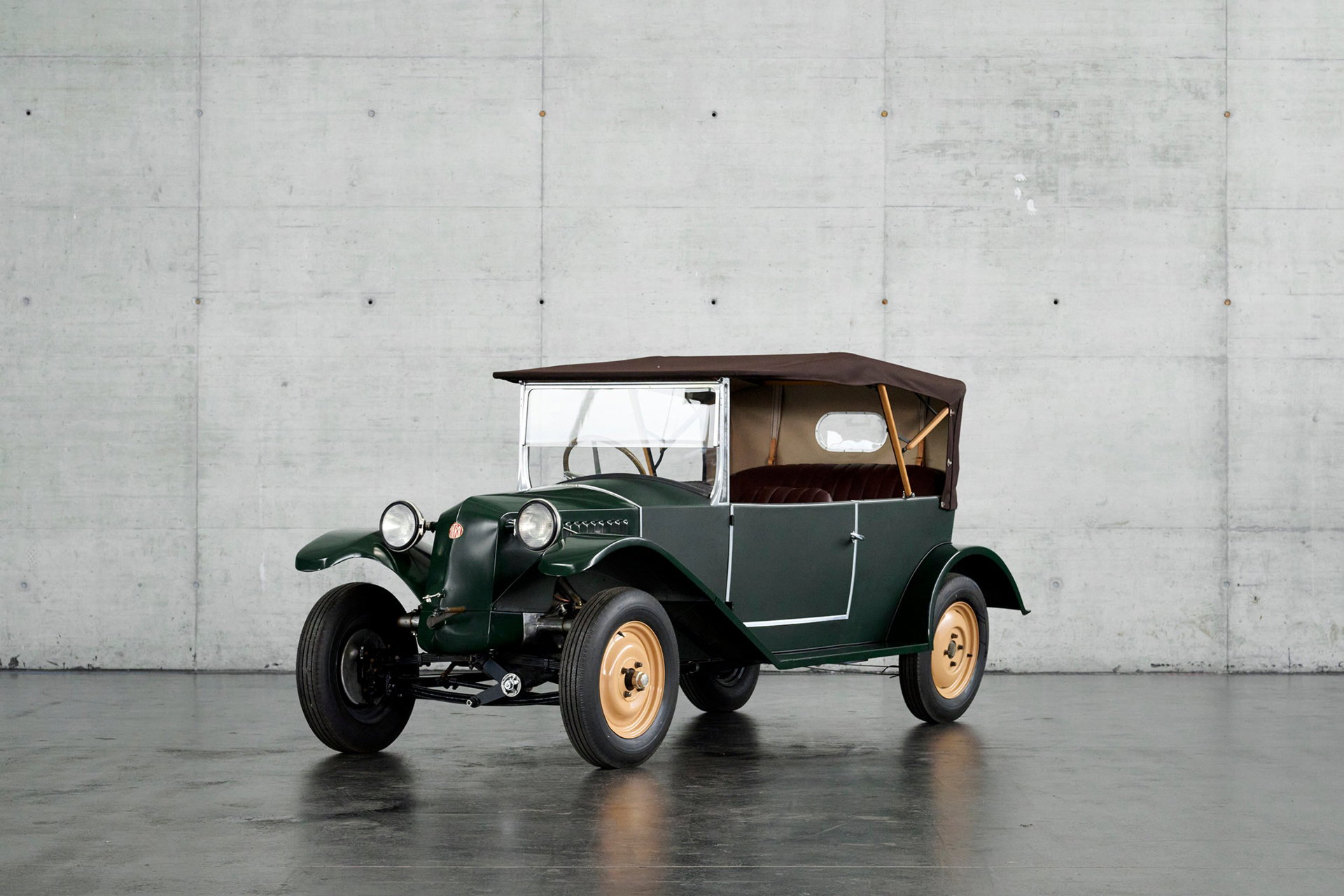
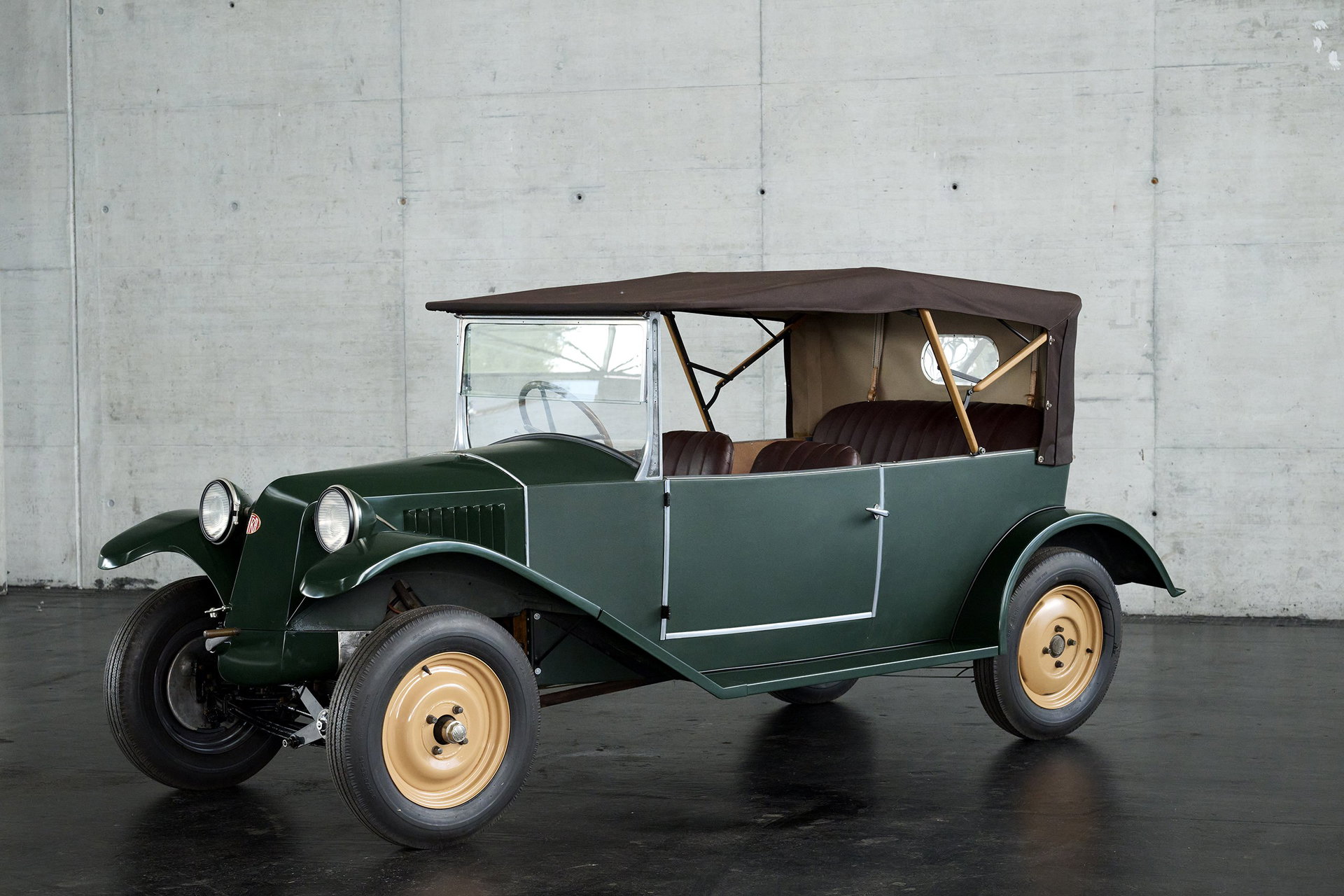
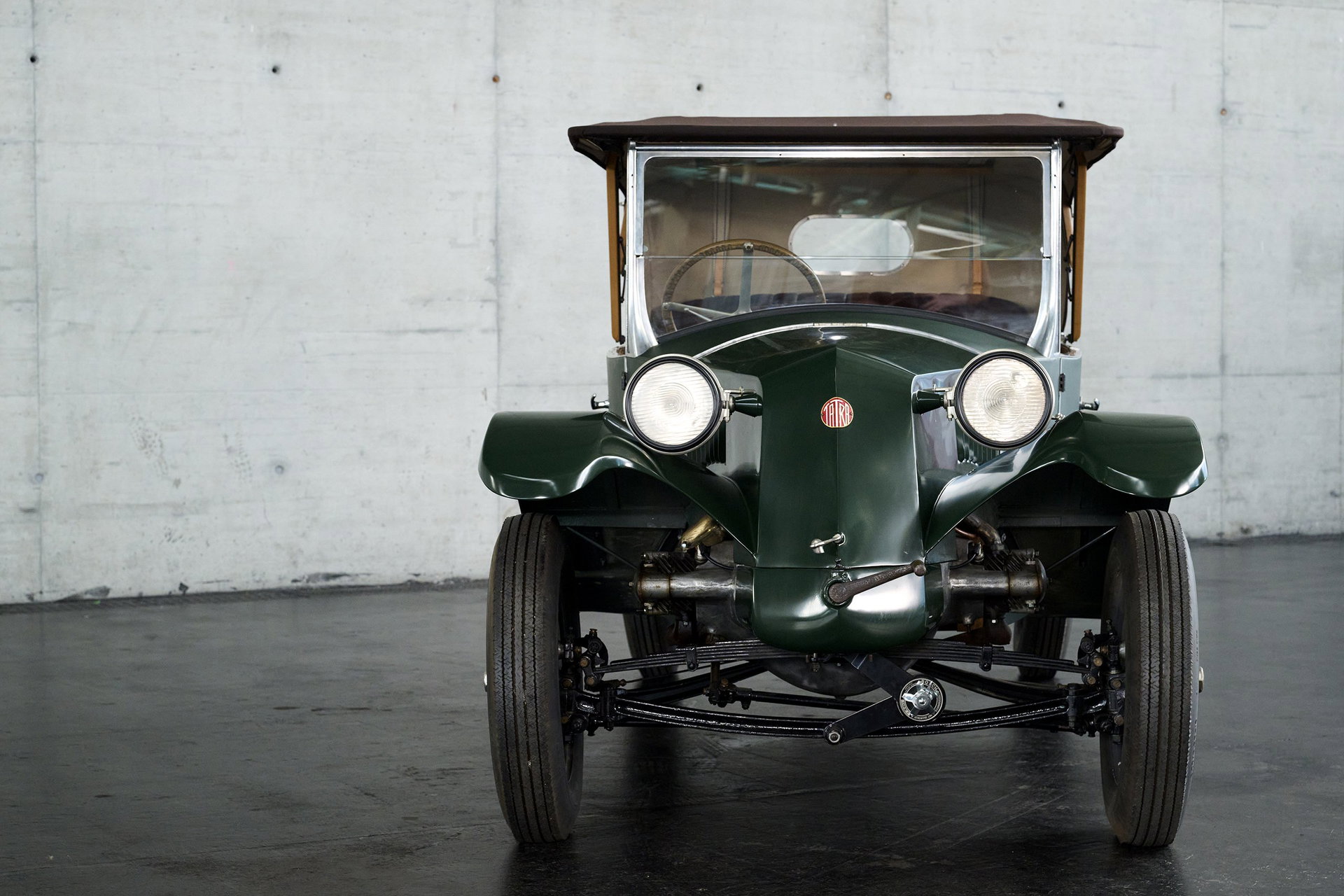
Hans Ledwinka’s first major success for Tatra
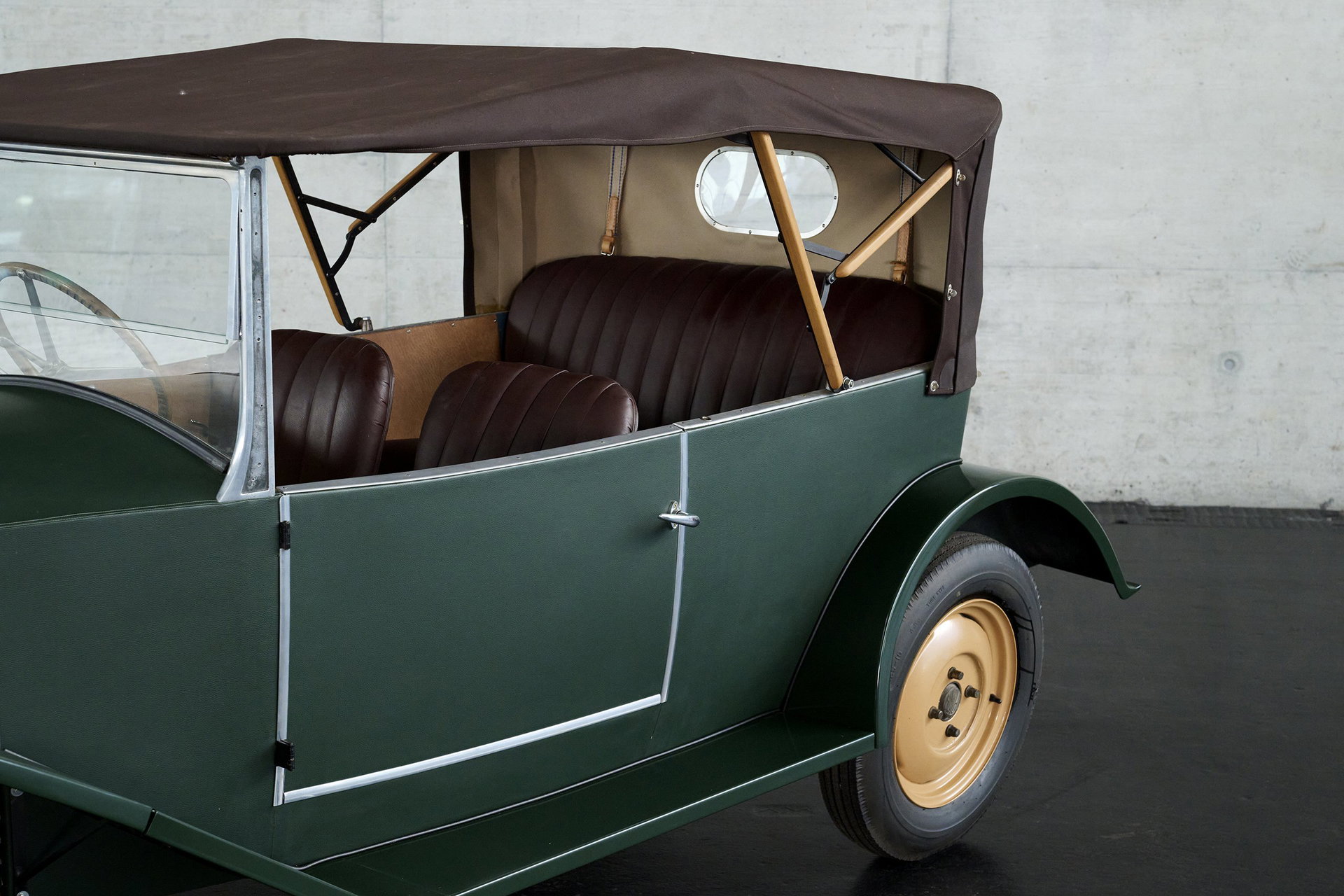
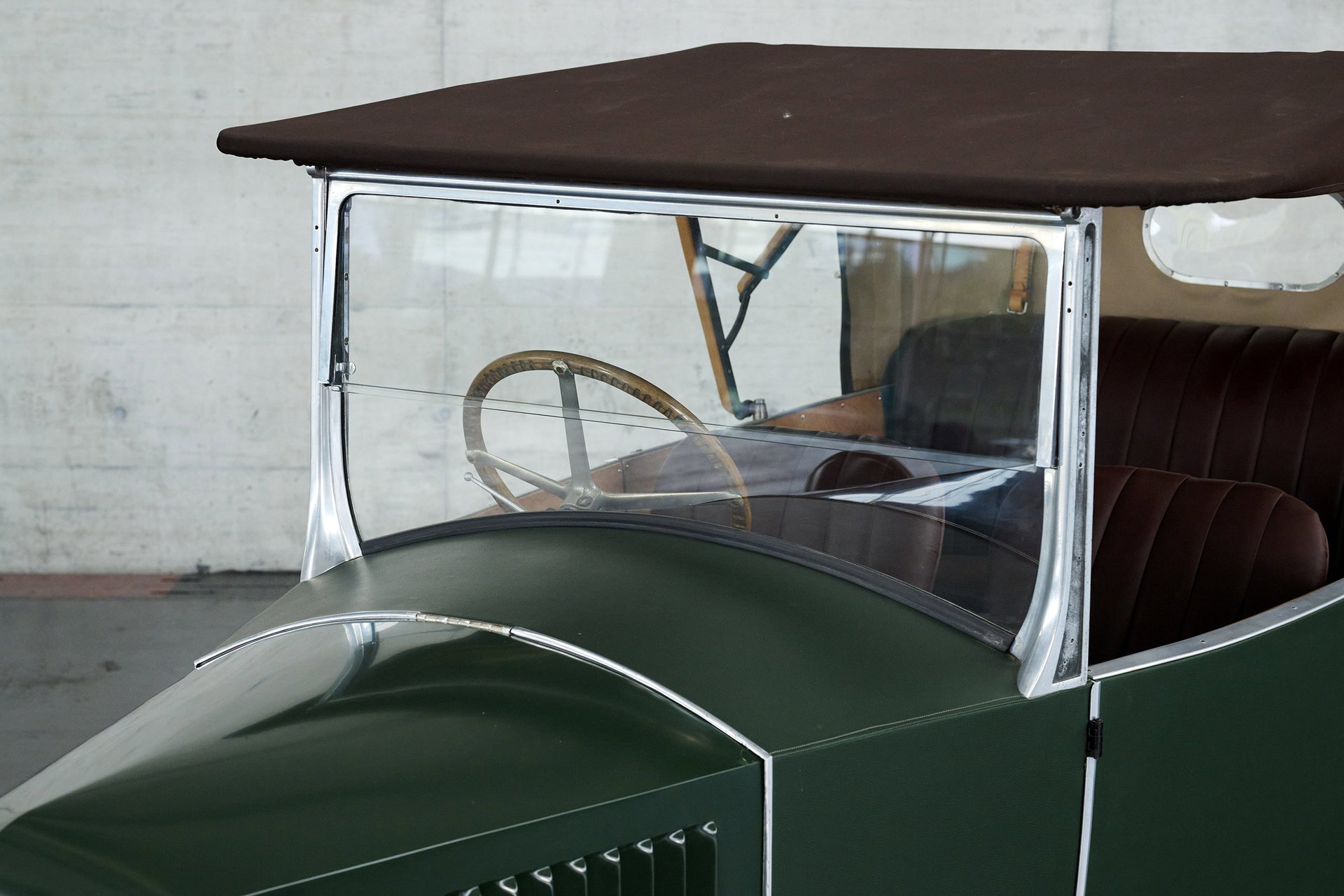
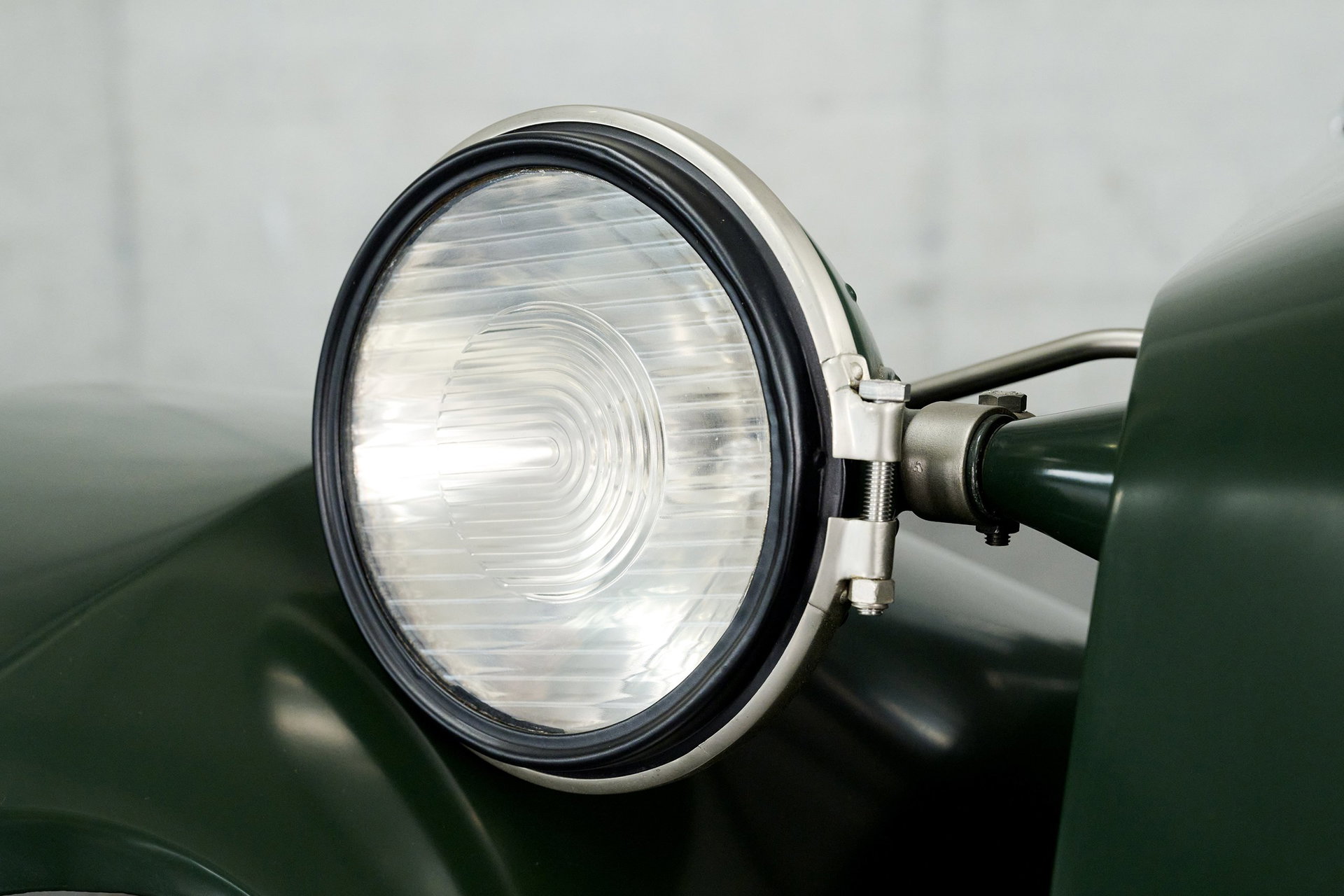
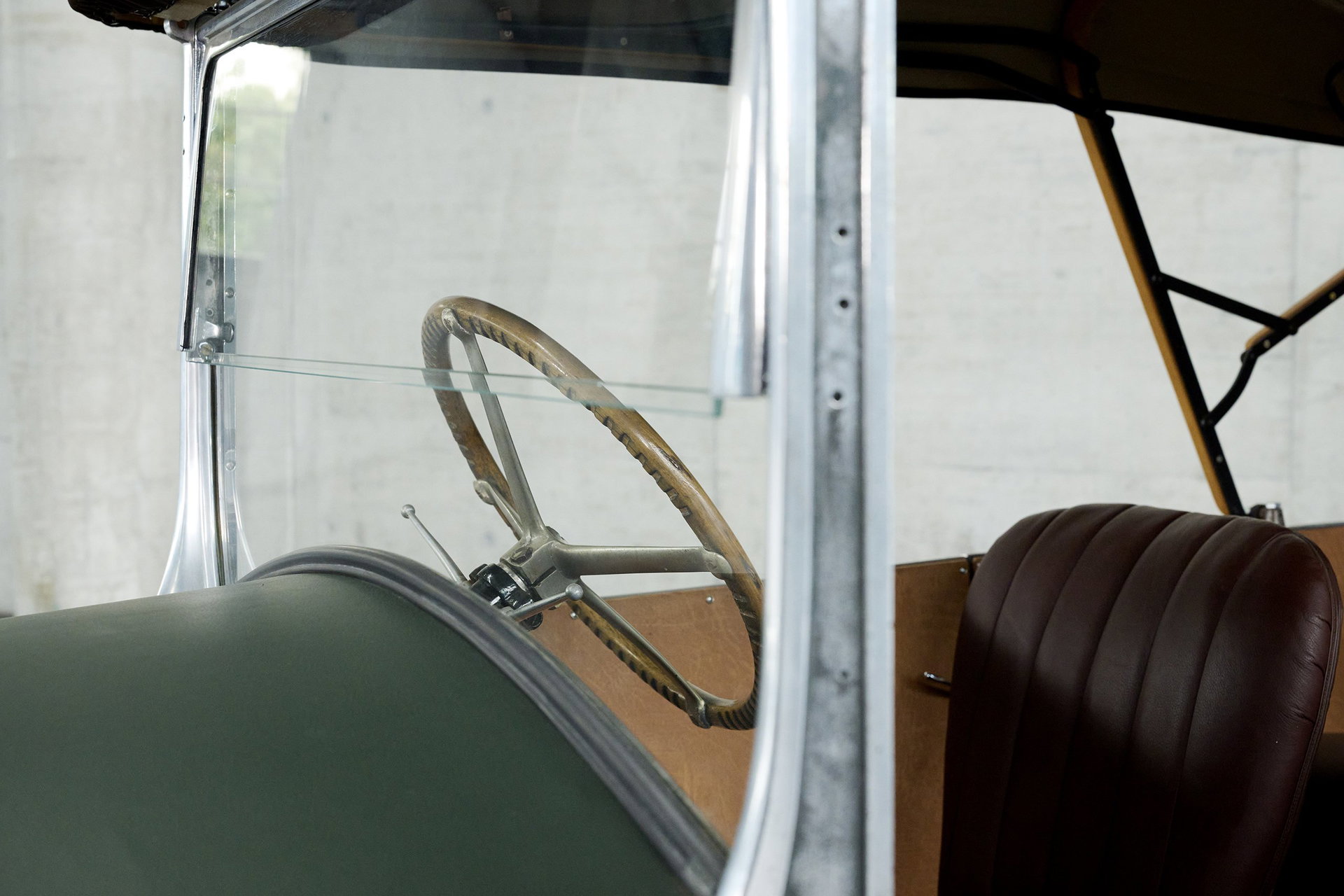
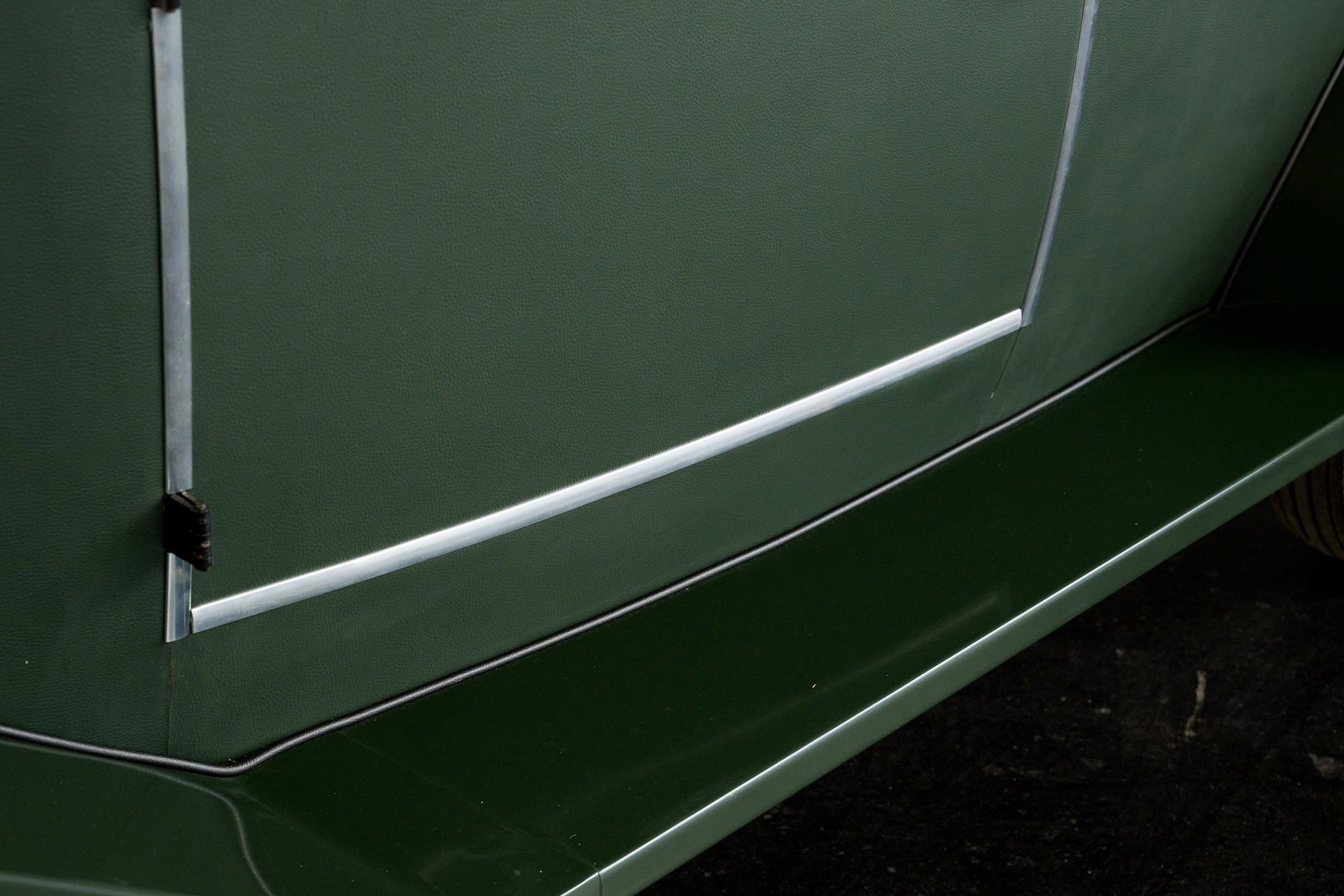
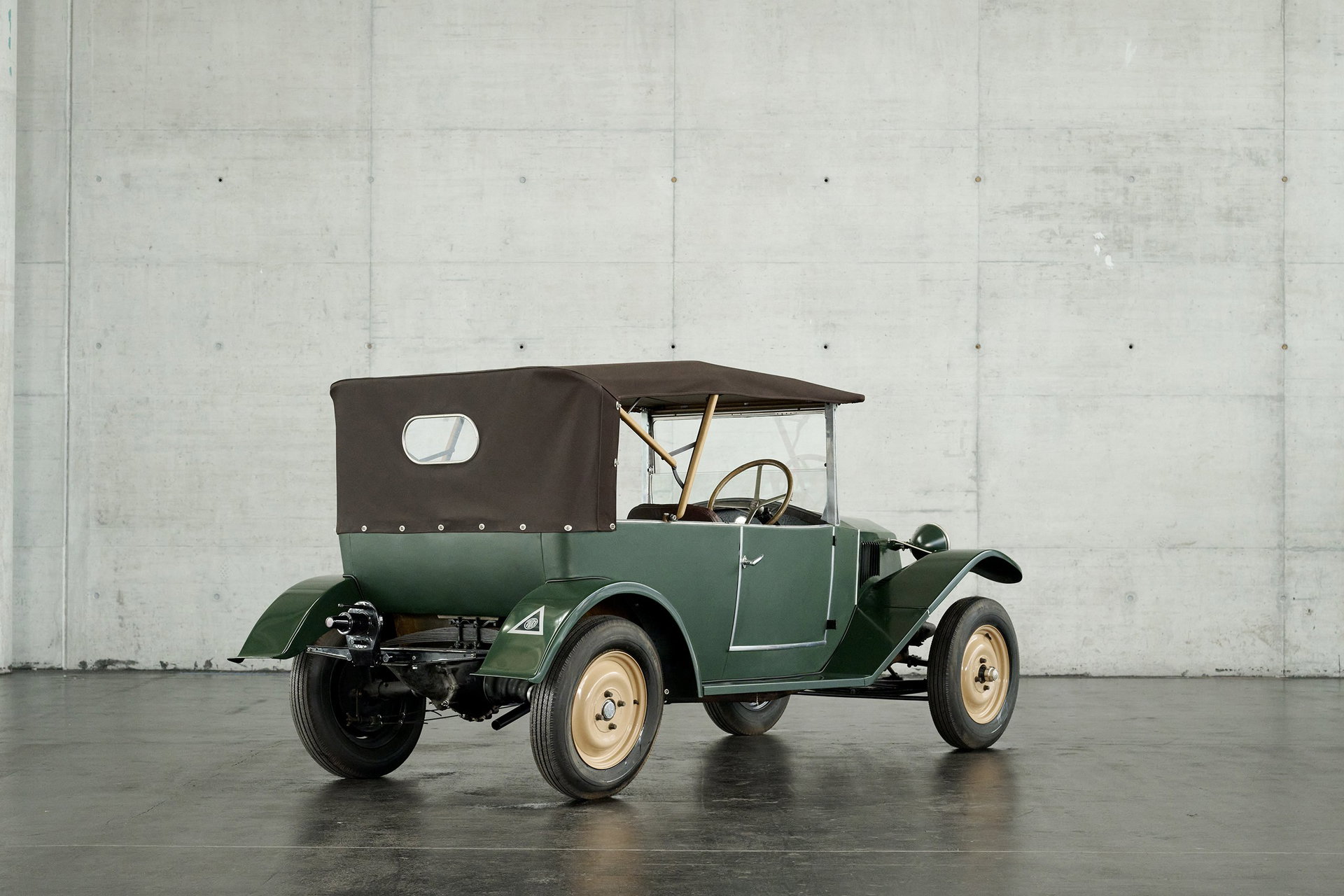
Extensively restored over several decades
One of 7,525 Tatra 12s built
Hans Ledwinka left the Steyr works in 1921 to take up his new position as technical director of the Nesselsdorfer Wagenbau-Fabriks-Gesellschaft. While still in his previous post, he had developed the idea for a small car. His former employer, however, had turned it down. A prototype, bearing the simple number 11, was built that same year and, following the merger of the Nesselsdorf motor works with the Ringhoffer concern, was presented in 1923 as the Tatra 11. It was powered by an overhead-valve, two-cylinder boxer engine of 1,056cc producing 12 bhp. Engine, gearbox and final drive were combined with the backbone chassis to form a single unit. The Tatra was offered with a wide variety of body styles, which was to prove one of the reasons for its success.
In 1926, the Tatra 12 was presented as its successor. It carried a proud number, for the previous year two Tatras bearing the designation ‘12 Targa Florio’ had scored a one-two victory in the race in Sicily. The everyday 12, however, was about as far removed from the racing car as Nesselsdorf was from Palermo. The engine remained largely unchanged, with output rising only slightly to 13 or 14 bhp. The biggest innovation was that there were now brakes on the front wheels as well. Over eight years, more than 7,500 Tatra 12s were built, repeating the success of its predecessors.
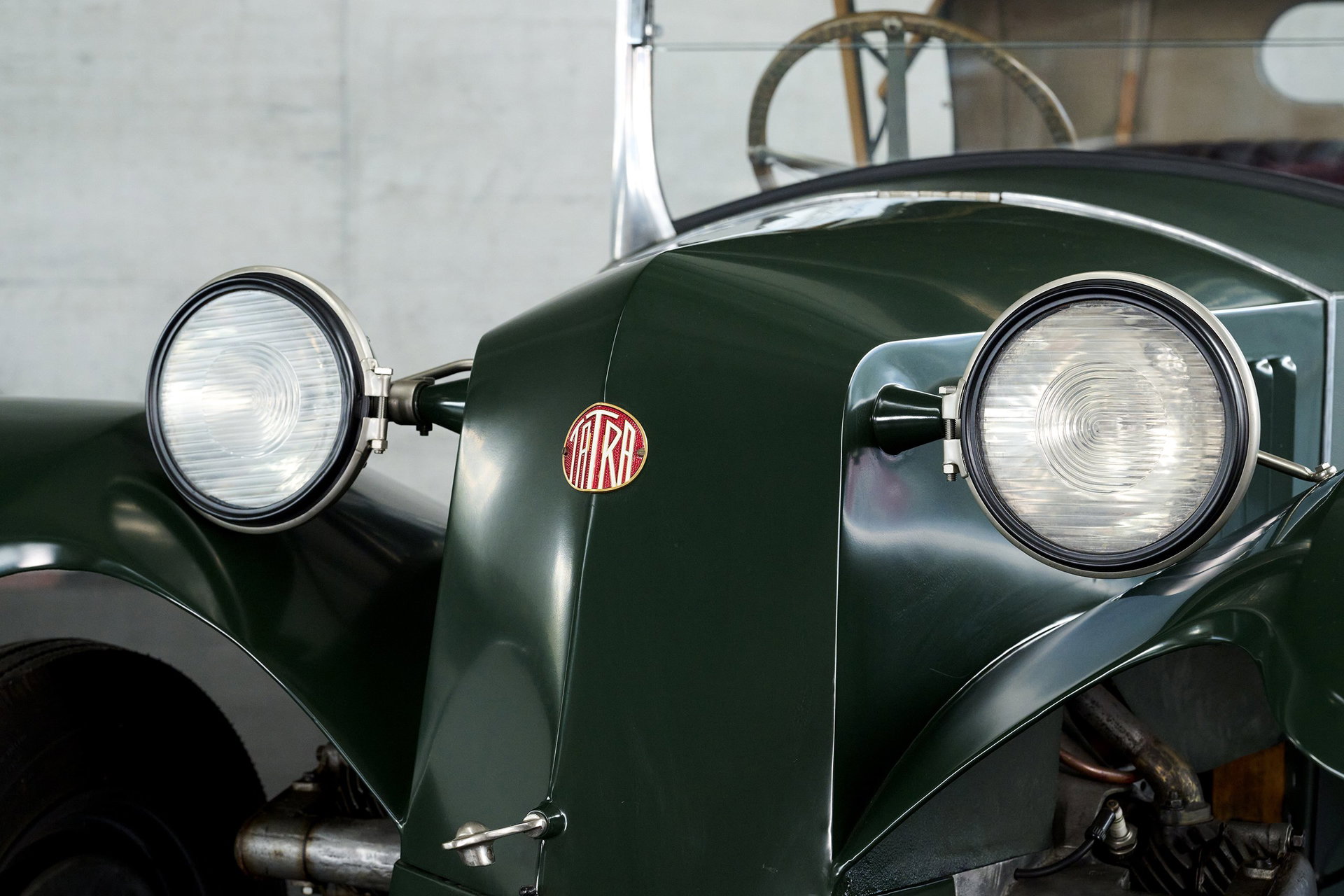
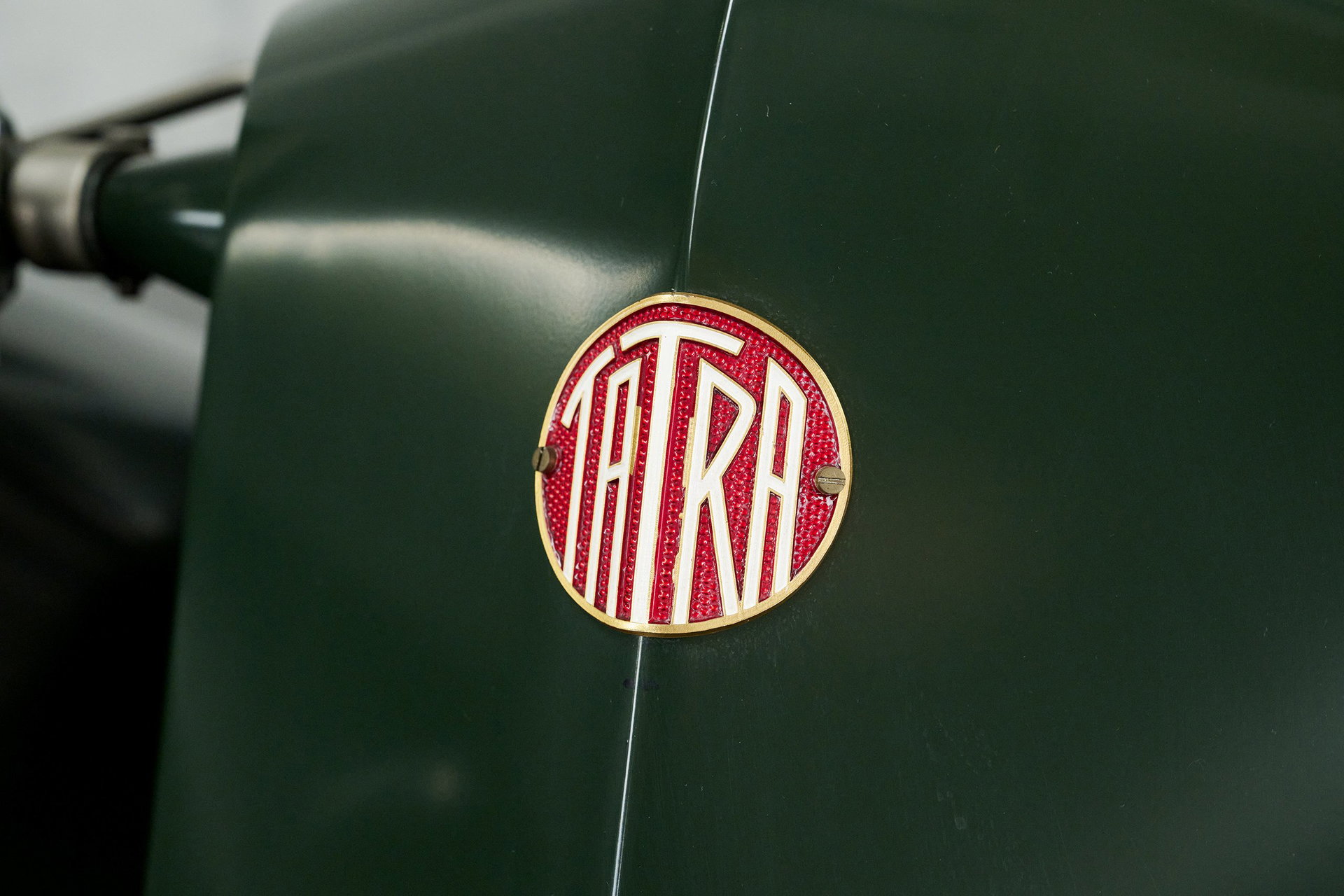
Tatras also enjoyed great popularity in their old, by then rather smaller, Austrian homeland. The company headquarters had long since moved to Prague, but Ringhoffer-Tatra AG established a central workshop at Simmeringer Hauptstrasse 98 in Vienna. As protective tariffs gradually increased, the premises were converted into a coachworks in 1924, where Vienna-built bodies were fitted to chassis supplied from Nesselsdorf. The hinged bonnet at the front not infrequently even carried the old Nesselsdorf coat of arms, complete with double-headed eagle, above the new Tatra badge.
According to the story handed down by word of mouth, this Tatra 12 was bought by its last owner from the mother of Austrian Formula One driver Helmut Koinigg, who had been killed in an accident. Koinigg, then an engineering student, had apparently intended to restore the car himself. Its new owner had the work continued, investing considerable amounts of both time and money. Sadly, he did not live to see it completed.
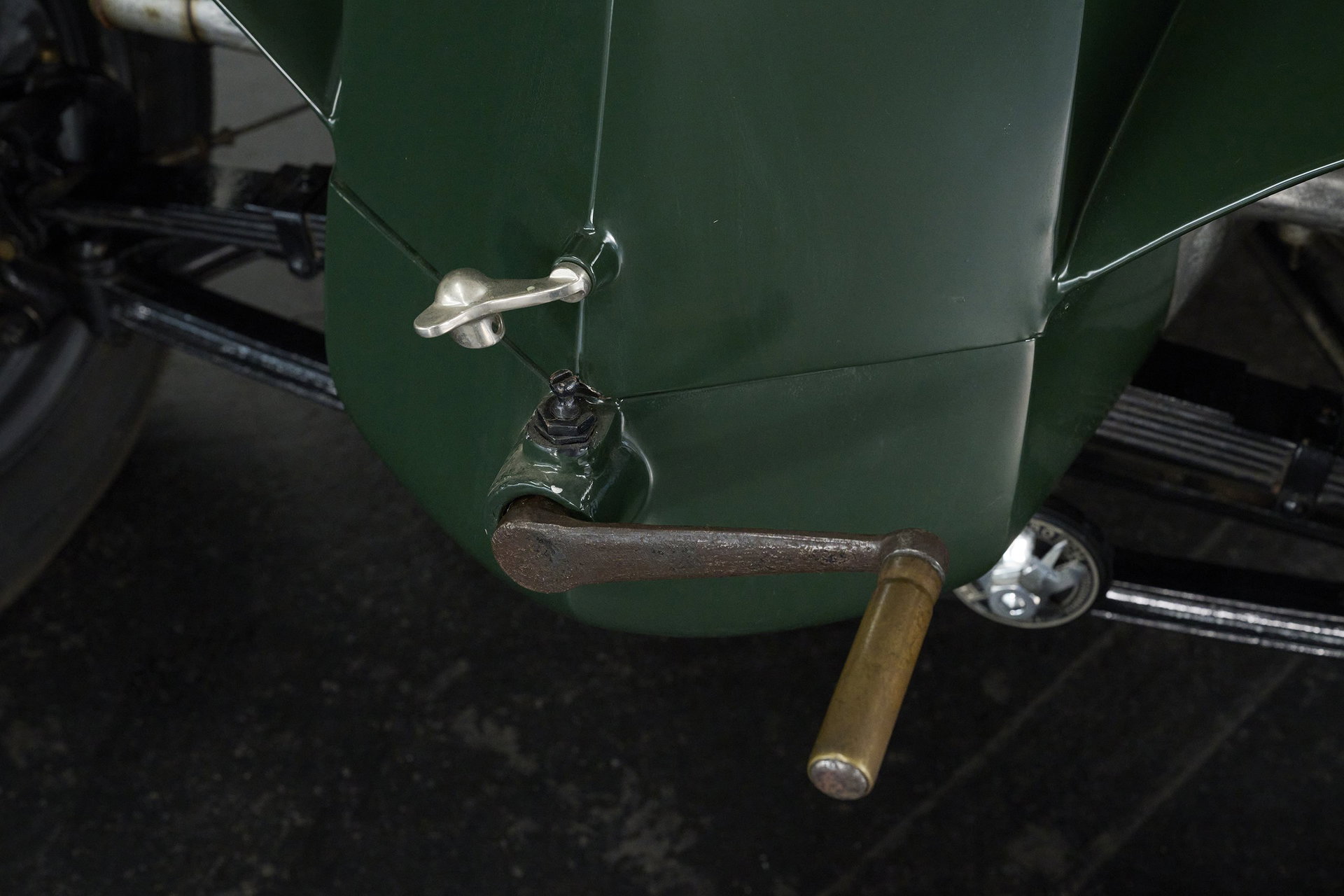
The result certainly looks the part, although the Tatra has yet to be recommissioned and the final few jobs still need attending to. It has been standing around for long enough! The original rear wings are also included with the car.