1950 Studebaker Champion - Champion Starlight Coupé
1950 · Salzburg, Oostenrijk · via Classic Driver
Veiling sluit 18 oktober 2026, 01:59
Bekijk op Classic Driver → Open in de app
Gegevens
| Merk | Studebaker |
|---|---|
| Model | Champion Coupé |
| Bouwjaar | 1950 |
| Carrosserie | Coupé |
| Stuur | Links |
| Locatie | Salzburg, Oostenrijk |
| Verkoper | Humer, Granner & Co GmbH (veiling) |
| Bron | Classic Driver |
| auction | https://www.classicdriver.com/en/auction/humer-granner-co-gmbh-classic-car-auction-17102026 |
| Op Oudjes.xyz sinds | 5 oktober 2026 |
| Laatst gezien | 8 oktober 2026, 18:15 |
Beschrijving
Studebaker’s iconic 1950 design
Delivered new in Austria
Spent many years in a museum
A successful acting career
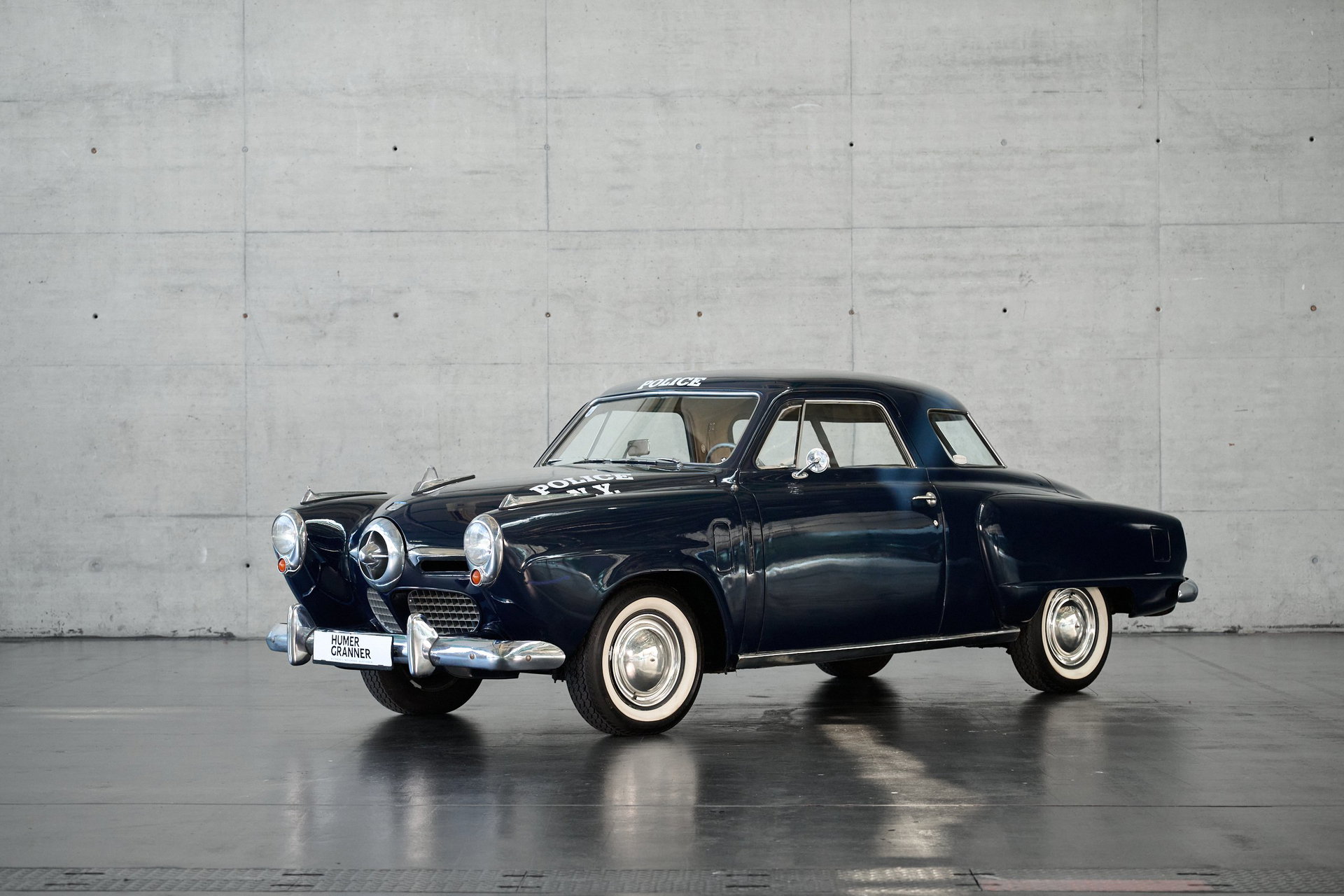
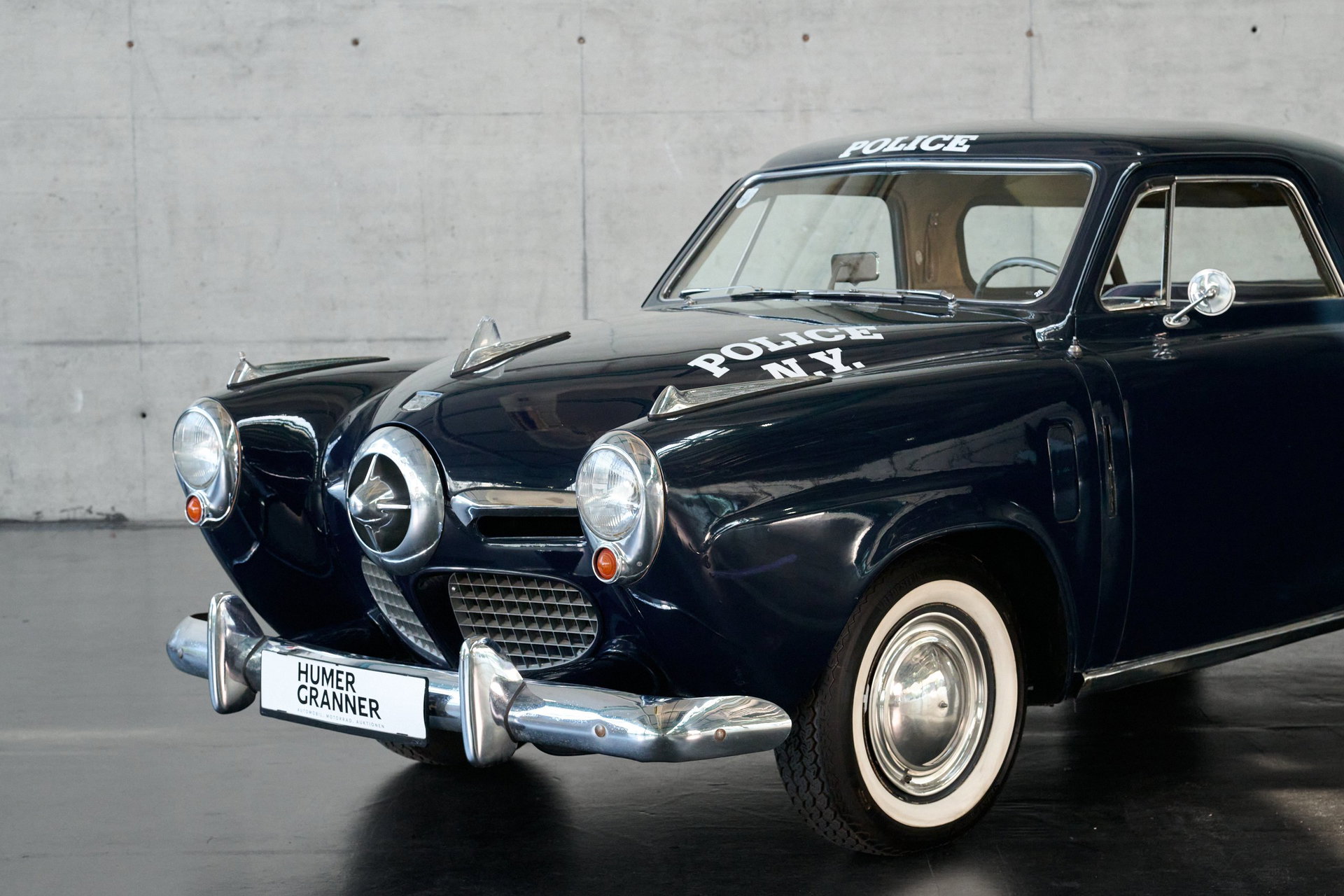
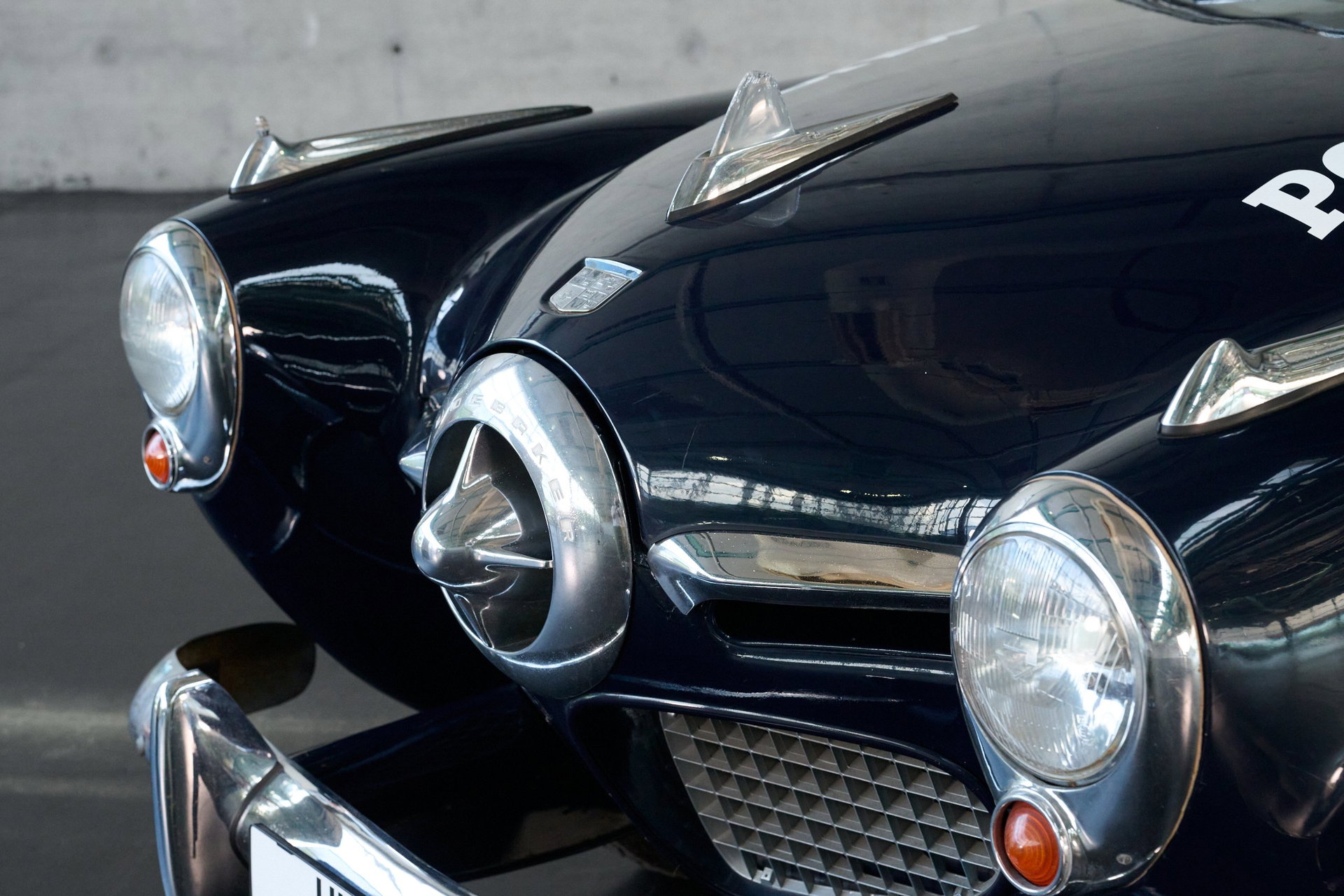
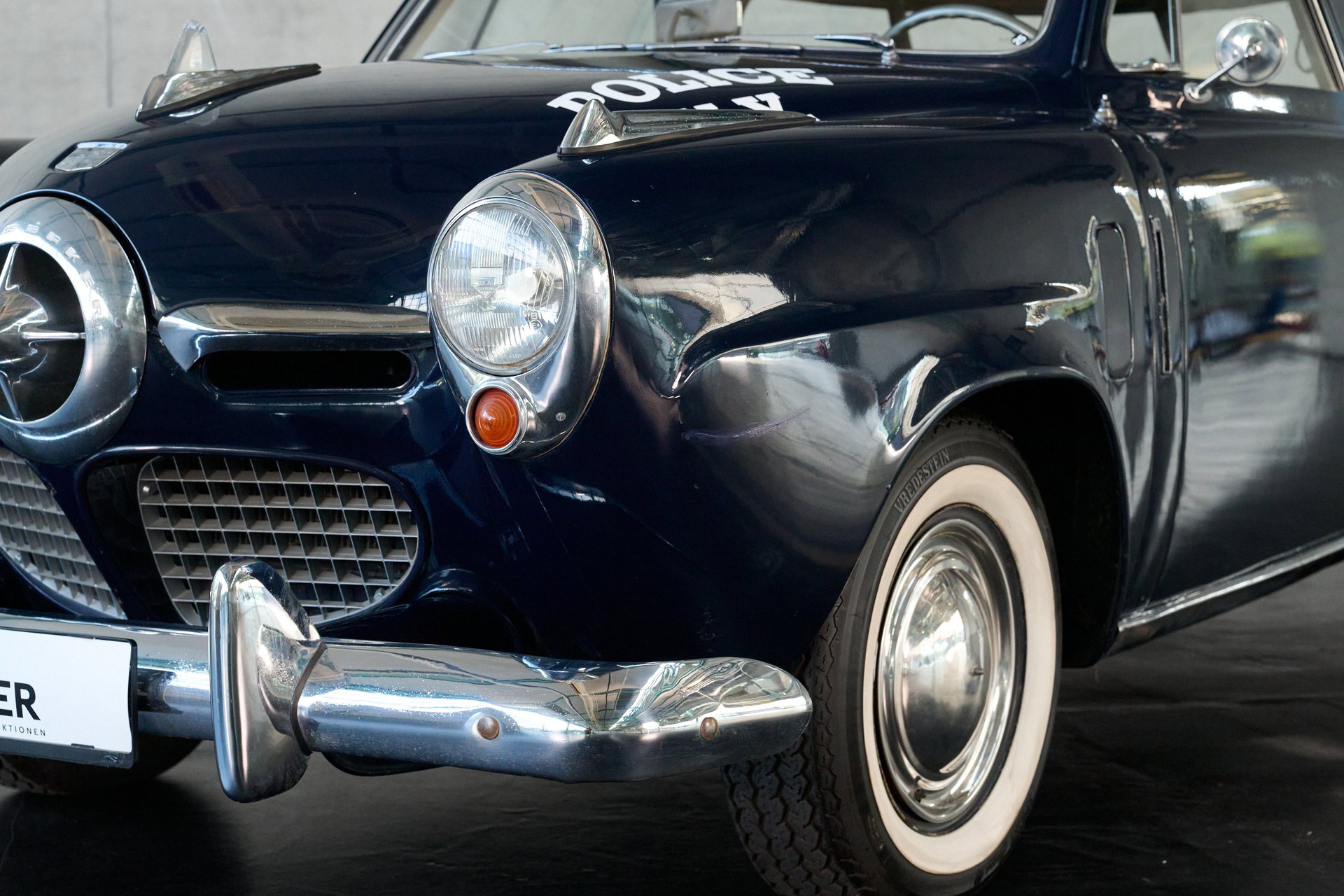
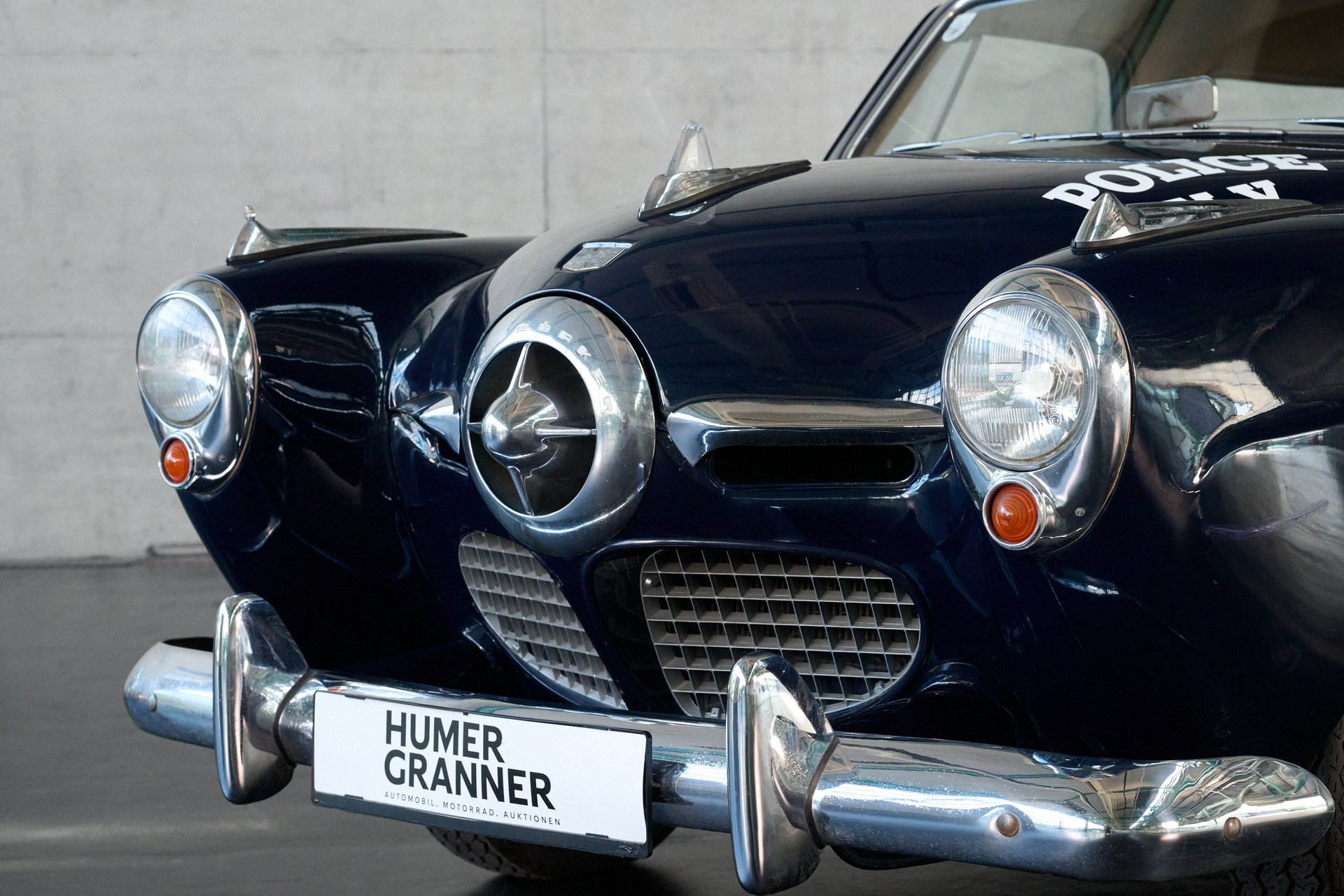
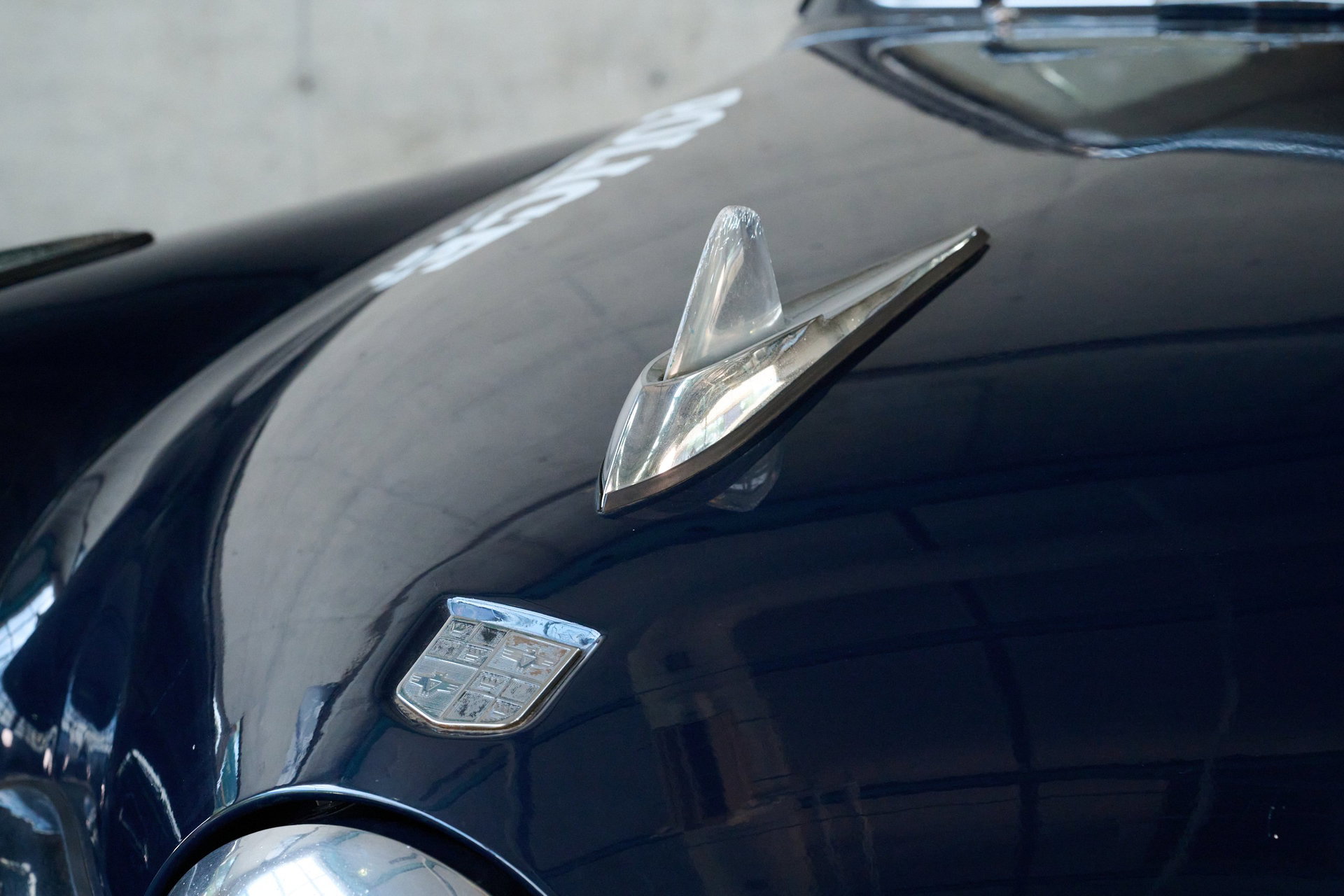
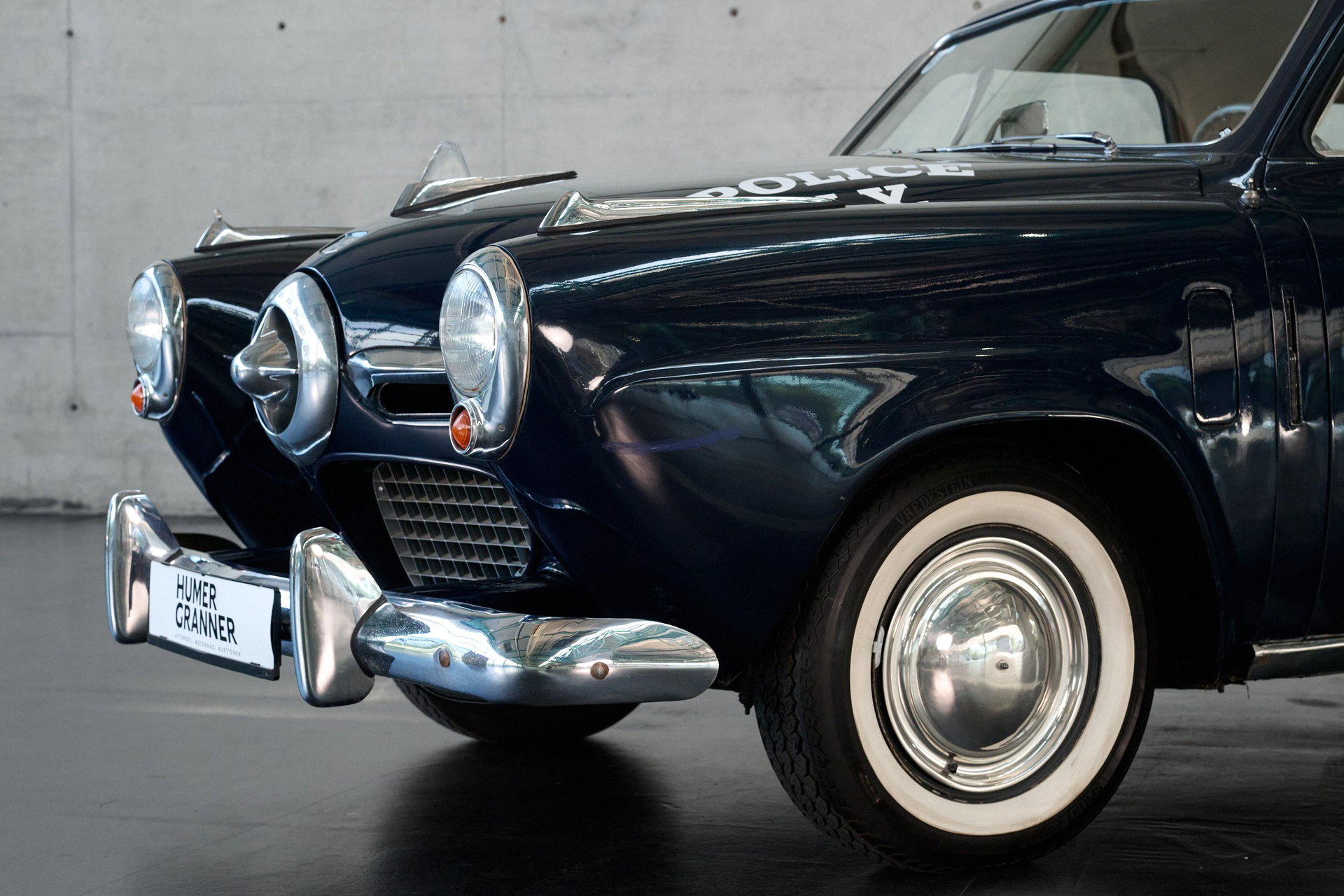
In the post-war years, Studebaker’s styling was entrusted to Raymond Loewy’s New York design studio. The 1950 models in particular caused a stir with their distinctive “Bullet Nose”. While other radiator grilles were getting ever wider, Studebaker planted a chrome cone right in the middle of the nose. A little aeroplane, a little rocket and absolutely impossible to miss.
Underneath, things were considerably more conventional. The Champion was positioned as the more economical model below the larger Commander and powered by a 2.8-litre straight-six. Around 85 hp had to suffice, but in return the Studebaker was pleasantly restrained in its thirst by American standards. The Champion, after all, had been conceived as an affordable car for a broad range of buyers. And after the war, Studebaker was among the first American manufacturers to introduce an entirely new generation of cars.
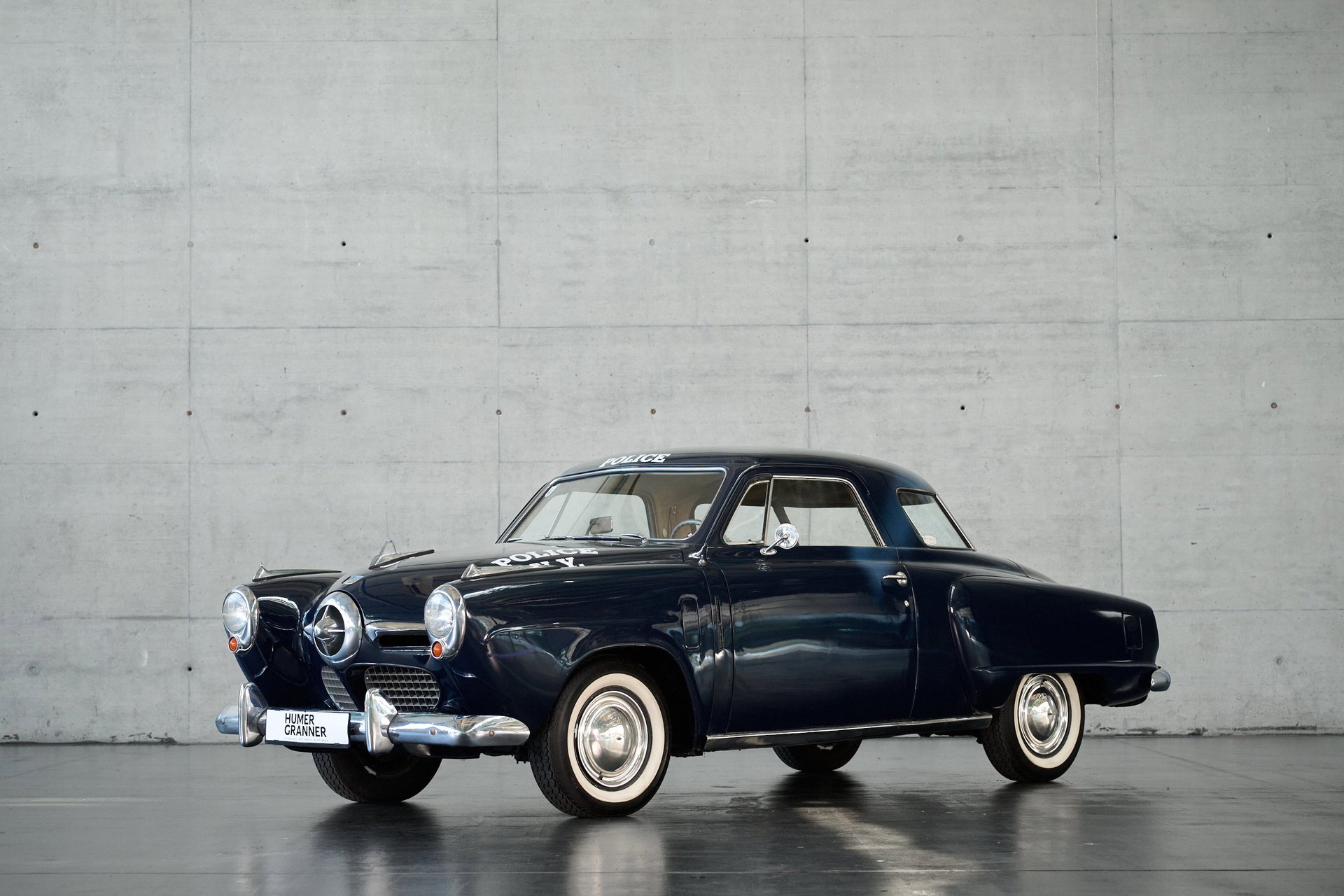
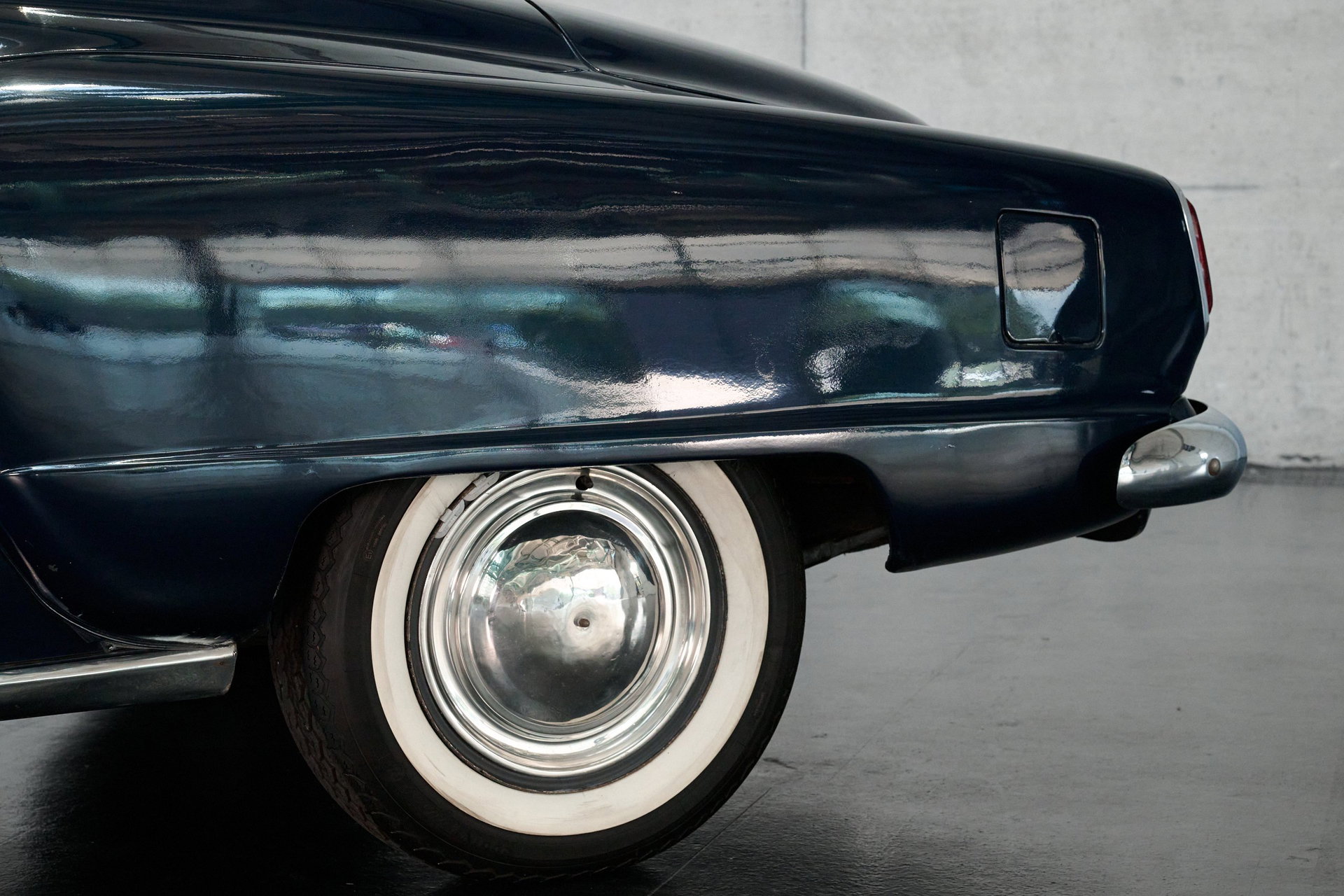
Another Loewy design flourish was the curved glass wrapping around the rear. Initially offered as an option, by 1950 it had become the defining feature of the Starlight Coupe. The 1950 Champion captured the optimism of the post-war years rather neatly. Mechanically sensible, visually avant-garde.
This Studebaker Champion was first registered in Austria on 13 October 1950, wearing the registration W 23.106. Decades later, it found its way into a museum, where its present consignor eventually discovered it. He bought it sight unseen, no less – the extraordinary design alone was enough.
It was a decision made on instinct, and one that was soon followed by a fair amount of work. The car’s actual mechanical condition did not quite live up to its description. The braking system was therefore extensively converted to a dual-circuit setup, the electrics were partially overhauled and a new set of whitewall tyres fitted. Today, the engine runs silkily, with an automatic transmission taking care of the shifting.
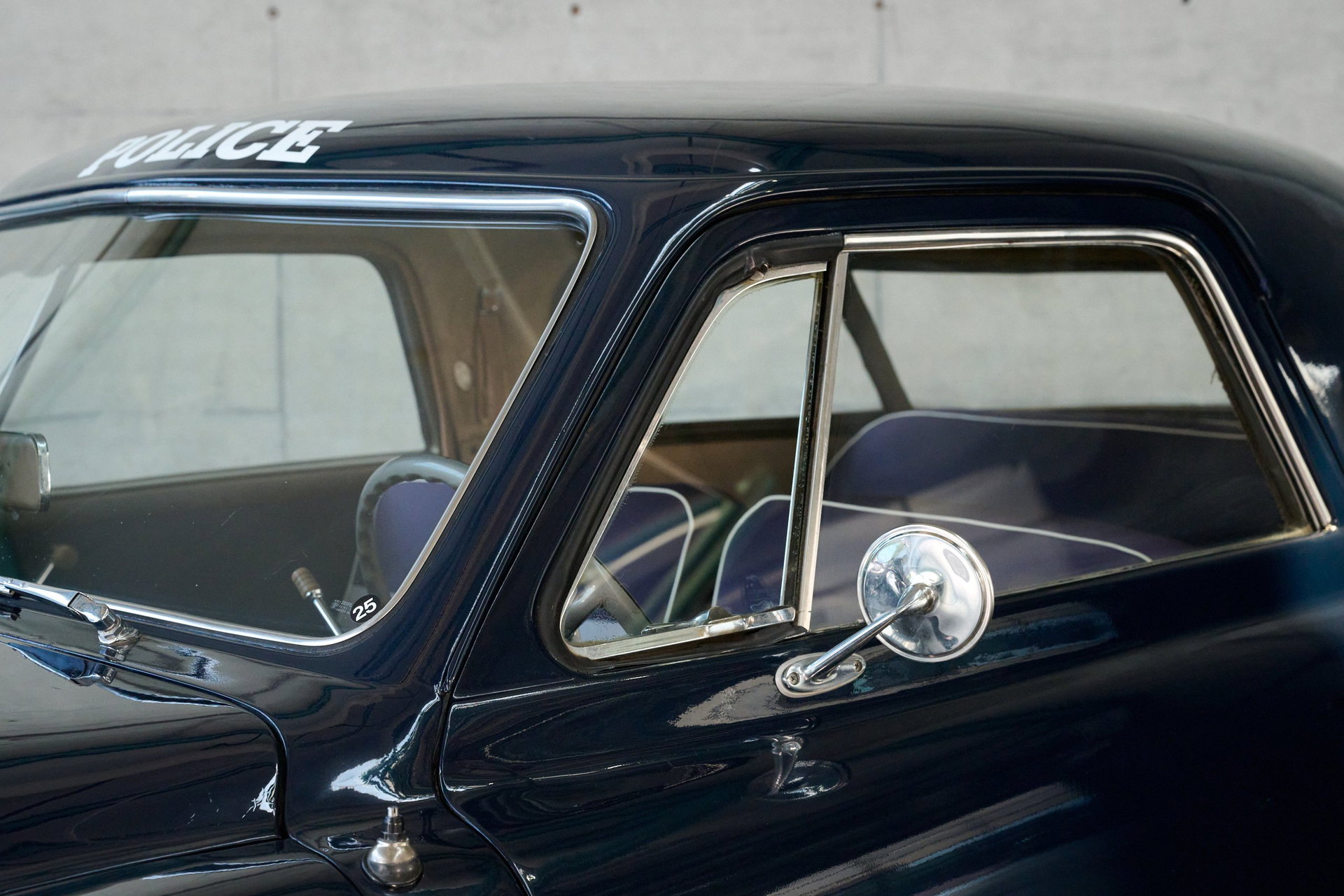
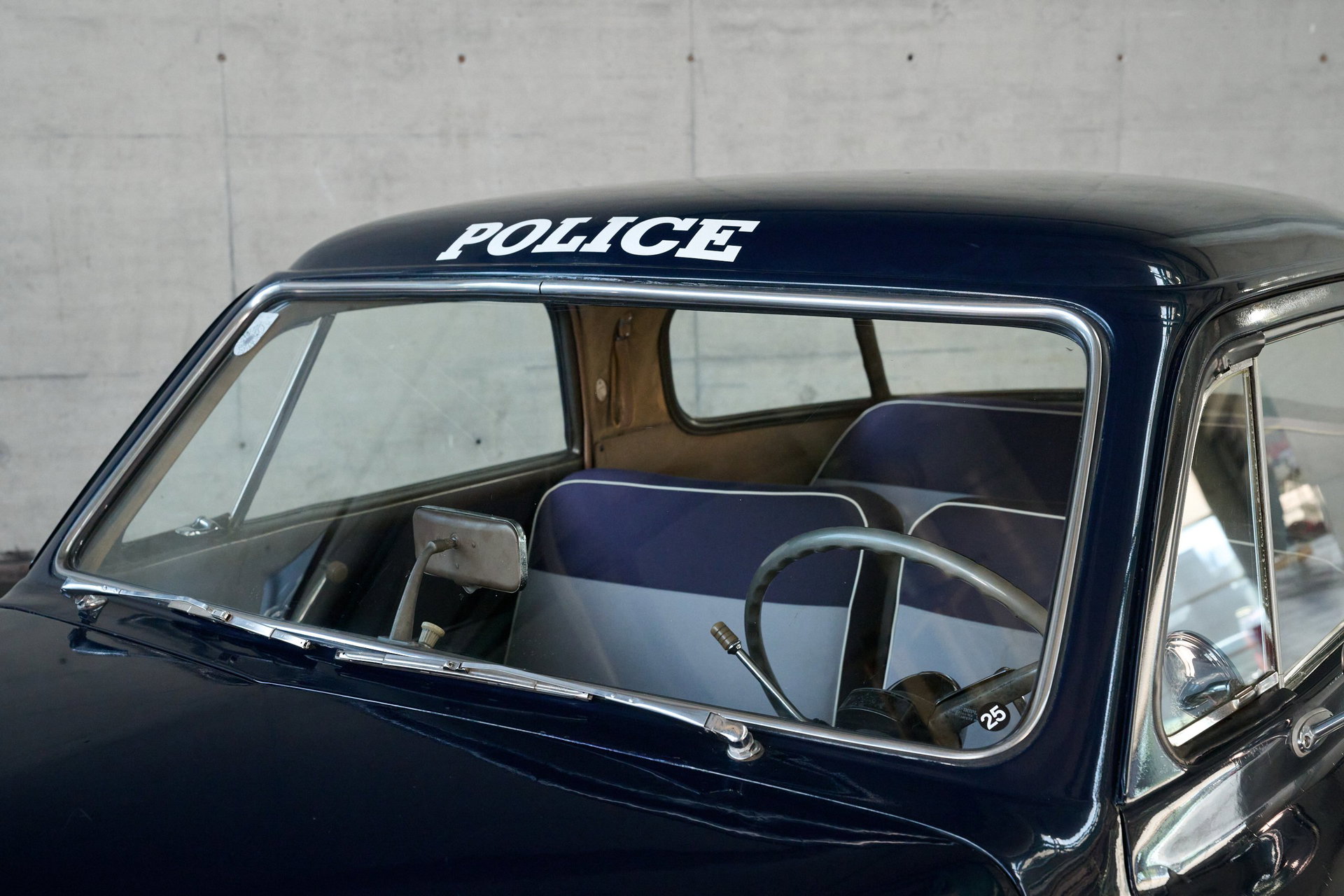
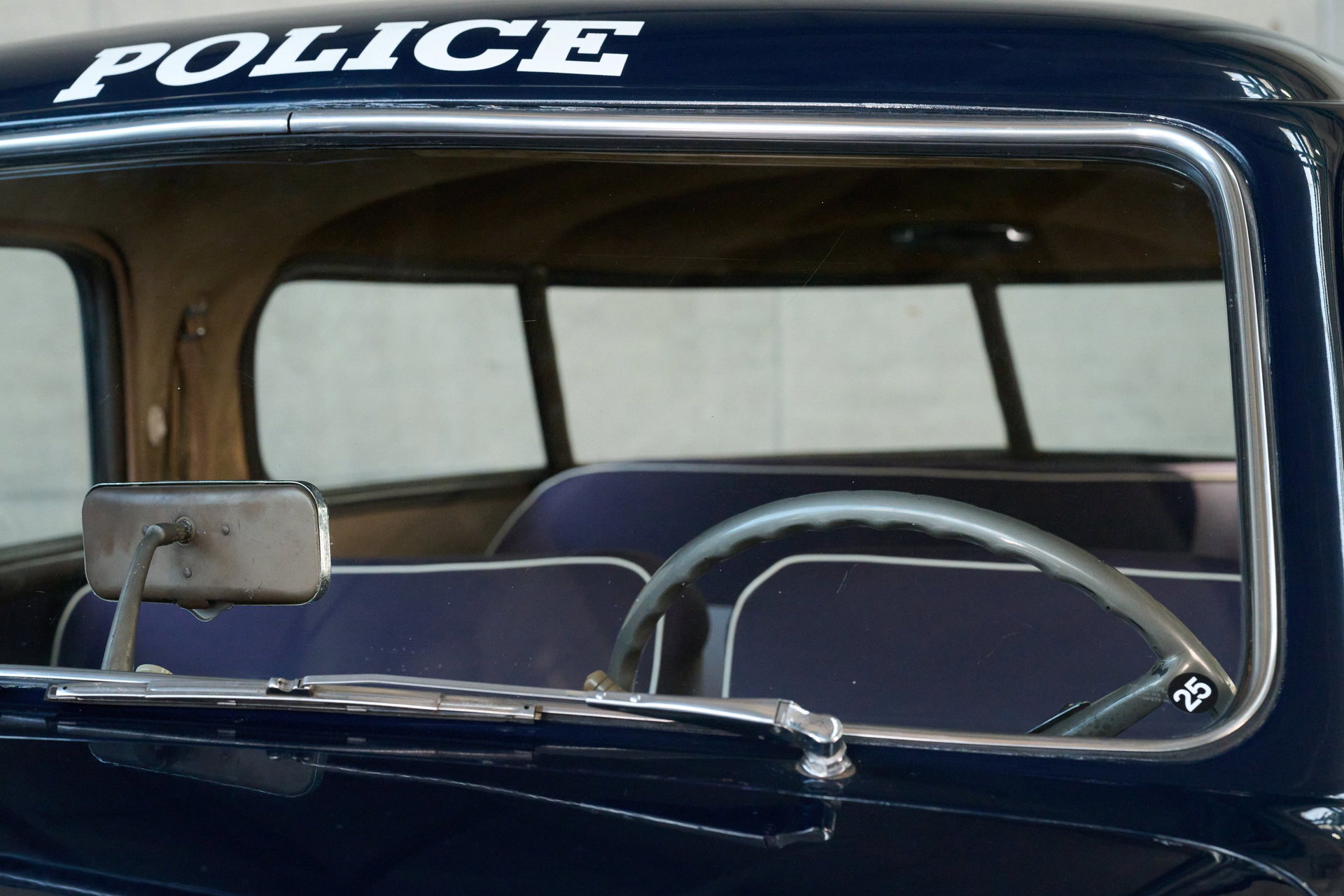
The Champion’s most unusual appearance, however, was not on the road but on stage. During a production of “West Side Story” at the Mörbisch Lake Festival, it was one of the automotive stars of the show. Its eye-catching Police livery dates from that engagement – and suits it surprisingly well. It also enjoyed further attention courtesy of an extensive feature in the Austrian motoring magazine “Autorevue”.
The Champion is now coming to auction for a refreshingly simple reason: its owner simply does not drive it enough. After the museum and the stage, it is time for the road again. Which is where a car belongs, after all – even one with an acting career on its CV.
Vergelijkbare oudjes
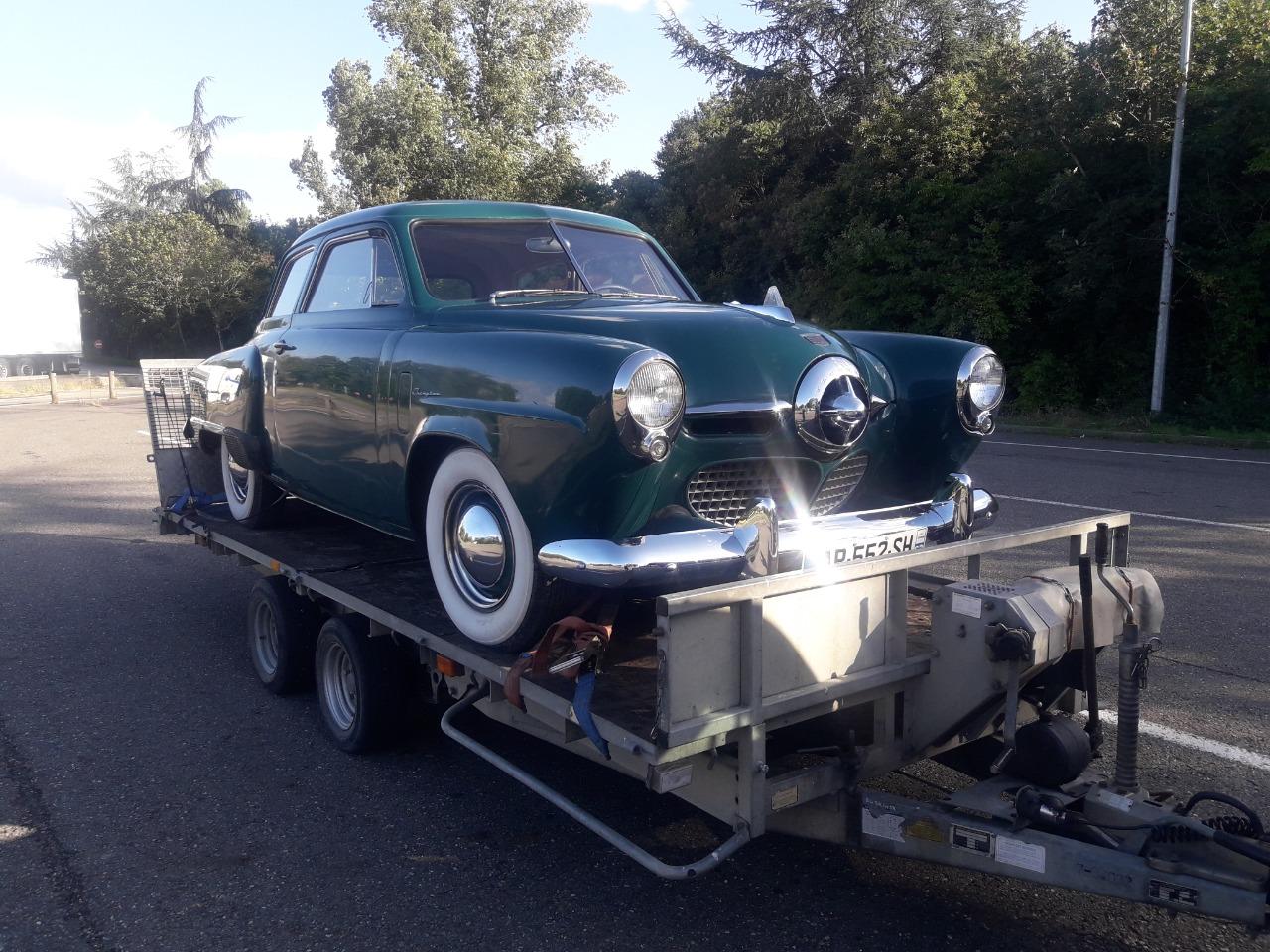 1950 Studebaker Champion Coupe€ 15.0001950 · 80.000 km · BRAX, Lot-et-Garonne, Frankrijk · LesAnciennes
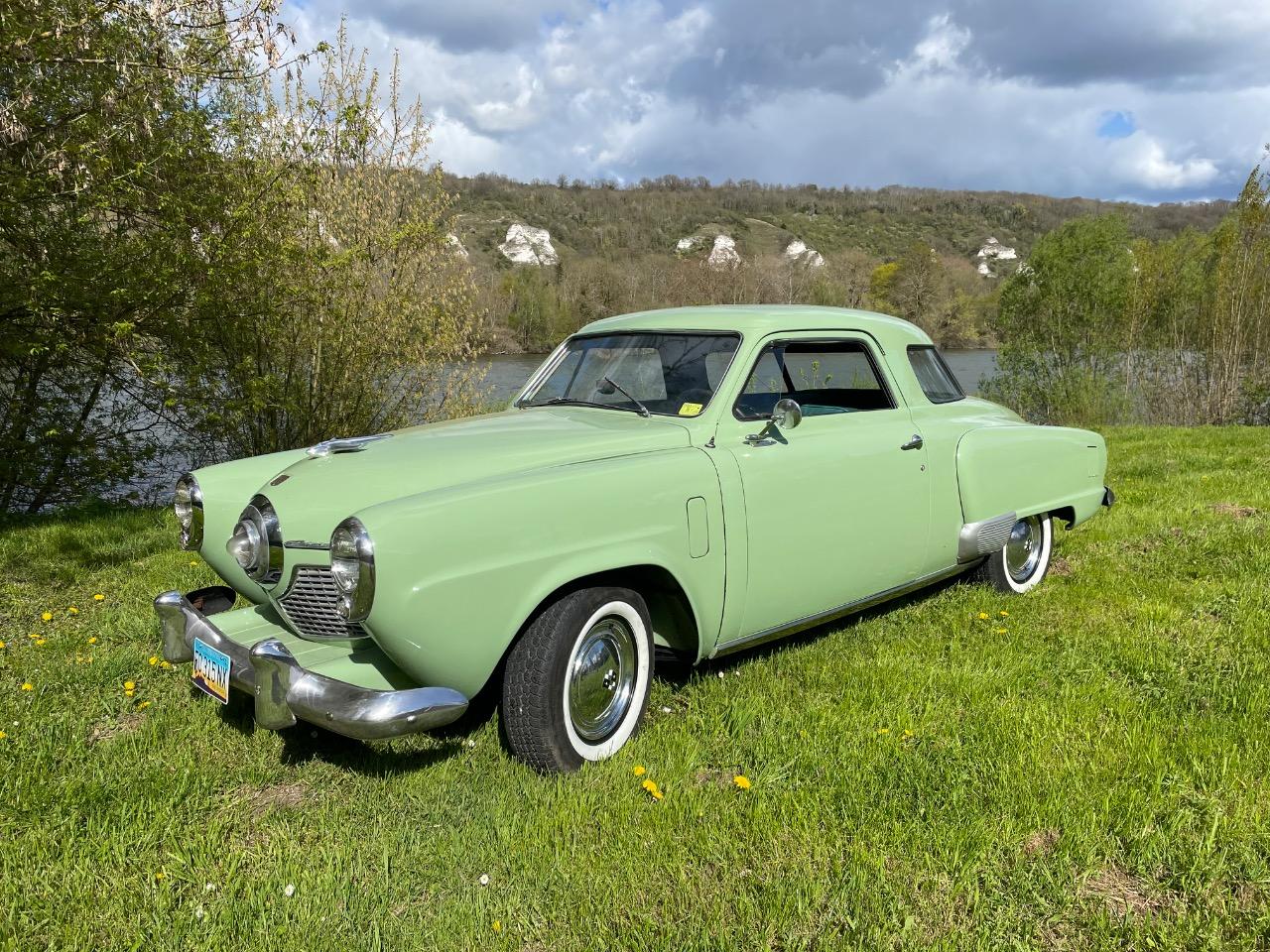 1951 Studebaker Champion Coupe€ 18.0001951 · 7.000 km · Moisson, Yvelines, Frankrijk · LesAnciennes
 1951 Studebaker Champion STREET ROD€ 41.8321951 · 4.138 km · Belle Plaine, Verenigde Staten · Dyler
 1951 Studebaker Champion Sedan€ 14.9901951 · 74.447 km · Nice, Frankrijk · Dyler
 1949 Studebaker Champion Starlight Coupe "Bullet nose"€ 25.3501949 · 103.700 km · Aarau, Aarau District, Zwitserland · Car & Classic
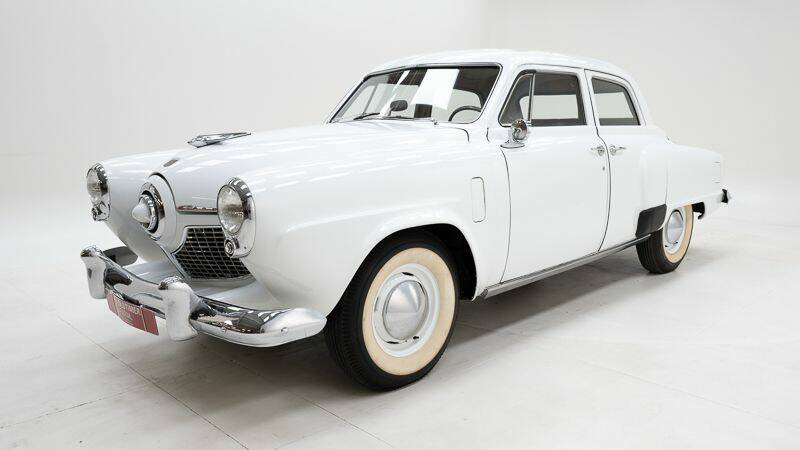 1951 Studebaker Champion€ 19.9501951 · 91.633 km · Aalter, België · Classic Trader
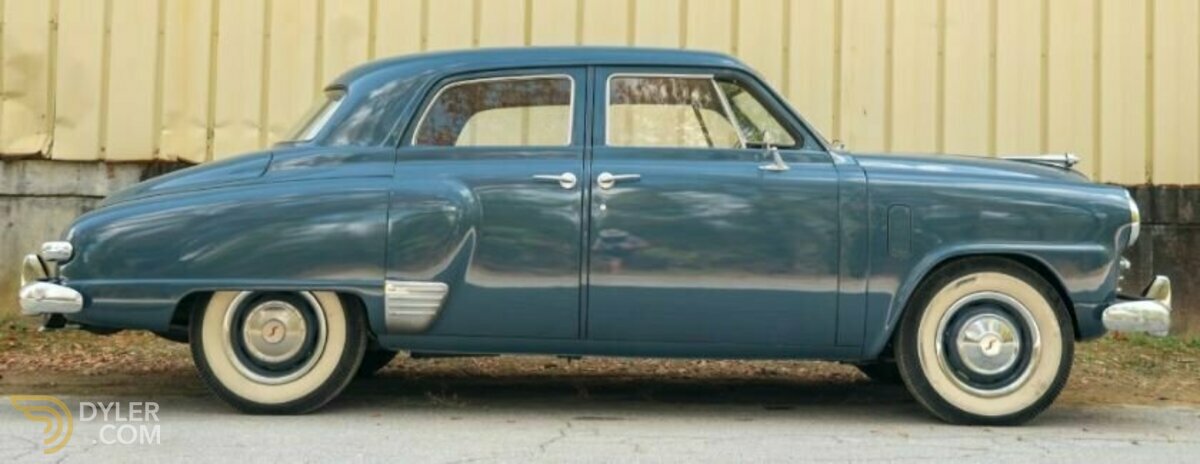 1949 Studebaker Champion Regal Deluxe€ 14.4091949 · 88.219 km · Indiana, Verenigde Staten · Dyler
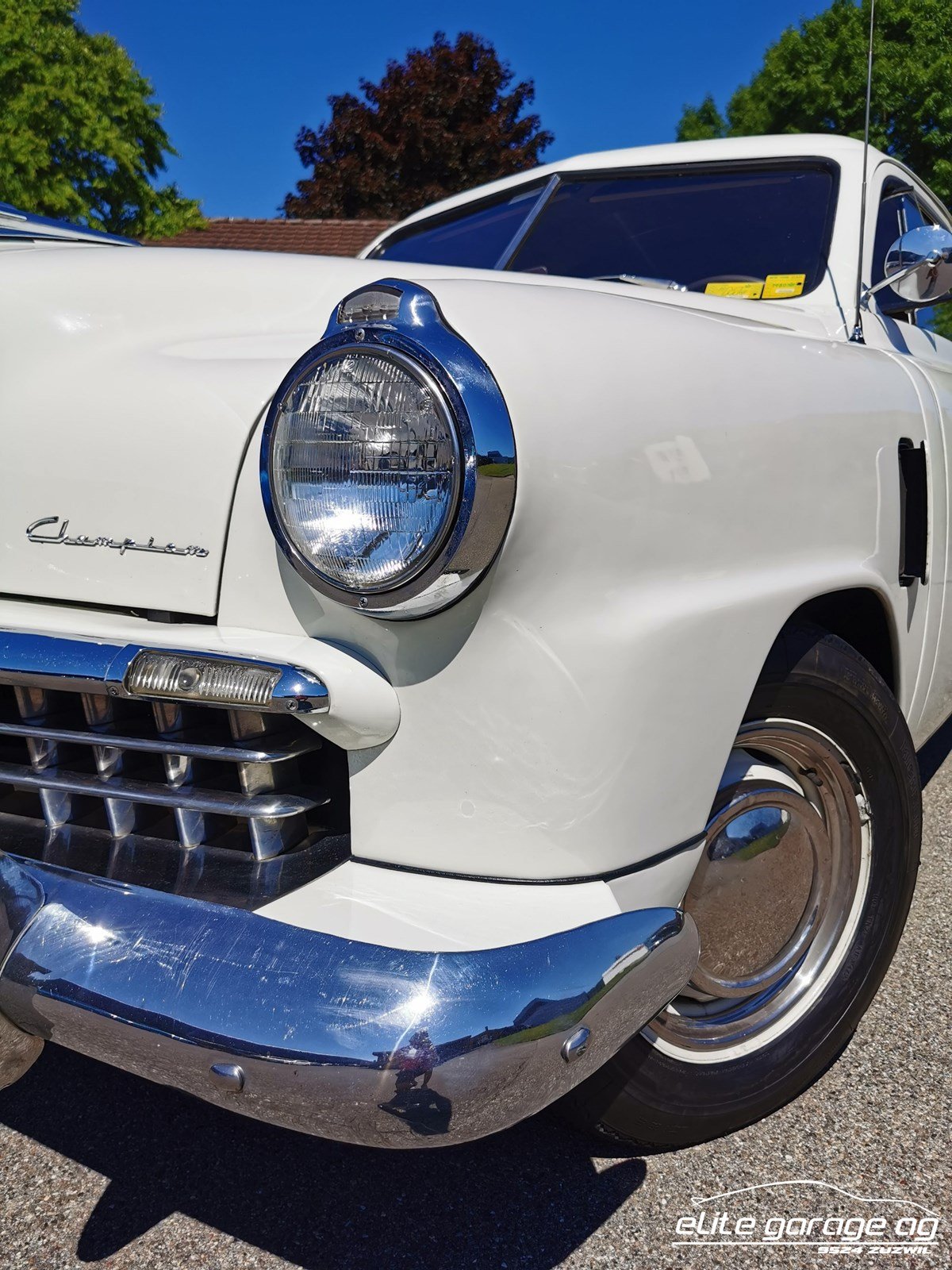 1949 Studebaker Champion - ChampionCHF 22.800 (≈ € 24.448)1949 · 92.100 km · Zuzwil SG, Zwitserland · Classic Driver
Wat doet een Studebaker Champion op de markt? Bekijk de marktwaarde →