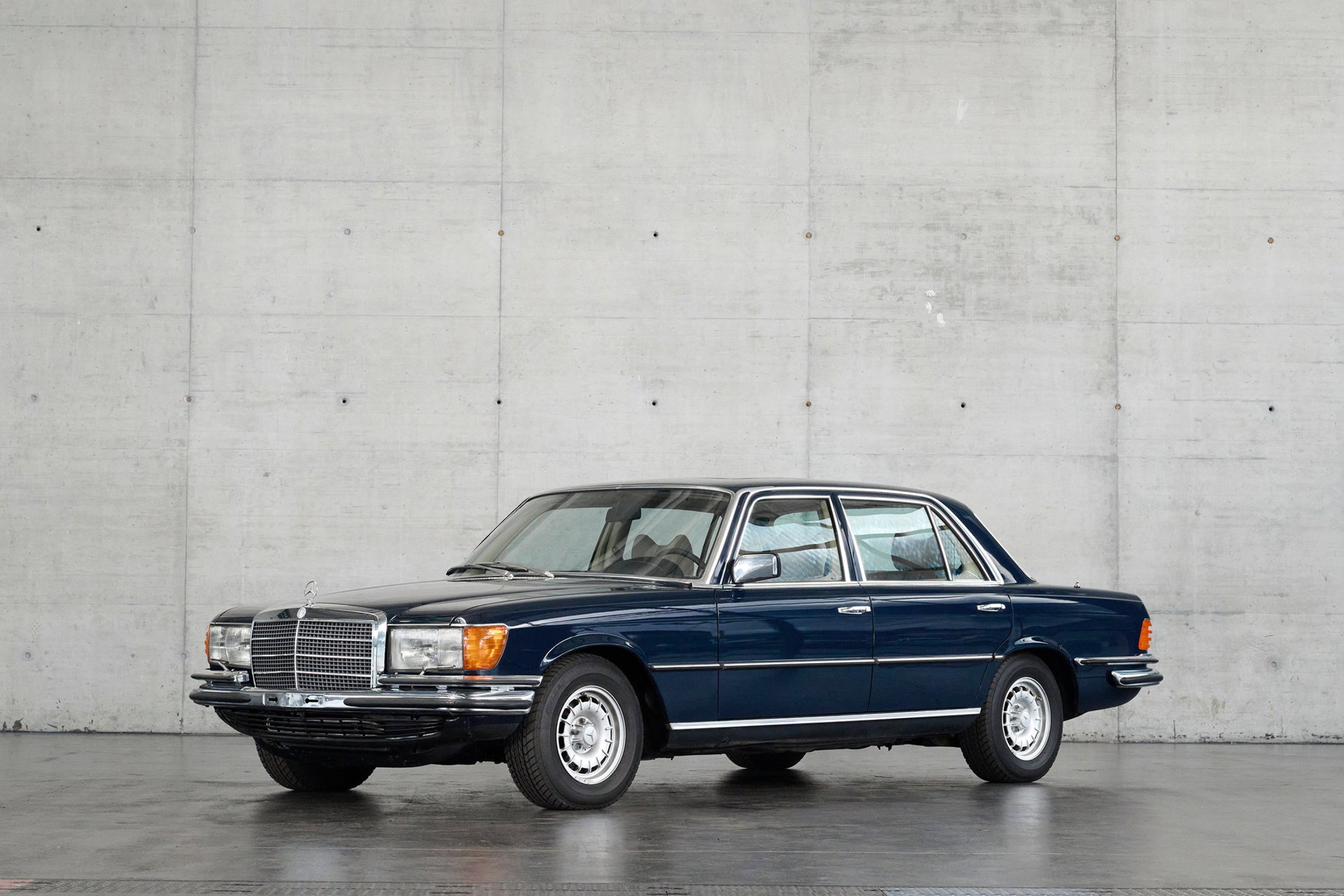
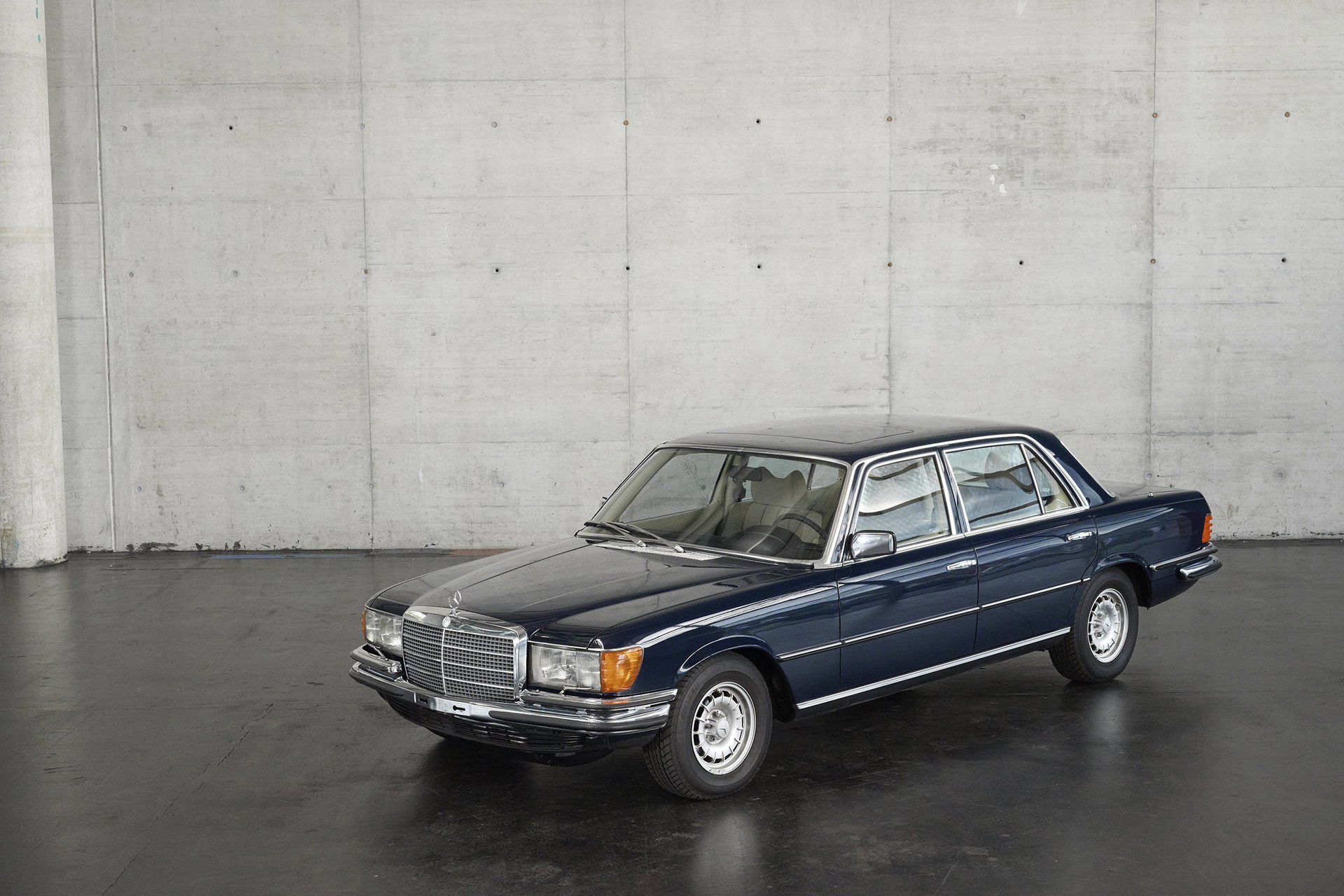
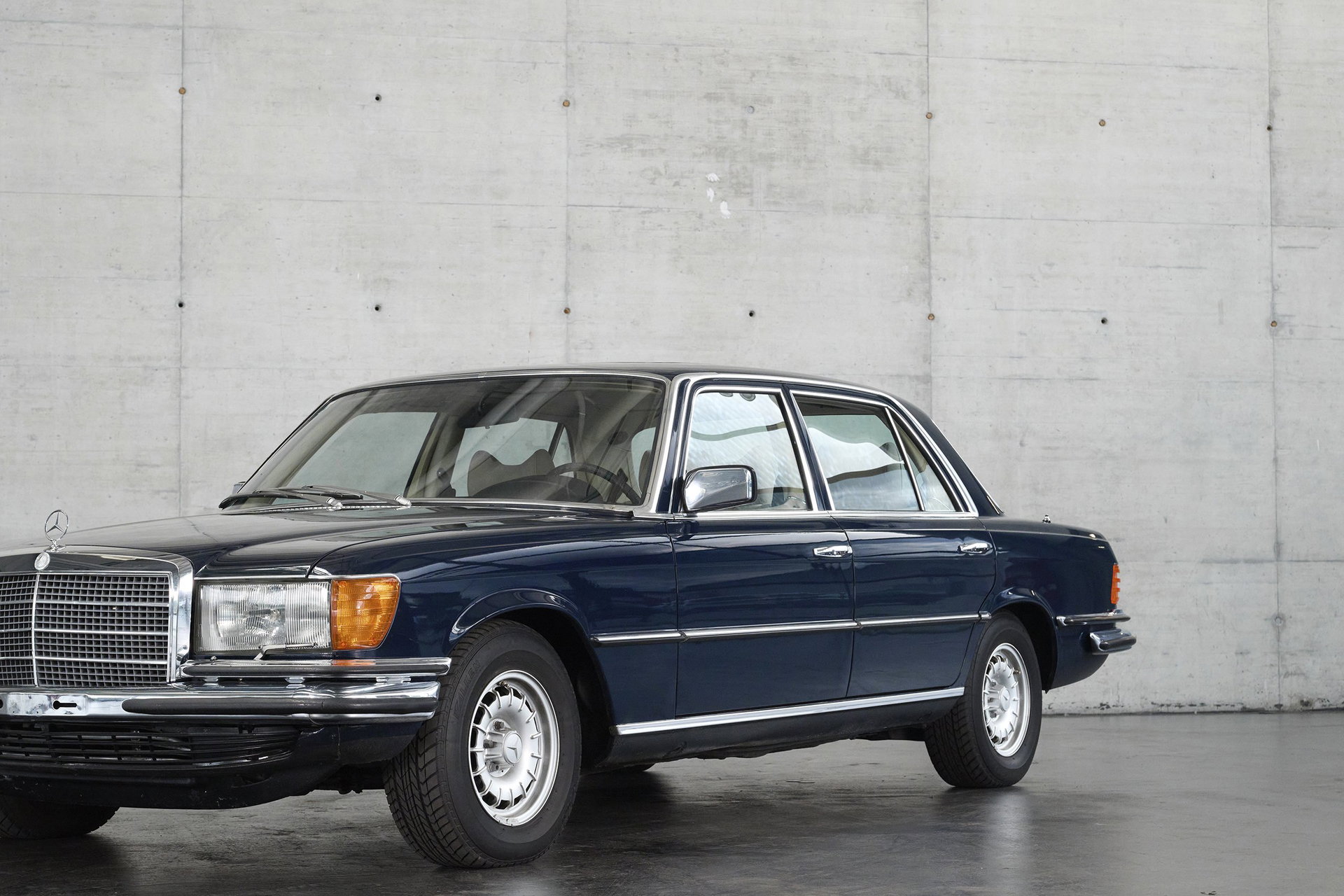
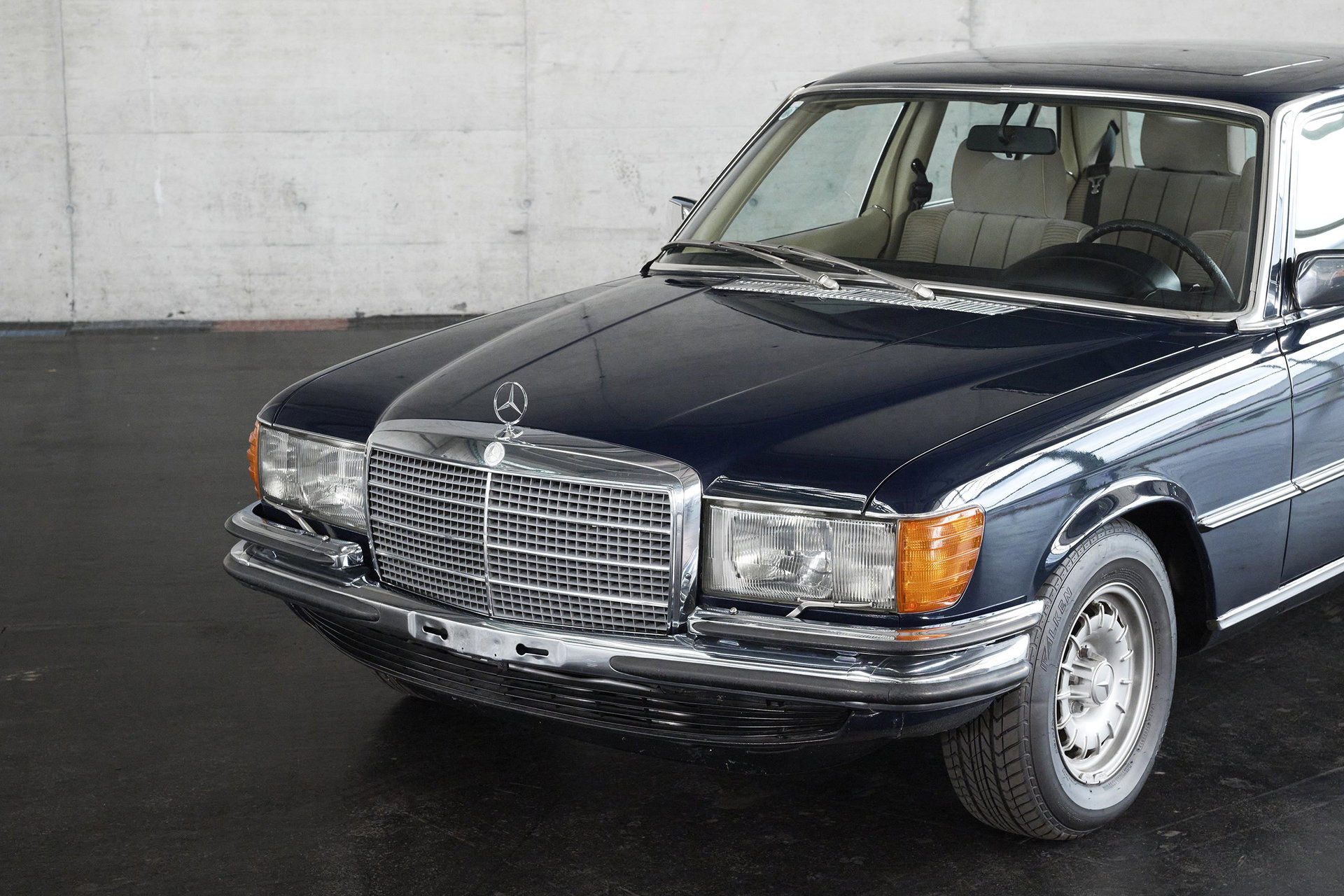
1979 Mercedes-Benz S-Class - 450 SEL 6.9
1979 · Salzburg, Oostenrijk · via Classic Driver
Veiling sluit 18 oktober 2026, 01:59
Bekijk op Classic Driver → Open in de app
Gegevens
| Merk | Mercedes-Benz |
|---|---|
| Model | S-Klasse 6.9 |
| Bouwjaar | 1979 |
| Stuur | Links |
| Locatie | Salzburg, Oostenrijk |
| Verkoper | Humer, Granner & Co GmbH (veiling) |
| Bron | Classic Driver |
| auction | https://www.classicdriver.com/en/auction/humer-granner-co-gmbh-classic-car-auction-17102026 |
| Op Oudjes.xyz sinds | 5 oktober 2026 |
| Laatst gezien | 8 oktober 2026, 18:15 |
Beschrijving
Delivered new in Austria
Highly attractive colour combination
Extensive optional equipment
Original 101,000 kilometres
With its first owner until 2001
The new S-Class of the early 1970s was to be Friedrich Geiger’s last great achievement. At the very top of the development brief were passive safety and maximum comfort. As far as the former was concerned, Mercedes had the grand master himself in-house: Béla Barényi. Nobody understood the art of crumple zones and controlled deformation quite like the Austrian-born engineer of Hungarian descent.
Stylistically, the SL and SLC introduced in 1971 pointed the way, while beneath the bonnet Mercedes drew from its familiar range of engines. The result was revolutionary – so much so that, for the first time, a luxury-class car was crowned European Car of the Year. To this day, it remains the only one.
In May 1975, Mercedes finally unveiled the ultimate S-Class – or, as auto motor und sport put it, the best car in the world. The brute force of the M 100 engine from the 600 and 300 SEL 6.3 had been given a radical makeover before being planted in the new S-Class. In fact, the 6.9 had already been developed to production readiness by 1973, but with the oil crisis raging, Stuttgart thought it wiser to wait another couple of years.
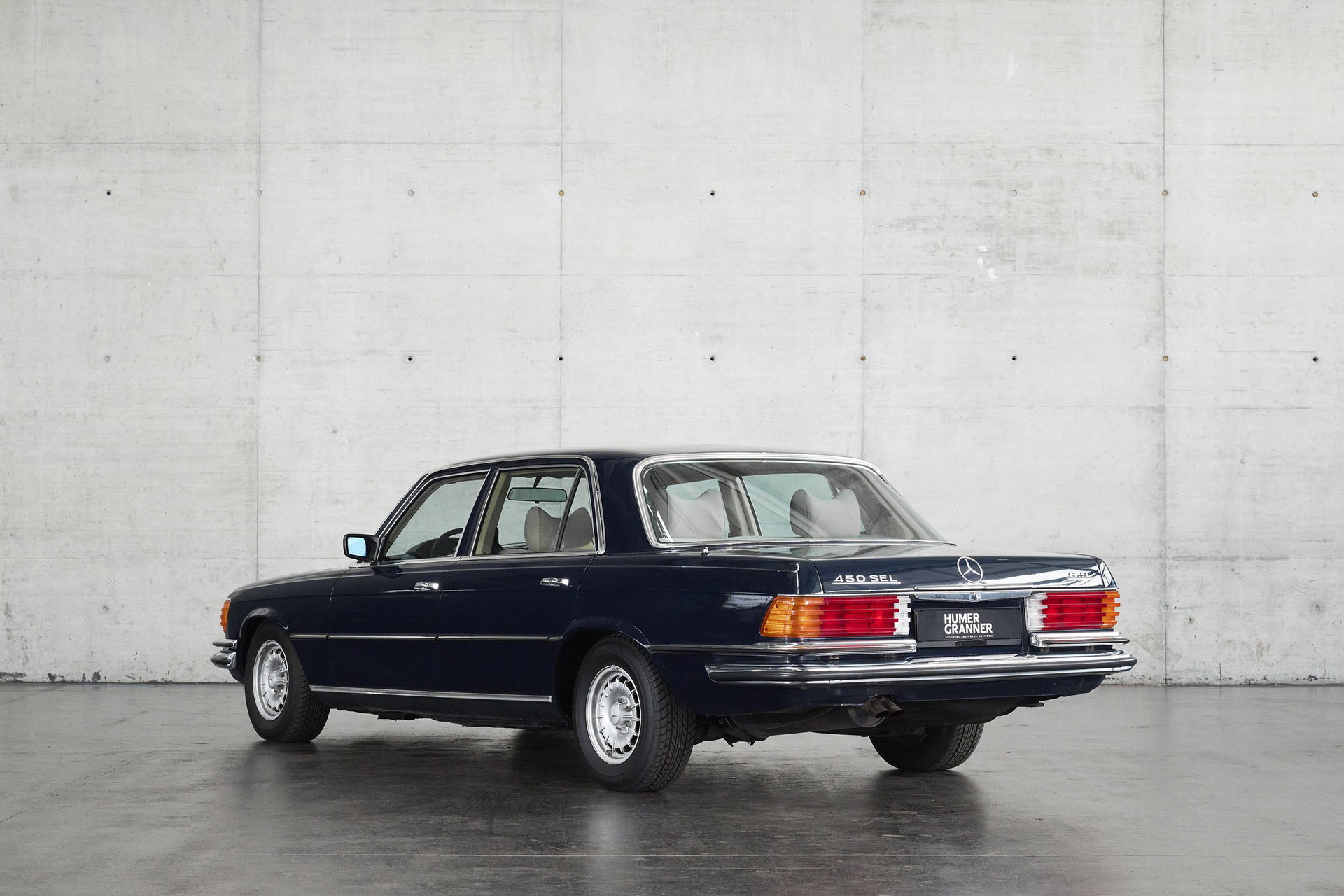
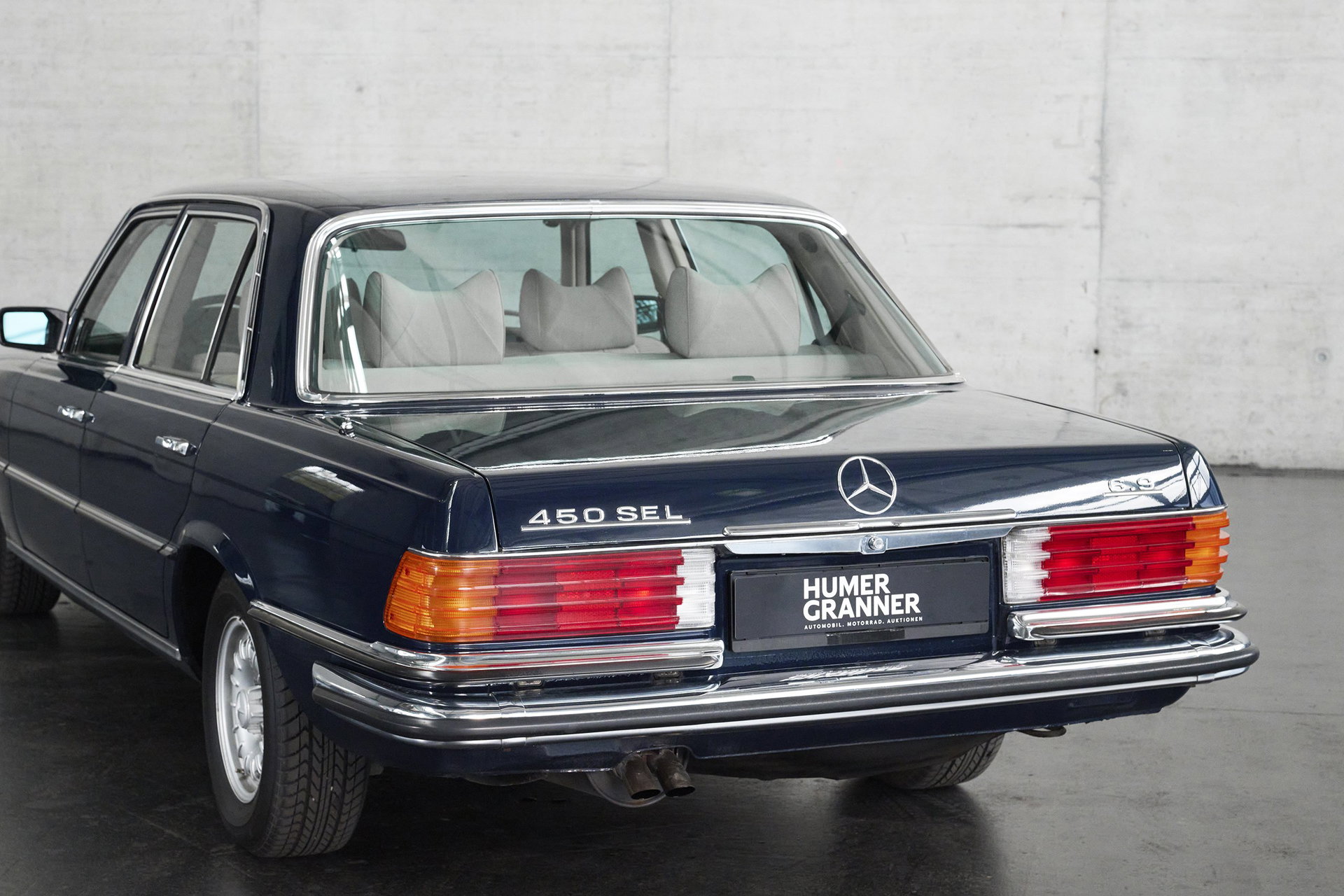
Bosch K-Jetronic fuel injection, dry-sump lubrication and an increase in displacement to 6,834 cc were enough to cause unease and sweaty palms even among the sportiest of rivals. Its 286 bhp and torque peaking at 550 Nm – and never dropping below 490 Nm – meant a top speed comfortably beyond 200 km/h. And it did so without making a fuss. Only the 6.9 badge and wider tyres gave the autobahn king away to those in the know.
Instead of the temperamental air suspension, hydropneumatics with automatic self-levelling provided the appropriate road manners. Citroën sends its regards. As for options, there was very little Mercedes would not sell you, allowing the price to climb to dizzying heights. Breaking the DM 100,000 barrier was easily done, considering that the basic car already cost almost DM 70,000 – twice as much as the next model down. Over the course of little more than five years, 7,380 customers treated themselves to this Über-Benz before the next S-Class finally saw it off.
The 6.9 was a demonstration. Mercedes was showing the world what was technically possible if you had the will – and, more importantly, the ability. Without any real competition, it was already a legend in its own time. Or perhaps simply the best car in the world after all.
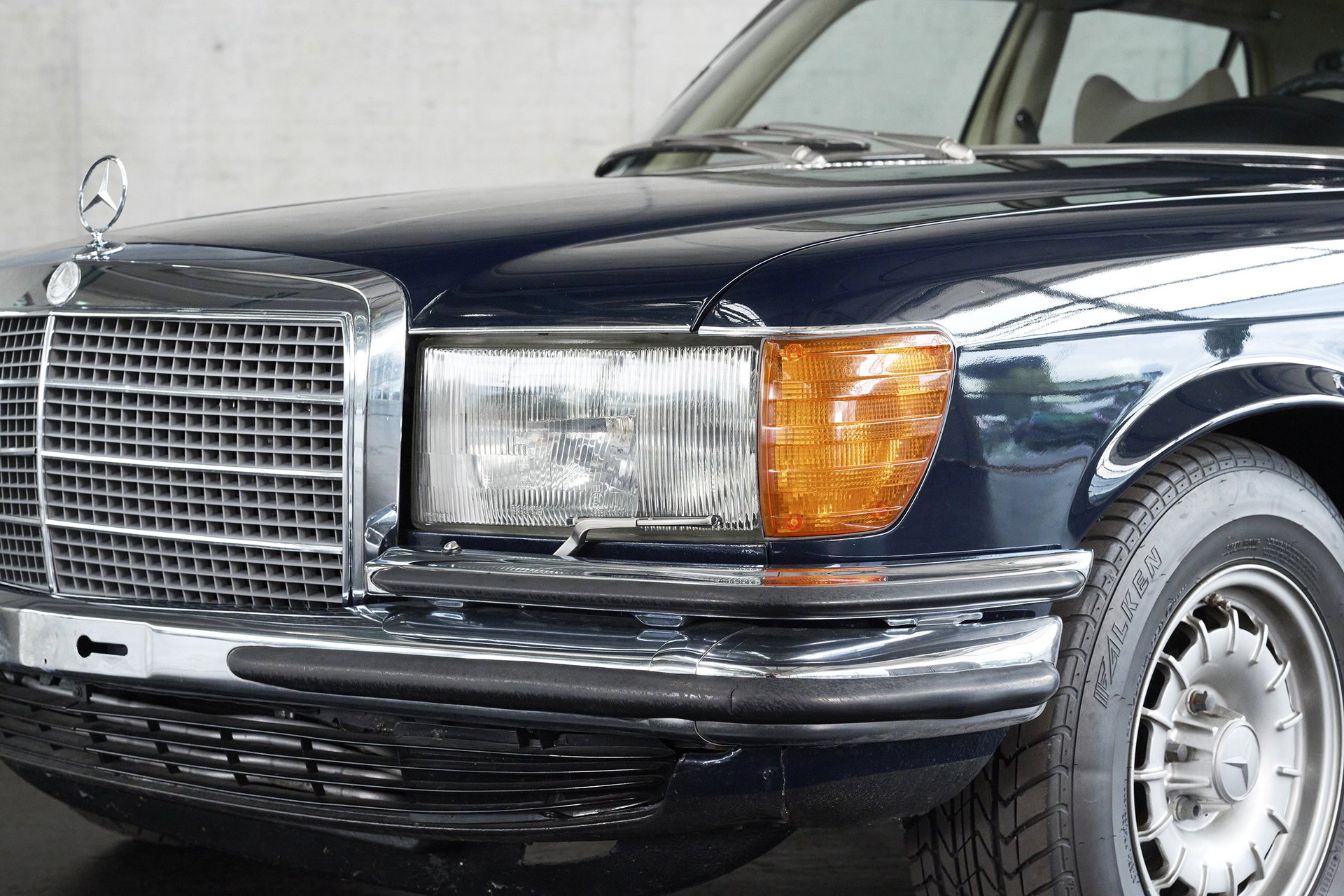
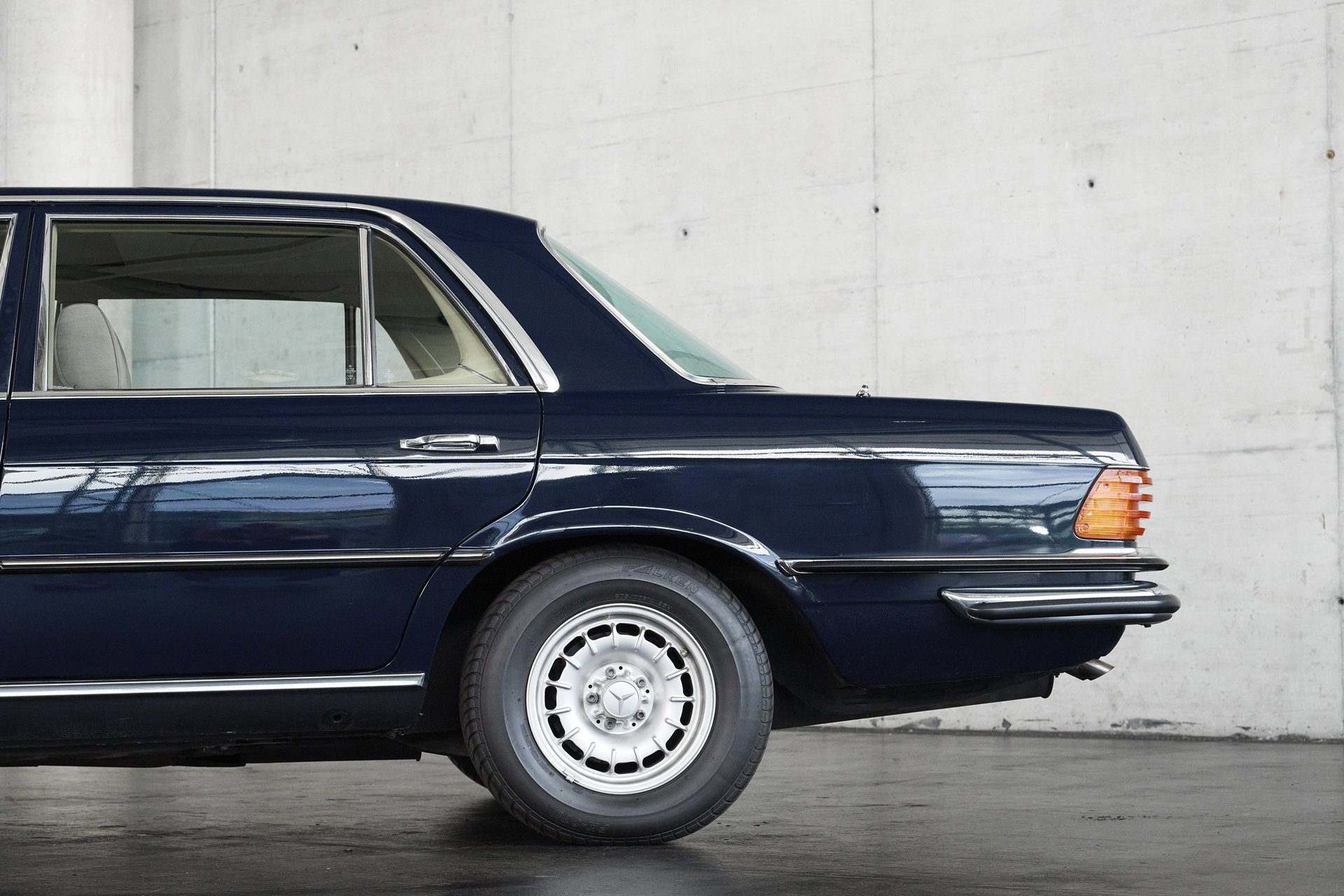
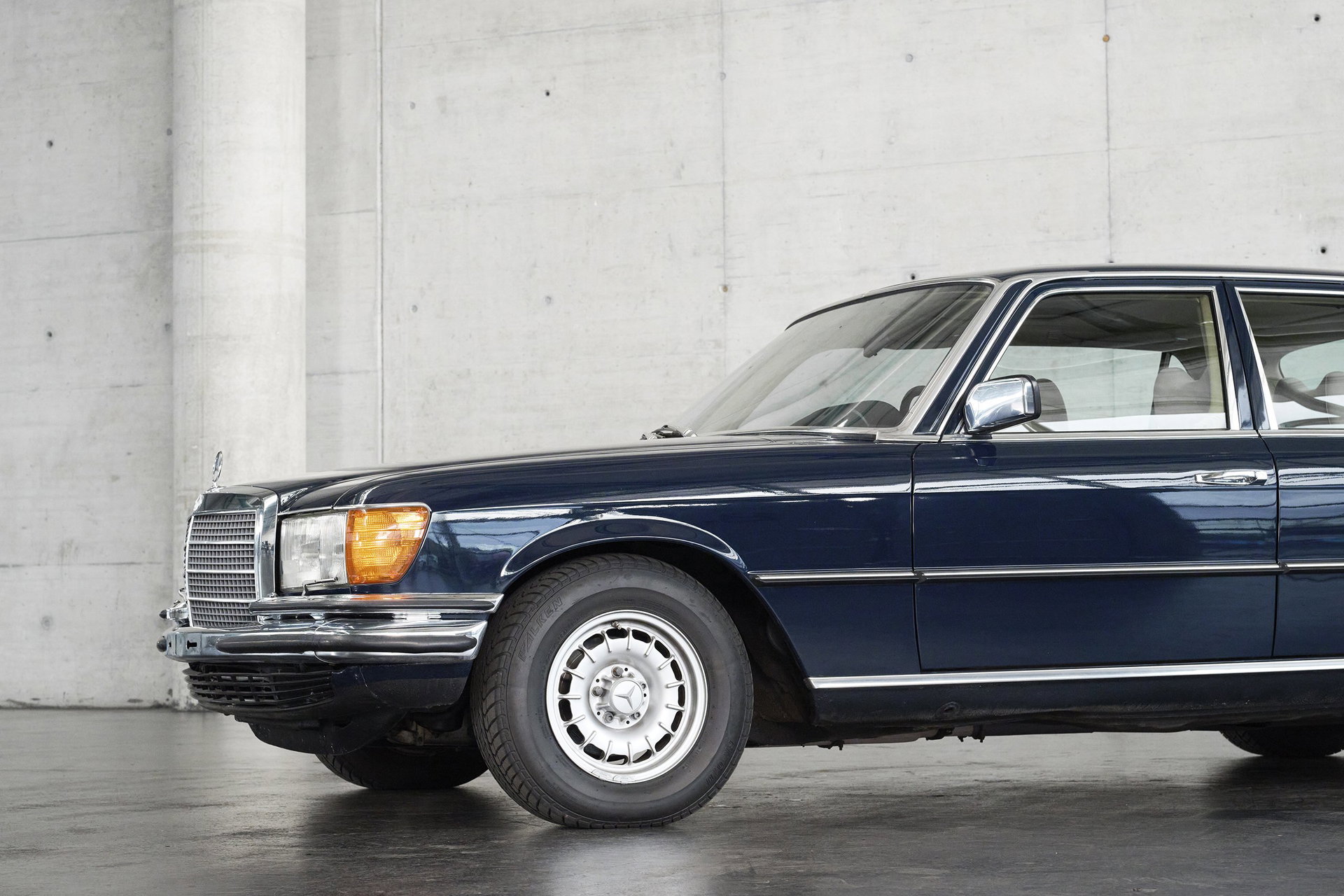
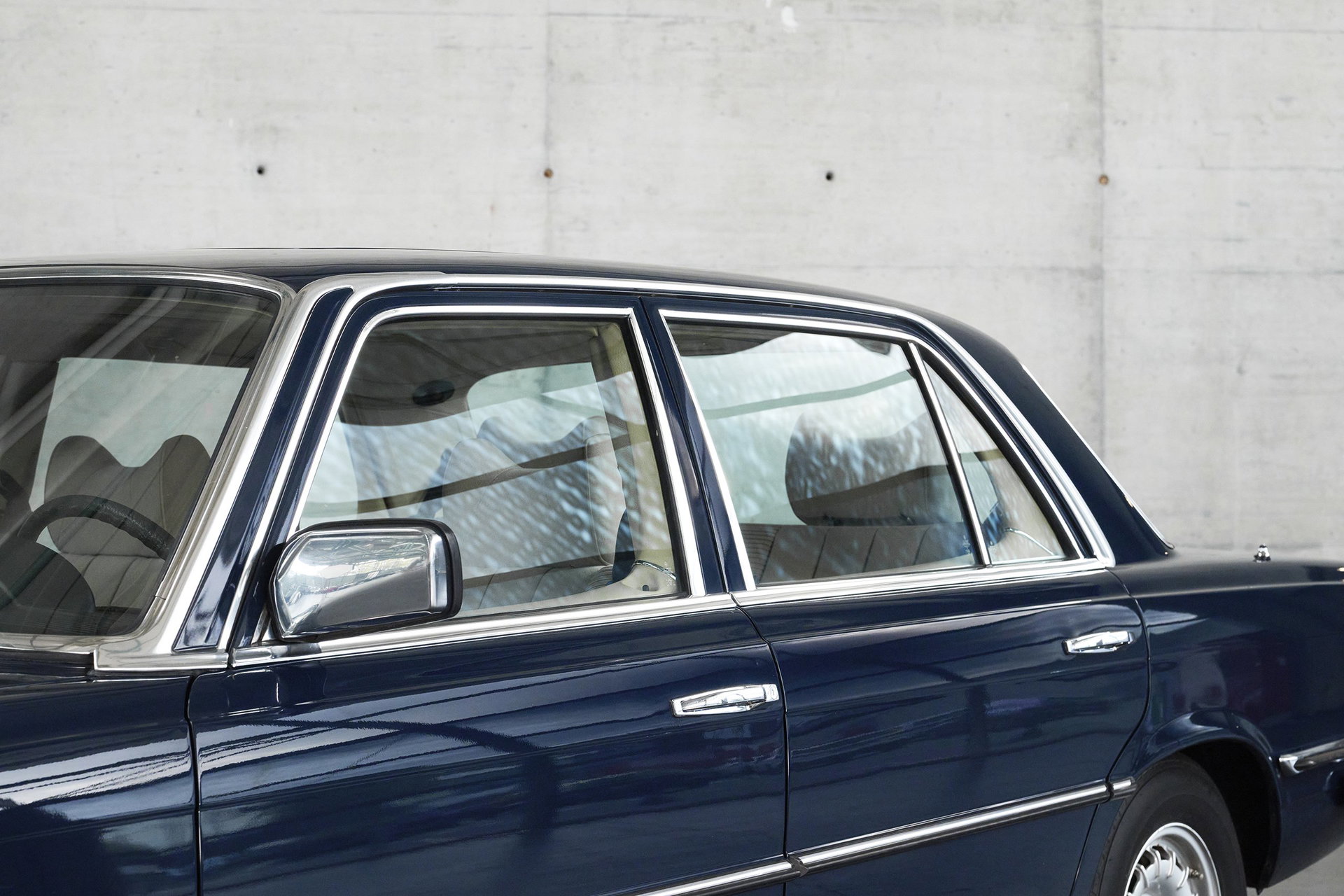
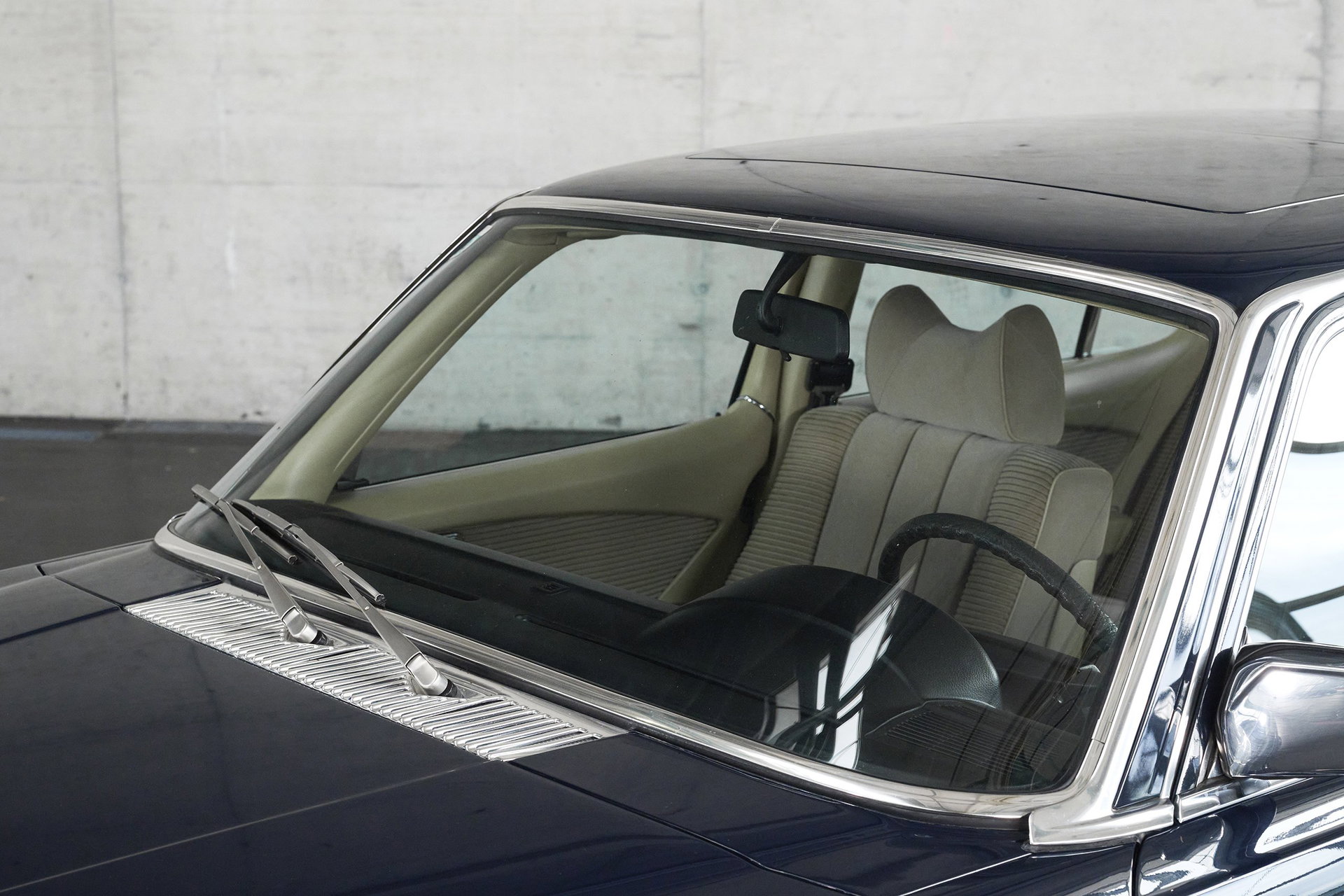
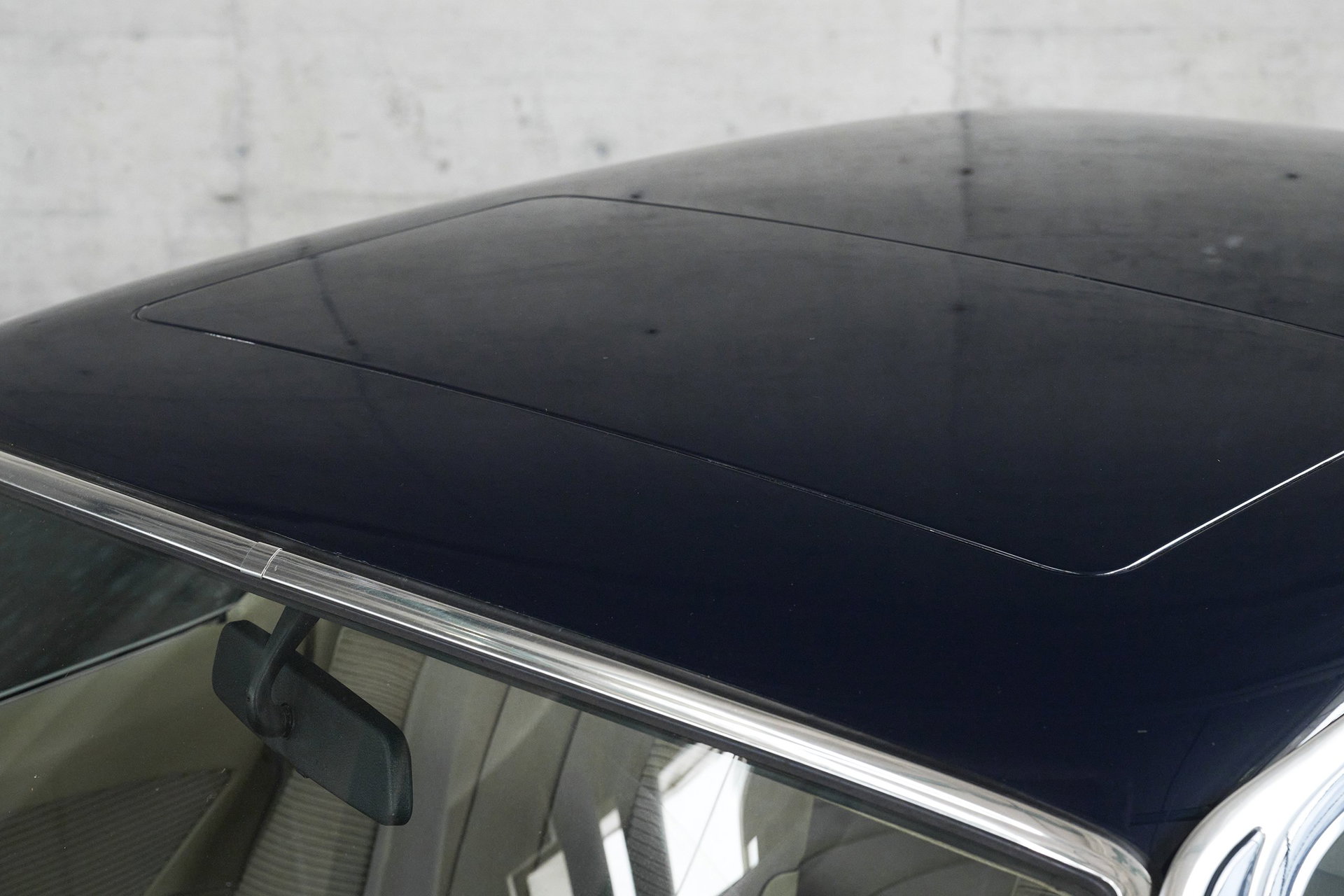
This Dark Blue (904) 450 SEL 6.9 was delivered new to Tyrol in April 1979. Its standard specification was supplemented by a lengthy list of options: electrically adjustable rear seats (223), deletion of the model designation at the rear (260, 261), an aerial for a car telephone on the left rear wing (335), electric sunroof (410), rear headrests (435), anti-lock braking system (470), right-hand exterior mirror (502), Becker Grand Prix radio (511), automatic climate control (581), aluminium alloy wheels (640), fire extinguisher (682), heated seats for driver and front passenger (870, 871), and a rear reading lamp (877).
Of particular interest is equipment code 998 on the original data card. It refers to a replacement body shell. That would presumably explain why replacement registration papers were issued for the Mercedes in 1985. Apparently, after some sort of mishap, its owner had his 6.9 rebuilt around a new shell. That he was rather attached to his Über-Mercedes is also evident from the fact that he kept it until 2001.
Two further owners in Tyrol followed before the car was taken off the road in 2014. In all, this technical tour de force has covered just 101,000 kilometres and has now spent quite some time in the collection of a knowledgeable enthusiast. He recognised at first glance that, in more ways than one, this was no ordinary 6.9.
Vergelijkbare oudjes
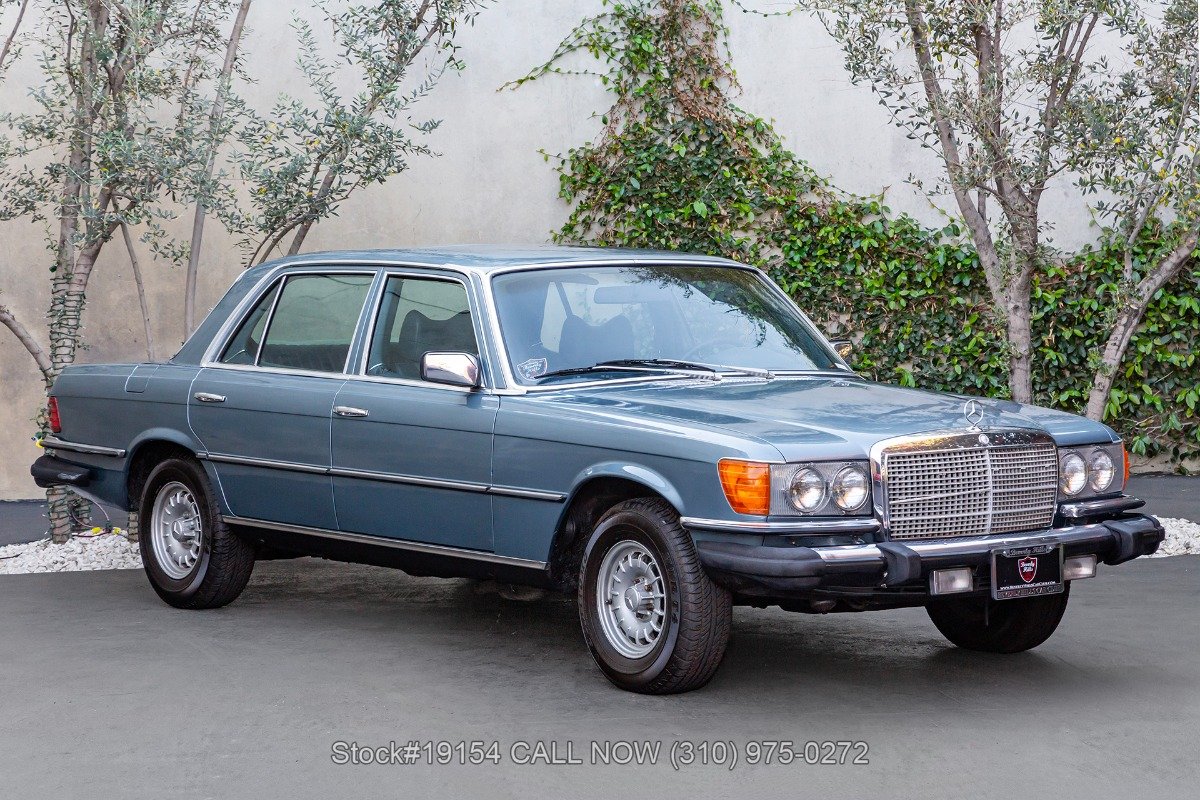 1979 Mercedes-Benz S-Class$ 8.950 (≈ € 8.001)1979 · Los Angeles, Verenigde Staten · Classic Driver
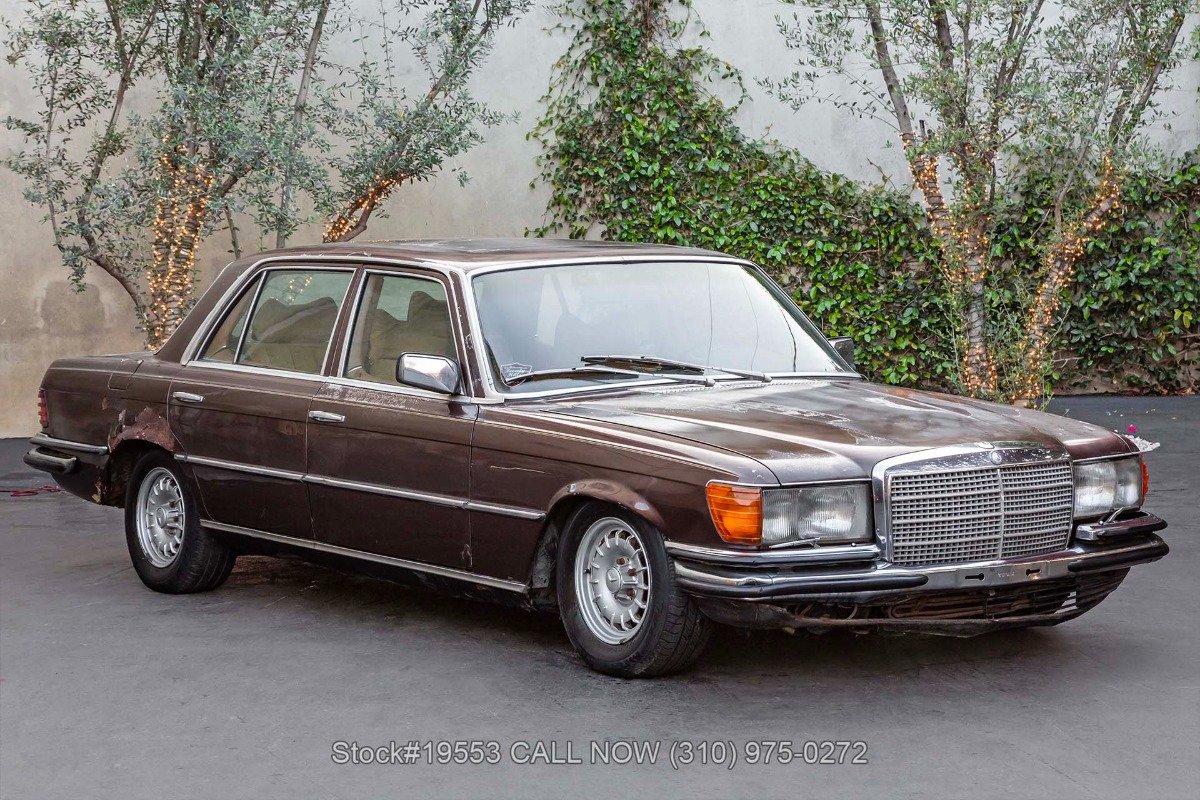 1979 Mercedes-Benz S-Class - 6.9$ 8.950 (≈ € 8.001)1979 · Los Angeles, Verenigde Staten · Classic Driver
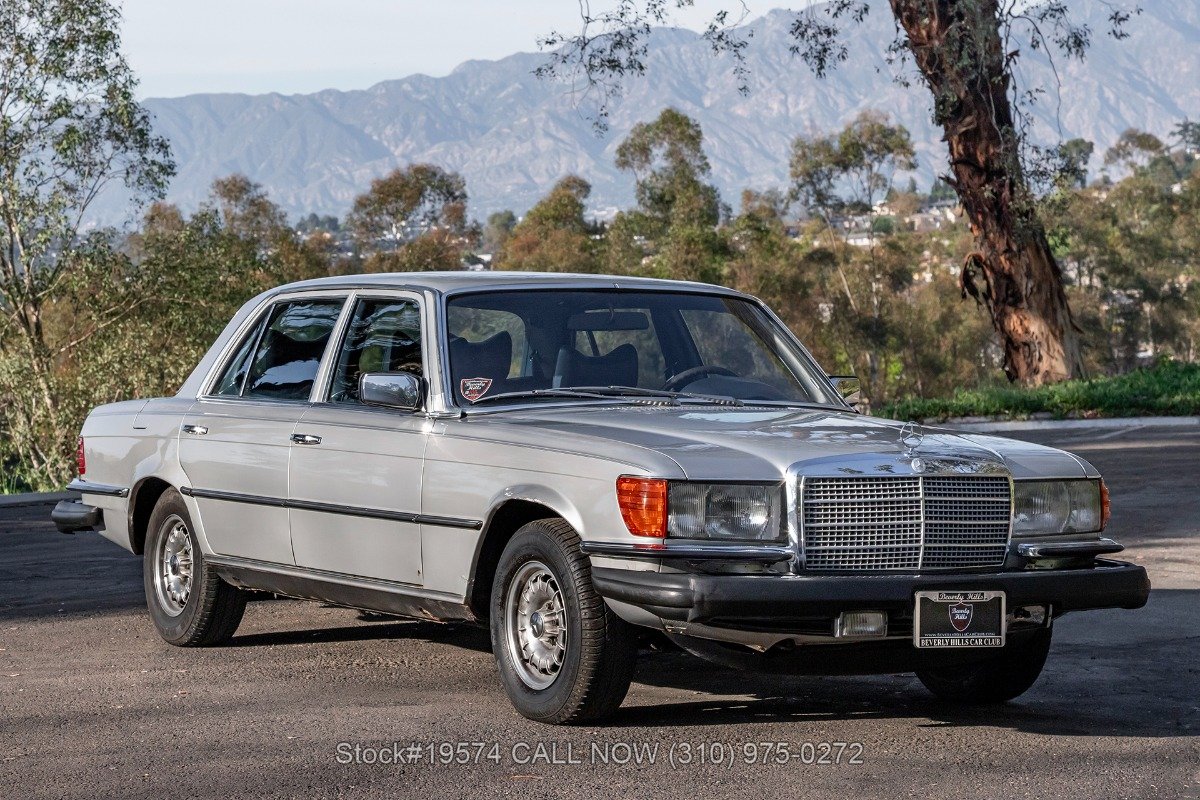 1979 Mercedes-Benz S-Class - 6.9$ 21.750 (≈ € 19.444)1979 · Los Angeles, Verenigde Staten · Classic Driver
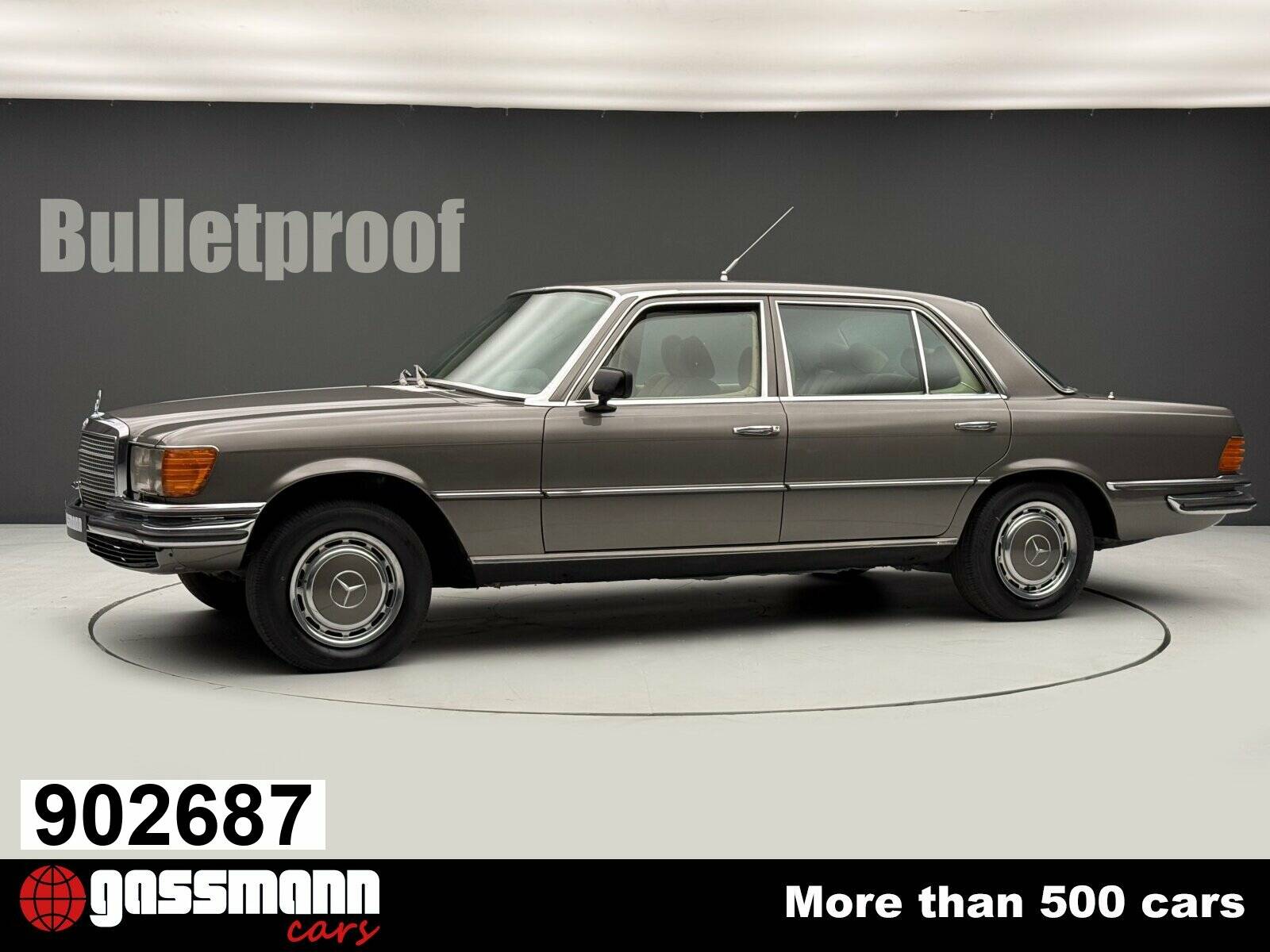 1979 Mercedes-Benz 450 SEL 6,9€ 89.0001979 · 97.690 km · Bovenden, Duitsland · Classic Trader
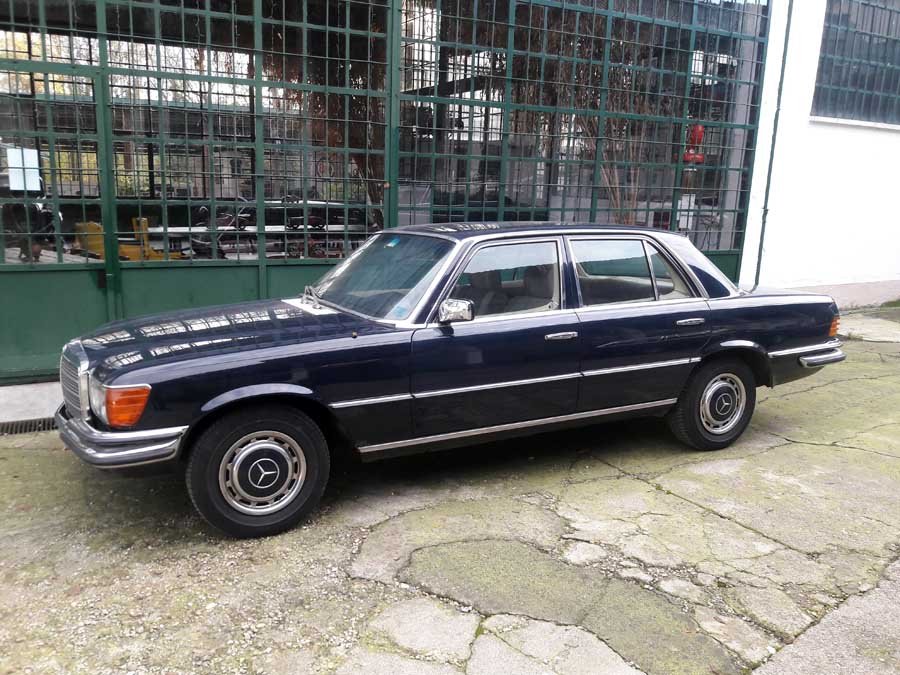 1979 Mercedes-Benz S-Class - 280 SE - SUMMER PRICE€ 8.5001979 · Pianezza, Italië · Classic Driver
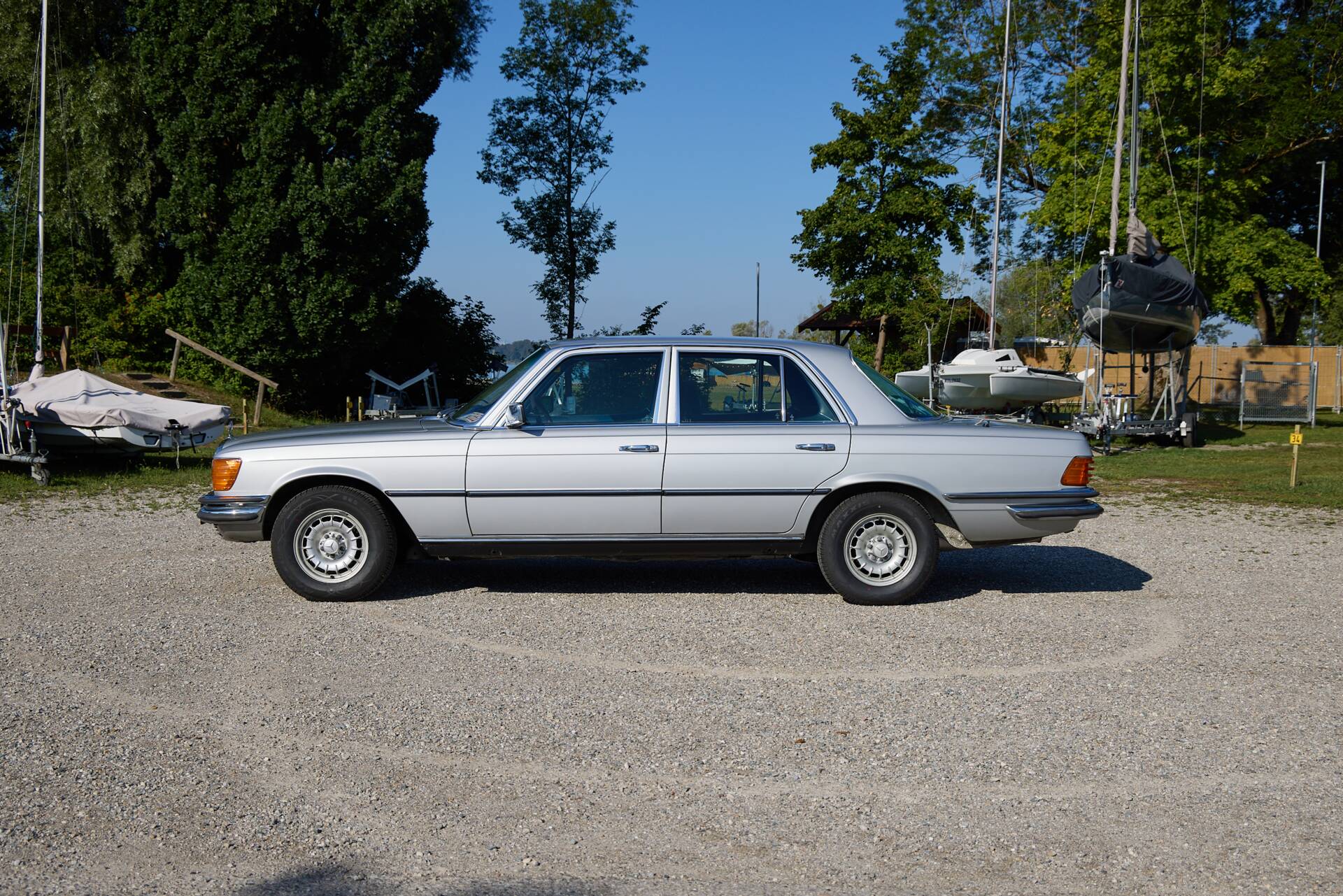 1979 Mercedes-Benz 280 SE€ 28.9001979 · 106.800 km · Seebruck, Duitsland · Classic Trader
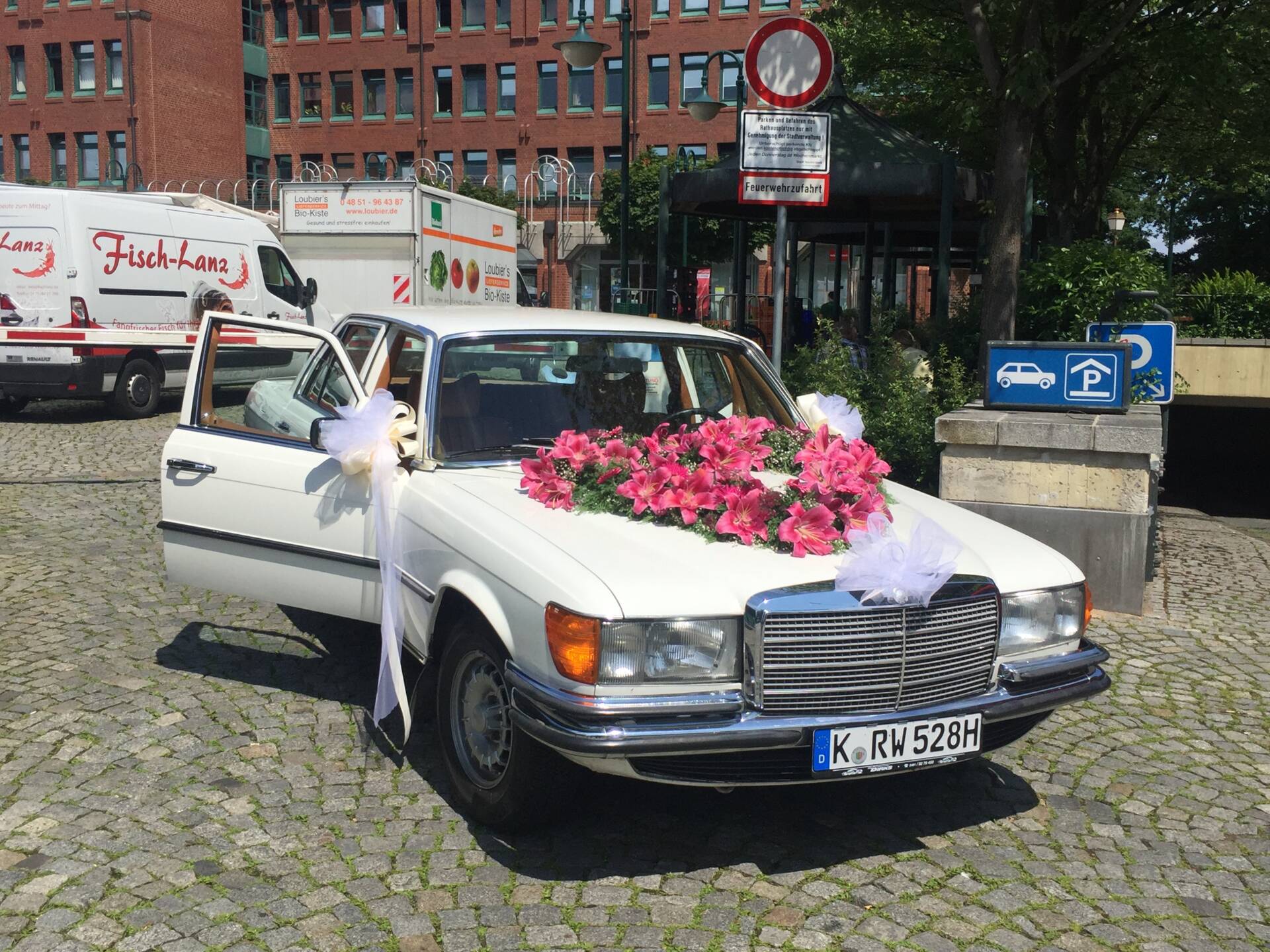 1979 Mercedes-Benz 280 SEPrijs op aanvraag1979 · 130.000 km · Leer, Duitsland · Classic Trader
 1979 Mercedes-Benz 280 SE€ 8.5001979 · 291.660 km · Pianezza, Italië · Classic Trader
Wat doet een Mercedes-Benz S-Klasse op de markt? Bekijk de marktwaarde →