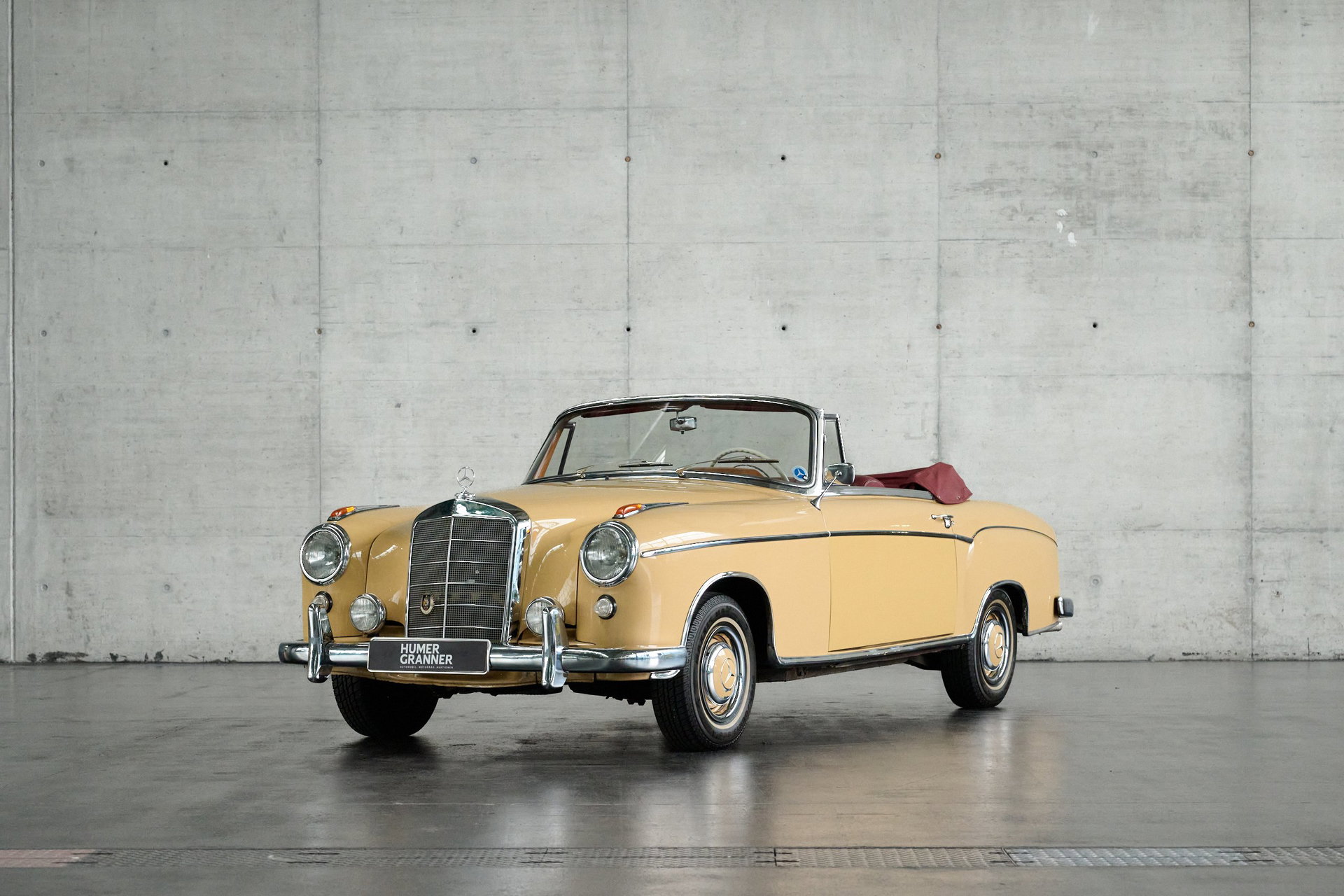
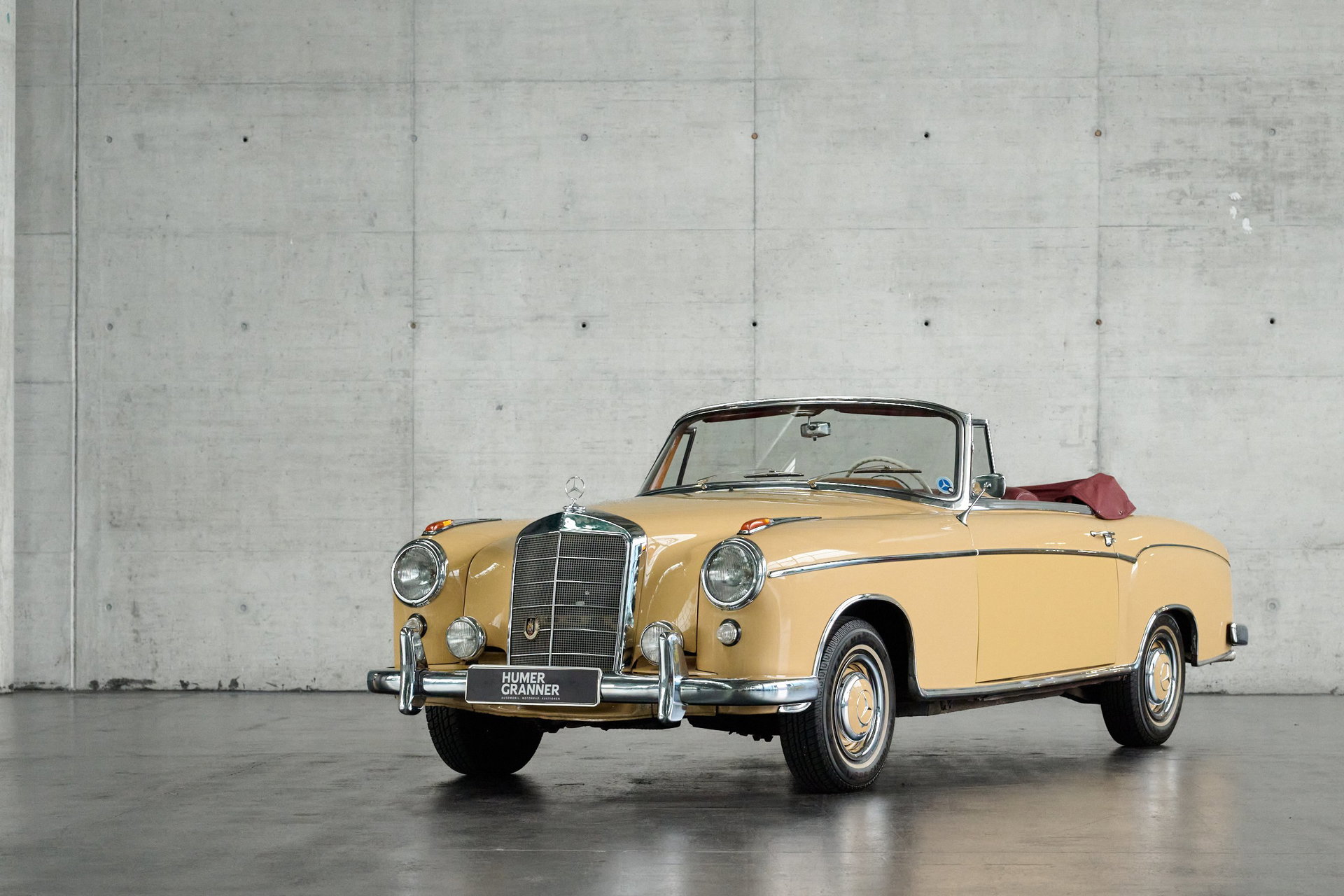
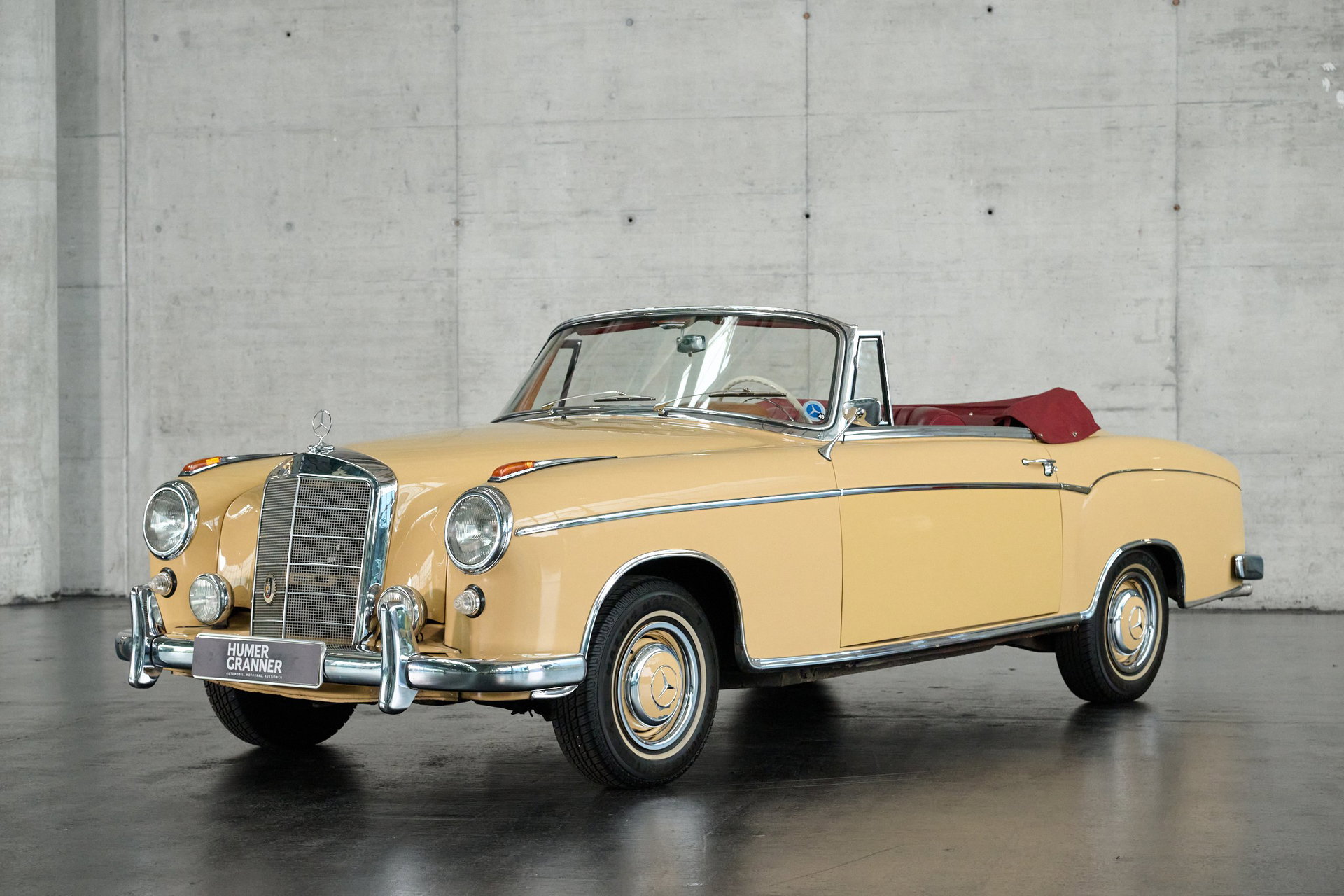
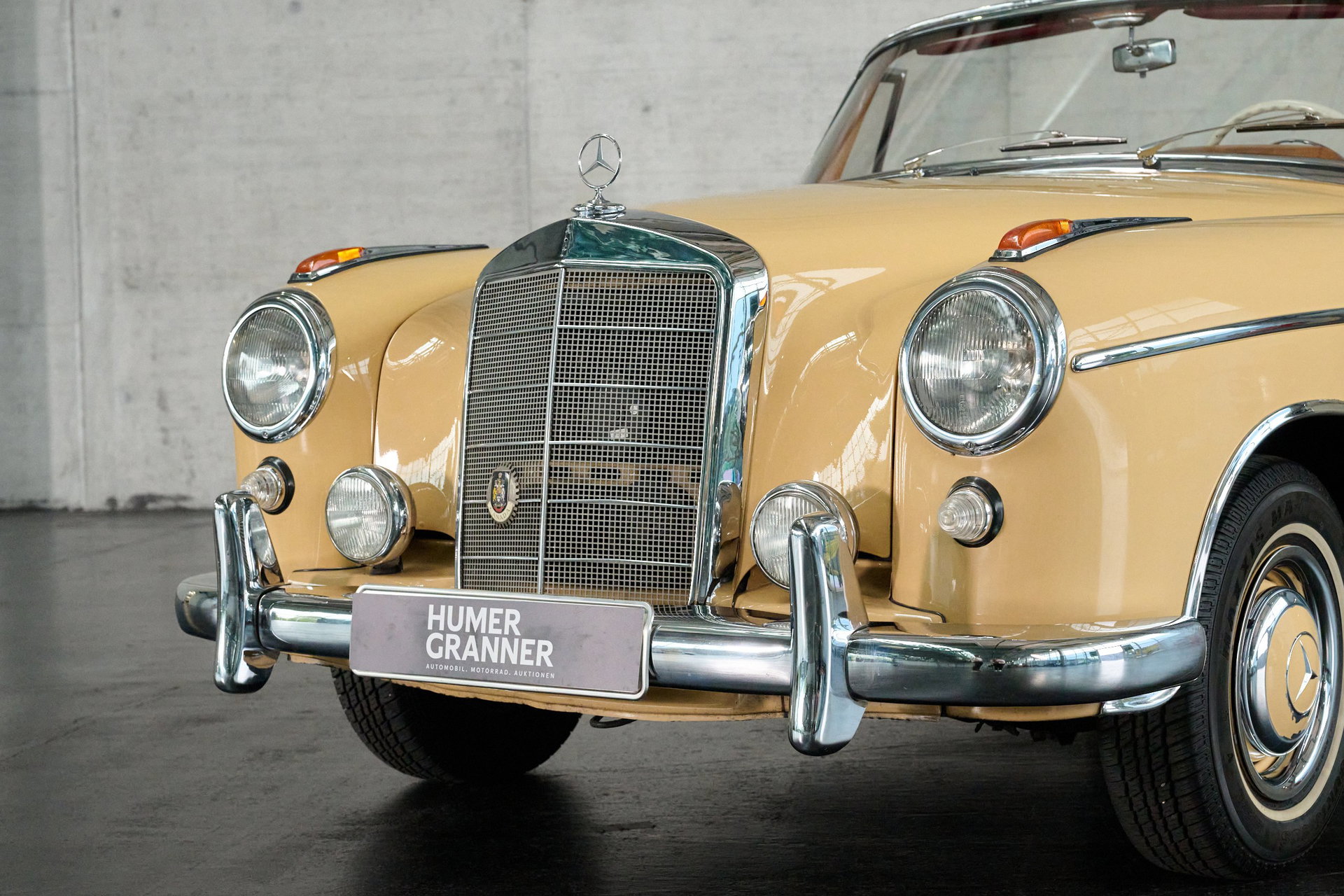
1958 Mercedes-Benz 220 - 220 S Cabriolet
1958 · Salzburg, Oostenrijk · via Classic Driver
Veiling sluit 18 oktober 2026, 01:59
Bekijk op Classic Driver → Open in de app
Gegevens
| Merk | Mercedes-Benz |
|---|---|
| Model | 220 Cabriolet |
| Bouwjaar | 1958 |
| Carrosserie | Cabrio |
| Stuur | Links |
| Locatie | Salzburg, Oostenrijk |
| Verkoper | Humer, Granner & Co GmbH (veiling) |
| Bron | Classic Driver |
| auction | https://www.classicdriver.com/en/auction/humer-granner-co-gmbh-classic-car-auction-17102026 |
| Op Oudjes.xyz sinds | 5 oktober 2026 |
| Laatst gezien | 8 oktober 2026, 06:16 |
Beschrijving
One of only 2,178 Cabriolets built
Restored around the turn of the millennium
With the consignor for more than 20 years
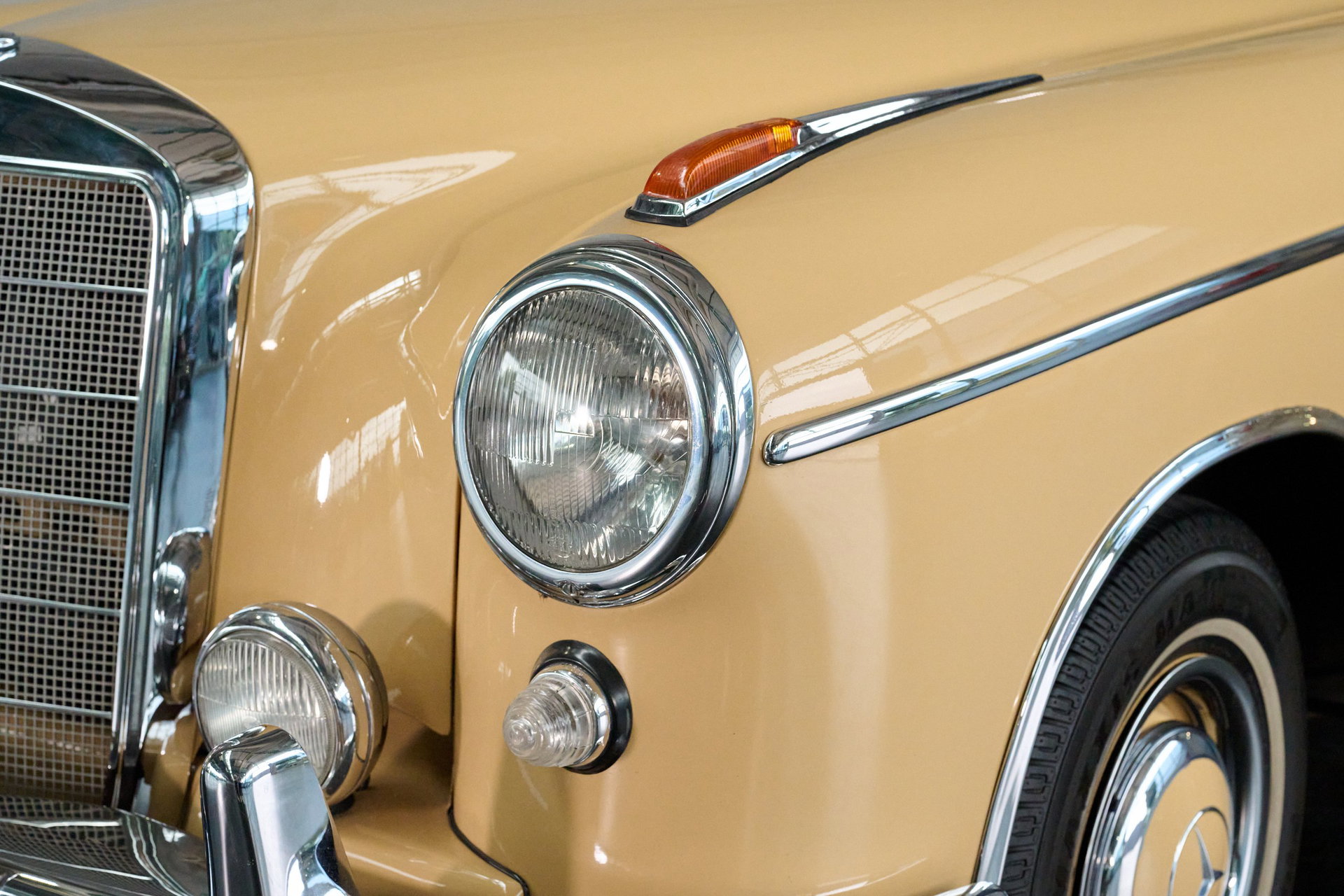
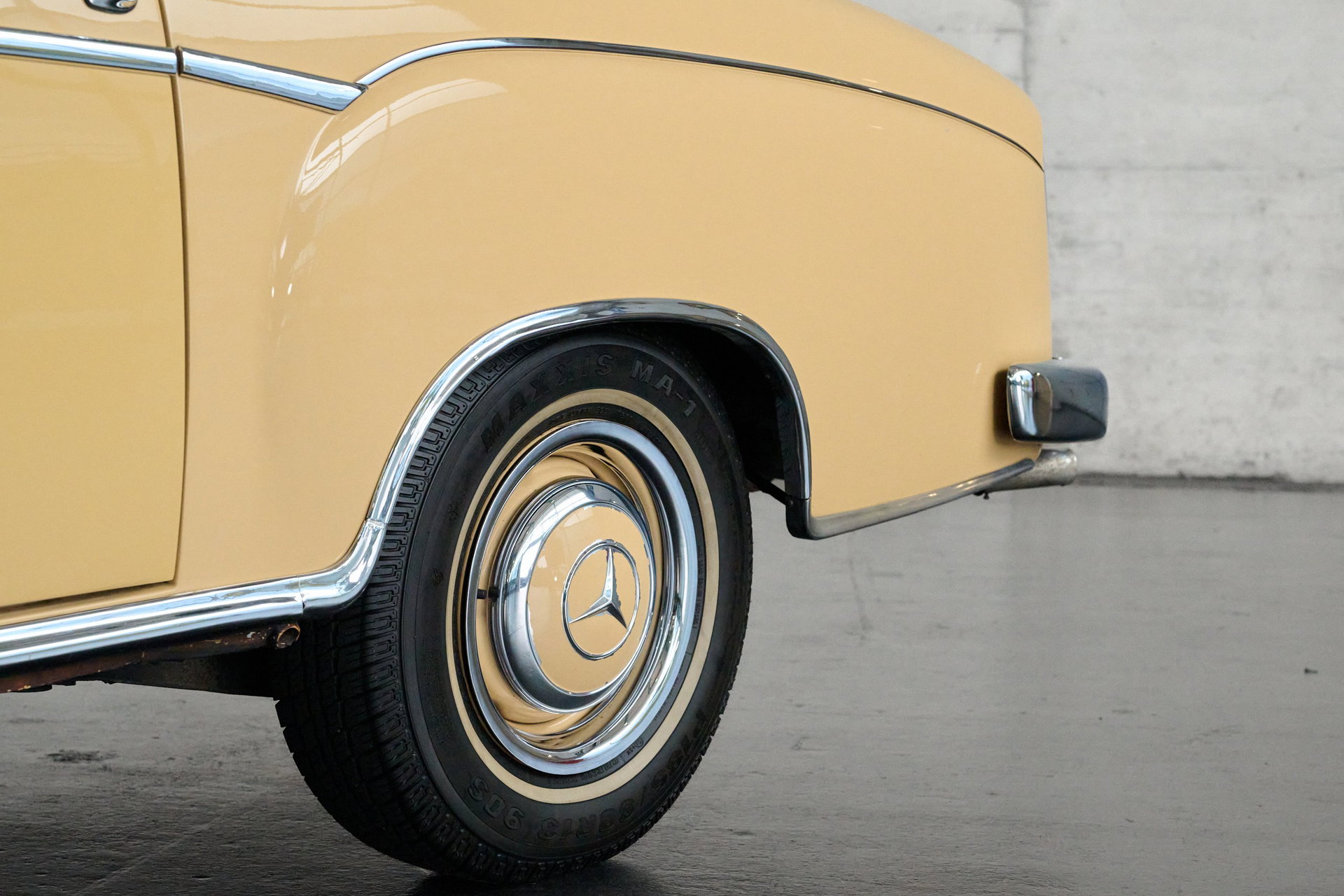
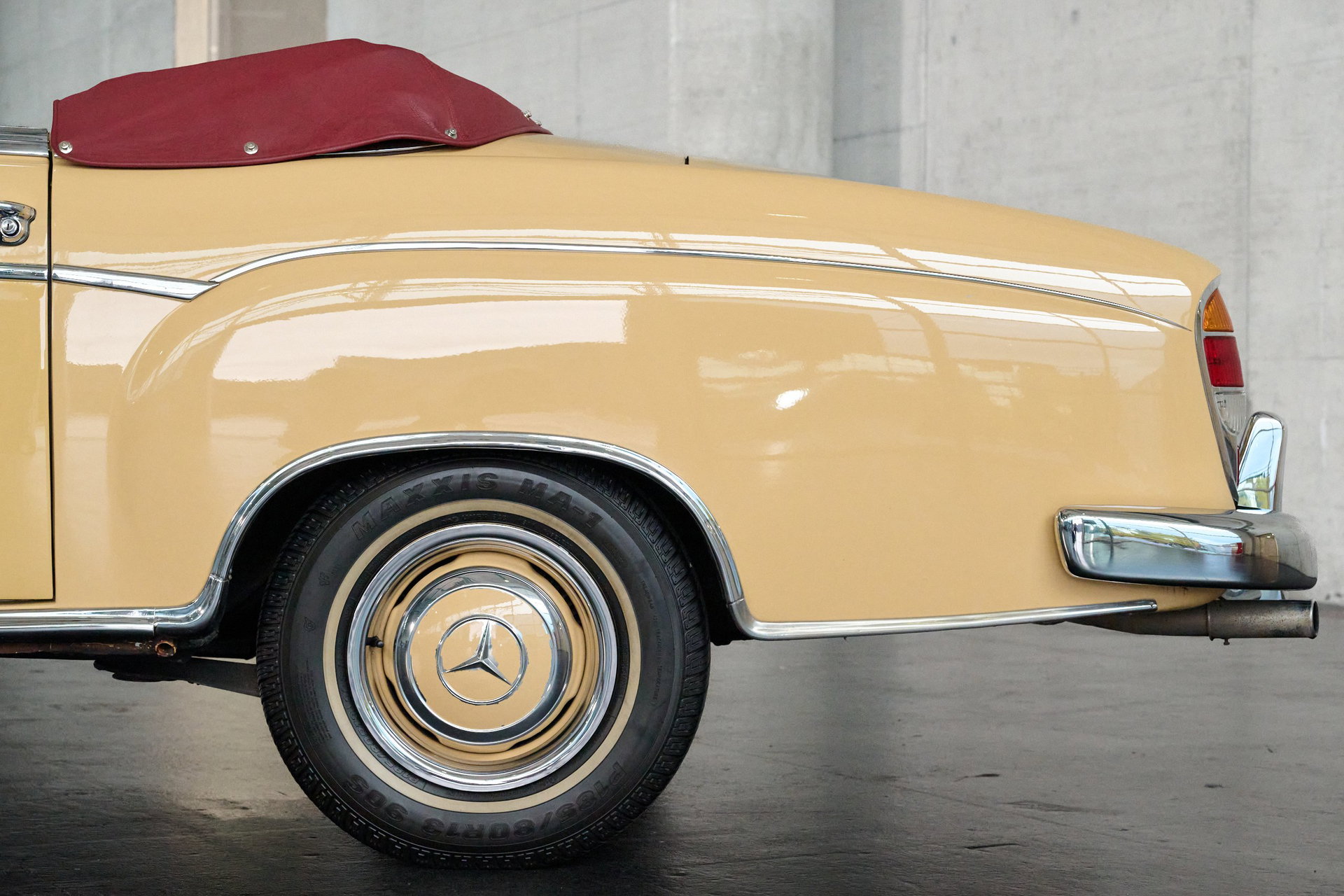
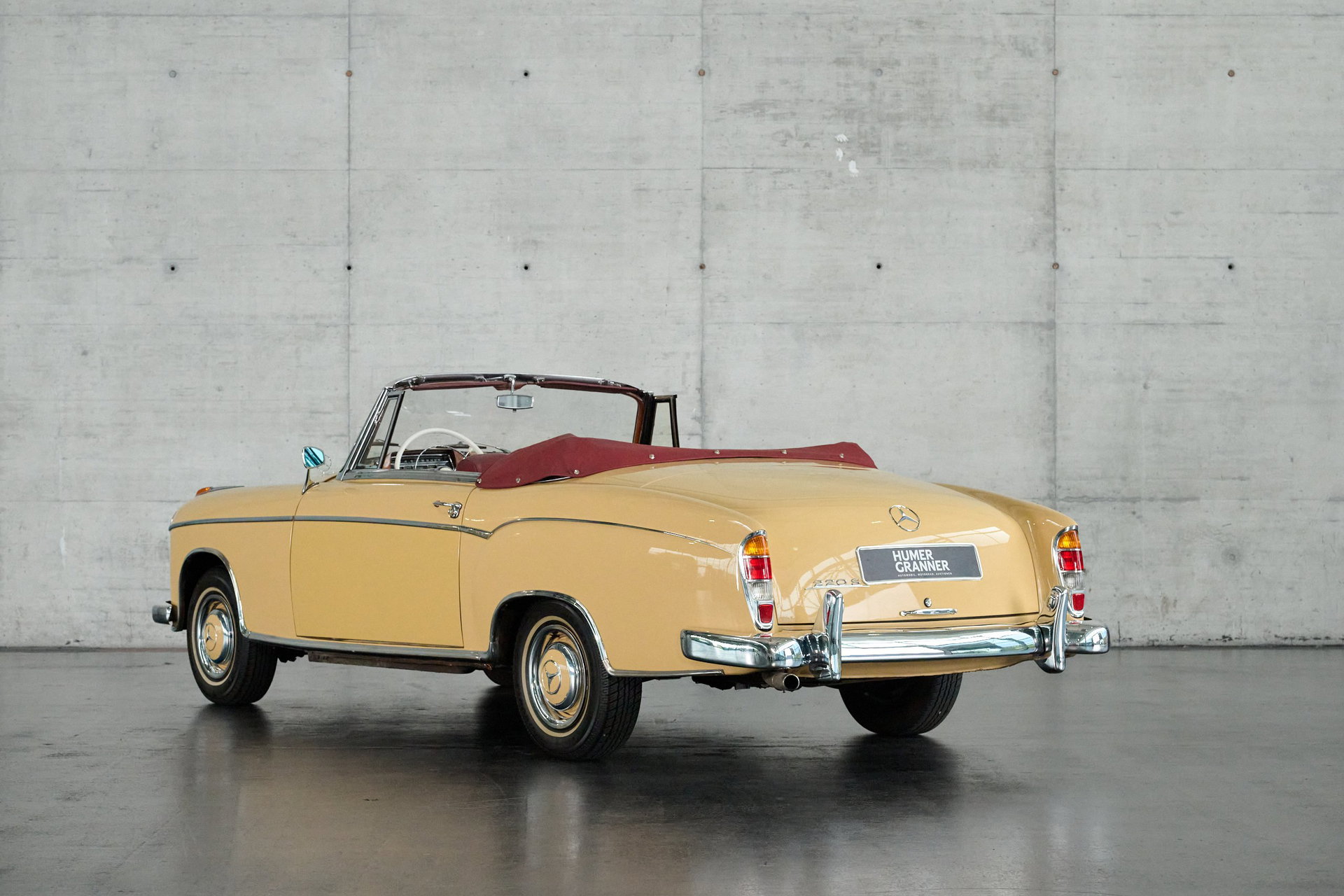
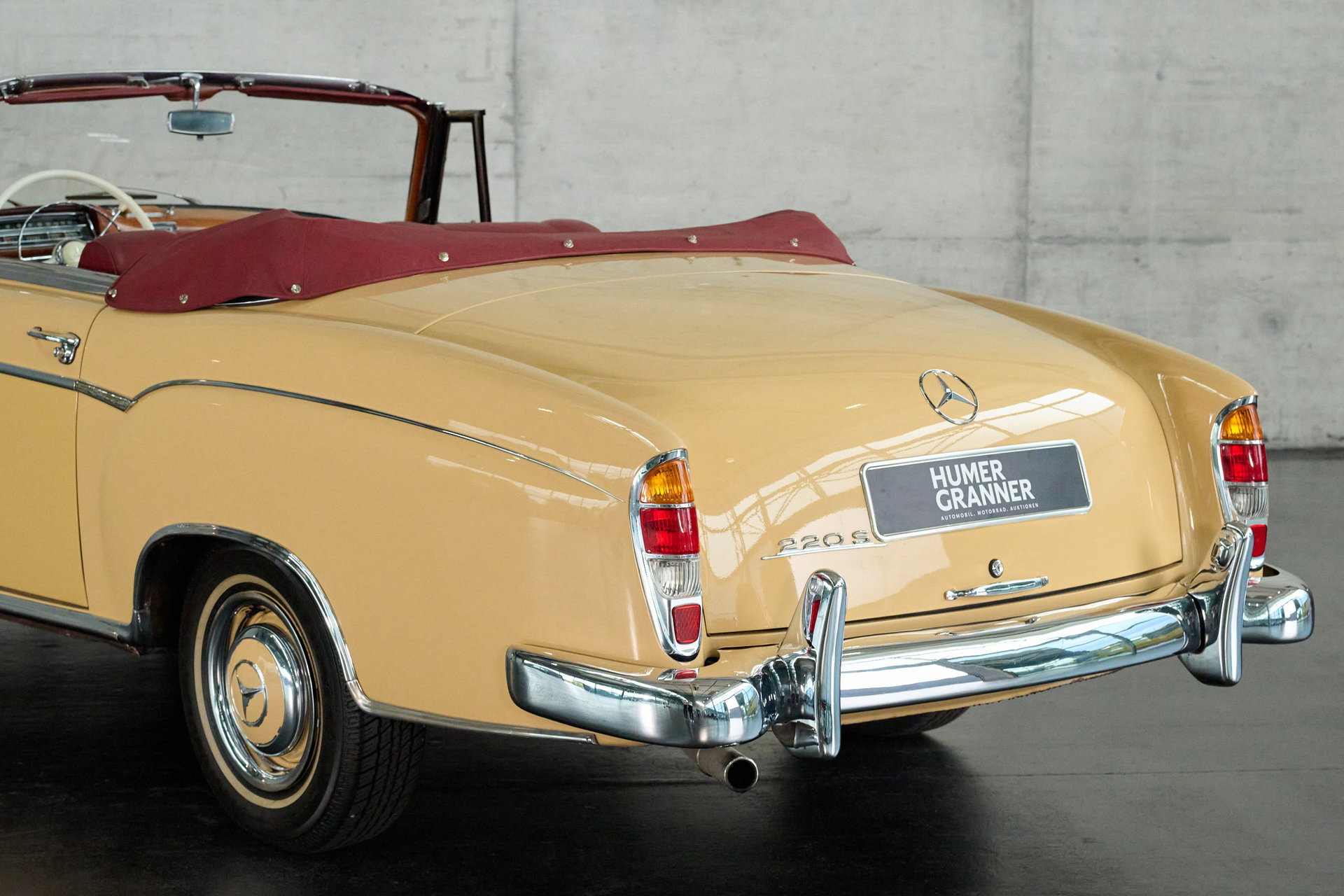
Attractive colour combination
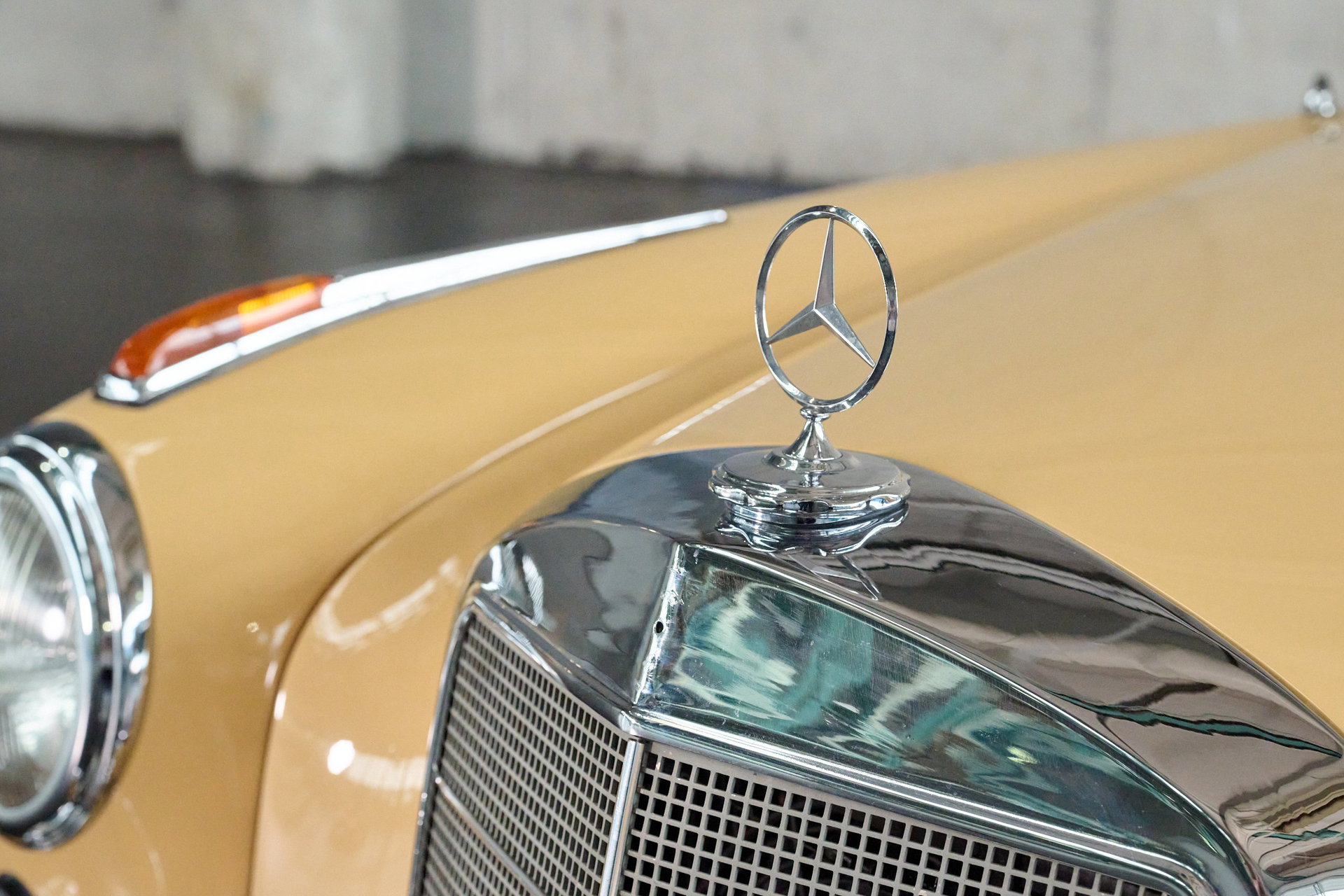
For Mercedes-Benz, 1953 marked the beginning of a new era. Gone were the separate wings, running boards and massive radiator grille standing proud in the wind. With the smooth, understated Ponton shape, Mercedes had arrived firmly in the present. More than that, for the first time the body was of unitary construction.
The four-cylinder entry-level models led the way, although beneath their new bodywork there was initially little that was actually new. Mercedes relied on tried-and-tested engineering at first, before gradually introducing new engines and, in 1954, the six-cylinder models. Those required more room, so the front end was lengthened, while rear-seat passengers gained a few extra centimetres as well.
With the arrival of the 220 S in 1956, the large saloon received a noticeable increase in performance. Twin carburettors now helped produce 100 hp, enough for 160 km/h. After more than a year without an open car in the range, the Ponton Cabriolet finally arrived that summer. For the engineers, however, it was no simple matter: without a roof, the new unitary body lacked the necessary rigidity. A substantially reinforced floorpan provided the required stiffness, but also added another 100 kilograms. The modest increase of six horsepower introduced in 1957 therefore came at just the right time.
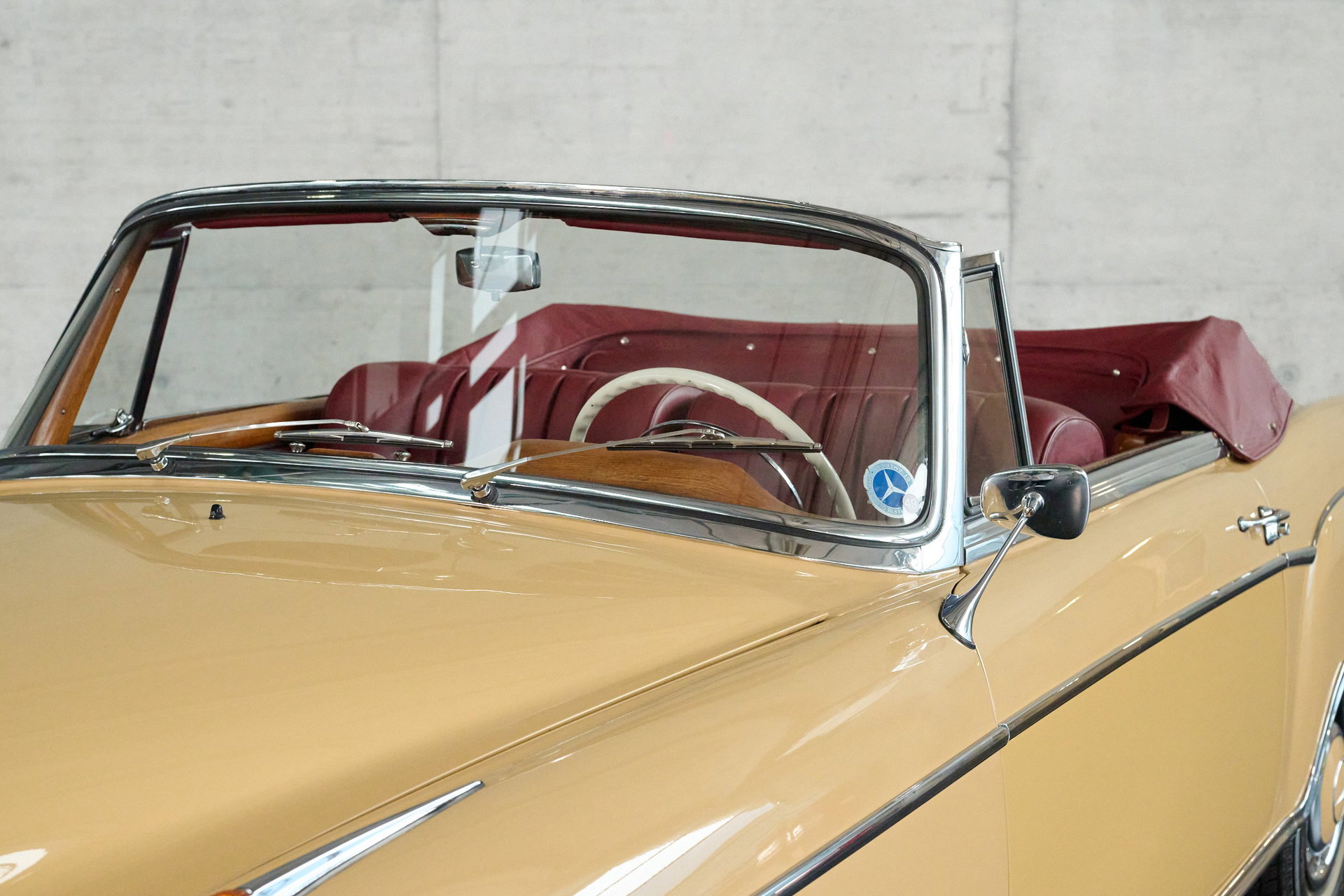
Inside, Mercedes showed exactly what it could do. Fine timber met substantial leather, very much in the manner of the 300. That car had already demonstrated that when it came to opulence, Mercedes was not easily outdone. The price provided the usual natural selection. At DM 21,500, the 220 S Cabriolet found just 2,178 buyers before production ended in October 1959. By then, the fuel-injected engine of its future successor had already been available for more than a year, and with it the Ponton Cabriolets continued in production until 1961.
Today, the Ponton Mercedes has become synonymous with Germany’s long-vanished Wirtschaftswunder years. As diesel taxis they once shaped the streetscape; as Cabriolets they turned heads on the boulevard.
According to the delivery note, Mr Kling in the USA ordered this Mercedes-Benz 220 S Cabriolet “A” with Hydrak, special leather upholstery and a fixed rear bench seat.
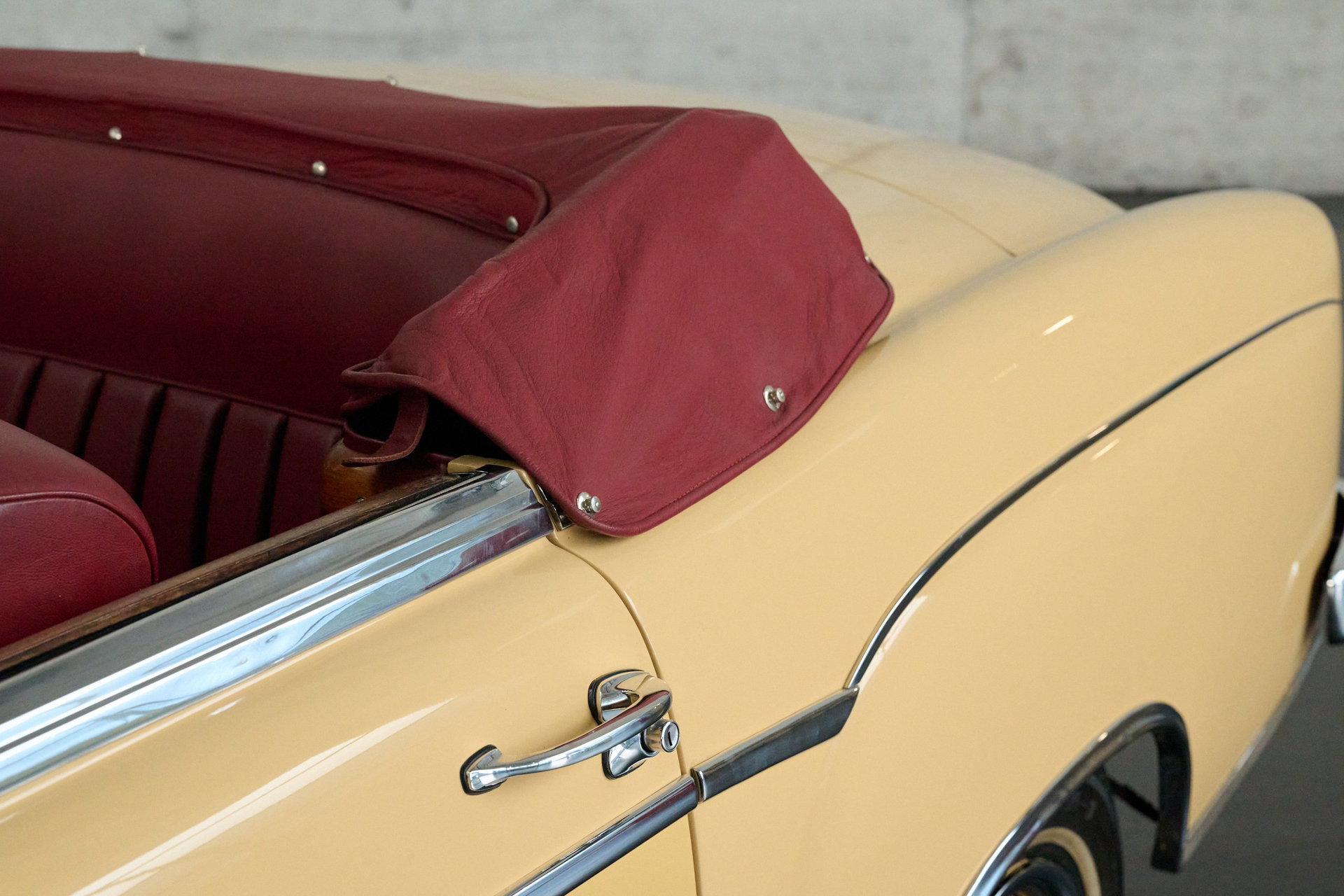
At an unknown point in its history, the luxurious Cabriolet returned to Germany and was registered there before its previous owner from Bernau am Chiemsee commissioned an extensive restoration. Surviving invoices date from 2001. A handwritten note lists the work carried out, including an engine rebuild, replacement gearbox, new hood, new seat covers and carpets in original quality, overhauled axles and various other items. It was presumably during this work that the car was converted to the manual gearbox it retains today. The total amount recorded comes to DM 98,000. On 20 June 2001, the Mercedes was registered with a new kilometre speedometer. Two photographs from May 2002 show a gleaming Cabriolet, inside and out.
The consignor acquired the Cabriolet as early as spring 2003, having been particularly taken by its attractive colour combination. It was registered on 6 July 2003. Judging by the odometer, the car had not yet been driven since its restoration, although mechanically there was still room for improvement. In May 2004, Fritz Wallner was commissioned to rectify the remaining technical shortcomings and convert the front axle to disc brakes from the successor model. Naturally, this modification is recorded in the vehicle documents. Further remedial work was subsequently entrusted to other specialist firms. Standards were high: after all, the Cabriolet was intended to be driven easily and safely by the lady of the house. In the years that followed, little more than routine maintenance was required.
The initial frustrations have long since been forgotten. The Benz brought great pleasure and, during the summer months, accumulated affection as readily as kilometres. In recent years, however, its owners have grown older, priorities have changed and outings have become less frequent. Now this grand Cabriolet is looking for a new home.
Vergelijkbare oudjes
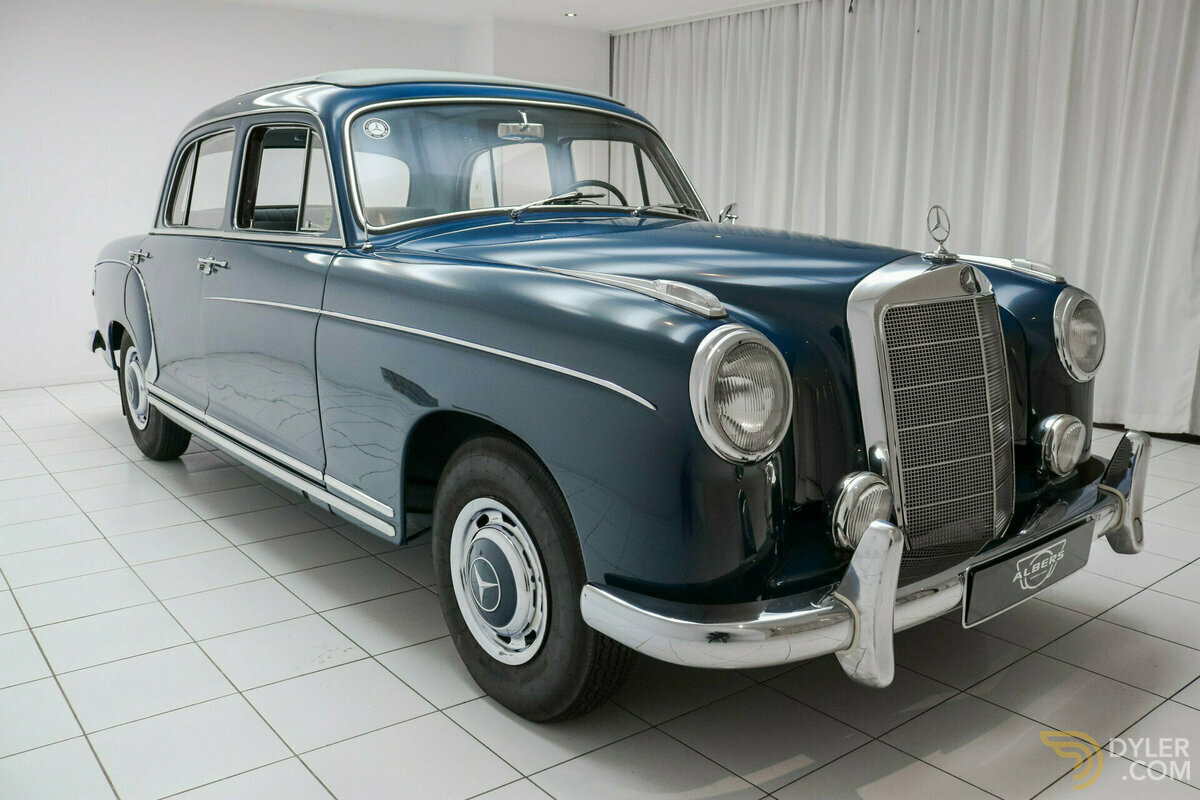 1958 Mercedes-Benz 220 SEPrijs op aanvraag1958 · 4.597 km · Musselkanaal, Nederland · Dyler
 Mercedes 220 S€ 225.0001958 · 10.000 km · Brussels, België · Car & Classic
 1958 Mercedes-Benz 220 - S CoupéCHF 69.500 (≈ € 74.659)1958 · 223.000 km · Oberweningen, Zwitserland · Classic Driver
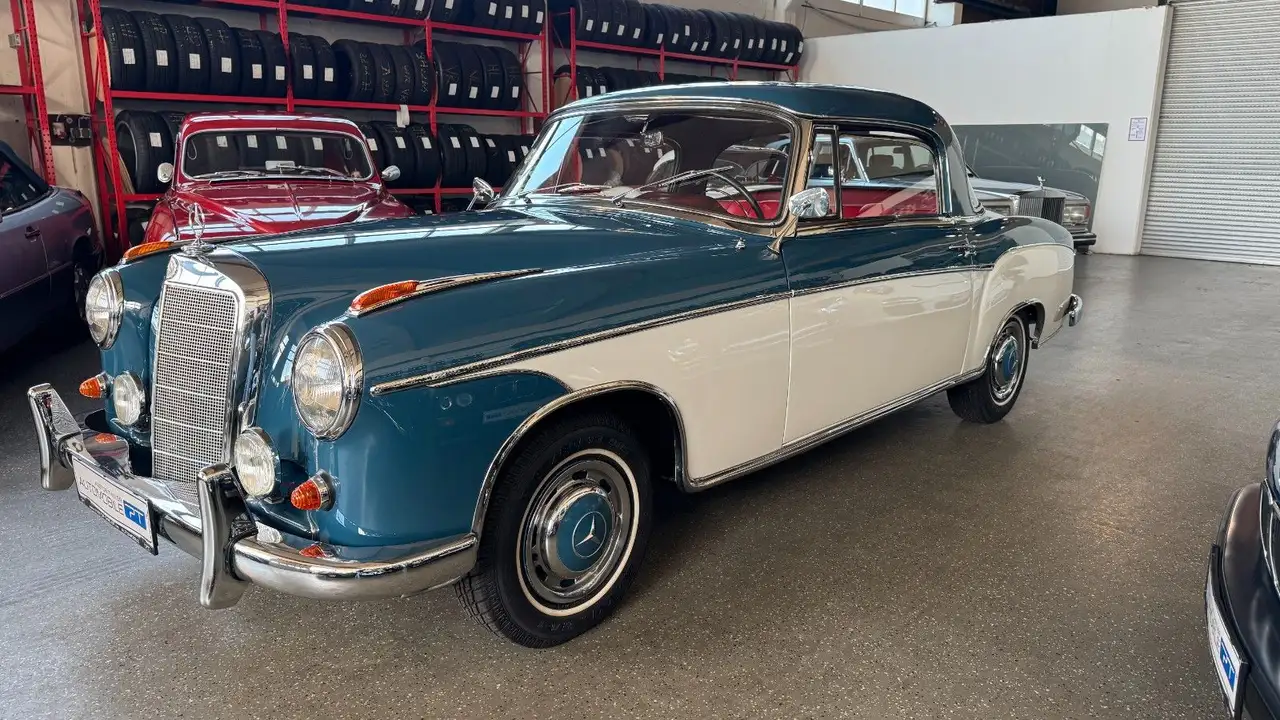 Mercedes-Benz 220 S Coupe mit Schiebedach und Garantie*€ 69.9001958 · 46.624 km · Kaarst, Duitsland · AutoScout24
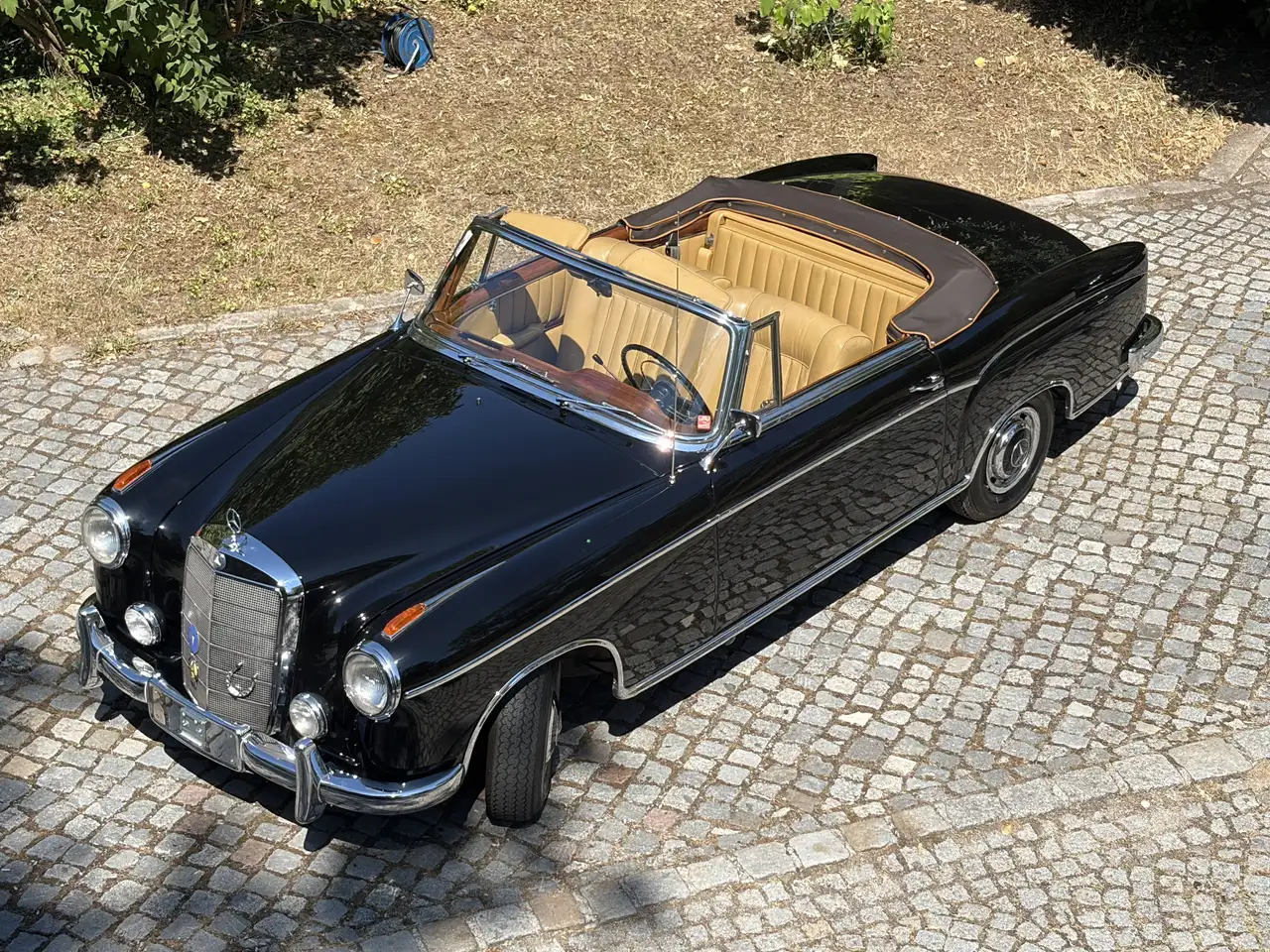 Mercedes-Benz 220 Pontoncabriolet€ 83.0001958 · 85.600 km · Dietach, Oostenrijk · AutoScout24
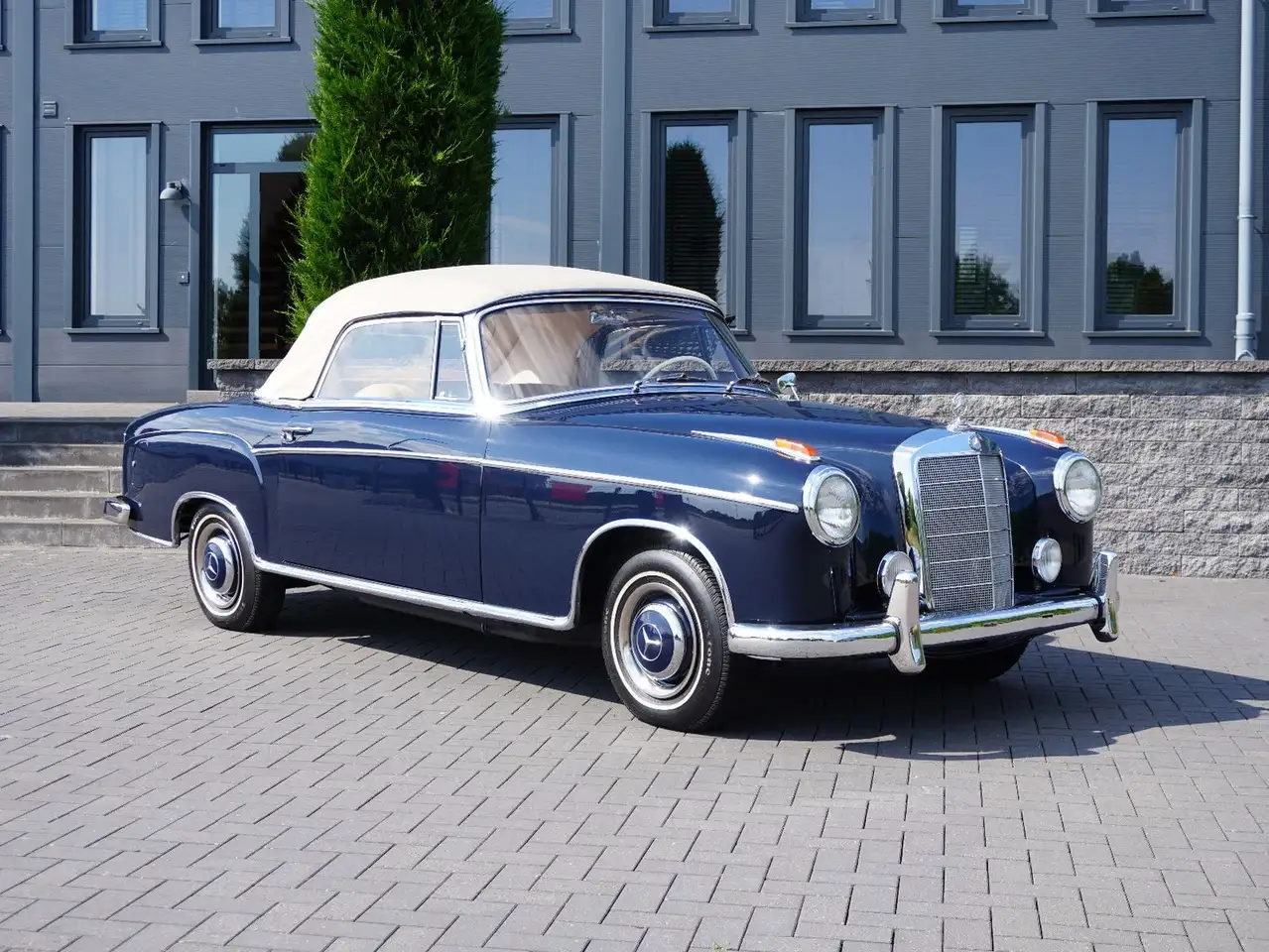 Mercedes-Benz 220 S Pontoncabriolet€ 109.0001958 · 12.000 km · Heide, Duitsland · AutoScout24
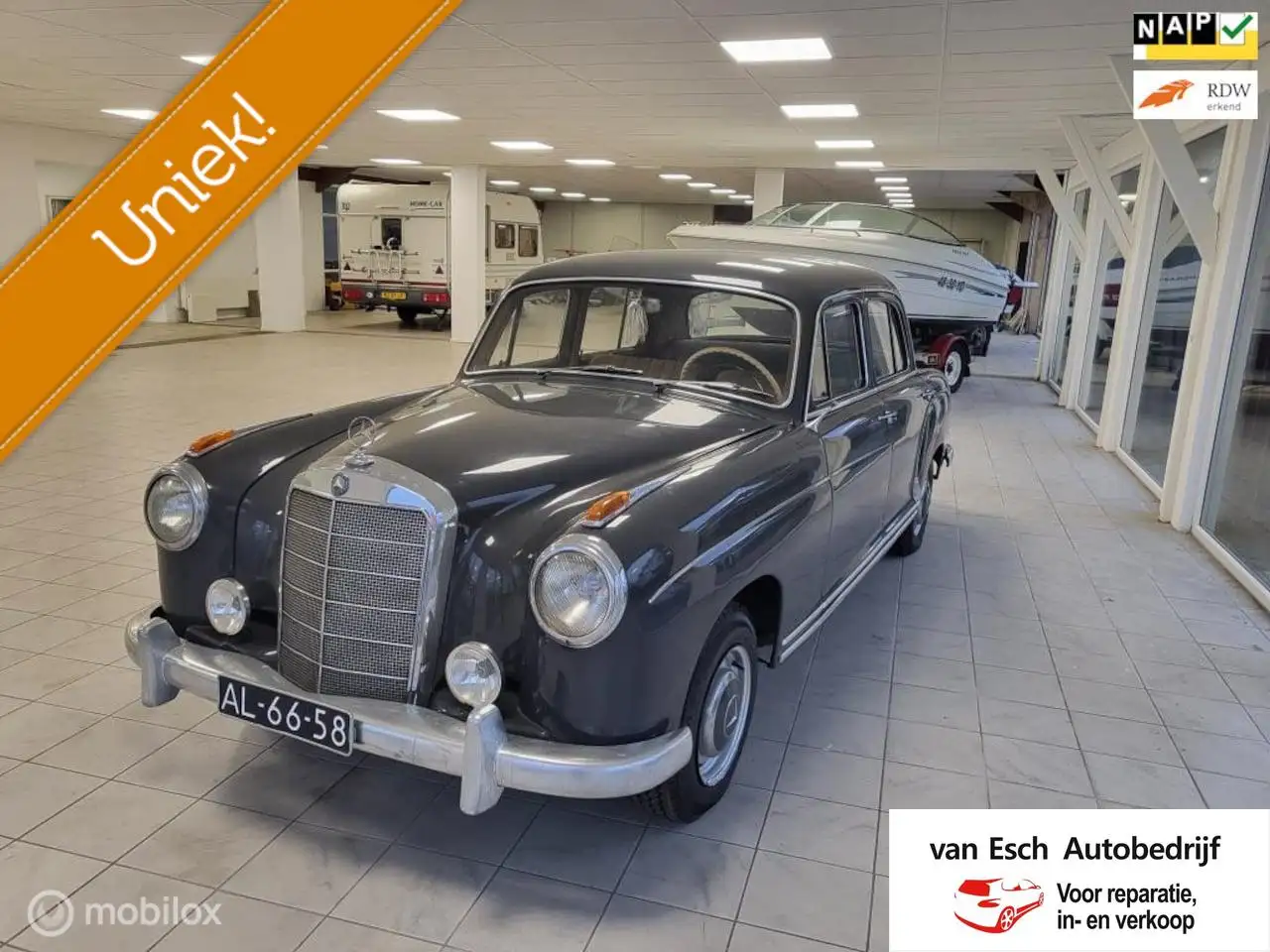 Mercedes-Benz 220 S€ 15.9501958 · 71.488 km · OPENDE, Nederland · AutoScout24
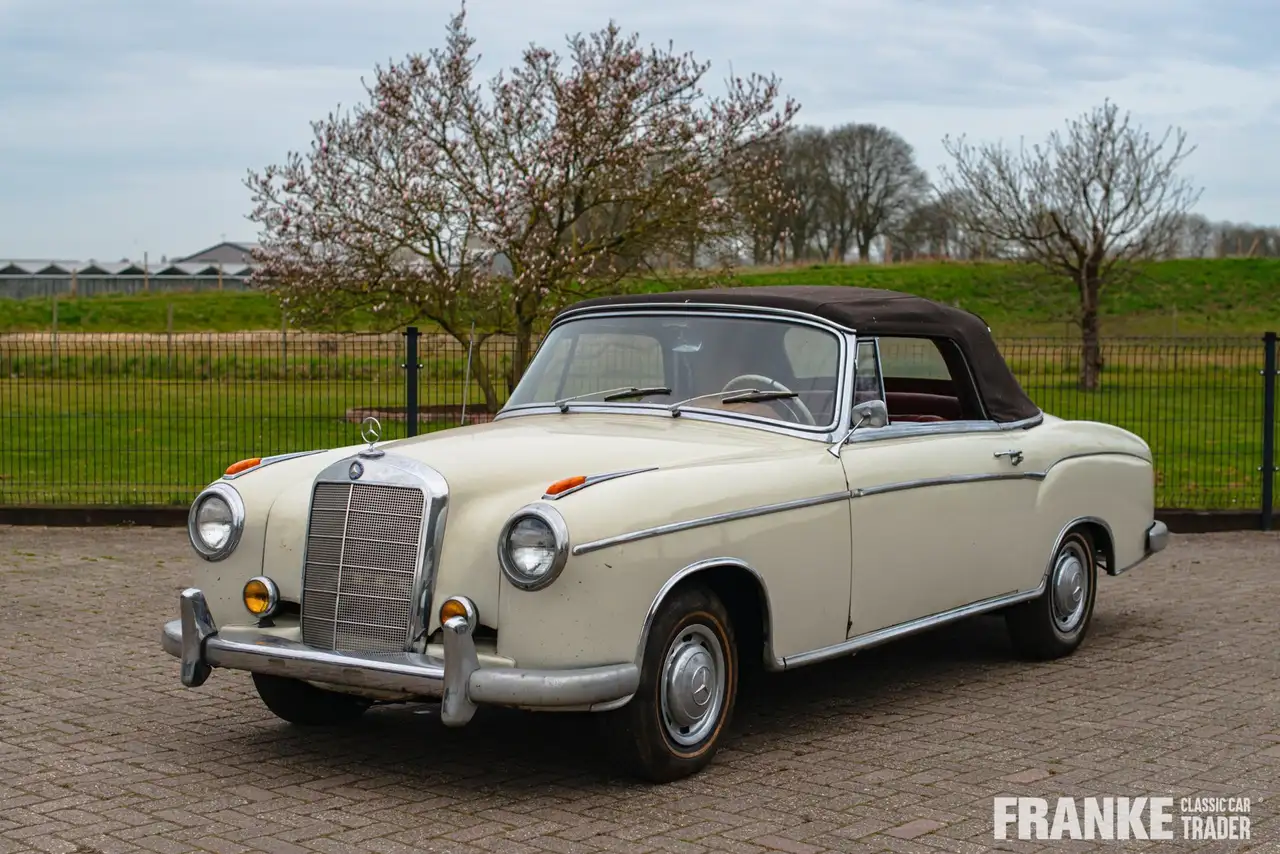 Mercedes-Benz 220 S Cabriolet€ 78.0001958 · 93.486 km · HEINENOORD, Nederland · AutoScout24
Wat doet een Mercedes-Benz 220 op de markt? Bekijk de marktwaarde →