1954 Mercedes-Benz 220 - 220 Coupé
1954 · Salzburg, Oostenrijk · via Classic Driver
Veiling sluit 18 oktober 2026, 01:59
Bekijk op Classic Driver → Open in de app
Gegevens
| Merk | Mercedes-Benz |
|---|---|
| Model | 220 Coupé |
| Bouwjaar | 1954 |
| Carrosserie | Coupé |
| Stuur | Links |
| Locatie | Salzburg, Oostenrijk |
| Verkoper | Humer, Granner & Co GmbH (veiling) |
| Bron | Classic Driver |
| auction | https://www.classicdriver.com/en/auction/humer-granner-co-gmbh-classic-car-auction-17102026 |
| Op Oudjes.xyz sinds | 5 oktober 2026 |
| Laatst gezien | 9 oktober 2026, 06:15 |
Beschrijving
One of only 85 Coupés built
Already fitted with the more powerful engine
Extensively restored in the 1990s
With period luggage set
Matching numbers
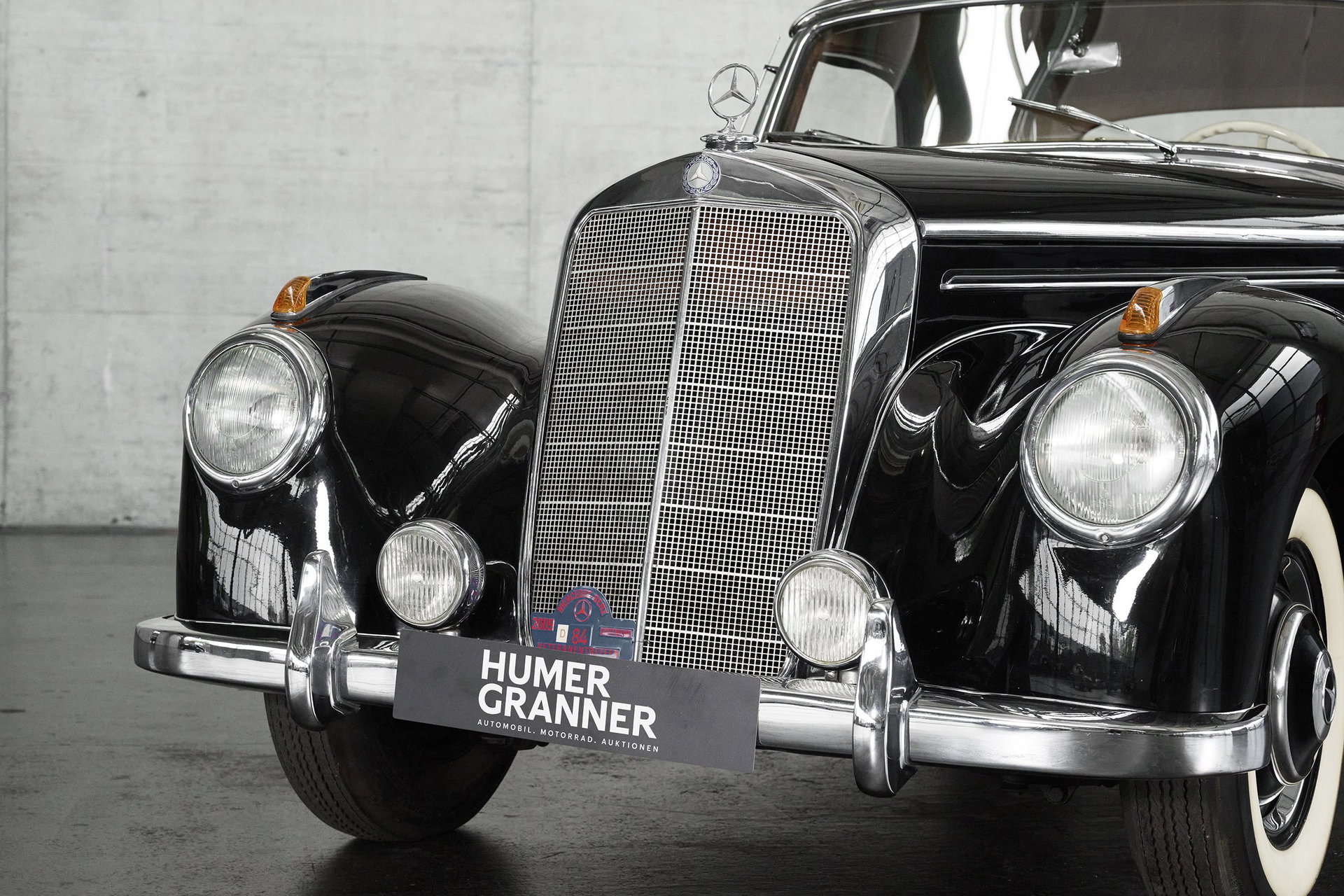
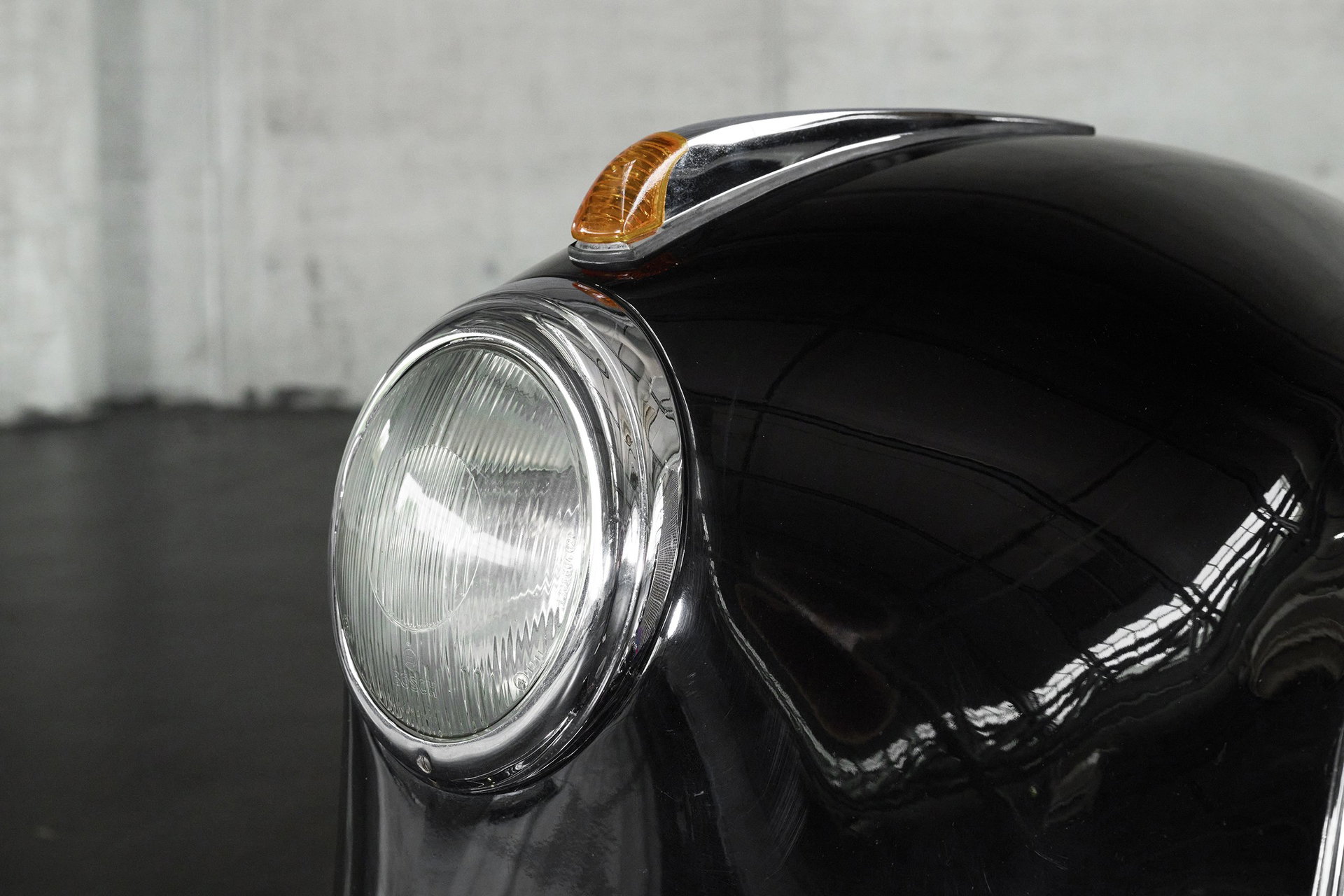
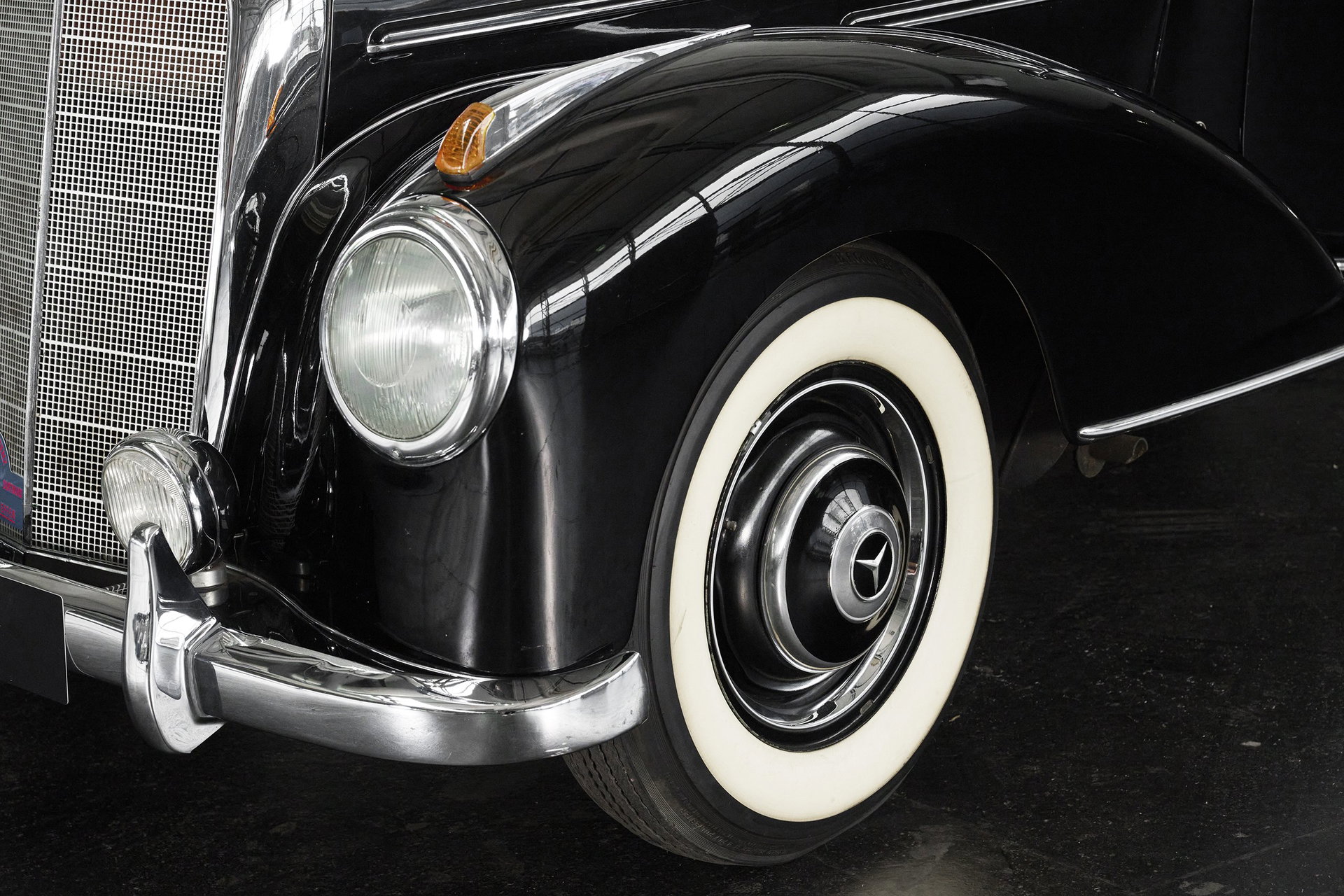
When Mercedes-Benz unveiled the 220 in 1951, the war had been over for barely six years. Its bodywork therefore looked reassuringly familiar: separate wings, a tall radiator grille and running boards – stylistically, the W 187 was still very much a child of the pre-war era. Beneath the skin, however, something significant had changed. With the new 2.2-litre M 180 six-cylinder came an engine whose basic design would remain with Mercedes for decades.
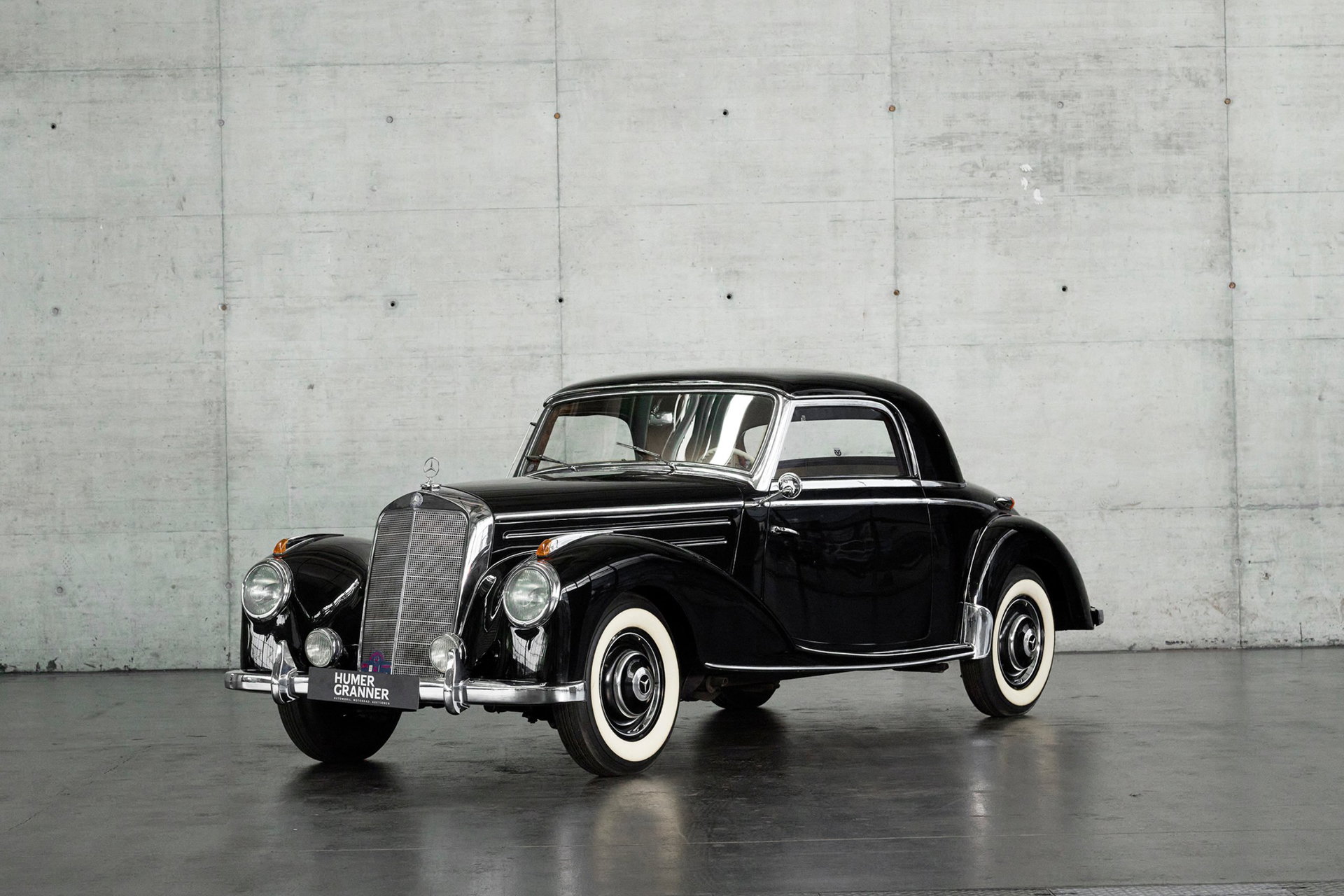
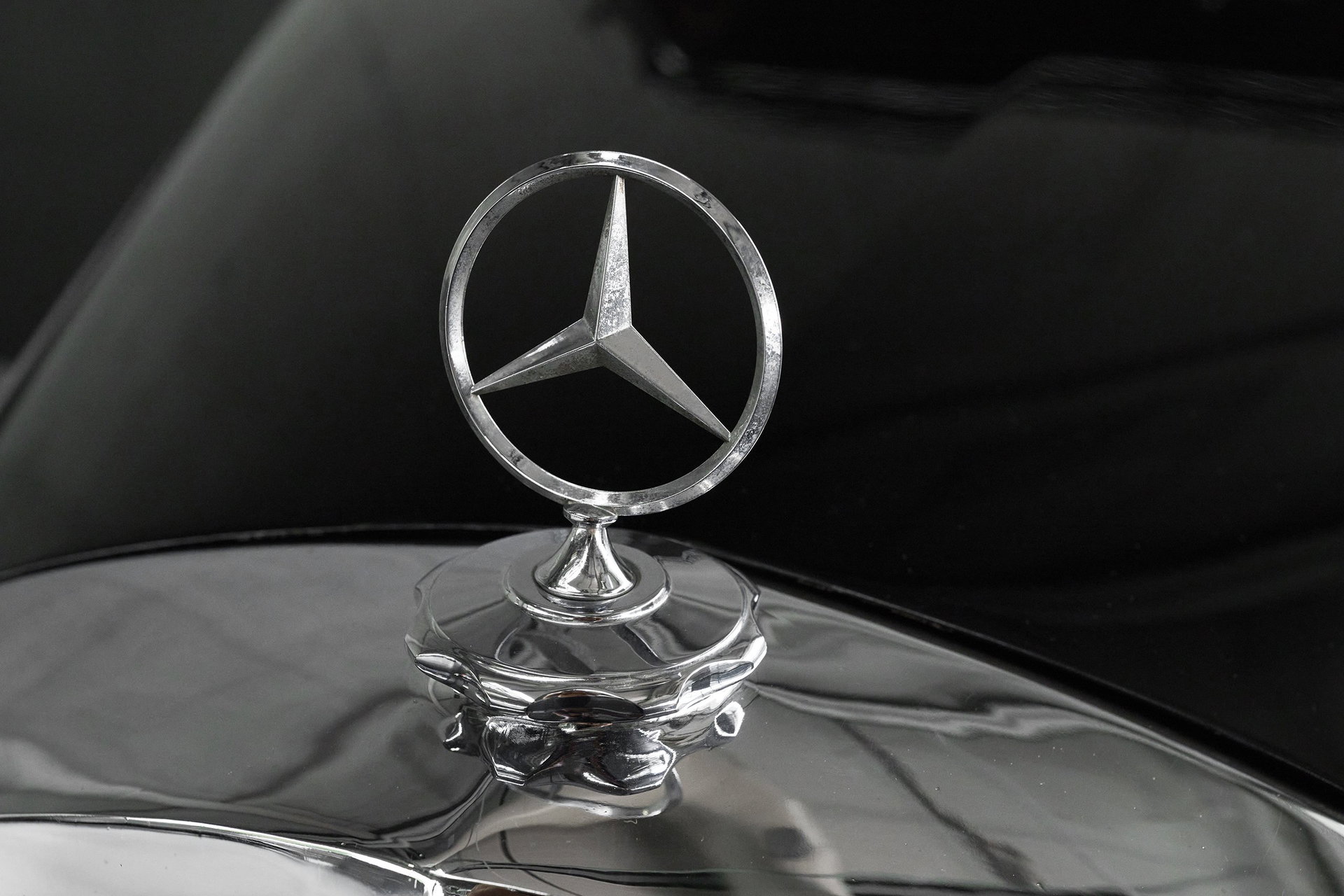
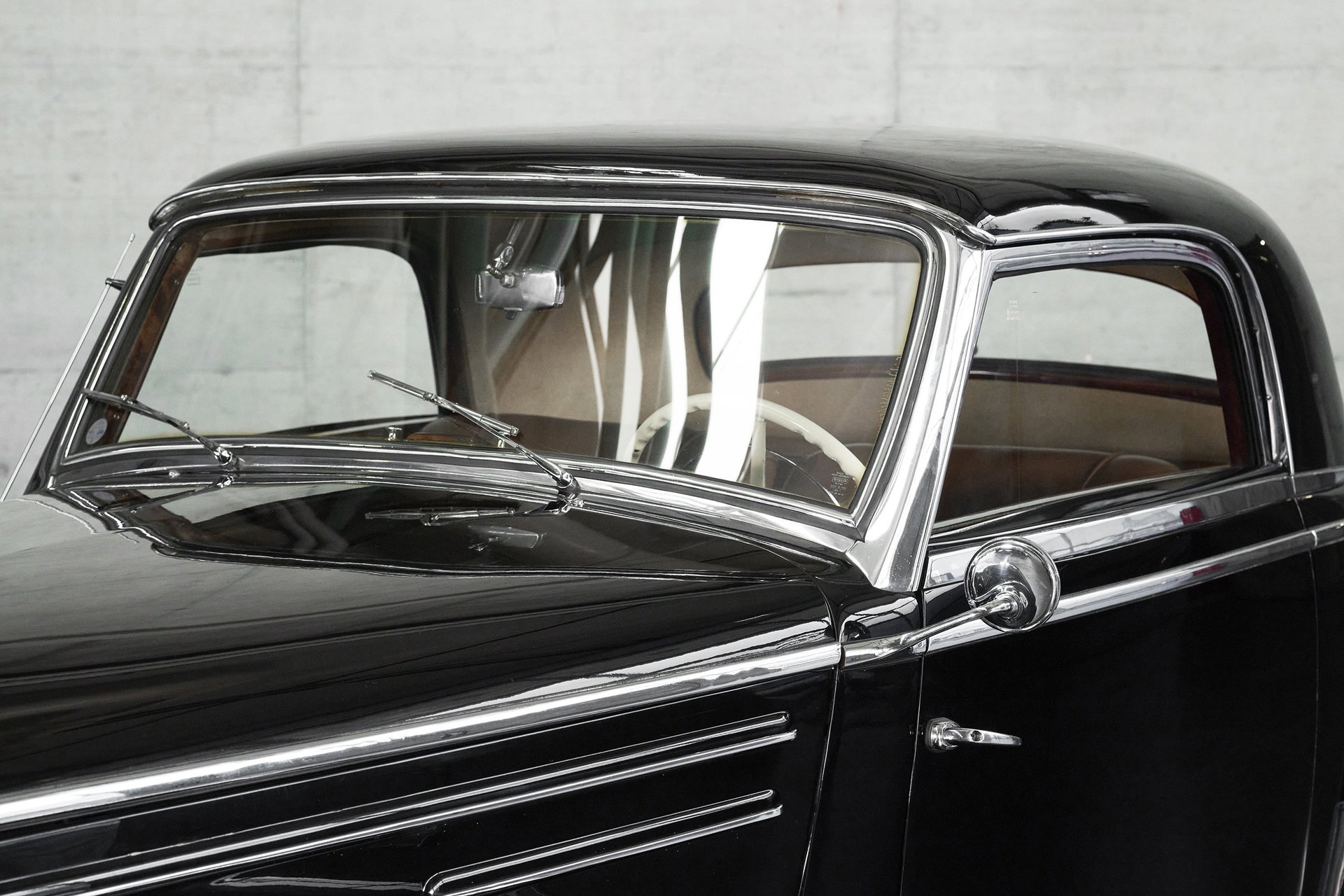
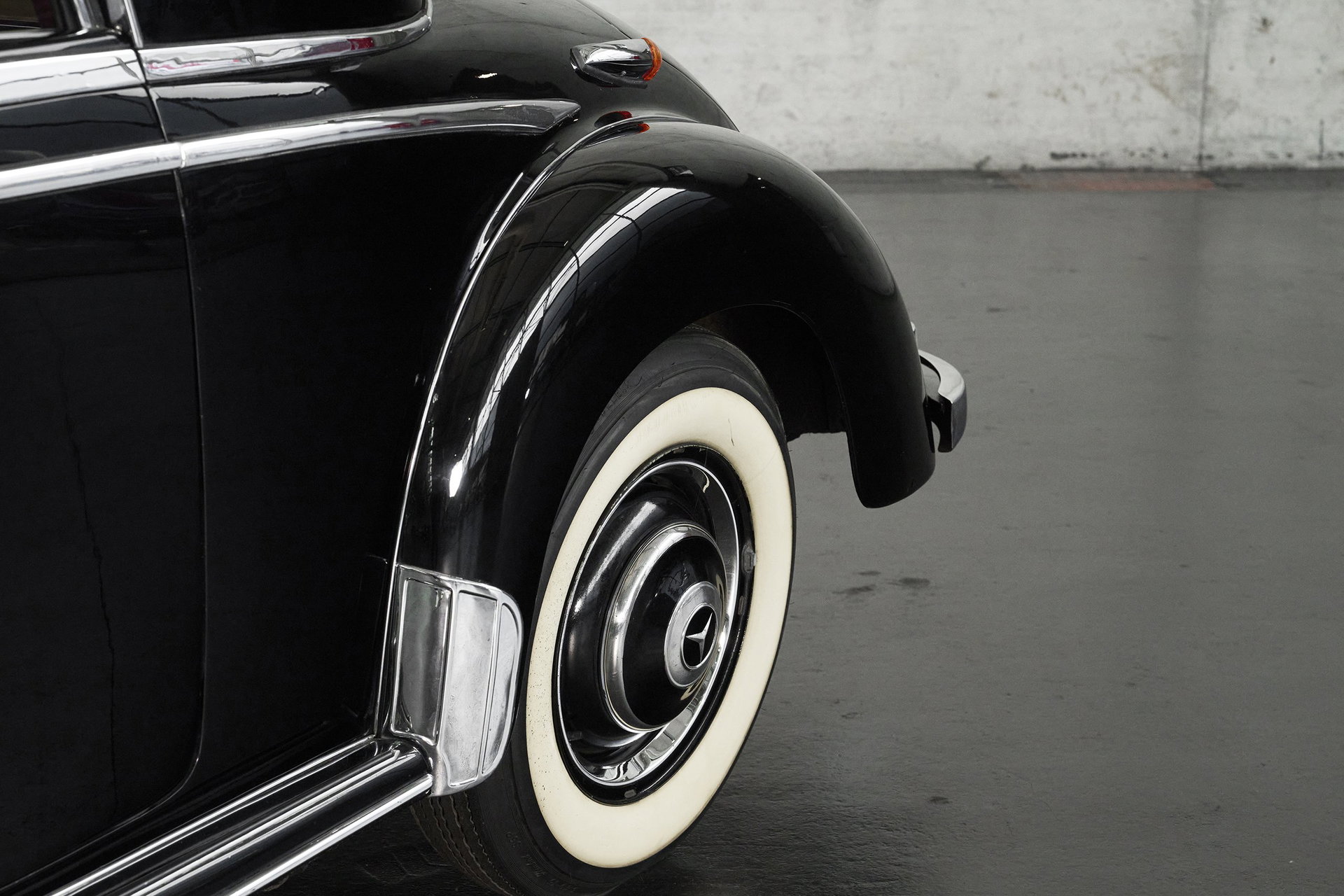
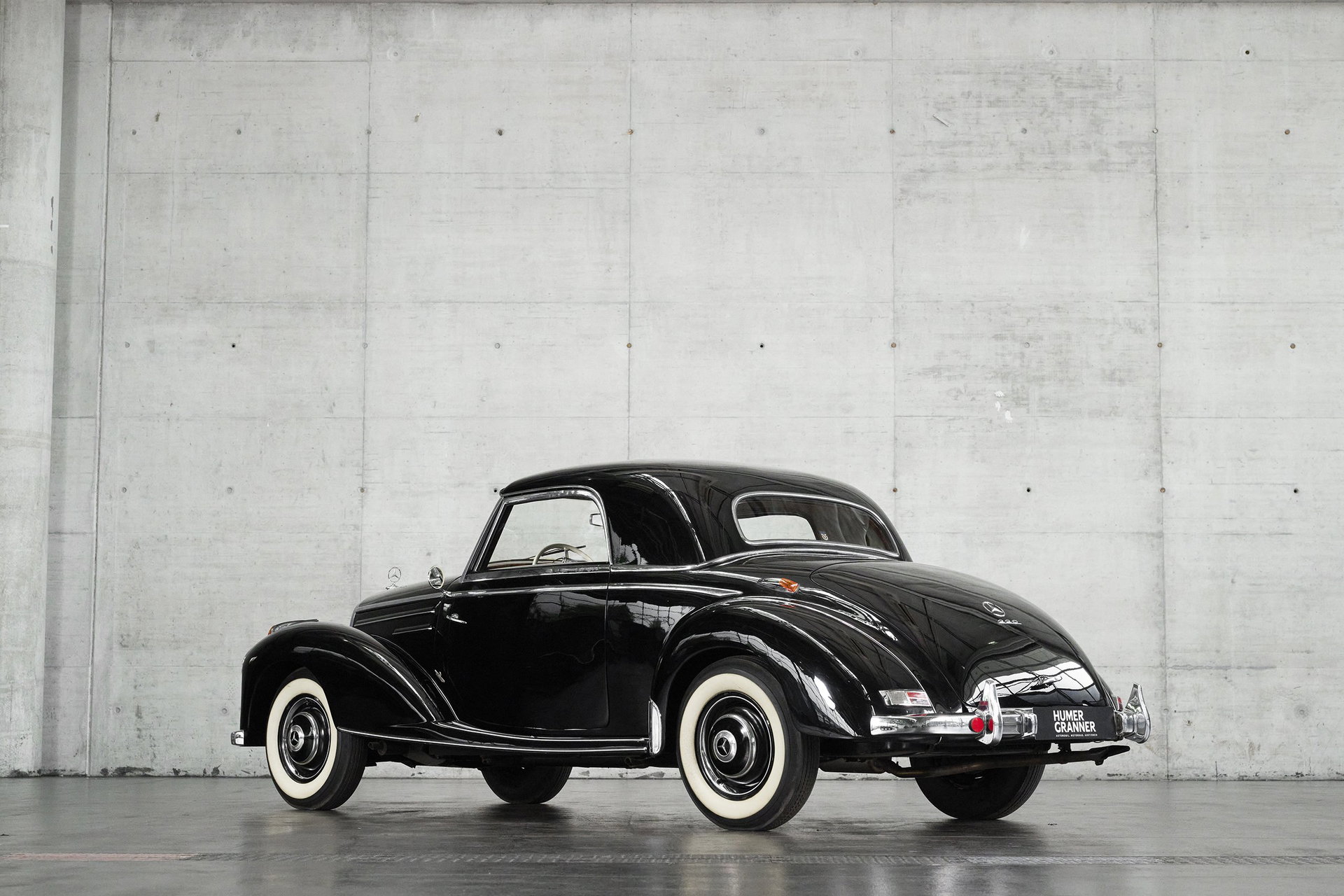
Alongside the saloon, Stuttgart initially offered the Cabriolet A and B. A Coupé was conspicuously absent from the range. It did not appear until December 1953, following ‘repeated urging by certain prominent personalities’, as Mercedes announced in a circular. Anyone expecting a saloon sans two doors was thoroughly mistaken. The Coupé was based on the elegant Cabriolet A and inherited its low, long and flowing lines. With its roofline, the 220 Coupé bore a striking resemblance to the Coupés of the grand 300 series. It gave the car an aura of the unattainable – not quite as prestigious, perhaps, but every bit as effective.
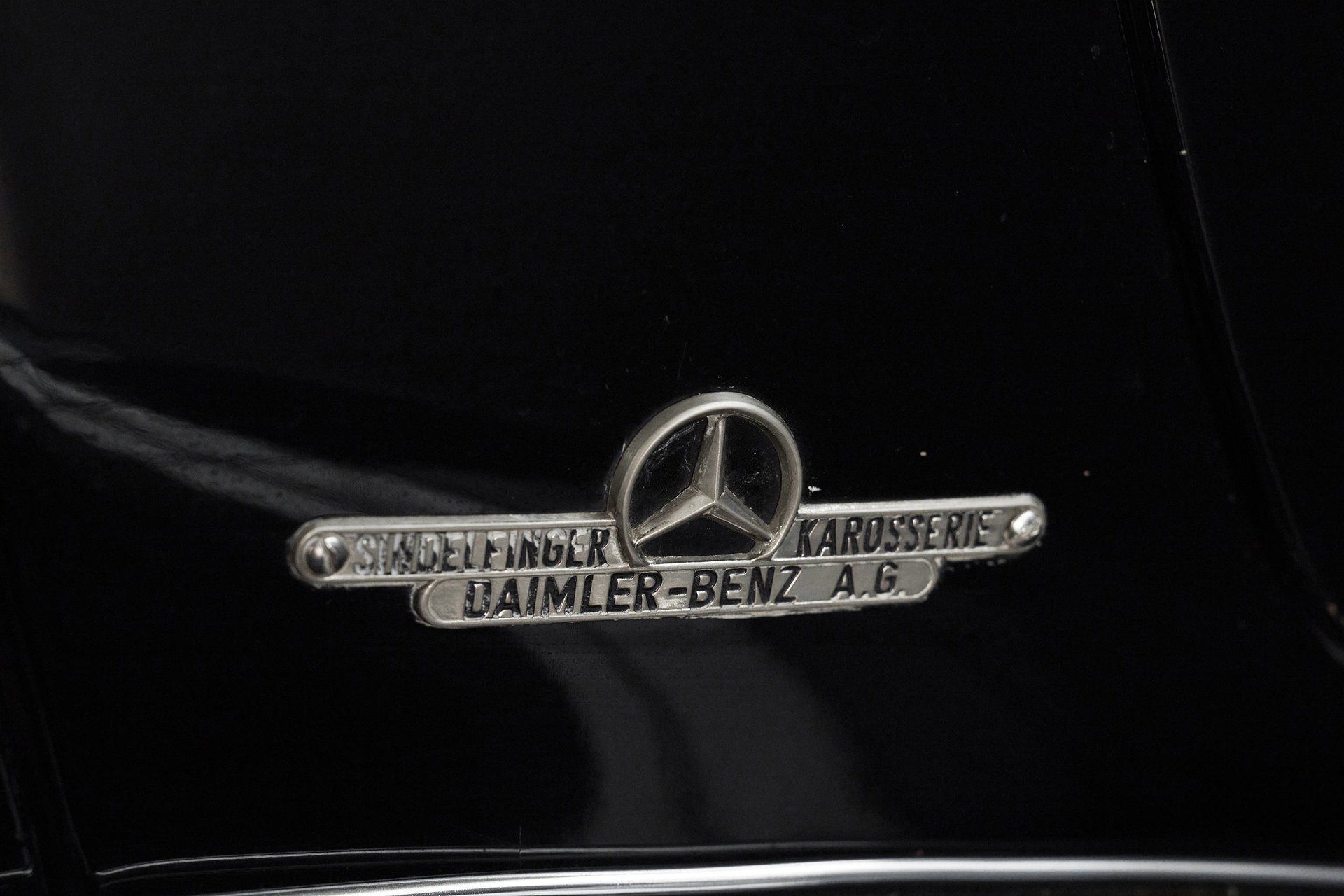
Looking at the production figures, one inevitably wonders just who had been doing all that repeated urging. A mere 85 orders reached Untertürkheim. With production on such a homeopathic scale, the 220 Coupé is the rarest series-production Mercedes of the post-war Untertürkheim era. The cars were built largely by hand for a clientele that, after years of austerity, was once again able – and willing – to demonstrate that life could be rather different. The appointments were correspondingly luxurious: leather, plenty of wood and the kind of solid craftsmanship with which Stuttgart was slowly returning to its old standards. In that respect, the 220 gave nothing away to the 300.
Technically, the later cars benefited from the continuing development of the 220. The straight-six combined smoothness with performance that was thoroughly respectable for its day. From April 1954, output for the Coupé and Cabriolet rose from 80 to 85 bhp. That brought 150 km/h within reach, turning the Coupé almost into a sports car – something it had never really set out to be. The curved windscreen introduced with the Coupé and Cabriolet added another suitably sporting touch.
By 1955, it was all over. With the Ponton, Mercedes had made the leap into the modern motoring age, and the W 187 suddenly looked like a greeting from the past. Customers would have to wait for a Coupé based on its successor as well, albeit for only a year.
This Coupé was delivered in the summer of 1954 to Agam, the Mercedes-Benz general importer in the Netherlands. Originally finished in two shades of grey with a green leather interior, it underwent an extensive restoration in the 1990s, as documented by invoices and photographs. In January 2002, a Dortmund industrialist acquired it for his collection. A note recording the conversation with the seller in Nuremberg is preserved in a hefty file alongside the advertisement from the time.
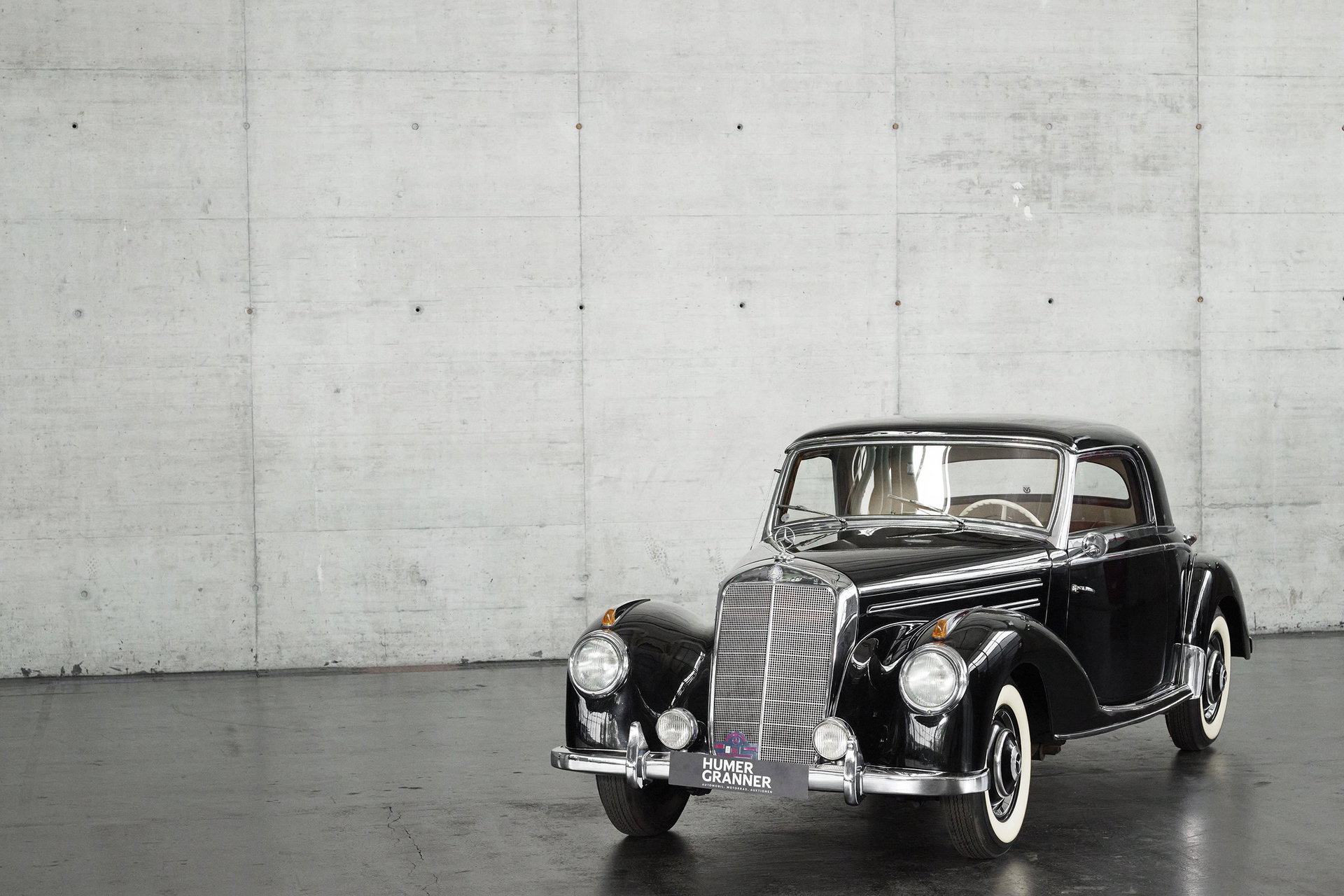
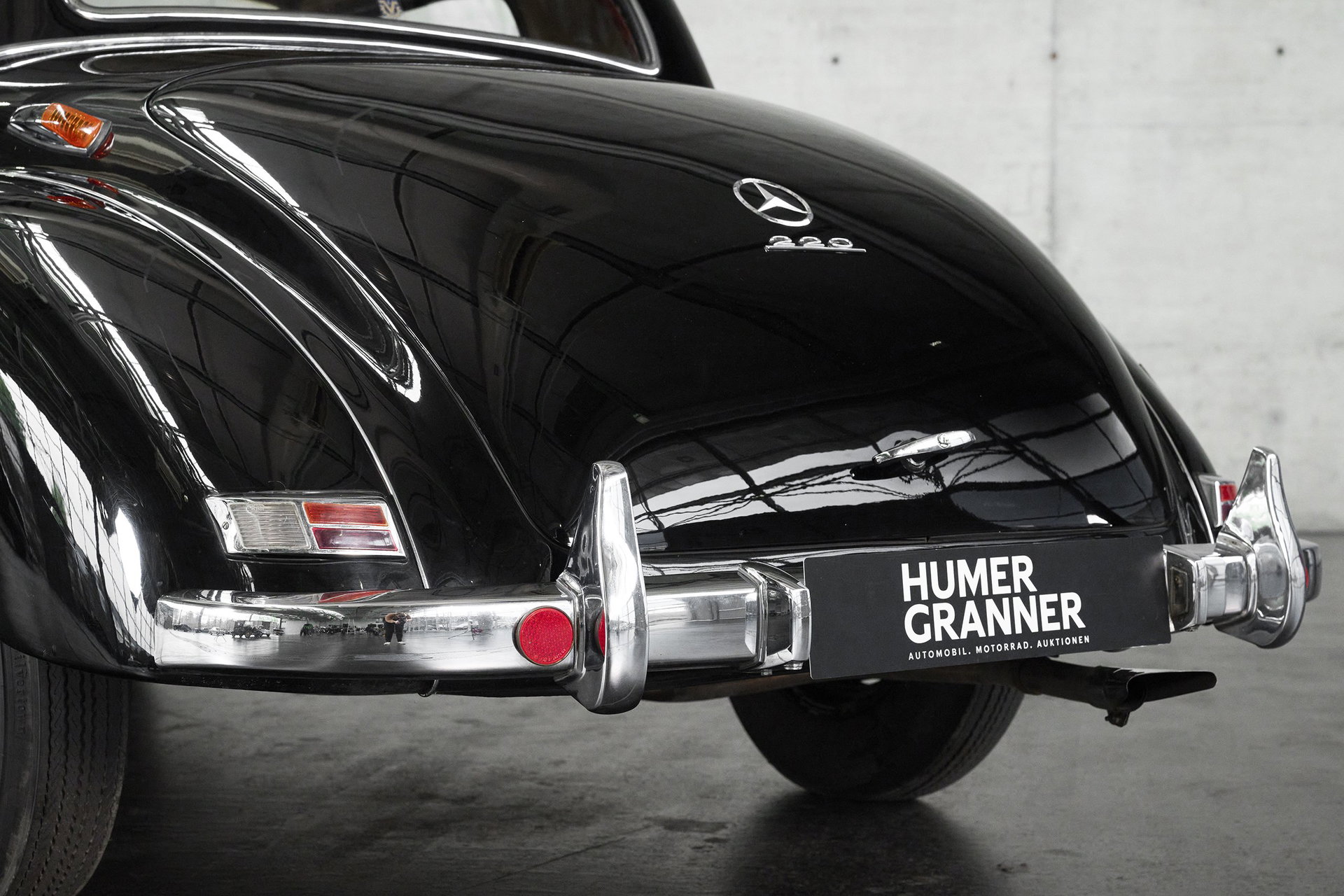
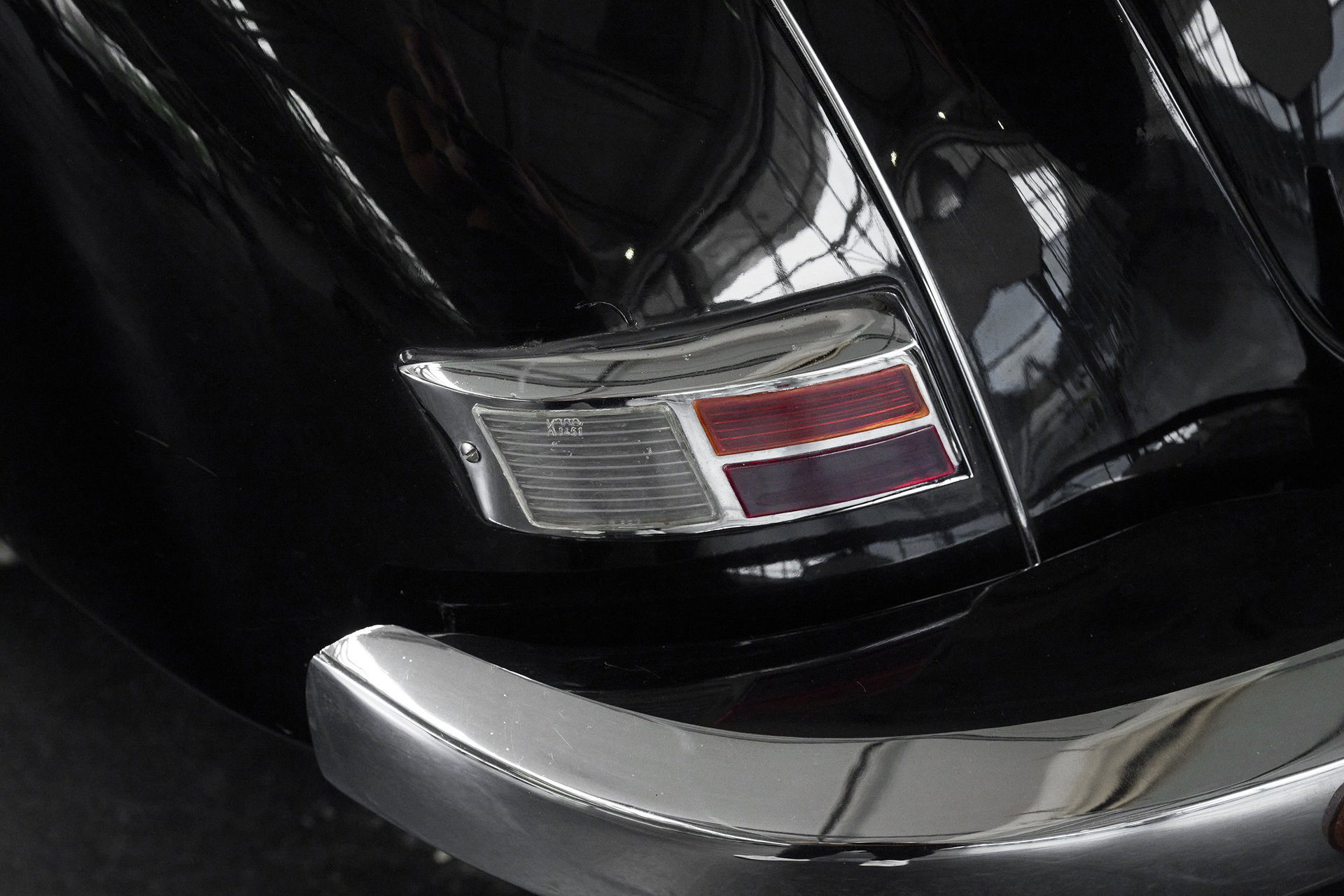
Almost 35 years after its restoration, both the black-painted bodywork and cognac leather interior remain well preserved. Even an original two-piece luggage set can be found in the boot. Having seen very little use in recent years, the Coupé will require a little fettling before it is ready to take to the road again. Thanks to its mass-production mechanicals, the effort involved should remain manageable – and a motor car as beautiful as it is rare is surely worth it!
Vergelijkbare oudjes
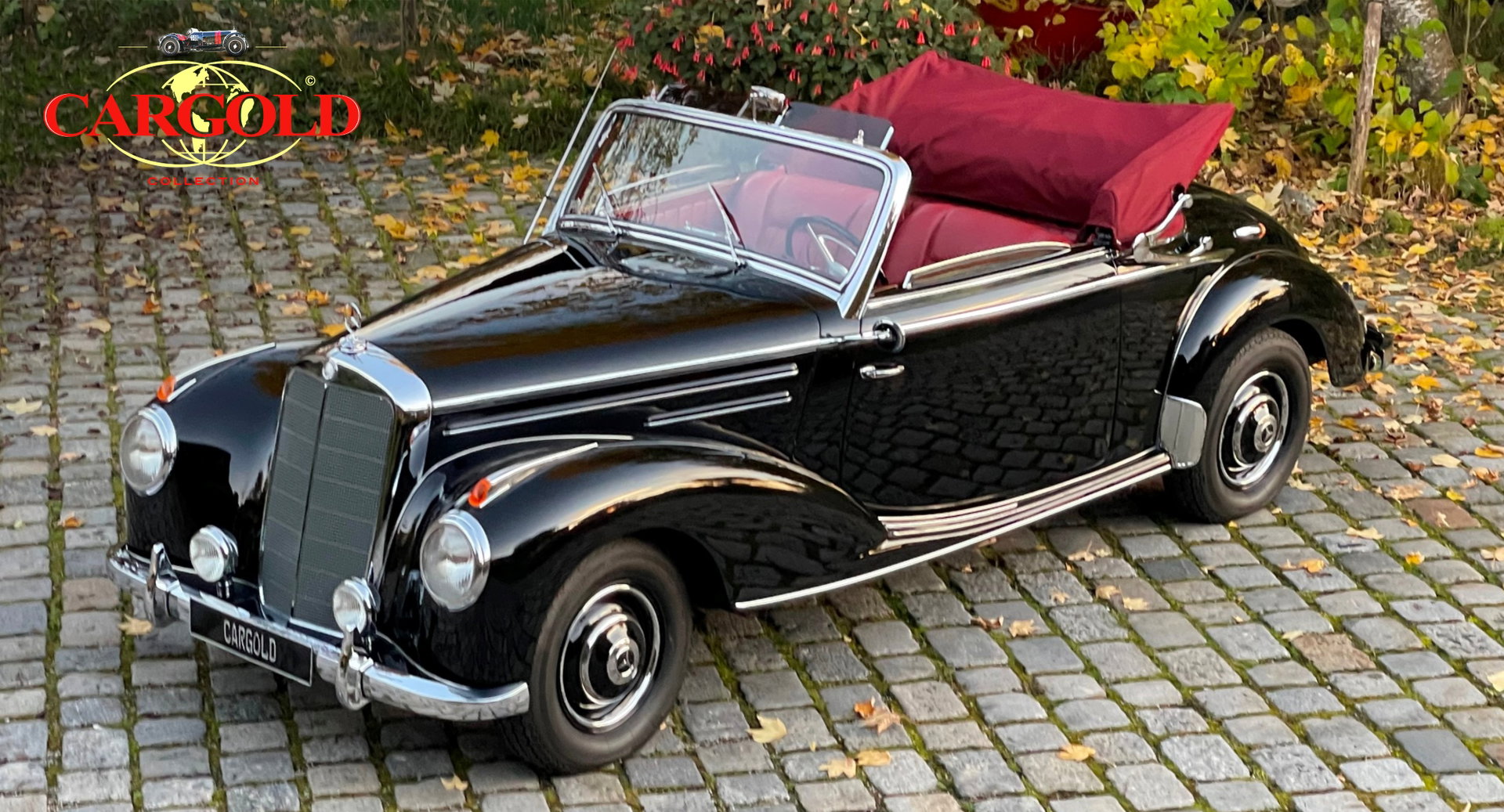 1954 Mercedes-Benz 220 - Cabriolet A First Class! Curved Windshield€ 149.5001954 · 286 km · Rosenheim, Duitsland · Classic Driver
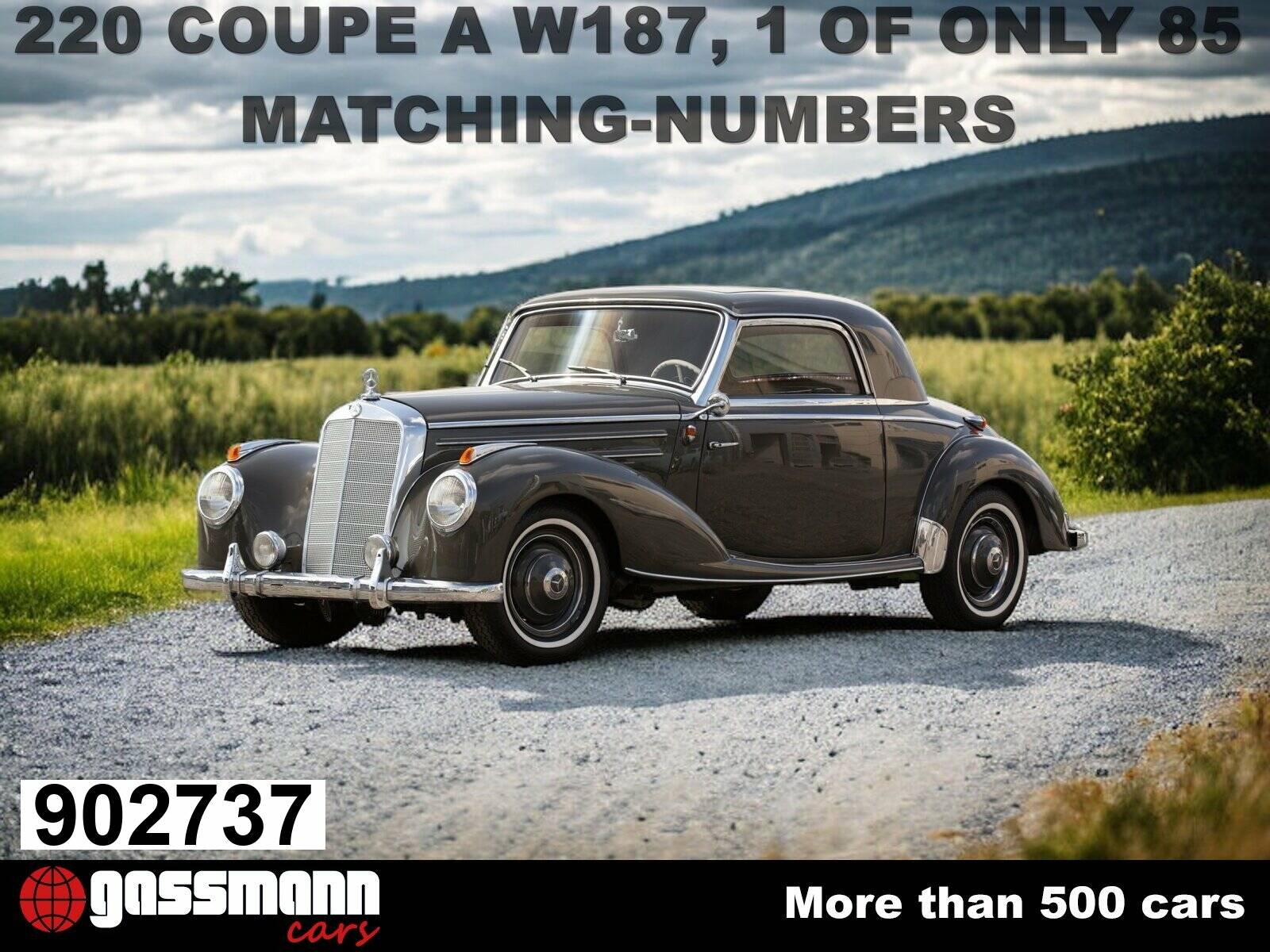 1954 Mercedes-Benz 220 Coupe€ 218.0001954 · 70.324 km · Bovenden, Duitsland · Classic Trader
 1954 Mercedes 220 Cabriolet A First Class! Curved Windshield€ 167.5001954 · 246 km · Rosenheim, Duitsland · Car & Classic
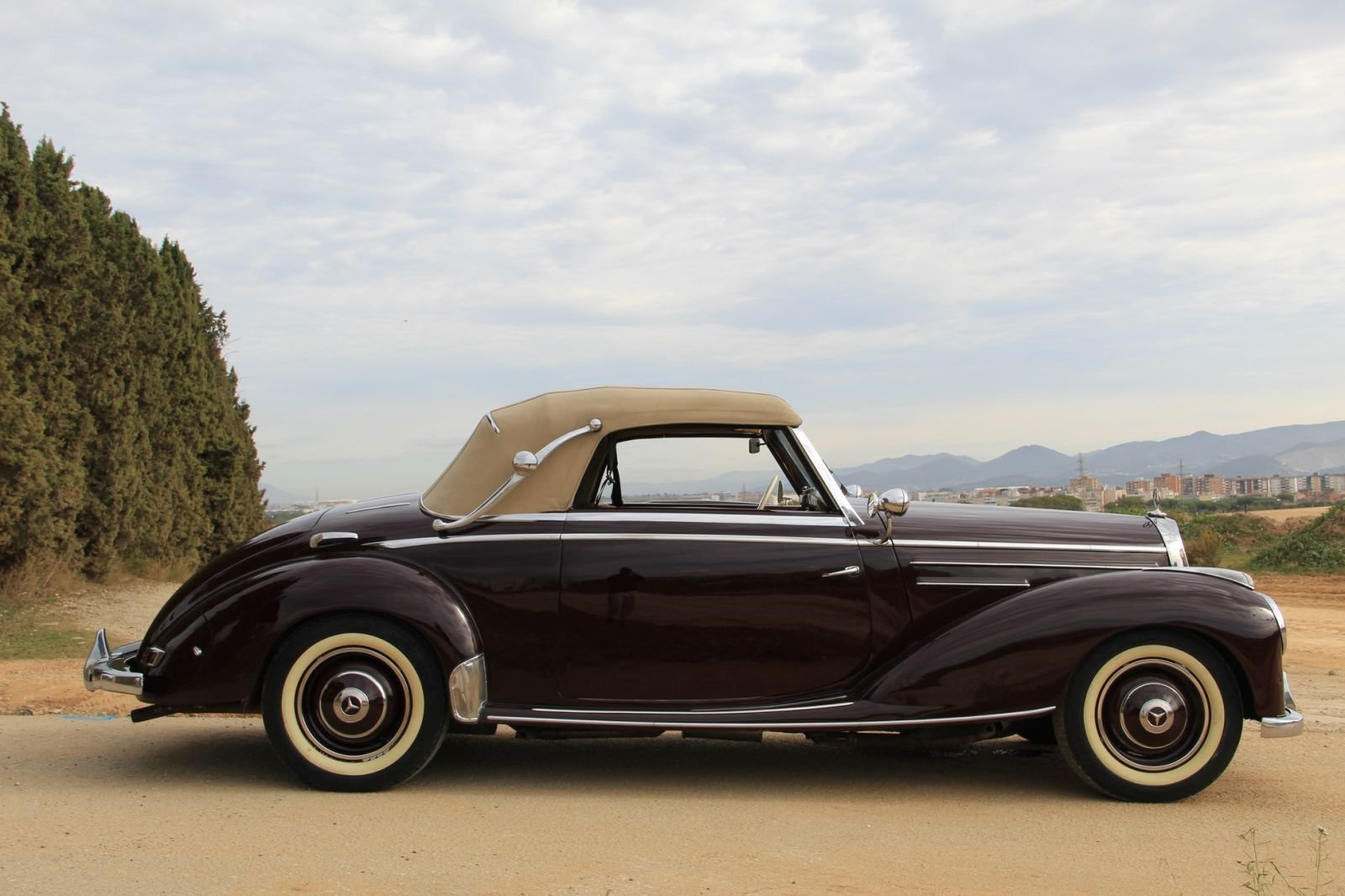 1954 Mercedes-Benz 220$ 159.000 (≈ € 142.142)1954 · 98.500 km · Glendale, Verenigde Staten · Classic Driver
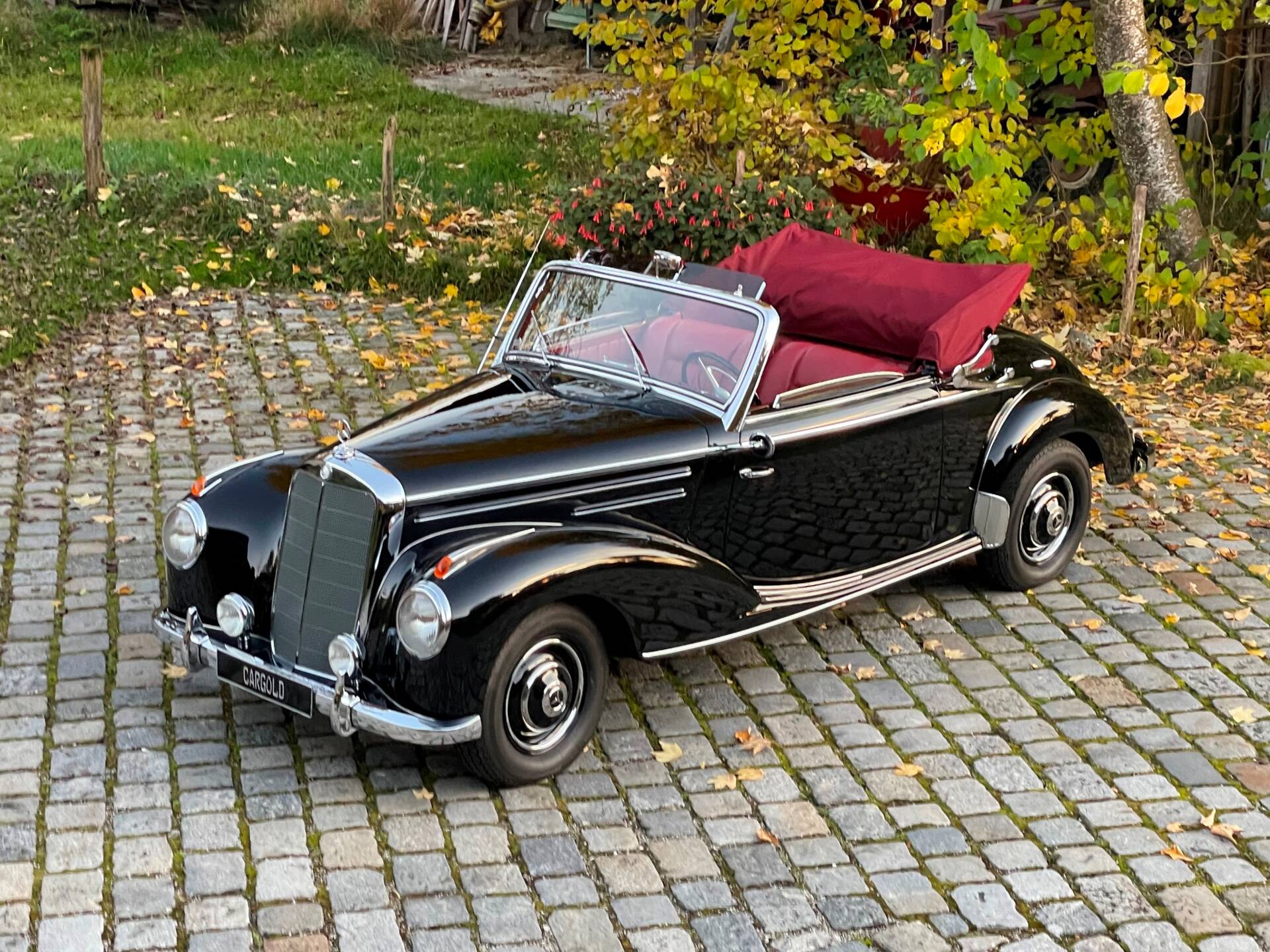 1954 Mercedes-Benz 220 Cabriolet A€ 149.5001954 · 246 km · Rosenheim, Duitsland · Classic Trader
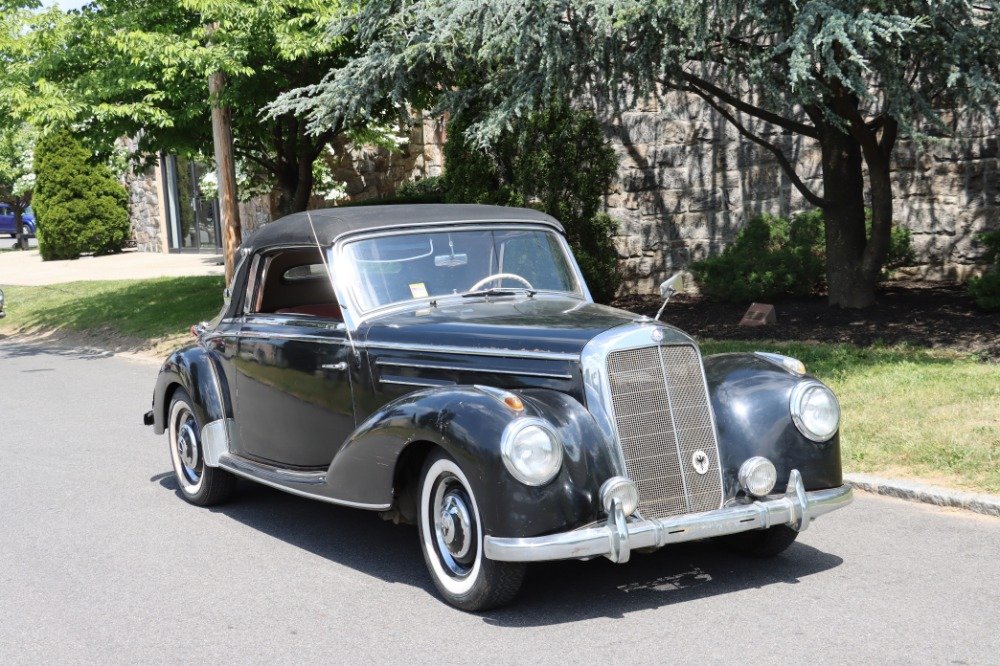 1954 Mercedes-Benz 220$ 99.500 (≈ € 88.950)1954 · New York, Verenigde Staten · Classic Driver
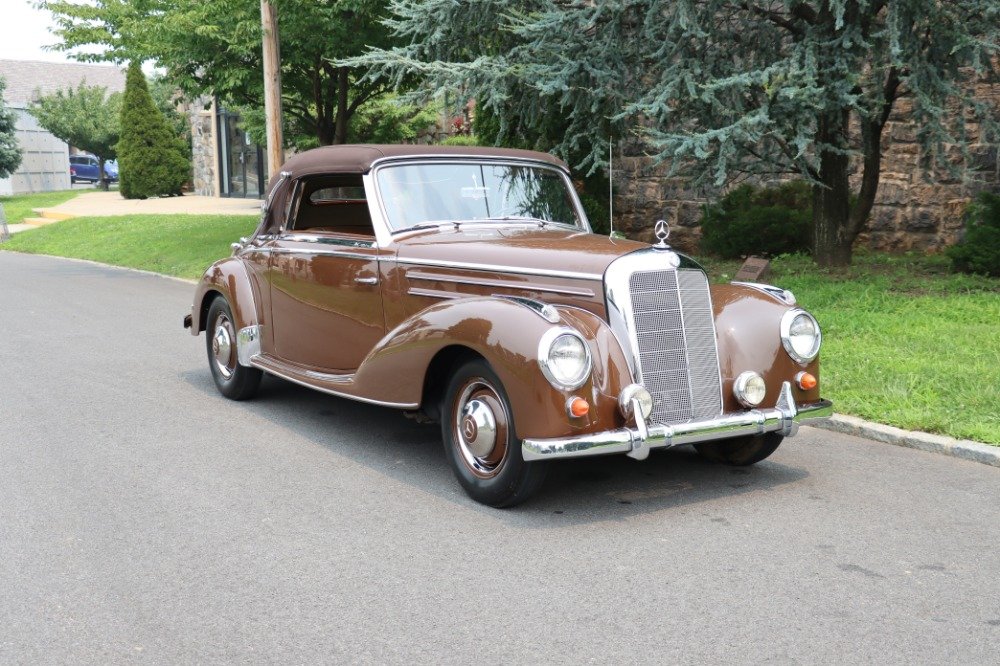 1954 Mercedes-Benz 220$ 129.500 (≈ € 115.770)1954 · New York, Verenigde Staten · Classic Driver
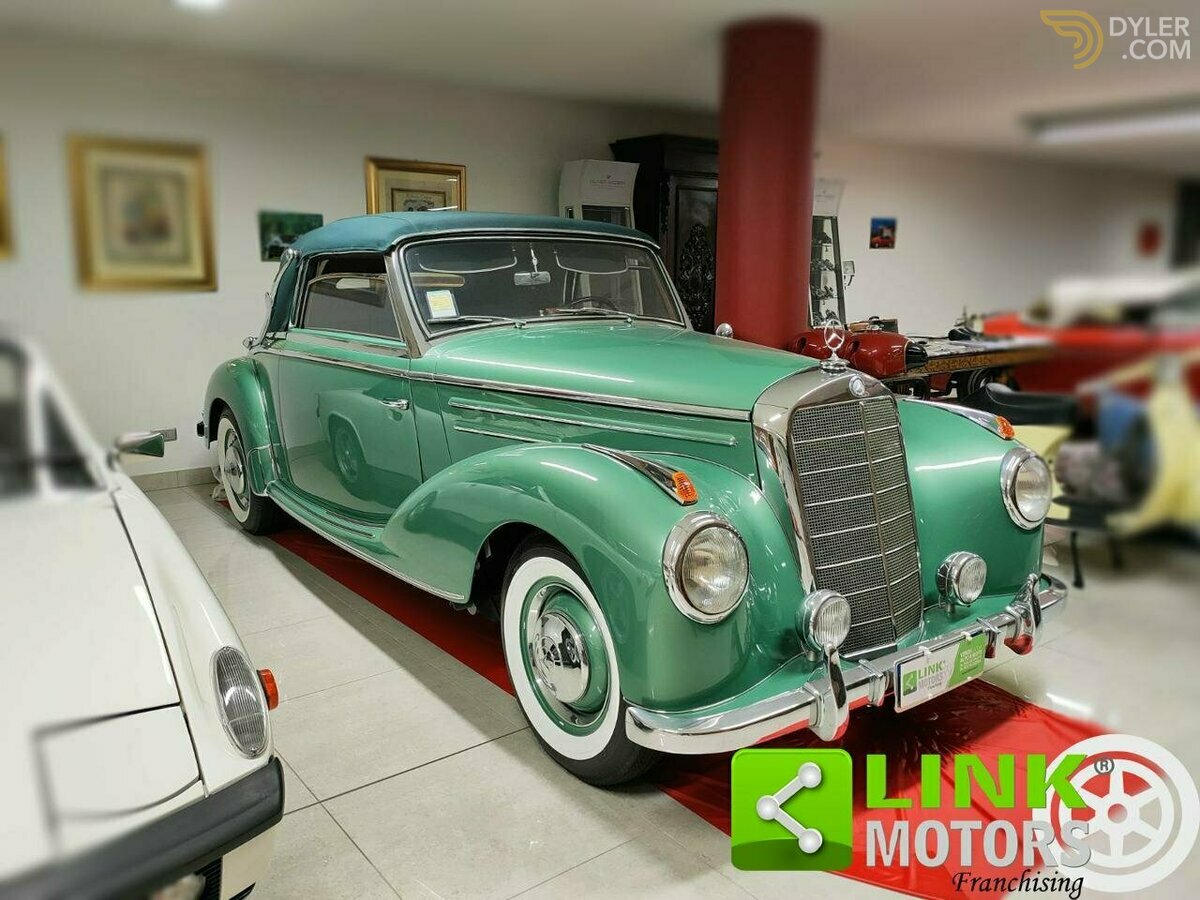 1954 Mercedes-Benz 220 A€ 180.0001954 · 200 km · - Roma, Italië · Dyler
Wat doet een Mercedes-Benz 220 op de markt? Bekijk de marktwaarde →