1974 Alfa Romeo 1600 - 1600 Junior Zagato
1974 · Salzburg, Oostenrijk · via Classic Driver
Veiling sluit 18 oktober 2026, 01:59
Bekijk op Classic Driver → Open in de app
Gegevens
| Merk | Alfa Romeo |
|---|---|
| Model | Junior Zagato 1600 Junior Zagato |
| Bouwjaar | 1974 |
| Stuur | Links |
| Locatie | Salzburg, Oostenrijk |
| Verkoper | Humer, Granner & Co GmbH (veiling) |
| Bron | Classic Driver |
| auction | https://www.classicdriver.com/en/auction/humer-granner-co-gmbh-classic-car-auction-17102026 |
| Op Oudjes.xyz sinds | 5 oktober 2026 |
| Laatst gezien | 8 oktober 2026, 06:16 |
Beschrijving
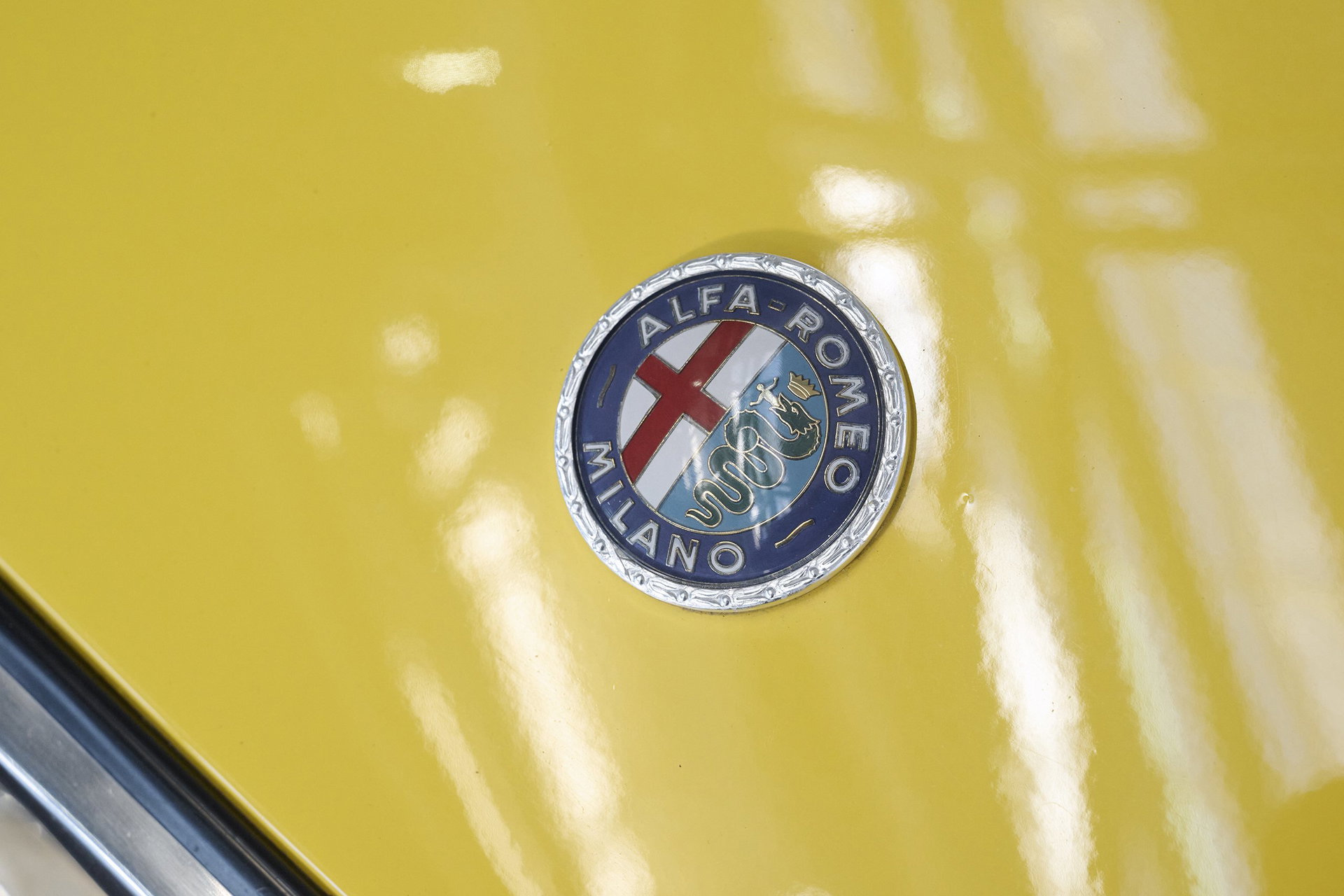
The 364th of only 402 examples built
One of Alfa Romeo’s rarest models
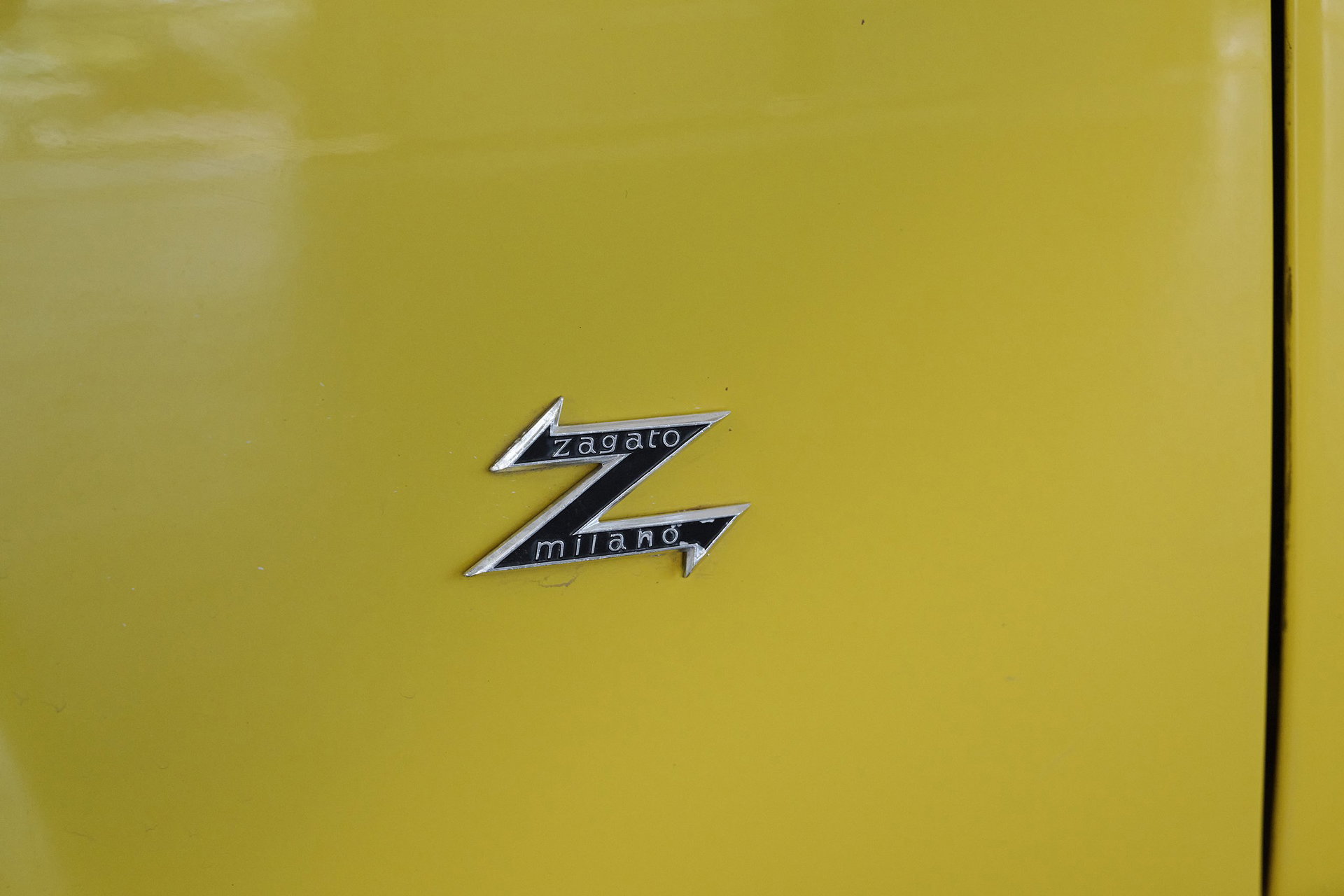
Avant-garde design by Ercole Spada
Extensively documented history
The liaison between Alfa Romeo and Zagato already stretched back almost half a century when the two joined forces once again in the late 1960s. Traditionally, the results were not necessarily the most civilised of cars. Zagato stood for lightweight construction, aerodynamics and shapes in which beauty occasionally had to take a back seat to speed.
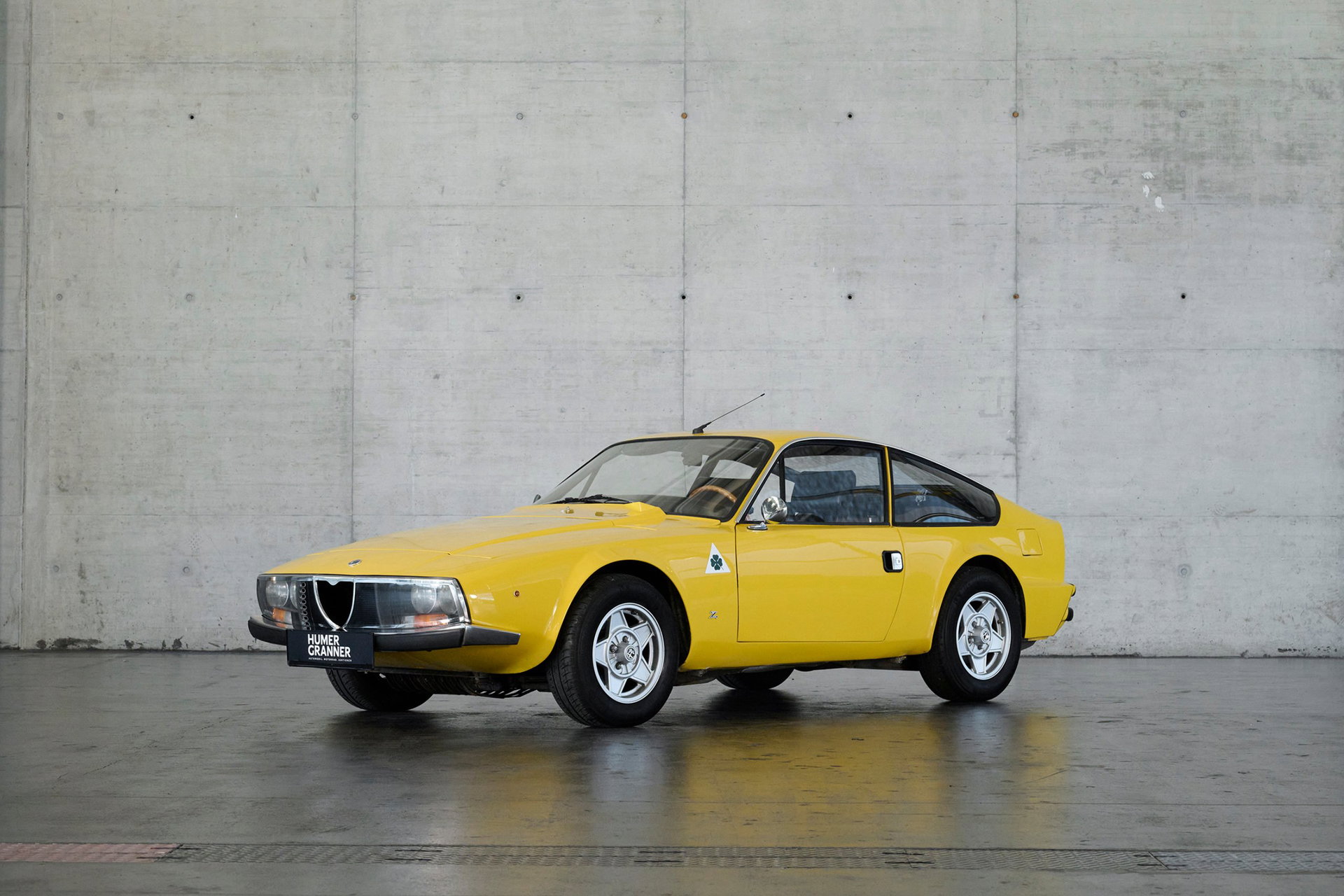
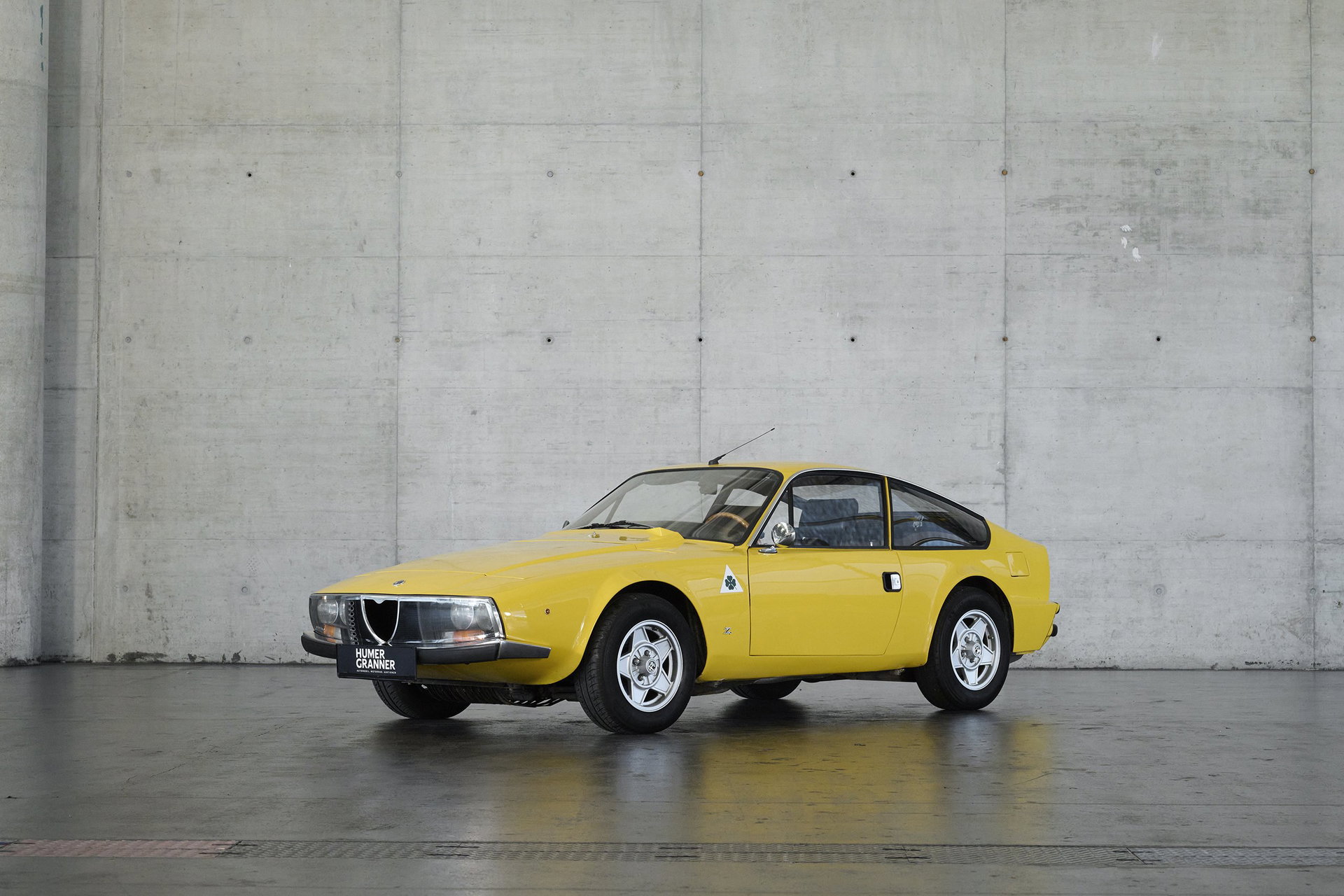
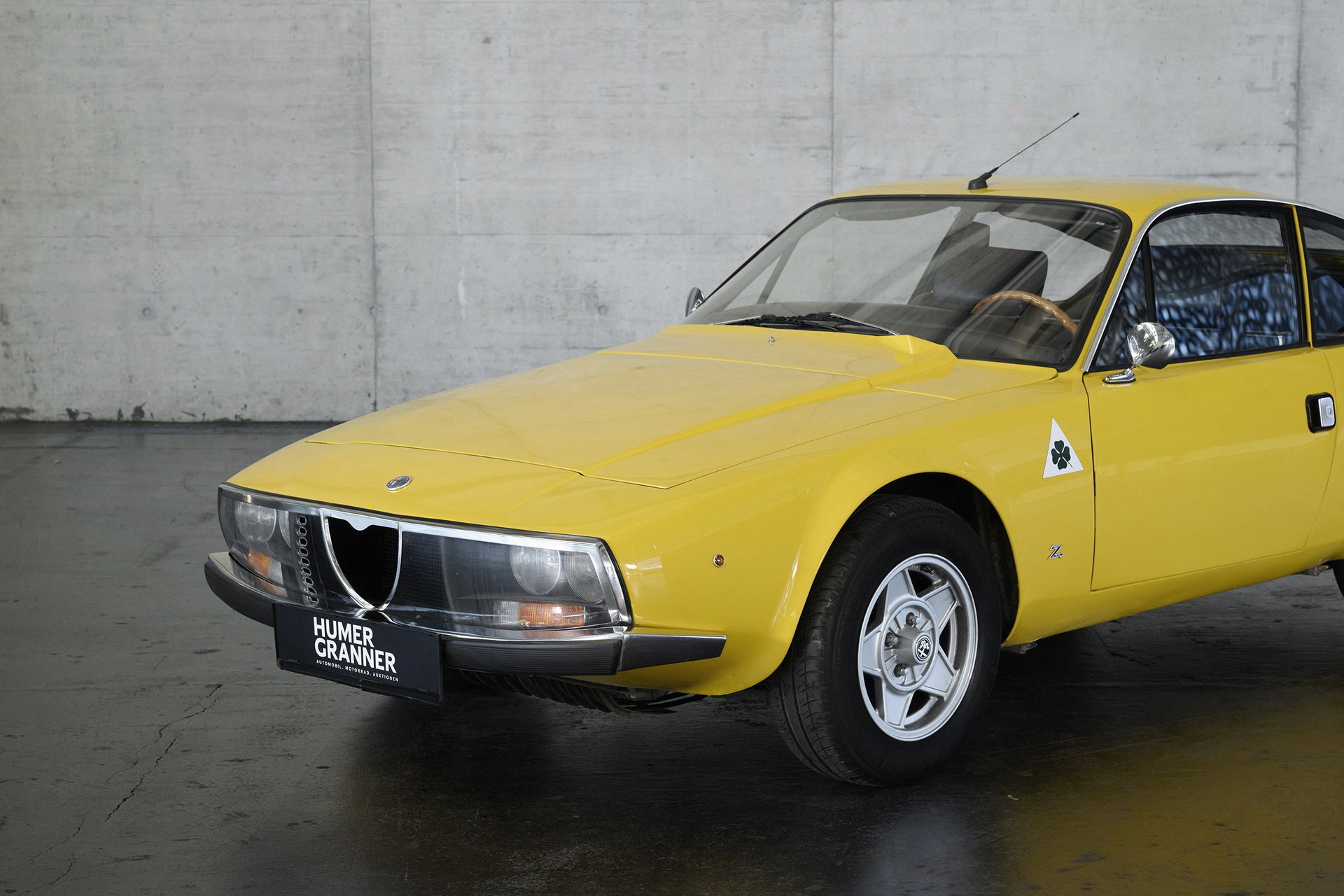
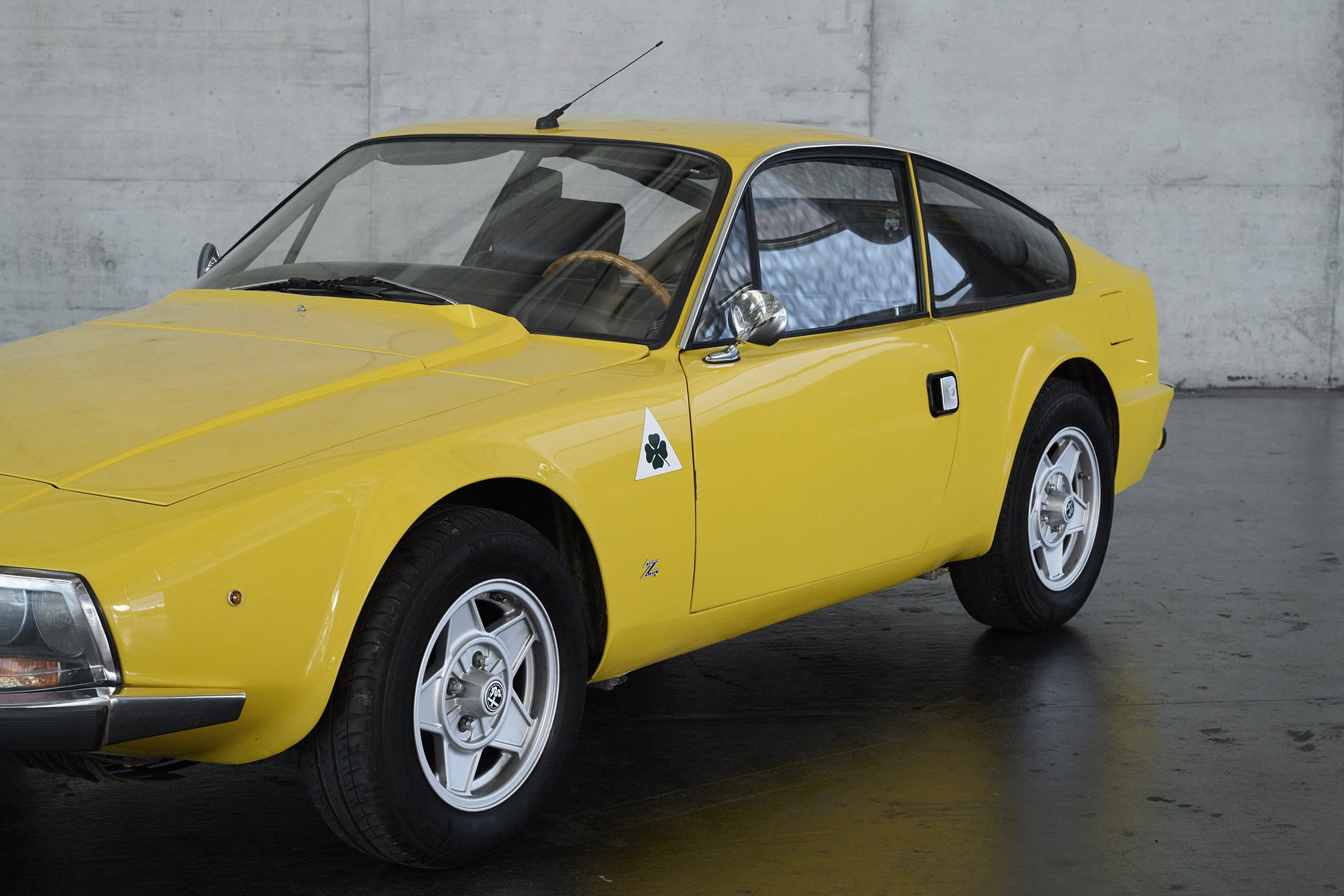
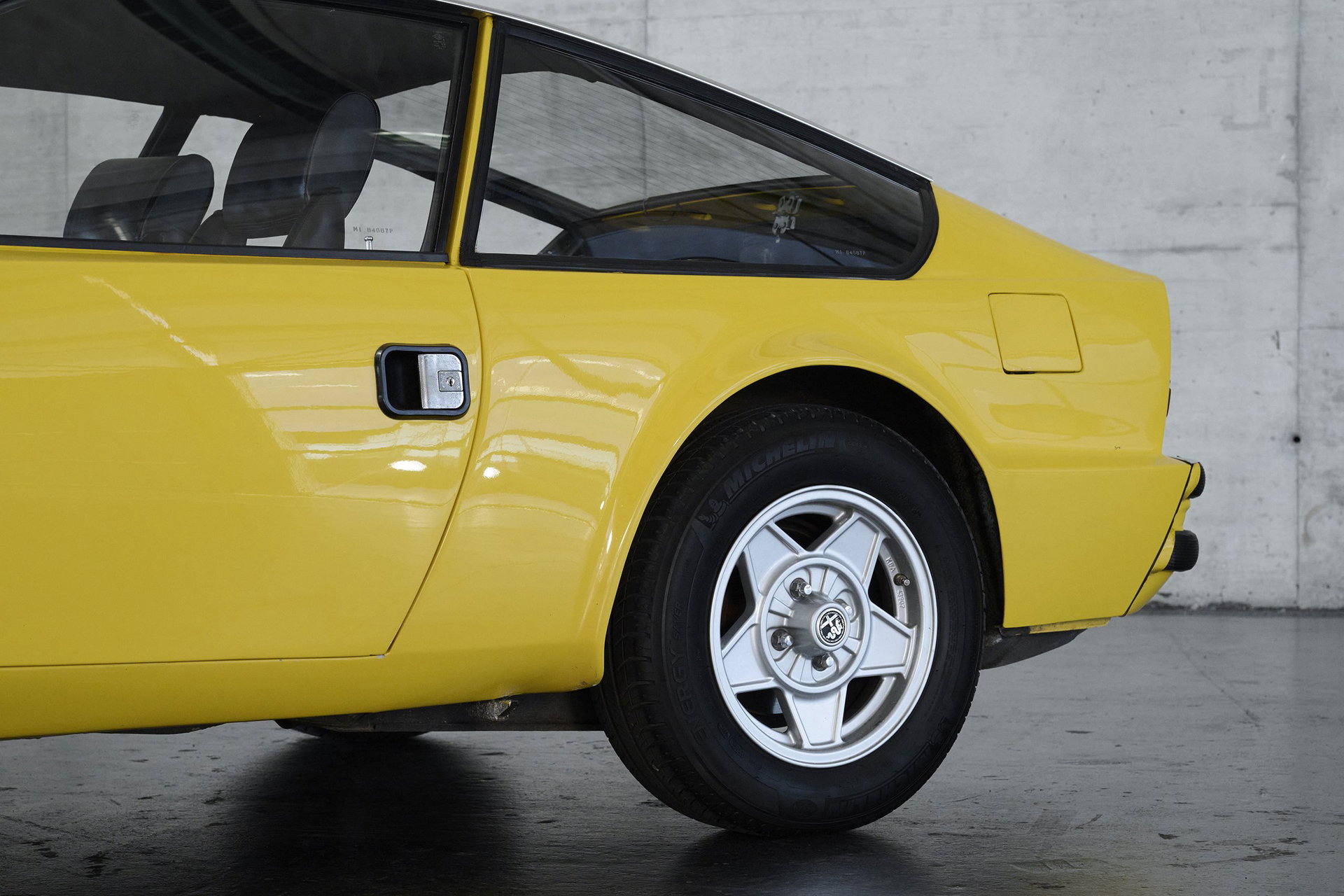
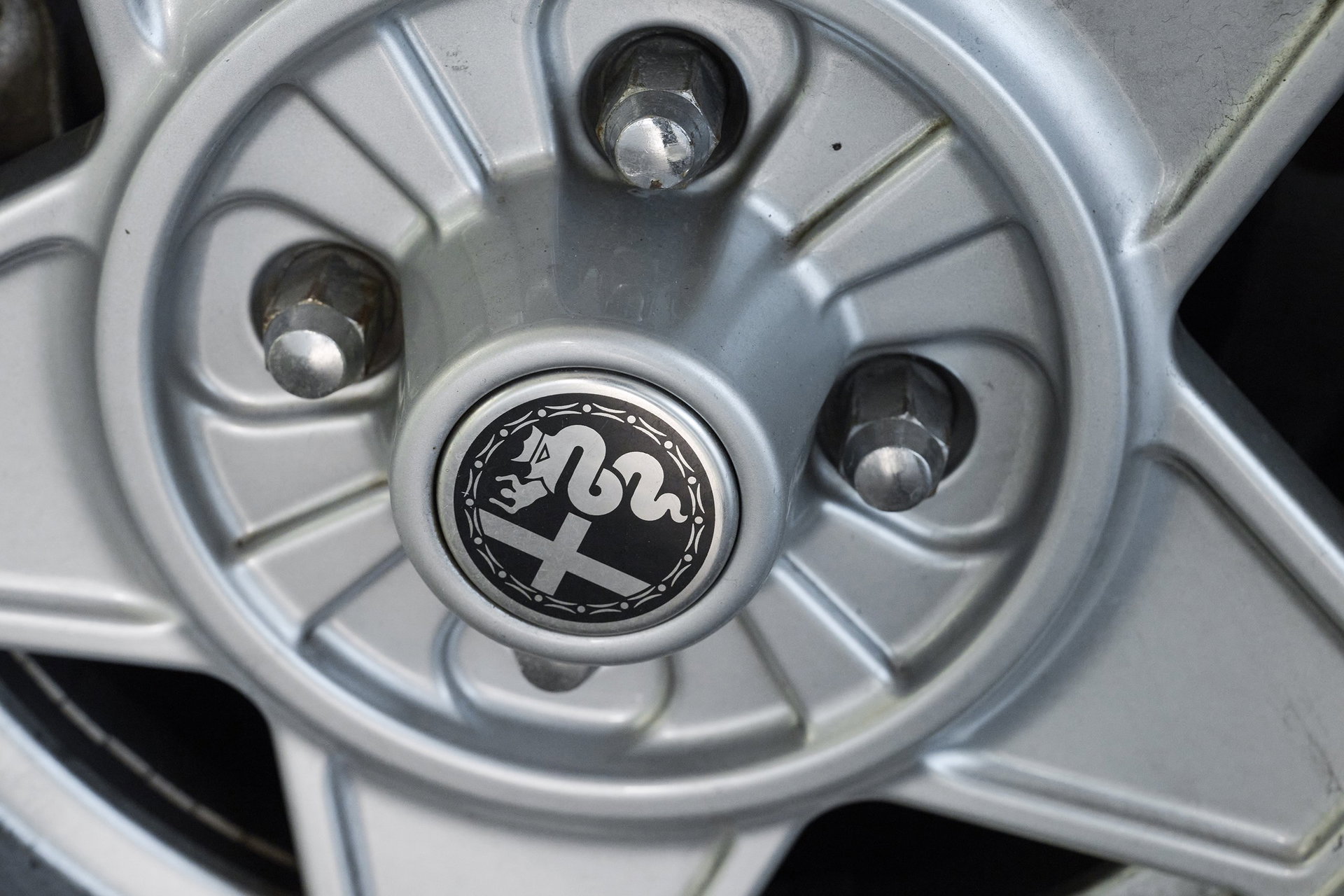
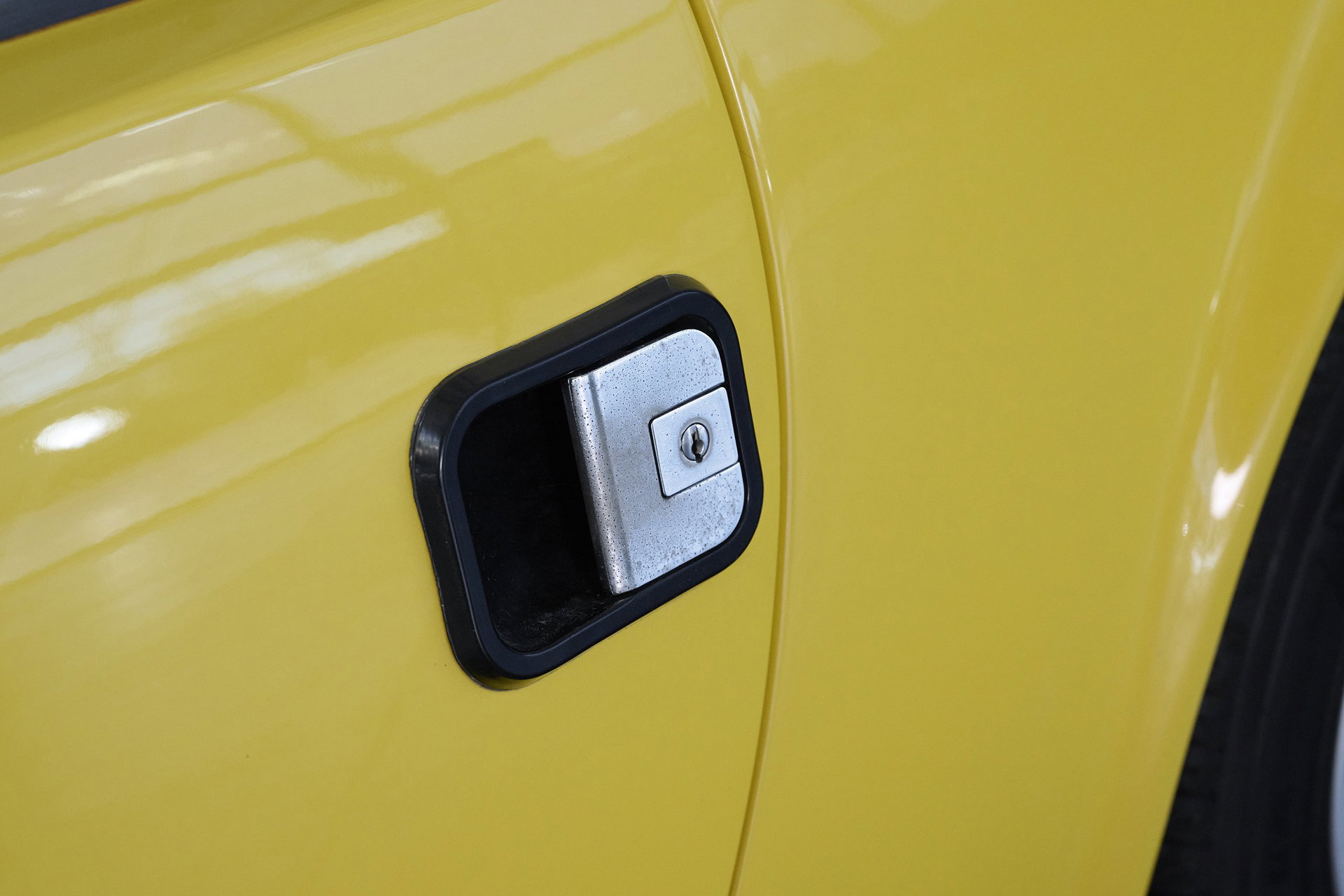
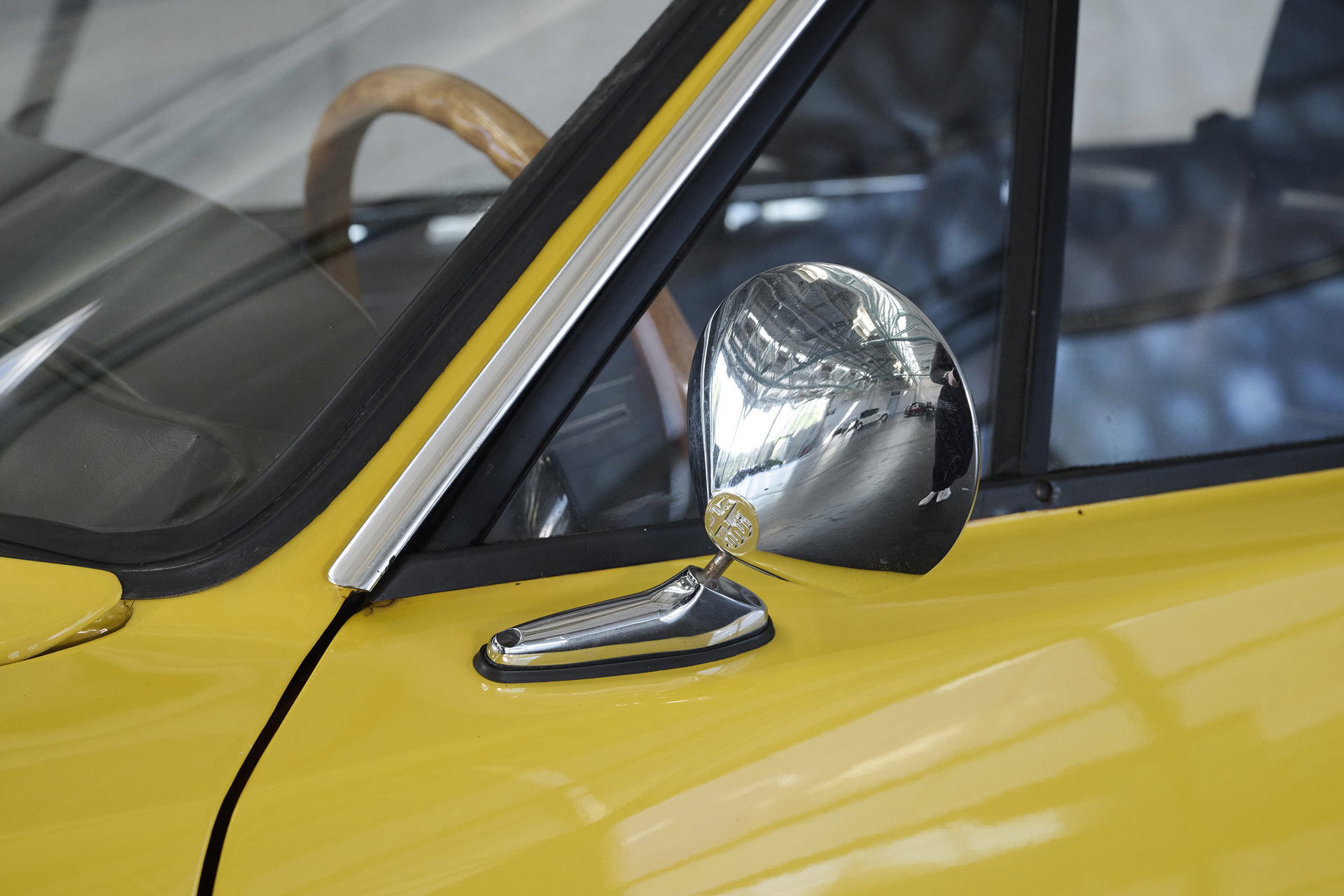
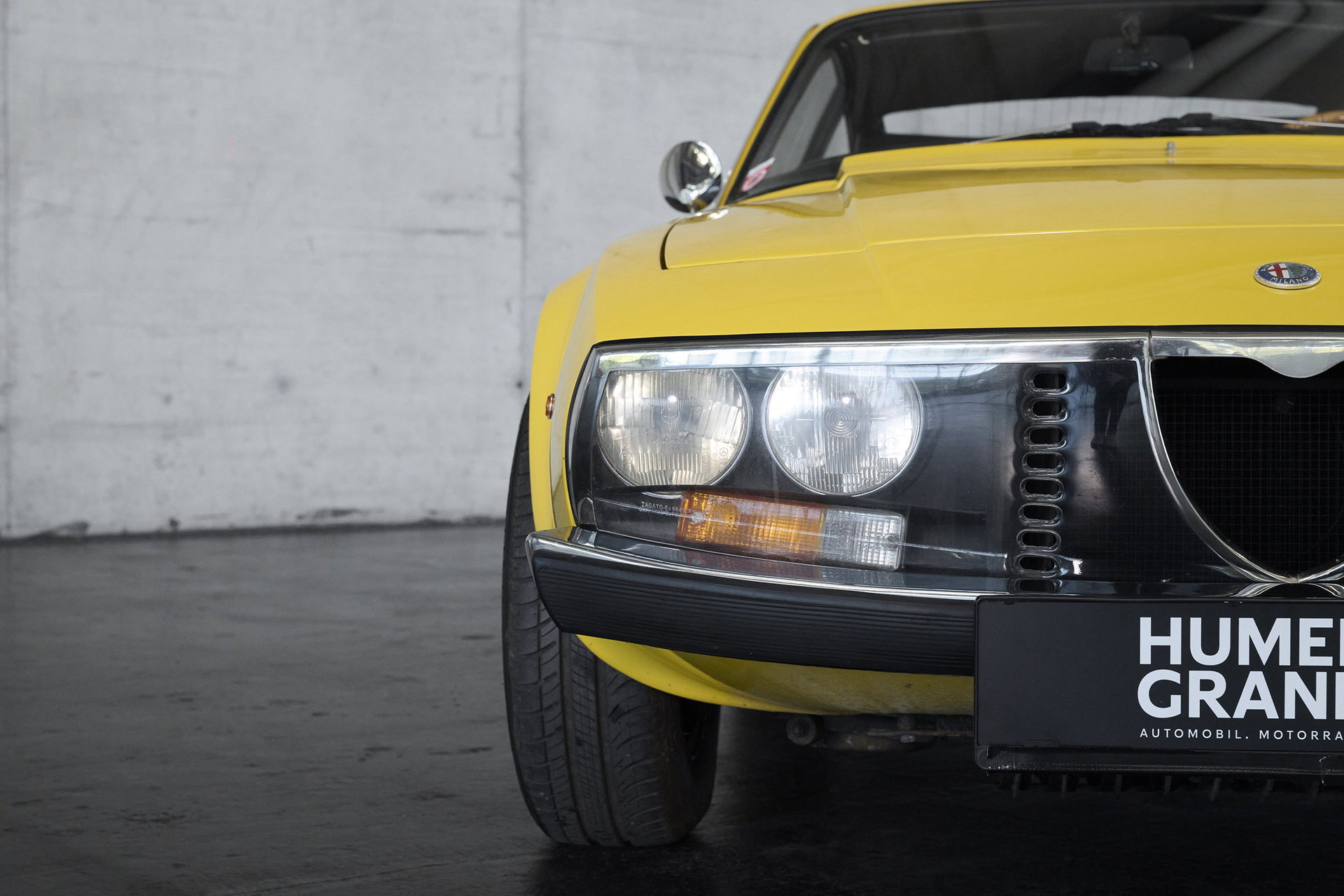
For the Junior Zagato, Ercole Spada was allowed to sharpen his pencil. Using the Tipo 105 as his basis, he drew a low wedge with a Kamm tail, its lines looking almost impossibly futuristic in the early 1970s. The headlights disappeared behind Plexiglas, the flanks were smooth and the tail was abruptly cut off. What looked like a large rear hatch even had a function: for ventilation, the rear window could be raised electrically by a few centimetres. The rear seats, meanwhile, were largely theoretical.
Despite its looks, the Junior Z was no disguised racing car, but a compact Gran Turismo. It first appeared in 1969 as the 1300. After 1,108 examples, the 1600 Junior Z followed in 1972 with the familiar 1,570 cc twin-cam engine. At first glance, there was little to distinguish the two coupés. At second glance, rather more.
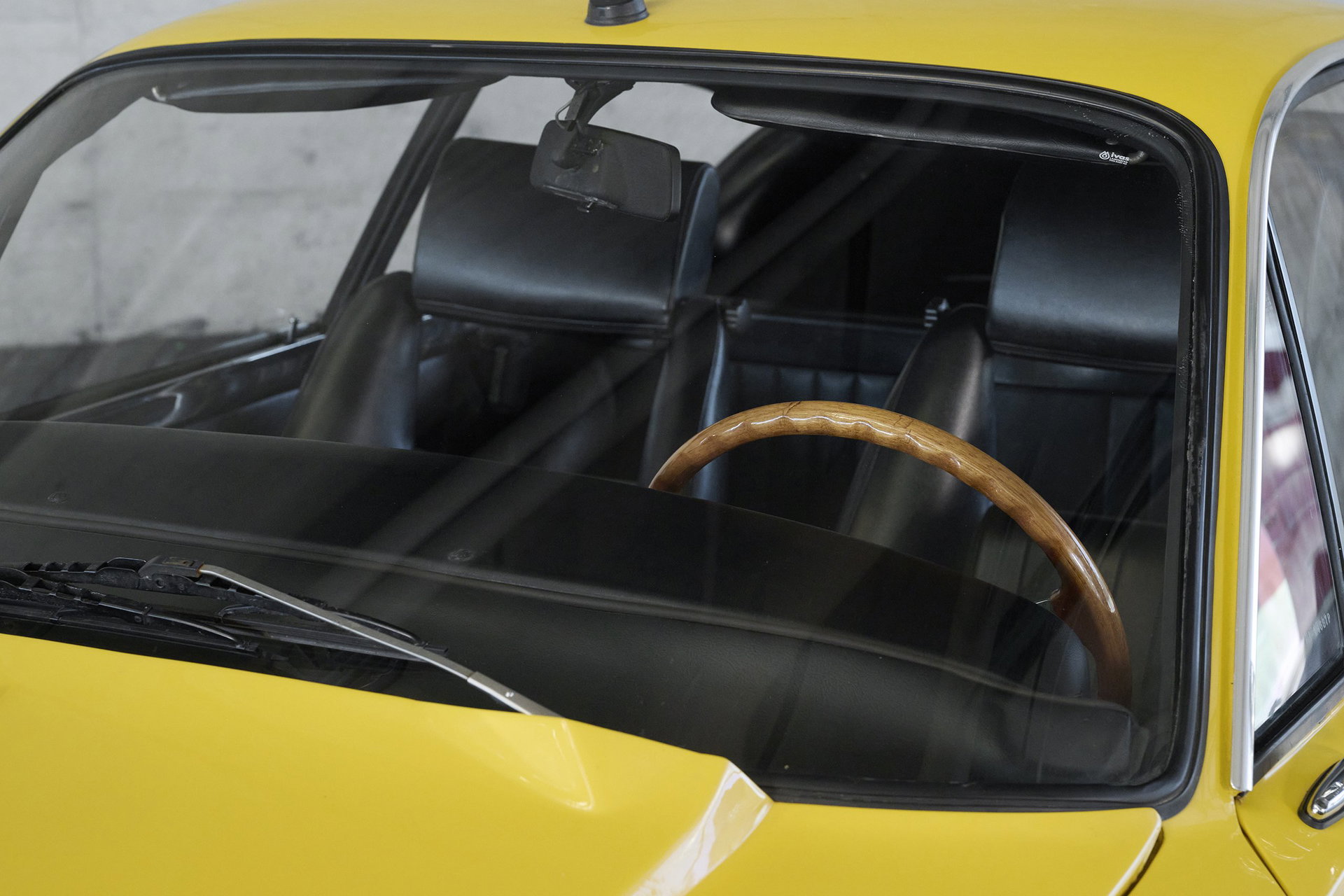
Simply installing the larger engine would apparently have been too easy for Zagato. The 1600 used the Spider’s floorpan, which meant the tail had to be extended by around ten centimetres. New rear lights, revised bumpers and a redesigned dashboard further distinguished it from the 1300.
Just 402 examples of the 1600 were built. In the end, the car was once again simply too expensive. Spada’s design was also well ahead of its time. In retrospect, that has turned what was once the odd one out into one of the most coveted Alfa rarities of the early 1970s.
This 1600 Junior Zagato originally came from Italy. In 1989, a Hamburg enthusiast brought the still-original, champagne-coloured Alfa Romeo to Germany. Surviving correspondence relating to the purchase also mentions a freshly rebuilt engine. Invoices from the following years testify to extensive servicing and care. By the time the Zagato passed to a new owner in Upper Austria in 2002, it had already been repainted in Giallo. Five years later, its journey continued to Vienna. Its subsequent time with two owners is documented by several condition reports, all of which rated the car as condition grade 2.
Some designs grow old. Others simply need a little longer before time learns to understand them. Spada’s wedge was ahead of its time. Now it has finally arrived. This rare 1600 is perhaps the best proof of that.
Vergelijkbare oudjes
 1974 Alfa Romeo Junior Zagato GT 1600€ 59.9501974 · 60.217 km · Meerbusch, Duitsland · Classic Trader
 1973 Alfa Romeo Junior Zagato - GT 1600CHF 79.000 (≈ € 84.864)1973 · 115.000 km · Bergdietikon, Zwitserland · Classic Driver
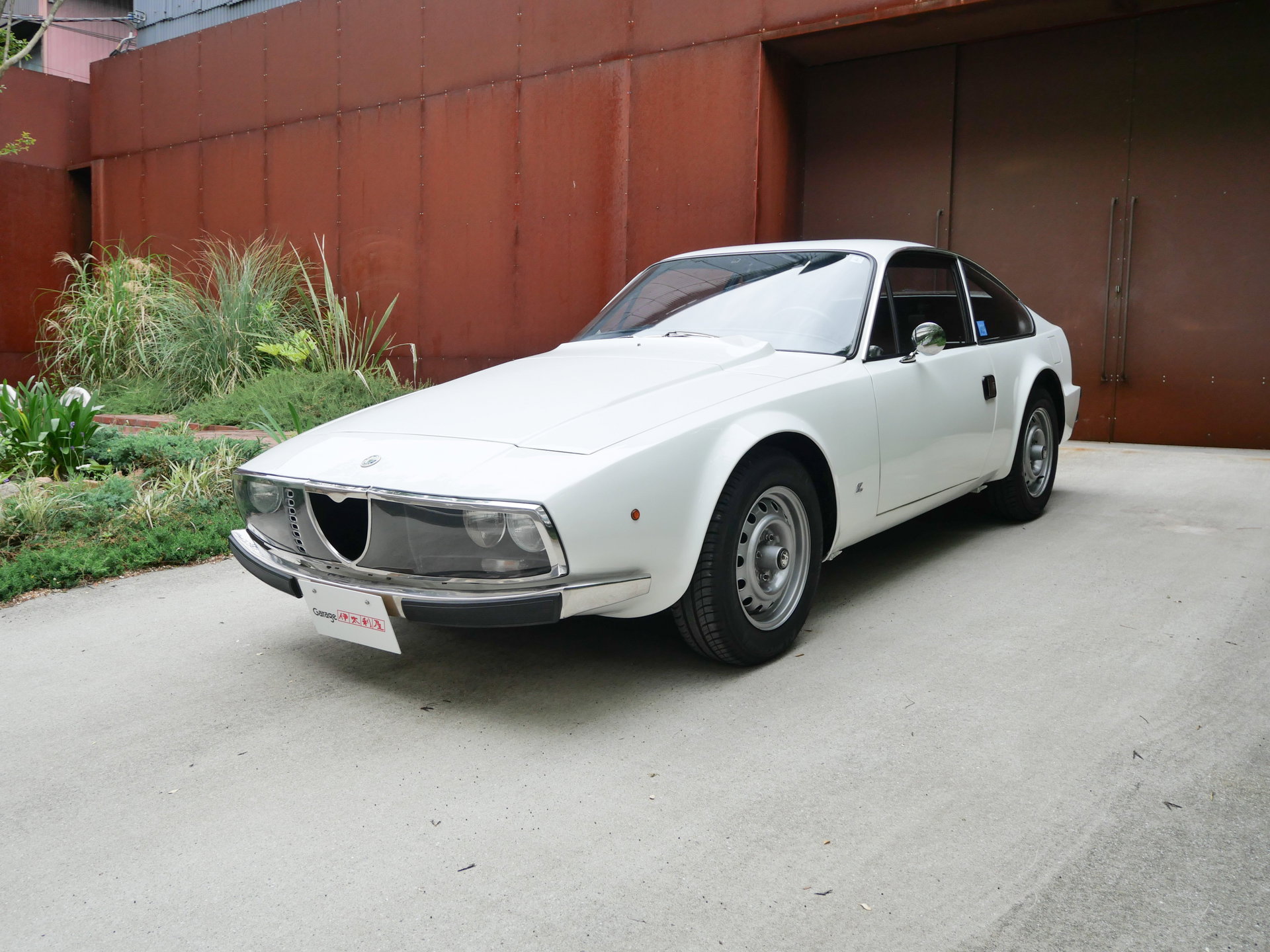 1973 Alfa Romeo Junior Zagato - 1600¥ 7.500.000 (≈ € 42.409)1973 · Koto, Japan · Classic Driver
 Alfa Romeo 1600 Junior Zagato * Matching Numbers *€ 62.0001973 · 19.600 km · Portici (NA), Italië · Car & Classic
 1973 Alfa Romeo Junior Zagato€ 50.0001973 · Thimister-Clermont, Liège, België · Car & Classic
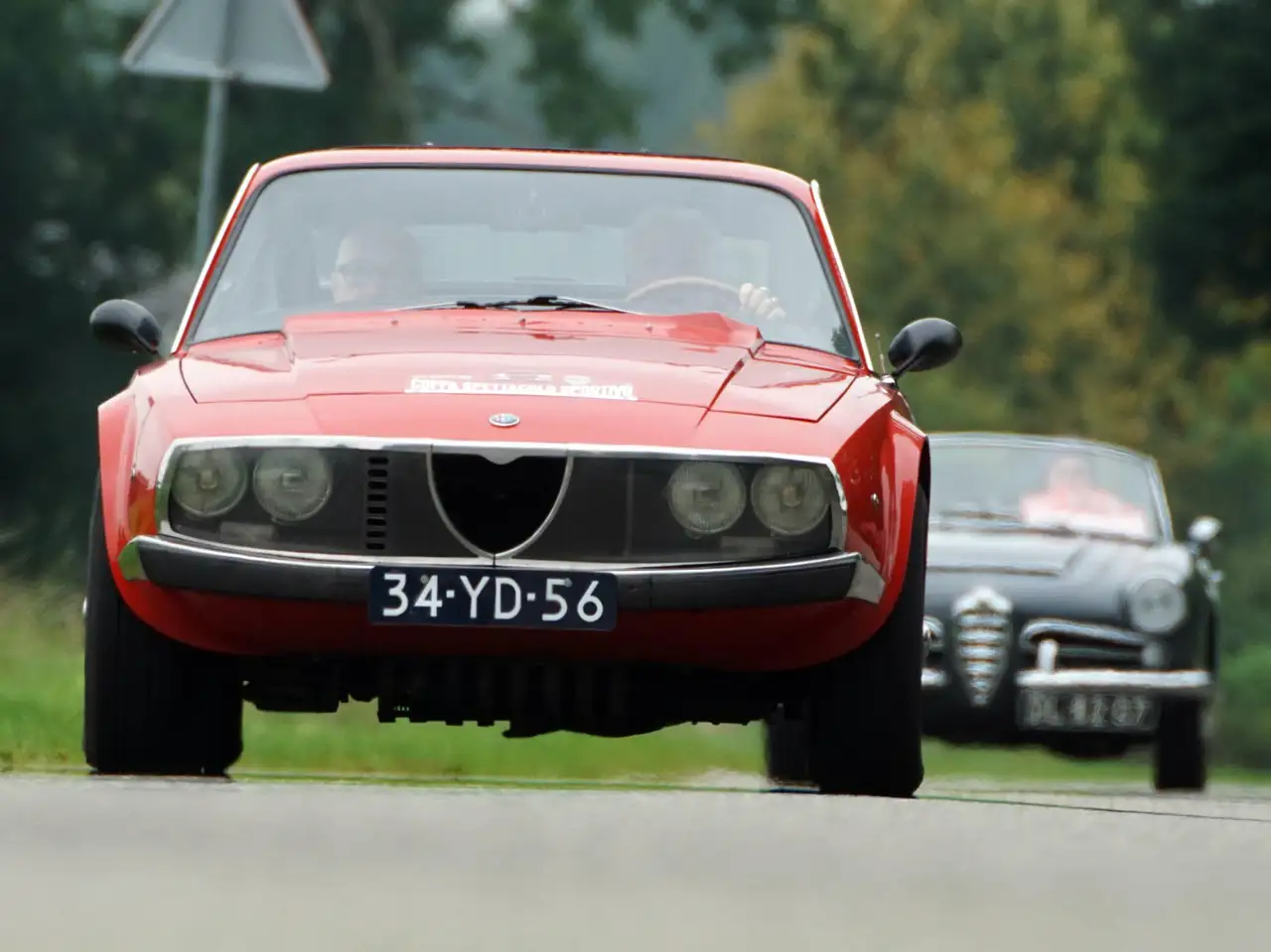 Alfa Romeo Junior Zagato 1600€ 39.9001973 · 78.491 km · Delft, Nederland · AutoScout24
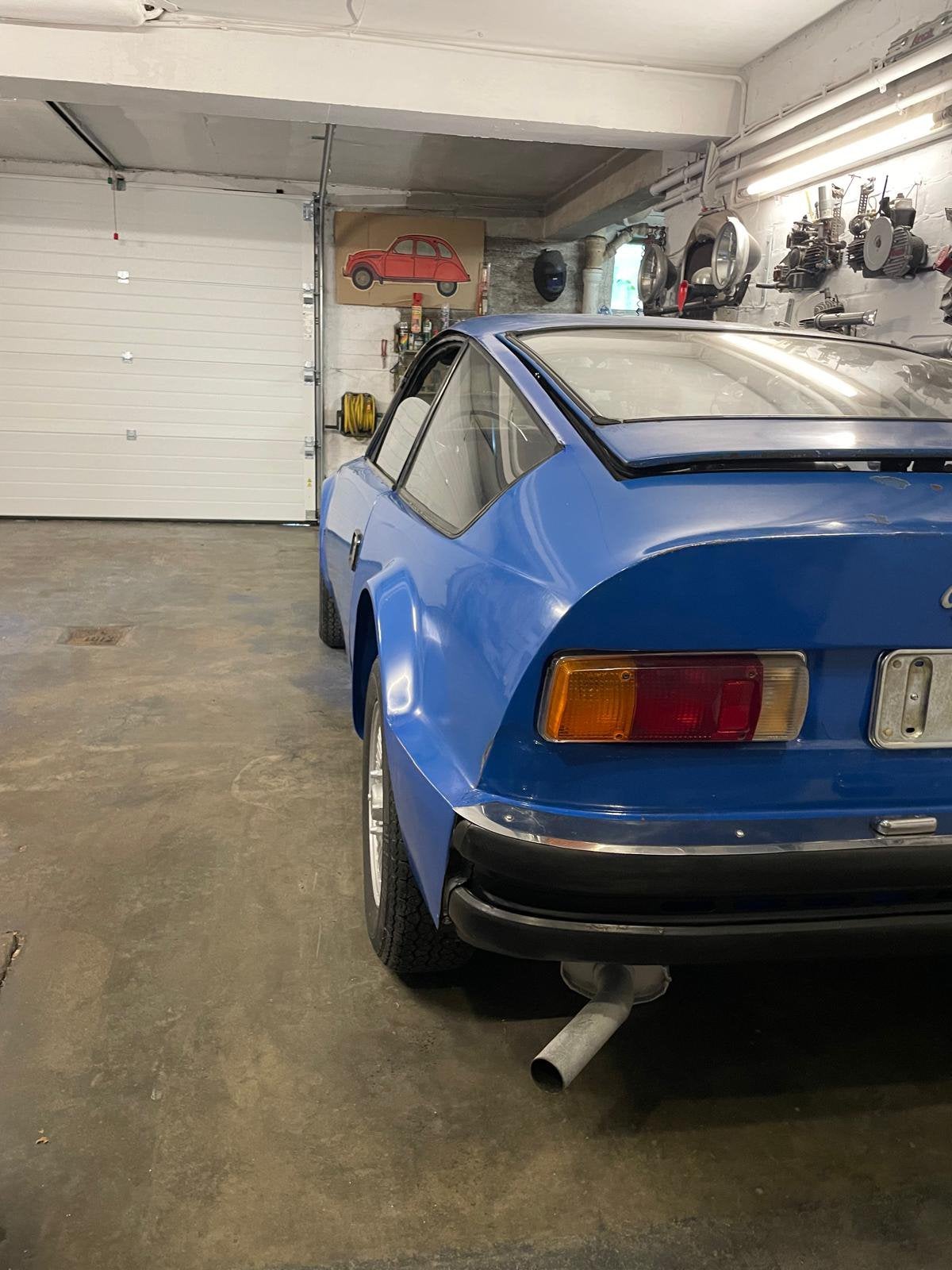 Alfa romeo junior zagato 1300€ 25.9501972 · 36.445 km · Riemst, België · 2dehands
 1972 Alfa Romeo Junior ZAGATO 1600Prijs op aanvraag1972 · Thessaloniki, Griekenland · Dyler
Wat doet een Alfa Romeo Junior Zagato op de markt? Bekijk de marktwaarde →