1970 Subaru 360 - 360
1970 · Salzburg, Oostenrijk · via Classic Driver
Veiling sluit 18 oktober 2026, 01:59
Bekijk op Classic Driver → Open in de app
Gegevens
| Merk | Subaru |
|---|---|
| Model | 360 360 |
| Bouwjaar | 1970 |
| Stuur | Links |
| Locatie | Salzburg, Oostenrijk |
| Verkoper | Humer, Granner & Co GmbH (veiling) |
| Bron | Classic Driver |
| auction | https://www.classicdriver.com/en/auction/humer-granner-co-gmbh-classic-car-auction-17102026 |
| Op Oudjes.xyz sinds | 5 oktober 2026 |
| Laatst gezien | 7 oktober 2026, 18:16 |
Beschrijving
Fuji’s take on a Kei-Car
One of the most bizarre cars ever built in Japan
An extremely rare left-hand-drive version
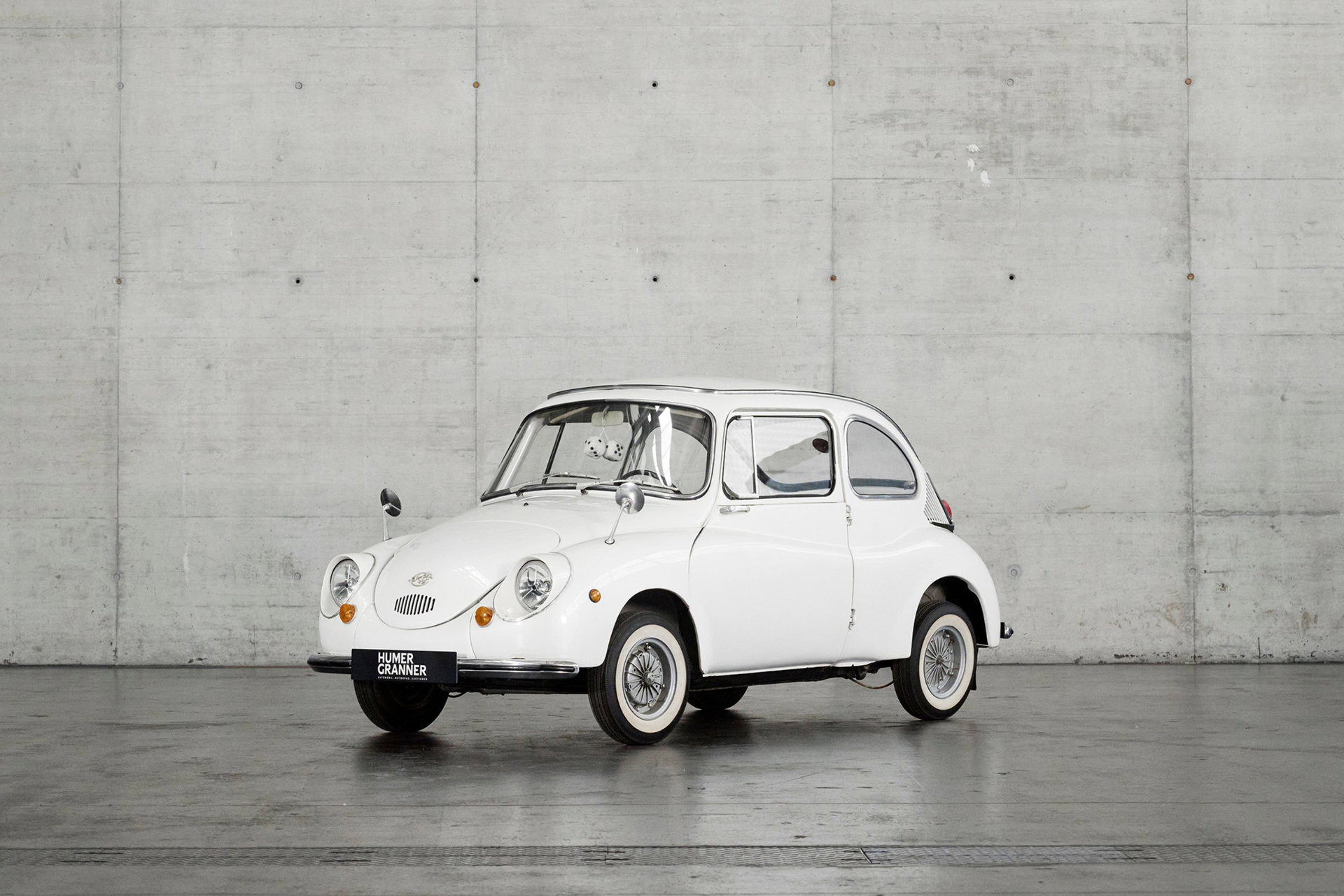
Japan’s cities had always had a problem: lots of people and very little space. By the mid-1950s, the responsible ministry had a solution ready to hand: what was needed was a people’s car. It had to be small, economical and cheap. At Fuji Heavy Industries, where they had hitherto known rather more about aircraft and motor scooters, the idea was taken seriously. In 1958, the Subaru 360 appeared.
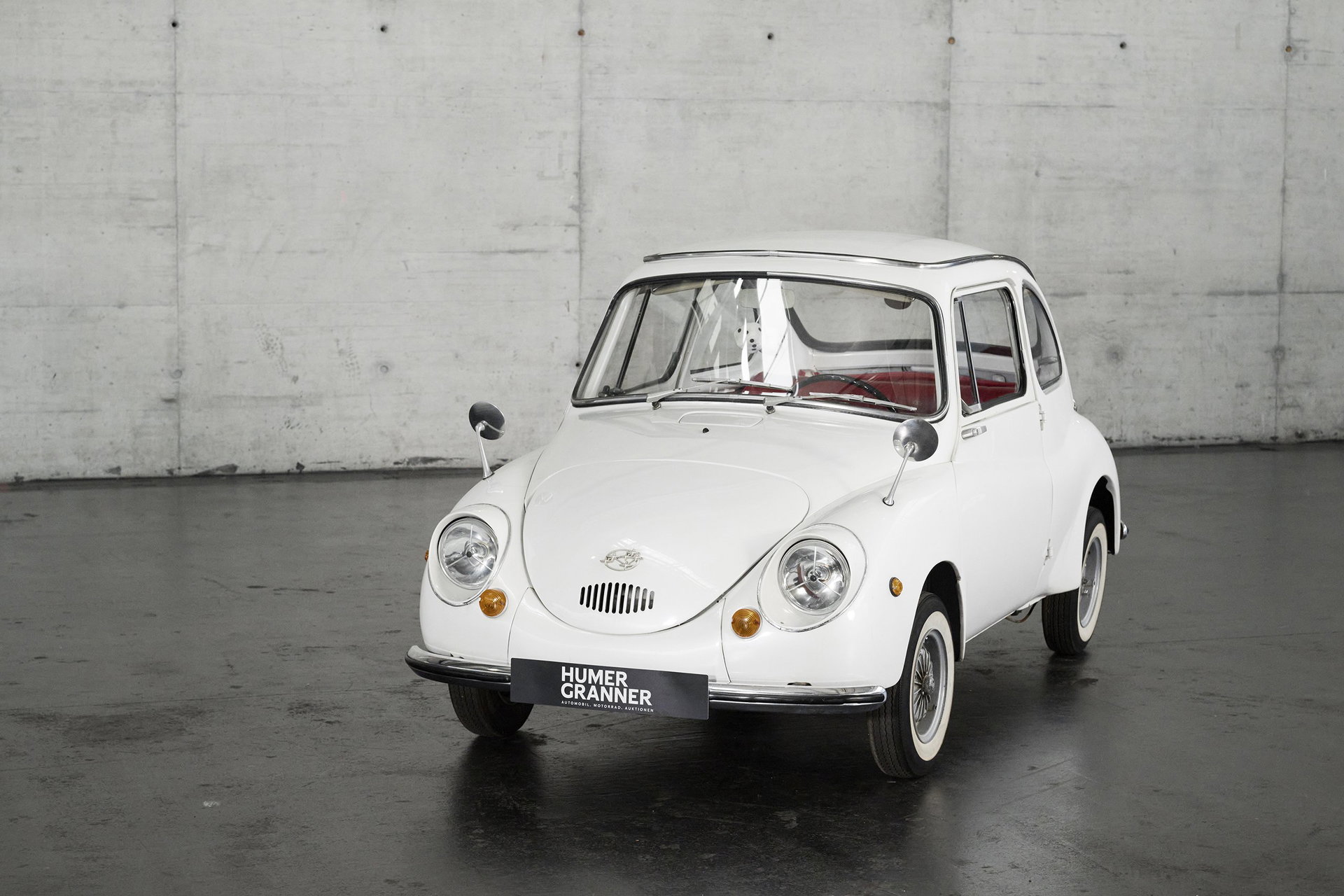
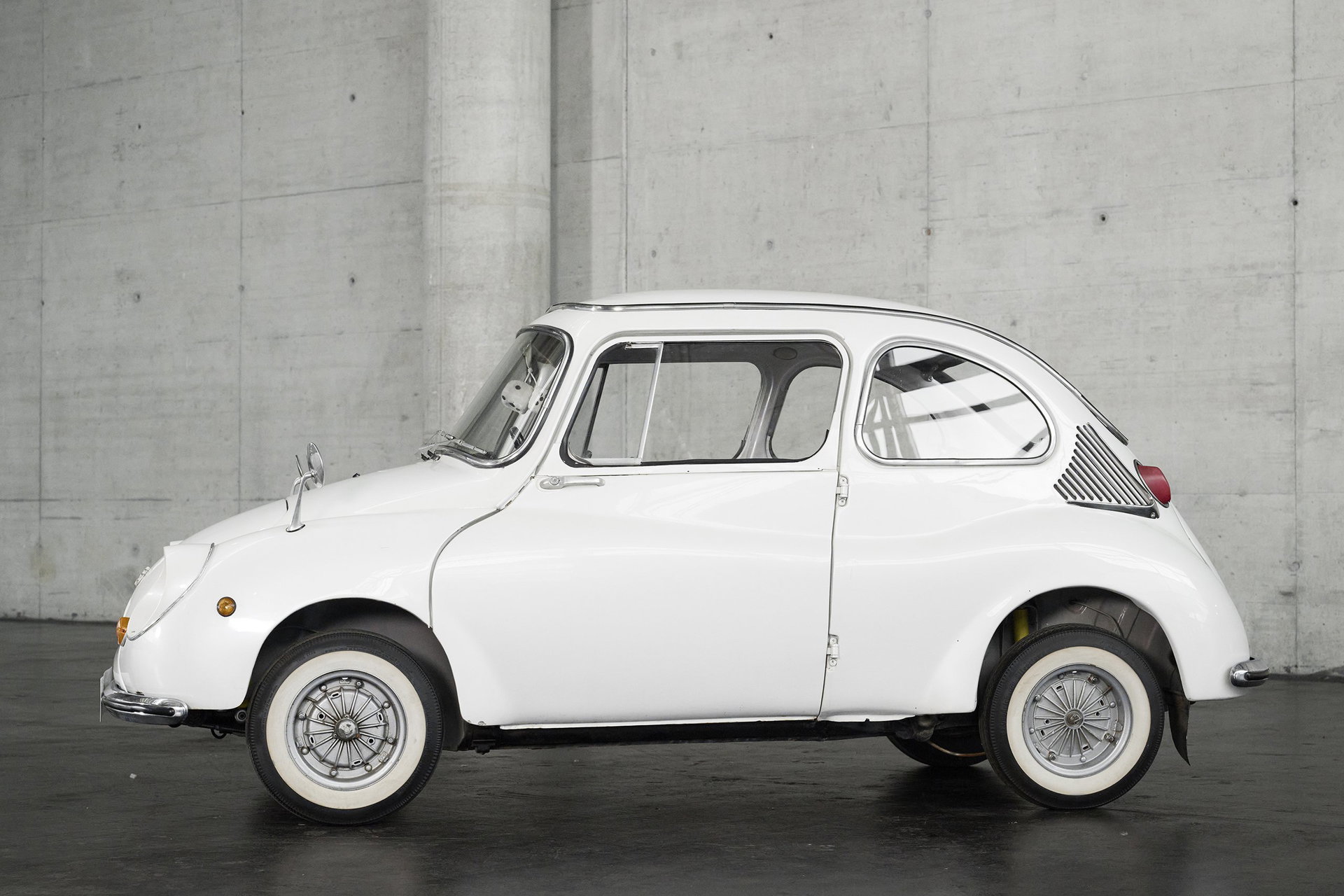
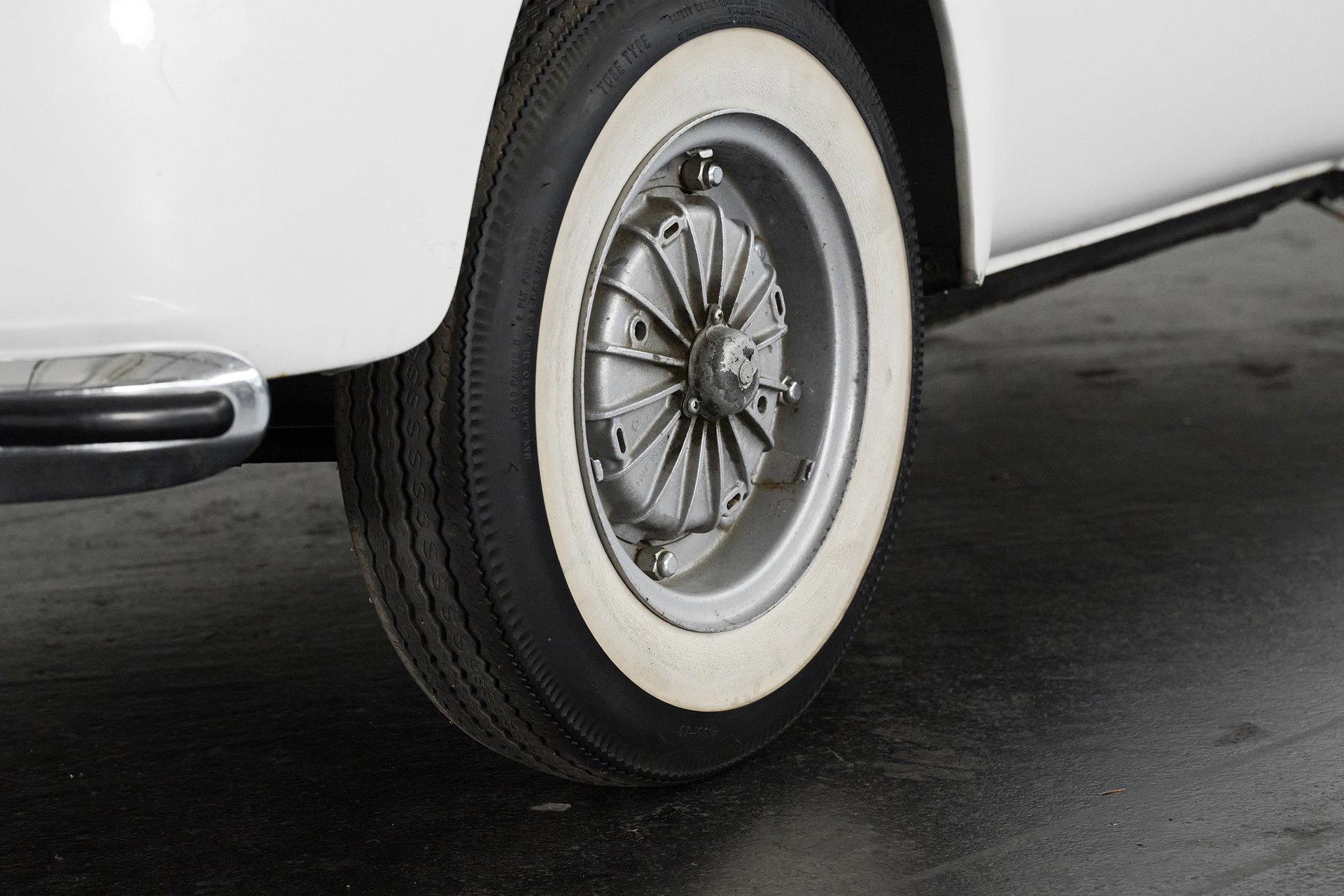
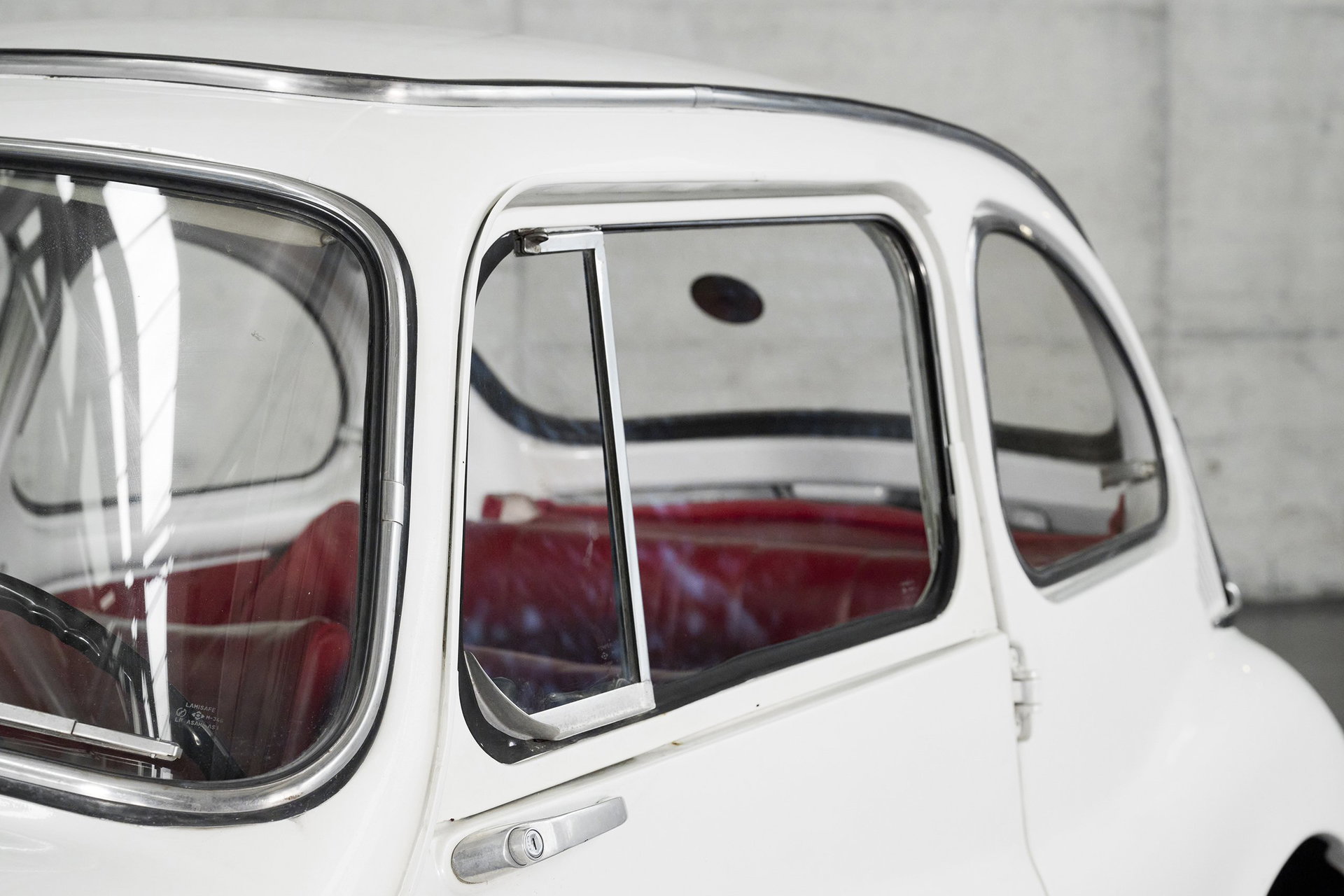
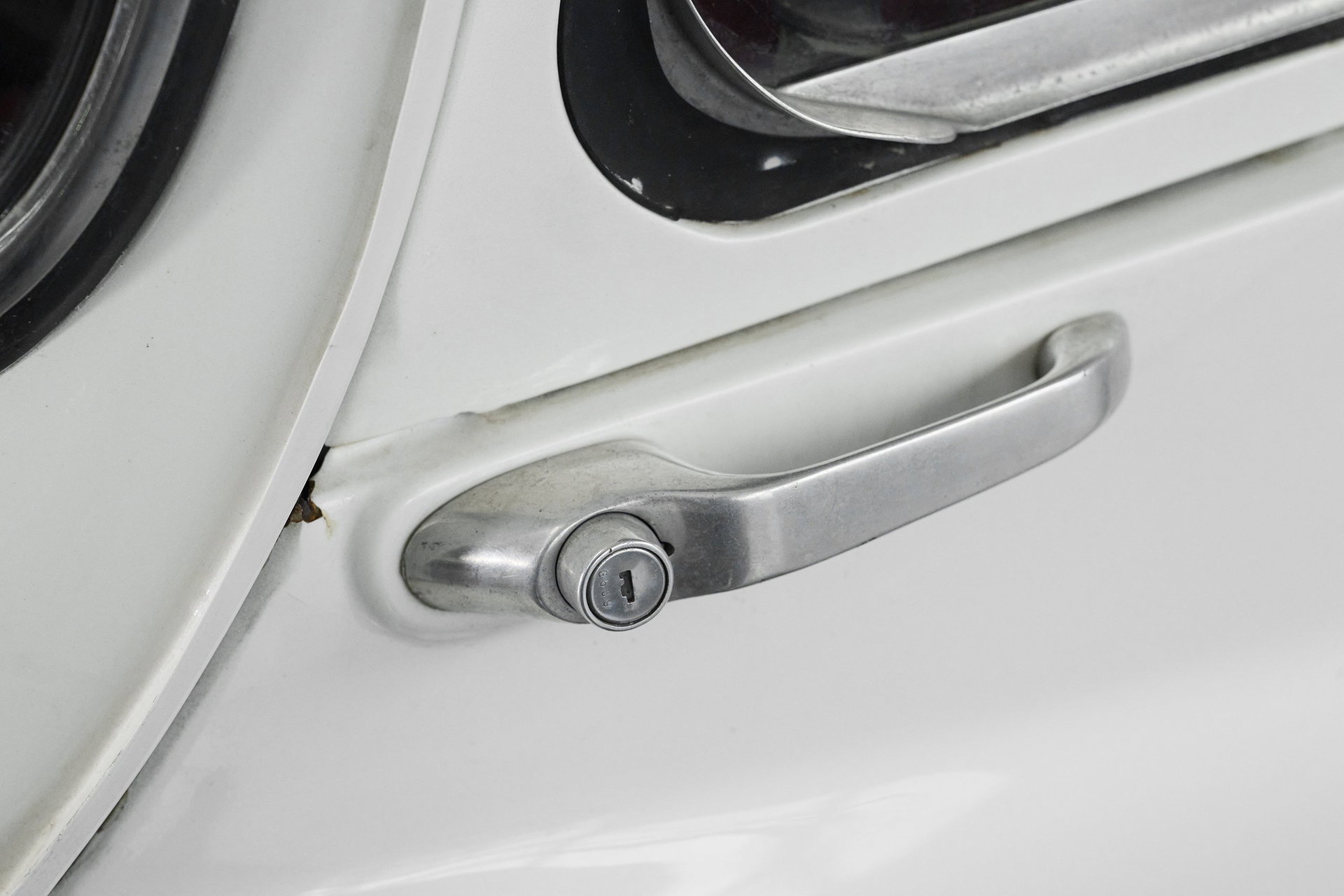
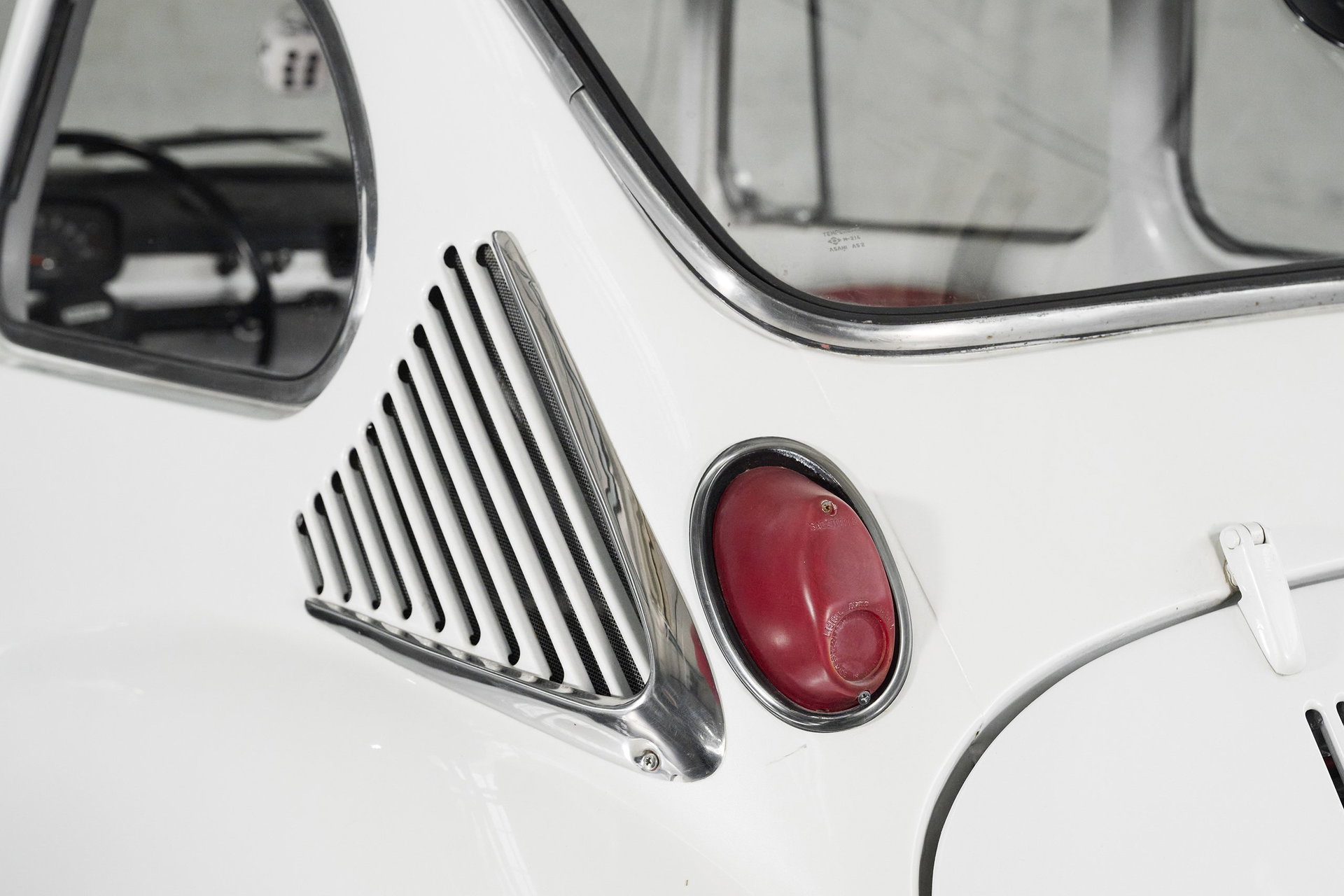
It took its name from the engine-capacity limit of Japan’s kei-car class. At the rear sat an air-cooled, two-cylinder two-stroke of 356cc, initially producing all of 16 bhp. Sounds modest. It was. But then the Subaru weighed barely more than 400 kilograms. There was also independent suspension, a lightweight plastic roof panel and doors which, apparently, would have been unnecessarily conventional had they been hinged at the front. Four people were nevertheless supposed to fit inside. Provided they liked one another.
At just under three metres long, the 360 was tiny, but for Japan it was just right. It became Subaru’s first major success and brought personal mobility within reach of a growing middle class. By 1970, almost 400,000 had been built.
They even set out to conquer America. There, importer Malcolm Bricklin advertised the little Subaru at $1,297. Among enormous V8 saloons, however, the 360 looked decidedly out of place. A campaign by Consumer Reports branded the Japanese minnow ‘Not Acceptable’. It proved the final blow for a car whose American adventure had hardly been crowned with success in the first place. Sales plummeted, and a number of still-unsold new 360s were, quite literally, crushed. These are the stories from which legends are born. Today, the little Subarus enjoy genuine cult status, particularly on the other side of the Atlantic.
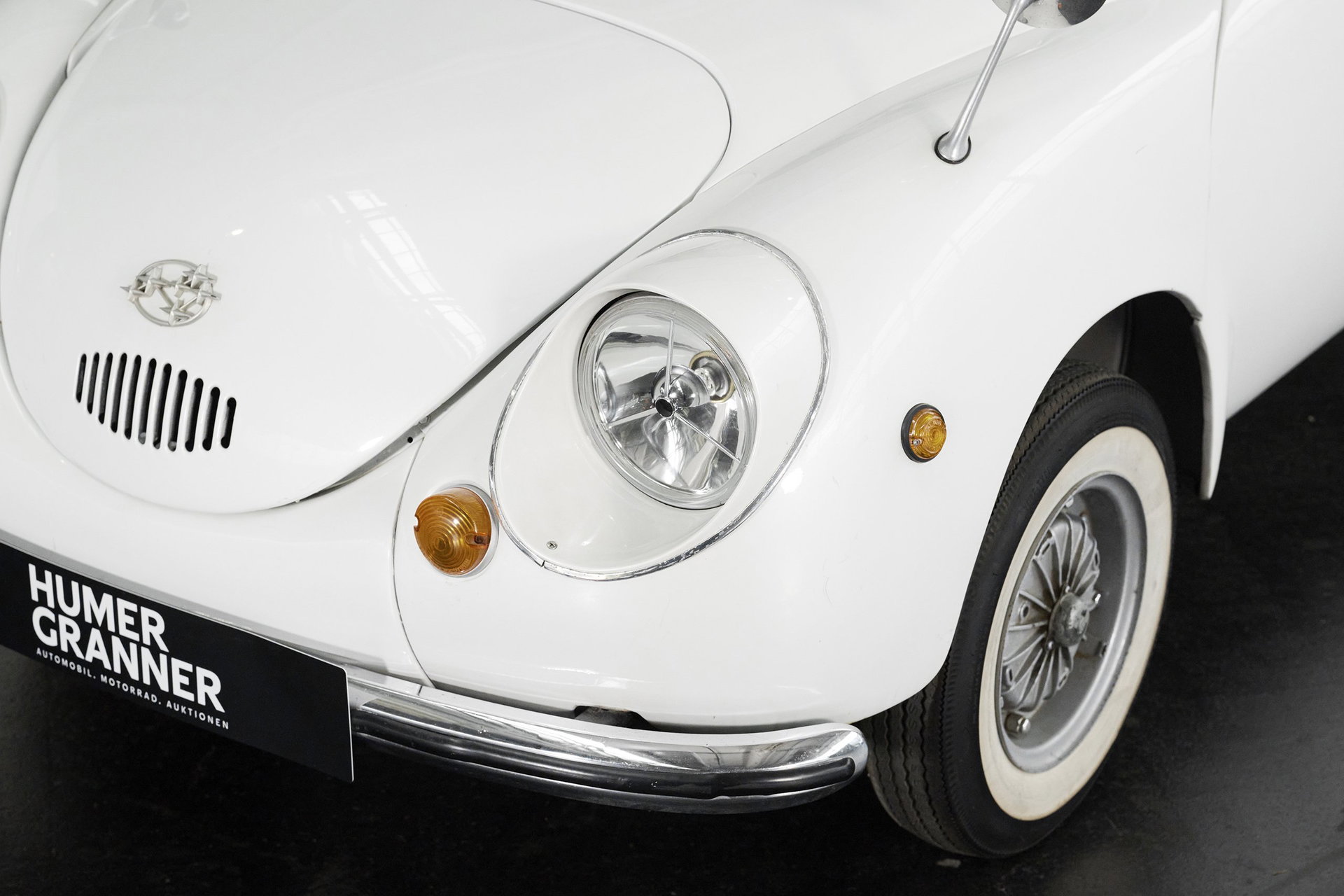
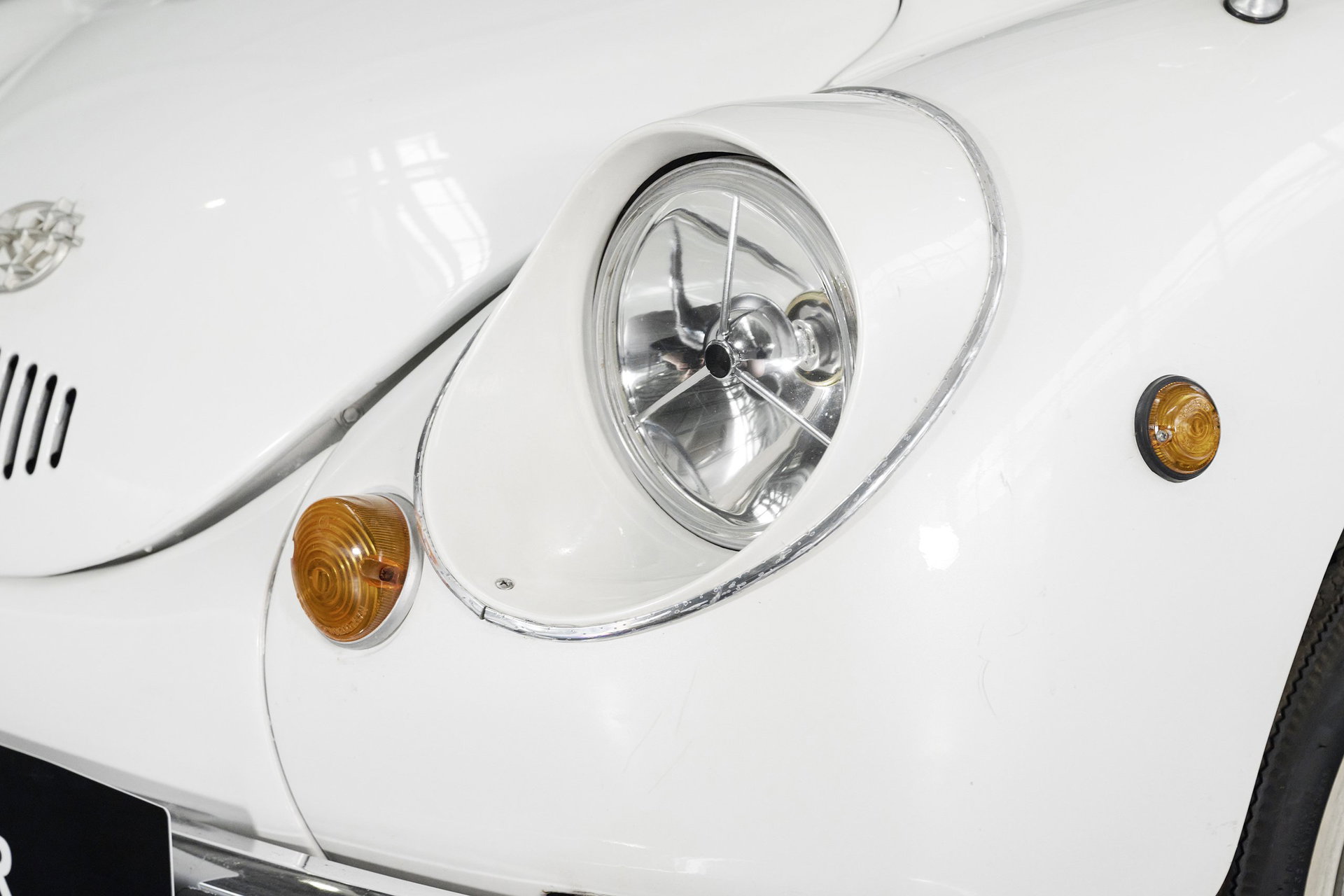
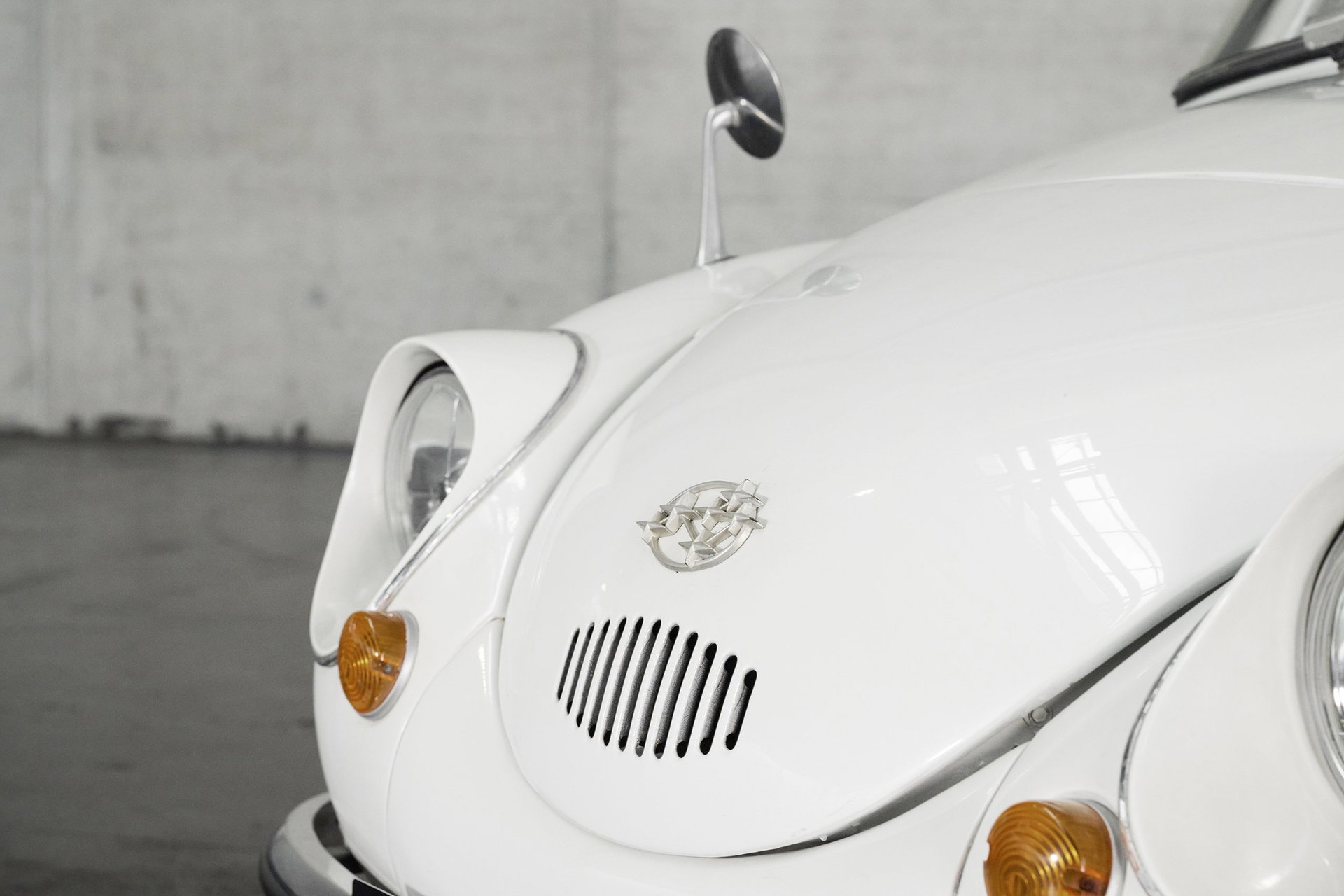
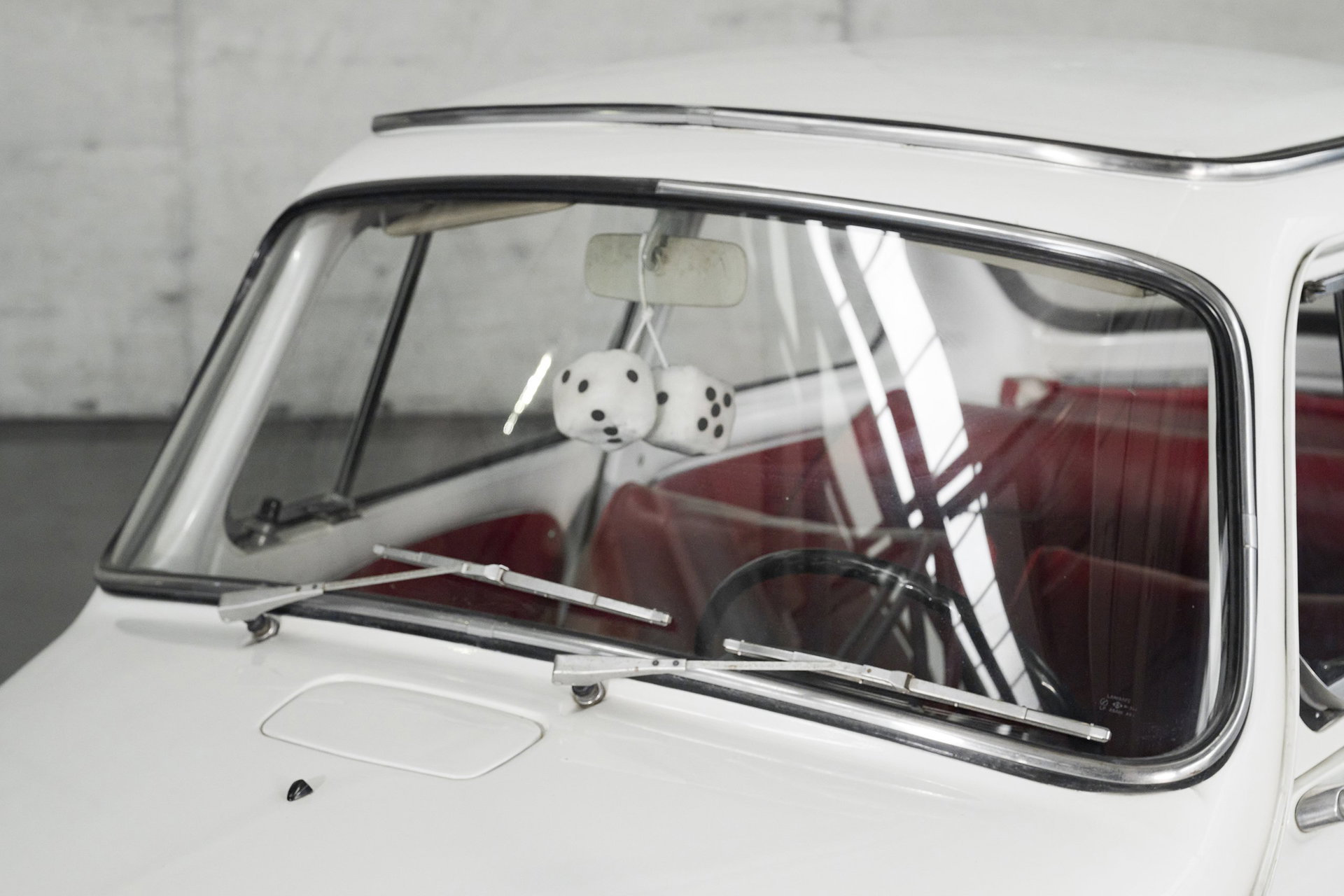
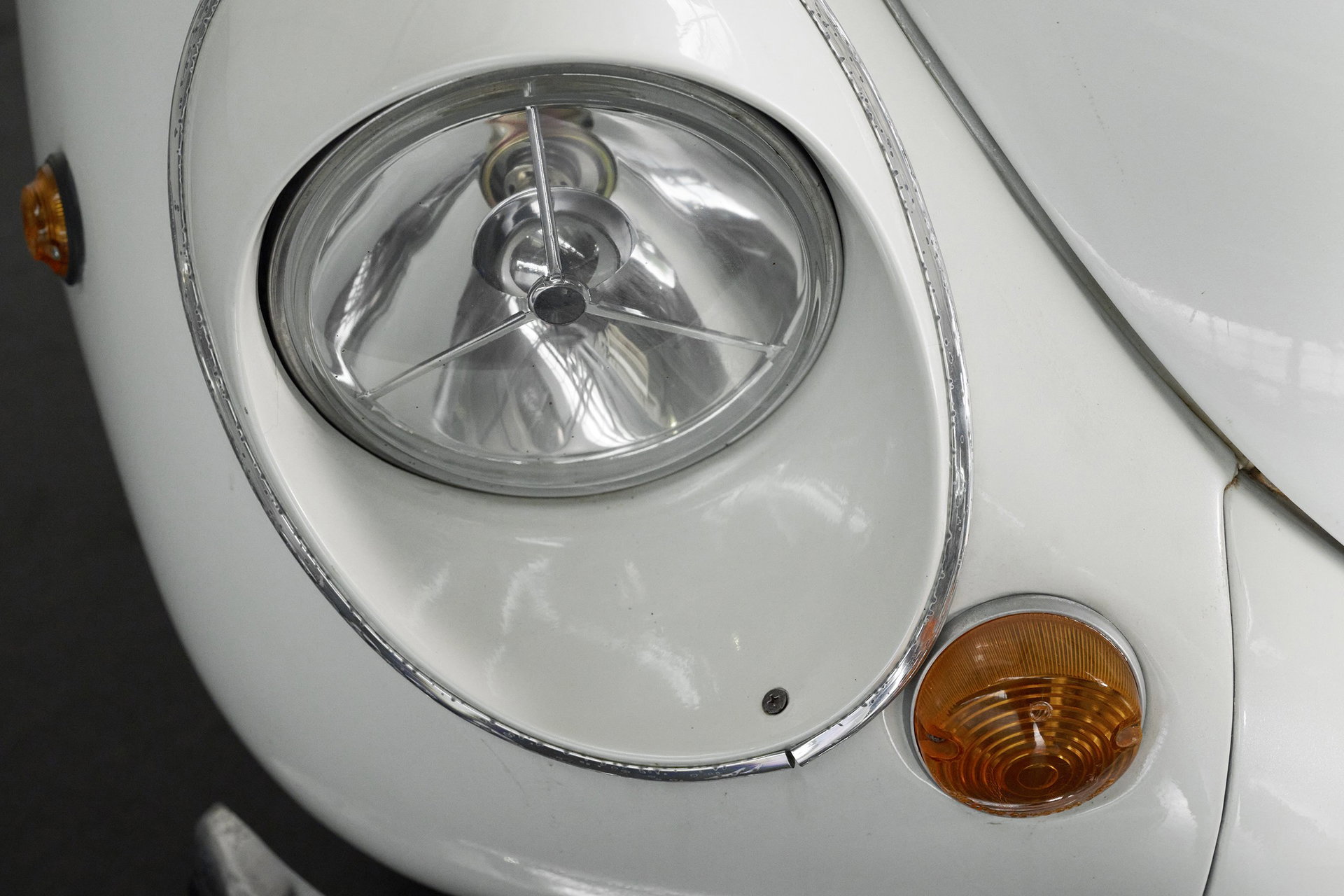
This Subaru came from the United States to Austria in 2013. It dates from the final model year and is one of the relatively few left-hand-drive examples with which Malcolm Bricklin had tried his luck. Alongside an Austin Seven and a BMW Isetta, it provided a counterpoint amid a collection otherwise dominated by substantial British and American metal. To encounter a 360 at all in this part of the world requires a considerable stroke of luck; finding a left-hand-drive example is all but impossible. Beside it, even the Styrian ‘Puchschammerln’ and their Italian siblings begin to look like dreary full-size saloons. And with a little attention, this Subaru 360 should surely be persuaded back into fine fettle as well.
Wat doet een Subaru 360 op de markt? Bekijk de marktwaarde →