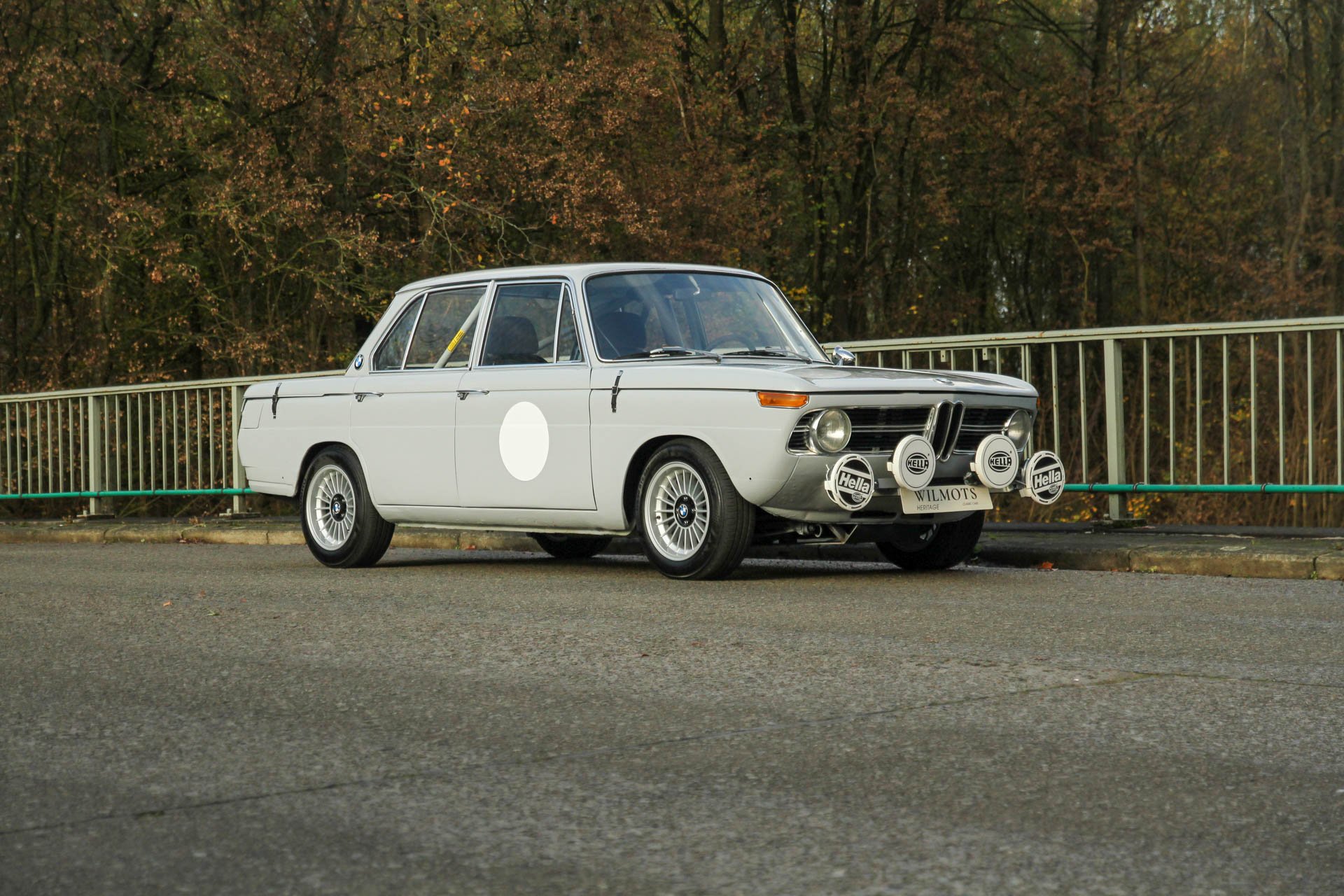
1971 BMW 2000 - 2000 CS
1971 · Salzburg, Oostenrijk · via Classic Driver
Veiling sluit 18 oktober 2026, 01:59
Bekijk op Classic Driver → Open in de app
Gegevens
| Merk | BMW |
|---|---|
| Model | Neue Klasse 2000 CS |
| Bouwjaar | 1971 |
| Stuur | Links |
| Locatie | Salzburg, Oostenrijk |
| Verkoper | Humer, Granner & Co GmbH (veiling) |
| Bron | Classic Driver |
| auction | https://www.classicdriver.com/en/auction/humer-granner-co-gmbh-classic-car-auction-17102026 |
| Op Oudjes.xyz sinds | 5 oktober 2026 |
| Laatst gezien | 8 oktober 2026, 06:16 |
Beschrijving
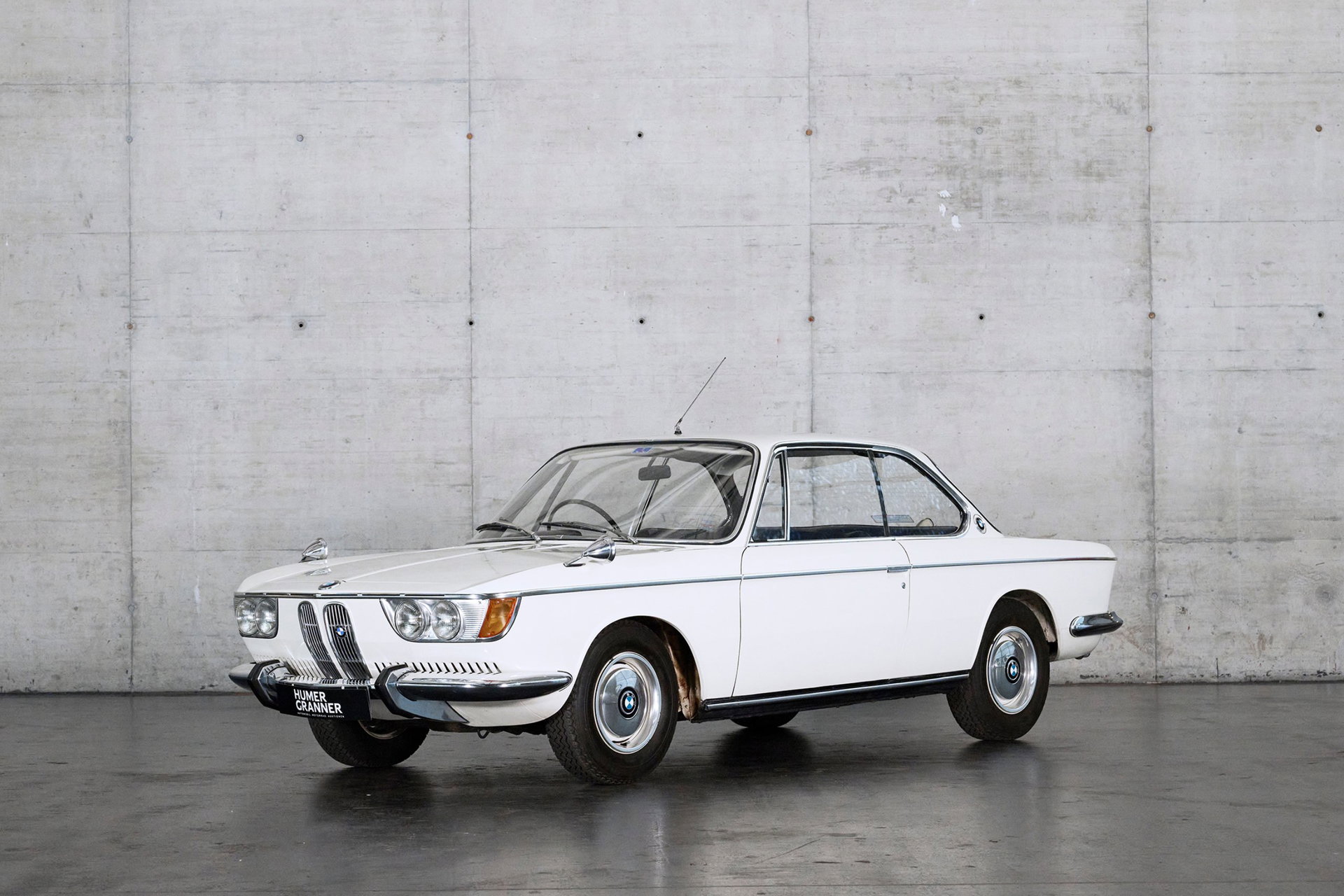
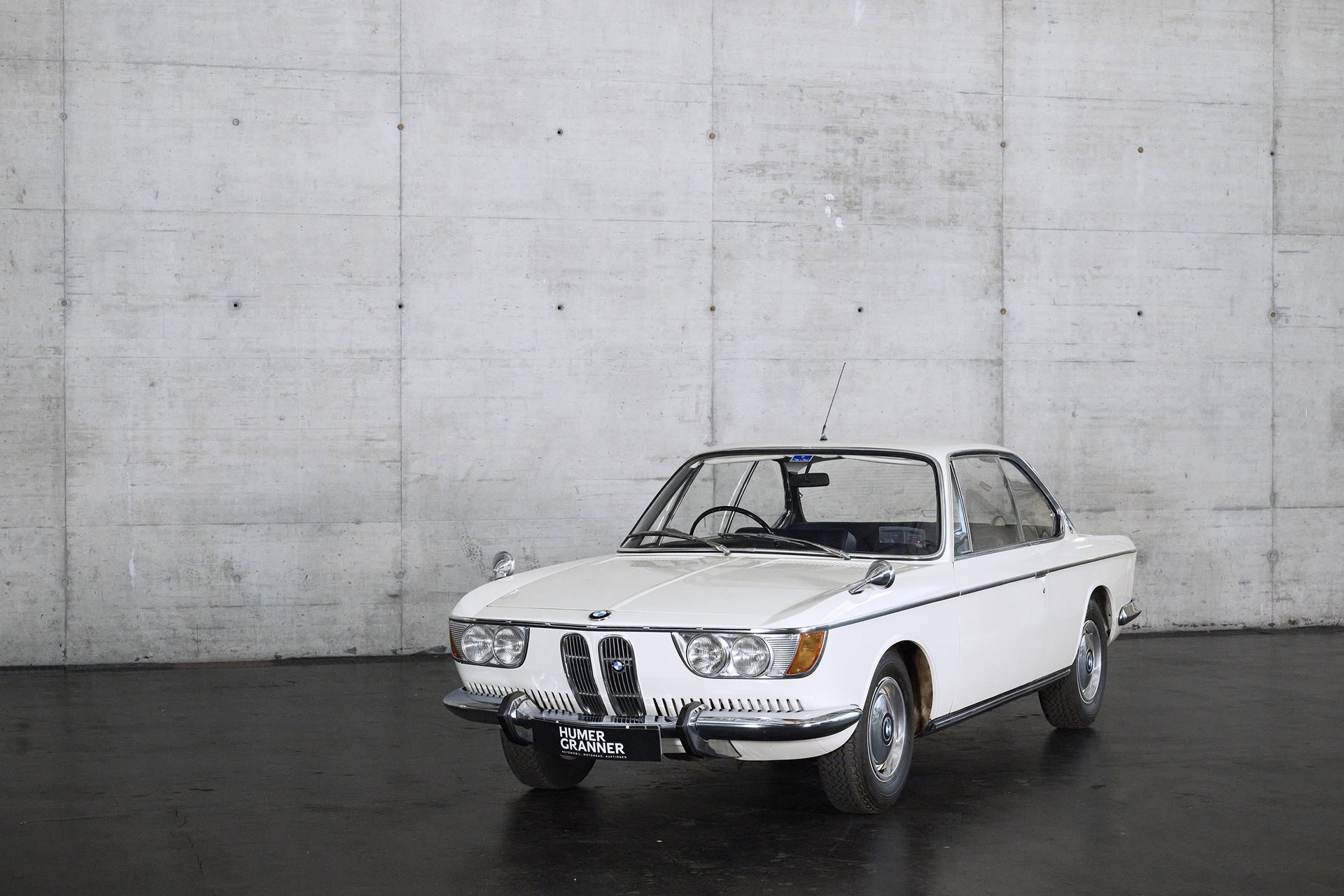
An extremely rare coupé from the new class
One of allegedly only 144 examples
Concours winner in the 1980s
The most powerful version with 120 PS
In 1960, half-brothers Herbert and Harald Quandt became majority shareholders in the still-struggling BMW concern in Munich. The new BMW 700, developed at the initiative of Austrian importer Wolfgang Denzel, had managed to stave off collapse, but amid the booming economic miracle, the gap between BMW’s luxury models and its small cars remained far too wide. For the emerging middle class, the company simply had nothing to offer.
The solution was unveiled at the IAA and went by the name »Neue Klasse« – New Class. And new it was in every respect: a modern mid-size saloon whose sporting character and, above all, quality quickly won buyers over. Accordingly, it proved a resounding success and laid the foundations for a model range on which BMW would build for decades to come.
In June 1965, BMW presented a coupé based on the New Class. Styled by chief designer Wilhelm Hofmeister, it retained the saloon’s chassis, while engine capacity was increased from 1,773 to 1,990 cc, with redesigned combustion chambers and intake ports as well. The coupé reached the market as the BMW 2000 CS, with twin Solex carburettors and 120 hp, or as the BMW 2000 CA, combining a three-speed automatic transmission with a single carburettor and 100 hp. It was not until 1967 that a single-carburettor model with manual transmission followed, and then for just one year.
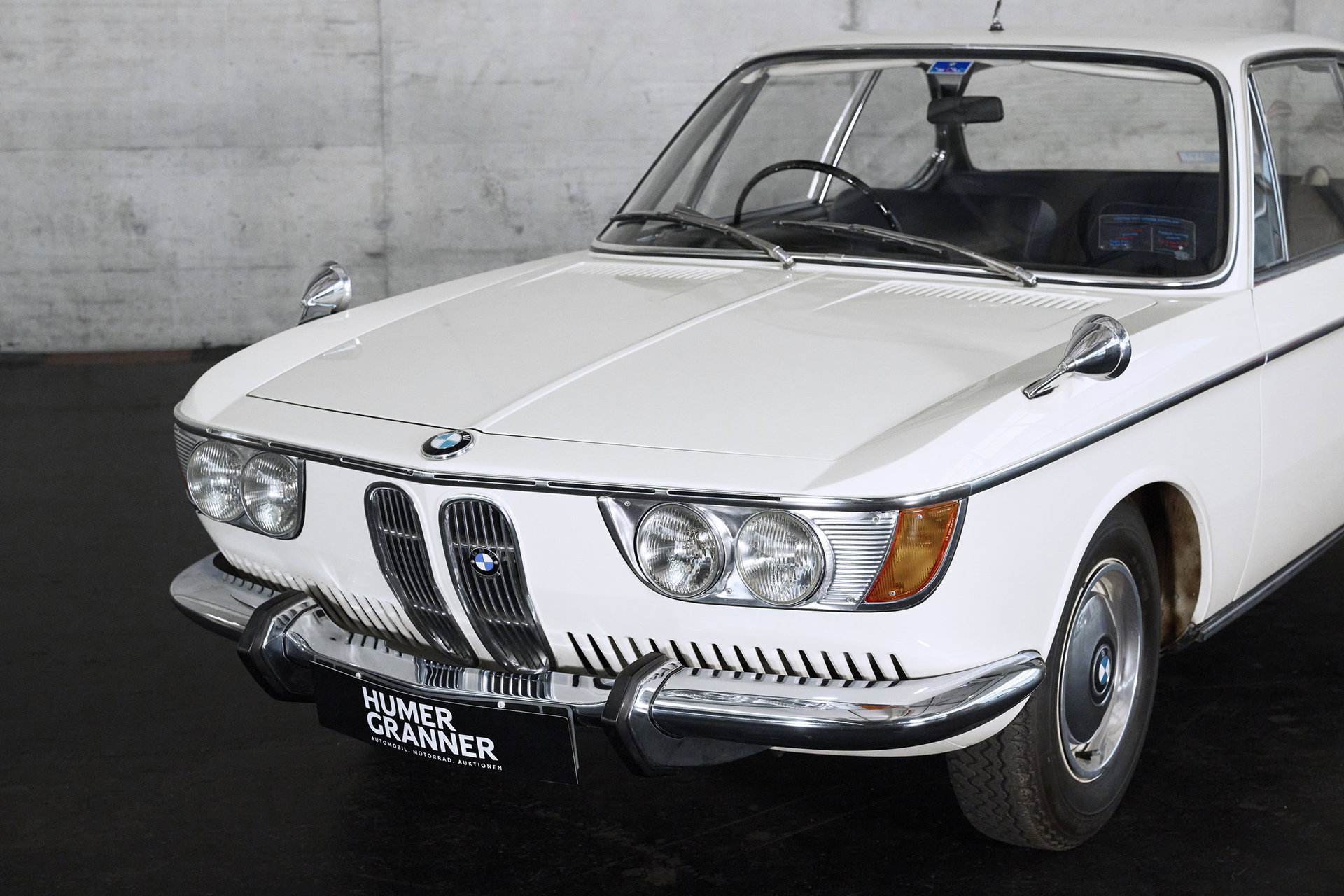
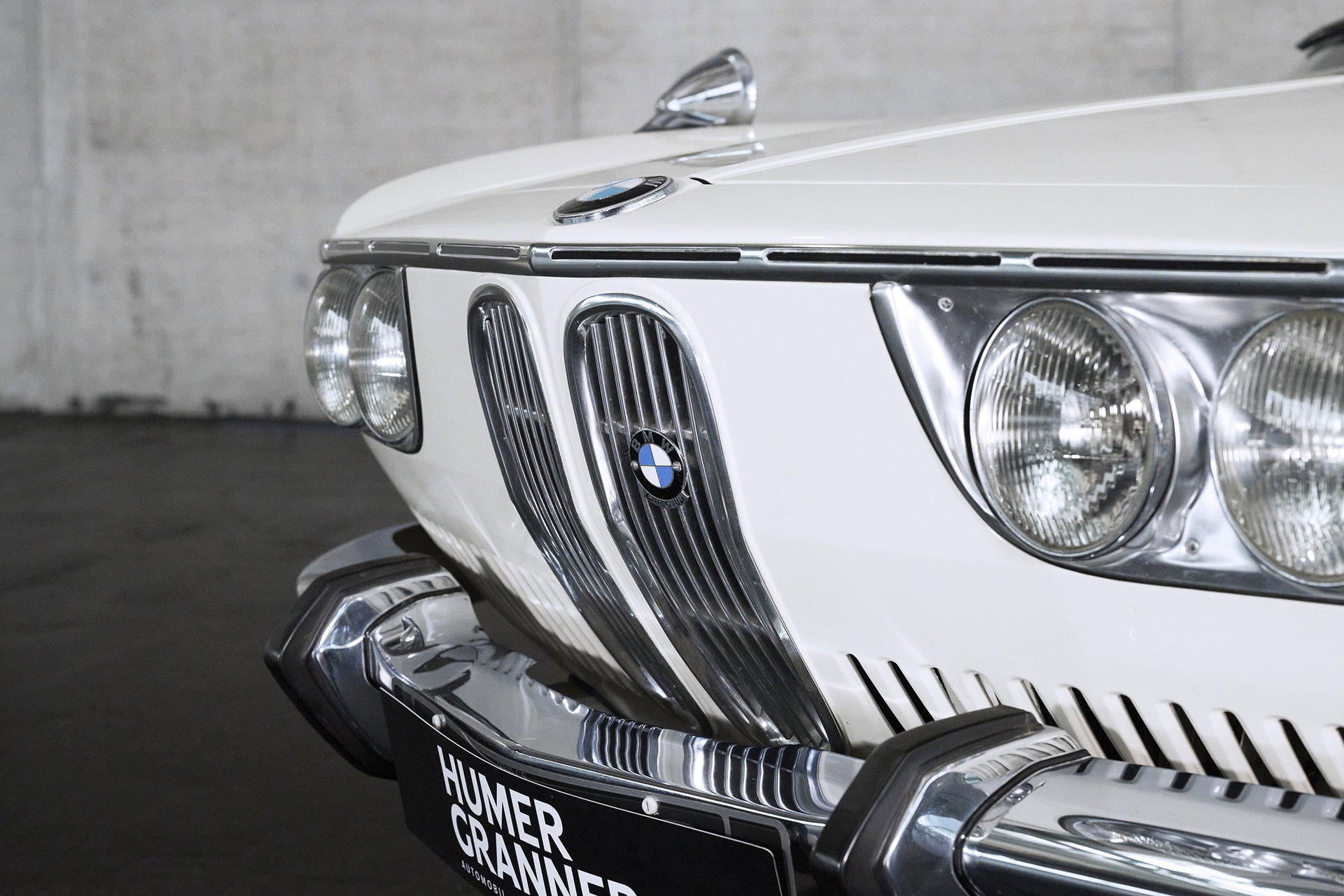
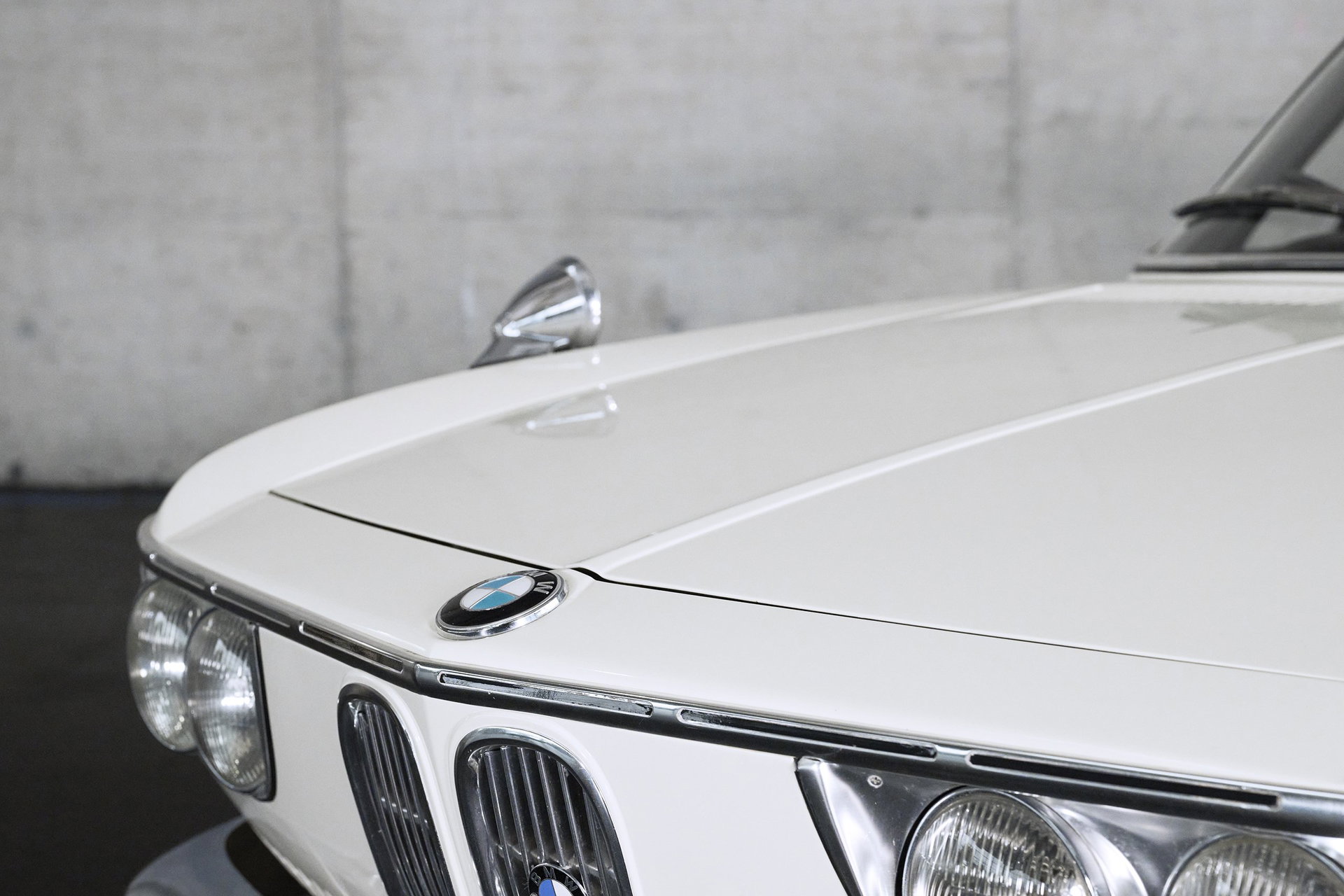
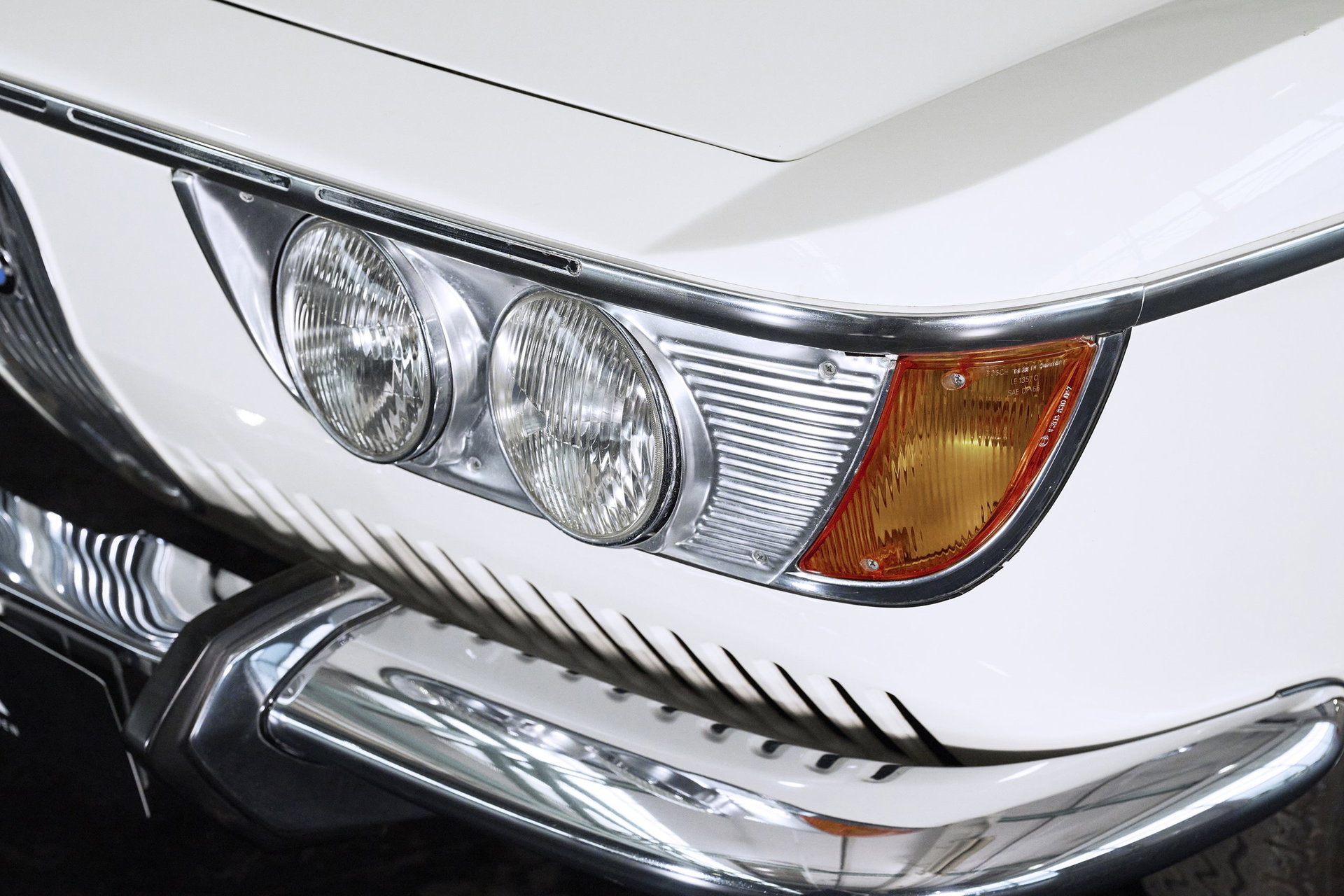
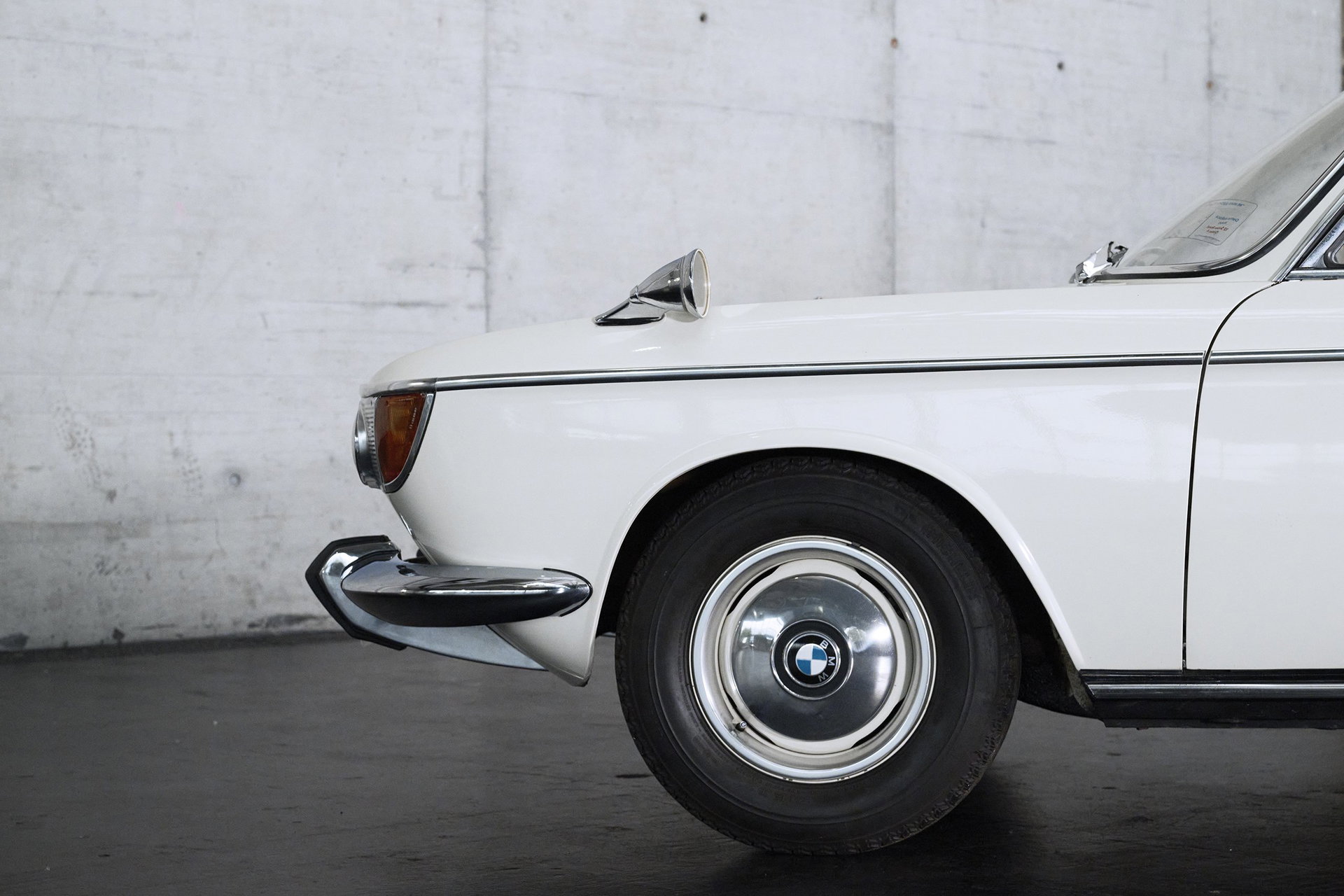
The styling of the coupé’s front end proved decidedly polarising, and production figures fell well short of both the saloon and expectations. That the basic design was nevertheless an inspired one was demonstrated by the large six-cylinder E9 coupés unveiled in 1968. Their noses were extended and given a more conventional face, but from the A-pillars rearwards they essentially retained the shape of the New Class coupé. The bodies were built by Karmann in Osnabrück, which from 1968 also took over complete assembly of the final cars. In all, around 13,700 New Class coupés were produced.
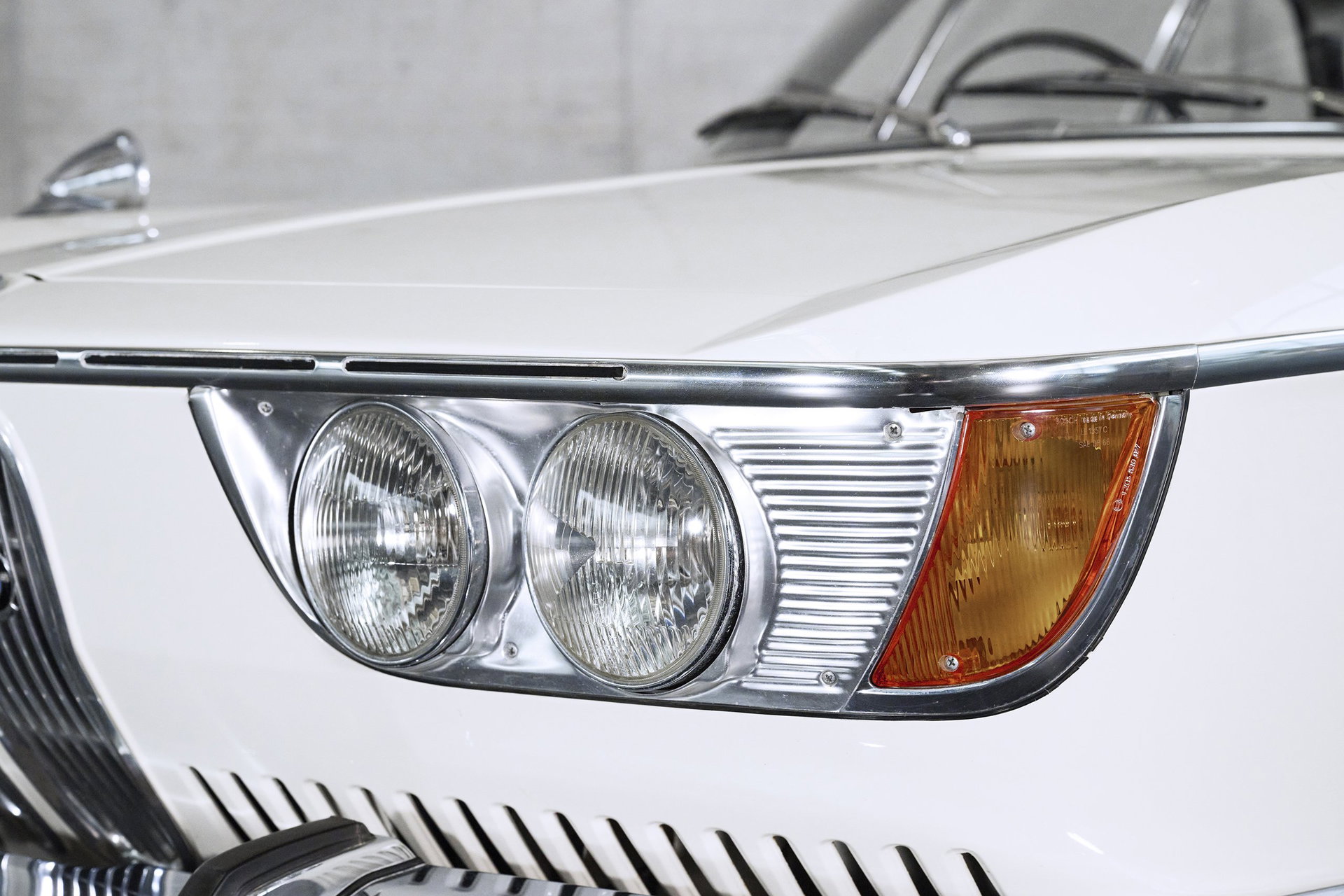
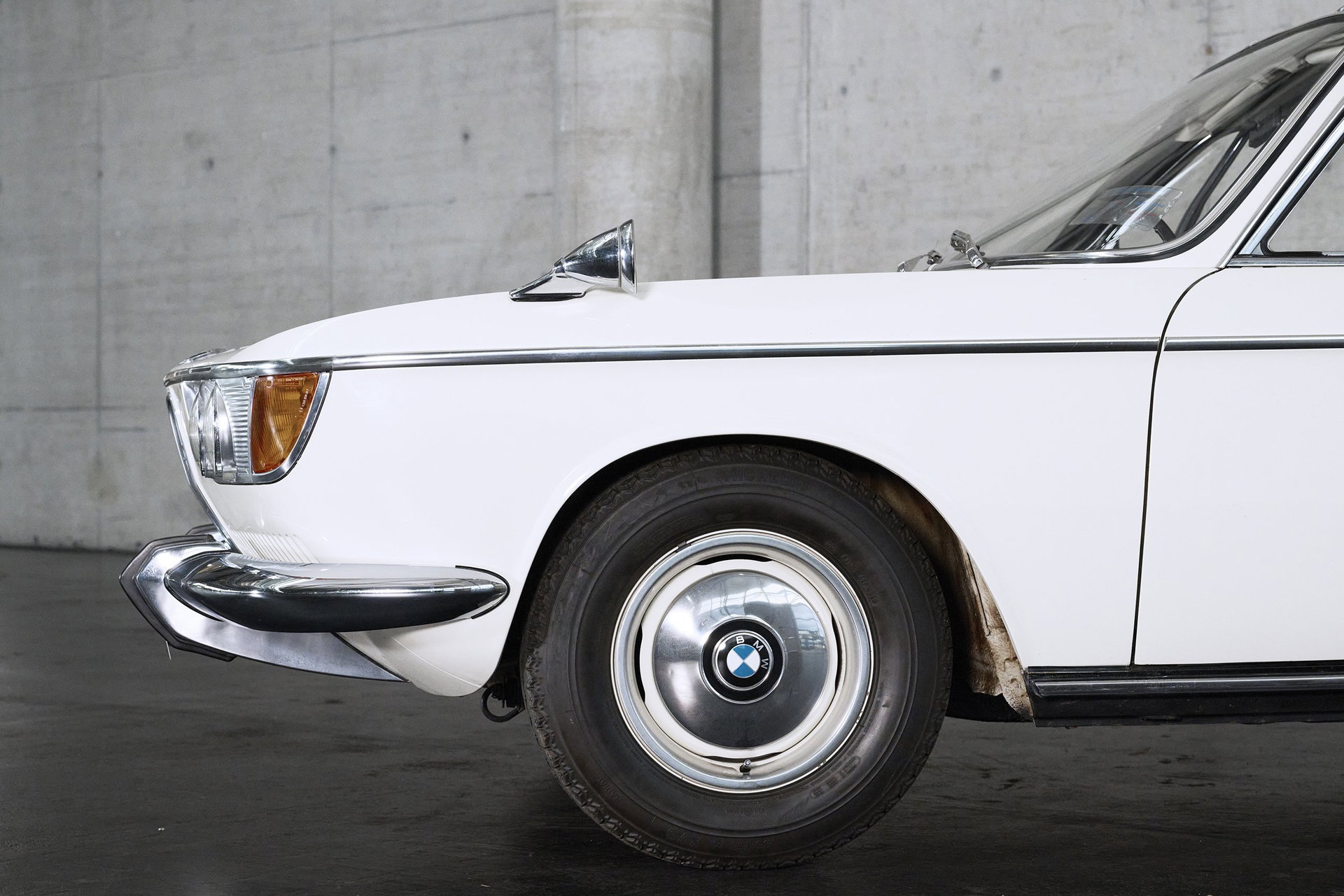
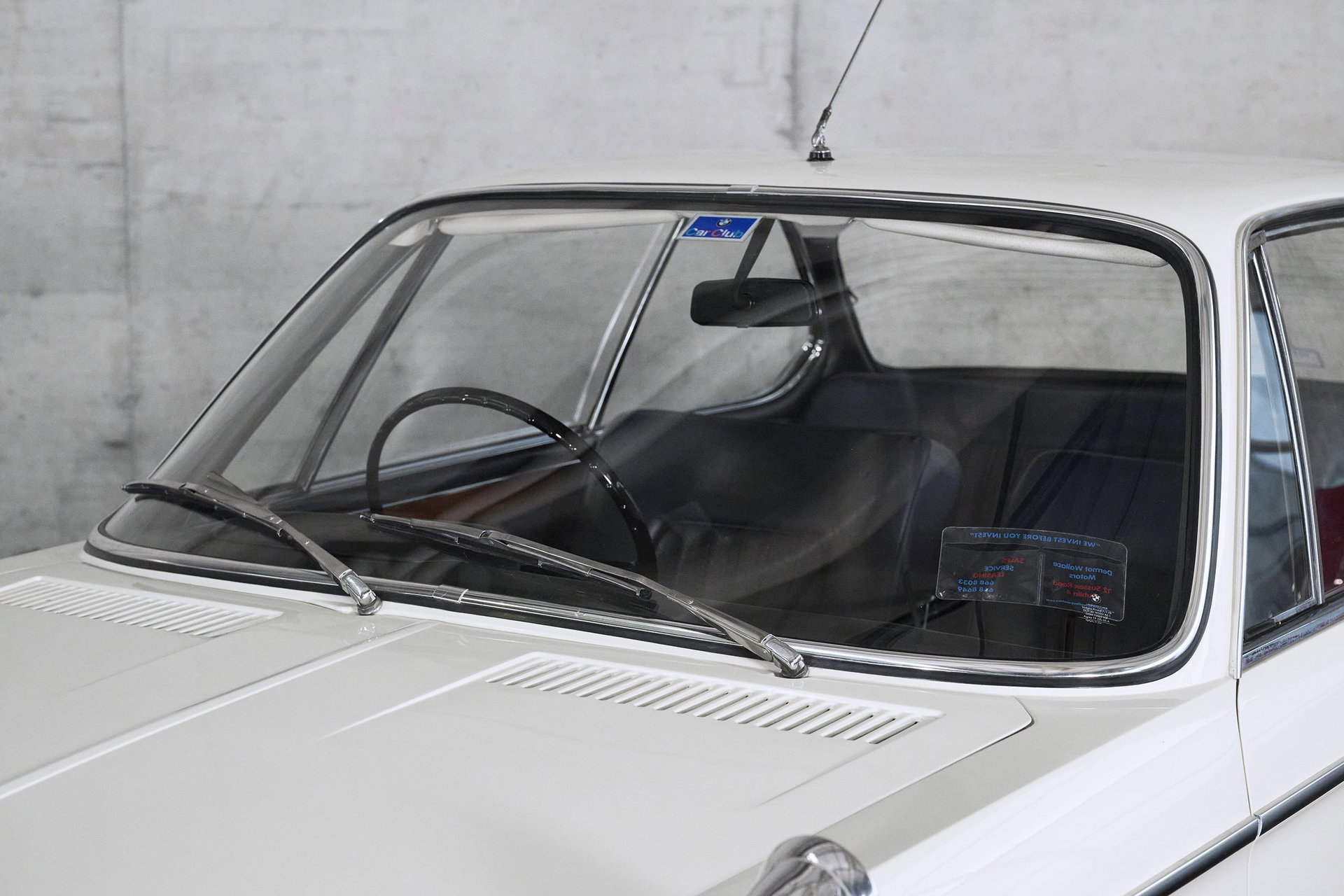
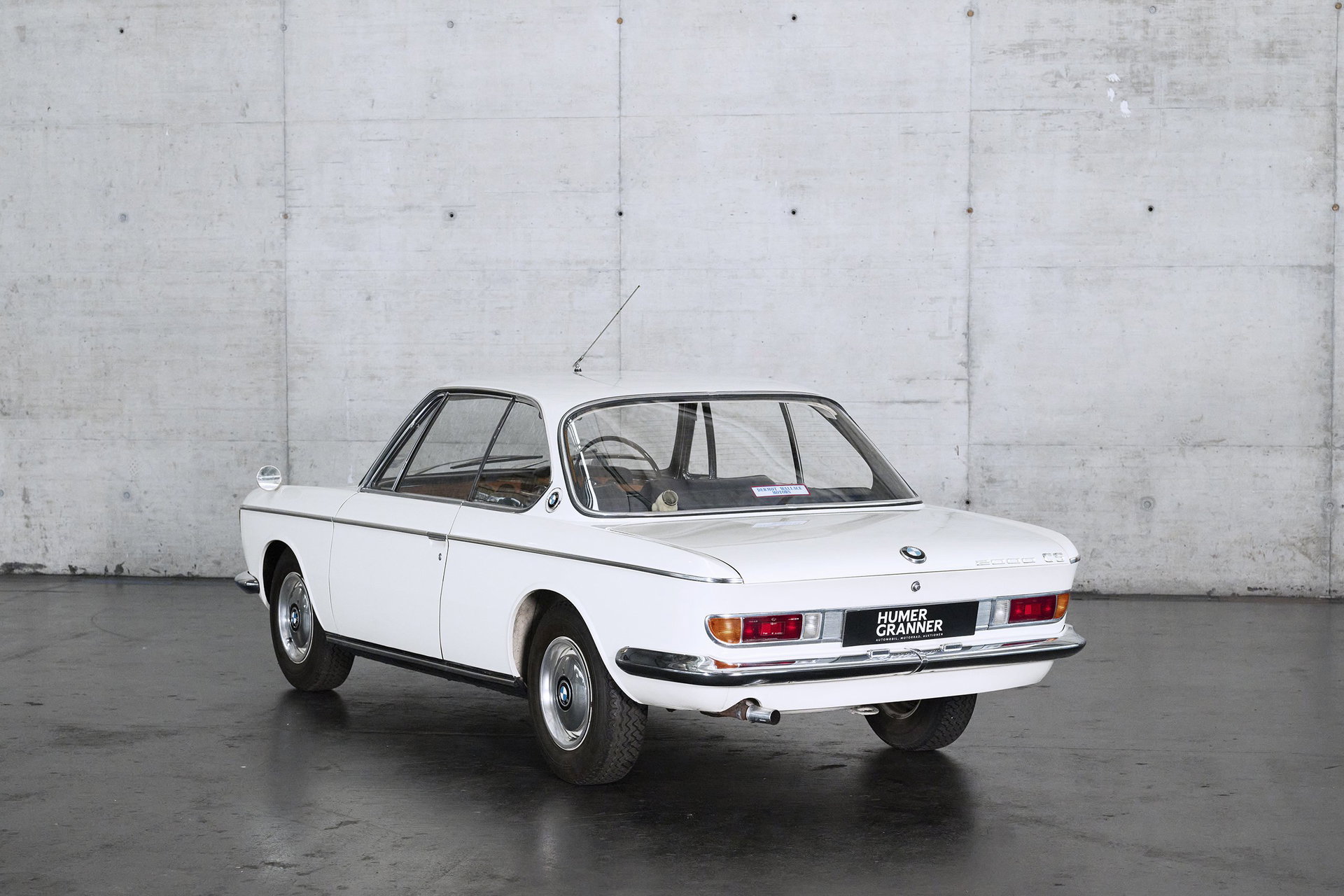
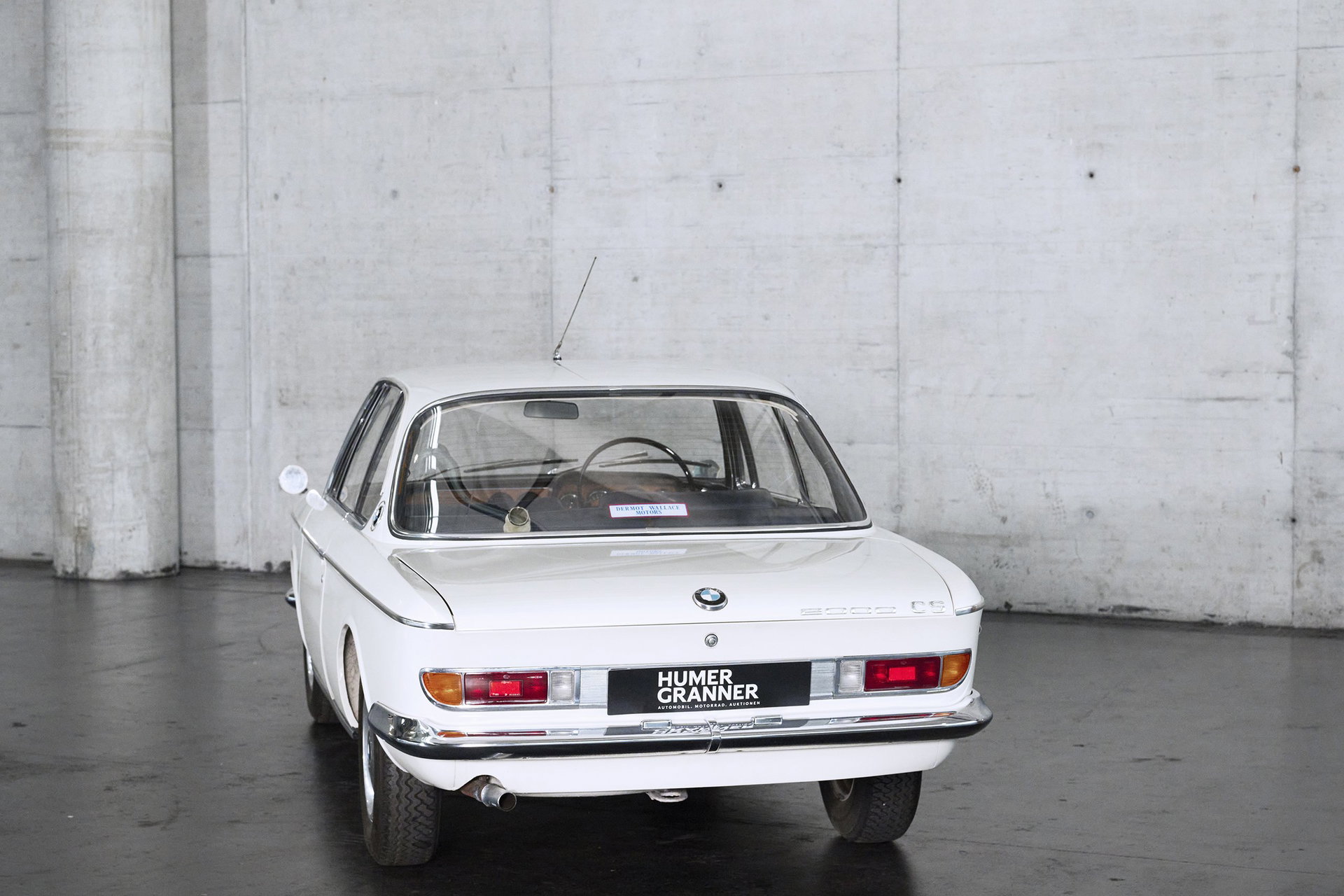
Unlike the saloon, BMW never officially offered the New Class coupé in right-hand-drive form. A very small number were converted by British importer BMW (Concessionaires) GB Ltd., with one source claiming 144 cars while others suggest considerably fewer. Whatever the true figure, the effort involved must have been considerable. Using US-specification headlights, which were easier to adapt for driving on the left, was probably the easy part. And since such a conversion could hardly be accomplished overnight, this 2000 CS was not registered for the first time until 23 August 1971 – a full year after production had ended in Osnabrück.
For many years, the rare coupé belonged to John Eaton, an active member of the BMW Car Club. In 1988, he took overall honours at the club’s Concours d’Elegance. At another concours held by the BMW Car Club’s London & South East Region, the car scored 272 points out of a possible 275, although its final placing has not survived in the records. A car capable of such results ought to be impressive, and even today it certainly looks the part.
In 2008, the BMW moved to Ireland, before making its way from there to Austria in 2014. Following a lengthy period off the road, it now deserves a careful recommissioning, so that what lies beneath the bonnet can once again live up to the promise of those elegant lines.
Vergelijkbare oudjes
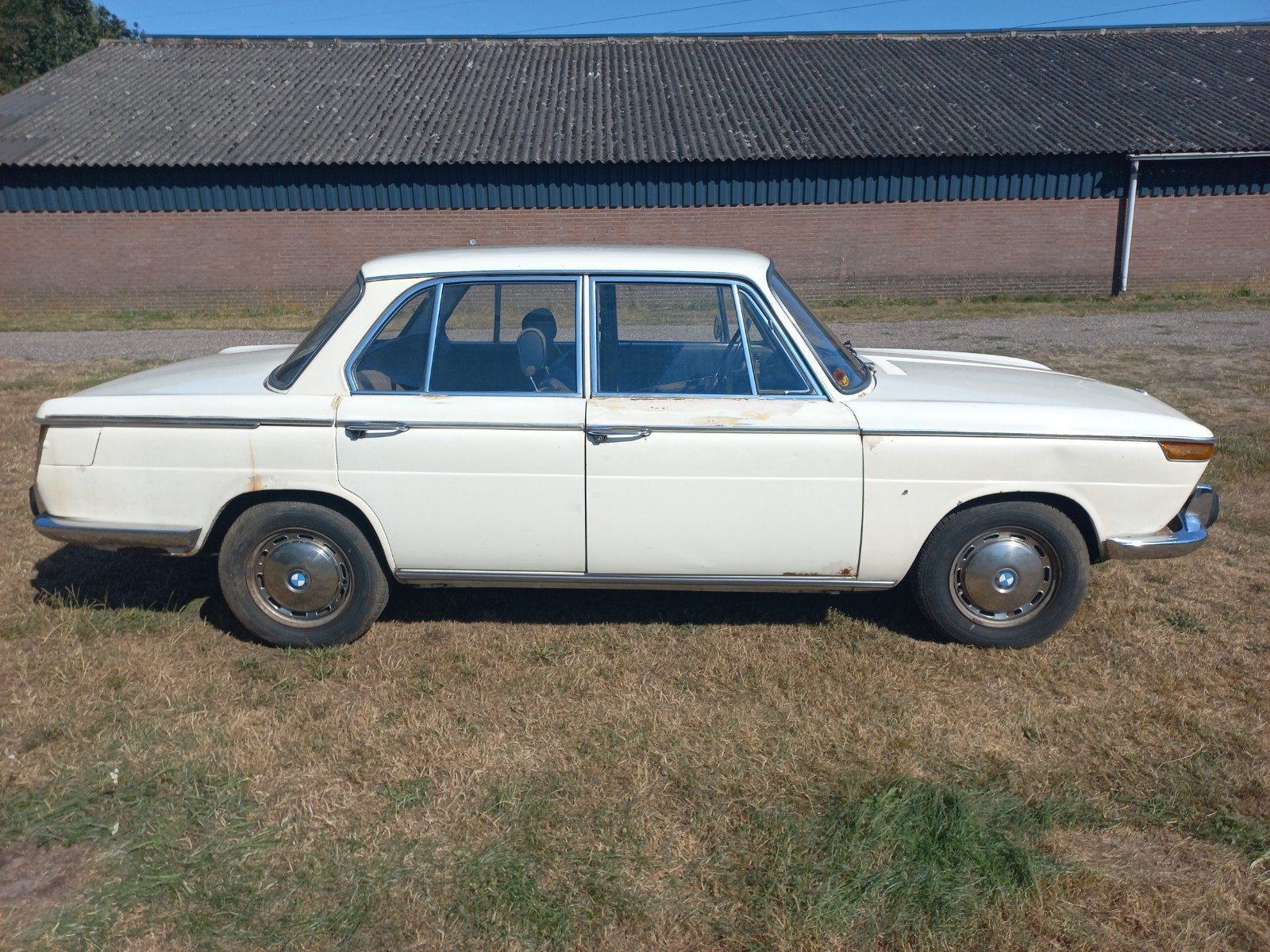 BMW 1800 neue klasse 1971 harde auto.€ 2.2501971 · Ermelo, Nederland · Marktplaats
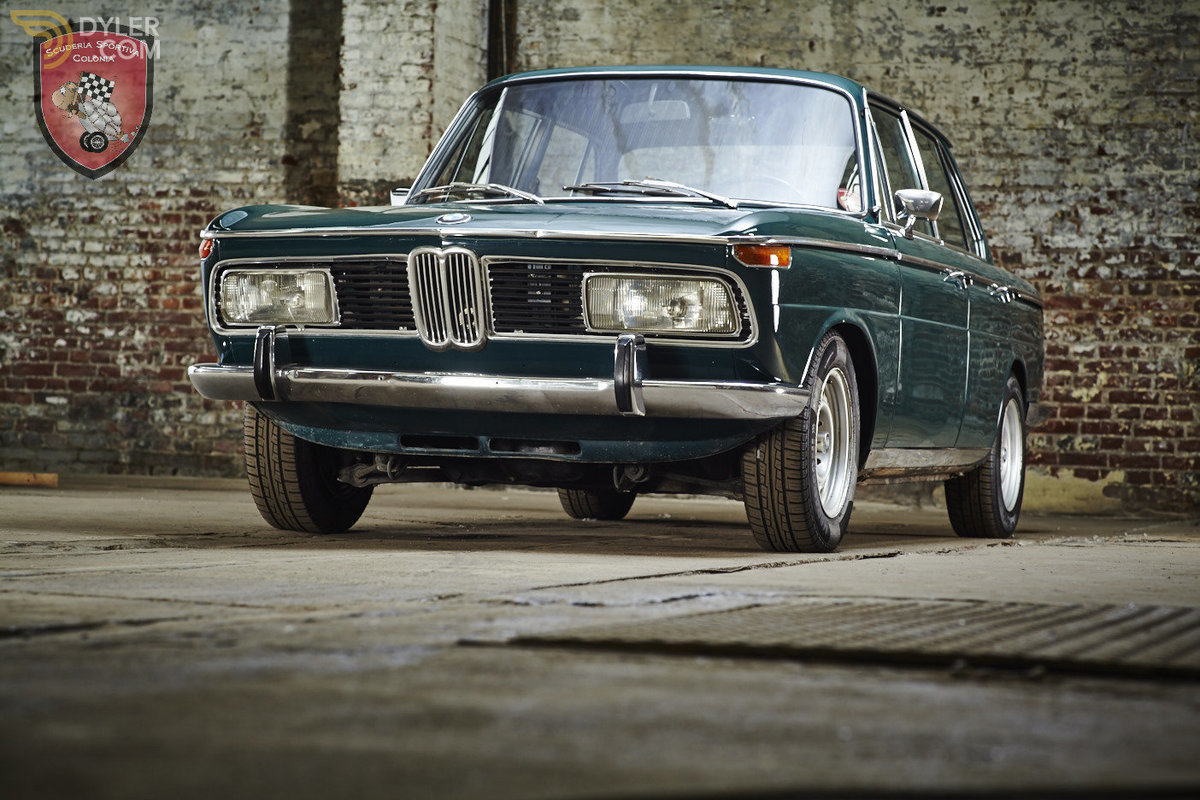 1971 BMW 2000 Tii€ 29.5001971 · Köln, Duitsland · Dyler
 1971 BMW 2000 2000tii€ 10.5001971 · Montivilliers, Seine-Maritime, Frankrijk · Car & Classic
 very nice 1971 BMW 2000 'neue klasse' showing 59500m£ 14.995 (≈ € 17.715)1971 · 95.756 km · Nuffield, Oxfordshire, Verenigd Koninkrijk · Car & Classic
 BMW 2000 TiiPrijs op aanvraag1971 · Kirchen, Duitsland · Car & Classic
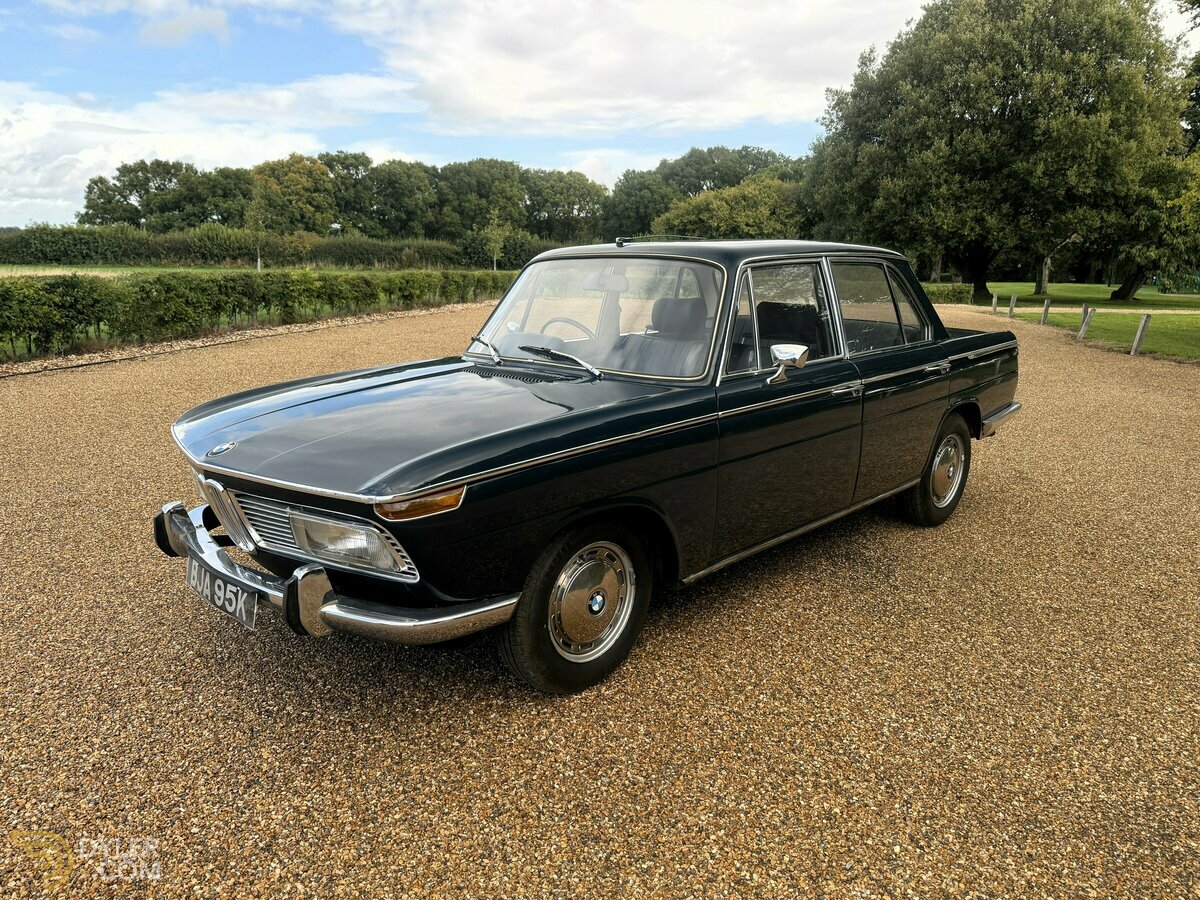 1971 BMW 2000 NEUE KLASSE€ 17.0101971 · 95.756 km · Henley-on-Thames, Verenigd Koninkrijk · Dyler
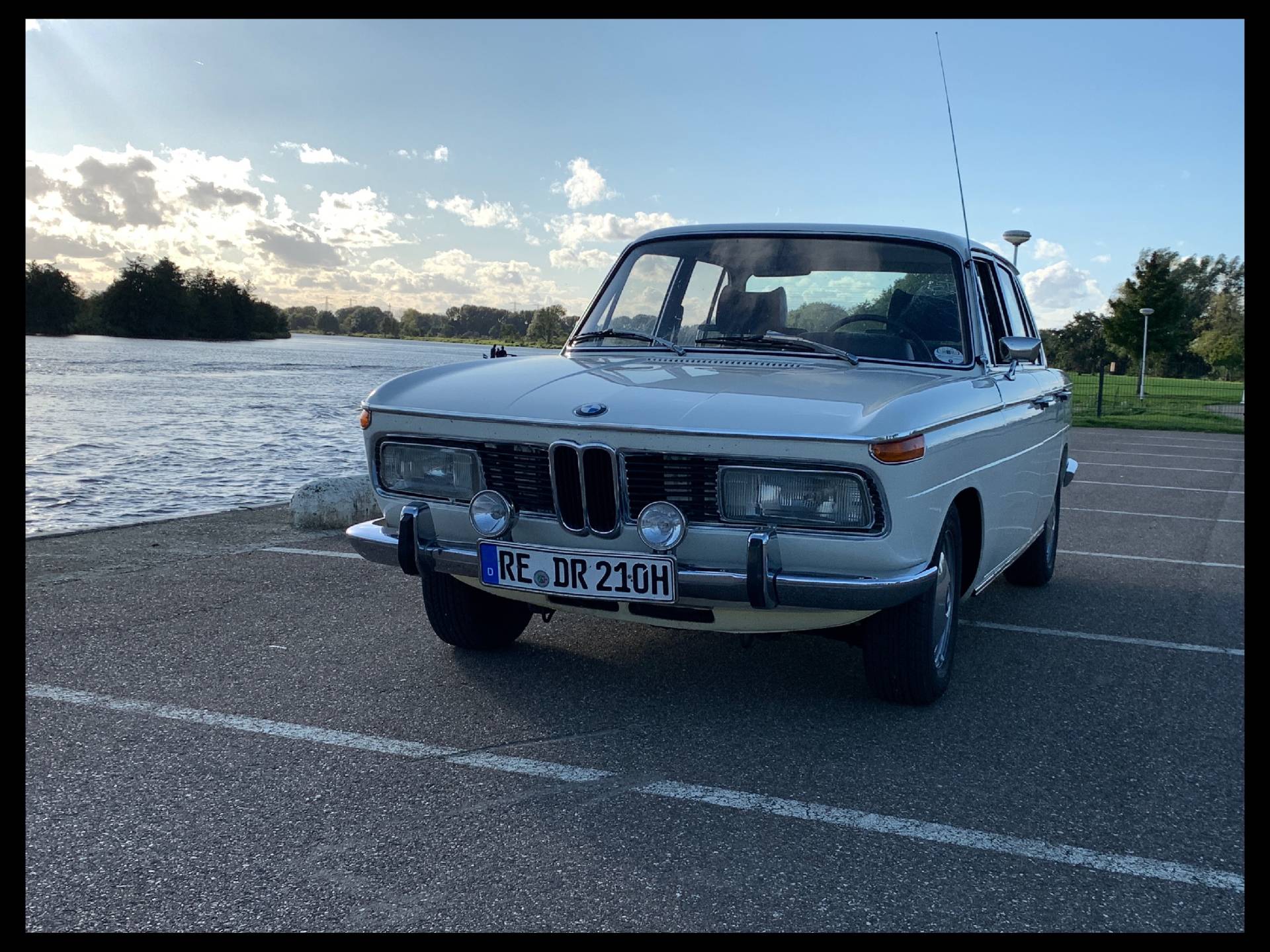 1971 BMW 2000 tii€ 29.5001971 · 55.000 km · Recklinghausen, Duitsland · Classic Trader
 1971 BMW 2000 - ti - Type 121€ 24.9001971 · 110.500 km · Braine l'Alleud, België · Classic Driver
Wat doet een BMW Neue Klasse op de markt? Bekijk de marktwaarde →