1965 Beach Mk 5B - Mk 5b Formula Vee
1965 · Salzburg, Oostenrijk · via Classic Driver
Veiling sluit 18 oktober 2026, 01:59
Bekijk op Classic Driver → Open in de app
Gegevens
| Bouwjaar | 1965 |
|---|---|
| Stuur | Links |
| Locatie | Salzburg, Oostenrijk |
| Verkoper | Humer, Granner & Co GmbH (veiling) |
| Bron | Classic Driver |
| auction | https://www.classicdriver.com/en/auction/humer-granner-co-gmbh-classic-car-auction-17102026 |
| Op Oudjes.xyz sinds | 5 oktober 2026 |
| Laatst gezien | 8 oktober 2026, 06:16 |
Beschrijving
Early American Formula Vee racing car
Later served as a model for many European manufacturers
Largely preserved in its original condition
Complete with matching trailer
When Formula Vee emerged in America in the early 1960s, the idea was as simple as it was tempting: take the engine, gearbox, front axle and wheels from a Volkswagen, build a lightweight tubular spaceframe around them and go racing. Motor sport for people whose bank accounts did not quite look like Indianapolis. Let alone Monte Carlo.
One man who understood the principle early on was Eugene ‘Gene’ Beach. The Florida engineer had been building small sports cars since 1959 and had already learned how to make fast cars from modest means. His first creations were still called Begra, a name combining Beach with that of his then partner, Henry Grady. When Formula Vee began to gather momentum, Gene Beach saw not only its sporting potential but its commercial possibilities as well: instead of constantly developing expensive one-offs, he could build racing cars in small series.
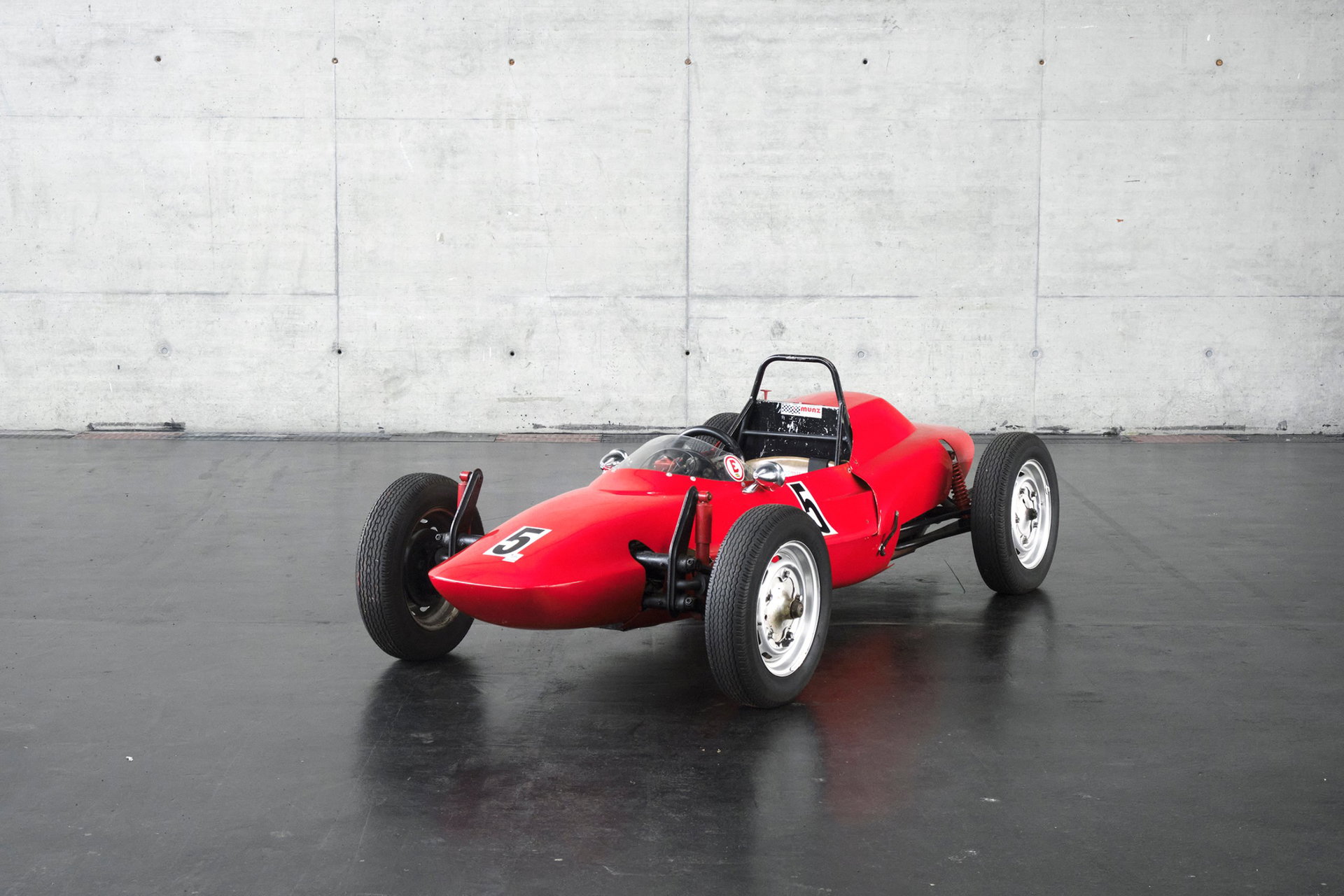
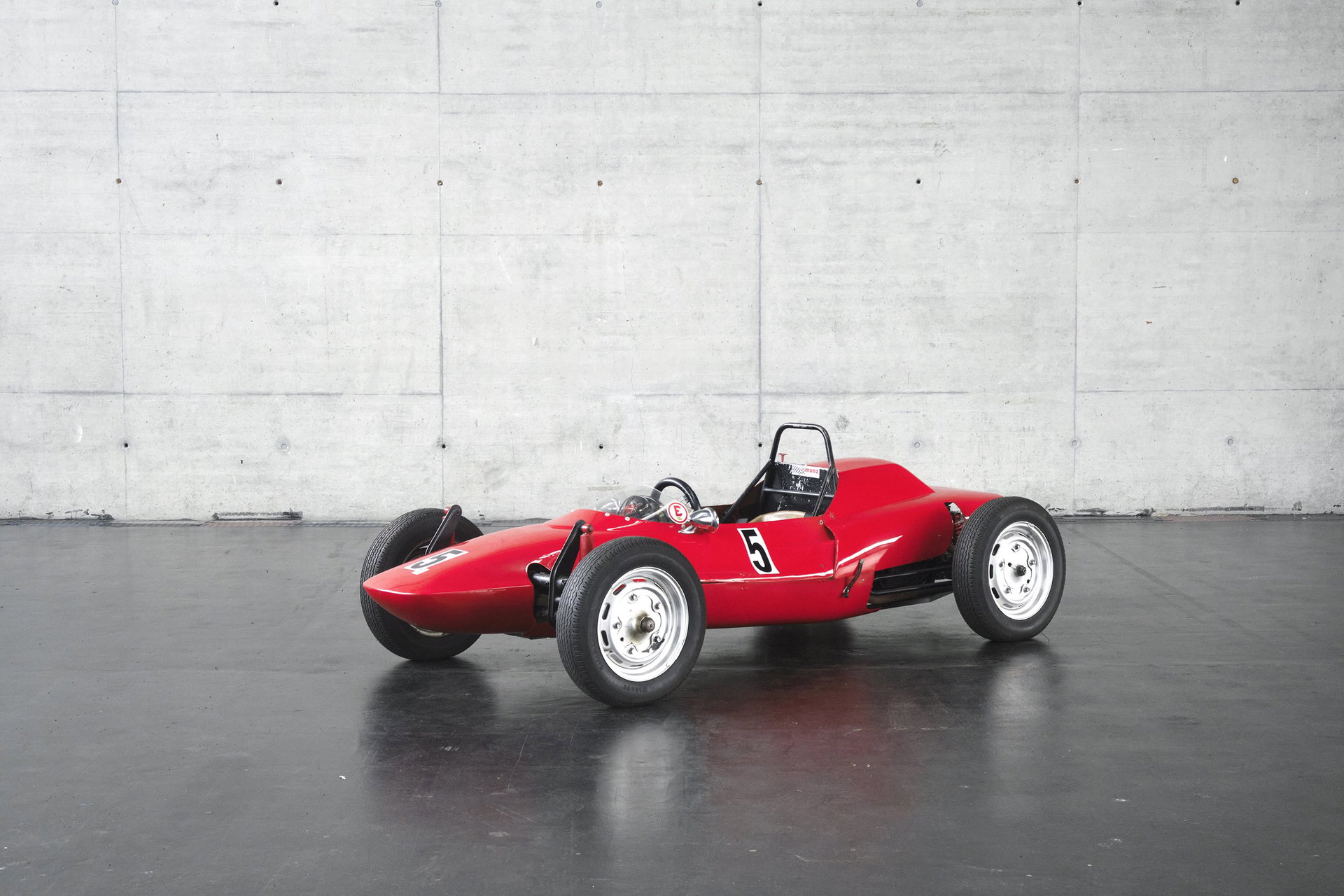
His first proper Formula Vee racer appeared in 1963. The mandatory Beetle mechanicals left little room for manoeuvre, so any advantage had to be found elsewhere. Beach used a simple frame made from square-section tubing and a strikingly slender body. Prettier than much of the opposition it certainly was. Faster, too. At the Bahamas Speed Weeks, the Beach racers soon became a force to be reckoned with; in 1965, Chris Amon and Bruce McLaren took the first two places in a pair of works cars.
By then, people in Germany had taken notice as well. Porsche wanted to bring the American Volkswagen formula to Europe and ordered racing cars or kits from Beach. What must initially have seemed to Gene Beach like a slightly curious export order ultimately turned his small operation into a fully fledged racing-car manufacturer.
The consequences reached far beyond Florida. Beach racers were taken apart, studied and served as inspiration for a new generation of constructors on this side of the Atlantic. Before long, Europe was building Formula Vee cars of its own – among them Austro Vau and Kaimann in Austria. Beetle parts had become a racing car. And with his simple idea, Gene Beach had quite inadvertently become a trailblazer for many of motor racing’s future heroes.
The only piece of paperwork accompanying this Beach Mk Vb dates from its purchase in 2007, together with an Austro Vau. So far, we have searched in vain for a chassis number, which is not entirely unusual, as Gene Beach also supplied his racing cars in kit form. Even on closer inspection, this appears to be a Mk Vb, a model introduced in the mid-1960s.
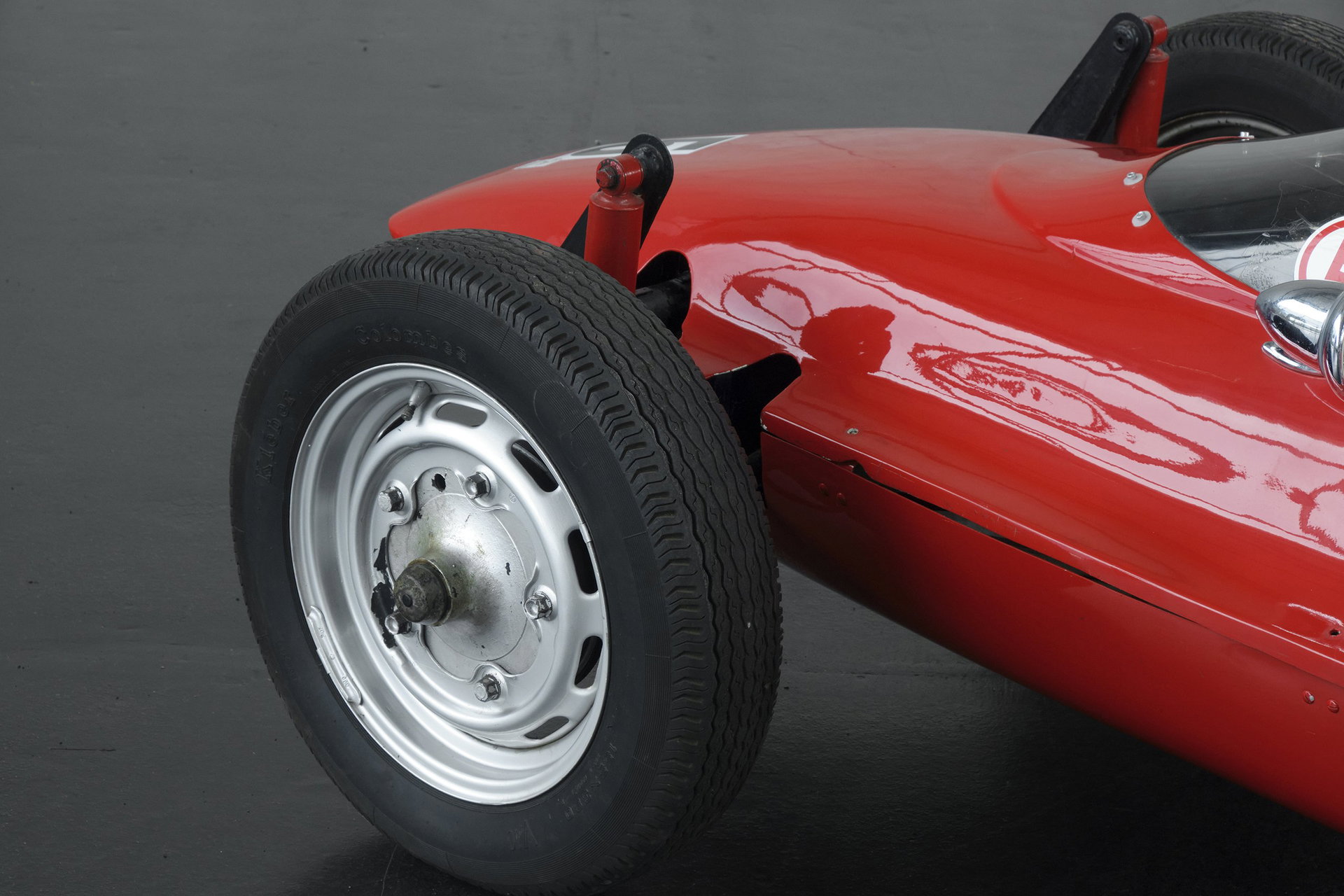
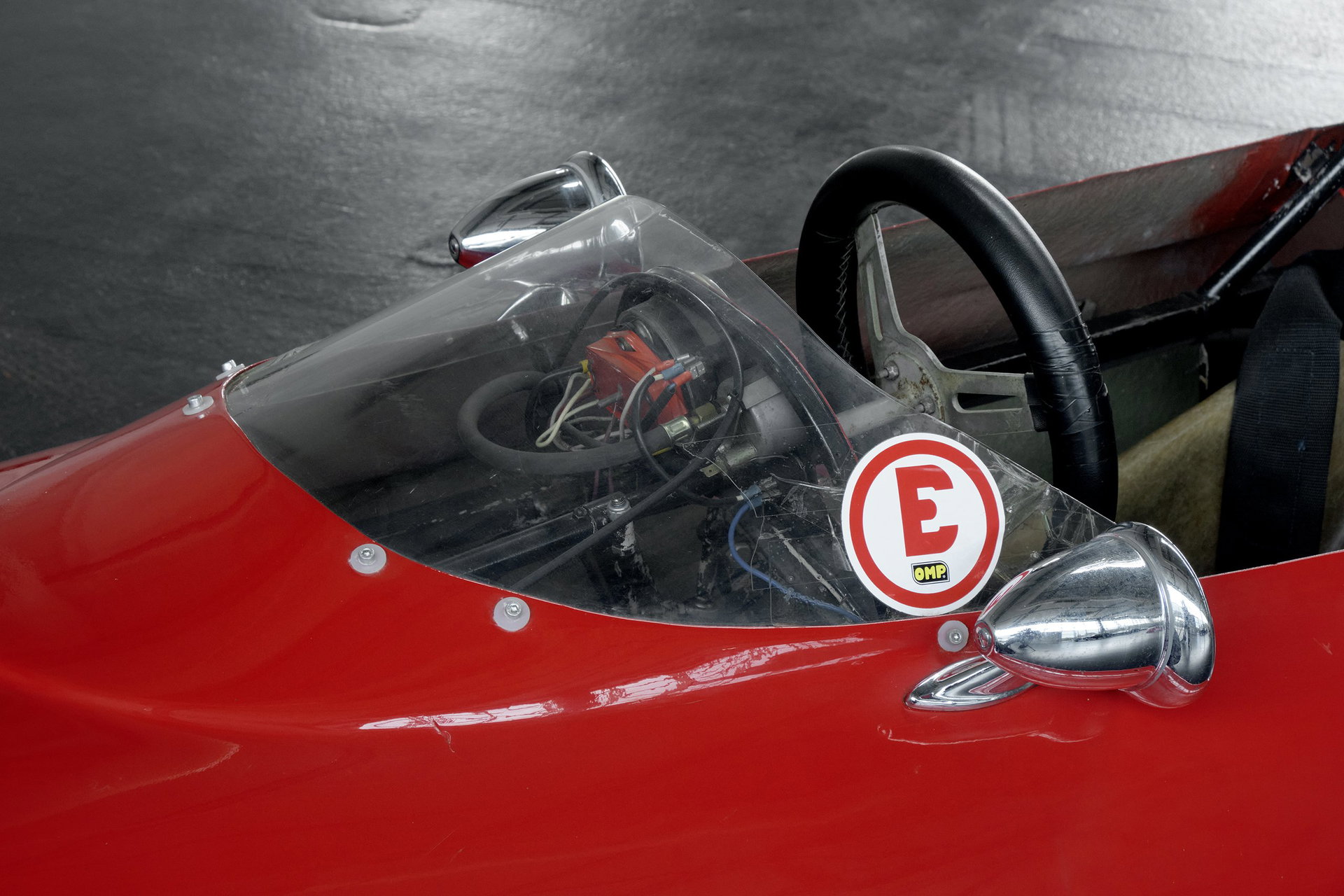
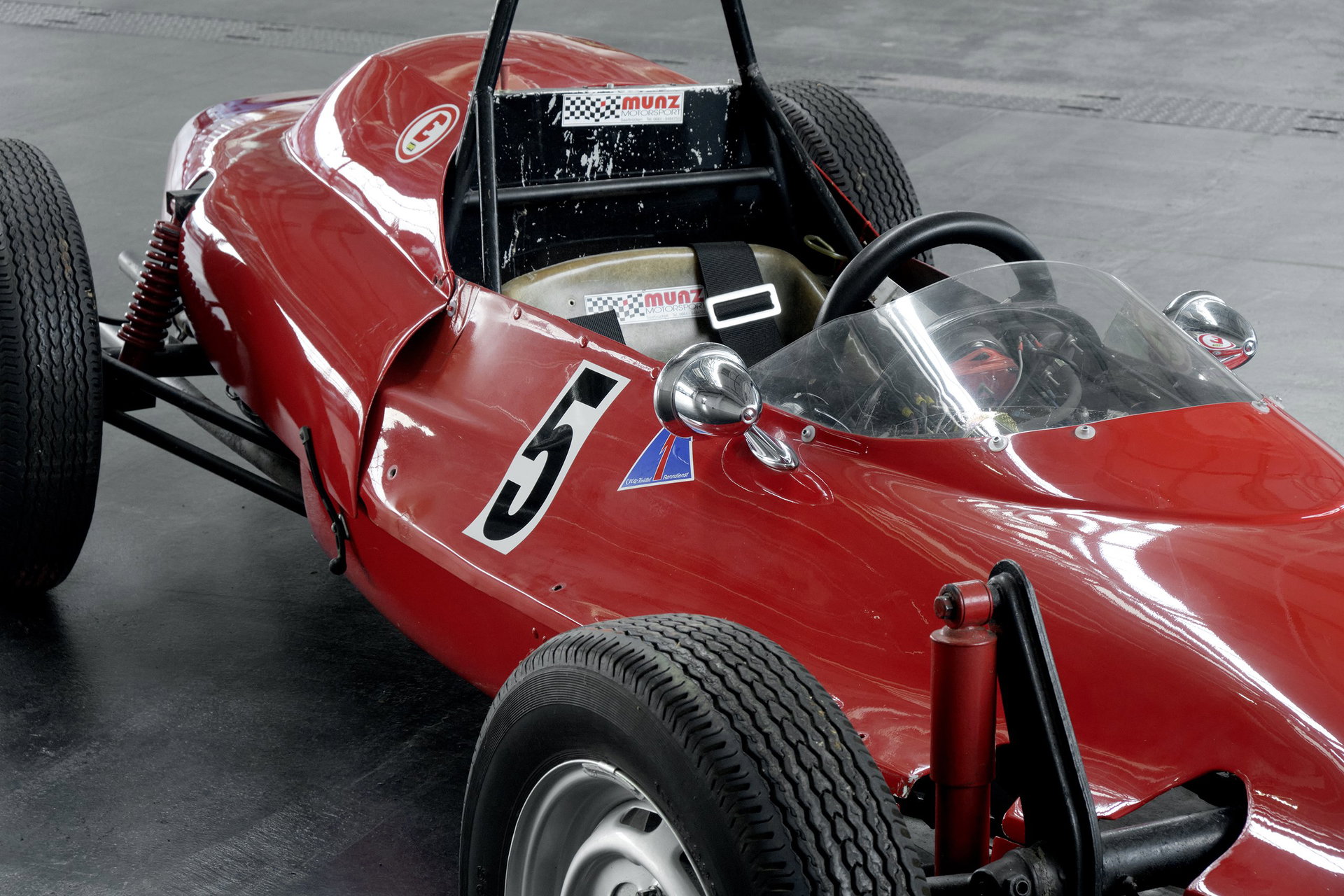
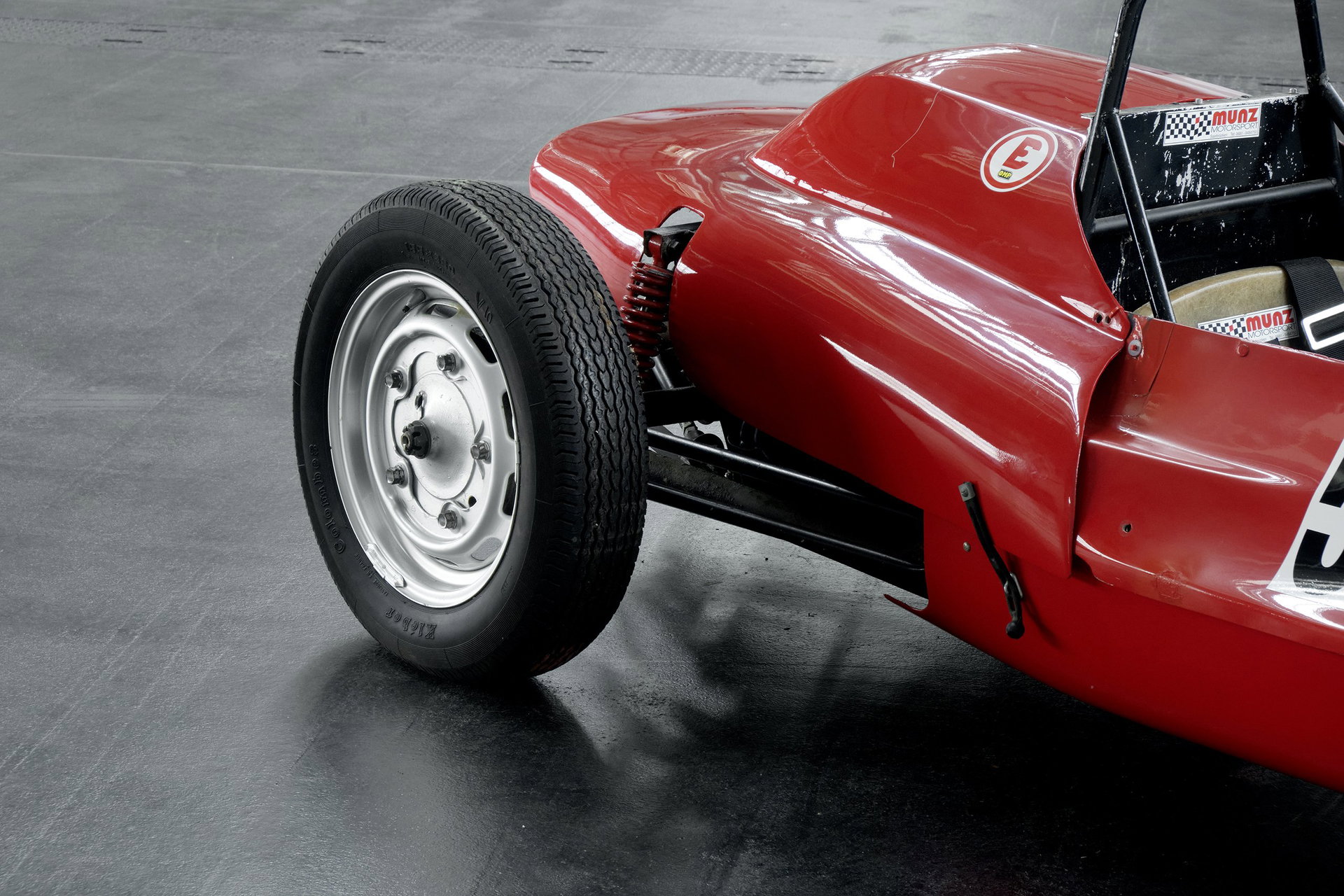
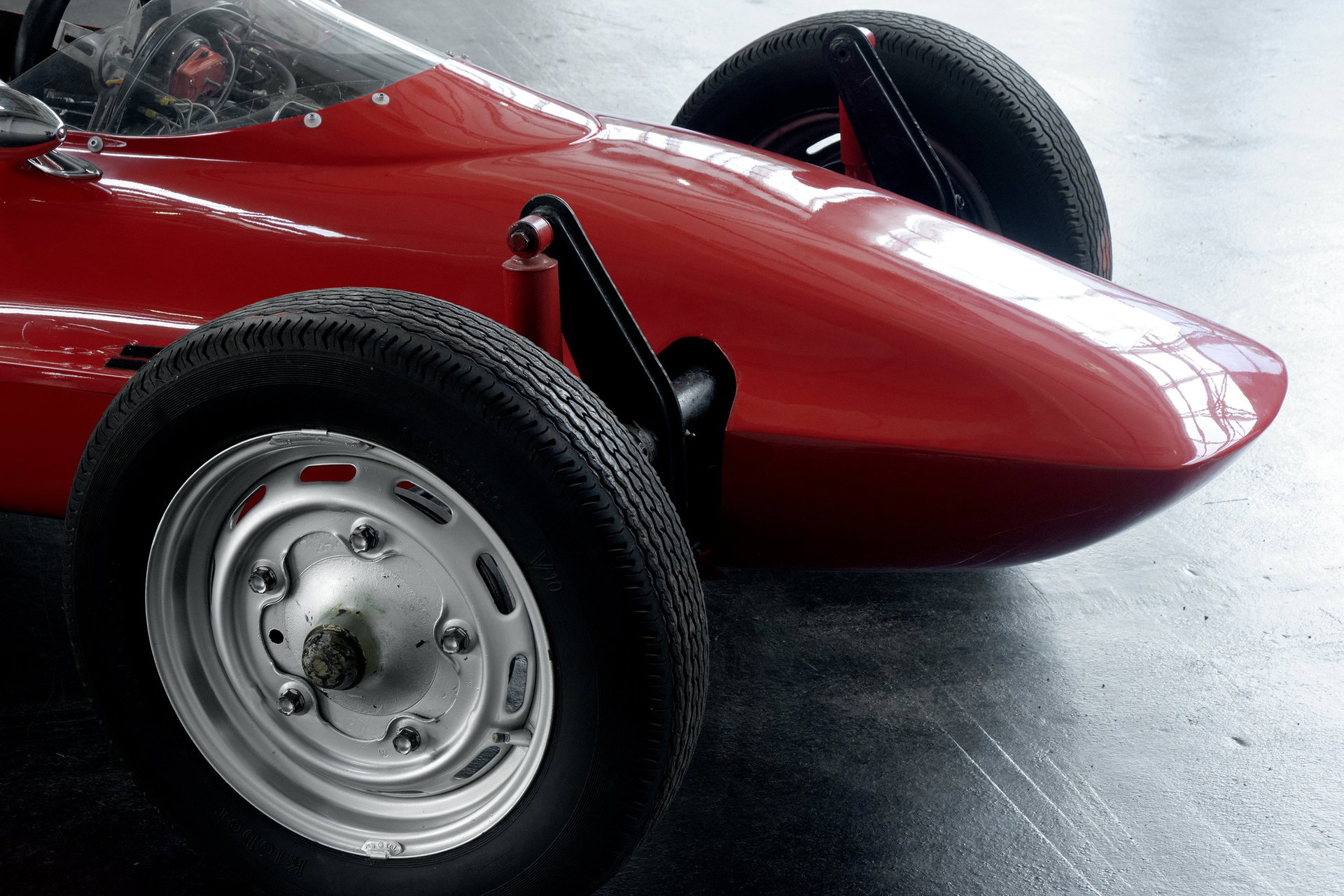
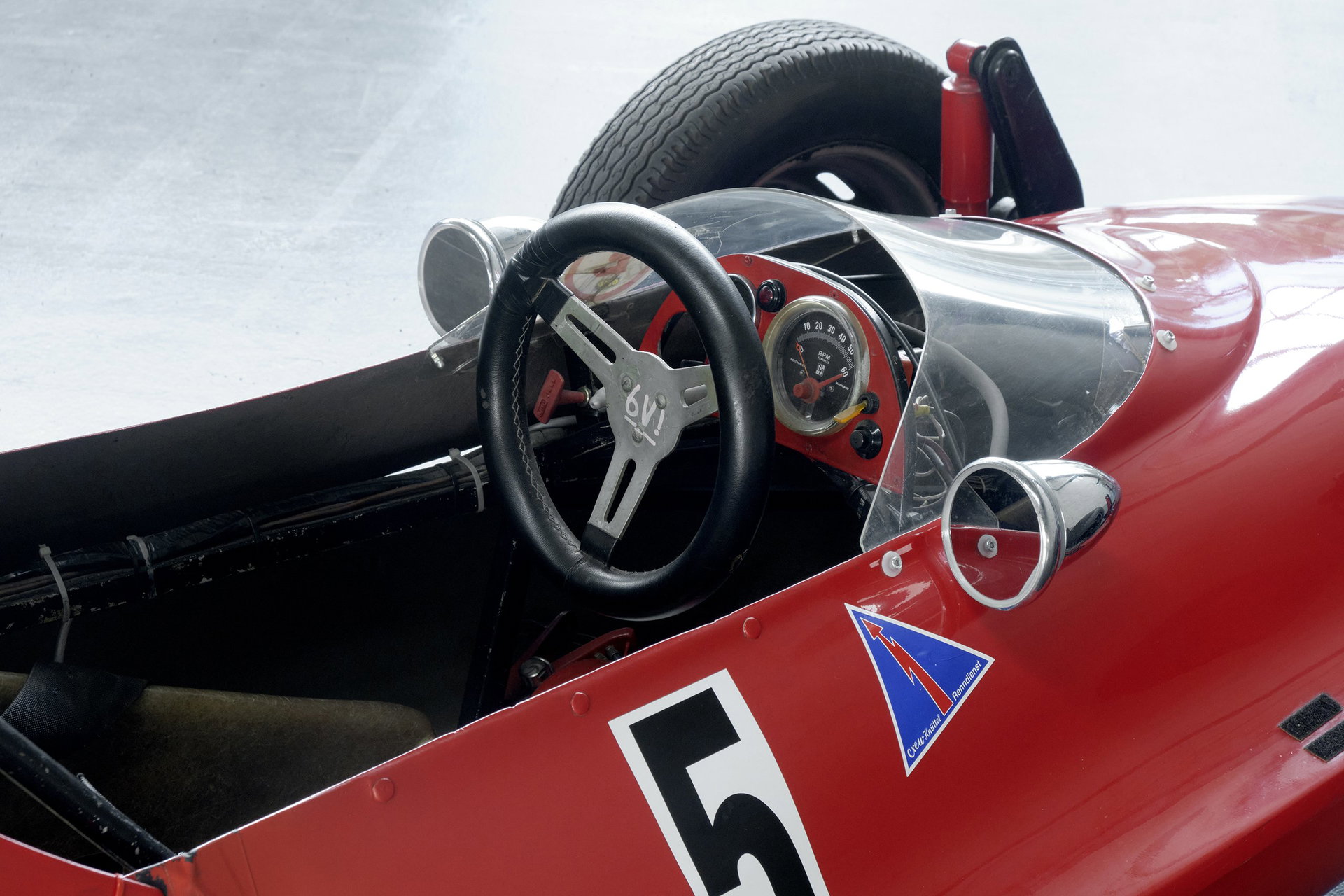
With it, Beach had developed the original recipe further. There was naturally little to be done about the mandatory Beetle mechanicals, so Gene Beach sought his advantages wherever Formula Vee allowed some freedom: in the frame, the weight and the aerodynamics. The Mk Vb received a further-developed tubular frame and a low body drawn tightly around its mechanicals and driver.
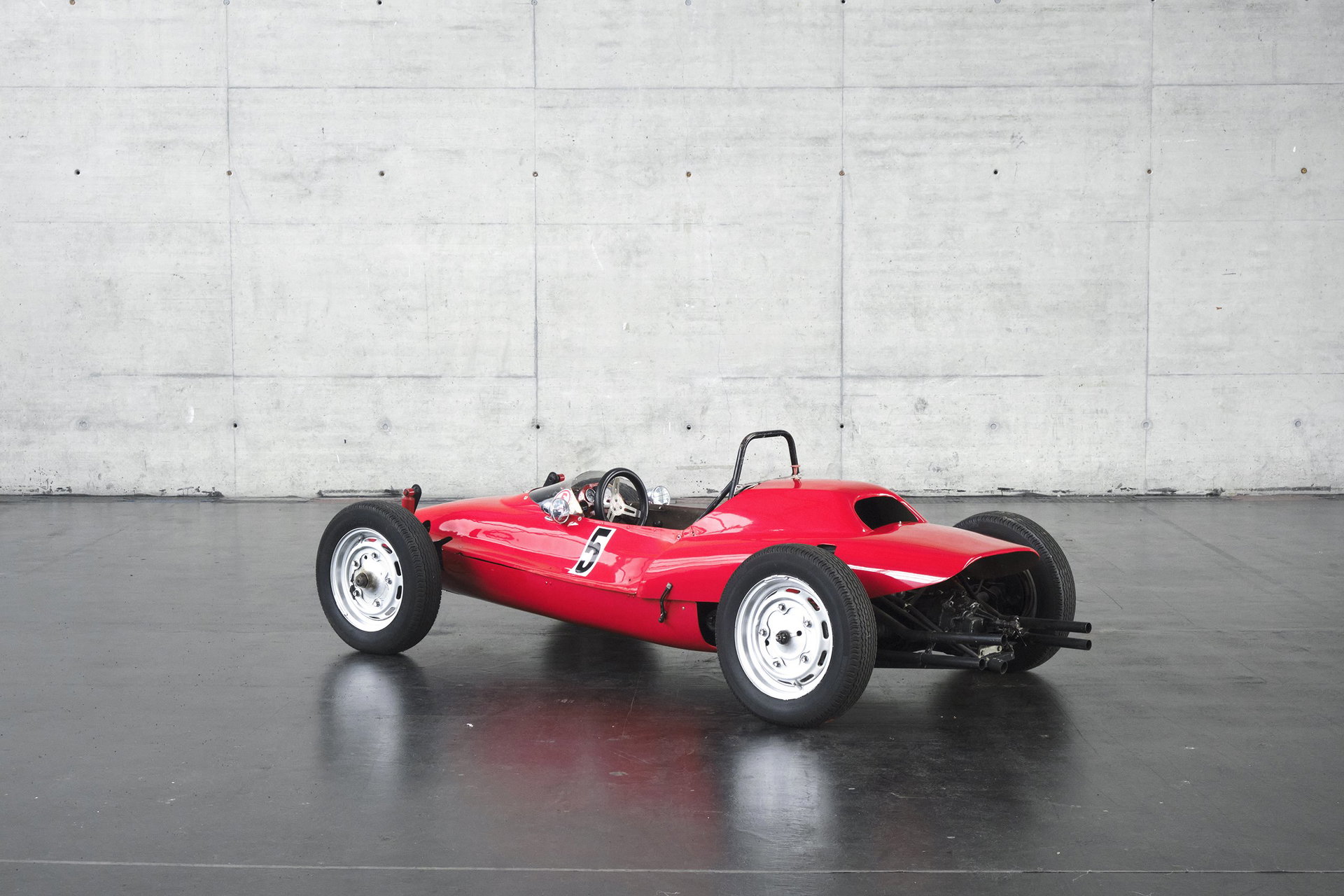
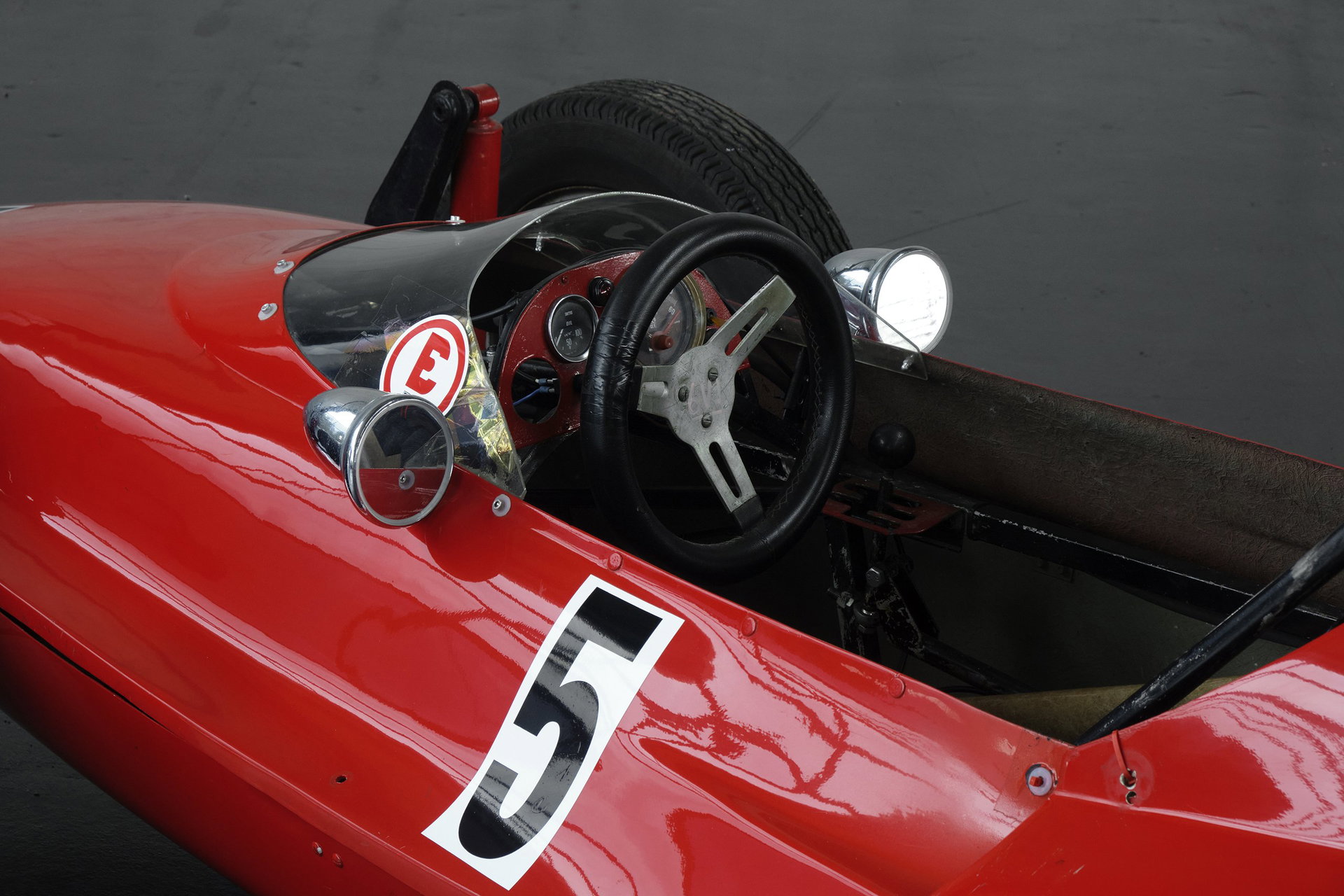
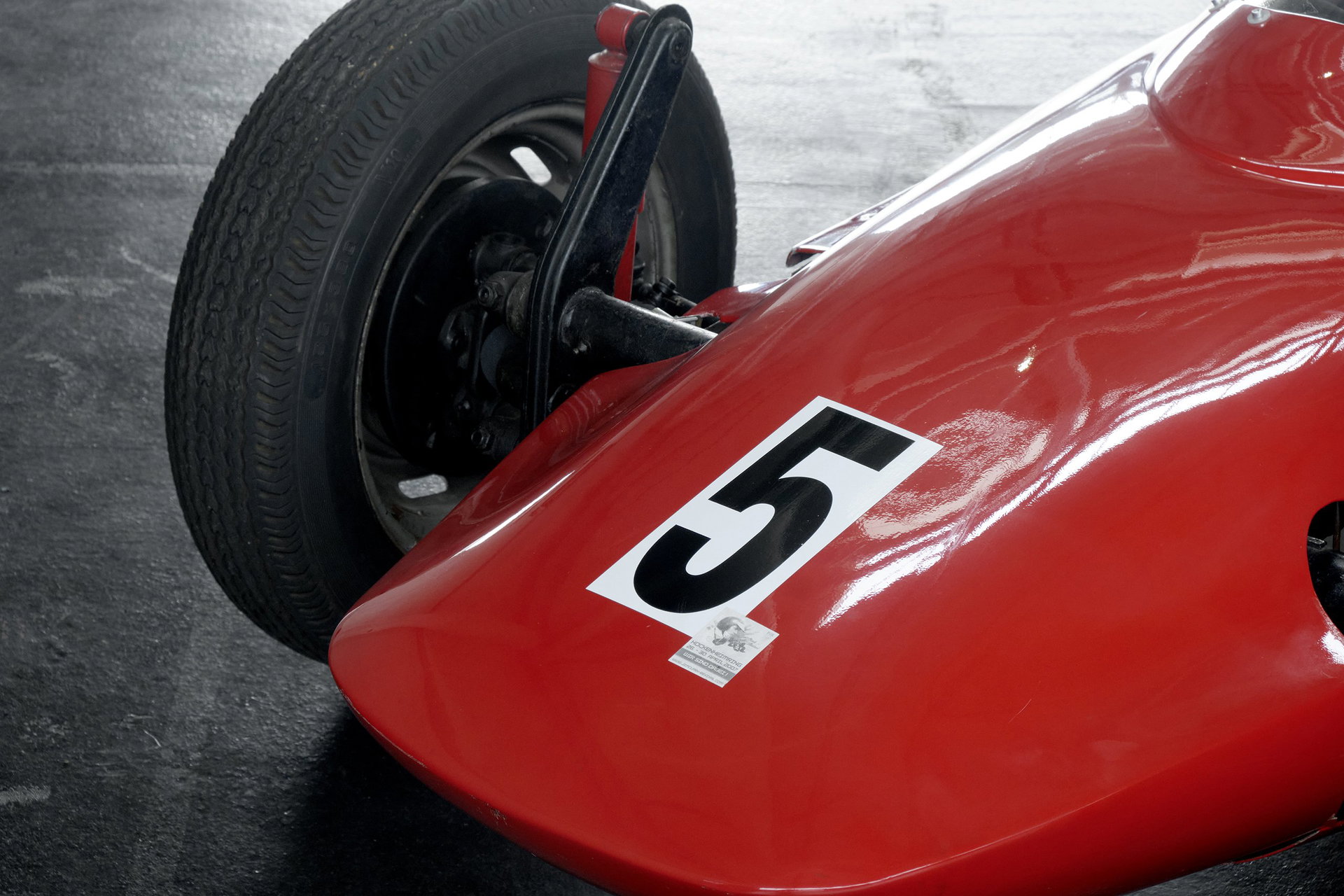
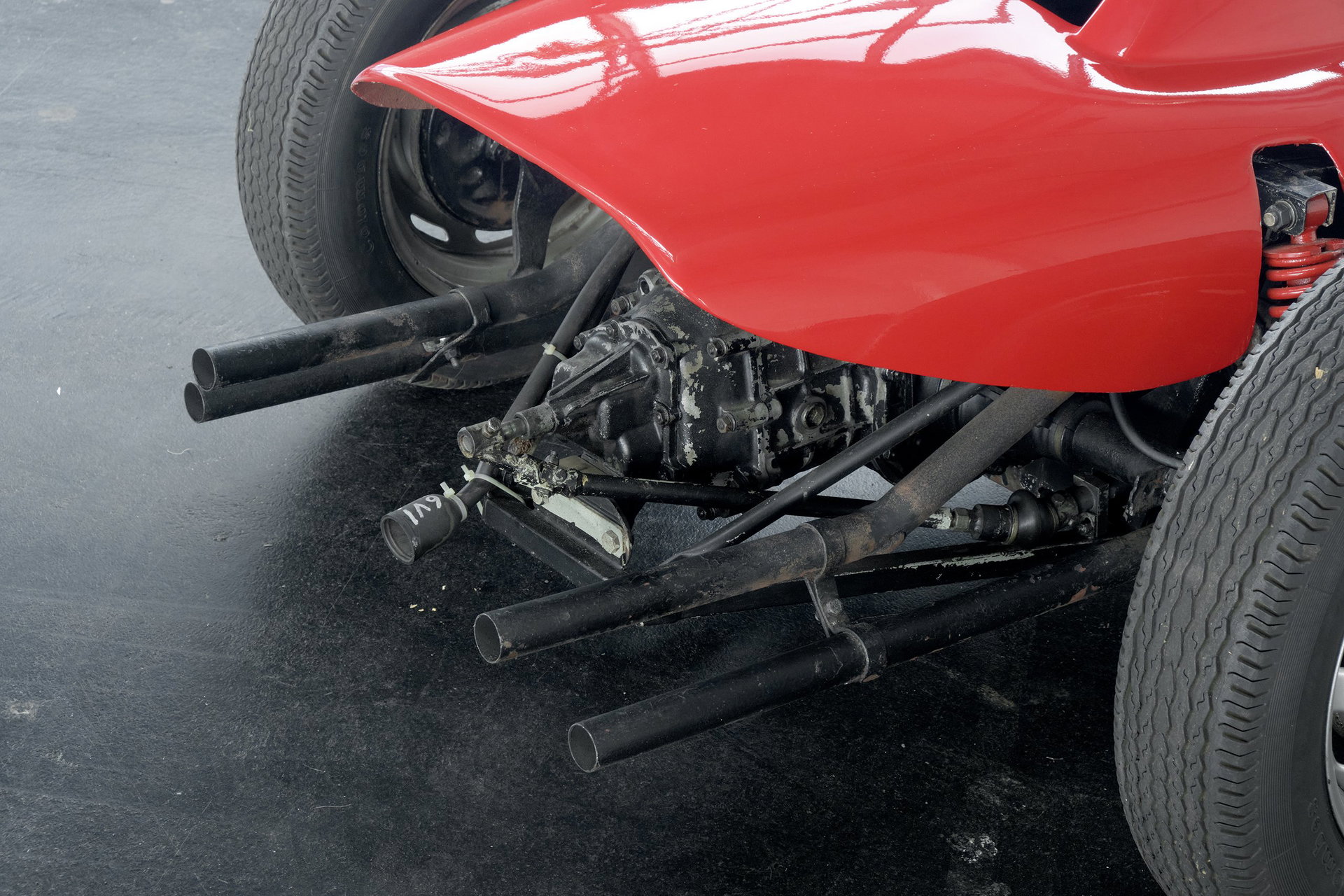
That the red racer has already lived a little is obvious at first glance. Its straightforward mechanicals should help ensure that it has plenty more living still to do. Its remarkably untouched appearance has a charm all its own. By the time one reaches the rear, the wonderfully eccentric exhaust is enough to raise a smile. You can almost hear it again just by looking at it. One thing is certain: quiet it most definitely is not.