1935 Austin Seven - Seven Ruby
1935 · Salzburg, Oostenrijk · via Classic Driver
Veiling sluit 18 oktober 2026, 01:59
Bekijk op Classic Driver → Open in de app
Gegevens
| Merk | Austin |
|---|---|
| Model | Seven Seven Ruby |
| Bouwjaar | 1935 |
| Stuur | Links |
| Locatie | Salzburg, Oostenrijk |
| Verkoper | Humer, Granner & Co GmbH (veiling) |
| Bron | Classic Driver |
| auction | https://www.classicdriver.com/en/auction/humer-granner-co-gmbh-classic-car-auction-17102026 |
| Op Oudjes.xyz sinds | 5 oktober 2026 |
| Laatst gezien | 8 oktober 2026, 18:15 |
Beschrijving
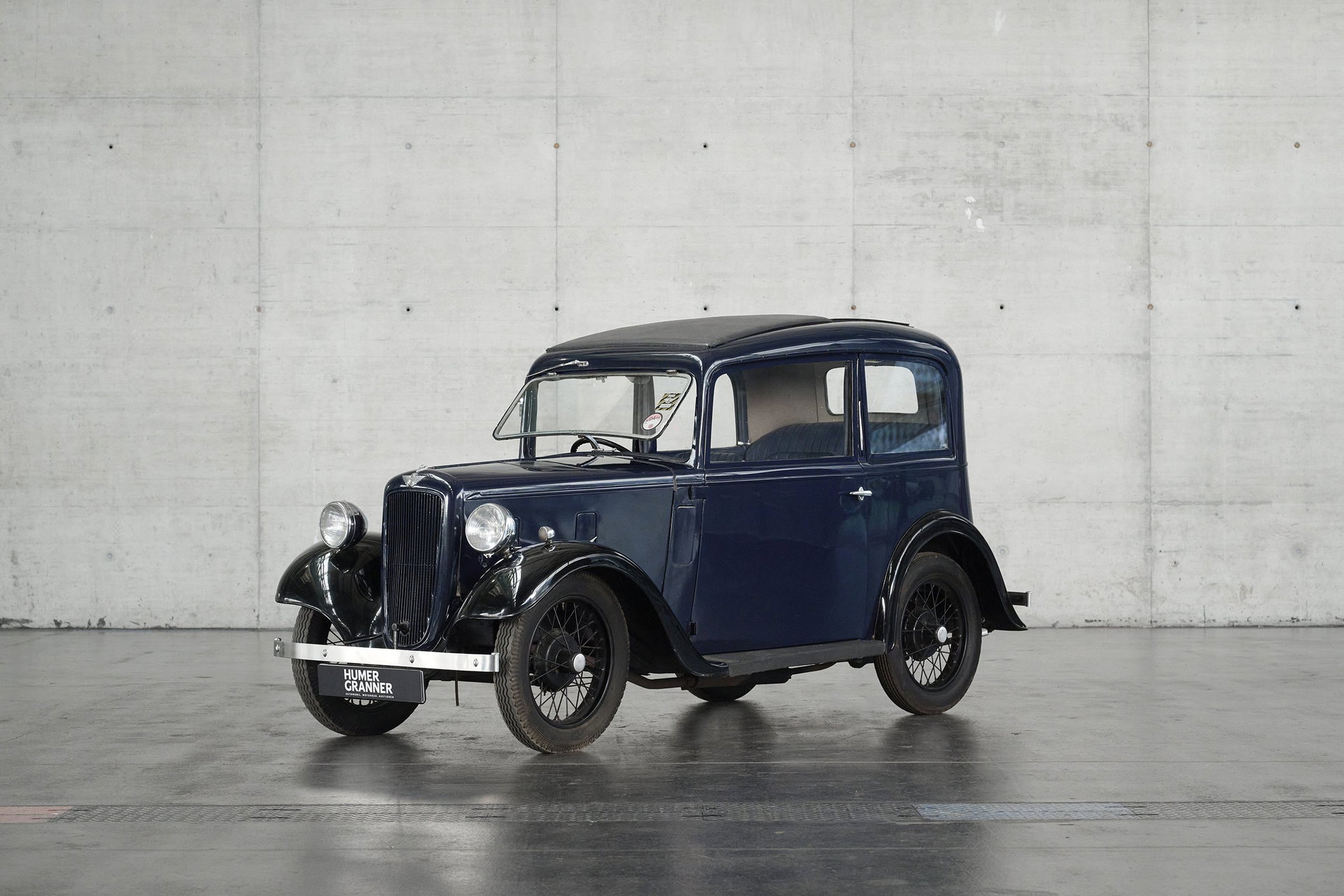
In the same family for more than half a century
A late-production example of England’s first mass-produced car
Extensively documented history
A little piece of motoring history
When Herbert Austin set about developing a truly small motor car in the early 1920s, his company was anything but financially healthy. The idea was correspondingly simple: a proper car that used little material, cost little to build and buy, yet still drove like a proper motor car. The Austin Seven appeared in 1922 – and went on to become one of the most important British cars of its time.
At just over three metres long and with a wheelbase of barely two metres, the Seven really was tiny. Its water-cooled four-cylinder engine initially displaced 696cc, soon increased to 747cc. There was not much power to be had from it, but with only around 400 kilograms to move, there was not much need for it either. What mattered was something else: the Seven offered four wheels, four cylinders and room for a small family at a price that brought motoring within reach of far more people.
Nor did it remain merely a worthy little everyday car. The Seven provided the basis for vans, sporting specials and some remarkably successful racing cars. Even BMW began its career as a motor manufacturer with a licensed version of the Seven, the Dixi 3/15.
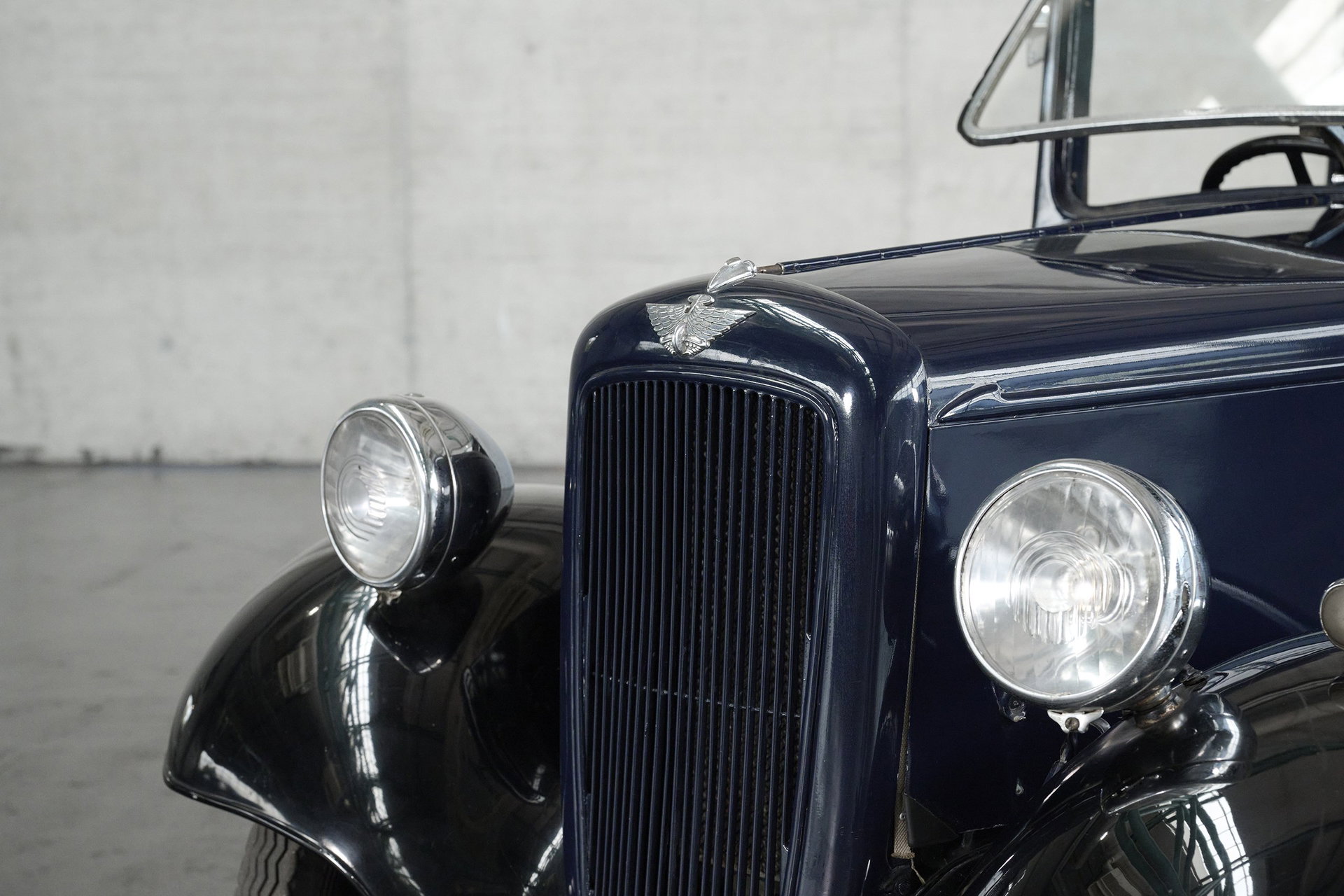
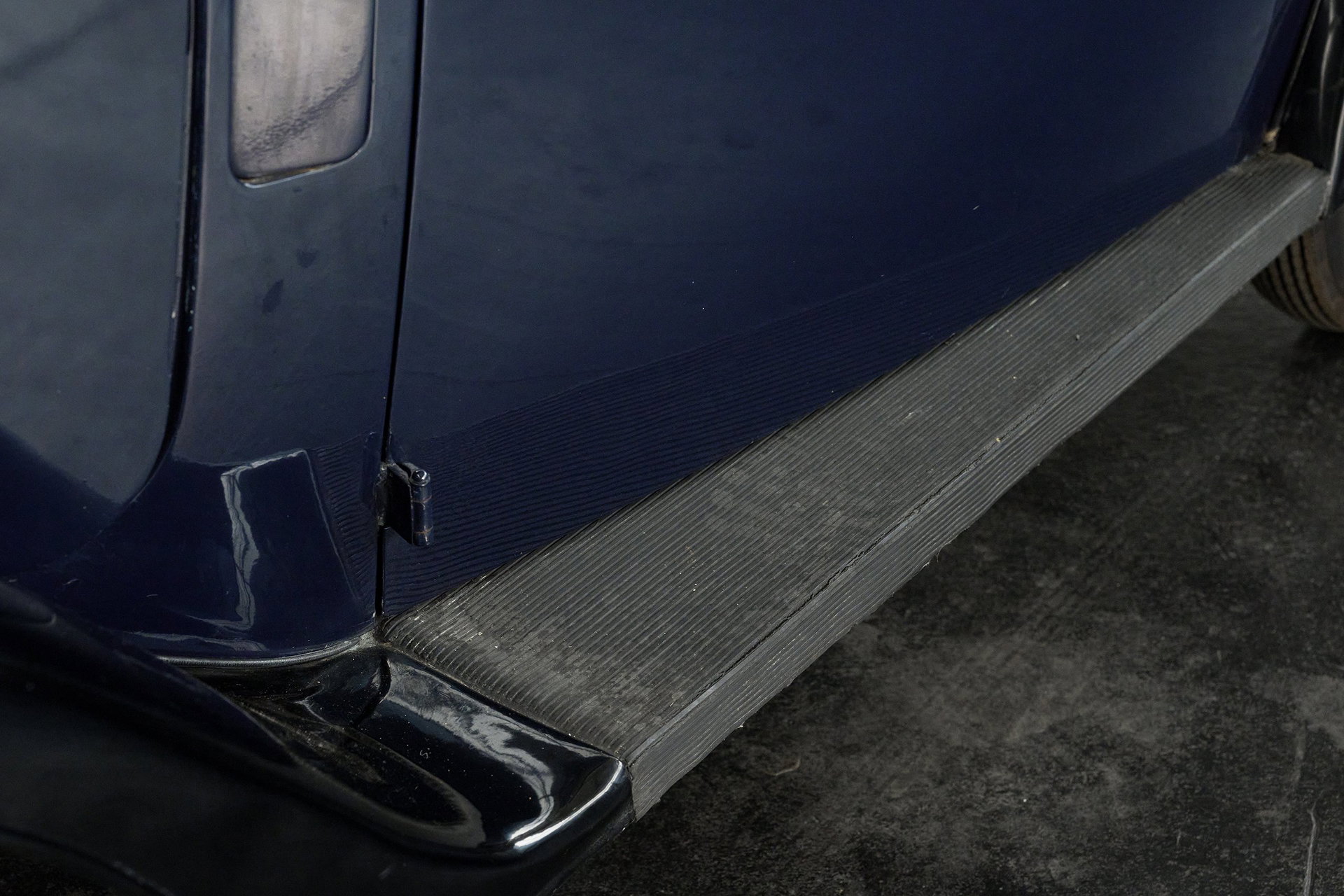
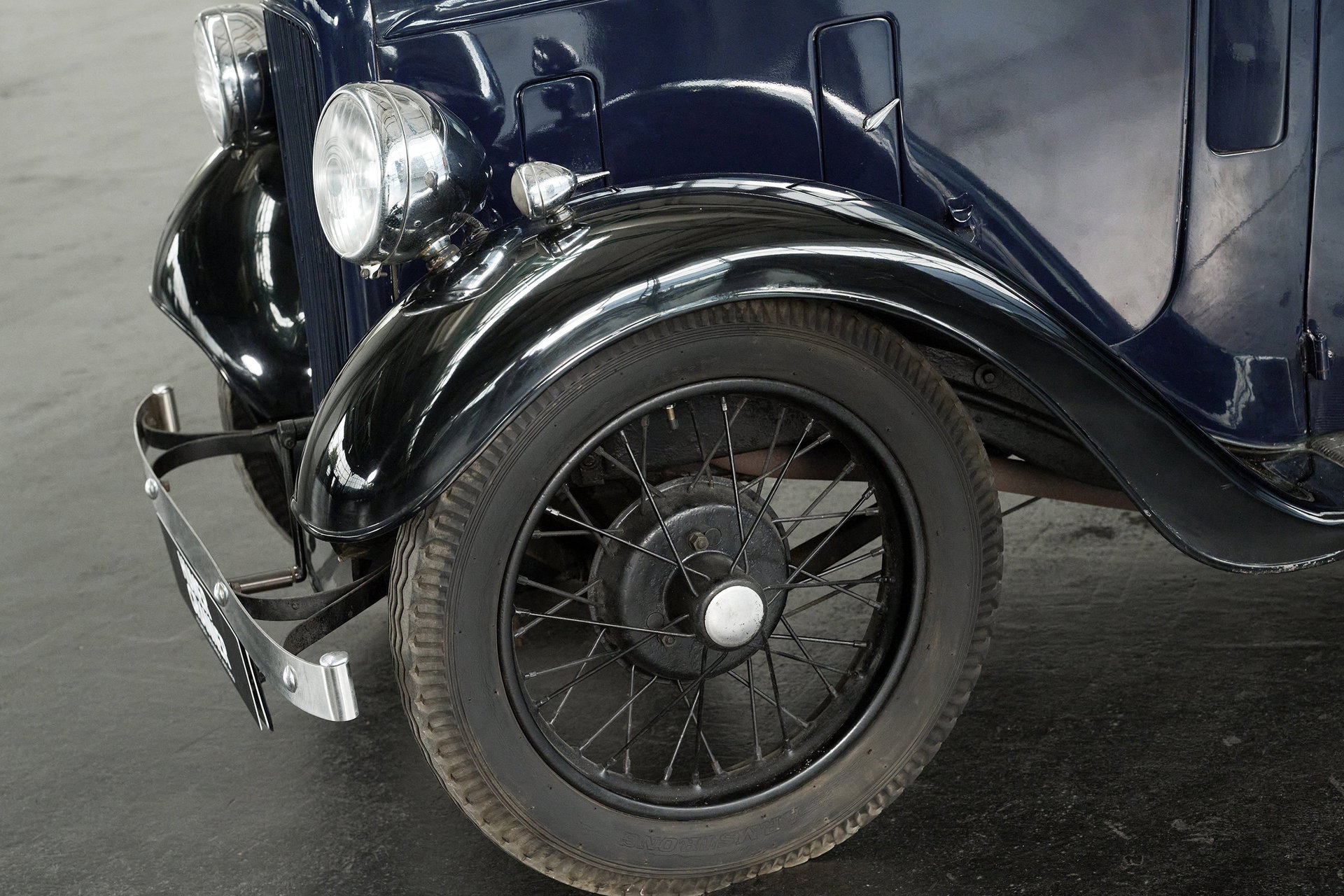
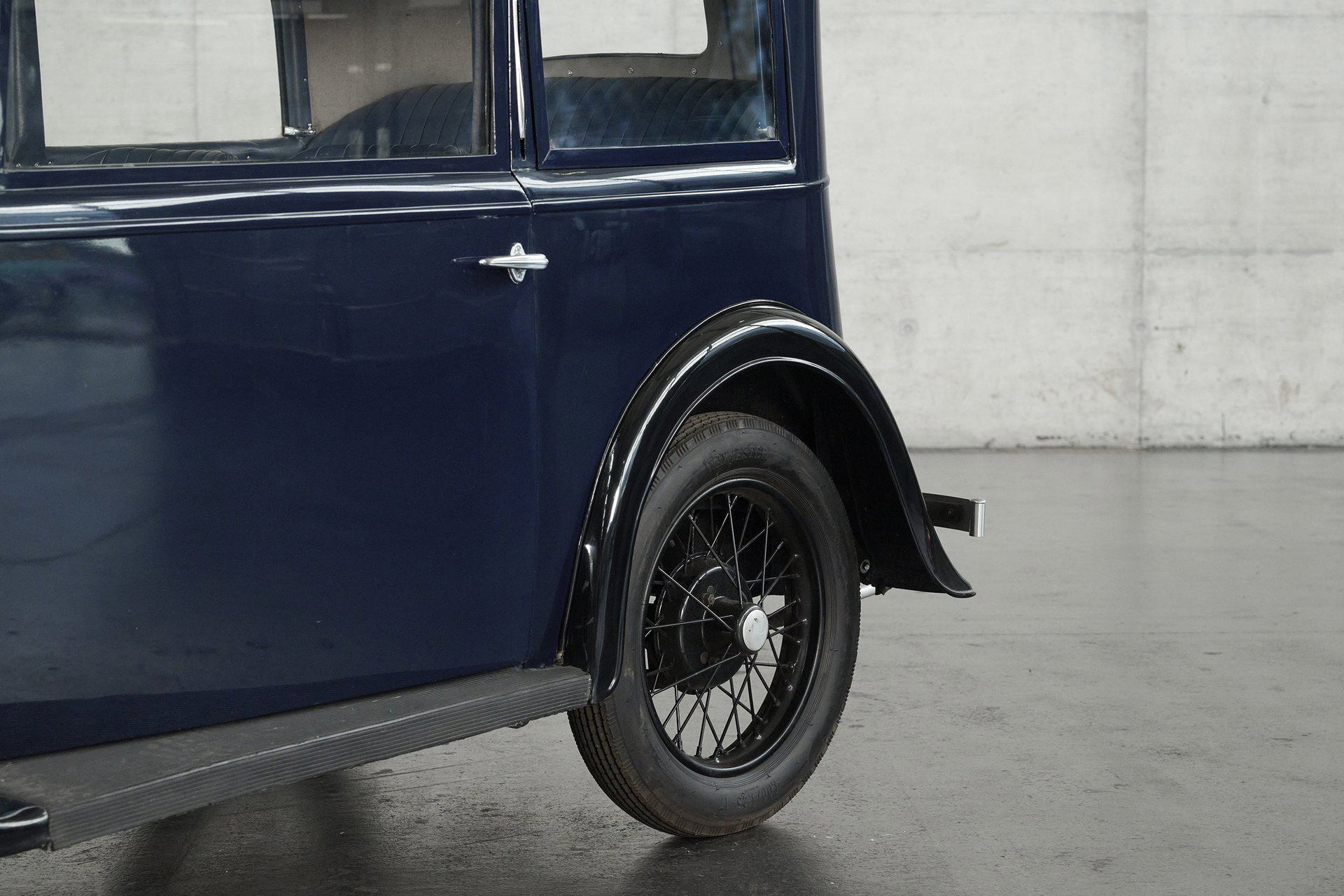
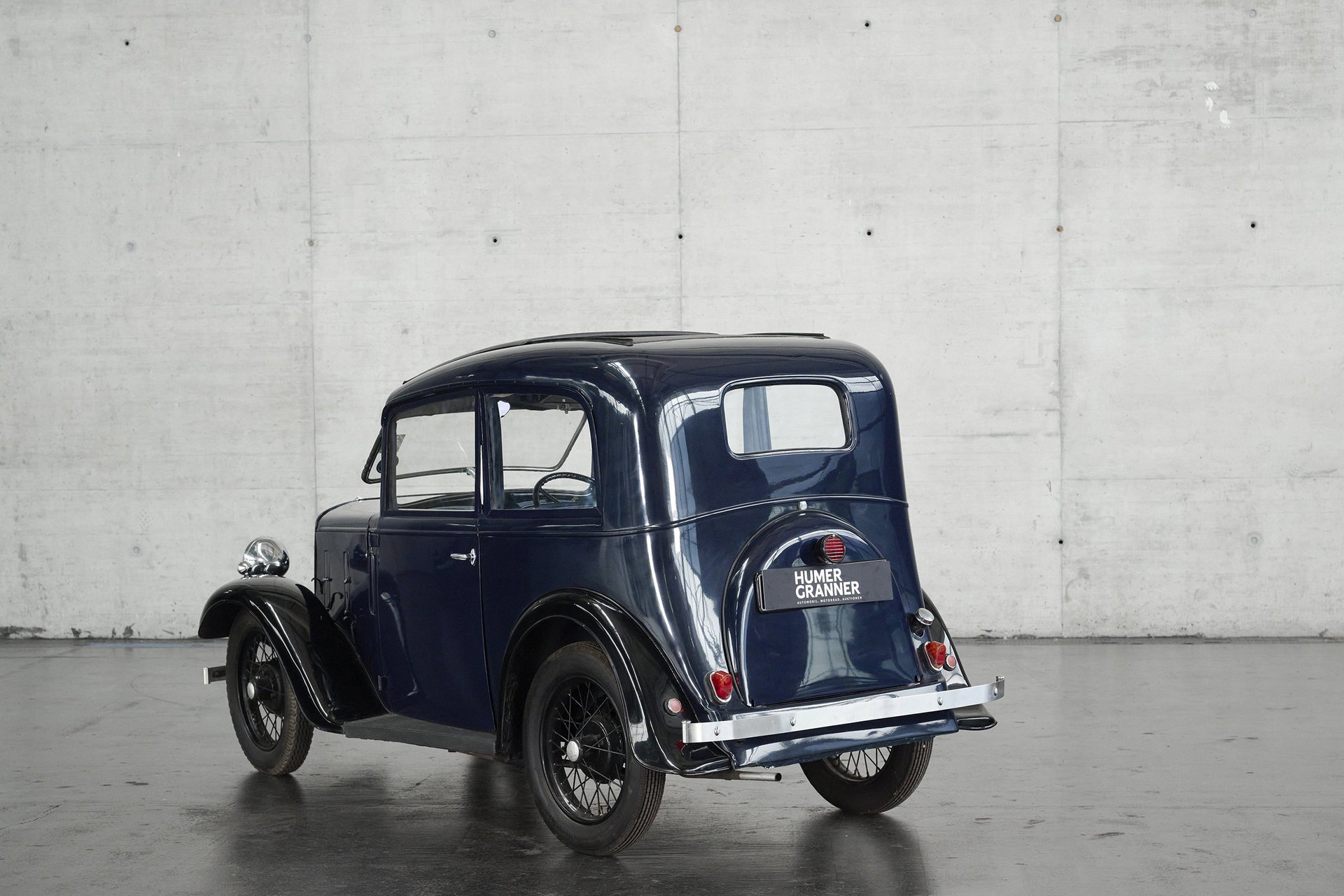
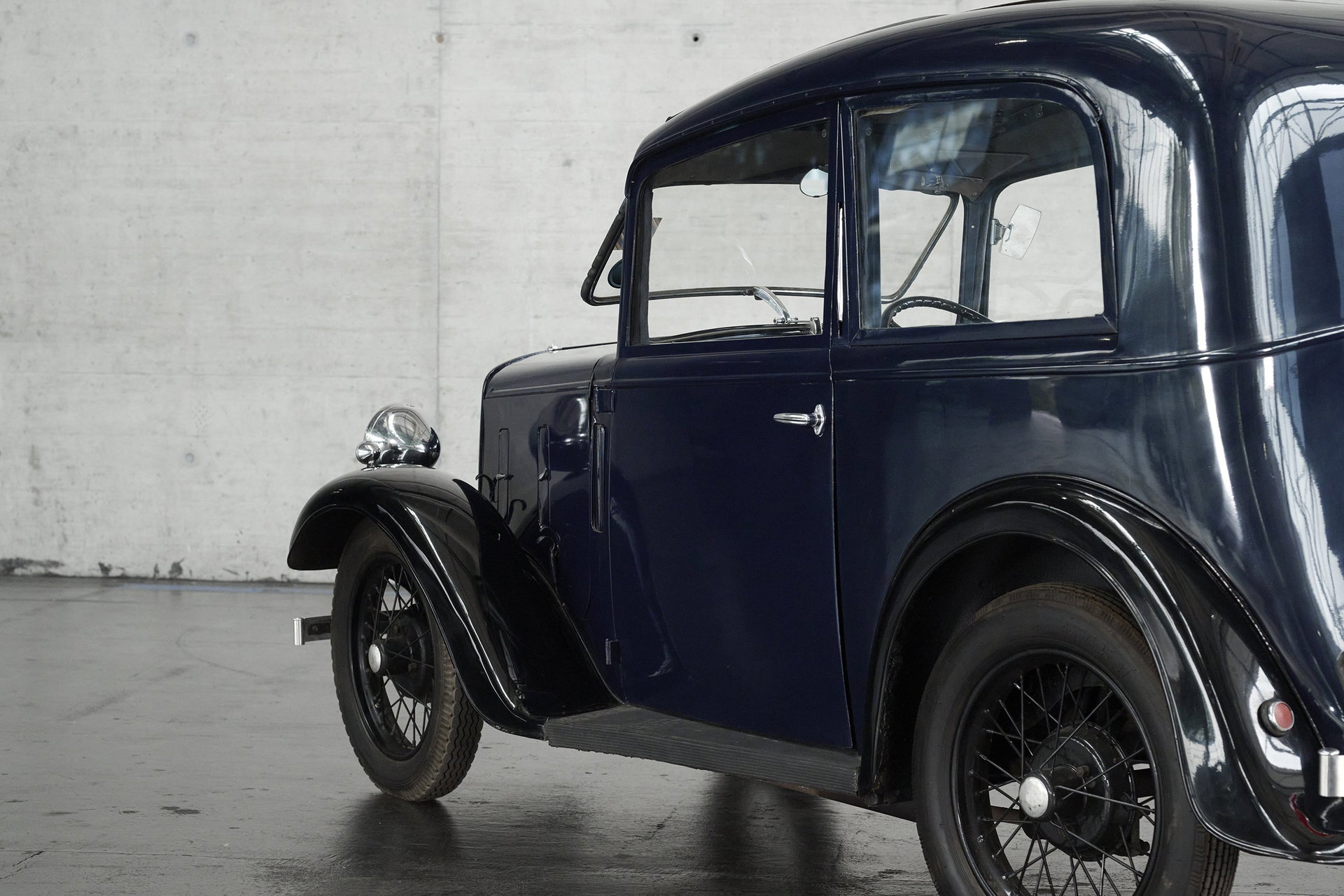
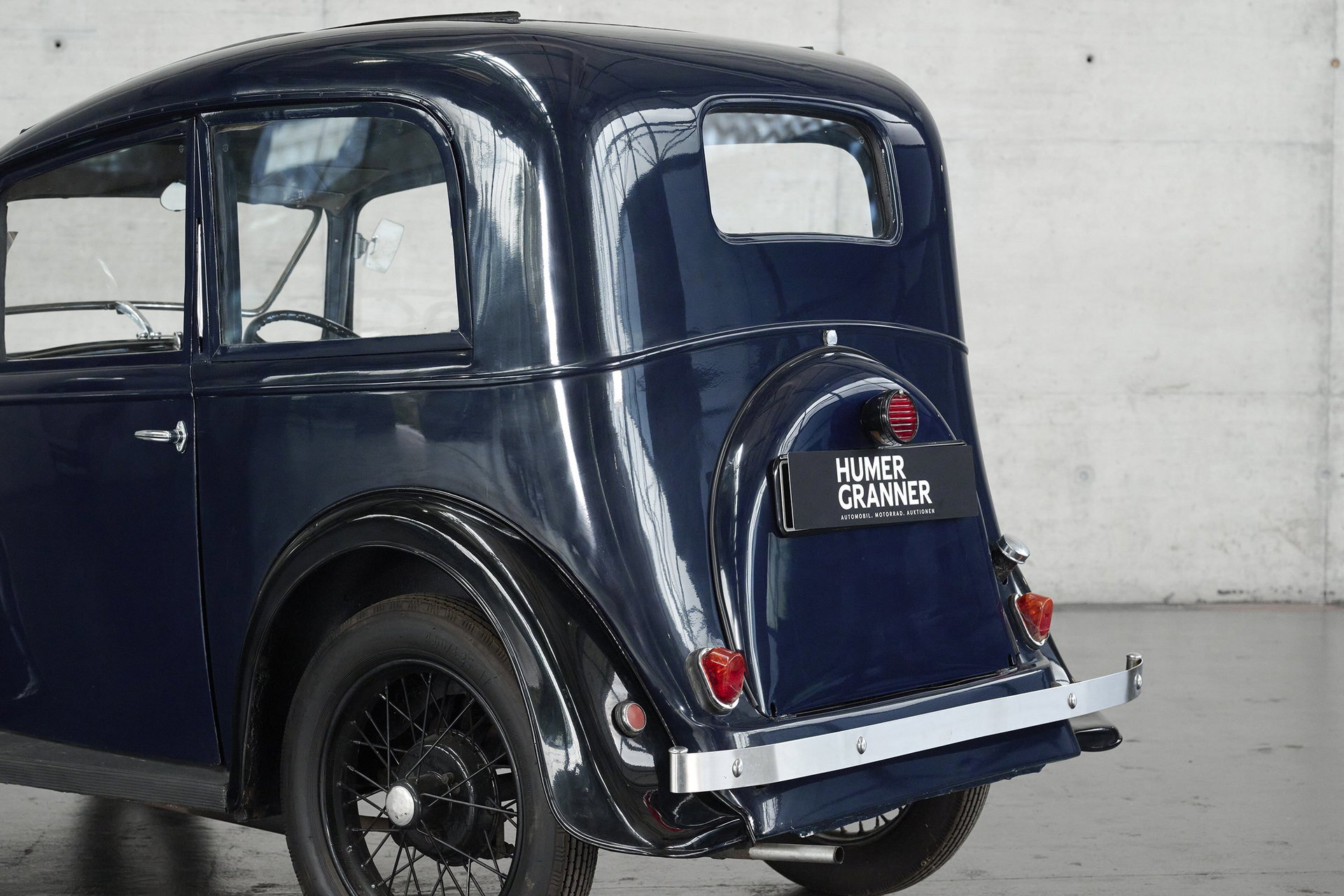
By 1935, the Seven had long since grown up. Different body styles, four-wheel brakes and a synchromesh gearbox had made the little Austin more civilised and modern without tampering with the basic recipe. It remained small, simple and economical. Above all, it proved that an important motor car did not necessarily have to be a large one.
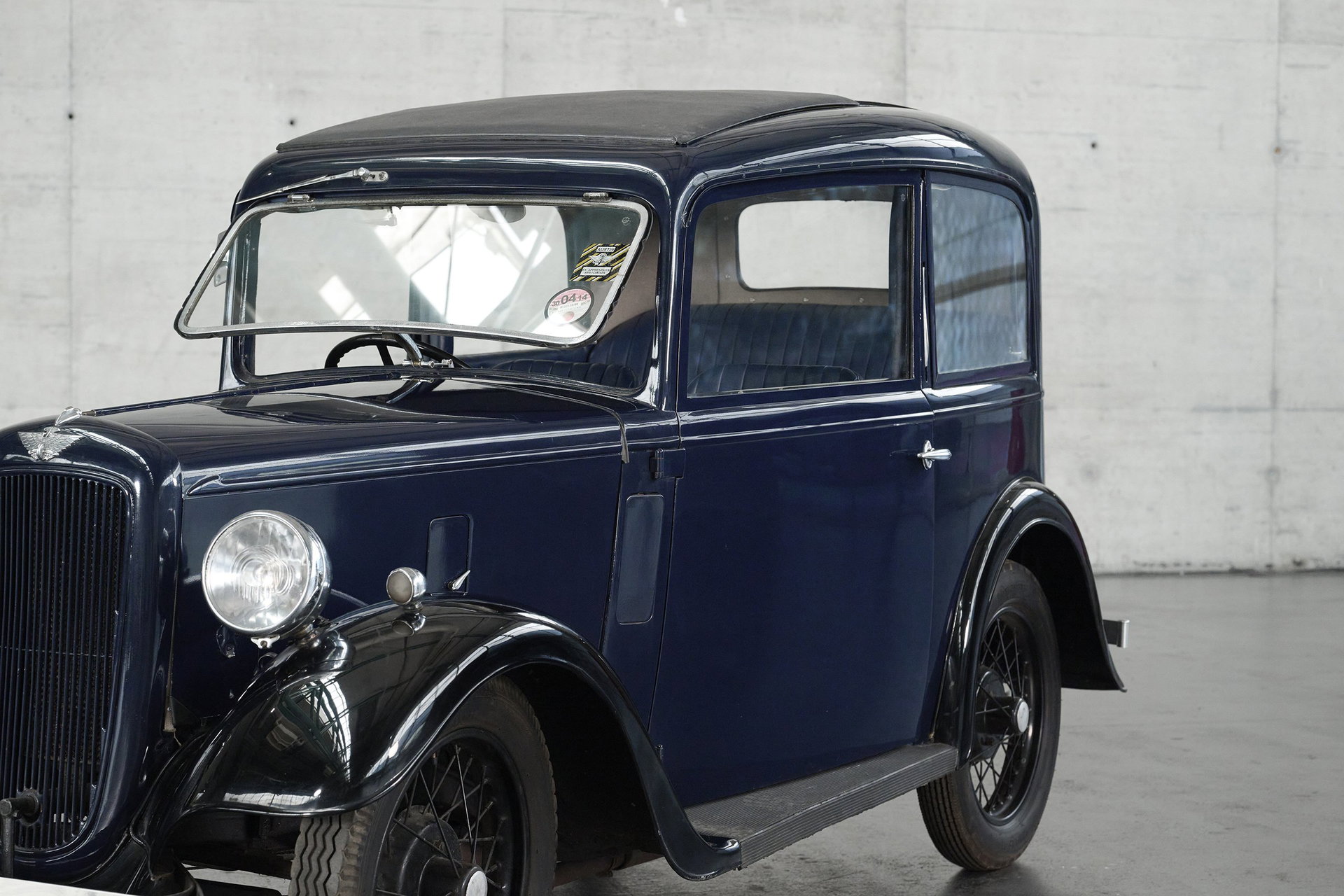
The history of this Seven Saloon can be traced right back to its first day on the road. On 5 April 1935 it was registered to Nesta Mary Roberts, a nurse in the north of England. Over the following years, the little Austin accompanied her from one hospital to the next, moving home with her several times until 1941. It remained with the Roberts family considerably longer still: only in 1986, after more than half a century in the family, did the Seven pass to a new owner. A handful of custodians later, its journey eventually brought it to Austria in 2013.
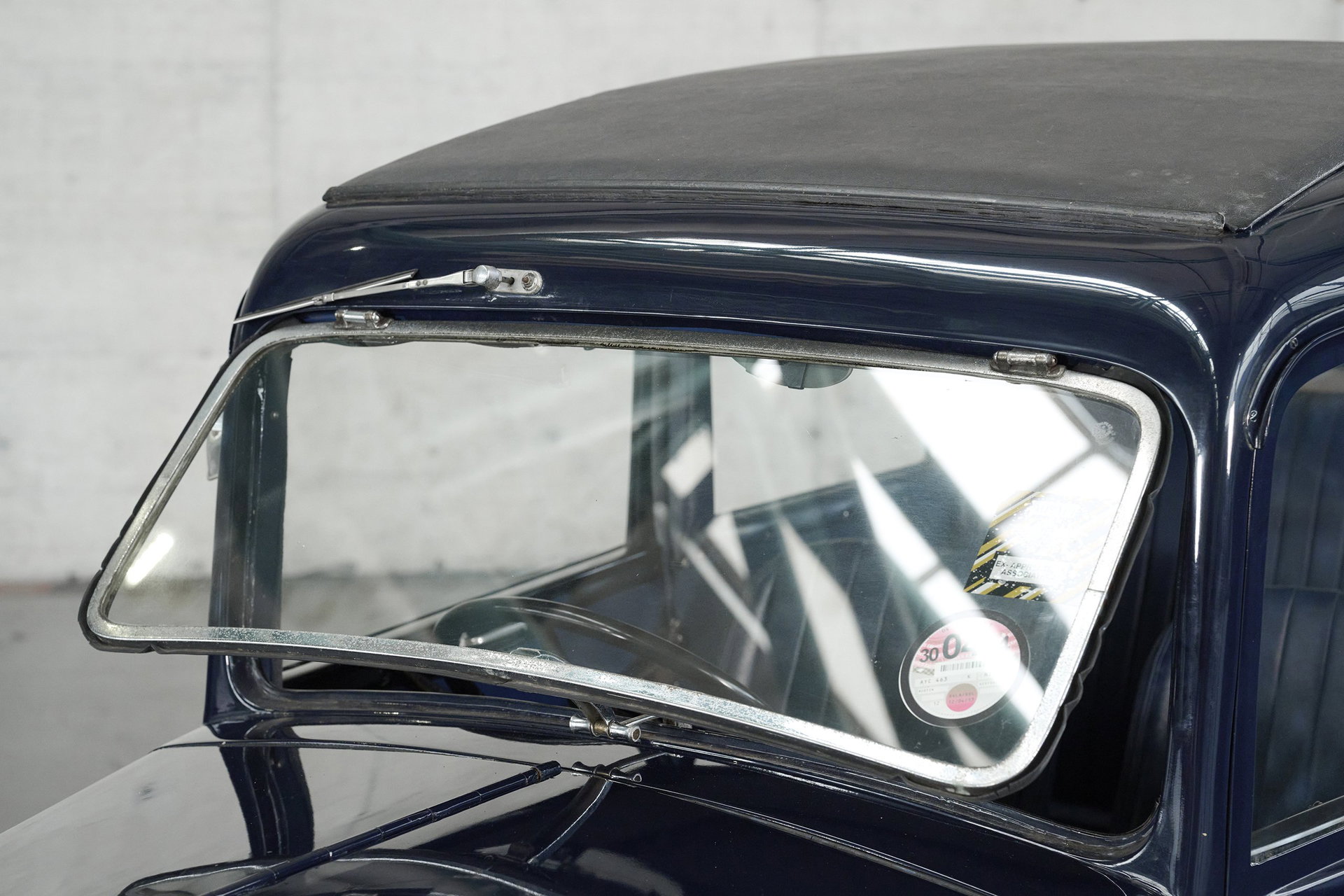
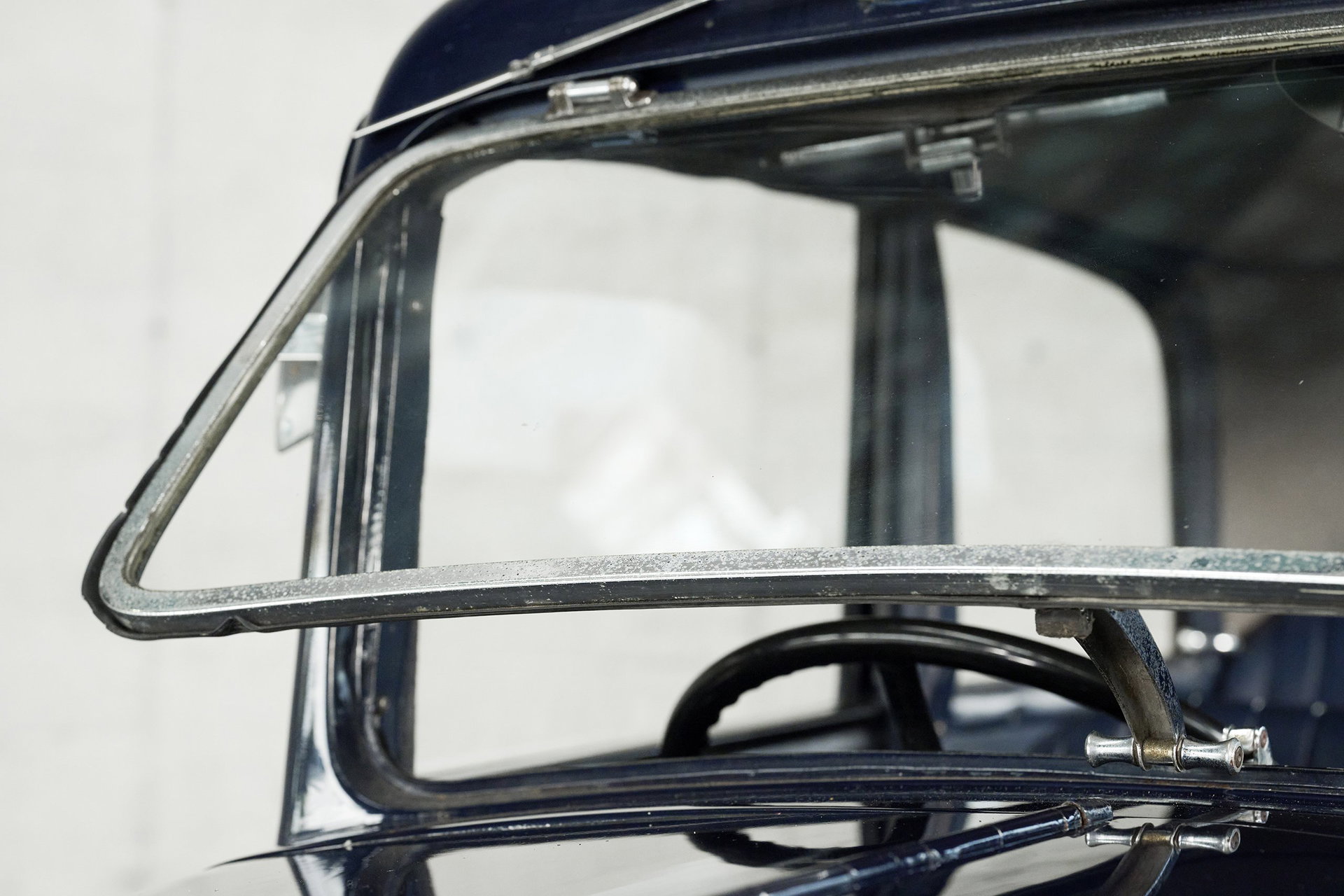
Since then, the little saloon has spent rather more time resting than motoring, so a few knowledgeable hands should be all that is needed to put a spring back in its step before it returns to the road. Long since regarded as part of Britain’s motoring heritage, this Ruby also shows why the Austin Seven has earned its permanent place in the annals of motoring history. Apparently, it did not take much car to do so.
Vergelijkbare oudjes
 1935 Austin SevenPrijs op aanvraag1935 · 20.500 km · Porto, Portugal · Car & Classic
 1935 Austin 7£ 5.450 (≈ € 6.435)1935 · Hindhead, Surrey, Verenigd Koninkrijk · Car & Classic
 1935 Austin 7Prijs op aanvraag1935 · 1.155.334 km · Whitburn, Tyne and Wear, Verenigd Koninkrijk · Car & Classic
 1935 Austin 7 Ruby£ 4.950 (≈ € 5.844)1935 · 16.093 km · Petworth, West Sussex, Verenigd Koninkrijk · Car & Classic
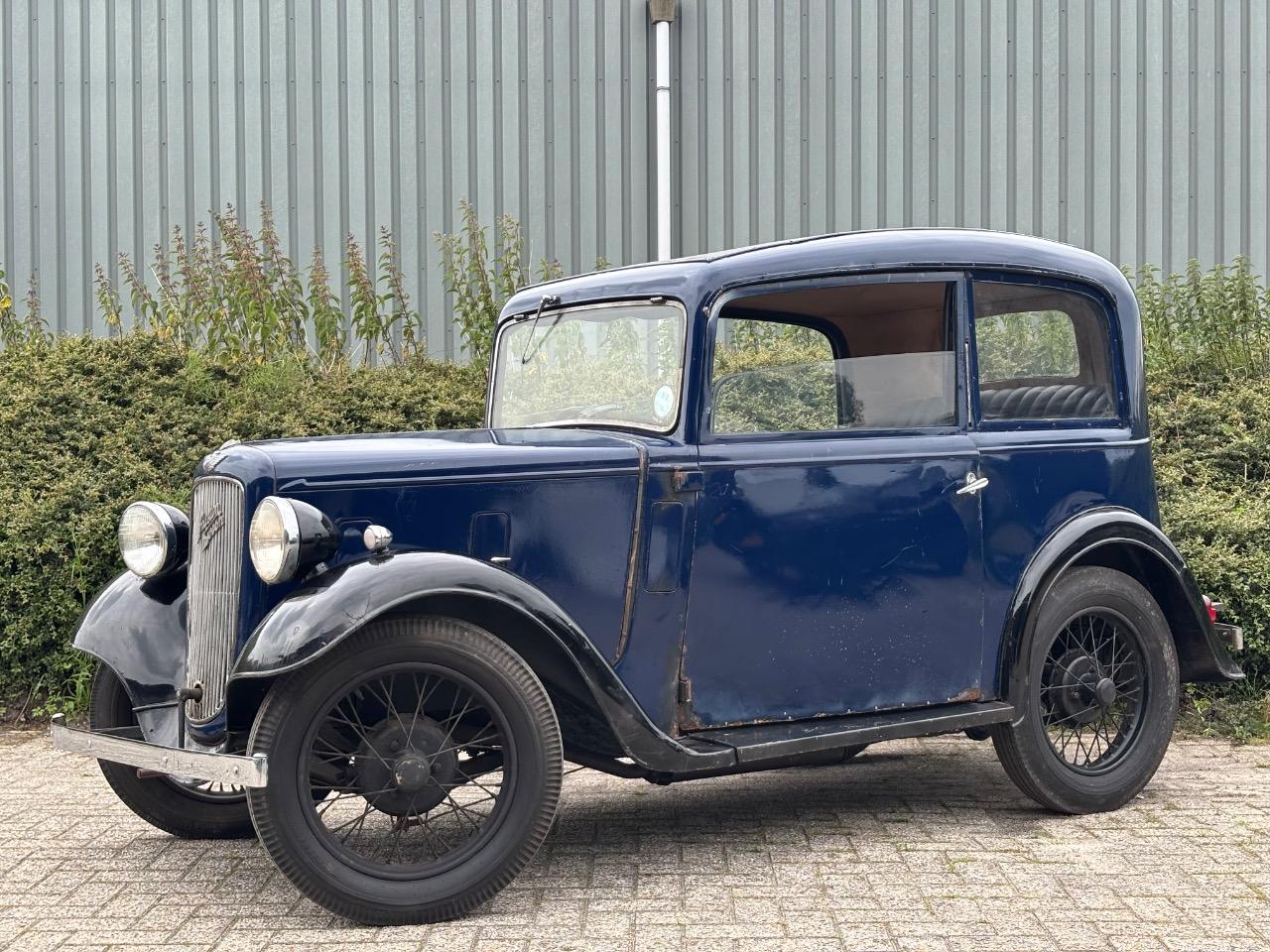 1935 Austin 7€ 4.9501935 · 30.143 km · Sappemeer, Midden-Groningen, Nederland · LesAnciennes
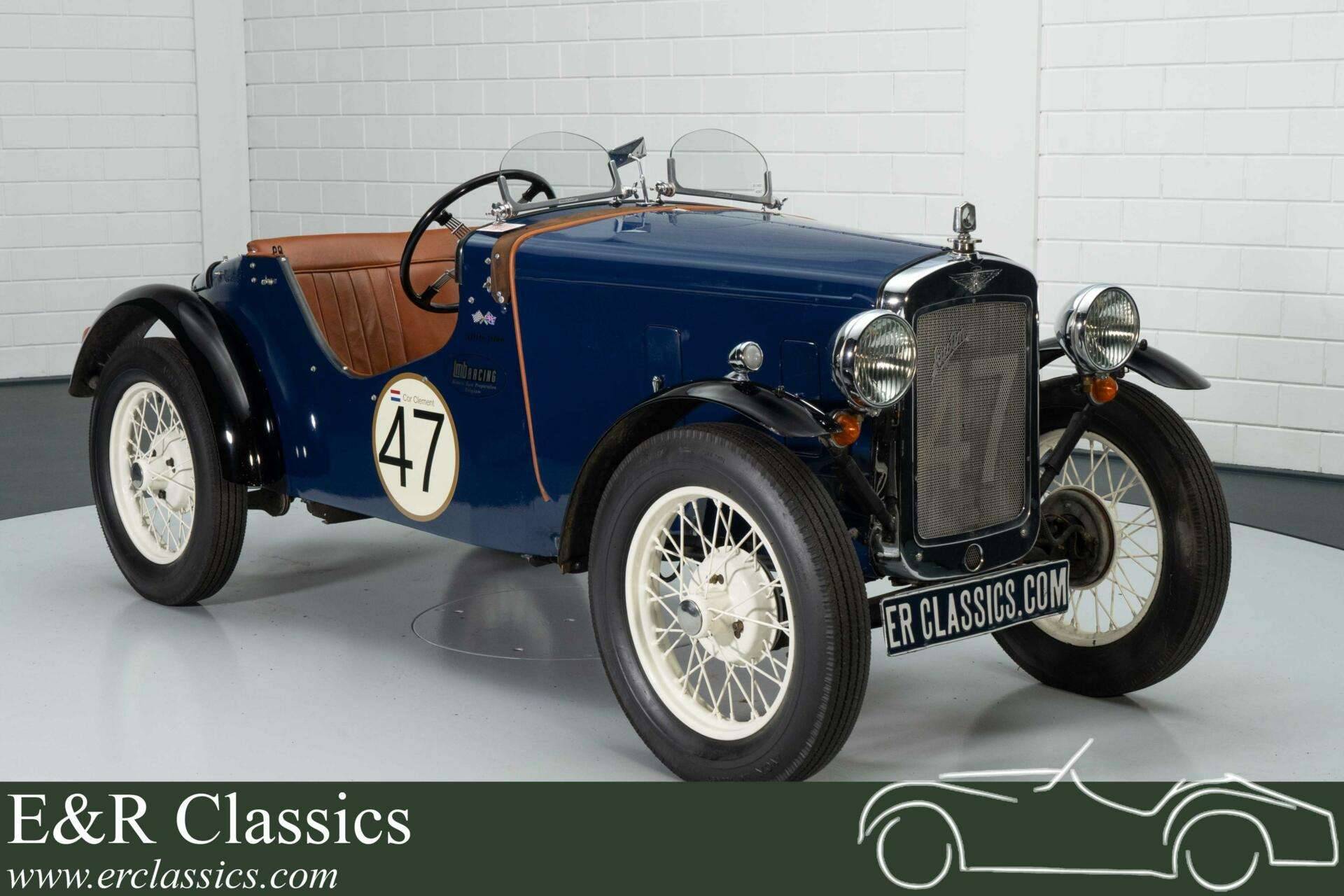 1936 Austin 7 Nippy€ 49.9501936 · 994 km · Waalwijk, Nederland · Classic Trader
 Austin Seven€ 15.0001936 · 2 km · Lahore, Verenigd Koninkrijk · Car & Classic
 1936 Austin Seven "nippy"€ 22.5001936 · 23.657 km · Praha 515, Tsjechië · Car & Classic
Wat doet een Austin Seven op de markt? Bekijk de marktwaarde →