1960 Vespa 400 400cc
1960 · 100 km · Spanje · via Dyler
Bekijk op Dyler → Open in de app


Gegevens
| Bouwjaar | 1960 |
|---|---|
| Kilometerstand | 100 km |
| Transmissie | Handgeschakeld |
| Brandstof | Benzine |
| Carrosserie | Overig |
| Kleur | Red |
| Locatie | Spanje |
| Verkoper | ArtsValua (handelaar) |
| Bron | Dyler |
| Staat | Restored |
| Op Oudjes.xyz sinds | 5 oktober 2026 |
| Laatst gezien | 8 oktober 2026, 18:34 |
Beschrijving
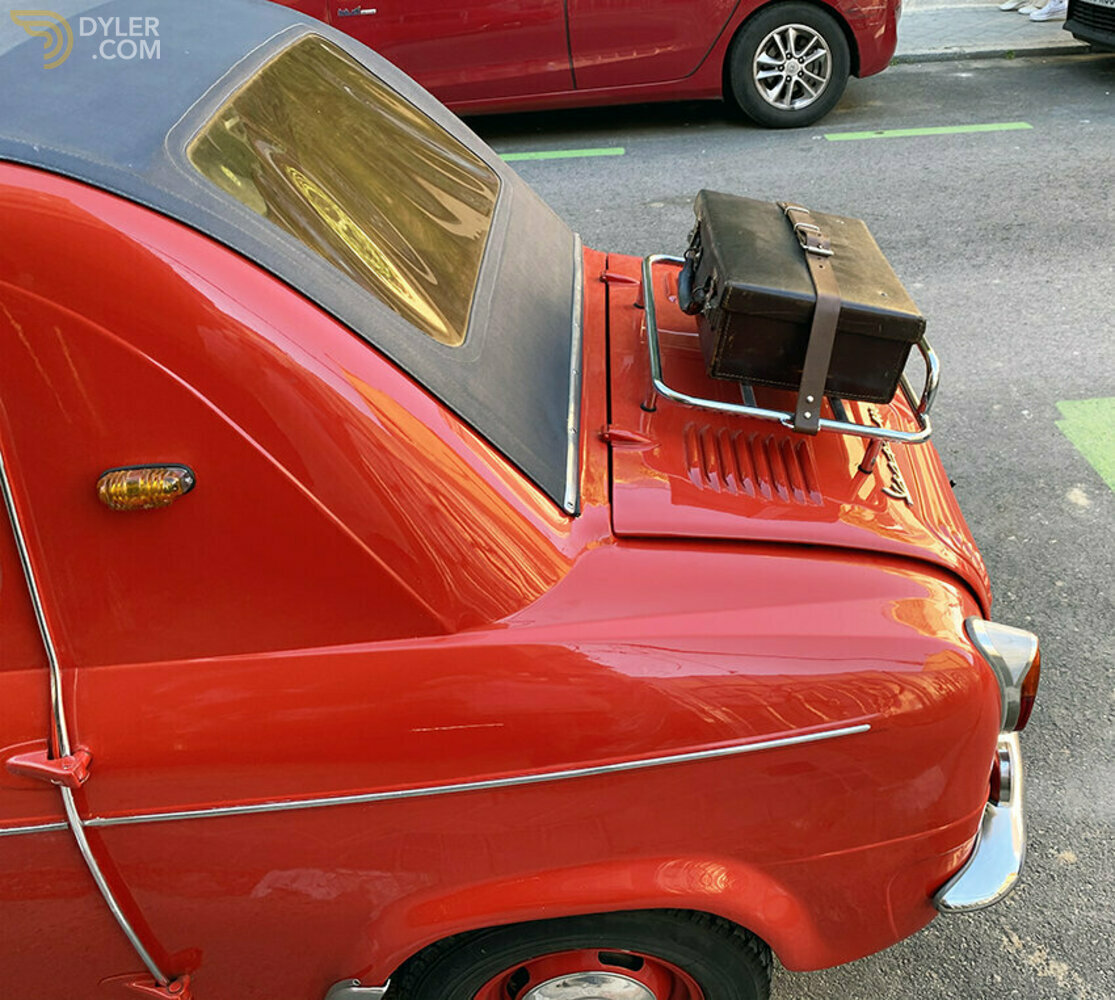
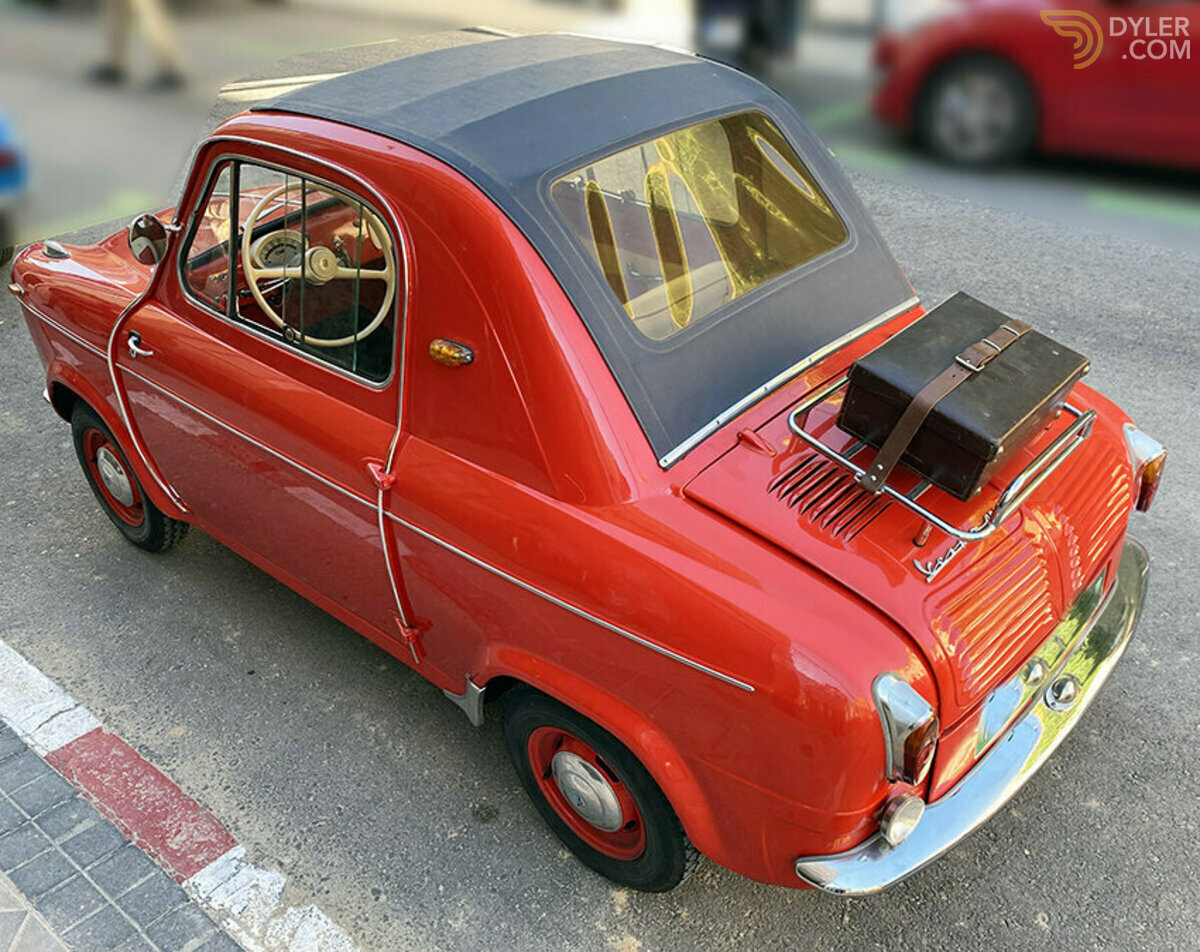
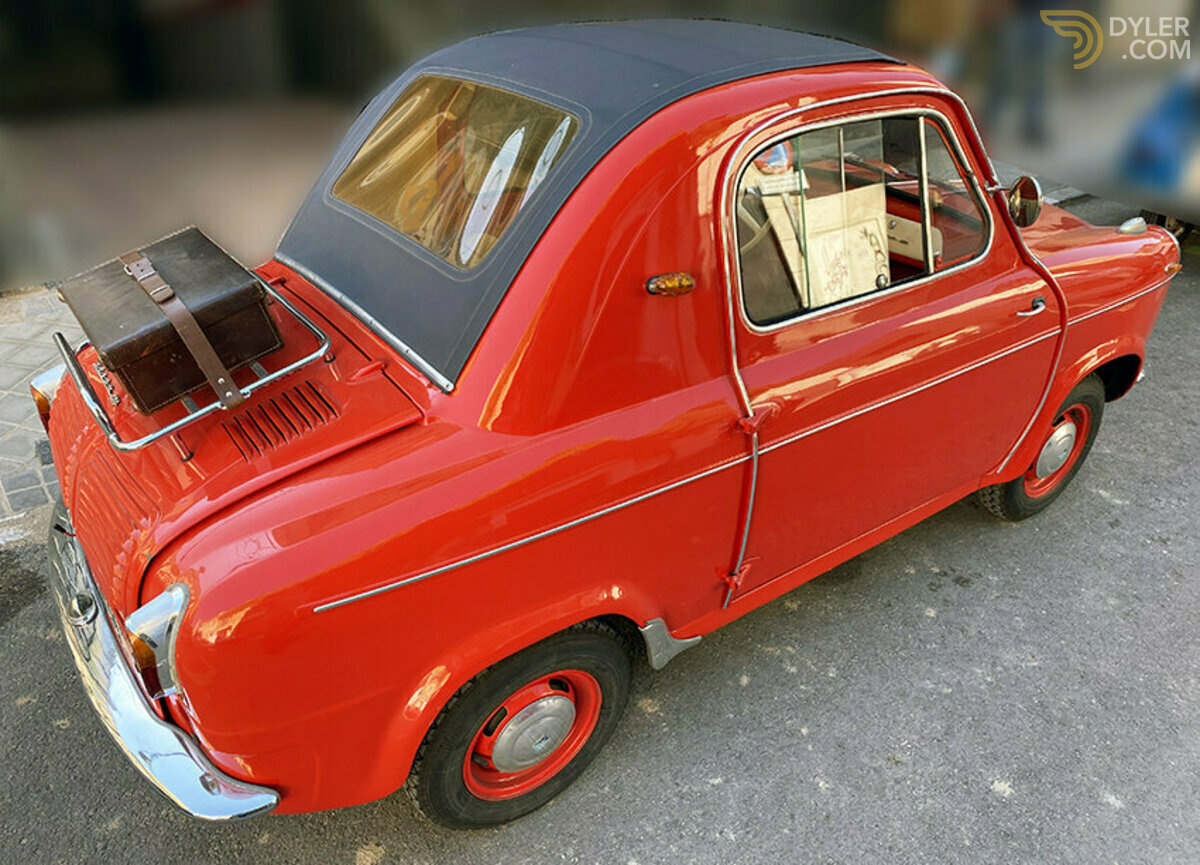
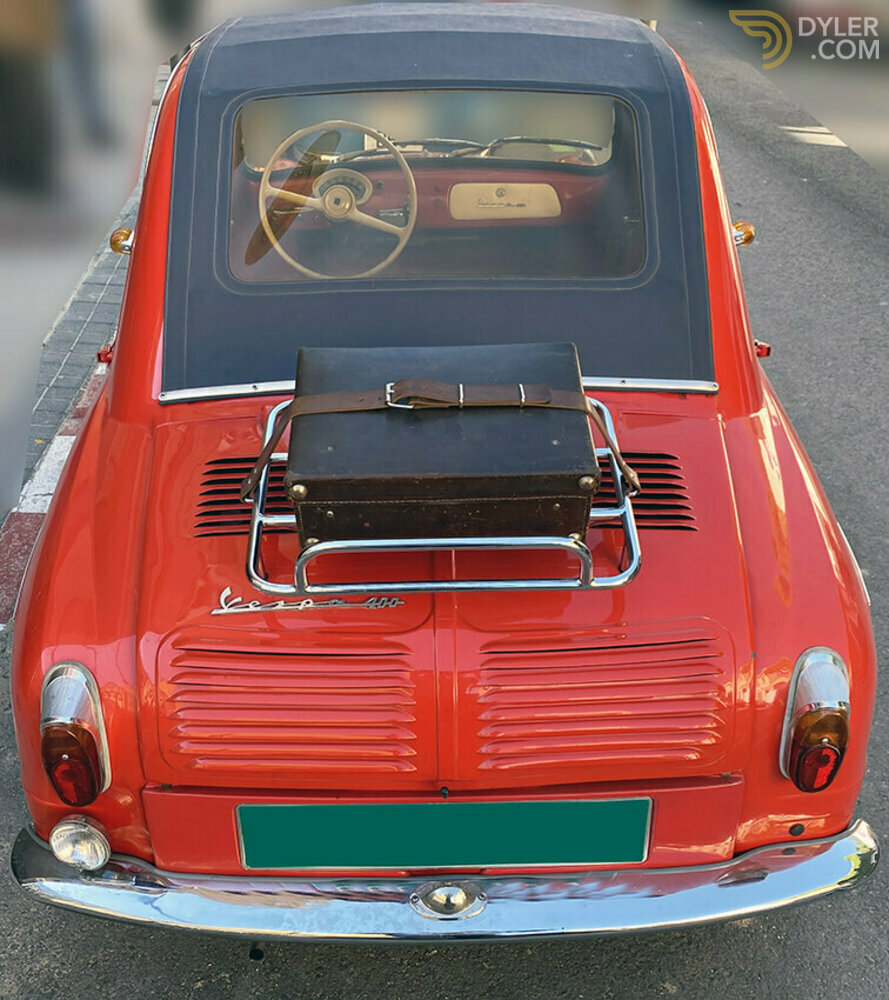
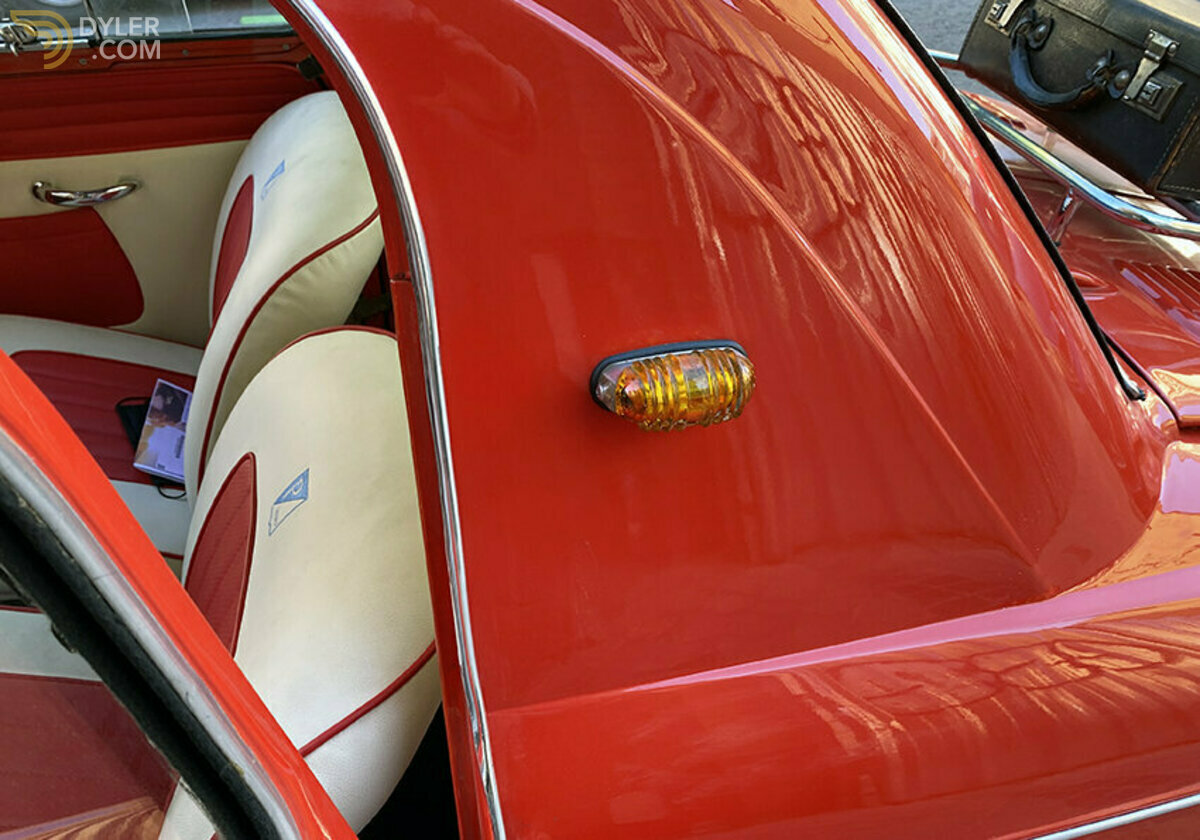
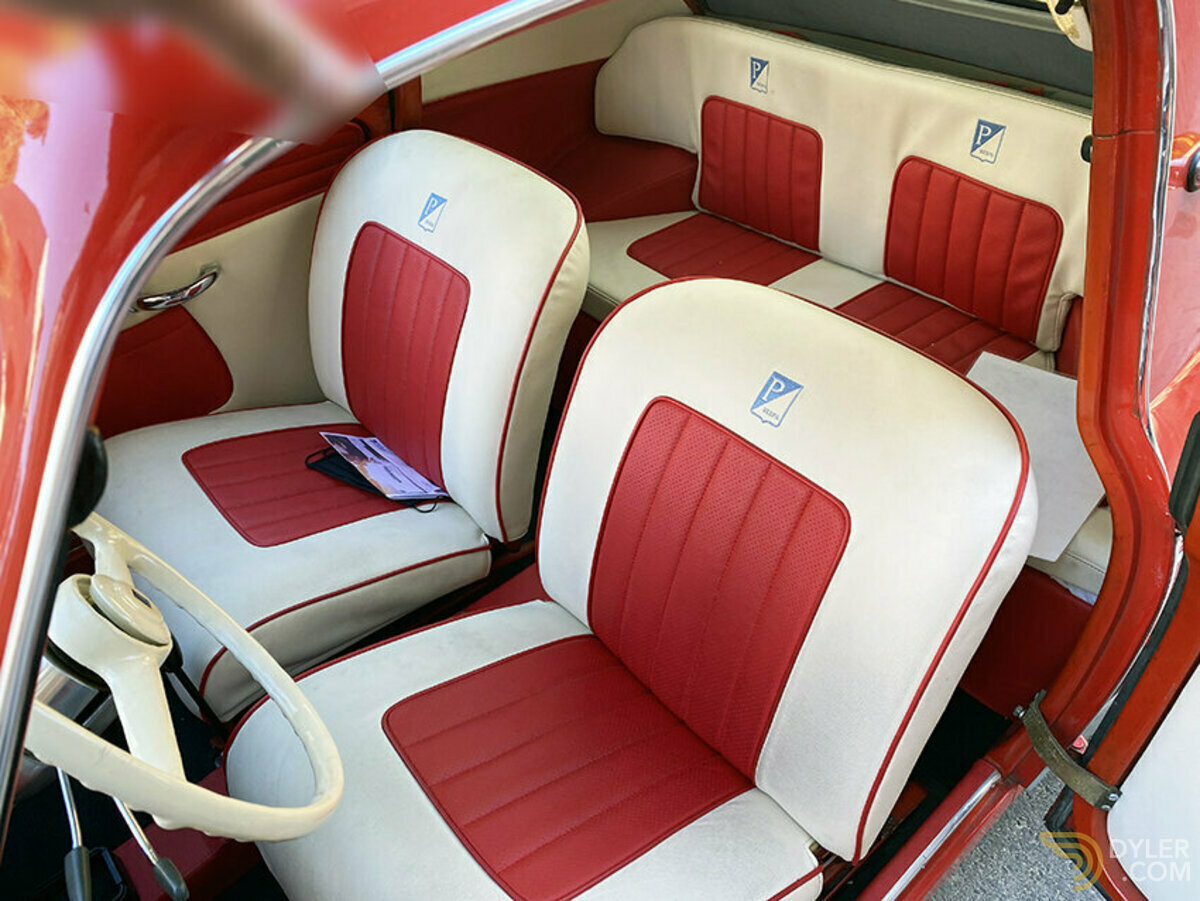
APPRECIATIONS: We have done a complete restoration, it works perfectly, the general condition is impeccable. Body in very good condition (see photo). Luxury interior with logo, original wheels. Documentation historical included.
RESTORATION OR DAMAGE EXAM: Completely restored.
Vespa 400
VIDEO:
Parent company Piaggio
Manufacturer ACMA
Period 1958-1961
Factories Fourchambault
Type Microcar
Bodies Convertible two-door
Settings Rear-engine, rear-wheel drive
Dimensions 2850 / 1100 / x / 1693
The Vespa 400 was a microcar produced by the French manufacturer ACMA (Ateliers de Constructions de Motos et Accessoires) in Fourchambault, France, from 1958 until 1961, according to the designs of Piaggio. It was available in two versions, "Lusso" and "Turismo". Swept away by the resounding success that was taking the star product of the house, the Vespa launched in 1946, one of the sons of the founder of the Company, Enrico, decided to take a leap and venture into the world of the automobile, creating this microcar.
However, the model had a little success and barely stayed a few years in the market, in part due to the pressure against the own Fiat that he did not want a competitor for their model 500.
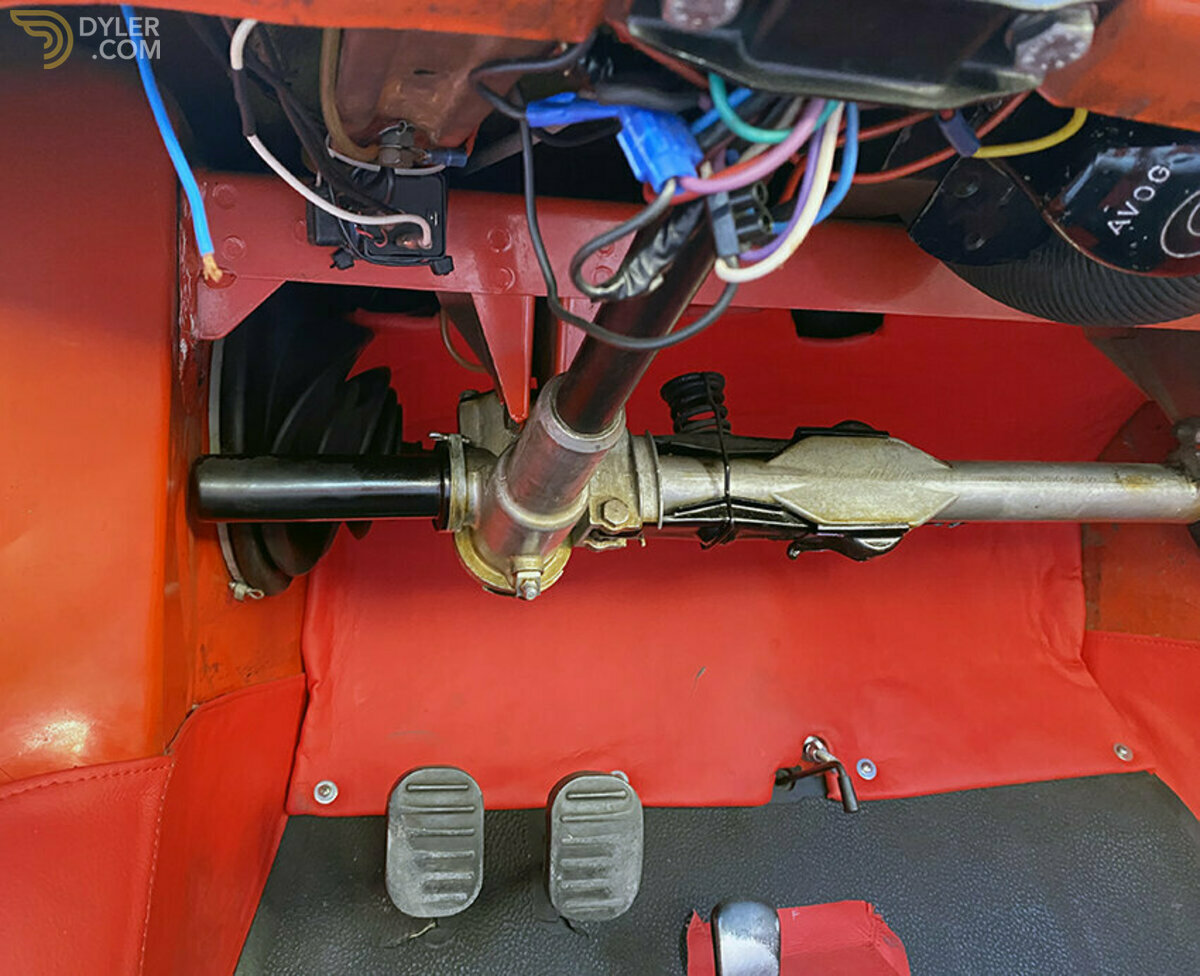
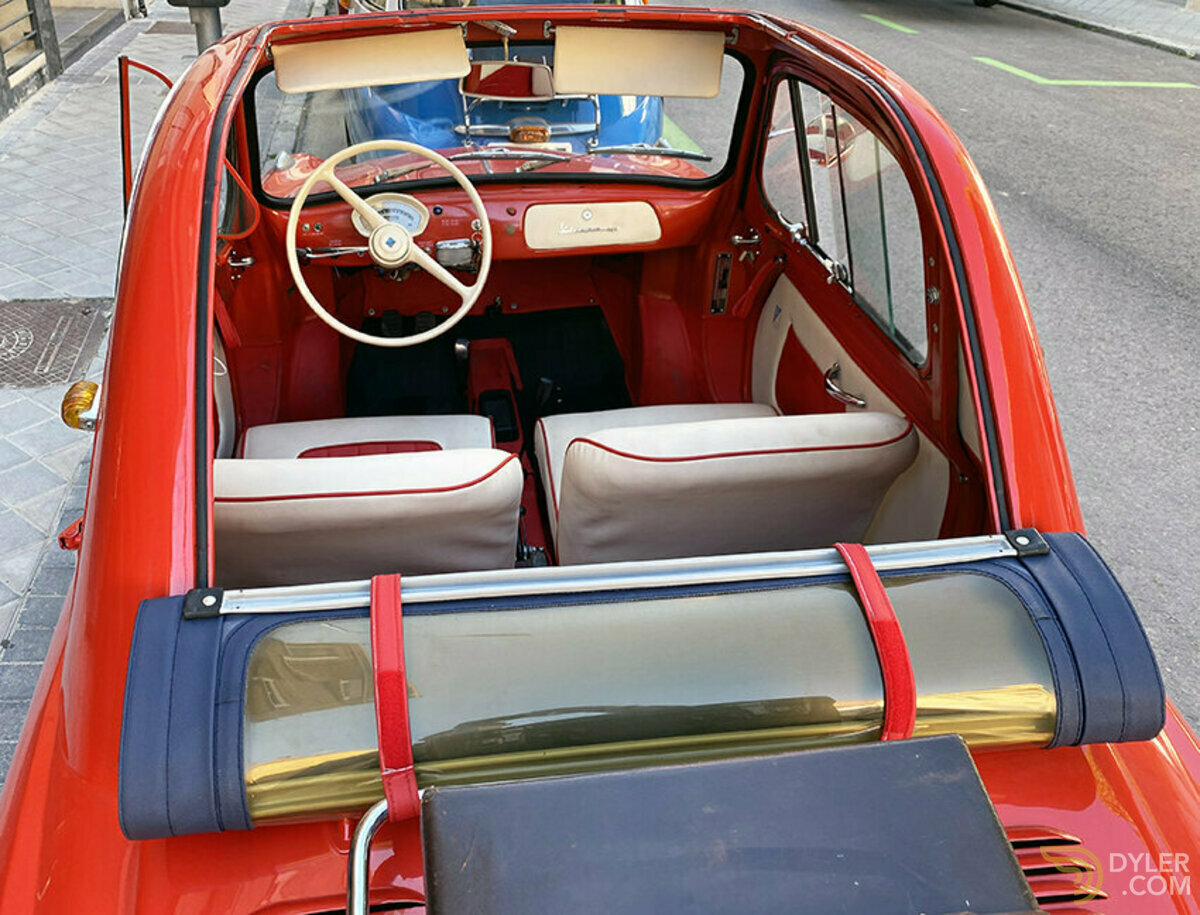
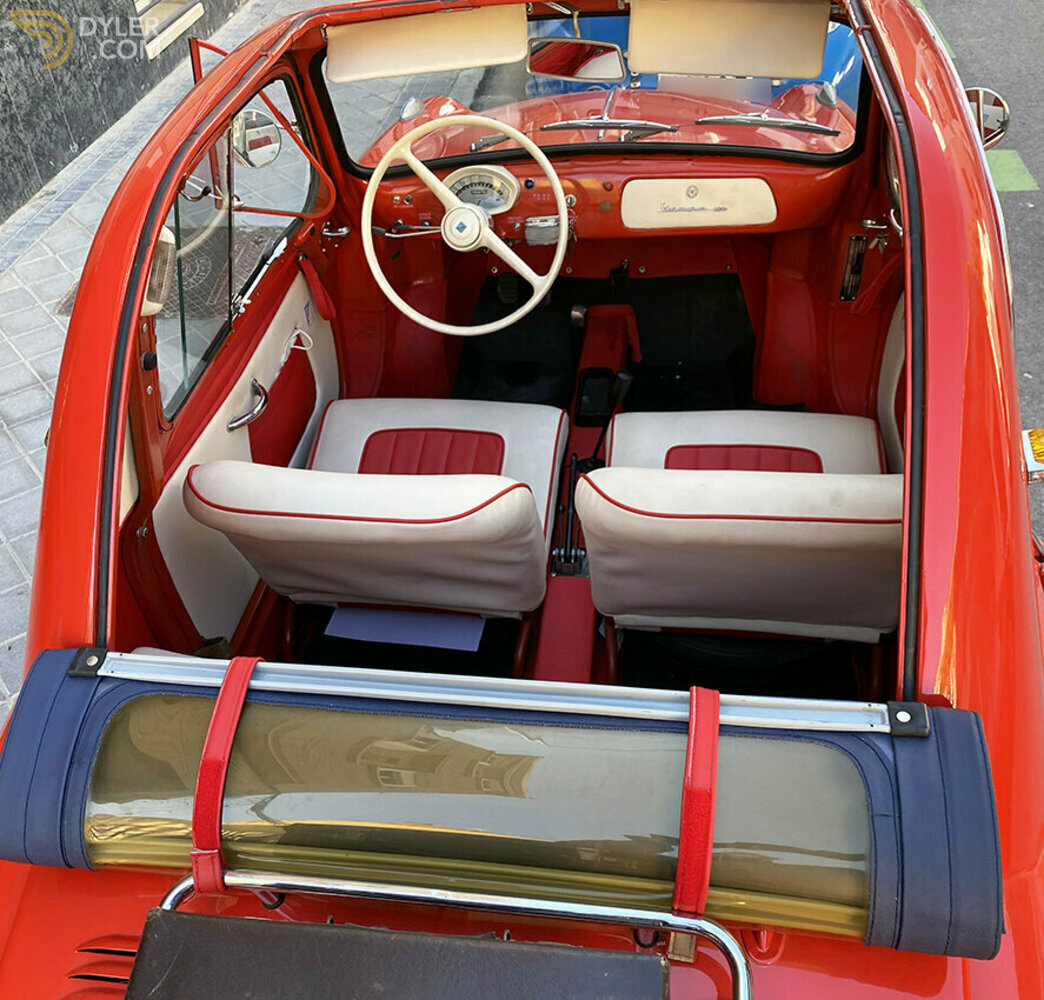
Basically, the car was a two seater with a small space behind the front seats to carry two children at a young age or, optionally, a meager luggage. The driver and his companion sat in a simple two-seat tubular wrapped with elastic fabric and between them is placed the hand brake and the choke. The gear change lever, for its part, was placed in the center of the floor.
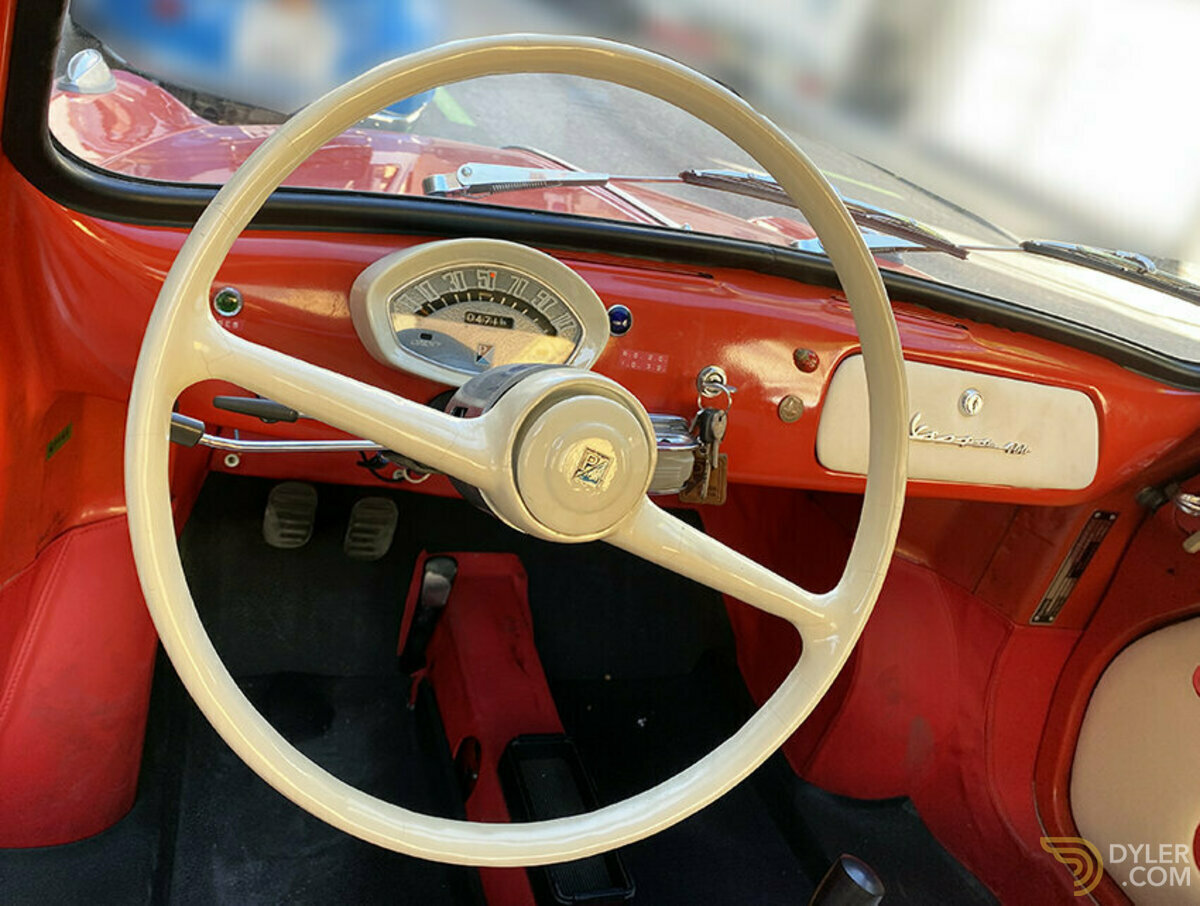
The box of instruments was very simple and contained a speedometer as well as a few indicators, namely: intermittent, load of the dynamo, headlight and warning of low fuel. There was a convertible version that had a roof rolling back, by a rail located on the ceiling and he would fall on the rack of the rear engine.